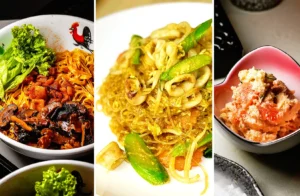
The oil is already hot when she reaches for the leaves.
It’s late morning in a kitchen off a quiet lane, and a woman I’ve been watching stands over a blackened wok, tearing bitter gourd leaves by hand into a small heap. The garlic hits the oil first, sharp and loud. Then the leaves go in, and the smell shifts — green, faintly medicinal, a little sour. She doesn’t taste as she goes. She already knows. A crack of egg, a quick fold, and the bitterness folds in with it, softening but never disappearing.
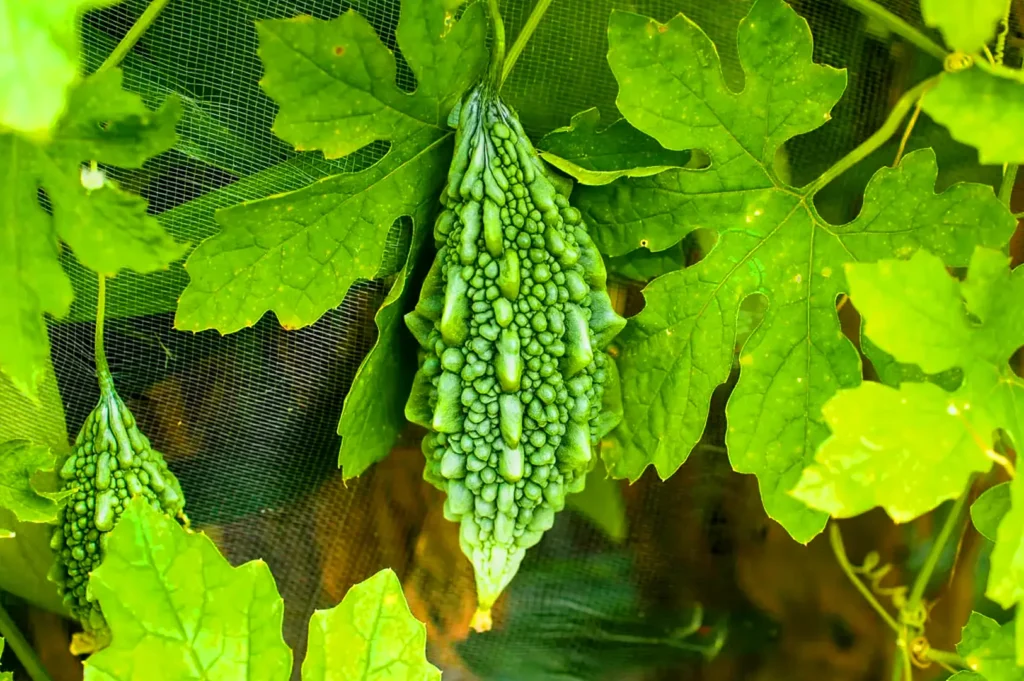
It is bitter melon leaf — kyet-hin-ga in Myanmar homes, the leafy top of the same climbing vine that gives the knobbly gourd. Where the gourd is famous for its sting, the leaves carry a quieter, rounder bitterness, closer to a strong green tea than a shock. Cooks tear them young and tender, before the plant grows coarse, and they wilt them fast in hot oil with garlic and egg, sometimes a handful of dried shrimp. The heat tames the sharpest edge without erasing it. That is the whole point. The dish is not meant to be pleasant in the easy sense. It is meant to be understood.
In a Burmese home, bitterness is not an accident to be fixed. It’s a seat at the table. A meal here often runs on contrast — a sour soup, a rich curry, a fresh raw plate, and something bitter to hold the middle. The bitter leaf is the balancing weight, the thing that keeps a heavy lunch from tiring the mouth. Elders speak of it as cooling, good for the body, the kind of food you eat because it does you good and not because it flatters you. Children are eased into it slowly, a small spoonful beside the rice, until one day the bitterness stops being a punishment and starts being a comfort they miss when it’s gone.
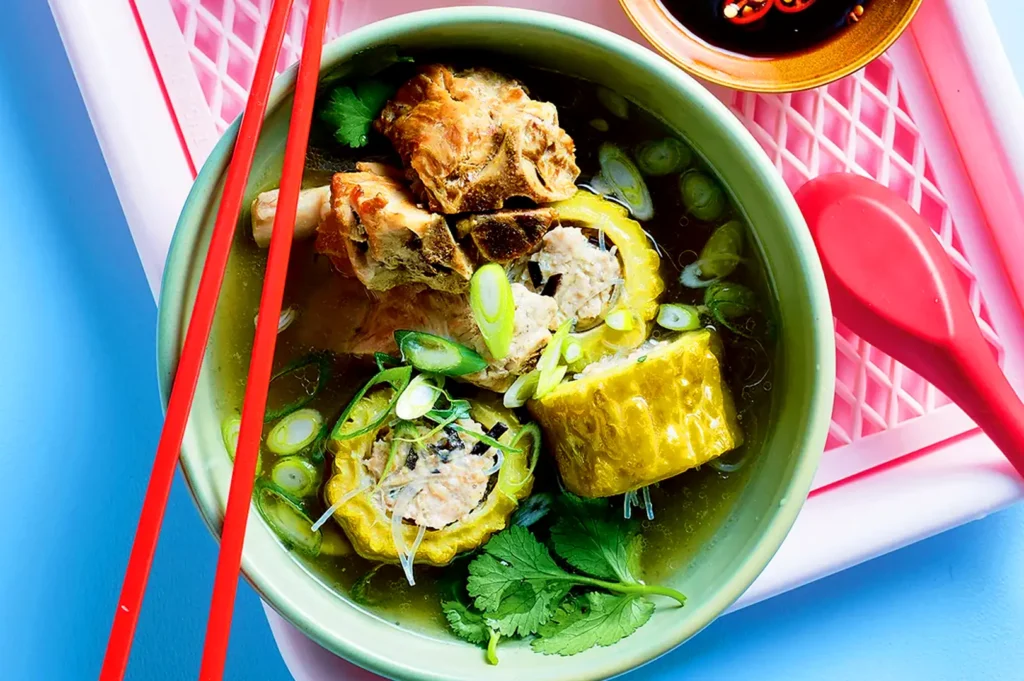
What stays with me is how unhurried it all is. There’s no attempt to make the leaf sweeter, prettier, easier. In kitchens that could reach for a milder green from the market stall, this cook still tears the bitter tops by hand, still trusts that her family wants the taste, not the apology for it. It would be simpler to leave it out. She doesn’t. That quiet refusal to soften everything feels increasingly rare an Eat Drink Asia highlight.
She tips the eggy leaves onto a plate and sets it down without ceremony. Bitter, warm, a little smoky.
Some flavours ask to be loved right away. This one asks only that you stay long enough to grow into it.

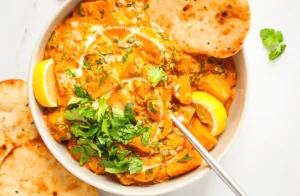
The Potato Curry That Teaches You How Spices Wake Up: A Beginner’s Indian Cooking Lesson
Eda Wong | July 16, 2026
The first time I made aloo curry on my own, I burned the cumin. I remember standing in my tiny HDB kitchen, watching those little seeds go from golden to black in what felt like one breath, and thinking: this is harder than it looks. But here’s what that bitter, smoky disaster taught me, the…

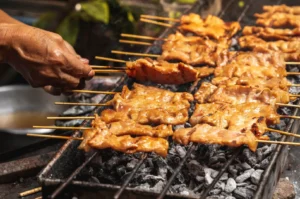
Bamboo Skewers and Smoke: Street Grills in Chiang Mai
Dio Asahi | July 15, 2026
The cart glows at the edge of the lane just as the heat of the day finally loosens. A woman fans the coals with a flattened piece of cardboard, and the embers brighten orange under a row of skewers. Fat slides off the pork, hits the charcoal, and hisses upward in a thin curl of…
-
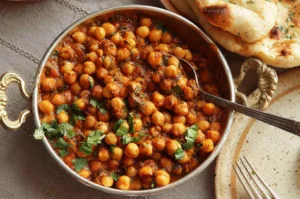
Chana Masala With Warm Roti, Built for Weeknights: Quick Vegetarian Dinner Recipes Indian
Dio Asahi | July 14, 2026
The first time I made chana masala, I started with dried chickpeas at 7:30 on a weeknight, soaking and boiling like the recipe said. By the time the curry was actually done, it was nearly ten and I’d already eaten half a loaf of bread out of sheer hunger. That night taught me something I…
-
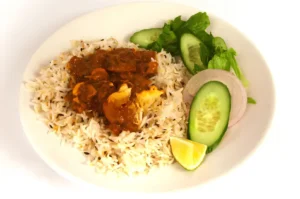
One-Pan Chicken Curry With Jeera Rice and Cucumber Raita: Food for Dinner Indian, Made Practical
Eat Drink Asia Team | July 11, 2026
The first time we cooked a full Indian dinner on a weeknight, the curry, rice, and raita felt like three separate tasks—three pans, three timers, and a kitchen full of wonderful smells but chaos. The curry was good, the rice sticky, and the raita watery from being made too early. That night taught us a…
-
Banana Leaf Steam: Why Some Rice Smells Like Home
Eda Wong | July 10, 2026
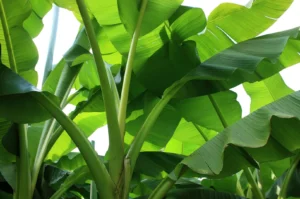
Steam rises from the pot, and a woman lifts a banana leaf over the open flame, turning it once, twice, until its stiff green softens and the surface goes glossy and pliant. She wipes it down with a damp cloth, then spoons hot rice into its center while the grains still steam. The leaf releases…
-
Tambuah Mas Paragon, Delivered: Unique Food Delivery Singapore With Old-School Comfort
Eda Wong | July 9, 2026
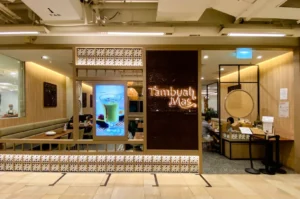
I ordered from Tambuah Mas on a rainy Sunday at around 6:15pm, mostly because I wasn’t in the mood to dress up and head into town, but I still wanted a proper meal. Not a sad one-bowl lunch. A real spread. That’s the thing about Tambuah Mas. It’s been around since 1981, serving Indonesian home-style…
-
Toasted Rice Powder: The Dust That Makes Larb Sing
Dio Asahi | July 8, 2026
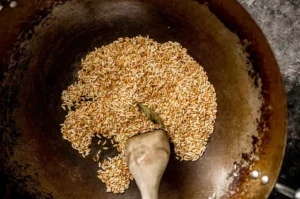
A wok sits over a low flame, and a handful of raw sticky rice slides across its dry surface. No oil, no water—nothing but heat and patience. The grains pale, then blush amber, then deepen toward the color of weak tea. Someone shakes the pan in a slow, even rhythm, listening as much as watching….
-
Ordering Lunch From Co Hai Banh Mi, and Finding Out the Definition of Good Food Delivery
Dio Asahi | July 7, 2026
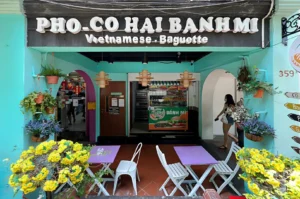
I ordered lunch from Co Hai Banh Mi & Phở Vietnamese Restaurant on a Thursday at 12:08pm, which is probably the worst and most honest time to test delivery food. It was raining lightly, the kind of Singapore lunch rain that makes every rider slower and every office worker hungrier. I had been thinking about…
-
Orchard Plaza Food: Hidden Japanese Restaurants and Local Eats Near Somerset
Eat Drink Asia Team | July 4, 2026
Orchard Plaza is one of those buildings we kept walking past before we properly understood it. From the street, it looks more like an office block than a dinner plan. But over repeated visits, usually after work or during odd lunch windows, we’ve found that the real charm sits behind lift doors, quiet corridors, and…
-
Salted Egg, Properly Treated: Sauce, Not Shortcut
Eda Wong | July 3, 2026
By Eda Wong for Eat Drink Asia. The wok station is already hot when the cook lowers the flame. In the narrow back of a Singapore zi char kitchen, the air smells of butter, curry leaves, and the faint mineral edge of salted duck egg. A metal spatula presses cooked yolks through oil until they…