Imagine pouring a cup of butterfly tea—one that radiates the deep blue color of a twilight sky, shimmering with bright blue petals from the famous butterfly pea plant. The real enchantment begins when you stir in a squeeze of lemon juice or lime juice. In an instant, this blue flower tea transforms, shifting from dark blue to radiant purple or pink. This mesmerizing color change of blue butterfly pea tea isn’t a trick: it’s the natural charm of Thailand’s most photogenic drink. Known locally as nam anchan (น้ำอัญชัน), butterfly pea flower tea is made from the edible flowers of the Clitoria ternatea plant—a staple of Thai herbal drinks and a superstar in Thai restaurants and cafés. Today, it captivates travelers and wellness seekers around the world, who delight in both its color changing properties and its cultural richness.
This article guides you through everything blue tea lovers crave: the science of this magical drink, its deep roots in Thai culture and cuisine, how to make your own butterfly pea tea with hot or cold water, the health benefits it’s celebrated for, and dazzling ways to enjoy it in drinks and desserts.
Butterfly Pea Flower Tea: The Science Behind the Color-Changing Marvel
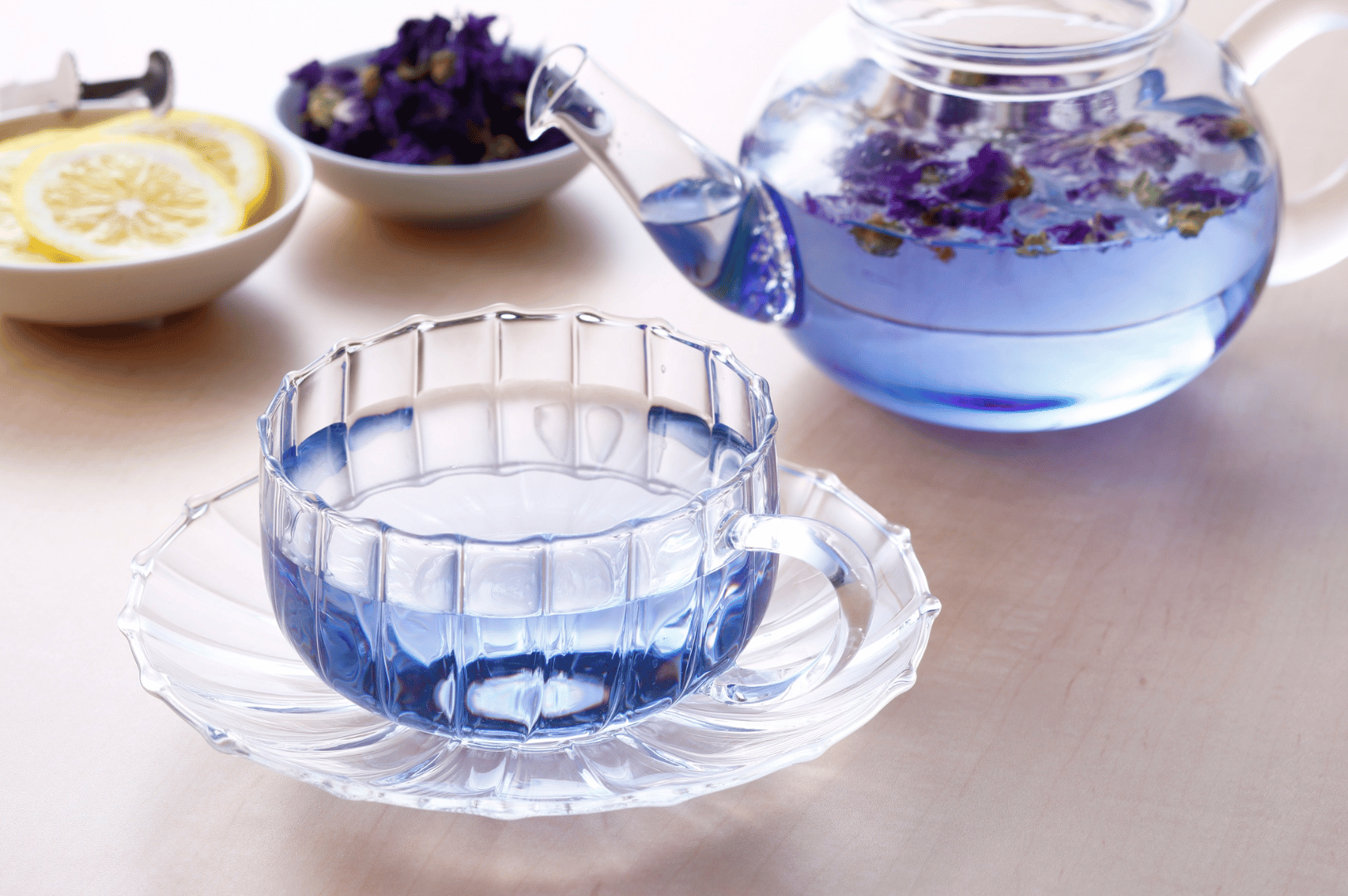
The color-changing properties of butterfly pea flower tea (also called blue pea or blue tea) introduce a splash of science into every cup. The iconic blue color comes from anthocyanins—powerful pigments also found in blueberries and red cabbage. These anthocyanins in butterfly pea flowers are especially sensitive to pH, which means acids dramatically affect the hue of the tea.
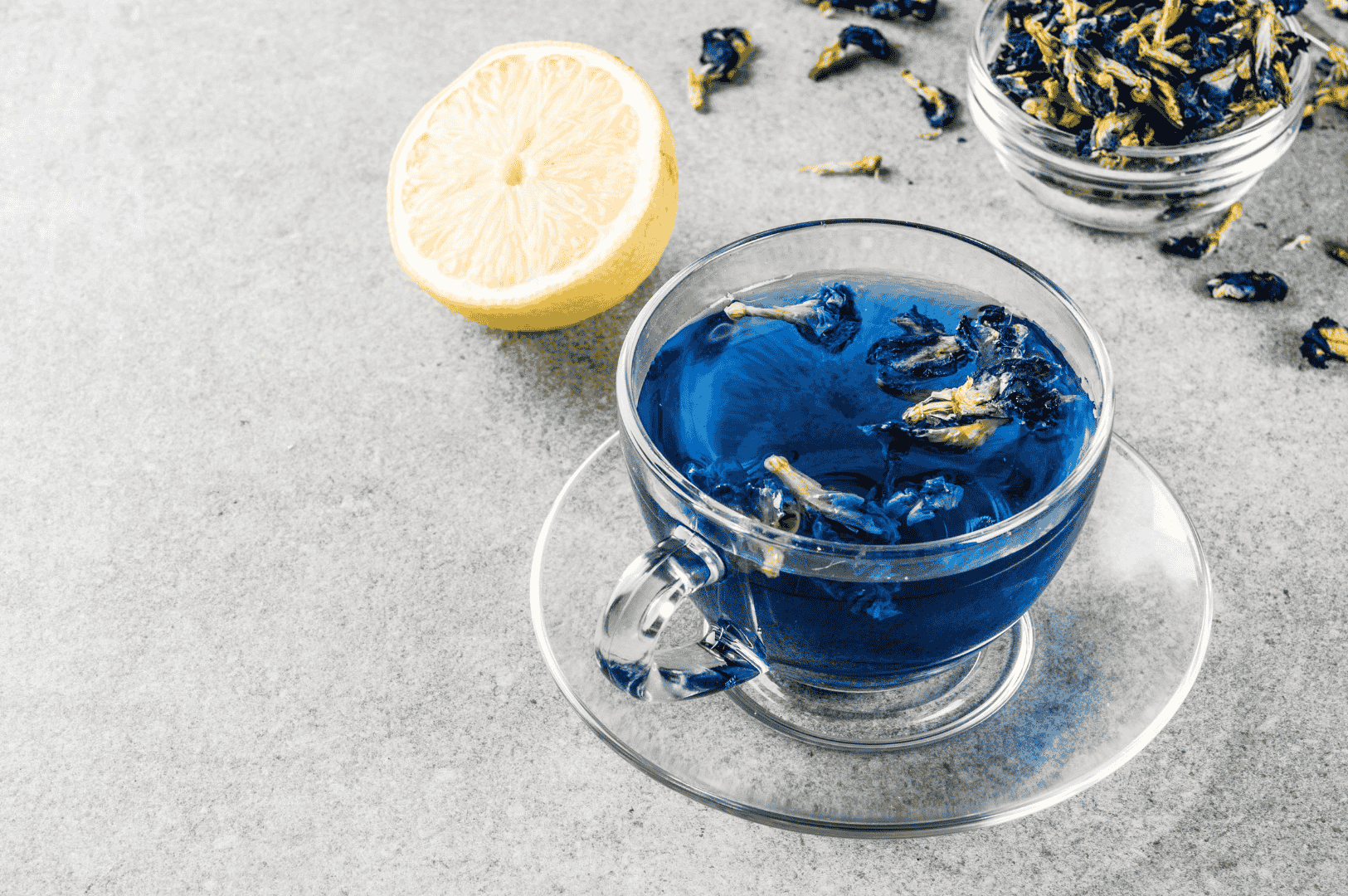
When you first brew blue butterfly pea tea with boiling water or hot water, the color is a deep blue. Add sugar or serve it chilled over ice cubes for a refreshing drink. Drop in lemon or lime juice (or even a slice of orange), which lowers the pH, and you'll witness an instant color change: blue turns to purple or pink! This delightful transformation is why Asian pigeonwings (another name for the butterfly pea plant) are must-haves in every Thai drink and video tutorial on Instagram.
Butterfly Pea Flowers: Historical and Cultural Significance in Thailand
Long before butterfly pea tea became a global trend, these bright blue petals had an important place in Thai households. In traditional Thai medicine, butterfly pea flowers—often called cordofan pea or nam dok anchan—were used to support eye health, enhance hair strength, and calm the mind. Edible flowers like butterfly pea also show up in many Thai recipes and beauty traditions, such as natural hair dye or eyebrow color.
Butterfly tea is more than a drink; it’s hospitality in a glass. Thai people serve it chilled with a little honey and lemon, often with crushed ice on hot afternoons, at spas, or before a meal in local Thai restaurants. Depending on the region, butterfly pea tea might be infused with pandan, lemongrass, or mint for added aroma and flavor. In southern and northern Thailand, blue flower tea is used as a natural dye in everyday cuisine—rice dishes, desserts, and even sticky rice.
How to Prepare Traditional Blue Butterfly Pea Tea
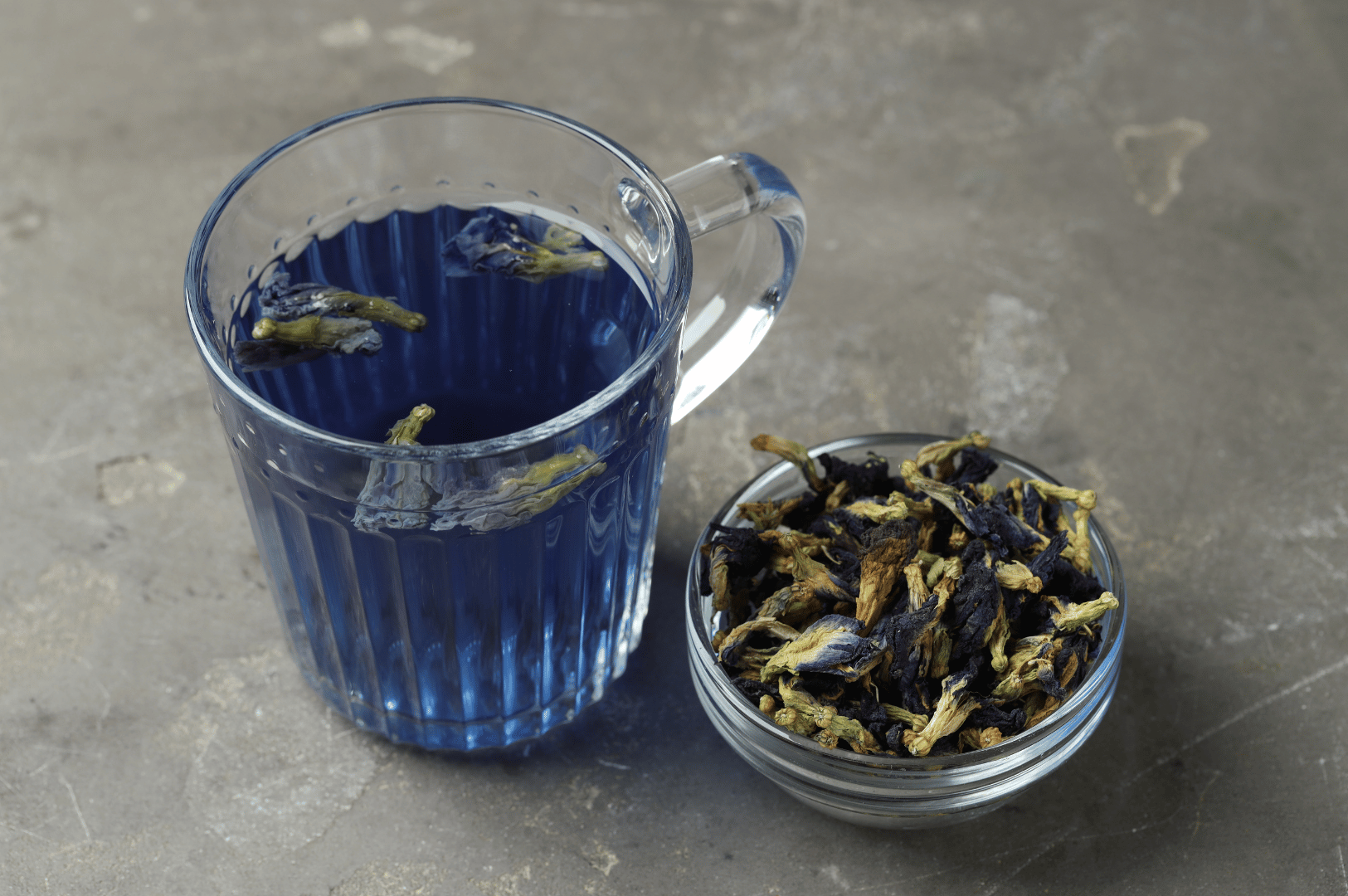
Making authentic butterfly pea tea at home is wonderfully simple.
Step-by-Step Brewing Method for Flower Tea
- Measure and Prepare: For each cup, use 5–7 dried flowers (more for deeper blue color).
- Bring Water to Temperature: Use boiling water or slightly cooled hot water (around 200°F/93°C).
- Steep the Blue Flowers: Pour over the dried butterfly pea flowers in a teapot or heatproof glass, and steep for 3–5 minutes until you achieve a rich blue color. For iced tea, let it cool and serve over ice cubes or crushed ice in a glass.
- Strain: Use a tea strainer to remove the flowers.
- Serve and Customize: Stir in honey, a squeeze of lemon juice or lime juice to reveal the magical color change and sweeten to taste. For traditional flair, garnish with mint or a pandan leaf. Many Thai people add simple syrup, milk, or whole milk for extra richness.
Pro Tip: For vibrant purple flower tea, experiment with the amount of lemon or lime for more color variety. Check out a video tutorial online for visual steps.
Health Benefits and Traditional Uses of Butterfly Pea Tea
Butterfly pea flower tea is embraced across southeast Asia—including in drinks cuisine of Thailand—for both its striking looks and health benefits. Rich in anthocyanins, butterfly tea acts as an antioxidant powerhouse. It’s naturally caffeine-free, offering a soothing alternative to stronger teas or coffee. Some studies suggest butterfly pea tea may support skin health, immunity, and even brain function thanks to its antioxidants.
Traditionally, blue tea is thought to ease stress, support digestion, and offer mild anti-inflammatory effects. Recipes for butterfly pea tea often note the lack of caffeine, making it ideal for evening sipping or as a base for cold drinks.
Health disclaimer: Always consult your healthcare provider before relying on herbal remedies for health issues or daily consumption.
Blue Pea: Beyond Tea in Thai Cuisine
In the creative world of Thai food, blue pea (butterfly pea flower) is valued for much more than tea. Its dark blue natural dye colors blue rice for savoury meals, often paired with mango sticky rice (khao niao mamuang) or jasmine rice. Blue flower tea flavors everything from ice pops to jellies in the dessert case.
Modern Thai bars and cafés use butterfly pea as a key ingredient in color-changing cocktails, mocktails, and Thai iced tea fusion drinks. Watch as bartenders pour lemon or lime juice into the glass for an impressive tableside color change!
Blue Tea: Where to Find Authentic Butterfly Pea Flower Tea in Thailand
Travelers in Thailand should not miss the opportunity to sip authentic blue tea.
- Notable Cafés: Trendy spots in Bangkok and Chiang Mai serve butterfly pea lattes, frappes, and iced tea with honey, milk, or mint.
- Markets and Street Vendors: Search the bustling markets for bags of dried butterfly pea flowers or enjoy a glass of iced butterfly tea at street-side drink stalls.
- Restaurants: Many Thai restaurants serve butterfly tea as a welcome drink, or use it as an ingredient in both drinks and rice dish specialities.
Bring home these dried flowers from local markets or Asian grocery stores: they're light, shelf-stable, and perfect for DIY blue tea experiments.
Growing and Harvesting the Butterfly Pea Plant
The butterfly pea plant (Clitoria ternatea) thrives in southeast Asia’s warm, sunny weather. It’s prized for its fast growth and generous blooming of blue pea flowers. If you want to grow your own, plant seeds in well-drained soil with plenty of sun. Once your butterfly pea vines flower, harvest in the morning, dry the blossoms fully (away from direct sun), and store in a sealed container.
Sustainable cultivation ensures a steady supply both for beautiful tea and as edible flowers for dishes and drinks.
Cold Water and Flower Tea: Making Chilled Butterfly Pea Tea
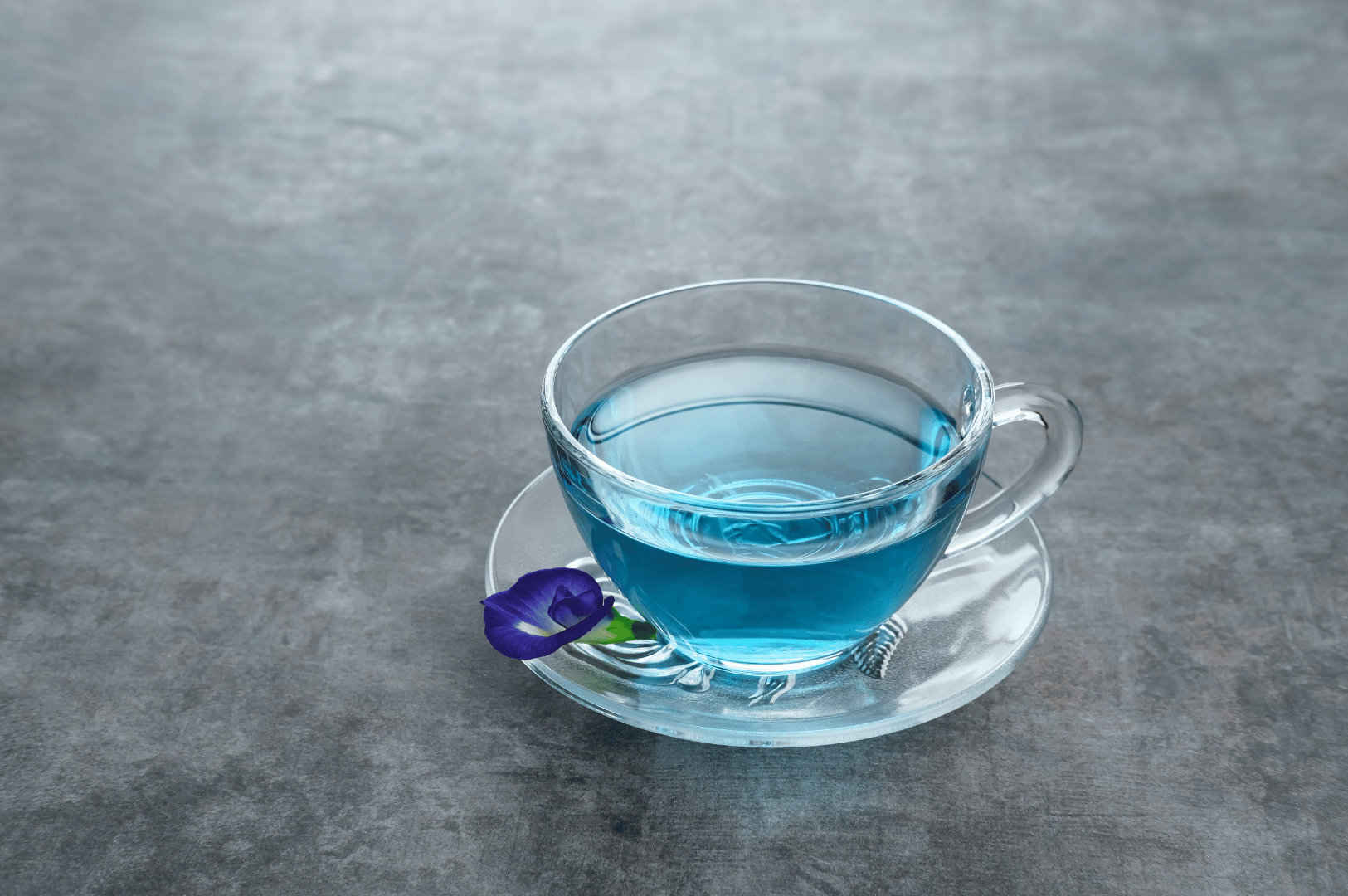
To enjoy cold water flower tea, brew blue butterfly pea tea as above, then let it cool and pour over crushed ice. This method is especially popular for hot days and in drink recipes that combine butterfly pea tea with other tropical flavors or sparkling sodas.
Conclusion
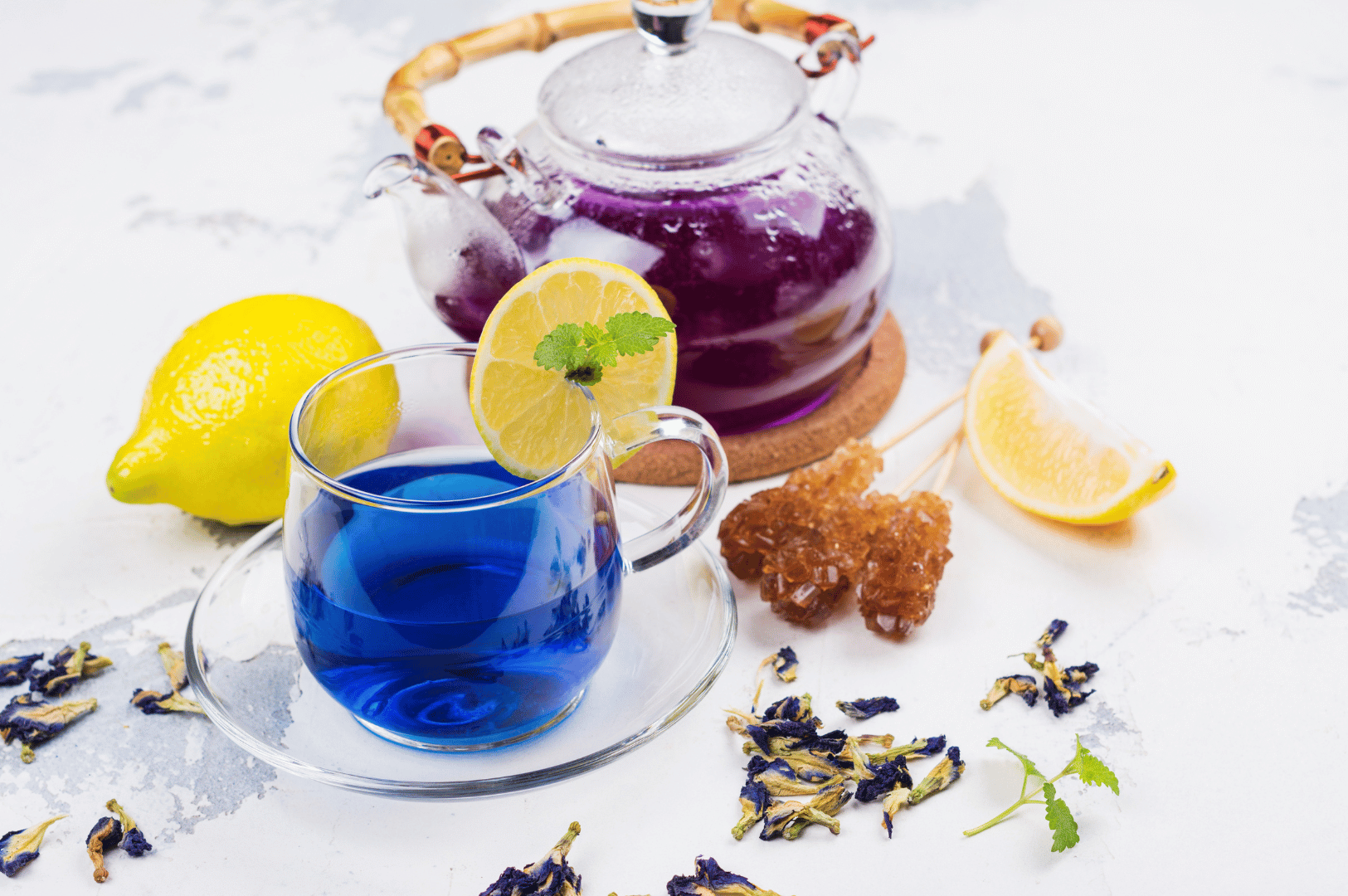
Butterfly pea flower tea is much more than a visual delight. This dazzling blue drink brings together centuries of Thai herbal tradition, scientific wonder, and delicious innovation. Whether you’re sipping it chilled at a Thai restaurant, creating blue flower tea recipes at home, or admiring its color changing properties in a glass, butterfly pea tea is Southeast Asia’s gift to the world—a symbol of nature’s magic in every cup.
Frequently Asked Questions (FAQ)
1. What does butterfly pea tea taste like?
Butterfly pea tea taste is exceptionally mild and earthy, similar to a light green tea or fresh beans. The flavor welcomes additions like honey, lemon, or mint.
2. Does blue tea contain caffeine?
No, butterfly pea flower tea is caffeine-free and can be enjoyed day or night.
3. How is blue tea served at Thai restaurants?
Most Thai restaurants serve it cold with honey, simple syrup, or milk—and often with a side of lemon or lime for you to stir in and enjoy the color change. It’s also offered hot or as part of a blue rice dish.
4. Where can I buy dried butterfly pea flowers?
Find them at Asian grocery stores, online marketplaces, or local markets in Thailand. Look for bright blue petals and check for required recipe ratings online.
5. How long do dried flowers last?
Properly stored in a sealed container away from light, dried butterfly pea flowers keep their vivid blue color and flavor for up to a year.
For a real treat, watch a video tutorial showing the color change in action, and don’t forget to review recipe ideas for your own magical butterfly tea creations. Whether you prefer it served chilled over ice cubes, mixed into Thai iced tea, or colored into a sweet rice dish, experience the wonder of blue butterfly pea tea—Thailand’s most enchanting drink.
To keep exploring Thai flavors, try khao soi, northern Thailand’s iconic curry noodle soup or browse more food journeys on Eat Drink Asia.

Pour Decisions: The Best Bars in Singapore for Craft Beers and More
Dio Asahi | April 9, 2026
Walking through the humid streets of Singapore at dusk, you can feel the city transforming. The tropical heat fades into neon lights, and the clinking of glasses begins to echo from narrow shophouses and towering skyscrapers. Singapore boasts a dynamic bar scene that rivals any global metropolis. From opulent destinations like Atlas Bar and Republic…
-
The 8 Best Chinese Restaurants in Singapore: From Dim Sum to Peking Duck
Dio Asahi | April 7, 2026
Singapore’s best chinese restaurants in singapore function less like isolated dining rooms and more like a networked system of technique. Across these chinese restaurants, you see branches of chinese cuisine expressed through roast mastery, controlled fermentation, seafood purity, and banquet choreography. This is not simply a guide to chinese food. It’s a mapped culinary journey…
-
The Neighbourhood Restaurant Test: How to Spot Truly Authentic Cuisine Restaurants in Your Area
Eda Wong | March 31, 2026
A friend texted me last week: “I’m outside this new Vietnamese place. How do I know if it’s legit before I waste my money?” It’s a question I get often. We’ve all been there, drawn in by a cool sign, only to get a plate of sad, sweet, tourist-grade pad thai that tastes like ketchup….
-
Cuisine in the World Meets Singapore: Inside Nakhon Kitchen’s Cross-Cultural Magic
Dio Asahi | March 26, 2026
There’s a rite of passage for any food lover living in the East of Singapore, and it involves a queue. Specifically, the perpetually long, snaking queue outside Nakhon Kitchen in Bedok. I’d heard the legends for years: authentic Thai food, rock-bottom prices, and a wait time that tests your commitment. So, on a Tuesday evening…
-
The Spice Route Secrets: A Deep Dive into Malay Ethnic Food
Eda Wong | March 24, 2026
My first time ordering Nasi Padang in Geylang Serai was overwhelming, I randomly picked dishes and was shocked by a $20 bill due to premium beef rendang and squid. That taught me to always ask seafood prices and that Malay food is a complex, modular cuisine. Malay food is everywhere in Singapore, in hawker centres,…
-
The Shokunin Spirit: How Japan’s Craftsman Philosophy Lives Inside Singapore’s Most Disciplined Omakase Counter
Dio Asahi | March 21, 2026
The fire is not roaring; it is breathing. In a small, darkened workshop in Sakai, a swordsmith watches the colour of the steel with eyes that have tracked the same transformation for forty years. He does not look at a clock. He listens to the hum of the charcoal. He waits for the metal to…
-
The Evolution of the Plate: How History Transformed Iconic Malaysian Dishes
Eda Wong | March 19, 2026
I used to think I understood Malaysian food. As a Singaporean, it’s practically in my DNA, right? Nasi lemak for breakfast, a cheeky roti canai for supper – I thought I had it all figured out. Then I spent a week eating my way through Penang and Kuala Lumpur, and I realised I knew absolutely…
-
The Soul of the Table: An Educational Guide to the Role of Food in Malaysian Culture
Eat Drink Asia Team | March 17, 2026
We still remember our first collective Rumah Terbuka (Open House) experience in Kuala Lumpur.Standing at the doorway of a home during Hari Raya, we were utterly paralyzed by the sheer volume of people and the aroma of Malaysian cooking. There were aunties ladling beef rendang and tables groaning under the weight of colourful kuih. “Do…
-
Asian Food Comfort Trends: Why Broths and Bowls are Dominating Globally
Eda Wong | March 14, 2026
I still remember the first time I faced a “build-your-own” Mala Xiang Guo counter. I stood there, plastic tongs in hand, completely paralyzed by the mountain of choices. Lotus root? Kelp knots? three different types of tofu skin? My anxiety spiked. I panicked, grabbed way too much luncheon meat, and ended up with a $28…
-
The Fifth Element: A Masterclass on Umami in East Asian Cuisine
Dio Asahi | March 12, 2026
I’ll never forget the first time I made miso soup from scratch. Not the instant kind, but the “proper” way. I boiled water, dissolved miso paste, added tofu, and waited. It tasted flat, salty and cloudy but missing the deep, satisfying flavor I loved in Japanese restaurants. I thought maybe I needed better miso. Years…