The afternoon heat in the outskirts of Phnom Penh settles like a thick blanket over the wooden stilt houses. Underneath the corrugated tin roof of an open-air kitchen, the air carries a heavy, sharp scent that instantly commands attention, a deeply pungent, earthen aroma of crushed fish and salt. An elderly woman sits on a low stool, a heavy cleaver rhythmically striking a scarred wooden block. She is mincing small, silvery fish into a coarse paste, the sound of metal on wood echoing through the humid air. Nearby, large earthen clay pots sit quietly in the shadows. Inside them, the true work is already happening, hidden from view.
In that pungency is a familiar truth of Asian cuisine: fermentation is often the quiet engine of flavour. What lies inside those heavy pots is prahok (pronounced prah-hok), the fermented fish paste that forms the unapologetic backbone of Cambodian cuisine. At its core, prahok is an exercise in preservation and patience. During the brief dry season, millions of small mudfish are harvested from the Tonle Sap lake, crushed, heavily salted, and packed into earthen jars. Left to ferment for months or even years under the intense tropical heat, the fish breaks down completely. The proteins transform into a dense, greyish-brown paste that is remarkably high in umami. It is a profoundly intense ingredient. A single spoonful tastes aggressively salty and sharp on its own, but when dissolved into a boiling broth or mashed with lime and chillies, it creates a rich, complex depth that defines the authentic taste of Khmer cooking.
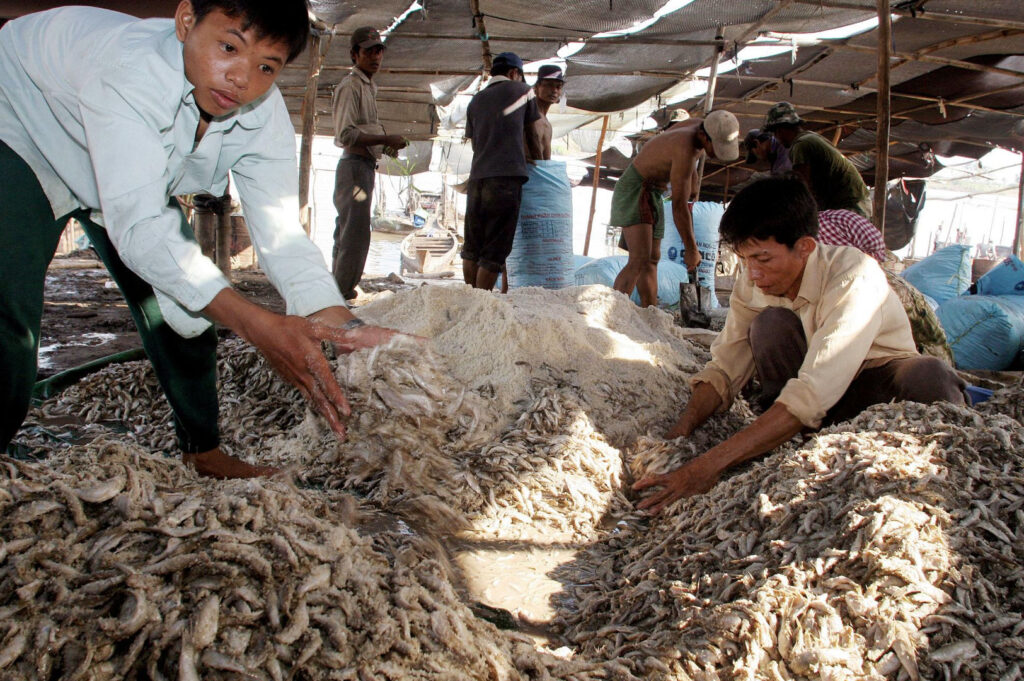
In Cambodia, the prahok pot is far more than a pantry staple; it is an anchor of everyday food memory and a record of the shifting seasons. The rhythm of rural life is tied to the annual fish harvest, turning the messy, communal work of scaling and salting into vital shared experiences for the entire village. A meal without prahok often feels incomplete to a local palate. It is the invisible force that gives body to a clear green papaya soup and the savoury edge to a fiery dipping sauce. It signals a deep connection to the land and water, offering families a reliable source of protein and deep, flavourful comfort long after the floodwaters of the great lake have receded.
Today, this ancient culinary journey faces a quiet tension. Modern urbanisation brings the convenience of factory-produced seasoning cubes and imported MSG, which offer an easier, odourless shortcut to flavour. For many younger city dwellers, the pungent aesthetic of a bubbling clay pot of fermenting fish feels out of step with fast-paced, modern life. Yet, authentic prahok demands that we confront the visceral reality of our food. It refuses to be sanitised or neatly packaged. It requires a surrender to time and the slow, microbial breakdown of nature, standing as a stubborn reminder that the most profound flavours cannot be rushed by industrial efficiency.
Watching the woman carefully seal her earthen jar, the air remains thick with the scent of salt and time. There is no rush, no immediate gratification. The paste will sit in the dark, slowly transforming, quietly waiting to bring life to a future meal.

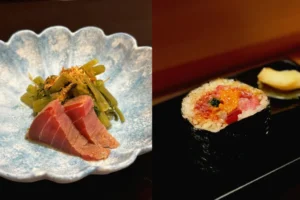
Not Just ‘Fresh Fish’: The Best Omakase Singapore Has for Storytelling Courses & Seasonal Bites
Eat Drink Asia Team | May 19, 2026
May 19, 2026 | Eat Drink Asia Team | Last Updated September 29, 2026 When you sit at an omakase counter, you’re paying for a culinary journey. A memorable omakase is more than fresh fish; it’s a delicate celebration of flavors. The best chefs act as storytellers, sequencing each bite to build anticipation and contrast, guiding…
-
Indonesian Traditional Food at Warong Nasi Pariaman: A Plate That Doesn’t Explain Itself—It Proves It
Dio Asahi | May 16, 2026
It’s always a little heartbreaking when a true culinary landmark decides to close its doors. Warong Nasi Pariaman, the iconic nasi padang spot at 738 North Bridge Road, served its final plates in January 2026. For decades, it stood as a testament to heritage, feeding generations of Singaporeans and becoming an essential part of the…
-
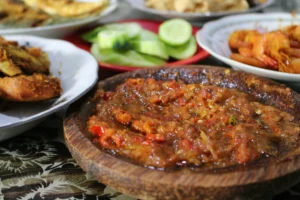
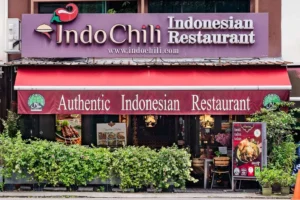
Indonesian Dishes, the IndoChili Way: A Restaurant Review Written in Smoke and Sweet Soy
Eda Wong | May 14, 2026
There are evenings when only a very specific type of comfort food will do. I wasn’t craving a standard bowl of noodles or a generic curry. I wanted that unmistakable, deeply fragrant balance of charcoal smoke and sticky sweet soy sauce that defines authentic Indonesian cooking. Finding that perfect harmony in Singapore without sitting outside…
-
The Sweet Darkness of Kecap Manis: The Flavour That Makes Food in Indonesia Feel Like Home
Dio Asahi | May 12, 2026
When I first tried to cook authentic Indonesian nasi goreng at home, I was incredibly confident. I had my wok smoking hot, my garlic and shallots perfectly fragrant, and a generous splash of regular soy sauce ready to go. But when I took that first bite, my heart sank. It tasted flat, salty, and entirely…

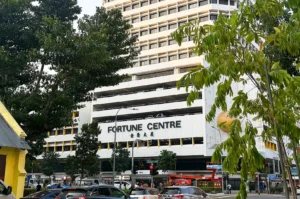
Fortune Centre Food Guide: Vegetarian Finds, Quick Lunches, and Hidden Dinner Spots
Eda Wong | May 9, 2026
May 9, 2026 | Eda Wong | Last Updated: October 08, 2026 I have spent the last six months navigating the tight corridors and bustling walkways of Fortune Centre, determined to map out the Fortune Centre food scene beyond its best-known stalls. I’ve tried all of these famous stalls, sampling everything from intricate plant-based creations to…
-
Types of Chinese Food Hidden in Plain Sight: Imperial Treasure, Reviewed Through Their Orders
Eat Drink Asia Team | May 7, 2026
For a long time, many viewed Chinese food as one giant, delicious monolith, characterized by intense heat, heavy sauces, and wok-tossed brilliance. However, as more time is spent exploring Singapore’s incredible dining scene, it becomes clear that true culinary mastery often whispers rather than shouts. To demonstrate this to visitors, a table at Imperial Treasure…
-
Famous Food in China Isn’t Loud: Din Tai Fung’s Dumplings and the Power of Precision
Dio Asahi | May 5, 2026
There is a common misconception that the most authentic culinary journeys involve loud, chaotic kitchens with massive wok flames and shouting chefs. I used to think the same thing until I started paying closer attention to the quieter corners of Asian cooking. I visited Din Tai Fung on a Tuesday around 2:30 pm, hoping to…
-
The Morning Steam of Baozi Along a Beijing Street
Eda Wong | May 2, 2026
The first thing I noticed was the steam. It rose in soft, continuous bursts from stacked bamboo baskets, drifting into the cold Beijing morning like breath made visible. The vendor lifted each lid with practiced rhythm, a quick tilt, a release of heat, then the faint scent of yeast, pork, and warm flour rolling outward….
-
Moo Ping and the Structure of Thai Grilled Street Meat
Dio Asahi | April 30, 2026
The first thing I noticed was the smoke, thin, controlled, rising steadily from a charcoal grill along a Bangkok street. Skewers of pork turned in a quiet rhythm, fat dripping and hissing as it met the heat. The air carried layers of scent: sweet palm sugar, garlic, and a faint fermented depth beneath it. I…
-
Where Kuala Lumpur Actually Begins: Reading the City Through Its Food
Eat Drink Asia Team | April 30, 2026
There are cities you can understand through maps, and then there are cities like Kuala Lumpur that only begin to make sense when you follow what people eat. Not what is recommended or ranked, but what is repeated. The same stall visited every week, the same dish ordered without hesitation, the same flavours that feel…