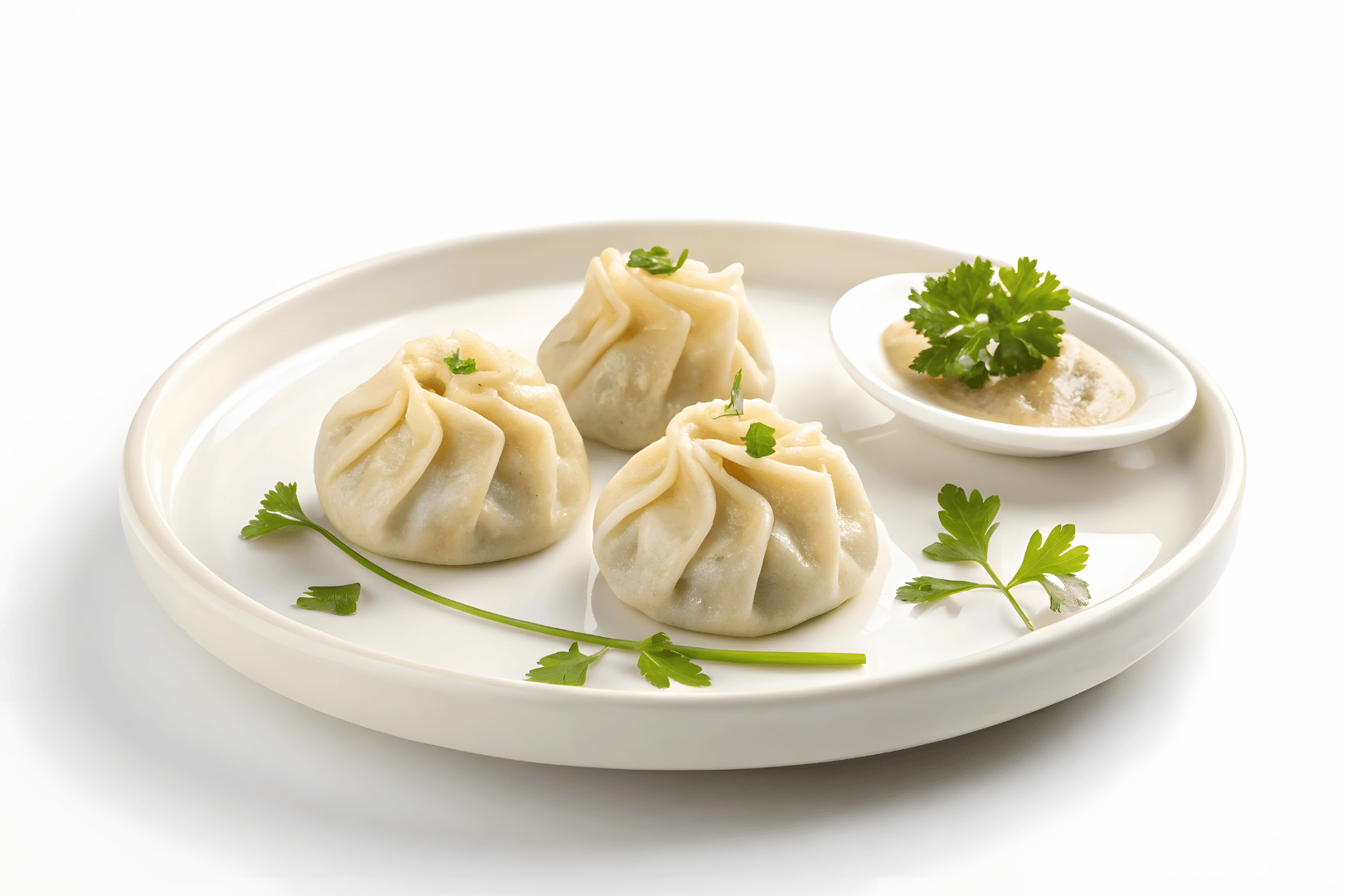
Her hands move in a blur, a dance of muscle memory refined over sixty years. In a small, steam-filled kitchen in Shanghai, an elderly woman transforms a humble circle of dumpling dough into a perfect, 20-pleat xiao long bao. Each pinch and fold is a syllable in a story passed down through generations-prime examples of century old dumpling techniques that give us today’s traditional Chinese dumplings. This is not just cooking; it is a living ritual, an embodiment of ancestral food traditions that connect past to present. Learning to fold dumplings is an essential skill, as mastering different folding techniques is a key part of traditional dumpling preparation.
Exploring homemade dumplings reveals more than just recipes-it uncovers a heritage of dumpling making, from rolling out thin dumpling wrappers to crafting fillings with Chinese chives, napa cabbage, or ground chicken. Making dumpling wrappers from scratch, using simple ingredients like flour and water, ensures authentic results and fresher taste. These techniques show why a well-kneaded,smooth dough is the heart of any great dumpling recipe, whether you plan to enjoy them as boiled dumplings, pan fried dumplings, or steamed dumplings. A stand mixer with a dough hook can also be used as a convenient alternative to kneading by hand, helping you achieve a smooth dough with less effort.
A Shared History: The Evolution of Traditional Dumpling Making
The story of dumplings is global, a testament to human ingenuity and the universal appeal of wrapping a savory dumpling filling inside dough. From Polish pierogi to Italian tortelli, cultures everywhere discovered the magic of enclosing food in a thin sheet of dough. In China, homemade Chinese dumplings remain a symbol of prosperity, often filled with pork mixture, chopped cabbage, and green onions.
Vegetarian dumplings, made with napa cabbage, Chinese chives, or Chinese cabbage, showcase the adaptability of traditional dumpling making to dietary preferences. Whether boiled, steamed, or fried in vegetable oil until golden brown, dumplings have endured because they are versatile, comforting, and absolutely delicious.
What Makes Century-Old Dumpling Techniques Special?
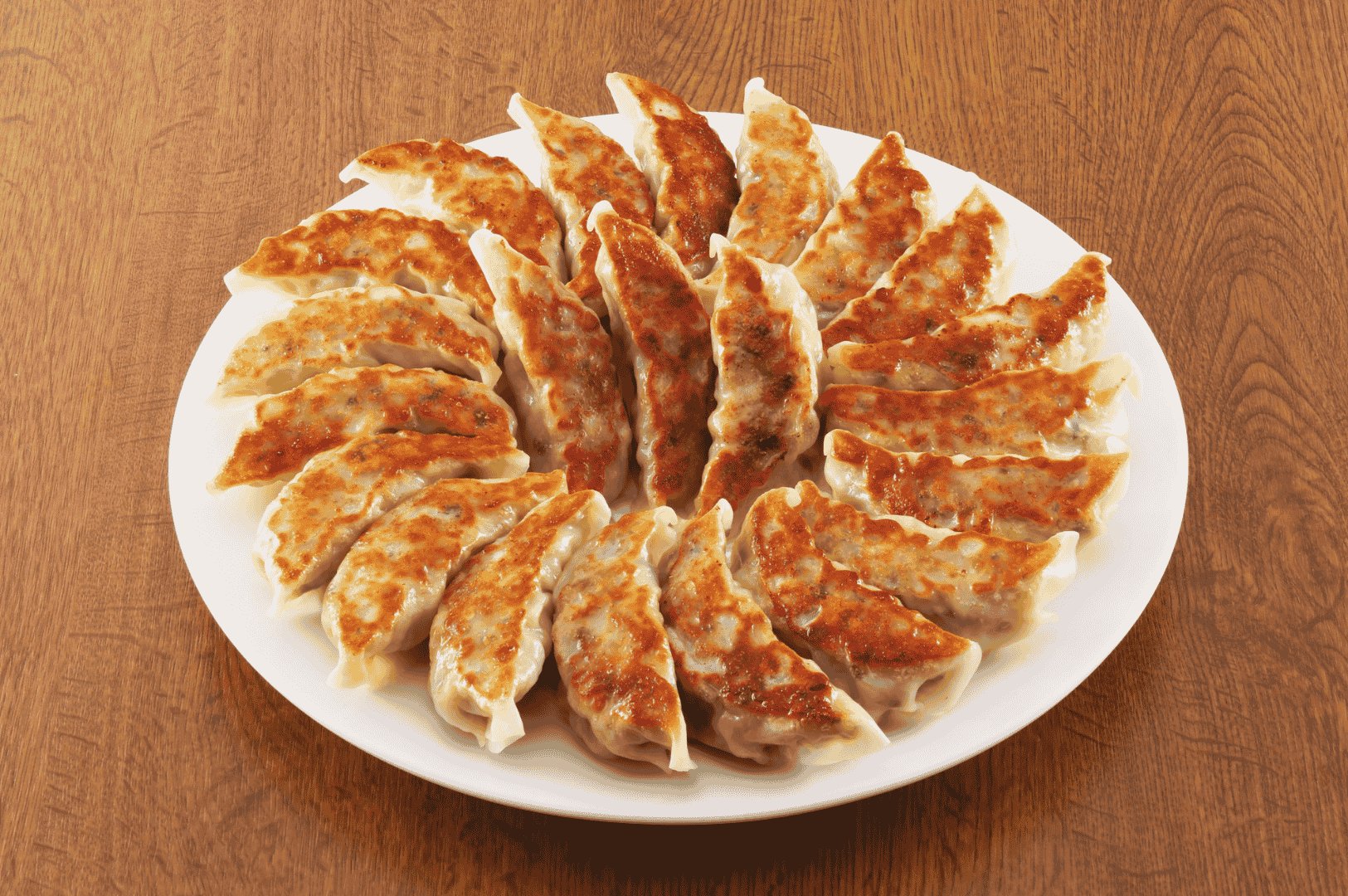
Century old dumpling techniques create superior texture and flavor that machines can’t replicate. From hand-pleating pan fried dumplings to carefully sealing water boiled dumplings so they don’t burst, every step is part of preserving cultural heritage.
The key is balance: a soft dough that stretches without tearing, a juicy filling, and careful folding. These timeless skills are why homemade dumpling wrappers and own dumplings made from scratch will always surpass factory-made versions.
The Foundation: Making Dumpling Dough the Traditional Way
Every Chinese dumpling begins with its base: Chinese dumpling dough. To prepare, mix the flour (plain flour or all-purpose flour) with cold water in a large mixing bowl until a soft dough forms. Knead the dough on a floured surface until it becomes a smooth dough, elastic but not sticky. Some cooks enrich the dough with a dash of soy sauce or sesame oil salt for flavor, but the true magic lies in achieving just the right texture.
Cover the dough with a damp paper towel and let it rest. Later, roll it out with a rolling pin or pasta maker into thin rounds for dumpling wrappers. This classic wrapper recipe ensures fresh wrappers that cook evenly, whether you prefer boiled dumplings that float in broth, steamed dumplings over a large pot, or crispy pan fried dumplings cooked in medium high heat with vegetable oil or olive oil.
Crafting the Heart: Creating Dumpling Fillings with Ancient Wisdom
A great dumpling is only as good as its filling. Traditional dumpling recipes often mix ground meat such as pork or ground chicken with finely chopped vegetables like napa cabbage, green onions, and Chinese chives. For seasoning, classics include soy sauce, sesame oil, oyster sauce, or even chicken broth to add juiciness.
The trick is balance-too much liquid and the filling leaks, too little and it tastes dry. The best dumpling filling should be tender, aromatic, and hold together when wrapped, producing an absolutely delicious bite every time.
Dumpling Folding Techniques Across Cultures
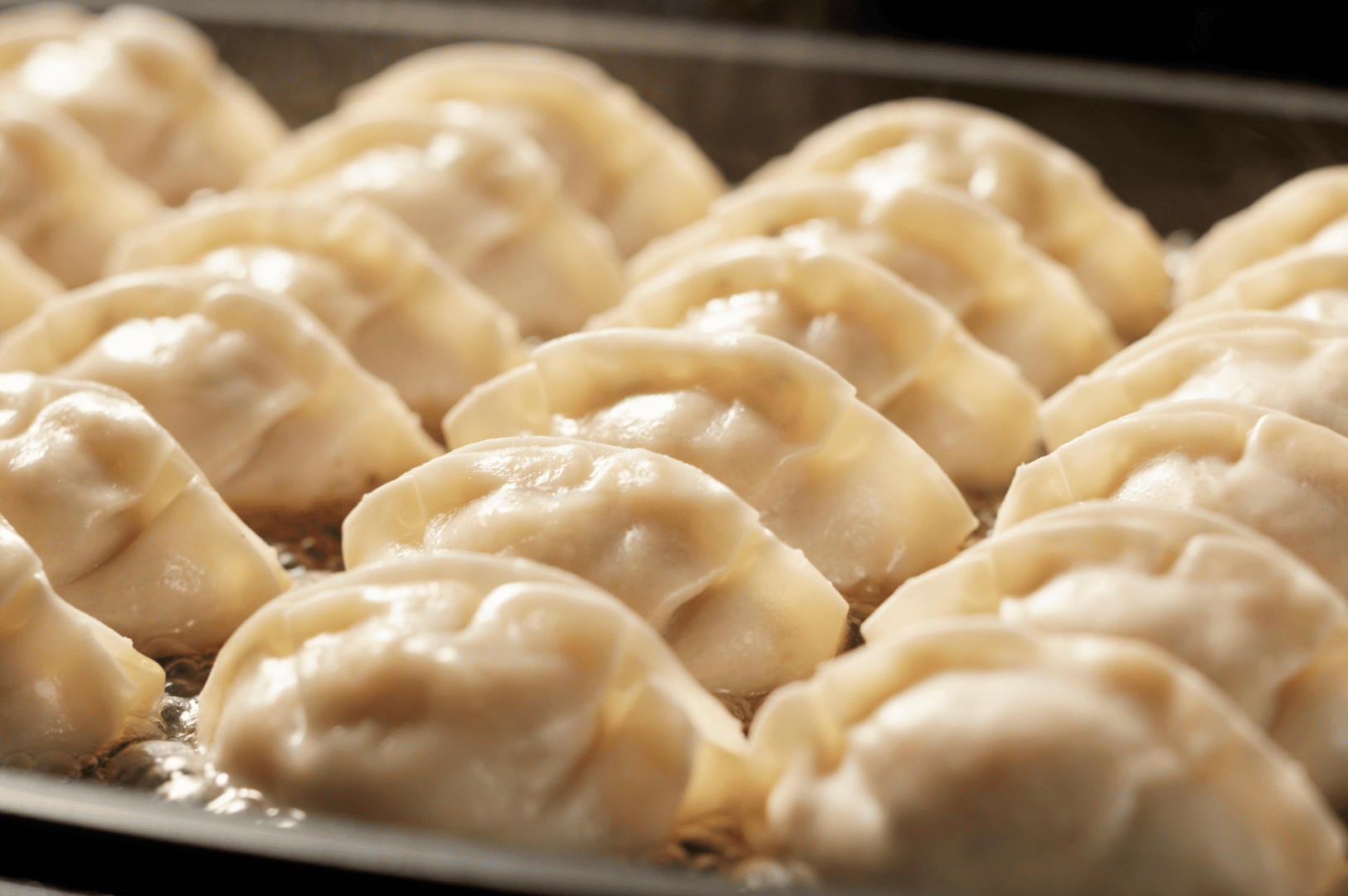
- Chinese Jiaozi (Crescent Moon Pleat): A spoonful of pork mixture or vegetarian dumplings filling is wrapped in dough and pleated into a crescent shape. Perfect for pan frying to crispy, golden brown perfection. Place dumplings on parchment paper before steaming to prevent sticking.
- Italian Tortelli (Fingerprint Press): A sheet of pasta dough is sealed with firm fingertip pressure-ancestral techniques similar to dumpling making worldwide.
- Polish Pierogi (Rope Crimp): Ensures durability for boiled dumplings cooked uncovered until tender.
- Central Asian Manti (Twisted Top Knot): A decorative fold that locks in juicy ground meat fillings while steaming.
These methods show how dumpling folding preserves both function and artistry.
From Steaming to Frying: Cooking Dumplings the Traditional Way
Cooking dumplings offers endless variation:
- Steamed dumplings: Place dumplings on a parchment lined baking sheet or bamboo steamer, cook over a large pot of boiling water until tender.
- Boiled dumplings: Drop into salted boiling water and cook uncovered until the dumplings float-a sure sign they’re ready.
- Pan fried dumplings: Pan fry the dumplings by heating oil in a pan over medium heat, placing them in a single layer, frying until the bottoms are golden brown, then adding a splash of water, covering to steam, and finally pan frying again to crispen the bottoms.
Each method highlights the versatility of homemade Chinese dumplings-crispy, tender, or silky soft.
Preserving Dumplings: Storage for Flavor and Convenience
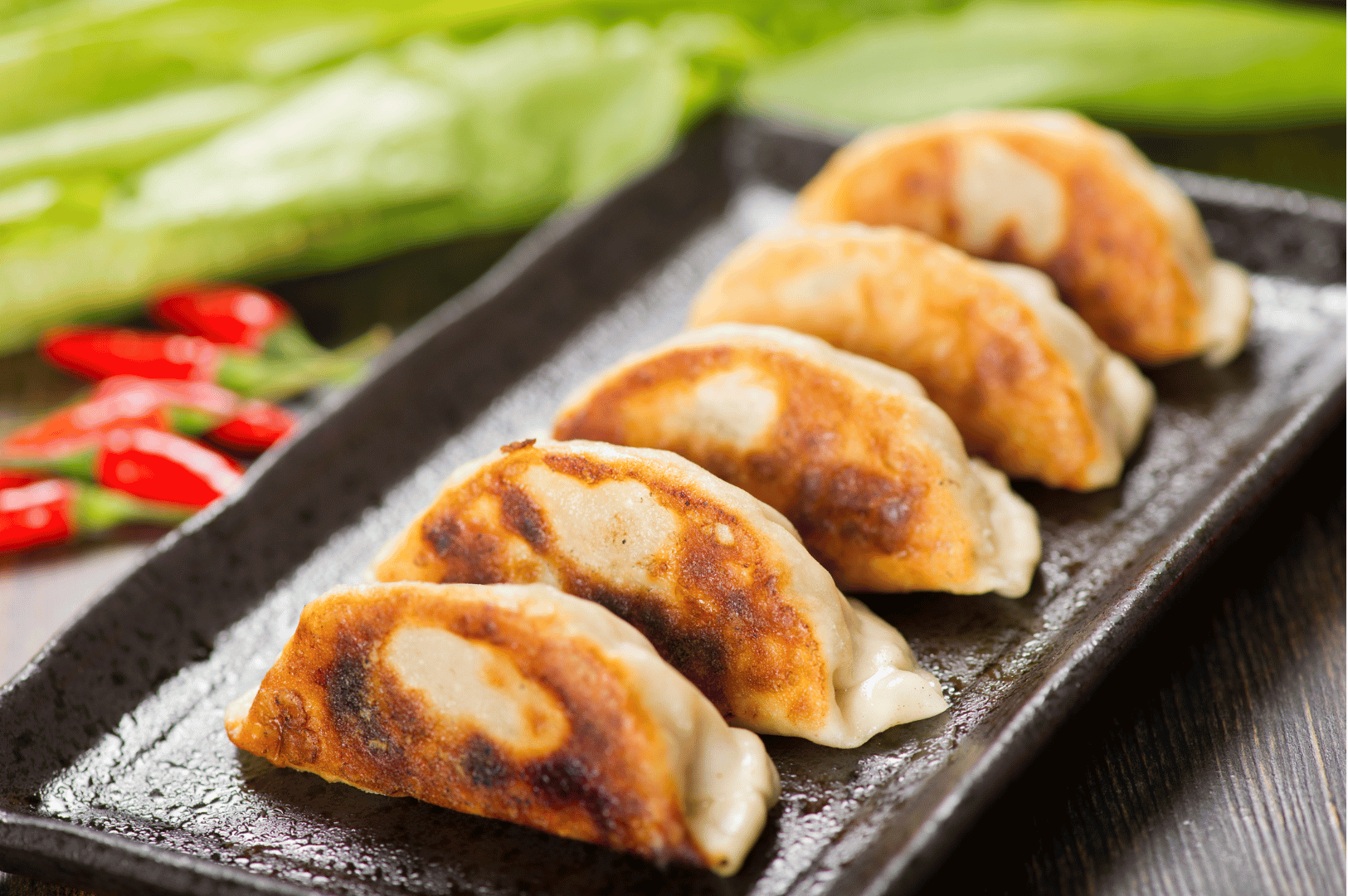
To freeze dumplings, first prepare them as usual, then arrange the uncooked dumplings on a parchment lined baking sheet and freeze until solid; this method makes it easy to store and is a convenient way to preserve dumplings for later use. Once frozen, transfer the dumplings to bags for longer storage. These frozen dumplings can go straight into boiling water or a hot pan.
For short-term storage, refrigerate on parchment paper for up to three days. Whether you dry, freeze, or refrigerate, all the dumplings you make will stay fresh for future meals.
Reheating Dumplings: Bringing Leftovers Back to Life
Leftover Chinese dumplings are a treasure, and with the right reheating techniques, you can enjoy them just as much the second time around. For boiled dumplings, gently reheat by placing them in simmering water or a flavorful chicken broth for a few minutes-this keeps them tender and prevents them from drying out. If you’re reviving pan fried dumplings, add a splash of vegetable oil to a skillet and warm them over medium heat until the bottoms turn golden brown and crispy again. For steamed dumplings, simply steam them for 2-3 minutes to restore their soft, delicate texture.
No matter the method, serving reheated dumplings with a vibrant dipping sauce made from soy sauce, sesame oil, and a touch of chili oil will bring out their best flavors. With these simple steps, your homemade Chinese dumplings will taste absolutely delicious, meal after meal.
Serving Dumplings: Tradition at the Table
Bringing Chinese dumplings to the table is a celebration of both tradition and creativity. Arrange steamed dumplings or boiled dumplings on a platter, garnished with a sprinkle of green onions and Chinese chives for a burst of color and freshness. For pan fried dumplings, present them in a separate dish to highlight their crisp, golden brown bottoms-a visual and textural delight.
Traditional serving often includes a variety of dipping sauces, such as soy sauce, sesame oil, and chili oil, allowing each guest to customize their flavor experience. To keep dumplings from sticking, line your steamer baskets with parchment paper or a damp paper towel. For a modern twist, pair homemade dumpling wrappers with inventive fillings like pork filling or vegetarian dumplings, and offer an array of sauces for dipping. However you serve them, dumplings bring people together, making every meal a shared moment of joy.
The Essential Condiment: Crafting Traditional Chili Oil
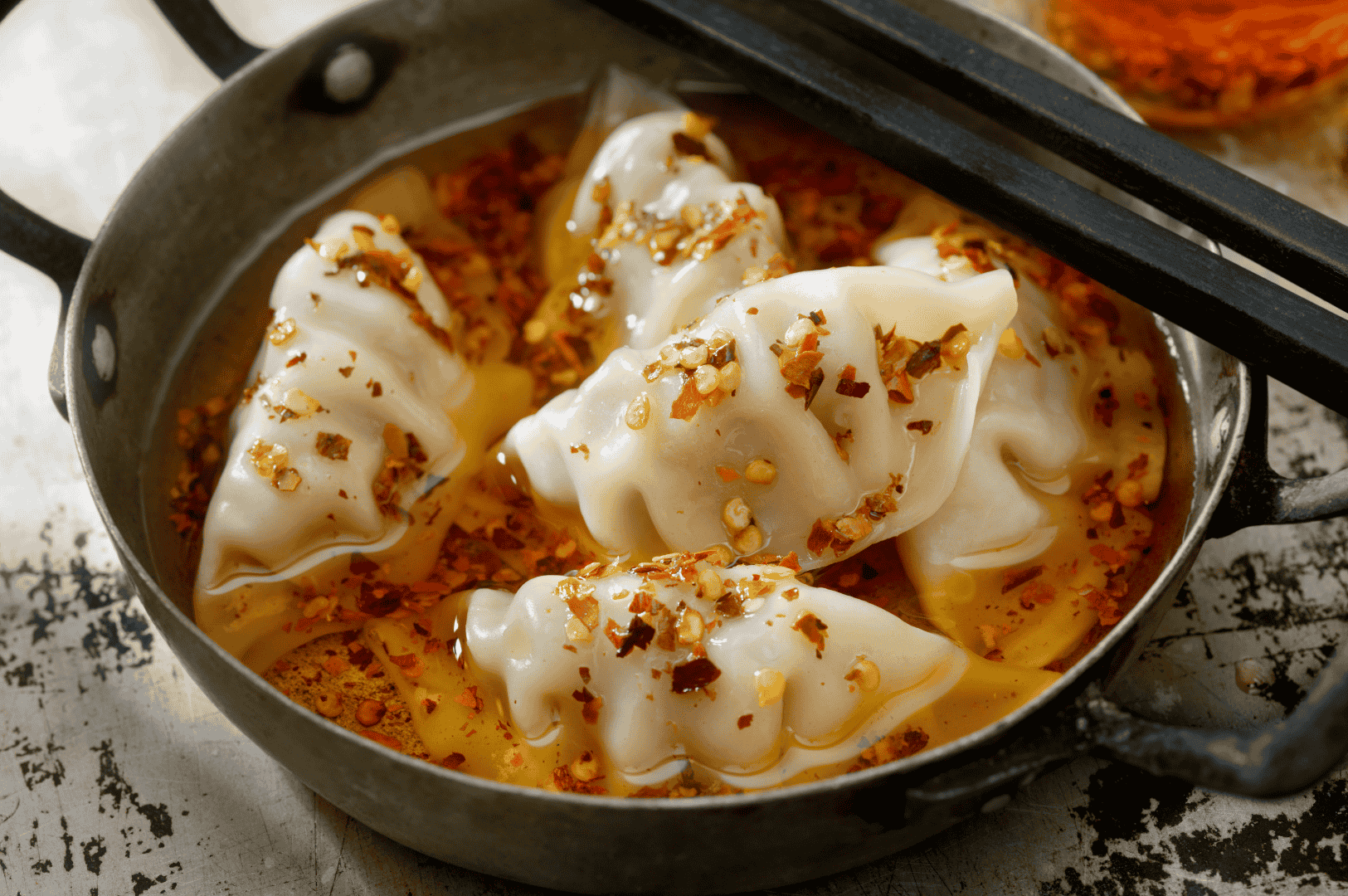
No plate of Chinese dumplings is complete without a side of aromatic chili oil. To make your own, gently heat vegetable oil in a saucepan with dried red chili peppers, sliced garlic, and fresh ginger over low heat. Let the flavors infuse until the oil is fragrant and reaches your preferred level of heat, then strain the mixture into a clean glass bottle. This homemade chili oil can be stored in the refrigerator for up to six months, ready to add a spicy kick to any meal.
Drizzle this vibrant oil over boiled dumplings, pan fried dumplings, or homemade Chinese dumplings for an extra layer of flavor. For a classic dipping sauce, combine chili oil with soy sauce and a splash of sesame oil-the perfect complement to every bite. With this essential condiment, your dumpling experience will be elevated to new heights, making each meal absolutely delicious.
Avoiding Pitfalls in Dumpling Making
Some common mistakes in dumpling making include:
- Using the wrong flour (stick with purpose flour or plain flour).
- Overfilling wrappers, which causes bursting.
- Forgetting to knead the dough until a smooth dough forms.
Follow a great recipe, use a preferred nutrition calculator for adjustments, and remember-practice improves your dumpling making every time.
Conclusion: A Call to Practice Century-Old Dumpling Techniques
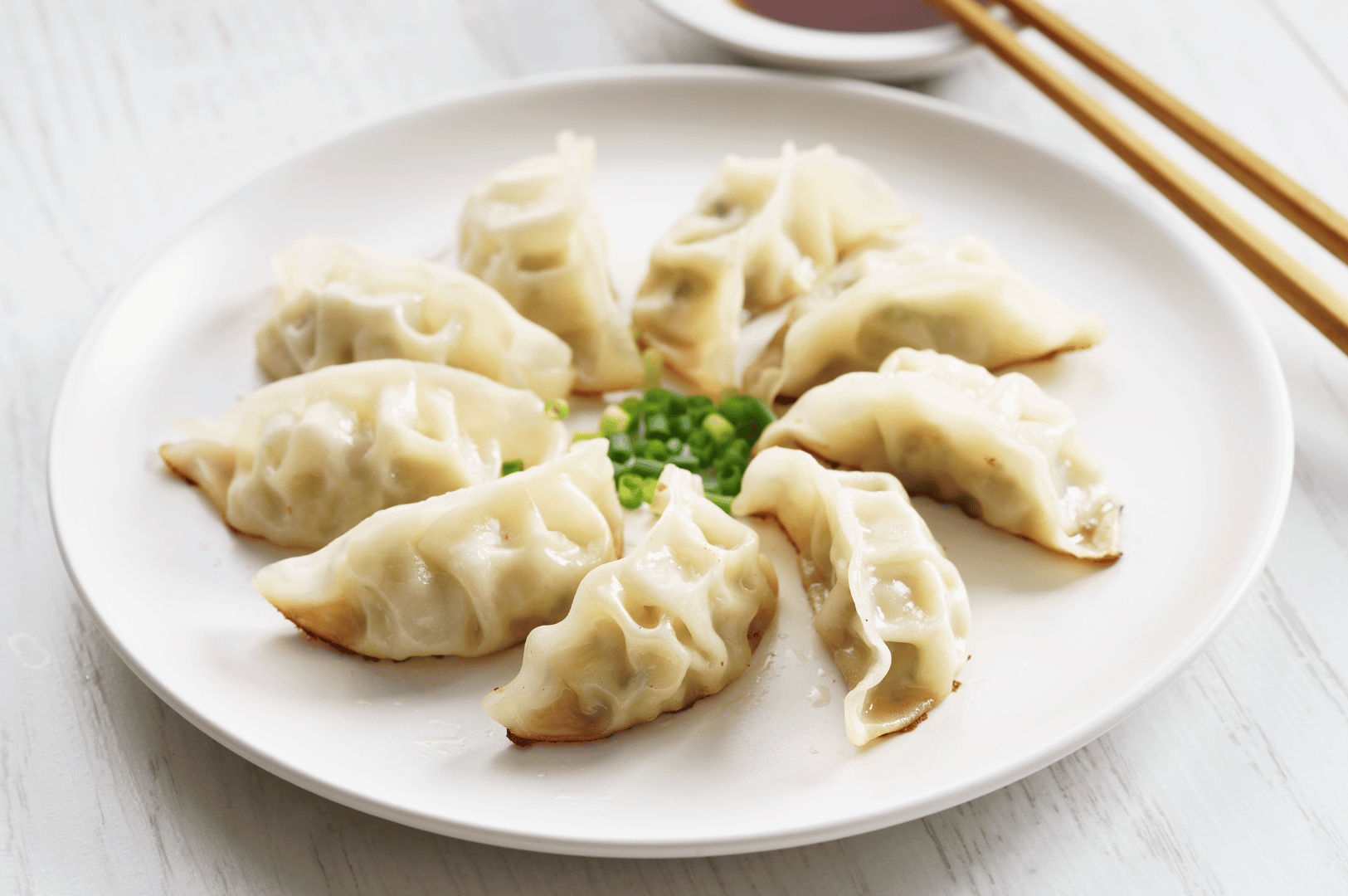
Whether you’re folding vegetarian dumplings with chopped cabbage or crisping pan fried dumplings until golden, practicing century old dumpling techniques keeps cultural food traditions alive. As you plan, consider how many dumplings to make-just enough for tonight or extra to store as frozen dumplings.
By cooking, folding, and sharing homemade Chinese dumplings, you’re preserving tradition and creating meals that are absolutely delicious. From dumpling wrappers to dipping sauce with soy sauce, chili oil, or sesame oil, every detail celebrates history at your own table.
So gather your tools-mixing bowl, rolling pin, large pot, parchment paper-and dive into the timeless art of dumpling making. Each fold, press, and crimp isn’t just about food; it’s about keeping alive the flavors of heritage.
Embracing the meticulous care and dedication found in century old dumpling techniques, we can also draw inspiration from the Shokunin Spirit, highlighting the universal value of mastery and tradition in culinary arts.

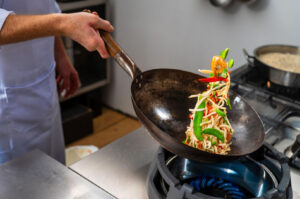
What the Wok Is Really Doing to the Vegetable: The Question Behind Every ‘Brinjal Recipe Chinese Style’
Dio Asahi | May 30, 2026
When I first tried cooking brinjal at home, I was completely convinced that all I needed was a hot pan, some oil, and a good recipe. I chopped the vibrant purple vegetable, threw it into a standard frying pan with a generous pour of oil, and waited for the magic to happen. Instead of the…
-
The Clay Pot Rice Crust That Hong Kong Cooks Wait For
Eda Wong | May 29, 2026
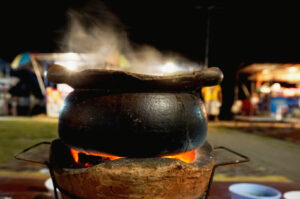
The December wind cuts sharply through the narrow alleys of Temple Street, but the ambient heat from the glowing charcoal stoves pushes the chill away. A cook stands before a long row of blackened clay pots, working with a rhythmic, almost meditative focus. Plumes of white steam rise into the night air, carrying the heavy,…
-
The Velvet Logic Behind a Chinese Eggplant Recipe: When ‘Eggplant Recipes Asian’ Means Silk
Eda Wong | May 28, 2026
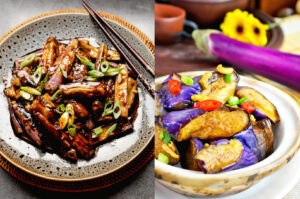
I vividly remember standing over my stove a few years ago, staring into a wok full of what can only be described as a greasy, grey disaster. When I first tried this dish at home, I assumed that tossing chopped eggplant into a hot pan with a generous glug of cooking oil would naturally yield…
-
Cambodia’s Prahok Pots and the Ferment Beneath the Meal
Dio Asahi | May 27, 2026
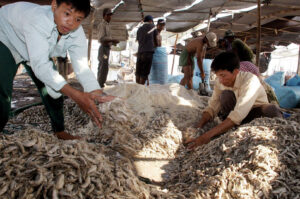
The afternoon heat in the outskirts of Phnom Penh settles like a thick blanket over the wooden stilt houses. Underneath the corrugated tin roof of an open-air kitchen, the air carries a heavy, sharp scent that instantly commands attention, a deeply pungent, earthen aroma of crushed fish and salt. An elderly woman sits on a…
-
Heat Has a Shape: Reading the Samyang Spicy Level Like a Flavour Map, Not a Dare
Eat Drink Asia Team | May 26, 2026
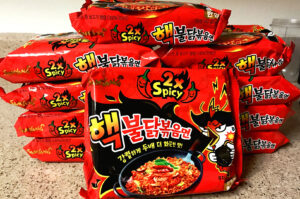
When we first tried the notorious Samyang 2x Spicy Buldak noodles, we treated it exactly how the internet told us to: like a dare. We boiled the noodles, poured in every last drop of the blood-red sauce, and braced ourselves. Within three bites, our palates were completely blown out. We could not taste the savoury…
-
313 Somerset Food Crawl: Spots That Turn ‘Quick Shopping Lunch’ Into a Full Day Plan
Eda Wong | May 23, 2026
Over the past three months, I have spent countless weekends navigating the energetic crowds of Orchard Road, determined to map out the ultimate dining itinerary. I must have visited over twenty different eateries in the area, hunting for those brilliant culinary experiences that elevate a standard shopping trip into a true celebration of flavours. Finding…
-
Benguet’s Pinikpikan and the Ethics of Mountain Broth
Eda Wong | May 22, 2026
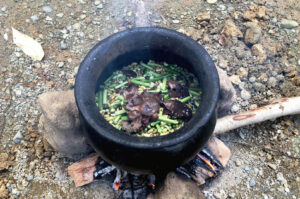
The mist in Benguet settles low over the pine-studded ridges, carrying the sharp, woody scent of a wood fire. In a quiet backyard in La Trinidad, a small gathering watches as a live chicken is prepared for the pot. The rhythm of a short, thick stick striking the bird’s wings and neck echoes softly, a…
-
The Quiet Trick Behind Loud Noodles: A Samyang Instant Noodle Recipe Built on Emulsion
Eda Wong | May 21, 2026
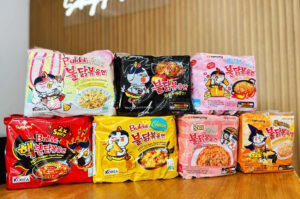
When I first tried making Samyang Buldak noodles at home, I expected the fiery heat but was surprised by the watery, separated red oil at the bottom of my bowl. I had boiled the noodles, drained them, and dumped the flavor packets on top, ending with a dry, clumpy mess that burned my throat without…
-
Taiwan’s Iron Egg and the Patience of Soy-Braised Time
Dio Asahi | May 20, 2026
The wind coming off the Tamsui River carries a sharp, saline chill, but the narrow lanes bordering the waterfront offer a different atmosphere entirely. Here, the air is thick with the heavy, sweet-savoury aroma of star anise, cassia bark, and boiling soy sauce. Behind a modest storefront, dark liquid bubbles in massive, dented metal vats….

Not Just ‘Fresh Fish’: The Best Omakase Singapore Has for Storytelling Courses & Seasonal Bites
Eat Drink Asia Team | May 19, 2026
May 19, 2026 | Eat Drink Asia Team | Last Updated September 7, 2026 When you sit at an omakase counter, you’re paying for a culinary journey. A memorable omakase is more than fresh fish; it’s a delicate celebration of flavors. The best chefs act as storytellers, sequencing each bite to build anticipation and contrast, guiding…