The first thing I noticed was the smoke.
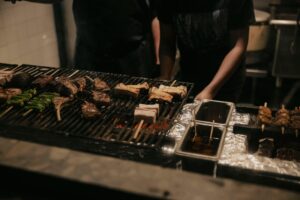
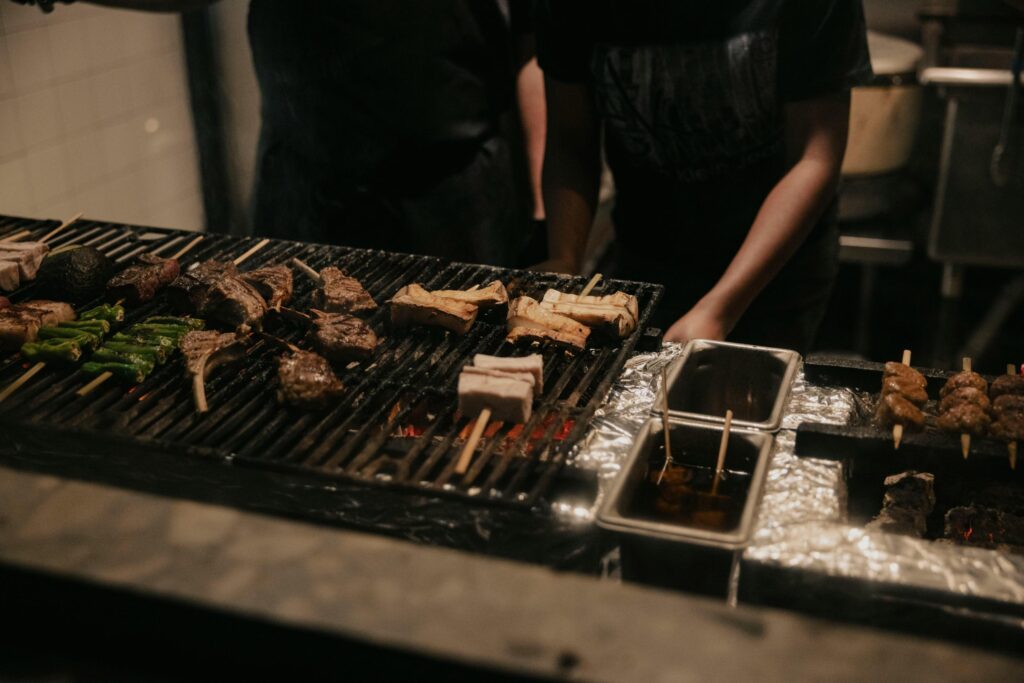
It didn’t rise all at once, but in thin, steady ribbons that curled upward from a narrow grill set just inches from the counter. The scent came first, warm and unmistakable, a mix of rendered chicken fat and binchōtan charcoal, clean but deeply present. Inside the small shop in Osaka, space felt compressed, not uncomfortably, but deliberately. A few stools lined the counter, close enough that you could hear the faint crackle of the coals and the quiet turn of skewers being rotated by hand. There was no menu in sight, only a sequence unfolding in front of you, one skewer at a time.
Yakitori, at its core, is straightforward. Chicken, skewered, seasoned, and grilled over charcoal. But in places like Osaka, it takes on a rhythm that feels more considered than casual. The skewers move in a quiet progression, beginning with lighter cuts, then gradually deepening in flavour and richness. Negima, with its alternating pieces of chicken and scallion, gives way to tsukune, a hand-formed meatball glazed lightly with tare. Each arrives without announcement, placed directly onto the counter, still warm, sometimes brushed once more with sauce before it leaves the grill.
Discover more about Japan’s food philosophy and culinary harmony here: https://eatdrinkasia.com/japan-food-culture-culinary-harmony/
What defines yakitori is not just the ingredients, but the way each part of the chicken is used with intent. Skin, liver, cartilage, even the tail, each prepared to highlight texture as much as flavour. There is a long-standing practice here of whole utilisation, rooted less in trend and more in habit. The technique itself relies heavily on control. Binchōtan charcoal burns at a high, steady heat, allowing the exterior to char lightly while keeping the interior tender. Seasoning is minimal, often just salt or tare, but applied at precise moments during grilling to build layers rather than overwhelm.
There is a quiet discipline in how the process unfolds. The chef’s attention never strays far from the grill, adjusting distance, turning skewers, watching for small shifts in colour and texture. It is a practice built on repetition, where consistency carries more weight than variation. The result is not dramatic, but exact. Each skewer arrives as it should, neither rushed nor held too long, shaped by timing that feels almost instinctive.
What makes yakitori stand out is this balance between simplicity and precision. It does not rely on complexity to create depth. Instead, it draws from familiarity, refining it through technique and attention. There is no attempt to reinterpret or elevate it beyond recognition. If anything, its strength lies in how closely it holds to its form, allowing small adjustments in heat, seasoning, and timing to define the experience.

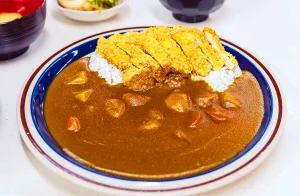
The Golden Roux Revolution: Best Japanese Curry Singapore Spots That Redefine Comfort Food
Eat Drink Asia Team | April 25, 2026
April 25, 2026 | Eat Drink Asia Team Last updated: October 15, 2026 We have always believed that a brilliant plate of Japanese curry is the ultimate culinary hug. Over the past eight months, we made it our personal mission to embark on a comprehensive curry journey across Singapore, hunting down the best Japanese curry…

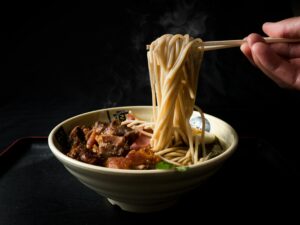
Noodle Masterpieces: Celebrating the Craft
Eat Drink Asia Team | April 24, 2026
Noodles have a timeless place in the world of food, and Taste Our Traditions can attest that only few dishes are as universally loved. What makes a bowl of noodles truly stand out is not just the ingredients, but the artistry and skill behind their creation. Noodle-making is an ancient craft that demands patience, precision,…

Charcoal Smoke and Yakitori Evenings in Osaka
Eda Wong | April 24, 2026
The first thing I noticed was the smoke. It didn’t rise all at once, but in thin, steady ribbons that curled upward from a narrow grill set just inches from the counter. The scent came first, warm and unmistakable, a mix of rendered chicken fat and binchōtan charcoal, clean but deeply present. Inside the small…
-
Cracking the Code of Telur Thai: Inside Egg Thai West Mall, a Kitchen That Tells a Story
Dio Asahi | April 23, 2026
I visited on a Tuesday around 7pm, completely exhausted from a long day of meetings and staring at screens. I wasn’t looking for a fancy culinary journey or a trend-setting dining experience. Honestly, I just wanted a quick, comforting meal that would hit the spot without emptying my wallet. That specific craving led me to…

Sanook Kitchen’s Thai Omelette Rice: A Heartland Answer to Singapore’s Thai Food Saturation
Eda Wong | April 21, 2026
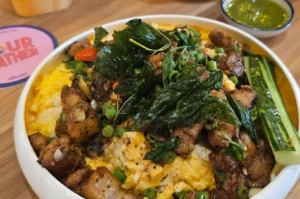
If you live in Singapore, you know that finding Thai food is about as difficult as finding a humid day. We are spoiled for choice. From gritty hawker stalls serving fiery basil pork to upscale restaurants where a bowl of tom yum costs more than a taxi ride, the options are endless. But sometimes, you…
-
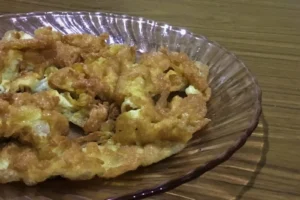
The Golden Fold: How Thailand’s Street-Side Omelette Became a Morning Ritual
Dio Asahi | April 18, 2026
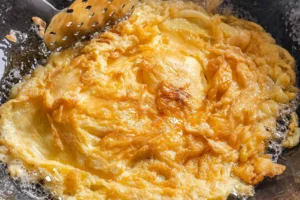
Dawn breaks over Bangkok with a familiar symphony. Before the intense heat settles and the traffic swells into a steady roar, the city streets belong to the food vendors. Amid the clatter of metal tools and the hum of early commuters, one sound stands out: the furious, bubbling sizzle of eggs hitting smoking-hot oil. This…

Lesson I Didn’t Expect: How Fourgather’s Easy Asian Recipes Taught Me to Cook at Home
Eda Wong | April 16, 2026
For the longest time, I was convinced that cooking authentic Thai food at home was out of my league. I imagined complex pastes, hours of simmering, and a mountain of ingredients I couldn’t pronounce. I was happy to leave it to the experts. But a casual dinner at Fourgather, a stylish Thai eatery in Telok…
-
Between Aesthetic and Appetite: The Modern Food Blogger’s Dilemma
Eda Wong | April 15, 2026
In our first, would probably say, emotional editorial, I would like to open with how there is a particular kind of silence that happens before a dish is eaten now. Not the quiet of anticipation, but the pause of positioning, a hand hovering just above the plate, adjusting the angle of a bowl so the…
-
Chasing Flavor: How Fook Kin Taught Us to Cook Asian Cuisine Recipes the Right Way
Eat Drink Asia Team | April 14, 2026
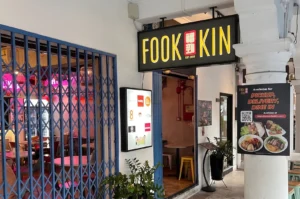
For years, we told ourselves that truly great Asian cooking was a mystical art form, a craft reserved for seasoned hawker uncles or Michelin-starred chefs with decades of experience. Our own attempts at home often felt like pale imitations, lacking that deep, smoky flavour or that perfect textural contrast we craved. Then, we had dinner…
-
Connecting Generations: How Asiatic Food Builds Family Bonds Across Time
Dio Asahi | April 11, 2026
Whenever I smell toasted sesame oil hitting a hot wok, I am instantly transported back to a tiny, bustling kitchen from my childhood. The air would be thick with the aroma of ginger, garlic, and slow-simmering soy sauce. Before a single word was spoken, the meal was already telling a story. For many of us,…