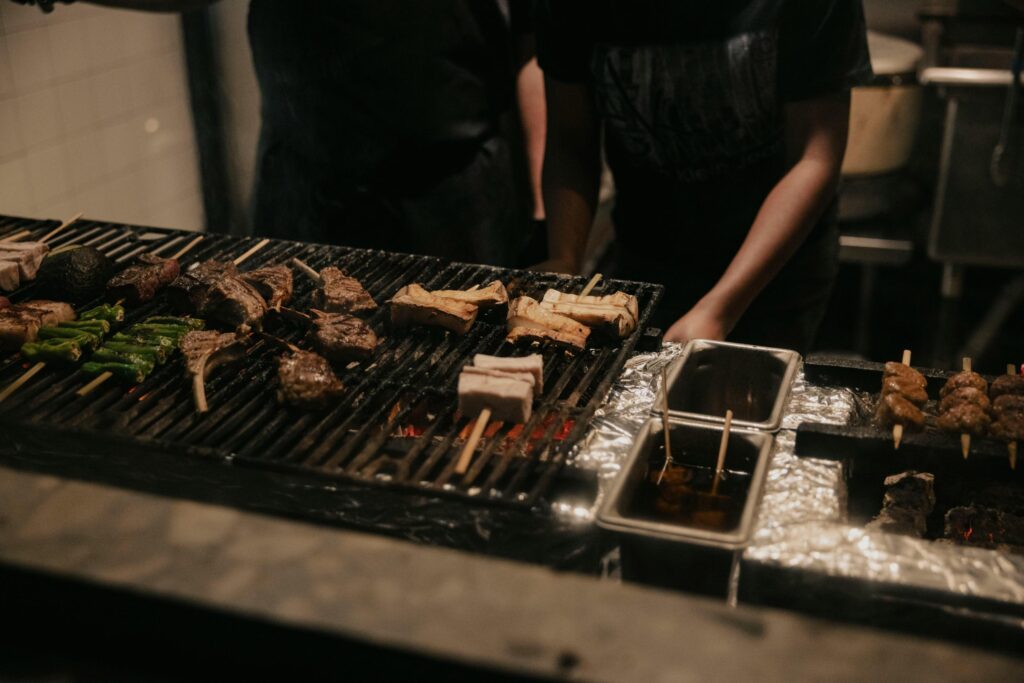
The first thing I noticed was the smoke.
It didn’t rise all at once, but in thin, steady ribbons that curled upward from a narrow grill set just inches from the counter. The scent came first, warm and unmistakable, a mix of rendered chicken fat and binchōtan charcoal, clean but deeply present. Inside the small shop in Osaka, space felt compressed, not uncomfortably, but deliberately. A few stools lined the counter, close enough that you could hear the faint crackle of the coals and the quiet turn of skewers being rotated by hand. There was no menu in sight, only a sequence unfolding in front of you, one skewer at a time.
Yakitori, at its core, is straightforward. Chicken, skewered, seasoned, and grilled over charcoal. But in places like Osaka, it takes on a rhythm that feels more considered than casual. The skewers move in a quiet progression, beginning with lighter cuts, then gradually deepening in flavour and richness. Negima, with its alternating pieces of chicken and scallion, gives way to tsukune, a hand-formed meatball glazed lightly with tare. Each arrives without announcement, placed directly onto the counter, still warm, sometimes brushed once more with sauce before it leaves the grill.
Discover more about Japan’s food philosophy and culinary harmony here: https://eatdrinkasia.com/japan-food-culture-culinary-harmony/
What defines yakitori is not just the ingredients, but the way each part of the chicken is used with intent. Skin, liver, cartilage, even the tail, each prepared to highlight texture as much as flavour. There is a long-standing practice here of whole utilisation, rooted less in trend and more in habit. The technique itself relies heavily on control. Binchōtan charcoal burns at a high, steady heat, allowing the exterior to char lightly while keeping the interior tender. Seasoning is minimal, often just salt or tare, but applied at precise moments during grilling to build layers rather than overwhelm.
There is a quiet discipline in how the process unfolds. The chef’s attention never strays far from the grill, adjusting distance, turning skewers, watching for small shifts in colour and texture. It is a practice built on repetition, where consistency carries more weight than variation. The result is not dramatic, but exact. Each skewer arrives as it should, neither rushed nor held too long, shaped by timing that feels almost instinctive.
What makes yakitori stand out is this balance between simplicity and precision. It does not rely on complexity to create depth. Instead, it draws from familiarity, refining it through technique and attention. There is no attempt to reinterpret or elevate it beyond recognition. If anything, its strength lies in how closely it holds to its form, allowing small adjustments in heat, seasoning, and timing to define the experience.

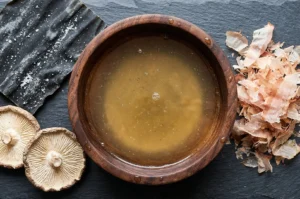
The Fifth Element: A Masterclass on Umami in East Asian Cuisine
Dio Asahi | March 12, 2026
I’ll never forget the first time I made miso soup from scratch. Not the instant kind, but the “proper” way. I boiled water, dissolved miso paste, added tofu, and waited. It tasted flat, salty and cloudy but missing the deep, satisfying flavor I loved in Japanese restaurants. I thought maybe I needed better miso. Years…
-
Why My Quest Ended at Yummy Western (409 AMK)
Dio Asahi | March 10, 2026
There’s a specific magic to a late-night supper hunt in Singapore. It’s the ritual of chasing a craving through the humidity to find that one stall that hits the spot. For me, that meant a pilgrimage to Ang Mo Kio Avenue 10. I arrived at 10 PM on a Friday, just as the ‘supper soul’…
-
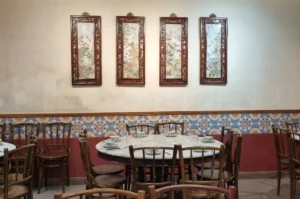
A Taste of Time: My Dinner at Guan Hoe Soon
Eda Wong | March 7, 2026
There’s something special about visiting a place that has seen decades of Singapore’s history unfold. Guan Hoe Soon, tucked away on Joo Chiat Road, holds the title of Singapore’s oldest Nyonya restaurant, and you can feel that heritage the moment you step inside. I’d heard about it for years, a place where recipes aren’t just…
-
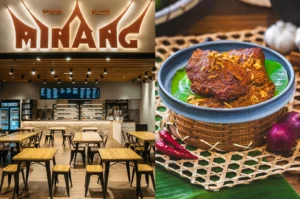
The 6 Best Halal Restaurant in Singapore for Authentic Nasi Padang
Eda Wong | March 5, 2026
There are few meals as satisfying as Nasi Padang, a colourful feast where you choose from a variety of dishes to create your perfect plate. Over the years, I’ve explored Singapore’s Nasi Padang scene, especially in Kampong Glam, sampling everything from humble hawker stalls to renowned spots. This list highlights the best halal Nasi Padang…
-
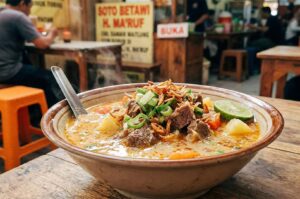
The Global Soup Bowl: How Indonesian Soto Shapes the Future of Asiatic Food Traditions
Dio Asahi | March 3, 2026
I still remember my first “real” bowl of Indonesian soto. Sitting on a low plastic stool in a cramped warung, I ordered Soto Betawi, expecting it to be like the clear Soto Ayam from Singaporean weddings. I was wrong. The rich, milky broth was intense, creamy, and boldly spiced. That first spoonful rewired my idea…
-
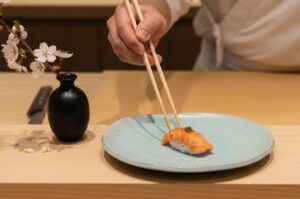
Shun: Japan’s Seasonal Treasures – A Deep Dive Into the Ingredients Behind True Omakase
Eat Drink Asia Team | February 28, 2026
In the world of Asian food, few dining experiences capture the soul of traditional Japanese food culture like omakase. At a premier omakase restaurant, diners entrust their meal entirely to the chef, whose artistry is guided not just by mastery, but by shun—the appreciation of seasonal and fresh ingredients at the absolute peak of their…

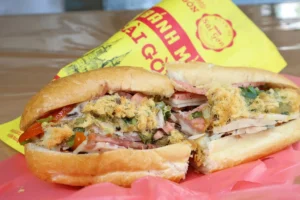
My Trip to Bánh Mì Saigon and How It Compares to Best Food in Singapore
Eda Wong | February 26, 2026
Located in the bustling neighborhood of Ang Mo Kio, Bánh Mì Saigon offers a taste of Vietnam right here in Singapore. From traditional bánh mì sandwiches to hearty pho bowls and refreshing Vietnamese iced coffee, this restaurant has it all. I arrived at Bánh Mì Saigon on a busy Saturday evening and was immediately drawn…
-
Tea Room by Ki-setsu: A Curated Journey Through Chinese Tea in the Heart of Singapore
Dio Asahi | February 25, 2026
Most people arrive at Chinese tea the way they arrive at any beverage: thirsty, curious, maybe looking for something sweet or soothing. But traditional chinese tea isn’t built like a single drink. It’s a network: leaf origin, processing choices, vessel physics, water, pacing, and the quiet social technology of sitting down long enough for a…
-
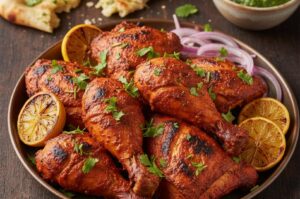
Tandoori Chicken: The Signature Indian Chicken Dish
Eda Wong | February 24, 2026
Tandoori chicken stands tall among the best Indian chicken recipes. With its vibrant hue and smoky aroma, this iconic Indian chicken dish is celebrated in Indian restaurants worldwide. Emerging from Punjab, it pairs perfectly with fragrant basmati rice or fresh naan and is a favorite for anyone who loves bold flavors. The hallmark of tandoori…
-
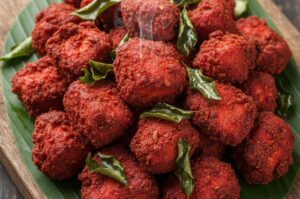
Chicken 65: A Fiery Indian Chicken Recipe You Must Try
Eat Drink Asia Team | February 21, 2026
We’ve spent months tracking the ‘shatter-rate’ of chicken across the South, and here’s the truth: most of what you find is a pale, food-colored imitation. The real Chicken 65 isn’t just spicy; it’s an atmospheric experience. It starts with the sharp, herbal snap of curry leaves hitting 180°C oil and ends with a deep, earthy…