The first thing I noticed was the smoke.
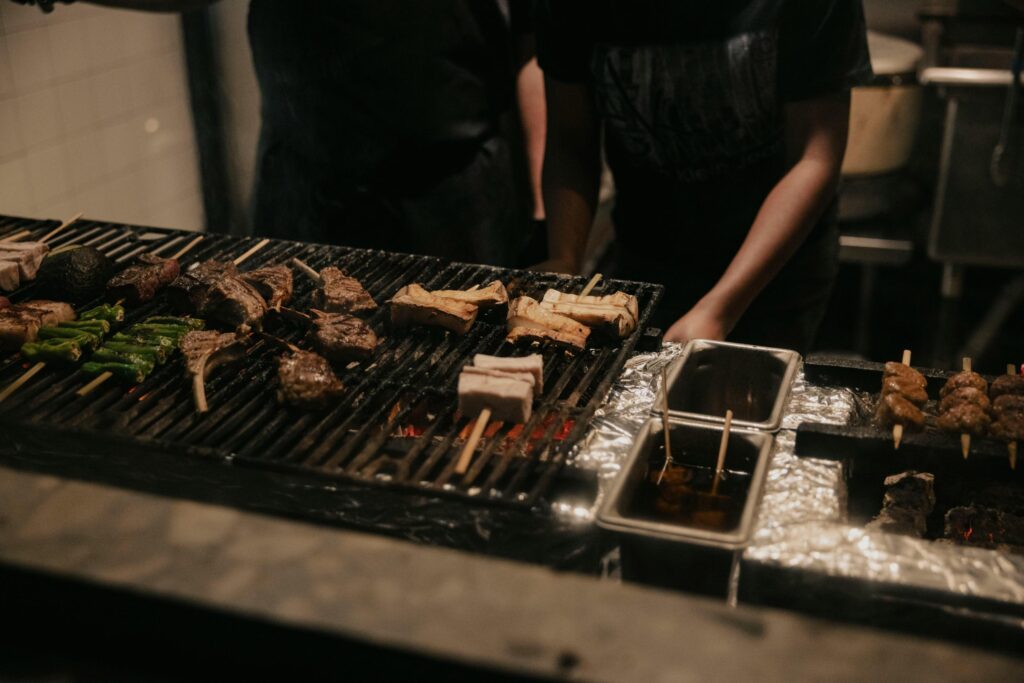
It didn’t rise all at once, but in thin, steady ribbons that curled upward from a narrow grill set just inches from the counter. The scent came first, warm and unmistakable, a mix of rendered chicken fat and binchōtan charcoal, clean but deeply present. Inside the small shop in Osaka, space felt compressed, not uncomfortably, but deliberately. A few stools lined the counter, close enough that you could hear the faint crackle of the coals and the quiet turn of skewers being rotated by hand. There was no menu in sight, only a sequence unfolding in front of you, one skewer at a time.
Yakitori, at its core, is straightforward. Chicken, skewered, seasoned, and grilled over charcoal. But in places like Osaka, it takes on a rhythm that feels more considered than casual. The skewers move in a quiet progression, beginning with lighter cuts, then gradually deepening in flavour and richness. Negima, with its alternating pieces of chicken and scallion, gives way to tsukune, a hand-formed meatball glazed lightly with tare. Each arrives without announcement, placed directly onto the counter, still warm, sometimes brushed once more with sauce before it leaves the grill.
Discover more about Japan’s food philosophy and culinary harmony here: https://eatdrinkasia.com/japan-food-culture-culinary-harmony/
What defines yakitori is not just the ingredients, but the way each part of the chicken is used with intent. Skin, liver, cartilage, even the tail, each prepared to highlight texture as much as flavour. There is a long-standing practice here of whole utilisation, rooted less in trend and more in habit. The technique itself relies heavily on control. Binchōtan charcoal burns at a high, steady heat, allowing the exterior to char lightly while keeping the interior tender. Seasoning is minimal, often just salt or tare, but applied at precise moments during grilling to build layers rather than overwhelm.
There is a quiet discipline in how the process unfolds. The chef’s attention never strays far from the grill, adjusting distance, turning skewers, watching for small shifts in colour and texture. It is a practice built on repetition, where consistency carries more weight than variation. The result is not dramatic, but exact. Each skewer arrives as it should, neither rushed nor held too long, shaped by timing that feels almost instinctive.
What makes yakitori stand out is this balance between simplicity and precision. It does not rely on complexity to create depth. Instead, it draws from familiarity, refining it through technique and attention. There is no attempt to reinterpret or elevate it beyond recognition. If anything, its strength lies in how closely it holds to its form, allowing small adjustments in heat, seasoning, and timing to define the experience.

Japanese Green Tea from Japan: The Story of Matcha
Dio Asahi | January 8, 2026
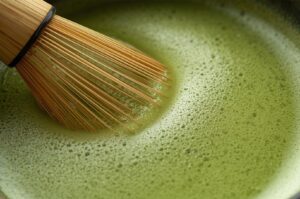
On a misty April morning in Kyoto, I knelt on tatami in a small tea room outside Uji, Japan. The host, dressed in kimono, moved with quiet skill as she scooped matcha powder into a ceramic bowl. The air was filled with the aroma of aged wood mixed with the grassy scent of high quality…
-
Takoyaki: The Sizzling Heart of Japan Food Culture
Dio Asahi | January 3, 2026
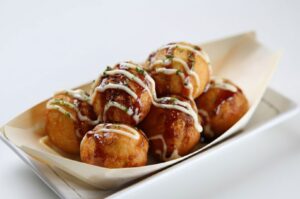
What is Takoyaki and Why Does it Matter in Japanese Food Culture? In the bright heart of Osaka, the sizzle of takoyaki batter signals one of Japan food culture’s most beloved street foods. Lines form at street stalls drawn by the delicious food aromas of sweet-savory sauce and bonito flakes dancing on golden spheres. Takoyaki,…
-
Everything You Need for a Flawless Bubble Tea Cake
Eda Wong | January 1, 2026
The global bubble tea phenomenon has evolved beyond drinks into the world of baking, creating one of the most exciting dessert trends of recent years. Bubble tea cake combines the beloved flavors of milk tea with the satisfying chew of boba pearls, all wrapped up in an adorable bubble tea cake that’s perfect for any…
-
Pad Thai Dish: Everything You Need to Know About the Rice Noodles That Make It Authentic
Eat Drink Asia Team | December 30, 2025
Pad Thai is more than just a staple of Thai Food; it’s a Global Phenomenon. From bustling street carts in Bangkok to high-end Thai Restaurants in New York, this iconic Pad Thai Dish has captured the hearts and palates of food lovers everywhere. The best Pad Thai rivals what you would find in a typical…
-
Thailand Food Pad Thai: Thailand’s Iconic Stir-Fried Noodle Dish
Eda Wong | December 27, 2025
Few dishes capture the essence of Thailand food culture like authentic Pad Thai. This beloved stir fried noodle dish is more than a meal-it’s a symbol of Thai identity, a perfect balance of sweet, savoury, and sour flavors, and a window into the soul of Thai cuisine. Whether you want to eat Pad Thai from…
-
Why Fish Curry is a Special Indian Cuisine
Dio Asahi | December 25, 2025
Along India’s vast and vibrant coastline, stretching over 7,500 kilometers, the sea offers its generous bounty to a cuisine renowned for its regional variations. Nowhere is the diversity of the Indian subcontinent more deliciously expressed than in a humble bowl of fish curry. Through this article, we’ll journey across India’s coasts and kitchens, exploring the…
-
Tikka Masala: The Story Behind One of the Most Iconic Dishes in India’s Food Cuisine
Eat Drink Asia Team | December 23, 2025
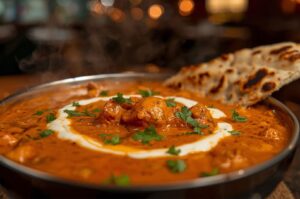
Ask anyone to name a famous Indian dish, and chances are “Tikka Masala” will be one of the first things they say. This creamy, vibrant, and aromatic curry has become a global symbol for the food cuisine in India, celebrated from street food stalls in Delhi to upscale Indian restaurants around the world. Its rich…
-
Cuisines in India: A Journey Through the Diverse Regional Food Traditions of the Subcontinent
Dio Asahi | December 20, 2025
Indian cuisine is celebrated for its spectacular diversity, bursting with flavors, regional traditions, and culinary innovations. From the spice-laden gravies of Northern Indian cuisine and tandoor-fresh breads, to coconut-laced Southern Indian cuisine, fragrant rice dishes in the East, and the robust, spicy curries and street food of the West, the foods of India reflect not…
-
Green Tea with Milk: A Tale of Two Teas from Taiwan and Thailand
Eda Wong | December 18, 2025
The simple combination of green tea with milk has sparked a culinary phenomenon across Asia, creating a diverse family of beverages that are both comforting and refreshing. While many countries have embraced this pairing, two nations stand out for their iconic and wildly different interpretations: Taiwan and Thailand. Each has cultivated a unique culture around…
-
The Emerald Journey: Exploring Asia’s Green Milk Tea Culture
Eat Drink Asia Team | December 16, 2025
A vibrant, emerald-hued wave is sweeping across Asia, delighting taste buds and defining modern café culture. From street-side stalls in Bangkok to chic tea houses in Taipei, green milk tea—sometimes simply called green tea with milk—has blossomed from a simple concept into a beloved, refreshing drink with countless regional interpretations and profound cultural significance. Whether…