By Eda Wong for Eat Drink Asia.
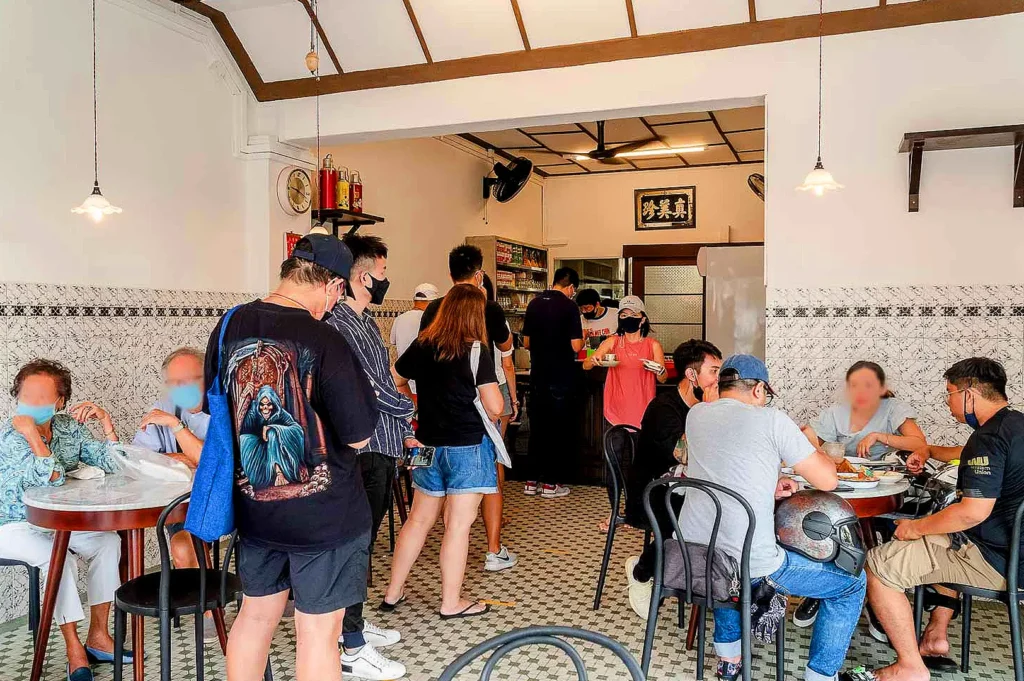
It’s not quite eight, and the pastel-blue shophouse is already awake. Kopi cups clink against saucers. A ceiling fan turns slow overhead. Someone folds a newspaper at a marble-topped table, and the man behind the counter moves without hurry, sliding buns across in a rhythm he’s clearly done ten thousand times. The East Coast light comes in low and warm. Nobody rushes. This is a room that has kept the same morning for longer than most of the people in it have been alive.
Chin Mee Chin Confectionery has stood here since 1925, and the years show with a gentle honesty — in the worn tiles, the fogged glass cases, the familiar choreography of regulars slipping into seats that already know them. It’s exactly the kind of lived-in authenticity Eat Drink Asia comes looking for.
I order the round kaya bun, soft-boiled eggs, and kopi.
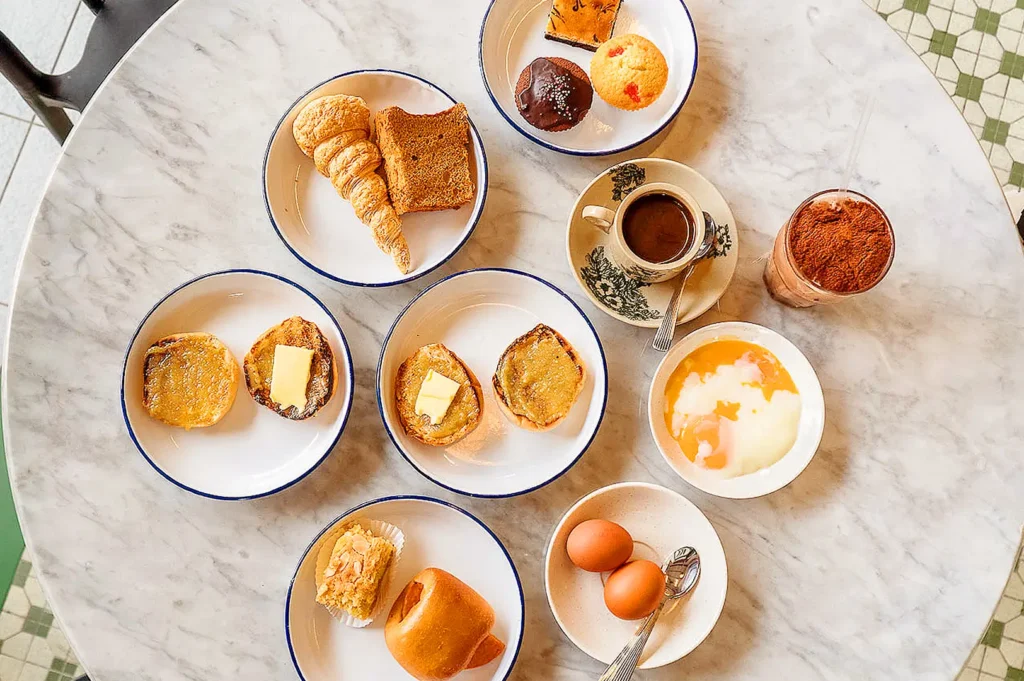
The bun is the point. It arrives warm and domed, pillowy under the fingers, the kind of soft that gives way before you’ve decided to bite. Inside, the housemade kaya carries a creamy coconut sweetness, and beneath it, a cold slab of butter — hard, salted, slow to melt against the warm bread. That contrast is the whole thing: warm and cold, sweet and salt. It’s a small architecture, but nothing about it feels accidental.
The kaya is where the craft hides. It’s cooked here, slow, coconut and egg and sugar coaxed together until it turns thick and smooth. You can taste the difference between something stirred with patience and something poured from a jar. This one tastes like patience.
I dip a corner of the bun into the soft-boiled egg, dark with a splash of soy, and eat the way this room seems to want you to — unhurried, present, in no argument with the clock.
There’s something worth noticing in how Singapore holds onto mornings like this. In a city that rebuilds itself constantly, the kopitiam breakfast stays. It’s one of the few tables where the whole multicultural spread of the place sits down together — the kopi from one tradition, the kaya from another, the soft egg a habit shared across all of them. These rituals survive because people keep choosing them. A bun and a cup, eaten the same way, morning after morning, become a kind of quiet inheritance.
I think about the sleeker cafés a few streets over — the ones with careful lighting and long tables built for laptops and lingering. There’s nothing wrong with them. But this is a different thing. Chin Mee Chin doesn’t ask you to stay. It feeds you, warmly and honestly, and lets you go back to your day. It’s lived-in rather than designed. You feel the years in it, not the marketing.
Convenience would have flattened all of this long ago. A packet of kaya, a faster bun, a quicker turn of tables. That the round bun still arrives warm, still domed, still made the slow way, feels like a small act of holding on.
I finish the last corner, the butter finally soft, the coconut lingering.
Outside, the morning has properly begun. Inside, the fan still turns, and the next bun is already crossing the counter.

Thailand Food Pad Thai: Thailand’s Iconic Stir-Fried Noodle Dish
Eda Wong | December 27, 2025
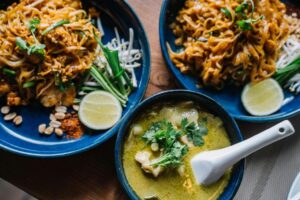
Few dishes capture the essence of Thailand food culture like authentic Pad Thai. This beloved stir fried noodle dish is more than a meal-it’s a symbol of Thai identity, a perfect balance of sweet, savoury, and sour flavors, and a window into the soul of Thai cuisine. Whether you want to eat Pad Thai from…
-
Why Fish Curry is a Special Indian Cuisine
Dio Asahi | December 25, 2025
Along India’s vast and vibrant coastline, stretching over 7,500 kilometers, the sea offers its generous bounty to a cuisine renowned for its regional variations. Nowhere is the diversity of the Indian subcontinent more deliciously expressed than in a humble bowl of fish curry. Through this article, we’ll journey across India’s coasts and kitchens, exploring the…
-
Tikka Masala: The Story Behind One of the Most Iconic Dishes in India’s Food Cuisine
Eat Drink Asia Team | December 23, 2025
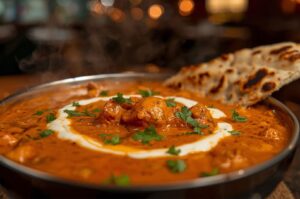
Ask anyone to name a famous Indian dish, and chances are “Tikka Masala” will be one of the first things they say. This creamy, vibrant, and aromatic curry has become a global symbol for the food cuisine in India, celebrated from street food stalls in Delhi to upscale Indian restaurants around the world. Its rich…
-
Cuisines in India: A Journey Through the Diverse Regional Food Traditions of the Subcontinent
Dio Asahi | December 20, 2025
Indian cuisine is celebrated for its spectacular diversity, bursting with flavors, regional traditions, and culinary innovations. From the spice-laden gravies of Northern Indian cuisine and tandoor-fresh breads, to coconut-laced Southern Indian cuisine, fragrant rice dishes in the East, and the robust, spicy curries and street food of the West, the foods of India reflect not…
-
Green Tea with Milk: A Tale of Two Teas from Taiwan and Thailand
Eda Wong | December 18, 2025
The simple combination of green tea with milk has sparked a culinary phenomenon across Asia, creating a diverse family of beverages that are both comforting and refreshing. While many countries have embraced this pairing, two nations stand out for their iconic and wildly different interpretations: Taiwan and Thailand. Each has cultivated a unique culture around…
-
The Emerald Journey: Exploring Asia’s Green Milk Tea Culture
Eat Drink Asia Team | December 16, 2025
A vibrant, emerald-hued wave is sweeping across Asia, delighting taste buds and defining modern café culture. From street-side stalls in Bangkok to chic tea houses in Taipei, green milk tea—sometimes simply called green tea with milk—has blossomed from a simple concept into a beloved, refreshing drink with countless regional interpretations and profound cultural significance. Whether…
-
Thai Green Milk Tea: The Complete Guide to Thailand’s Refreshing Emerald Delight
Eda Wong | December 13, 2025
Picture a tall glass filled with crushed ice, its emerald-green contents swirled with ribbons of creamy white milk—this is thai green milk tea, one of Southeast Asia’s most visually striking and refreshing drinks. Known locally as cha khiao nom yen, this popular drink has captured hearts across Asia and beyond with its distinctive pale green…

Best Thai Singapore: Discover the Art of Authentic Pad Thai
Dio Asahi | December 11, 2025
In Singapore, a city that celebrates a universe of flavors, the magnetic pull of Thai cuisine is undeniable. From bustling food courts to elegant dining rooms, the kingdom’s culinary ambassadors have firmly planted their flag. When considering the best Thai food, it’s impossible to overlook how integral Pad Thai is to the local Thai food…
-
Thai Cuisine in Singapore: Finding the Best Authentic Flavors
Eat Drink Asia Team | December 9, 2025
The unmistakable aroma of lemongrass, galangal, and fiery spices mingles with the bustling night air in Singapore, setting the stage for a dining experience that wakes the soul and tantalizes the senses. Thai cuisine in Singapore has become an essential part of the city’s culinary landscape, offering a complete blend of vibrant flavor, tangy notes,…
-
The Ultimate Guide to Thai Food: Flavors, Traditions, and Culinary Adventures
Dio Asahi | December 6, 2025
Thai cuisine is one of the world’s most beloved and complex culinary traditions, captivating food enthusiasts globally with its masterful balance of flavors and vibrant presentations. From bustling Bangkok street stalls to high-end international restaurants, Thai food has become a global phenomenon that evolves while maintaining its authentic roots. What sets Thai cuisine apart from…