By Eda Wong for Eat Drink Asia
It’s late afternoon, and the river is the colour of weak tea.
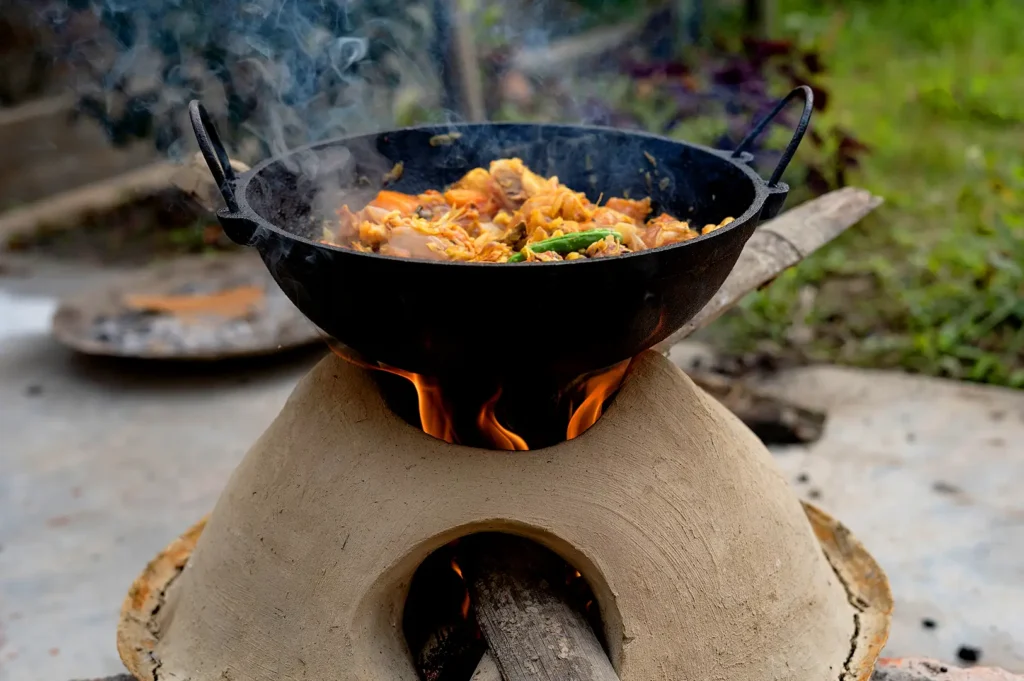
A woman crouches beside a small clay stove at the edge of the bank, feeding it slivers of charcoal. Smoke lifts, thin and grey, and drifts toward the water. On a bamboo skewer, a whole fish leans over the coals, its belly split and stuffed tight with lemongrass. The skin has started to crackle and blister where the heat licks closest. She doesn’t rush it. She turns the skewer a quarter, sits back on her heels, and waits.
The smell reaches me before the fish is done — charcoal, and something green underneath.
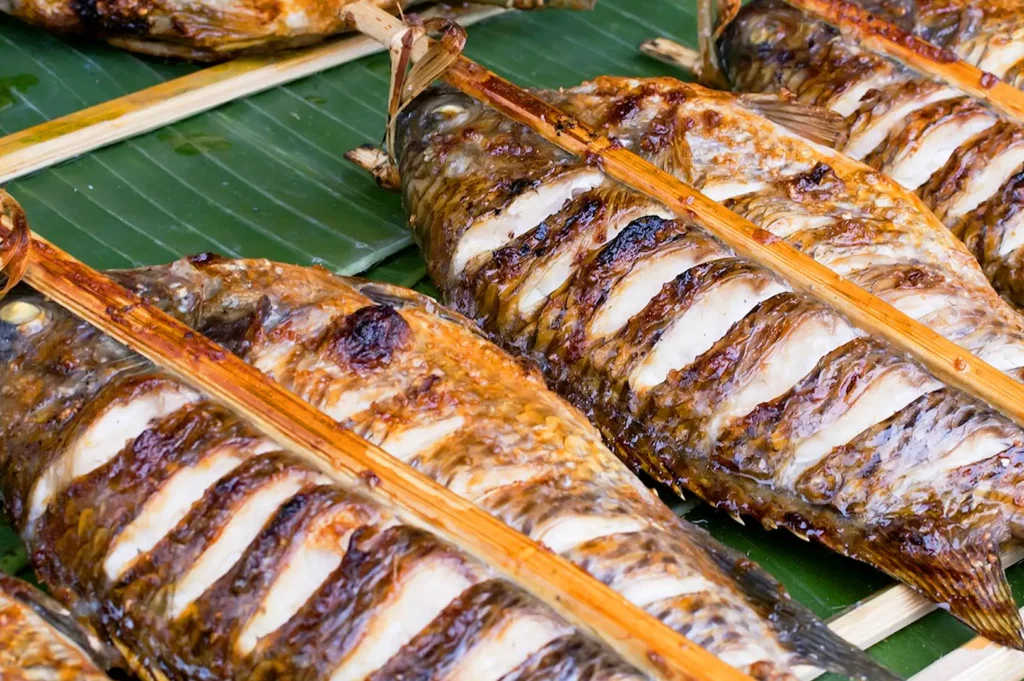
This is pa ping (pah ping) — “pa” for fish, “ping” for grilled. It’s a whole river fish, often tilapia or something pulled from the Mekong that morning, packed with lemongrass, dill, spring onion, sometimes a knot of herbs I can’t name. The stalk of lemongrass runs through the body like a spine. Then it’s clamped in a split bamboo skewer, salted on the skin, and set over the clay stove to cook slowly, low and patient.
The clay holds the heat gently. That’s the whole point. Too fierce, and the skin chars before the flesh gives up its water. So the cook works close to the coals, reading the smoke, turning by feel. By the time it’s ready, the skin peels back to steam and soft white flesh, and the lemongrass has perfumed everything from the inside out.
That’s the Eat Drink Asia experience. You eat it by the water, usually. Not alone.
Someone spreads a mat. Someone brings sticky rice in a woven basket, still warm. The fish is set down whole, and hands reach for it together — no plating, no ceremony, just fingers and rice and a dish of jeow, the chilli dip, passed around. The meal stretches. Nobody checks the time. The river keeps moving, and the talk moves with it, slow as the current.
That unhurried thing is what stays with me. This is food that refuses to be quick.
Because it would be so easy to make it quick now. A gas flame. A pre-cut fillet. A minute a side. And plenty of kitchens do — I understand why. But the clay stove asks for something the gas flame doesn’t: your attention, held over coals, for as long as the fish needs. The smoke, the crackle, the herb-thick steam — none of it survives the shortcut. What you’d save in minutes, you’d lose in everything else.
I think that’s why the woman by the river didn’t hurry.
She wasn’t cooking dinner. She was keeping something.
The fish came off the skewer. The skin gave way. And for a while, by the tea-coloured water, there was nothing to do but eat, and sit, and let the afternoon go where it wanted.

Understanding Sake Alcohol Content: A Complete Guide to ABV and Flavor
Eda Wong | December 2, 2025
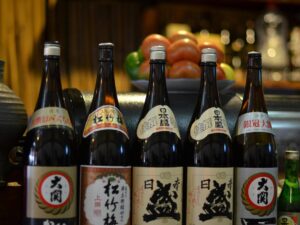
When exploring Japanese sake, many wonder about its grades and complex flavors. Sake’s unique profile offers remarkable versatility, enjoyed in various serving styles and paired with diverse dishes. One fundamental aspect is sake alcohol content. Is sake stronger than wine? How does its alcohol by volume (ABV) compare to beer? The answer is nuanced. Understanding…

Japanese Sake: The Complete Guide to Japan’s Traditional Rice Wine
Dio Asahi | November 29, 2025
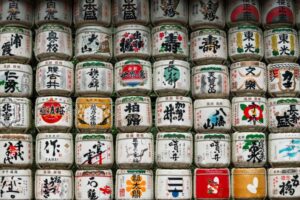
Japanese Sake: The Complete Guide to Japan’s Traditional Rice Wine While sake has been Japan’s national beverage for over a millennium, its popularity across Asia is at an all-time high. Rooted in Japan’s traditional brewing methods and centuries-old origins. It symbolizes Japan’s cultural heritage and craftsmanship. Understanding this complex brewed alcoholic beverage opens doors to…

Best Japanese Foods in Japan: The Must-Try Dishes
Eda Wong | November 27, 2025
Japan’s culinary world extends far beyond well-known sushi and ramen, revealing a rich variety of regional specialties cherished by locals. While many travelers stick to popular Japanese foods in tourist areas, authentic flavors are best discovered in neighborhood markets, family-run eateries, and seasonal menus reflecting centuries of Japanese cooking tradition. Understanding Japanese cuisine requires more…
-
Japanese Food in Japan: The Ultimate Guide to Authentic Culinary Experiences
Eat Drink Asia Team | November 25, 2025
Experiencing Japanese food in Japan is fundamentally different from eating Japanese cuisine anywhere else. While sushi restaurants and ramen shops have spread globally, the authentic flavors, techniques, and cultural context of Japanese food can only be fully appreciated in its homeland. From meticulously selecting ingredients at peak freshness to centuries-old traditions shaping every meal, eating…
-
Food in Japan: A Complete Guide to Japanese Cuisine and Culinary Culture
Eda Wong | November 22, 2025
The gentle steam rising from a bowl of miso soup carries more than just the earthy aroma of fermented soybeans-it carries centuries of Japanese culture and culinary wisdom. When you eat in Japan, you’re not simply consuming a meal; you’re participating in a ritual that connects you to the seasons, the land, and a philosophy…
-
Ramune Marble Soda: History and Cultural Meaning of Japan’s Iconic Marble Soda
Dio Asahi | November 20, 2025
Among Japan’s beloved fizzy drinks, none evoke nostalgia and uniqueness quite like Ramune marble soda. Instantly recognizable by its quirky Codd neck bottle and glass marble seal, Ramune soda is an essential part of Japanese summer, cherished by generations for its refreshing taste and signature pop sound. This marble soda remains a staple at summer…
-
Hokkaido’s Best Seafood Treasures: Beyond Sushi and Sashimi
Eat Drink Asia Team | November 18, 2025
When visiting Hokkaido, Japan’s northernmost island, food lovers are greeted with some of the most highly regarded seafood specialties in the world. Hokkaido is famous for its abundance of fresh seafood and rich fishing grounds, thanks to the surrounding Sea of Japan, Pacific Ocean, and Sea of Okhotsk. These nutrient-packed waters yield a wide range…
-
The Art of Asian Tea Ceremony Traditions: Ancient Rituals and Cultural Values Across Asia
Dio Asahi | November 15, 2025
A cup of tea, in many parts of Asia, represents far more than a beverage-it is a conduit to ancestral tradition, intellectual pursuit, and the cultivation of mindfulness. Asian tea ceremony traditions turn the act of drinking tea into a sophisticated art form, layered with symbolism, philosophy, and socio-cultural values. Each gesture, from scooping powdered…

The Art of Slow-Cooked Curry Recipes: Time’s Magic in South Asian Cuisine
Eda Wong | November 13, 2025
Step into a South Asian kitchen, and the senses are instantly enveloped by the inviting aroma of food slowly simmering in a sturdy clay pot or heavy vessel. The allure is undeniable: in this space, slow-cooked curry recipes are a celebration of patient tradition, spices, and the richness of South Asian cuisine. Here, time and…
-
Bandung Drink Recipe: A Singaporean Rose Syrup Drink Tradition
Eat Drink Asia Team | November 11, 2025
Step into any night market or hawker centre in Singapore, and you’ll spot a vibrant, glowing glass filled with a cold, beautiful drink-Bandung. Known for its iconic blush-pink hue and refreshing taste, this rose syrup drink is an integral part of Singapore’s beverages scene and a cherished tradition in Southeast Asian gatherings. More than just…