The narrow alleyway in Yau Ma Tei smells of charcoal and dark soy sauce, a thick coastal humidity pressing against the glow of the stoves. An elderly cook stands before a row of blackened sand-clay pots, a long metal tong in his right hand. He does not watch the flames; he listens to them. There is a subtle, shifting rhythm in the air. The wet, heavy bubbling of simmering rice slowly gives way to a sharp, staccato crackle. It is the sound of moisture surrendering to extreme heat. He swiftly tilts the pot at an angle, letting the fire lick the curved edges. This brief, fiery moment sets the stage for a deeply authentic culinary journey.
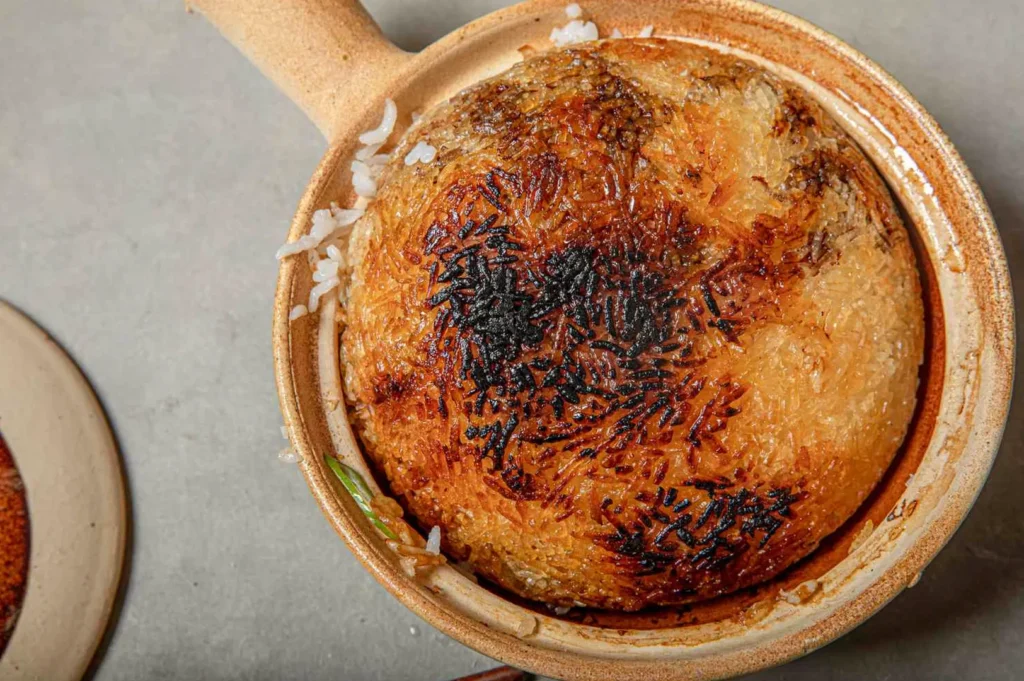
This audible shift announces the birth of fan jiu (pronounced faahn-jeew), the golden, scorched rice crust that clings to the bottom of a traditional claypot. It is not burnt rice, but rather a deliberate caramelisation of starches. Creating this layer requires an intense, technique-led understanding of temperature and timing. The craft demands that the cook rotates the unglazed pot over the open flame at the exact moment the water evaporates, slicking the inner sides with a thin thread of pork lard or peanut oil. This fat seeps down to the base, frying the bottom grains until they harden into a crisp, cohesive shell. When scraped free with a metal spoon, it shatters into fragrant, brittle shards that taste deeply of smoke and toasted earth.
Across southern Chinese neighbourhoods, waiting for these scorched edges is a fundamental shared experience during the cooler, damp monsoon months. Diners gather around folding tables, leaning over steaming pots of cured sausages, marinated chicken, and salted fish. But the meat is often just the prelude. The true celebration of flavours happens at the bottom of the bowl. Extracting the fan jiu is a communal ritual, an act of patience where friends take turns chiselling away the golden crust, sharing the fragmented pieces. It signals a shift in the evening’s pace. You cannot hurry a claypot, and you cannot rush the scraping. The meal forces you to slow down, transforming a simple dinner into a quiet, interactive event. In many parts of Asia, meals like this reflect communal dining traditions in Asia, built around the shared centre of the table where flavour, conversation, and care are passed hand to hand.
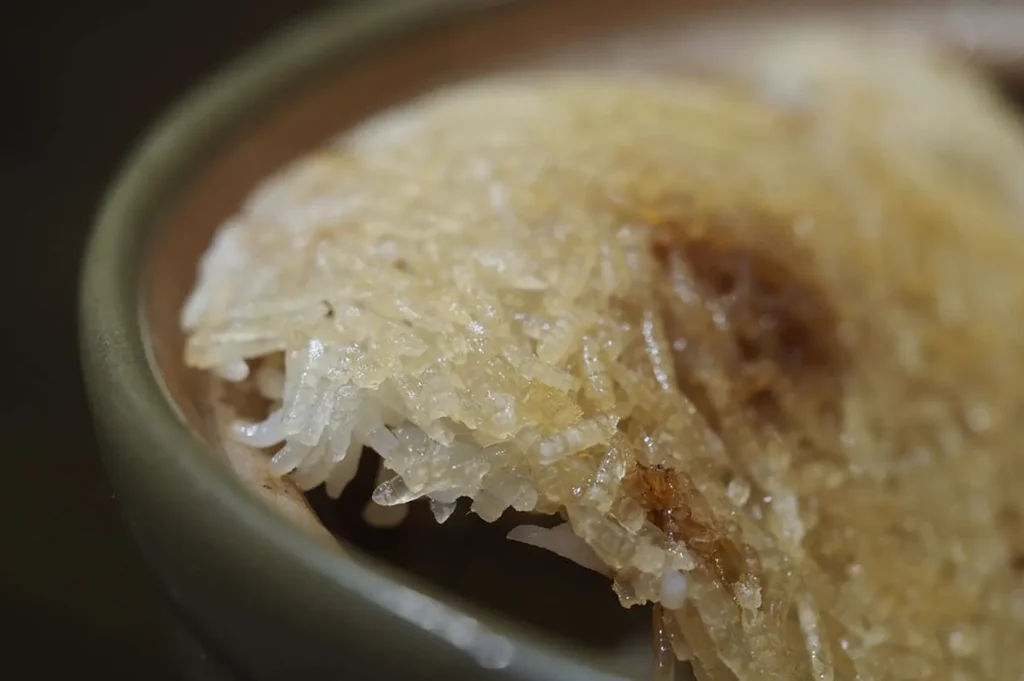
What feels so vital about this charred layer today is its stubborn refusal to adapt to modern culinary convenience. In a landscape dominated by non-stick rice cookers and automated timers that actively prevent rice from sticking, the intentional scorching of grains feels like a quiet rebellion. Electric appliances yield perfectly uniform, soft bowls of rice, but they cannot replicate the rough, uneven texture of an open charcoal fire. The crust demands physical effort, constant vigilance, and a willingness to embrace the messy, unpredictable nature of traditional cooking. It is a trend-setting reminder that beauty is sometimes found in the scorched, imperfect edges.
Setting the spoon down, the residual warmth of the claypot lingers against the cool evening air. The brittle crunch of the last piece of rice fades into a rich, roasted memory. It is a profound, flavourful testament to the simple power of listening, waiting, and letting the fire do its work.

The Evolution of the Plate: How History Transformed Iconic Malaysian Dishes
Eda Wong | March 19, 2026
I used to think I understood Malaysian food. As a Singaporean, it’s practically in my DNA, right? Nasi lemak for breakfast, a cheeky roti canai for supper – I thought I had it all figured out. Then I spent a week eating my way through Penang and Kuala Lumpur, and I realised I knew absolutely…
-
The Soul of the Table: An Educational Guide to the Role of Food in Malaysian Culture
Eat Drink Asia Team | March 17, 2026
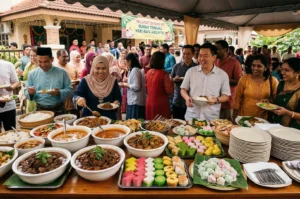
We still remember our first collective Rumah Terbuka (Open House) experience in Kuala Lumpur.Standing at the doorway of a home during Hari Raya, we were utterly paralyzed by the sheer volume of people and the aroma of Malaysian cooking. There were aunties ladling beef rendang and tables groaning under the weight of colourful kuih. “Do…
-
Asian Food Comfort Trends: Why Broths and Bowls are Dominating Globally
Eda Wong | March 14, 2026
I still remember the first time I faced a “build-your-own” Mala Xiang Guo counter. I stood there, plastic tongs in hand, completely paralyzed by the mountain of choices. Lotus root? Kelp knots? three different types of tofu skin? My anxiety spiked. I panicked, grabbed way too much luncheon meat, and ended up with a $28…
-
The Fifth Element: A Masterclass on Umami in East Asian Cuisine
Dio Asahi | March 12, 2026
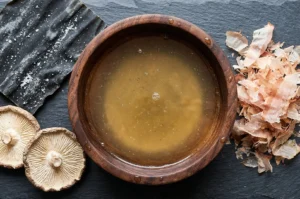
I’ll never forget the first time I made miso soup from scratch. Not the instant kind, but the “proper” way. I boiled water, dissolved miso paste, added tofu, and waited. It tasted flat, salty and cloudy but missing the deep, satisfying flavor I loved in Japanese restaurants. I thought maybe I needed better miso. Years…
-
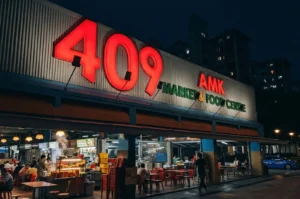
Why My Quest Ended at Yummy Western (409 AMK)
Dio Asahi | March 10, 2026
There’s a specific magic to a late-night supper hunt in Singapore. It’s the ritual of chasing a craving through the humidity to find that one stall that hits the spot. For me, that meant a pilgrimage to Ang Mo Kio Avenue 10. I arrived at 10 PM on a Friday, just as the ‘supper soul’…
-
A Taste of Time: My Dinner at Guan Hoe Soon
Eda Wong | March 7, 2026
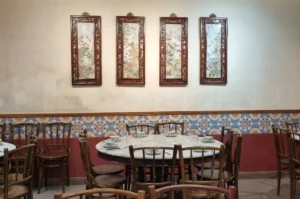
There’s something special about visiting a place that has seen decades of Singapore’s history unfold. Guan Hoe Soon, tucked away on Joo Chiat Road, holds the title of Singapore’s oldest Nyonya restaurant, and you can feel that heritage the moment you step inside. I’d heard about it for years, a place where recipes aren’t just…
-
The 6 Best Halal Restaurant in Singapore for Authentic Nasi Padang
Eda Wong | March 5, 2026
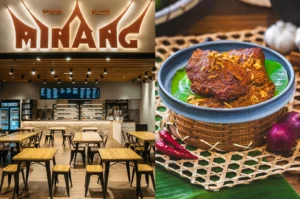
There are few meals as satisfying as Nasi Padang, a colourful feast where you choose from a variety of dishes to create your perfect plate. Over the years, I’ve explored Singapore’s Nasi Padang scene, especially in Kampong Glam, sampling everything from humble hawker stalls to renowned spots. This list highlights the best halal Nasi Padang…
-
The Global Soup Bowl: How Indonesian Soto Shapes the Future of Asiatic Food Traditions
Dio Asahi | March 3, 2026
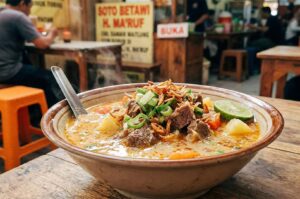
I still remember my first “real” bowl of Indonesian soto. Sitting on a low plastic stool in a cramped warung, I ordered Soto Betawi, expecting it to be like the clear Soto Ayam from Singaporean weddings. I was wrong. The rich, milky broth was intense, creamy, and boldly spiced. That first spoonful rewired my idea…
-
Shun: Japan’s Seasonal Treasures – A Deep Dive Into the Ingredients Behind True Omakase
Eat Drink Asia Team | February 28, 2026
In the world of Asian food, few dining experiences capture the soul of traditional Japanese food culture like omakase. At a premier omakase restaurant, diners entrust their meal entirely to the chef, whose artistry is guided not just by mastery, but by shun—the appreciation of seasonal and fresh ingredients at the absolute peak of their…

My Trip to Bánh Mì Saigon and How It Compares to Best Food in Singapore
Eda Wong | February 26, 2026
Located in the bustling neighborhood of Ang Mo Kio, Bánh Mì Saigon offers a taste of Vietnam right here in Singapore. From traditional bánh mì sandwiches to hearty pho bowls and refreshing Vietnamese iced coffee, this restaurant has it all. I arrived at Bánh Mì Saigon on a busy Saturday evening and was immediately drawn…