The narrow alleyway in Yau Ma Tei smells of charcoal and dark soy sauce, a thick coastal humidity pressing against the glow of the stoves. An elderly cook stands before a row of blackened sand-clay pots, a long metal tong in his right hand. He does not watch the flames; he listens to them. There is a subtle, shifting rhythm in the air. The wet, heavy bubbling of simmering rice slowly gives way to a sharp, staccato crackle. It is the sound of moisture surrendering to extreme heat. He swiftly tilts the pot at an angle, letting the fire lick the curved edges. This brief, fiery moment sets the stage for a deeply authentic culinary journey.
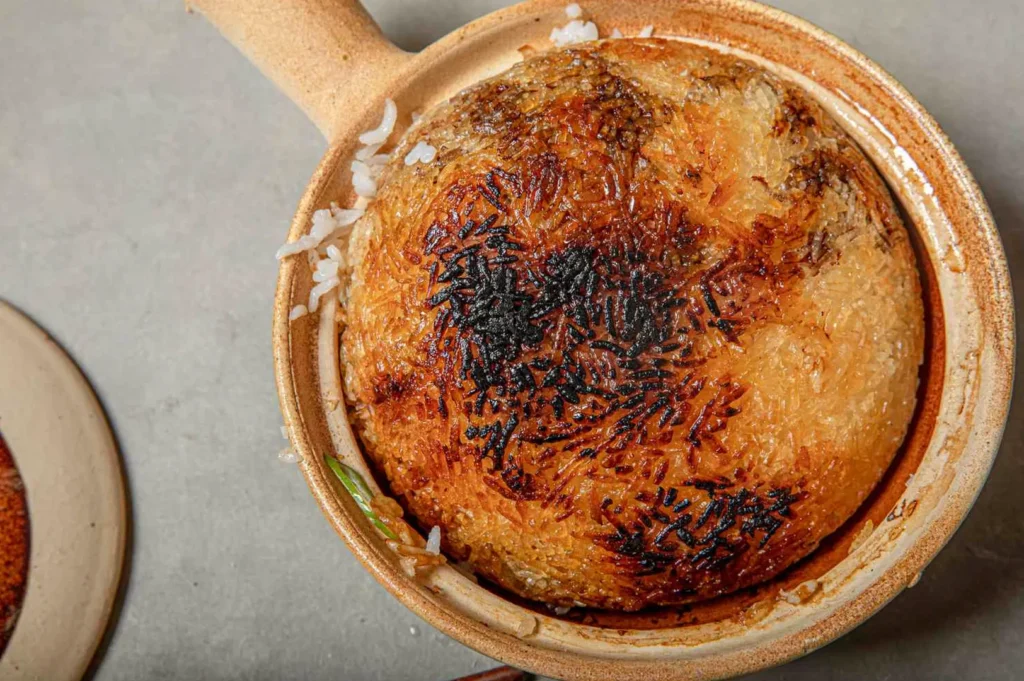
This audible shift announces the birth of fan jiu (pronounced faahn-jeew), the golden, scorched rice crust that clings to the bottom of a traditional claypot. It is not burnt rice, but rather a deliberate caramelisation of starches. Creating this layer requires an intense, technique-led understanding of temperature and timing. The craft demands that the cook rotates the unglazed pot over the open flame at the exact moment the water evaporates, slicking the inner sides with a thin thread of pork lard or peanut oil. This fat seeps down to the base, frying the bottom grains until they harden into a crisp, cohesive shell. When scraped free with a metal spoon, it shatters into fragrant, brittle shards that taste deeply of smoke and toasted earth.
Across southern Chinese neighbourhoods, waiting for these scorched edges is a fundamental shared experience during the cooler, damp monsoon months. Diners gather around folding tables, leaning over steaming pots of cured sausages, marinated chicken, and salted fish. But the meat is often just the prelude. The true celebration of flavours happens at the bottom of the bowl. Extracting the fan jiu is a communal ritual, an act of patience where friends take turns chiselling away the golden crust, sharing the fragmented pieces. It signals a shift in the evening’s pace. You cannot hurry a claypot, and you cannot rush the scraping. The meal forces you to slow down, transforming a simple dinner into a quiet, interactive event. In many parts of Asia, meals like this reflect communal dining traditions in Asia, built around the shared centre of the table where flavour, conversation, and care are passed hand to hand.
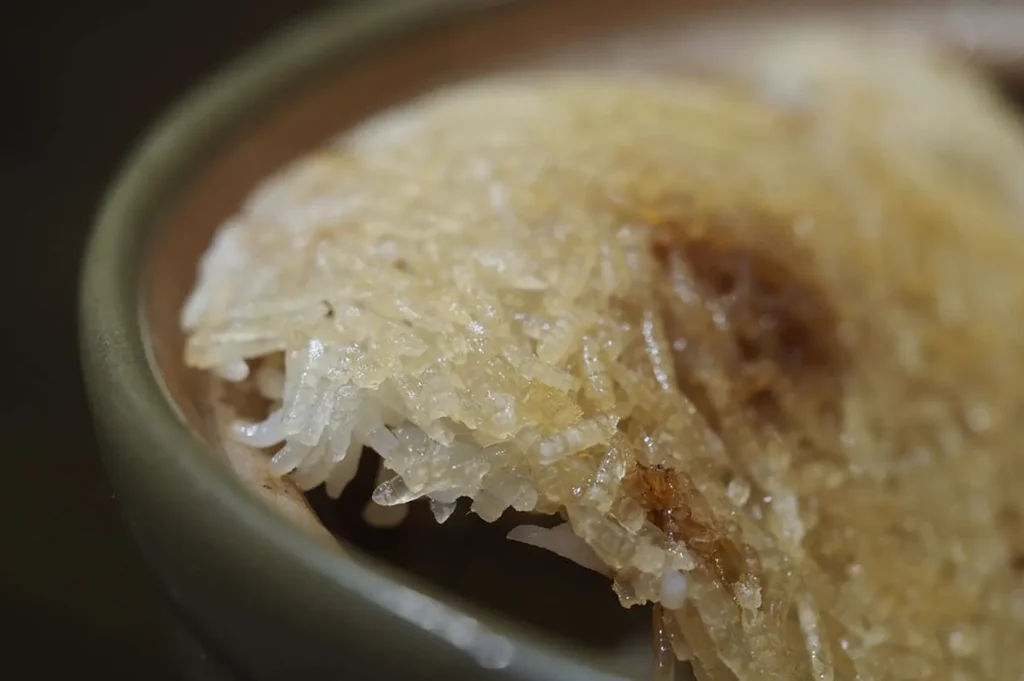
What feels so vital about this charred layer today is its stubborn refusal to adapt to modern culinary convenience. In a landscape dominated by non-stick rice cookers and automated timers that actively prevent rice from sticking, the intentional scorching of grains feels like a quiet rebellion. Electric appliances yield perfectly uniform, soft bowls of rice, but they cannot replicate the rough, uneven texture of an open charcoal fire. The crust demands physical effort, constant vigilance, and a willingness to embrace the messy, unpredictable nature of traditional cooking. It is a trend-setting reminder that beauty is sometimes found in the scorched, imperfect edges.
Setting the spoon down, the residual warmth of the claypot lingers against the cool evening air. The brittle crunch of the last piece of rice fades into a rich, roasted memory. It is a profound, flavourful testament to the simple power of listening, waiting, and letting the fire do its work.

Between Aesthetic and Appetite: The Modern Food Blogger’s Dilemma
Eda Wong | April 15, 2026
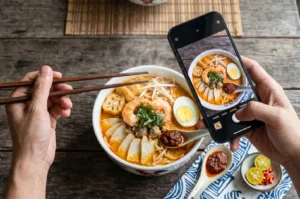
In our first, would probably say, emotional editorial, I would like to open with how there is a particular kind of silence that happens before a dish is eaten now. Not the quiet of anticipation, but the pause of positioning, a hand hovering just above the plate, adjusting the angle of a bowl so the…
-
Chasing Flavor: How Fook Kin Taught Us to Cook Asian Cuisine Recipes the Right Way
Eat Drink Asia Team | April 14, 2026
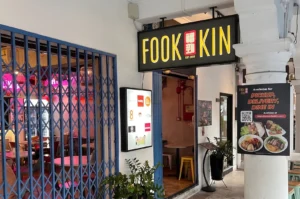
For years, we told ourselves that truly great Asian cooking was a mystical art form, a craft reserved for seasoned hawker uncles or Michelin-starred chefs with decades of experience. Our own attempts at home often felt like pale imitations, lacking that deep, smoky flavour or that perfect textural contrast we craved. Then, we had dinner…
-
Connecting Generations: How Asiatic Food Builds Family Bonds Across Time
Dio Asahi | April 11, 2026
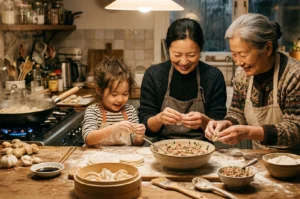
Whenever I smell toasted sesame oil hitting a hot wok, I am instantly transported back to a tiny, bustling kitchen from my childhood. The air would be thick with the aroma of ginger, garlic, and slow-simmering soy sauce. Before a single word was spoken, the meal was already telling a story. For many of us,…
-
A Comprehensive Resource for Oriental Foods Recipes for the Modern Home Cook
Eda Wong | April 10, 2026
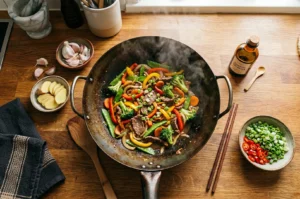
For years, I thought cooking Asian food at home required something mystical. My stir-fries were soggy, lacking that smoky breath of the wok. My fried rice was inconsistent, sometimes clumpy, other times dry. My sauces tasted flat, missing the balance of savory, sweet, and tangy flavors I craved. I assumed restaurants had secrets I’d never…
-
Pour Decisions: The Best Bars in Singapore for Craft Beers and More
Dio Asahi | April 9, 2026
Walking through the humid streets of Singapore at dusk, you can feel the city transforming. The tropical heat fades into neon lights, and the clinking of glasses begins to echo from narrow shophouses and towering skyscrapers. Singapore boasts a dynamic bar scene that rivals any global metropolis. From opulent destinations like to the laid back charm,…
-
The 8 Best Chinese Restaurants in Singapore: From Dim Sum to Peking Duck
Dio Asahi | April 7, 2026
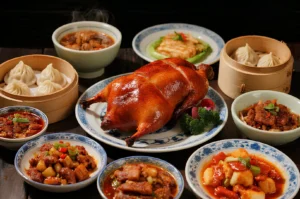
Singapore’s best chinese restaurants in singapore function less like isolated dining rooms and more like a networked system of technique. Across these chinese restaurants, you see branches of chinese cuisine expressed through roast mastery, controlled fermentation, seafood purity, and banquet choreography. This is not simply a guide to chinese food. It’s a mapped culinary journey…
-
The Neighbourhood Restaurant Test: How to Spot Truly Authentic Cuisine Restaurants in Your Area
Eda Wong | March 31, 2026
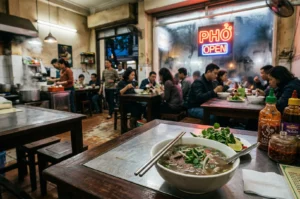
A friend texted me last week: “I’m outside this new Vietnamese place. How do I know if it’s legit before I waste my money?” It’s a question I get often. We’ve all been there, drawn in by a cool sign, only to get a plate of sad, sweet, tourist-grade pad thai that tastes like ketchup….
-
Cuisine in the World Meets Singapore: Inside Nakhon Kitchen’s Cross-Cultural Magic
Dio Asahi | March 26, 2026
There’s a rite of passage for any food lover living in the East of Singapore, and it involves a queue. Specifically, the perpetually long, snaking queue outside Nakhon Kitchen in Bedok. I’d heard the legends for years: authentic Thai food, rock-bottom prices, and a wait time that tests your commitment. So, on a Tuesday evening…
-
The Spice Route Secrets: A Deep Dive into Malay Ethnic Food
Eda Wong | March 24, 2026
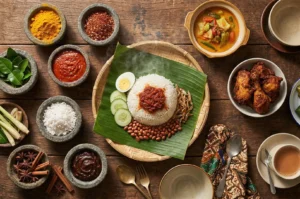
My first time ordering Nasi Padang in Geylang Serai was overwhelming, I randomly picked dishes and was shocked by a $20 bill due to premium beef rendang and squid. That taught me to always ask seafood prices and that Malay food is a complex, modular cuisine. Malay food is everywhere in Singapore, in hawker centres,…
-
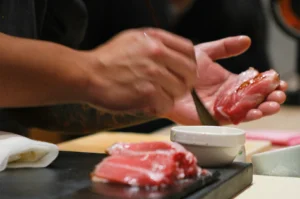
The Shokunin Spirit: How Japan’s Craftsman Philosophy Lives Inside Singapore’s Most Disciplined Omakase Counter
Dio Asahi | March 21, 2026
The fire is not roaring; it is breathing. In a small, darkened workshop in Sakai, a swordsmith watches the colour of the steel with eyes that have tracked the same transformation for forty years. He does not look at a clock. He listens to the hum of the charcoal. He waits for the metal to…