The narrow alleyway in Yau Ma Tei smells of charcoal and dark soy sauce, a thick coastal humidity pressing against the glow of the stoves. An elderly cook stands before a row of blackened sand-clay pots, a long metal tong in his right hand. He does not watch the flames; he listens to them. There is a subtle, shifting rhythm in the air. The wet, heavy bubbling of simmering rice slowly gives way to a sharp, staccato crackle. It is the sound of moisture surrendering to extreme heat. He swiftly tilts the pot at an angle, letting the fire lick the curved edges. This brief, fiery moment sets the stage for a deeply authentic culinary journey.
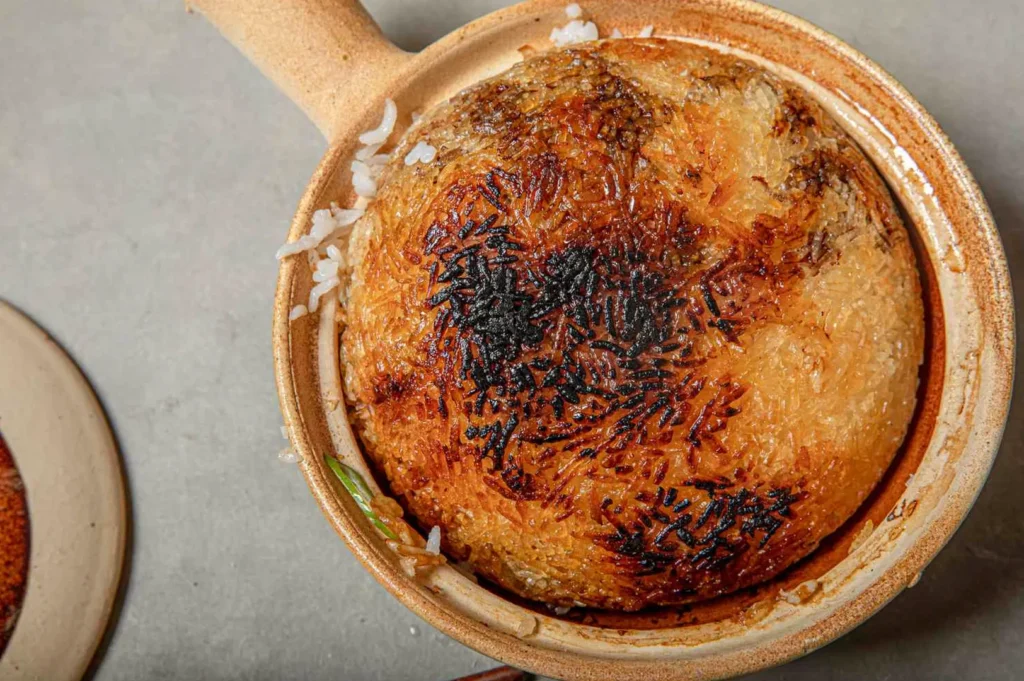
This audible shift announces the birth of fan jiu (pronounced faahn-jeew), the golden, scorched rice crust that clings to the bottom of a traditional claypot. It is not burnt rice, but rather a deliberate caramelisation of starches. Creating this layer requires an intense, technique-led understanding of temperature and timing. The craft demands that the cook rotates the unglazed pot over the open flame at the exact moment the water evaporates, slicking the inner sides with a thin thread of pork lard or peanut oil. This fat seeps down to the base, frying the bottom grains until they harden into a crisp, cohesive shell. When scraped free with a metal spoon, it shatters into fragrant, brittle shards that taste deeply of smoke and toasted earth.
Across southern Chinese neighbourhoods, waiting for these scorched edges is a fundamental shared experience during the cooler, damp monsoon months. Diners gather around folding tables, leaning over steaming pots of cured sausages, marinated chicken, and salted fish. But the meat is often just the prelude. The true celebration of flavours happens at the bottom of the bowl. Extracting the fan jiu is a communal ritual, an act of patience where friends take turns chiselling away the golden crust, sharing the fragmented pieces. It signals a shift in the evening’s pace. You cannot hurry a claypot, and you cannot rush the scraping. The meal forces you to slow down, transforming a simple dinner into a quiet, interactive event. In many parts of Asia, meals like this reflect communal dining traditions in Asia, built around the shared centre of the table where flavour, conversation, and care are passed hand to hand.
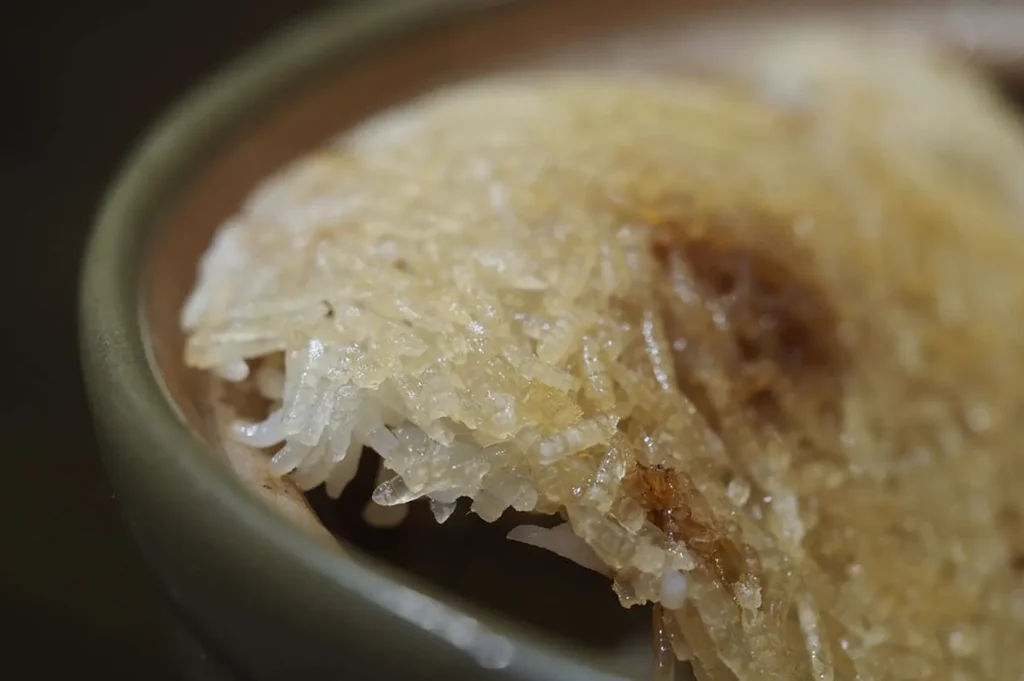
What feels so vital about this charred layer today is its stubborn refusal to adapt to modern culinary convenience. In a landscape dominated by non-stick rice cookers and automated timers that actively prevent rice from sticking, the intentional scorching of grains feels like a quiet rebellion. Electric appliances yield perfectly uniform, soft bowls of rice, but they cannot replicate the rough, uneven texture of an open charcoal fire. The crust demands physical effort, constant vigilance, and a willingness to embrace the messy, unpredictable nature of traditional cooking. It is a trend-setting reminder that beauty is sometimes found in the scorched, imperfect edges.
Setting the spoon down, the residual warmth of the claypot lingers against the cool evening air. The brittle crunch of the last piece of rice fades into a rich, roasted memory. It is a profound, flavourful testament to the simple power of listening, waiting, and letting the fire do its work.

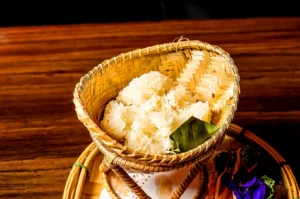
The Bamboo Basket Holding Chiang Mai’s Sticky Rice
Dio Asahi | September 9, 2026
By Dio Asahi for Eat Drink Asia. The lid comes off, and the steam rises first. It’s a warm afternoon in Chiang Mai, and on the table sits a small woven bamboo basket, still holding the heat of the pot it came from. Someone’s grandmother lifts the top and sets it aside without looking. Inside,…
-
Sambal Fried Rice Recipe for People Who Know the Chilli Paste Does the Heavy Lifting
Dio Asahi | September 8, 2026
I used to add the rice too early. The oil would be hot, the sambal barely a minute in, and I’d tip in the cold rice because I was hungry and impatient. Every time, the same result: rice stained red but tasting of nothing much. Sharp. Raw. Flat where it should have been deep. It…
-
Hup Lok at Havelock Road: A Teochew Fish Soup Carrying Memory Forward
Eda Wong | September 8, 2026
The bowl arrives before anything else does. Steam lifts off it in slow ribbons, carrying the smell of ginger and something warmer underneath: the round, boozy note of hua tiao wine settling into fish. I lean in before I even pick up my spoon. The broth is pale gold and cloudy, thick enough that it…
-
Fresh Sashimi Singapore: Places for Clean Cuts, Quiet Counters, and Fish That Still Feels Alive
Eda Wong | September 5, 2026
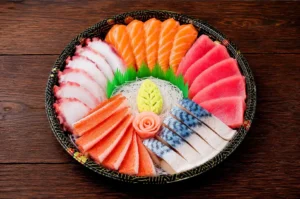
I didn’t grow up eating raw fish. For years, sashimi felt like something you learned to appreciate rather than something you loved. Cold, foreign, a little intimidating. Then one afternoon, at a quiet counter, a chef placed a single slice of chutoro in front of me and said nothing. I ate it. And I understood….
-
Pattaya Garden Restaurant and the Thai Meal That Knows How to Feed a Group
Eat Drink Asia Team | September 3, 2026
The rice came down first. A plain bowl, warm and steaming, set in the middle of the table before anything else. Then the green curry, in a bowl wide enough for four spoons to reach at once. And within a minute the table stopped being a set of individual meals and became one shared thing,…
-
At Keria Japanese Restaurant, the Meal Begins Before the First Bite
Dio Asahi | September 3, 2026
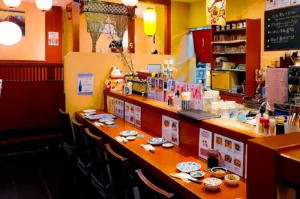
By Dio Asahi for Eat Drink Asia. The lift opens onto a corridor leading to the famed and hidden Cuppage Plaza food, and the building’s age shows in the flickering fluorescent light and the smell of old carpet. Then a sliding door pulls back, and Keria Japanese Restaurant asks you to slow down. Inside, it…
-
The Round Kaya Bun at Chin Mee Chin Confectionery, and the Mornings It Keeps
Eda Wong | September 2, 2026
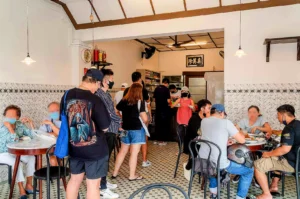
By Eda Wong for Eat Drink Asia. It’s not quite eight, and the pastel-blue shophouse is already awake. Kopi cups clink against saucers. A ceiling fan turns slow overhead. Someone folds a newspaper at a marble-topped table, and the man behind the counter moves without hurry, sliding buns across in a rhythm he’s clearly done…
-
Nana Original Thai Food and the Thai Meal That Keeps Changing Its Accent
Eda Wong | September 1, 2026
The tom yum arrived first, and the first spoonful hit sour and hot at once, lime and chilli chasing each other down the throat. This classic Thai dish features a spicy sauce and aromatic herbs that awaken the taste buds straight away, setting the stage with its bold flavors. Then the pineapple rice came, sweet…
-
Pad Thai Recipe for People Who Know the Noodles Can’t Be an Afterthought
Dio Asahi | August 29, 2026
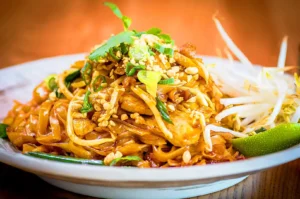
The first time I made Pad Thai, I ruined it before the wok was even hot. I’d left the noodles soaking while I answered a phone call. Ten minutes turned into forty. By the time I drained them, they were already soft, already surrendered. Everything I did in the pan after that was damage control….
-
Best Japanese Restaurant Singapore: Places That Nail the “First Bite”
Eat Drink Asia Team | August 27, 2026
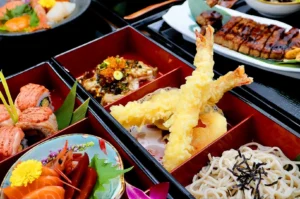
I built this list around a very specific feeling: that first bite where the room goes quiet for a second. I’ve tried enough Japanese restaurants in Singapore over the years to know that “best” does not always mean the most expensive, the rarest, or the hardest to book. Sometimes it is the warmth of the…