By Eda Wong for Eat Drink Asia.
Steam curls up from a tray in the back of the kitchen, and the whole room smells green. Pandan, crushed and knotted, pushed through wet cloth until the leaves give up their colour. An auntie leans over the tray with a spoon carved from coconut shell, dark and worn smooth at the edges from years of the same motion. She pours the custard slowly, tilting the spoon so the pale jade batter runs across the rice without breaking it. She doesn’t rush. The rice below has already set, packed tight and glossy. Her hand moves like she’s done this ten thousand times, because she has.
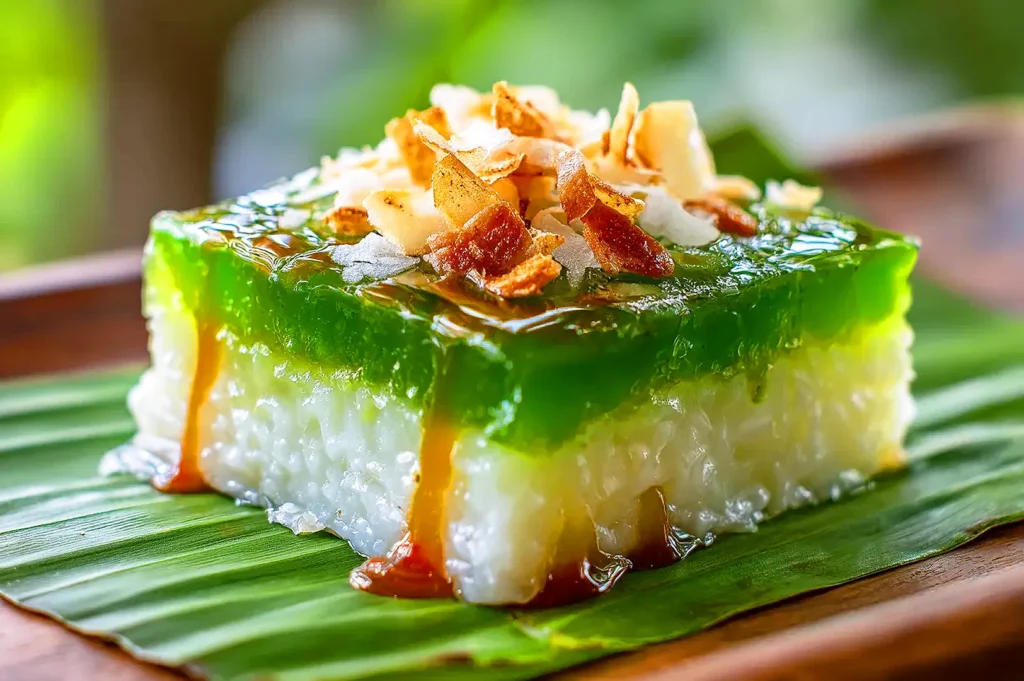
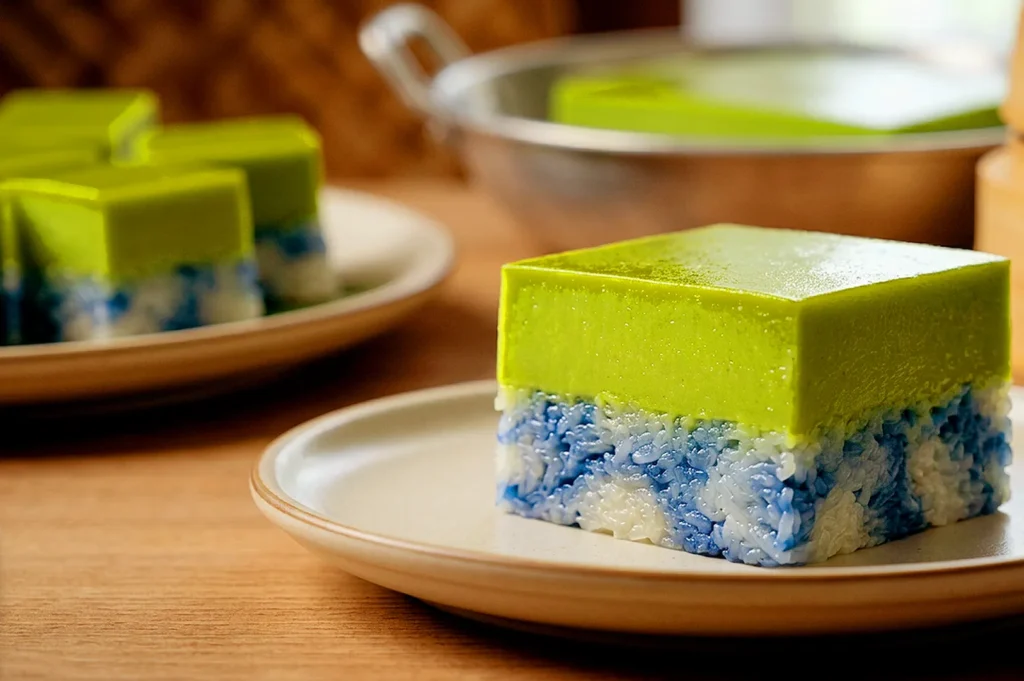
What she’s making is kueh salat, said roughly “kweh sah-lat,” a two-layered Peranakan steamed cake. The base is glutinous rice, cooked with coconut milk until each grain sits close against the next, firm enough to hold. On top goes the custard — pandan and coconut and egg, steamed until it just sets, soft but not loose. The colours matter: white rice below, that deep pandan green above.
The coconut spoon is the quiet hero here. Metal scrapes and cuts; a coconut-shell spoon is gentle. It lets the custard slide over the rice in thin, even layers, so the two halves meet cleanly instead of bleeding into each other. Pour too fast, or too hot, and the layers muddy. The custard has to go on warm and unhurried, one patient ladle at a time.
You learn this in a home kitchen, not a class.
Kueh like this was made for occasions — weddings, Lunar New Year, prayers, the long afternoons before a gathering. In Peranakan households, it was the women who held this knowledge. Mothers and grandmothers and aunties, hands stained pandan-green, passing down not recipes on paper but the feel of a thing. How firm the rice should press. How the custard should wobble when it’s ready. Knowledge kept in muscle and memory, taught by standing beside someone at the stove until your hands knew it too.
There’s a shortcut now, and I understand why people reach for it. Premix packets, powdered pandan, custard that sets from a sachet and hot water. It saves an afternoon. It works, mostly.
If you’re curious, we wrote up a simple bandung drink recipe too — another bright, familiar shortcut from the same pantry of sweet comforts.
But the handmade custard layer is where kueh salat holds its soul. Real pandan, squeezed by hand. Coconut milk that turns the top rich instead of merely sweet. The spoon, tilting, laying it down slow. You can taste the difference between something poured with care and something stirred from a box. One tastes like effort. The other tastes like Tuesday.
The auntie sets the tray back into the steamer and wipes the coconut spoon on her apron. She’ll use it again tomorrow, and the day after.
Some tools outlast the hands that hold them. This one carries every layer it has ever poured.

What Is Sashimi? A Guide to Raw Fish, Sliced Raw Fish, and Japanese Seafood
Eat Drink Asia Team | December 3, 2025
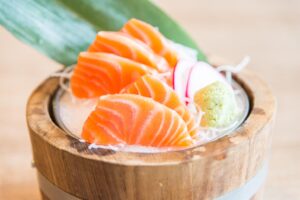
Sashimi is one of the clearest ways to understand Japanese cuisine because there is very little to hide behind. At its simplest, sashimi is sliced raw fish or seafood served without sushi rice, usually with soy sauce, wasabi, and simple garnishes such as daikon radish. But the dish is not just “raw fish on a…

Understanding Sake Alcohol Content: A Complete Guide to ABV and Flavor
Eda Wong | December 2, 2025
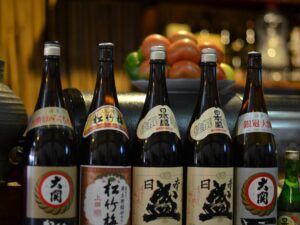
When exploring Japanese sake, many wonder about its grades and complex flavors. Sake’s unique profile offers remarkable versatility, enjoyed in various serving styles and paired with diverse dishes. One fundamental aspect is sake alcohol content. Is sake stronger than wine? How does its alcohol by volume (ABV) compare to beer? The answer is nuanced. Understanding…
-
Japanese Sake: The Complete Guide to Japan’s Traditional Rice Wine
Dio Asahi | November 29, 2025
Japanese Sake: The Complete Guide to Japan’s Traditional Rice Wine While sake has been Japan’s national beverage for over a millennium, its popularity across Asia is at an all-time high. Rooted in Japan’s traditional brewing methods and centuries-old origins. It symbolizes Japan’s cultural heritage and craftsmanship. Understanding this complex brewed alcoholic beverage opens doors to…

Best Japanese Foods in Japan: The Must-Try Dishes
Eda Wong | November 27, 2025
Japan’s culinary world extends far beyond well-known sushi and ramen, revealing a rich variety of regional specialties cherished by locals. While many travelers stick to popular Japanese foods in tourist areas, authentic flavors are best discovered in neighborhood markets, family-run eateries, and seasonal menus reflecting centuries of Japanese cooking tradition. Understanding Japanese cuisine requires more…
-
Japanese Food in Japan: The Ultimate Guide to Authentic Culinary Experiences
Eat Drink Asia Team | November 25, 2025
Experiencing Japanese food in Japan is fundamentally different from eating Japanese cuisine anywhere else. While sushi restaurants and ramen shops have spread globally, the authentic flavors, techniques, and cultural context of Japanese food can only be fully appreciated in its homeland. From meticulously selecting ingredients at peak freshness to centuries-old traditions shaping every meal, eating…
-
Food in Japan: A Complete Guide to Japanese Cuisine and Culinary Culture
Eda Wong | November 22, 2025
The gentle steam rising from a bowl of miso soup carries more than just the earthy aroma of fermented soybeans-it carries centuries of Japanese culture and culinary wisdom. When you eat in Japan, you’re not simply consuming a meal; you’re participating in a ritual that connects you to the seasons, the land, and a philosophy…
-
Ramune Marble Soda: History and Cultural Meaning of Japan’s Iconic Marble Soda
Dio Asahi | November 20, 2025
Among Japan’s beloved fizzy drinks, none evoke nostalgia and uniqueness quite like Ramune marble soda. Instantly recognizable by its quirky Codd neck bottle and glass marble seal, Ramune soda is an essential part of Japanese summer, cherished by generations for its refreshing taste and signature pop sound. This marble soda remains a staple at summer…
-
Hokkaido’s Best Seafood Treasures: Beyond Sushi and Sashimi
Eat Drink Asia Team | November 18, 2025
When visiting Hokkaido, Japan’s northernmost island, food lovers are greeted with some of the most highly regarded seafood specialties in the world. Hokkaido is famous for its abundance of fresh seafood and rich fishing grounds, thanks to the surrounding Sea of Japan, Pacific Ocean, and Sea of Okhotsk. These nutrient-packed waters yield a wide range…
-
The Art of Asian Tea Ceremony Traditions: Ancient Rituals and Cultural Values Across Asia
Dio Asahi | November 15, 2025
A cup of tea, in many parts of Asia, represents far more than a beverage-it is a conduit to ancestral tradition, intellectual pursuit, and the cultivation of mindfulness. Asian tea ceremony traditions turn the act of drinking tea into a sophisticated art form, layered with symbolism, philosophy, and socio-cultural values. Each gesture, from scooping powdered…

The Art of Slow-Cooked Curry Recipes: Time’s Magic in South Asian Cuisine
Eda Wong | November 13, 2025
Step into a South Asian kitchen, and the senses are instantly enveloped by the inviting aroma of food slowly simmering in a sturdy clay pot or heavy vessel. The allure is undeniable: in this space, slow-cooked curry recipes are a celebration of patient tradition, spices, and the richness of South Asian cuisine. Here, time and…