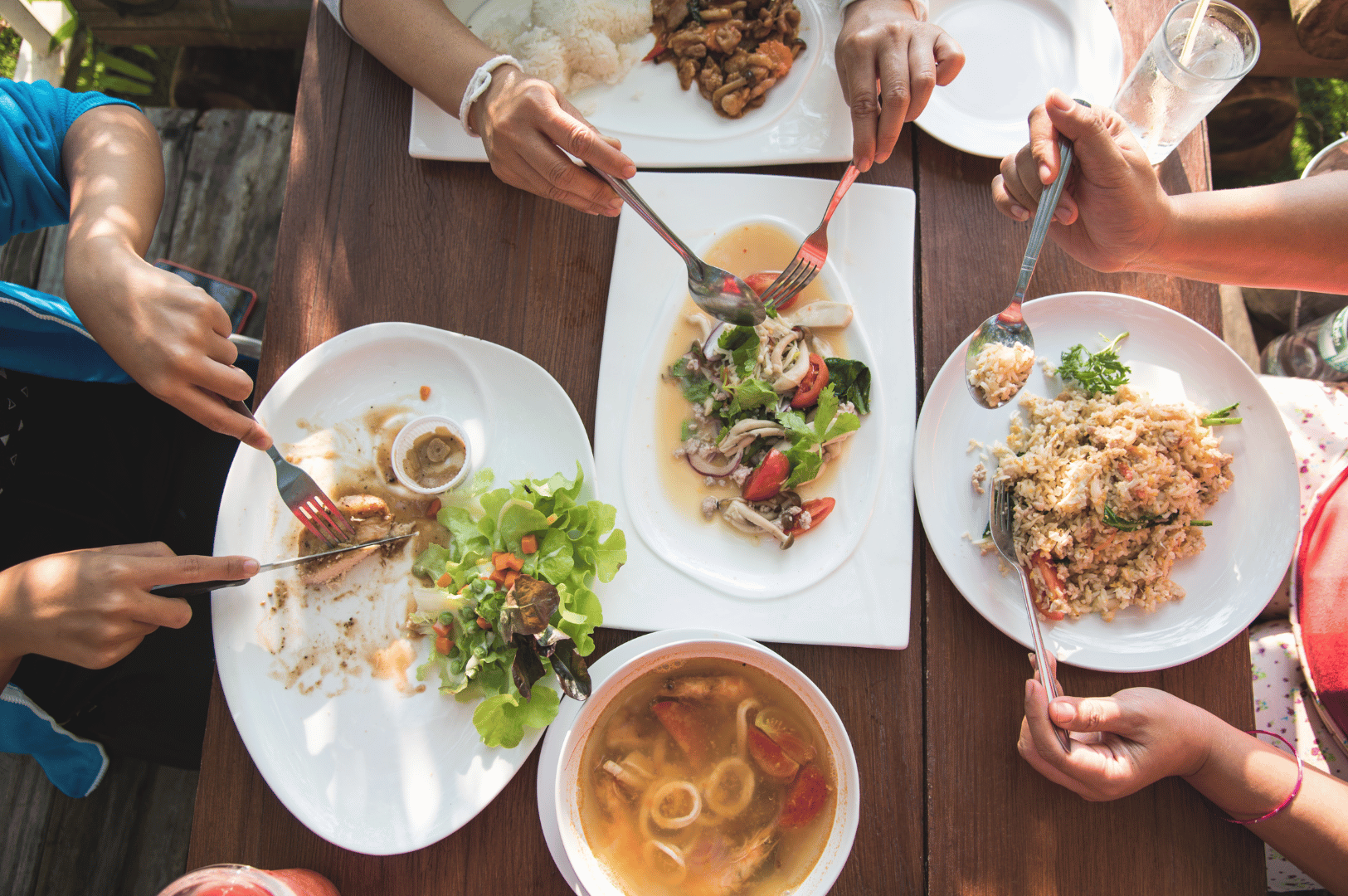
Imagine a dining table crowded with large platters of steaming food, the smell of spices in the air, small bowls arranged neatly around the shared table, and laughter echoing across the room. Across Asia, dining tables play a central role in communal dining traditions, serving as the focal point for etiquette, social interaction, and the display of cultural values. In many Asian countries, a communal meal is a culturally significant event that brings people together to share food and celebrate tradition. These gatherings are more than just a dining experience-they are about fostering community spirit, sharing cultural heritage, and creating lasting memories with family and friends.
People eat together in these settings not only for sustenance but as a social and ceremonial activity that reinforces relationships and respect. During larger gatherings such as weddings or festivals, communal dining traditions become especially prominent, often involving elaborate procedures and shared dishes. The act of sharing meals is central to these experiences, helping to foster connection and a sense of community.
This article takes you on a culinary journey through communal dining experiences, exploring the key elements of communal meals, their cultural expression, regional variations, modern adaptations, and how visitors can participate in this shared experience.
Introduction to Communal Dining & Shared Tables
Communal dining is a timeless tradition that transcends borders, bringing people together around the dining table to share meals, stories, and laughter. In Asian cultures, communal dining is an integral part of daily life, where the act of sharing food goes far beyond nourishment. It is about building community spirit, reinforcing bonds, and creating lasting memories with every meal.
Whether it’s a festive banquet or a simple family dinner, communal dining experiences are woven into the fabric of cultural heritage, fostering deeper connections among family, friends, and even newcomers. The broad range of communal dining practices-from elaborate feasts to casual gatherings-reflects the diversity and richness of Asian cultures, making every shared meal an opportunity to celebrate togetherness and the joy of eating.
Historical and Cultural Tradition Influences
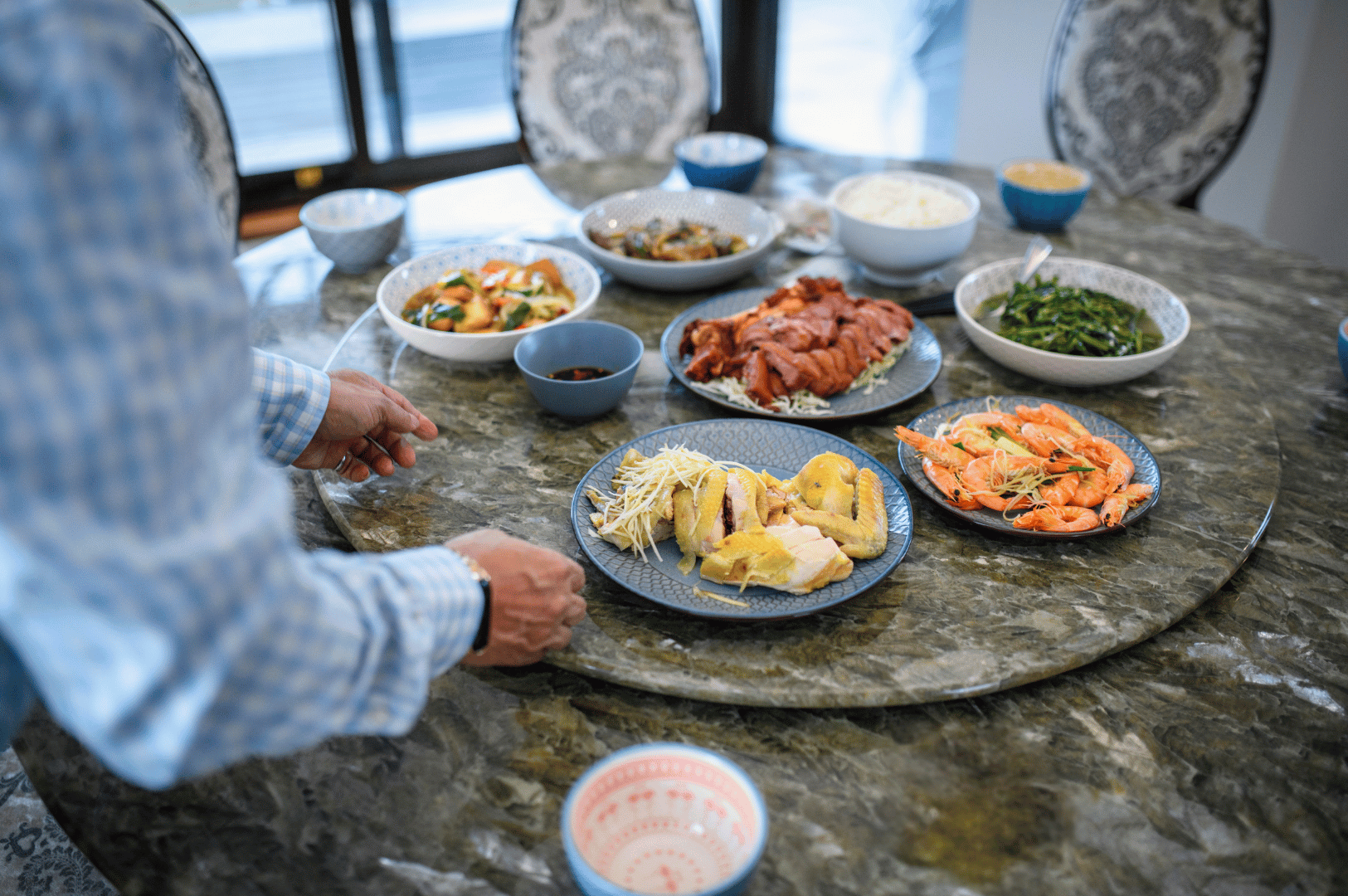
The evolution of communal dining traditions in Asia is deeply influenced by centuries of history and cultural exchange. In many Asian cultures, the use of chopsticks is more than a practical choice-it symbolizes unity and shared values at the dining table. The iconic Lazy Susan, often found at Chinese banquets, revolutionized communal dining by making it easier for everyone to access shared dishes, reinforcing the importance of equality and togetherness.
Across the region, communal dining practices are closely tied to cultural traditions, with recipes, cooking techniques, and rituals passed down through generations. These deeply rooted customs not only shape the way food is served and enjoyed, but also honor the culture’s history and create a sense of belonging.
The Philosophy Behind Communal Dining Traditions in Asia
At the heart of communal dining in Asian countries are values such as harmony, respect, and togetherness. The shared table represents equality and connection. Everyone uses serving utensils to serve dishes from shared plates, ensuring that each diner enjoys the same food. Elders are served first, bowls are kept full, and each action reinforces deeper connections between diners.
Communal meals are not only about nourishment-they are about reinforcing bonds, passing down shared stories, and teaching table manners. By participating in communal dining experiences, younger generations learn the culture’s history, while even strangers can connect over different flavors and various dishes.
The Art of Asian Dining
The art of Asian dining is a harmonious blend of tradition, etiquette, and culinary mastery. Each meal is thoughtfully prepared, with careful attention to local ingredients, seasonal flavors, and time-honored cooking techniques. Serving utensils are used with precision, and the placement of each dish on the table reflects a deep respect for cultural traditions.
In Japanese dining, for example, the arrangement of food is as important as its taste, while in Vietnamese cuisine, fresh herbs and vibrant colors take center stage.
Etiquette and Manners in Asian Dining
Etiquette and manners are at the heart of Asian dining, shaping the way food is shared and enjoyed. In many Asian cultures, the use of serving utensils is essential for communal meals, ensuring that everyone can partake in shared dishes respectfully.
Asian table manners often reflect social hierarchy and respect for elders, such as waiting for the oldest person to begin eating or offering the first serving to guests. The placement of dishes, the way food is eaten, and even the use of chopsticks or spoons are guided by longstanding traditions.
These practices play a significant role in creating a harmonious dining experience. Understanding and observing these customs allows diners to fully appreciate the depth and meaning behind each shared meal.
Regional Varieties of Communal Dining Practices
While communal eating is a universal practice, each region brings its own cultural traditions and culinary landscape.
Chinese Communal Dining
In China, communal dining traditions are exemplified by the Lazy Susan, rotating large platters of symbolic foods. Fish symbolizes prosperity, noodles represent longevity, and side dishes like dumplings are shared by all. Diners serve food to one another, emphasizing community spirit and respect for formal settings. These communal meals in China reflect Asian cultures‘ focus on shared plates, creating lasting memories, and passing down cultural heritage.
Japanese Communal Tables
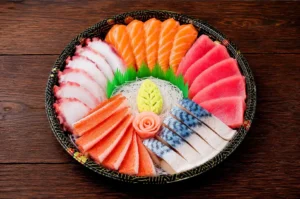
Japanese communal dining experiences range from casual izakayas, Japanese Omakases and family tables. Small dishes like yakitori, tempura, and sashimi are served to encourage sharing food. Nabe hot pots place the meal at center stage, allowing diners to cook together and enjoy a shared experience. Even in urban life, these communal dining practices preserve shared values, table manners, and the culture’s history.
Korean Communal Meals
Korean tables offer a broad range of side dishes called banchan, which are small bowls enjoyed collectively. Grilled meats for ssam (wraps) and central jjigae stews highlight the cultural significance of communal dining. Pouring drinks for close friends before yourself, refilling shared dishes, and taking turns using serving utensils all strengthen community spirit.
Southeast Asian Communal Eating
From Thailand to Indonesia and the Philippines, communal dining traditions in Southeast Asia focus on interaction and variety. Thai miang kham, Indonesian rijsttafel, and Filipino kamayan meals use banana leaves or large platters to serve many different flavors. Eating with the left hand or sharing small dishes enhances the shared experience and helps deepen friendships. Local ingredients shine, from spices to fresh seafood, highlighting the culinary journey unique to each region.
South Asian Communal Feasts
Indian thalis showcase individual portions in small bowls, yet the shared table brings everyone together. Breaking naan or roti encourages communal eating and embodies cultural expression. Across South Asia, communal meals blend shared dishes, dining traditions, and cooking techniques that have survived through human history.
Benefits of Shared Dining
The benefits of shared dining extend far beyond the dining table, touching every aspect of social and cultural life. When people come together to share meals, they create opportunities for meaningful social interactions, deeper connections, and lasting memories. Communal dining fosters a strong sense of community spirit, encouraging open conversation and the exchange of stories and traditions.
In Asian cultures, these shared meals are a cornerstone of family life and community gatherings, helping to reinforce bonds and promote a sense of belonging. By embracing communal dining, individuals not only enjoy delicious food but also participate in a tradition that celebrates unity, cultural understanding, and the joy of being together.
Modern Interpretations of Communal Dining
Communal dining traditions in Asia are evolving alongside urban lifestyles and global influences. Restaurants now offer communal tables, family-style shared plates, and fusion dishes that reflect the diverse communities of the region. Night markets invite large groups to bond over just food, from noodles to soy sauce-marinated grilled meats.
Social media has brought communal dining experiences to a global audience. Photos of Korean BBQ, Filipino boodle fights, and Chinese hot pots showcase large platters, many dishes, and shared plates, inspiring younger generations to participate in communal eating.
The Social Significance of Communal Meals
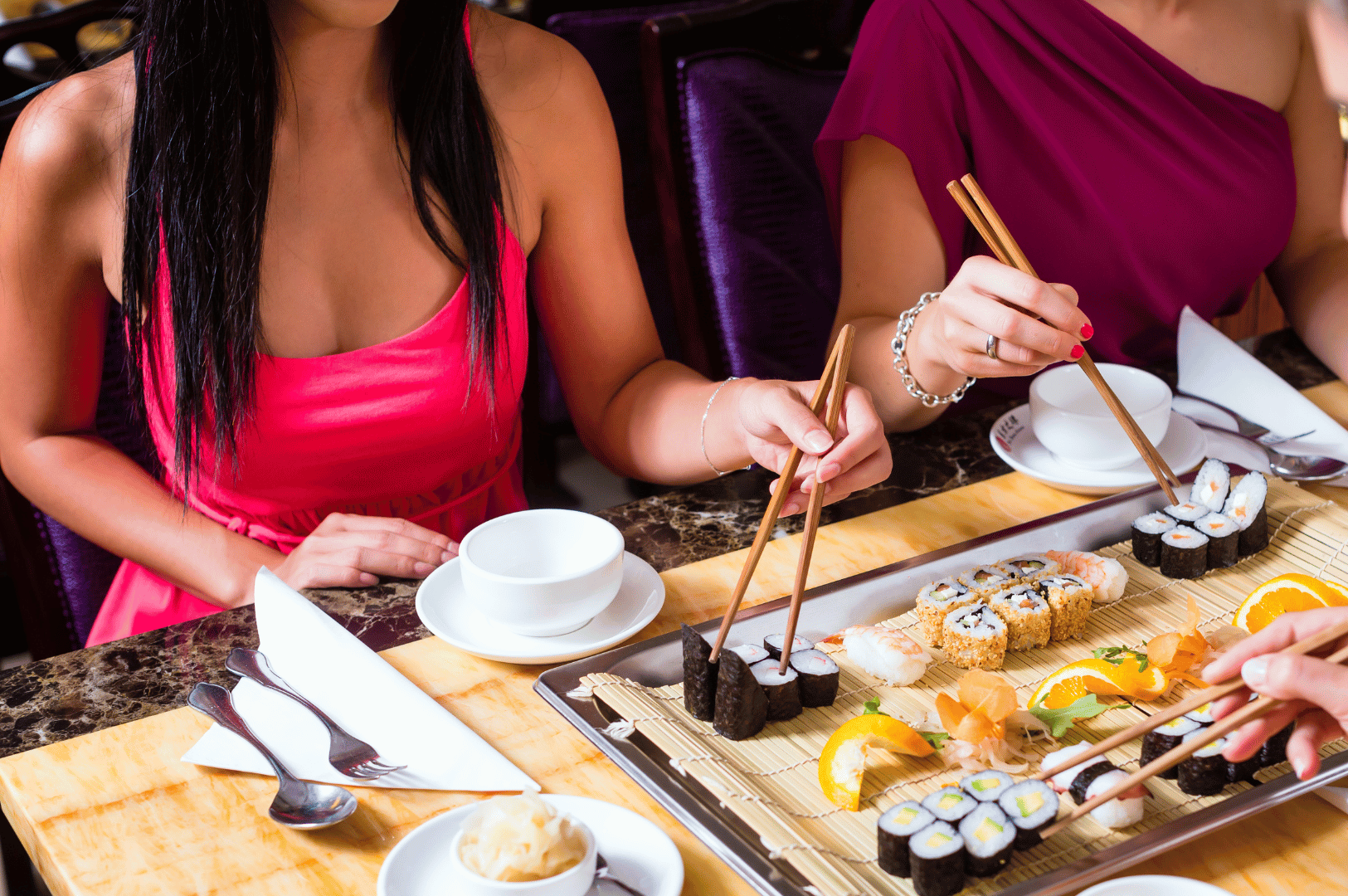
Research supports what Asian cultures have known for centuries: communal meals strengthen social interactions, communication, and lasting memories. Shared meals slow down busy lives, allowing diners to exchange shared stories and create deeper connections.
The cultural significance of communal dining extends beyond Asia. Similar traditions exist in the Middle East, South Asia, and many cultures worldwide, showing the universal appeal of communal eating, reinforcing bonds, and celebrating shared values. Communal dining practices create human connections through shared dishes, fostering belonging and emotional well-being.
Tips for Participating in Communal Dining Experiences
When joining communal dining traditions in Asia, visitors should observe dining traditions and table manners:
- Use serving utensils for shared dishes.
- Avoid double-dipping or using personal chopsticks for communal meals.
- Communicate dietary restrictions politely.
- Try interactive options like hot pot or Korean BBQ to experience cooking techniques first-hand.
- Observe how diners serve many Asian countries’ shared plates, small bowls, or large platters to even strangers.
Participation allows travelers to deepen friendships, experience cultural expression, and enjoy a culinary journey across different cultures.
The Lasting Legacy of Communal Dining
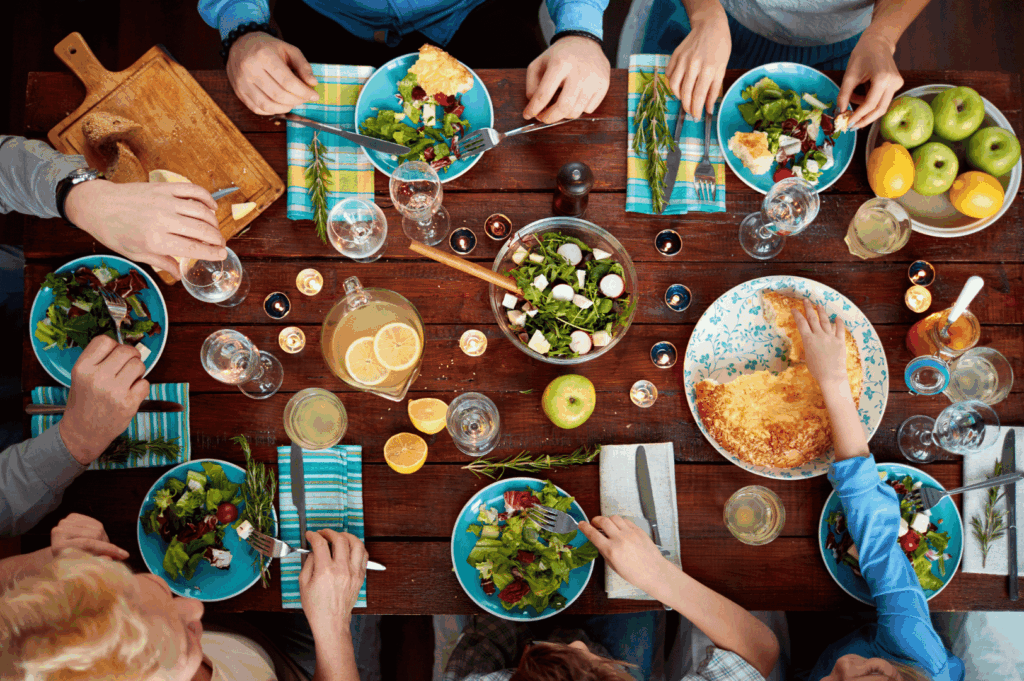
From grand banquets in China to vibrant night markets in Southeast Asia, communal dining traditions in Asia celebrate culture’s history, shared plates, and community spirit. Communal eating transmits cultural heritage, reinforces bonds, and creates lasting memories.
Whether gathering close friends, sharing many different flavors, or hosting a communal feast, Asian shared meal customs teach shared values, promote social interactions, and strengthen diverse communities. Communal meals remind us that eating together is more than just food-it is creating lasting memories, deeper connections, and a shared experience that unites many cultures across human history.
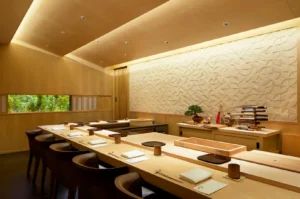
Building on the rich traditions of Japanese communal dining, establishments like Sushi Masa by Ki-setsu in Singapore embody the Shokunin spirit, offering diners an intimate and meticulously curated culinary experience.

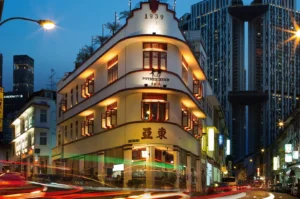
Tong Ah Eating House Review: A Chinatown Breakfast That Still Begins with Kaya Toast
Eda Wong | September 19, 2026
I almost walked past it. I’d been looking for the old triangular building, the red-and-white one you see in every photo of Keong Saik, the one that made Tong Ah feel like a landmark before you’d even ordered anything. But that’s not where it lives anymore. It’s a few doors down now, at 35 Keong…
-
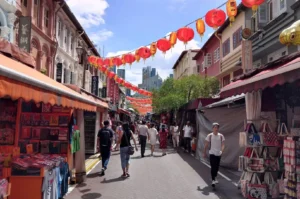
Breakfast at Chinatown Singapore: How Migration Built the City’s Morning Table
Eat Drink Asia Team | September 17, 2026
The first time I ate breakfast in Chinatown, I got it wrong. I arrived at eleven, hungry and hopeful, and found the kopi stalls already turning toward lunch. The porridge uncle was packing up. The toast man had switched to slicing char siew. I ate a rushed plate of noodles standing near a pillar, sweating,…
-
The Bitter Leaf Folded Into a Burmese Home Kitchen
Eda Wong | September 16, 2026
The oil is already hot when she reaches for the leaves. It’s late morning in a kitchen off a quiet lane, and a woman I’ve been watching stands over a blackened wok, tearing bitter gourd leaves by hand into a small heap. The garlic hits the oil first, sharp and loud. Then the leaves go…
-
Best Sushi Singapore: From Premium Japanese Restaurants to Exclusive Deals from Affordable Sushi Trains
Dio Asahi | September 15, 2026
I’ve been eating sushi in this city for years now, from S$1.50 plates rolling past on a belt to omakase counters where the bill made me sit up straight. Somewhere along the way I stopped chasing “the best” and started noticing something else — that good sushi answers a mood, not a ranking. Some nights…
-
Al Mubin Restaurant and the Nasi Goreng Sambal Ayam That Has to Carry the Whole Plate
Eda Wong | September 12, 2026
It was close to eleven at night when I finally sat down. The kind of hour when you’re not really hungry so much as unsettled, when you want something warm in front of you more than you want a proper meal. Al Mubin’s food court at Block 407, Ang Mo Kio Avenue 10, was still…
-
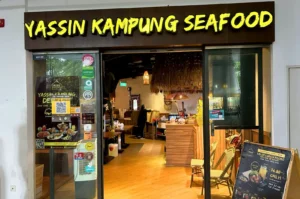
Yassin Kampung Admiralty Review: When Sambal Fried Rice Becomes the Whole Point
Eat Drink Asia Team | September 10, 2026
I ordered the sambal fried rice first, before I’d even properly read the menu. That’s usually a mistake at a place like this. Yassin Kampung @ Admiralty is the kind of restaurant that keeps trying to pull your attention elsewhere — toward stingray, toward crab, toward hotplates that arrive still hissing. But I’d come with…
-
The Bamboo Basket Holding Chiang Mai’s Sticky Rice
Dio Asahi | September 9, 2026
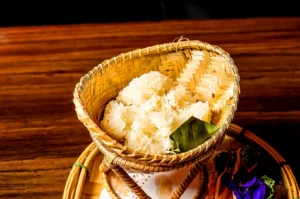
By Dio Asahi for Eat Drink Asia. The lid comes off, and the steam rises first. It’s a warm afternoon in Chiang Mai, and on the table sits a small woven bamboo basket, still holding the heat of the pot it came from. Someone’s grandmother lifts the top and sets it aside without looking. Inside,…
-
Sambal Fried Rice Recipe for People Who Know the Chilli Paste Does the Heavy Lifting
Dio Asahi | September 8, 2026
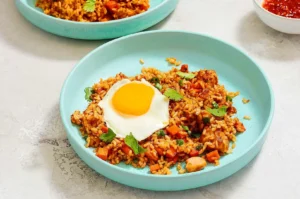
I used to add the rice too early. The oil would be hot, the sambal barely a minute in, and I’d tip in the cold rice because I was hungry and impatient. Every time, the same result: rice stained red but tasting of nothing much. Sharp. Raw. Flat where it should have been deep. It…
-
Hup Lok at Havelock Road: A Teochew Fish Soup Carrying Memory Forward
Eda Wong | September 8, 2026
The bowl arrives before anything else does. Steam lifts off it in slow ribbons, carrying the smell of ginger and something warmer underneath: the round, boozy note of hua tiao wine settling into fish. I lean in before I even pick up my spoon. The broth is pale gold and cloudy, thick enough that it…
-
Fresh Sashimi Singapore: Places for Clean Cuts, Quiet Counters, and Fish That Still Feels Alive
Eda Wong | September 5, 2026
I didn’t grow up eating raw fish. For years, sashimi felt like something you learned to appreciate rather than something you loved. Cold, foreign, a little intimidating. Then one afternoon, at a quiet counter, a chef placed a single slice of chutoro in front of me and said nothing. I ate it. And I understood….