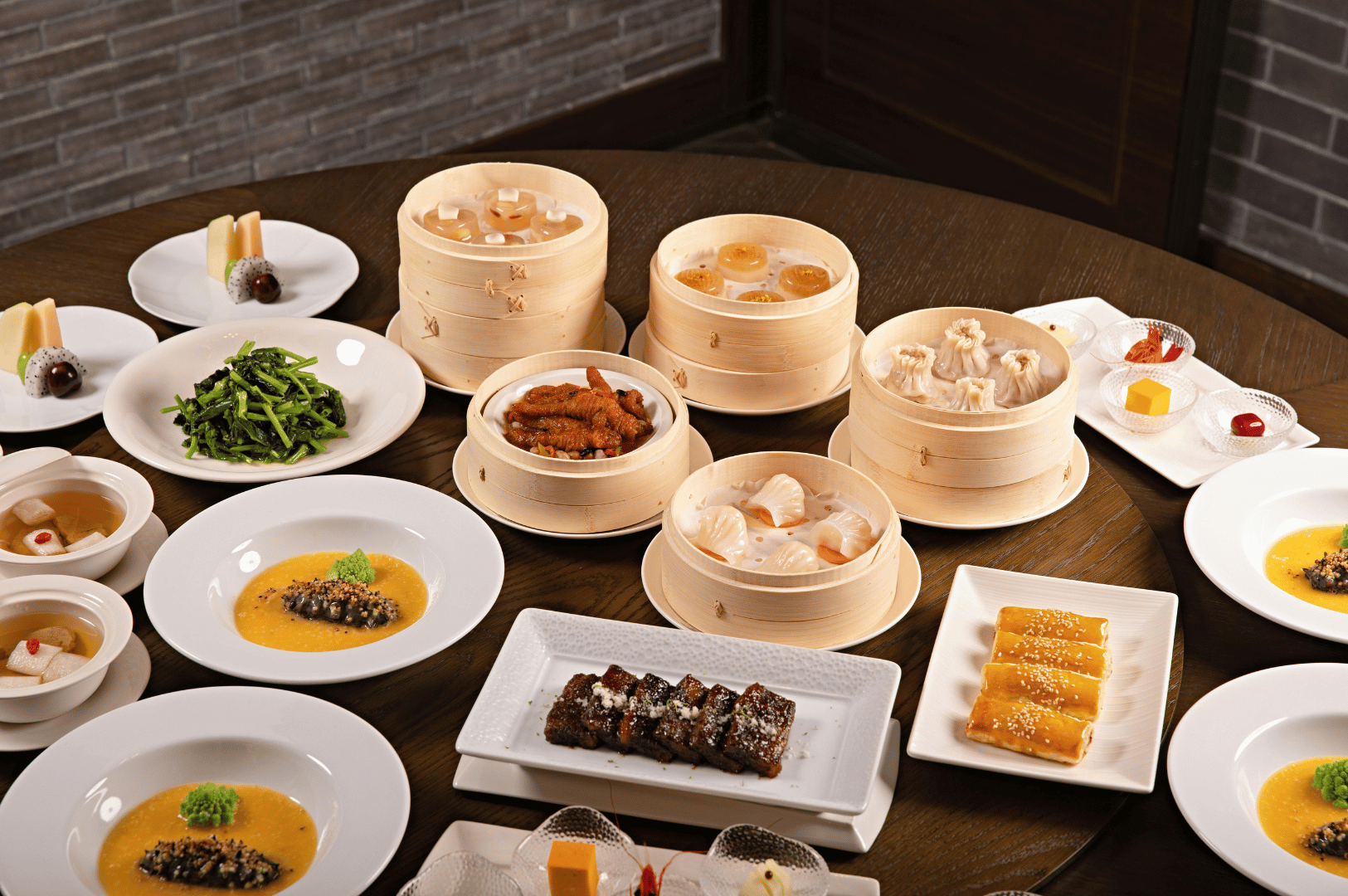
If you think eating dim sum is all about har gow and siu mai, think again. Authentic Cantonese dim sum is a dazzling showcase of Chinese culture, filled with an array of flavors, textures, and traditions that run much deeper than the classics. For both seasoned aficionados and first-time food explorers, venturing beyond the familiar and into a genuine Chinese tea house can feel like entering another world.
This comprehensive dim sum guide isn’t just about what you’ll see on the menu-it’s about understanding tea culture, the ritual of yum cha, ancient and modern etiquette, and those lesser-known dishes that reveal the true artistry of dim sum chefs. Whether you’re sipping oolong from a tiny tea cup or sampling delicate skin soup dumplings straight from a bamboo steamer, you’re engaging with hundreds of years of Chinese culinary history.
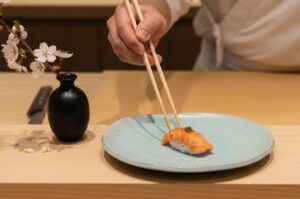
Transitioning from the rich traditions of Cantonese dim sum to the meticulous artistry of Japanese cuisine, finds a remarkable home at Sushi Masa by Ki-setsu, Singapore’s most disciplined omakase counter, where precision and dedication elevate dining to an art form.
A Brief History: Dim Sum and Chinese Tea Culture
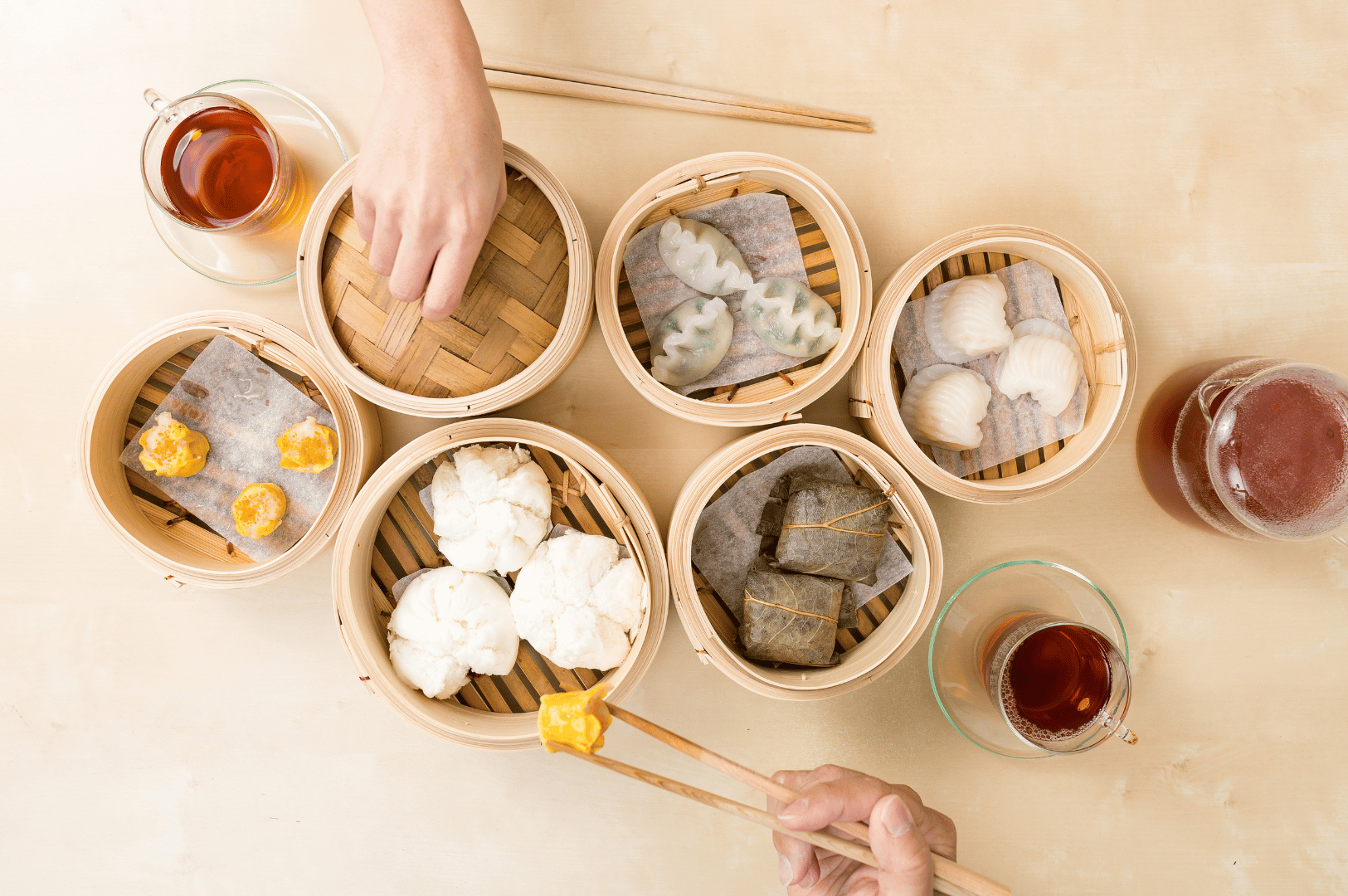
The history of dim sum is intimately linked with Chinese tea culture, stretching as far back as the Tang Dynasty. In southern China, especially in Guangdong province, travelers and townsfolk would gather at tea houses to unwind, drinking tea and sharing small plates. Though the Chinese tea ceremony was originally revered for its meditative rituals-sometimes practiced by Buddhist monks seeking enlightenment-over time, offering tea and accompanying snacks (dim sum) became an integral part of social life.
By the Song Dynasty and later the Jin Dynasty, tea houses flourished. In these vibrant venues, dim sum became much more than food; it was a symbol of hospitality, family, and community. The custom of yum cha (飲茶, “drinking tea”) was born-a tradition that, to this day, brings people together over pots of hot water, aromatic tea leaves, and a parade of delicious dim sum dishes.
Steamed, Fried, Baked, and Sweet: The Main Categories of Dim Sum Menu
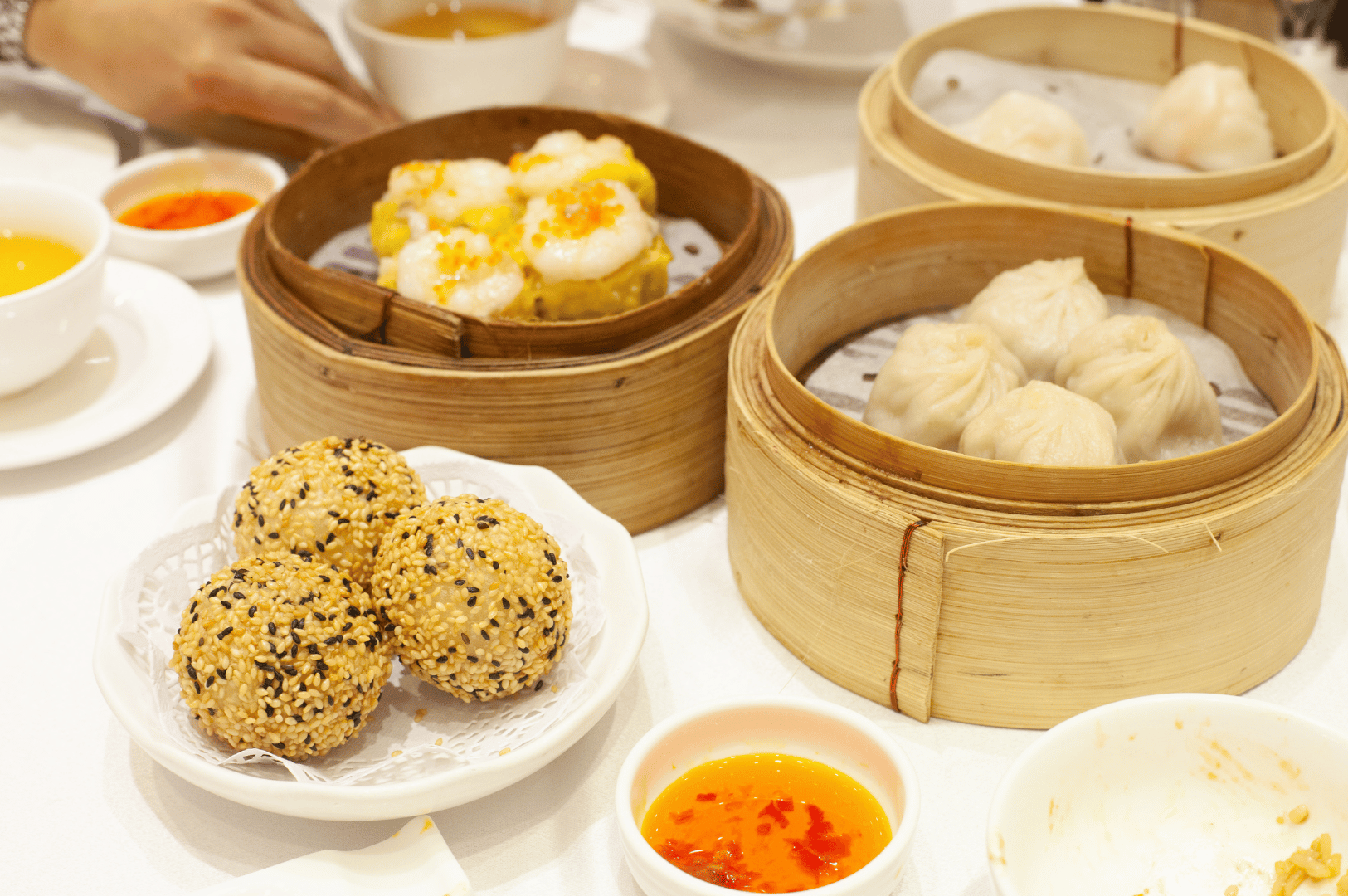
Dim sum is celebrated for its incredible variety, with each restaurant offering a unique menu brimming with options. Understanding the main categories helps every delicious bite make sense:
Steamed Dim Sum
Served fresh from the bamboo steamer basket, these dishes are the soul of authentic cantonese dim sum. Delicate skin dumplings like har gow (shrimp dumplings), soup dumplings (xiao long bao), and siew mai (pork dumplings with minced pork and shrimp) showcase gentle, clean flavors. Another must-try is lo mai gai-sticky rice stuffed with chicken, Chinese sausage, mushrooms, and sometimes salted egg, wrapped and steamed inside lotus leaves for an earthy aroma.
Fried Dim Sum
When you crave golden brown crunch, turn to fried offerings. Think taro croquettes stuffed with minced pork, savory spring rolls, and Wu Gok (deep-fried taro dumplings) whose exterior shatters at first bite. Cheung fun (rice noodle rolls) sometimes arrive pan-fried, filled with crispy fried dough for a delightful contrast.
Baked Dim Sum
With roots in both Chinese and European technique, baked dim sum dishes are a blend of tradition and innovation. Char siu bao (barbecue pork buns) are sometimes baked with a sweet glaze, producing a slightly sweet and shiny crust. The famous Hong Kong-style egg tarts are here too-crispy, flaky, and filled with silky custard, always the perfect sweet end to a meal.
Sweet Dim Sum
Sweetness in Cantonese cuisine is subtle and refined. Besides egg tarts, try nai wong bao (steamed custard buns bursting with warm, creamy filling) or jin deui (sesame seed balls with sweet bean paste). Some menus feature mango pudding or almond jelly, offering a light and refreshing finish to all the tea and savory delights.
Yum Cha: Where Tea Comes First
Before we talk about dishes, we must talk about tea.
Yum cha literally means “drink tea.” In traditional tea houses across southern China, dim sum developed as accompaniment, small plates designed to complement Chinese tea, not overshadow it.
I remember the first time I reached for my own teacup without pouring for the table. An elderly gentleman gently stopped me, refilled my cup himself, and tapped two fingers in thanks when I returned the gesture. That small exchange revealed something essential: tea culture is etiquette in motion.
Choose your tea wisely:
- Oolong tea 乌龙茶 for balance and structure
- Fragrant green tea for lighter steamed items
- A darker brew if you plan to indulge in deep fried dishes
The tannins cleanse the palate between bites of steamed BBQ pork buns, turnip cake, or rich salted egg yolks. Without tea, dim sum feels incomplete.
Five Tables Worth Sitting At
Singapore does not lack dim sum restaurant options. What it lacks, increasingly, are places committed to authentic Cantonese dim sum in its full ritual form.
We recognize restaurants that preserve the deeper grammar of yum cha: trolley service, deliberate tea drinking, balanced seasoning, and a dim sum menu that extends beyond the obvious shrimp dumplings and pork dumplings.
The five restaurants below represent different expressions of that commitment:
Red Star Restaurant: Push-Cart Dim Sum & Living History
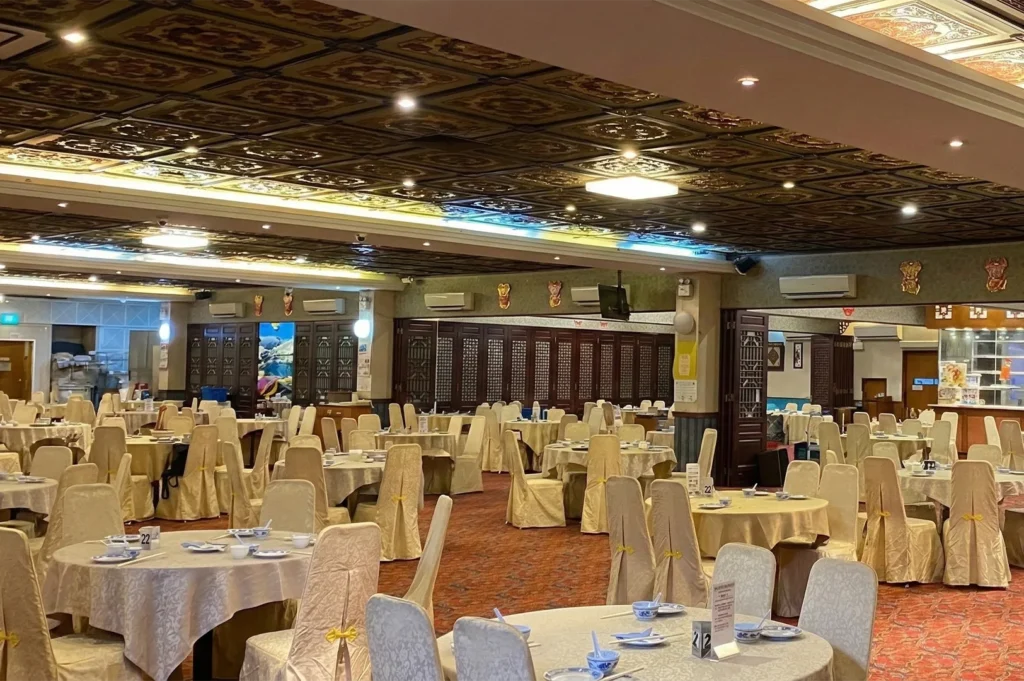
Red Star is one of Singapore’s last remaining trolley-service institutions.
Carts circle the dining hall. Metal lids lift to reveal bamboo baskets stacked with dim sum dishes. You point. They stamp your card. No digital ordering system. No minimalist plating.
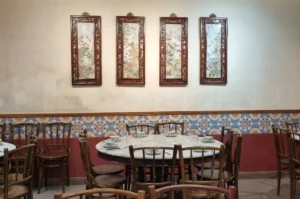
The room feels suspended in time, almost 1970s Hong Kong.
Lift a lid and steam escapes in fragrant waves of sesame oil and soy sauce. The har gow skins are slightly thicker than modern fine-dining versions, but the shrimp inside remains sweet and firm. The baked char siu pies are golden brown, their pastry flaky, their filling slightly sweet and savoury.
You’ll find:
- Lo bak go, pan fried until crisp-edged
- Braised chicken feet in oyster sauce
- Sticky rice parcels perfumed with mushroom and minced pork
Quality can be inconsistent, reviews often note it is hit-and-miss, but authenticity lies in the experience. The circulating trolley. The hum of multi-generational families. The rhythm of yum cha preserved.
Yan Ting: Cantonese Cuisine as Fine Art
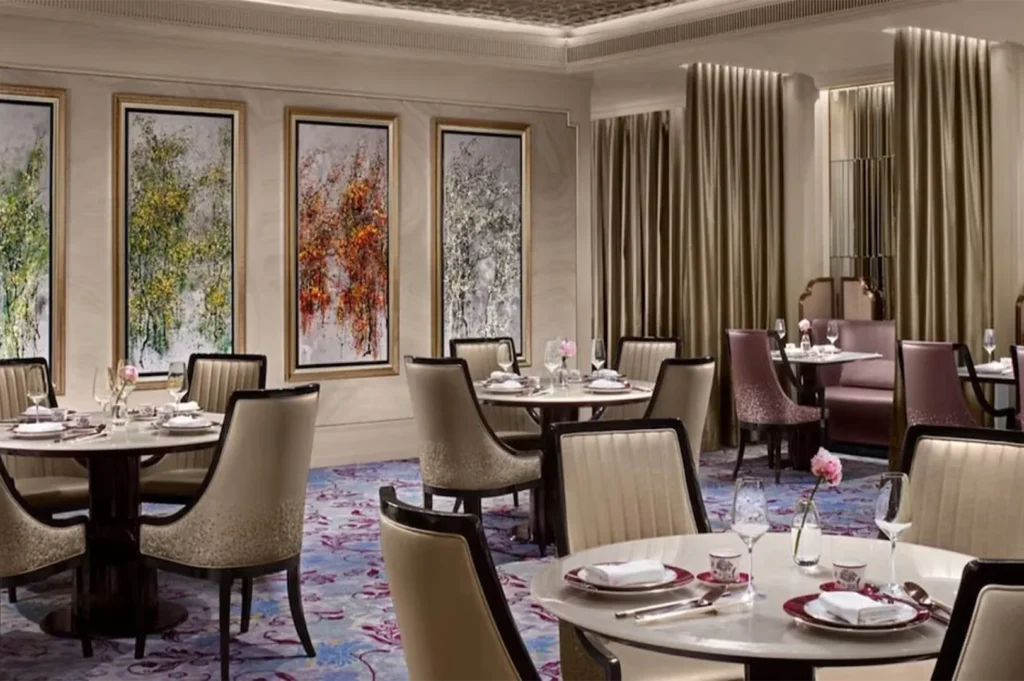
At Yan Ting, housed within The St. Regis Singapore, cantonese cuisine is elevated but never distorted.
Crystal-clear shrimp dumplings glisten under soft lighting. Premium ingredients appear, occasionally even caviar atop har gow. The xiao long bao (more associated with north China) are executed with technical precision, their soup-rich interiors balanced and controlled.
Tea service is attentive. A yixing teapot may arrive with measured tea leaves, servers replenishing hot water without intrusion. This is refined tea culture, where the temperature and timing matter as much as the dim sum itself.
Expect to pay more. But for celebrations, it delivers one of the city’s most polished best dim sum dishes experiences.
Wah Lok: Handcrafted Heritage & Balanced Execution
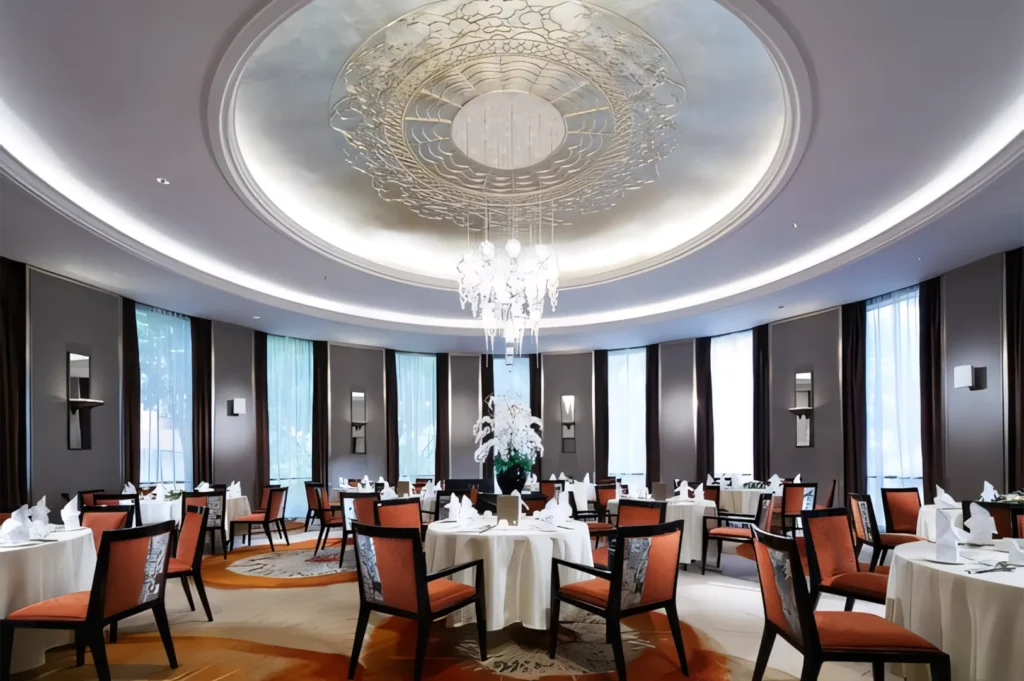
Wah Lok represents disciplined tradition.
The cheong fun is silky and delicate, draped in light soy sauce. The baked bbq pork buns crack open to reveal fragrant char siu. The lo mai gai, glutinous rice steamed in lotus leaf, carries aromas of mushroom and sesame oil.
Egg custard tarts wobble gently, their filling slightly sweet and smooth. Deep fried yam rolls arrive crisp, revealing savoury minced meat within.
This is not performative nostalgia. It is daily repetition, technique honed through practice. If you want balance and consistency, this remains one of Singapore’s strongest heritage choices.
Lei Garden: Seafood Precision & Cantonese Depth
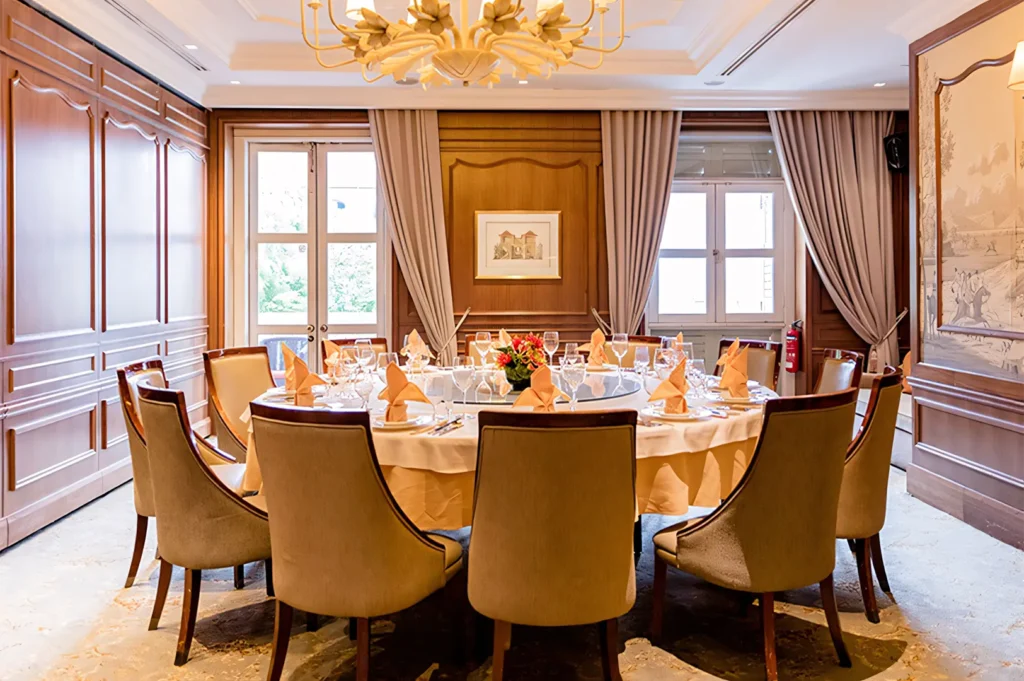
Lei Garden, linked to Hong Kong’s respected group, emphasises seafood nuance.
Crab meat dumplings hold shape yet remain tender. Crab roe adds saline richness without overwhelming. Even simple turnip cake is structured and clean.
Seasoning remains restrained, soy sauce, sesame oil, oyster sauce applied with discipline. The philosophy reflects Cantonese restraint shaped since the Song Dynasty.
For diners seeking culinary lineage rather than spectacle, this is a thoughtful option.
Social Place (Orchard): Modern Retro, Rooted Technique
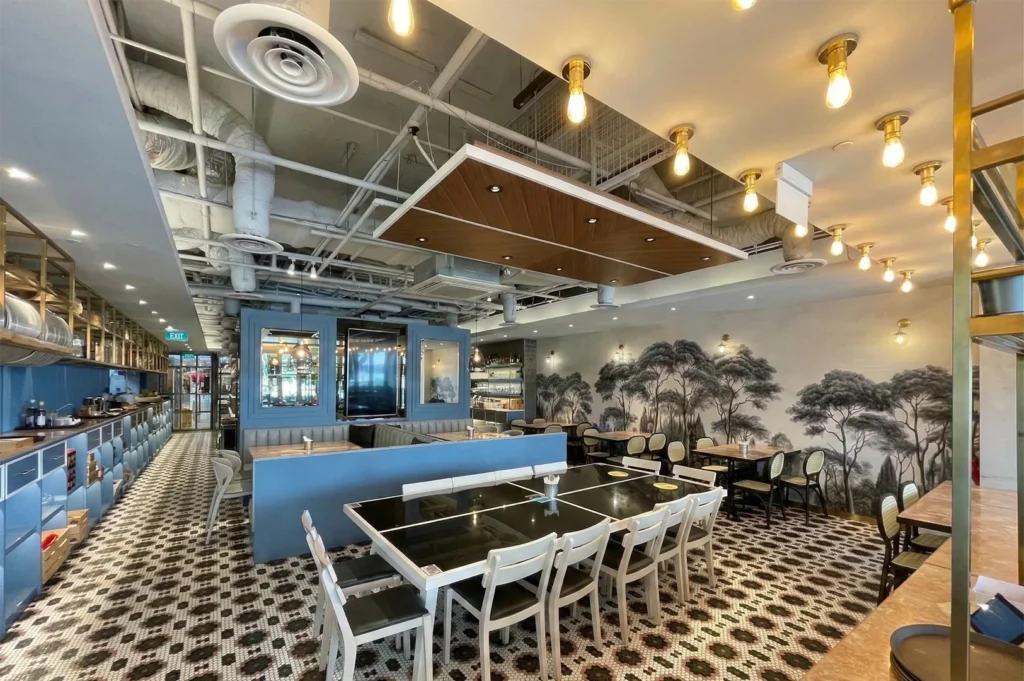
Social Place represents contemporary reinvention.
Mushroom-shaped baos. Playful plating. Visually striking dim sum dishes.
Yet beneath the aesthetic flourish lies proper technique: supple skins, balanced seasoning, measured sweetness. It demonstrates how dim sum evolves without abandoning structure.
Innovation, when grounded in tradition, strengthens rather than dilutes.
Beyond Har Gow and Siu Mai
If you truly want to explore beyond the obvious:
- Order lo bak go instead of only shrimp dumplings
- Try braised chicken feet
- Share sticky rice parcels
- Balance steamed, pan fried, and baked items
- Sip tea between every few bites
Authentic dim sum is pacing. It is conversation. It is refilling cups before they empty.
More tea. Always more tea.
Explore Authentic Cantonese Dim Sum-And Go Beyond the Familiar
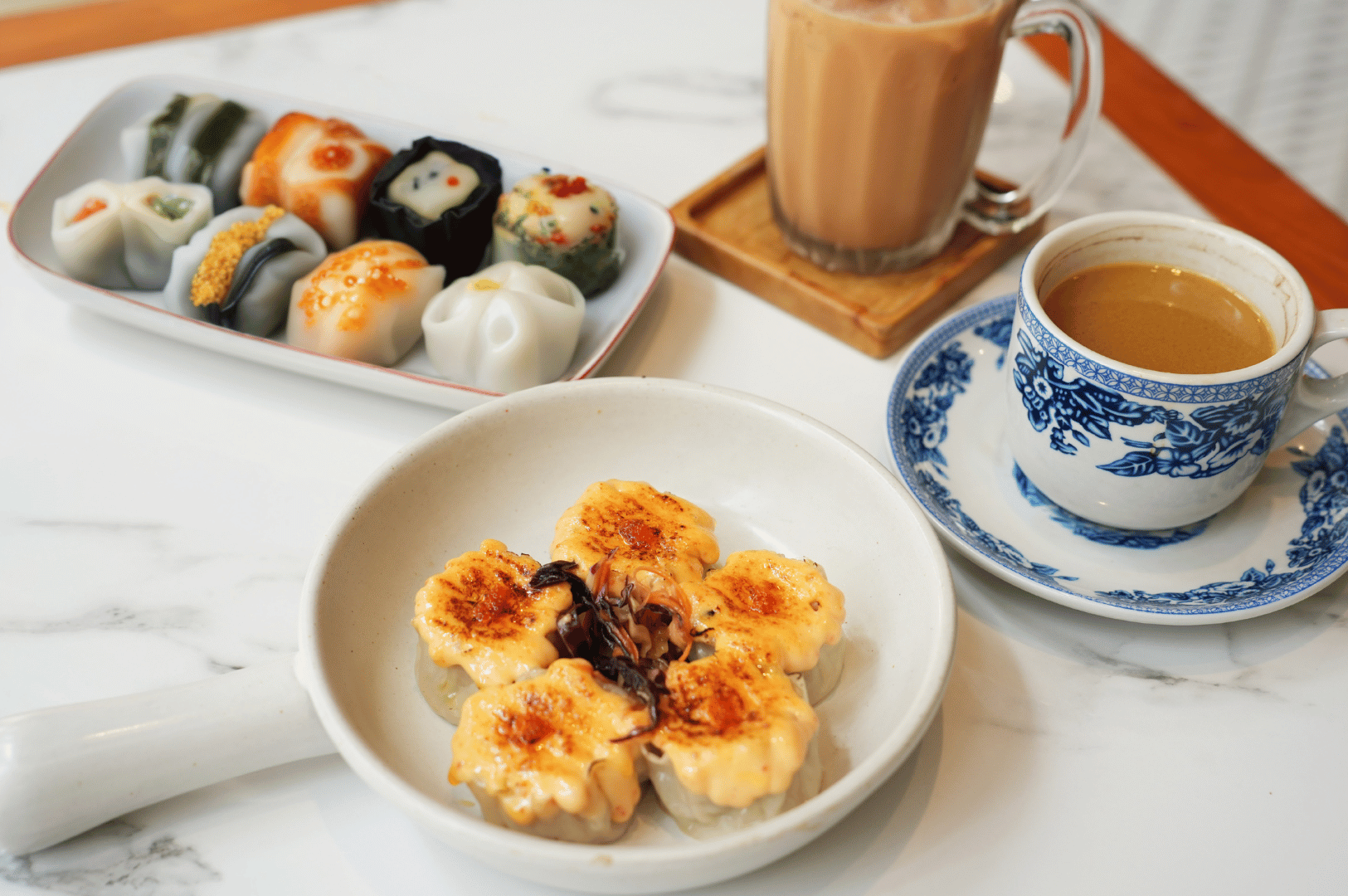
Whether you’re enjoying yum cha with in-laws, friends, or going solo, remember that the best dim sum isn’t just about har gow or siu mai. It’s about savoring food that’s an integral part of Chinese culture, from the bustling tea houses of southern China to the innovative restaurants in major Chinese cities.
So next time you drink tea and scan the dim sum menu, be adventurous-order those golden brown turnip cakes, the fragrant lotus-leaf rice, or slightly sweet custard buns. With each bowl, plate, and cup, you taste a living tradition that spans centuries, offering discovery for every palate.
For more regional delights, try Thailand’s magical butterfly tea or discover the plant-based richness of Gujarati thali.

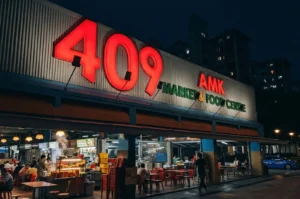
Why My Quest Ended at Yummy Western (409 AMK)
Dio Asahi | March 10, 2026
There’s a specific magic to a late-night supper hunt in Singapore. It’s the ritual of chasing a craving through the humidity to find that one stall that hits the spot. For me, that meant a pilgrimage to Ang Mo Kio Avenue 10. I arrived at 10 PM on a Friday, just as the ‘supper soul’…
-
A Taste of Time: My Dinner at Guan Hoe Soon
Eda Wong | March 7, 2026
There’s something special about visiting a place that has seen decades of Singapore’s history unfold. Guan Hoe Soon, tucked away on Joo Chiat Road, holds the title of Singapore’s oldest Nyonya restaurant, and you can feel that heritage the moment you step inside. I’d heard about it for years, a place where recipes aren’t just…
-
The 5 Best Halal Restaurant in Singapore for Authentic Nasi Padang
Eda Wong | March 5, 2026
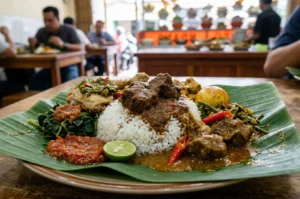
There are few meals as satisfying as Nasi Padang, a colourful feast where you choose from a variety of dishes to create your perfect plate. Over the years, I’ve explored Singapore’s Nasi Padang scene, especially in Kampong Glam, sampling everything from humble hawker stalls to renowned spots. This list highlights the five best halal Nasi…
-
The Global Soup Bowl: How Indonesian Soto Shapes the Future of Asiatic Food Traditions
Dio Asahi | March 3, 2026
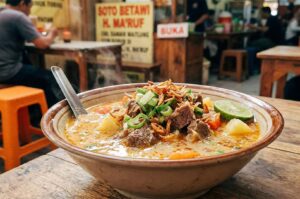
I still remember my first “real” bowl of Indonesian soto. Sitting on a low plastic stool in a cramped warung, I ordered Soto Betawi, expecting it to be like the clear Soto Ayam from Singaporean weddings. I was wrong. The rich, milky broth was intense, creamy, and boldly spiced. That first spoonful rewired my idea…
-
Shun: Japan’s Seasonal Treasures – A Deep Dive Into the Ingredients Behind True Omakase
Eat Drink Asia Team | February 28, 2026
In the world of Asian food, few dining experiences capture the soul of traditional Japanese food culture like omakase. At a premier omakase restaurant, diners entrust their meal entirely to the chef, whose artistry is guided not just by mastery, but by shun—the appreciation of seasonal and fresh ingredients at the absolute peak of their…
-
My Trip to Bánh Mì Saigon and How It Compares to Best Food in Singapore
Eda Wong | February 26, 2026
Located in the bustling neighborhood of Ang Mo Kio, Bánh Mì Saigon offers a taste of Vietnam right here in Singapore. From traditional bánh mì sandwiches to hearty pho bowls and refreshing Vietnamese iced coffee, this restaurant has it all. I arrived at Bánh Mì Saigon on a busy Saturday evening and was immediately drawn…
-
Tea Room by Ki-setsu: A Curated Journey Through Chinese Tea in the Heart of Singapore
Dio Asahi | February 25, 2026
Most people arrive at Chinese tea the way they arrive at any beverage: thirsty, curious, maybe looking for something sweet or soothing. But traditional chinese tea isn’t built like a single drink. It’s a network: leaf origin, processing choices, vessel physics, water, pacing, and the quiet social technology of sitting down long enough for a…
-
Tandoori Chicken: The Signature Indian Chicken Dish
Eda Wong | February 24, 2026
Tandoori chicken stands tall among the best Indian chicken recipes. With its vibrant hue and smoky aroma, this iconic Indian chicken dish is celebrated in Indian restaurants worldwide. Emerging from Punjab, it pairs perfectly with fragrant basmati rice or fresh naan and is a favorite for anyone who loves bold flavors. The hallmark of tandoori…
-
Chicken 65: A Fiery Indian Chicken Recipe You Must Try
Eat Drink Asia Team | February 21, 2026
We’ve spent months tracking the ‘shatter-rate’ of chicken across the South, and here’s the truth: most of what you find is a pale, food-colored imitation. The real Chicken 65 isn’t just spicy; it’s an atmospheric experience. It starts with the sharp, herbal snap of curry leaves hitting 180°C oil and ends with a deep, earthy…
-
Mastering the Art of Indian Dishes with Chicken
Eda Wong | February 19, 2026
The story of India’s culinary identity is deeply tied to its poultry dishes. I remember my first attempt at an Indian chicken recipe, failing to brown the onions properly left the dish hollow, missing its soul. The sound of mustard seeds popping in hot oil signals layers of flavor to come. The steam from the…