On a sweltering Indian afternoon, there is no greater relief than a tall, chilled glass of traditional Indian lassi. From bustling city streets to quiet village homes, lassi is a beloved staple that offers a moment of pure, cooling bliss. Frothy, creamy, and deeply satisfying, this yogurt drink is more than just a refreshment; it’s a cultural icon. This classic Indian summer drink can be sweet, salty, fruity, or spiced, adapting to every season and region.
This simple yet profound blend of yogurt, water, and a few ingredients represents a cornerstone of Indian cuisine, offering a delicious taste of tradition in every sip. Welcome to the wonderful world of Indian lassi, a true celebration of flavours.
A Sip of History: The Cultural Significance of Lassi
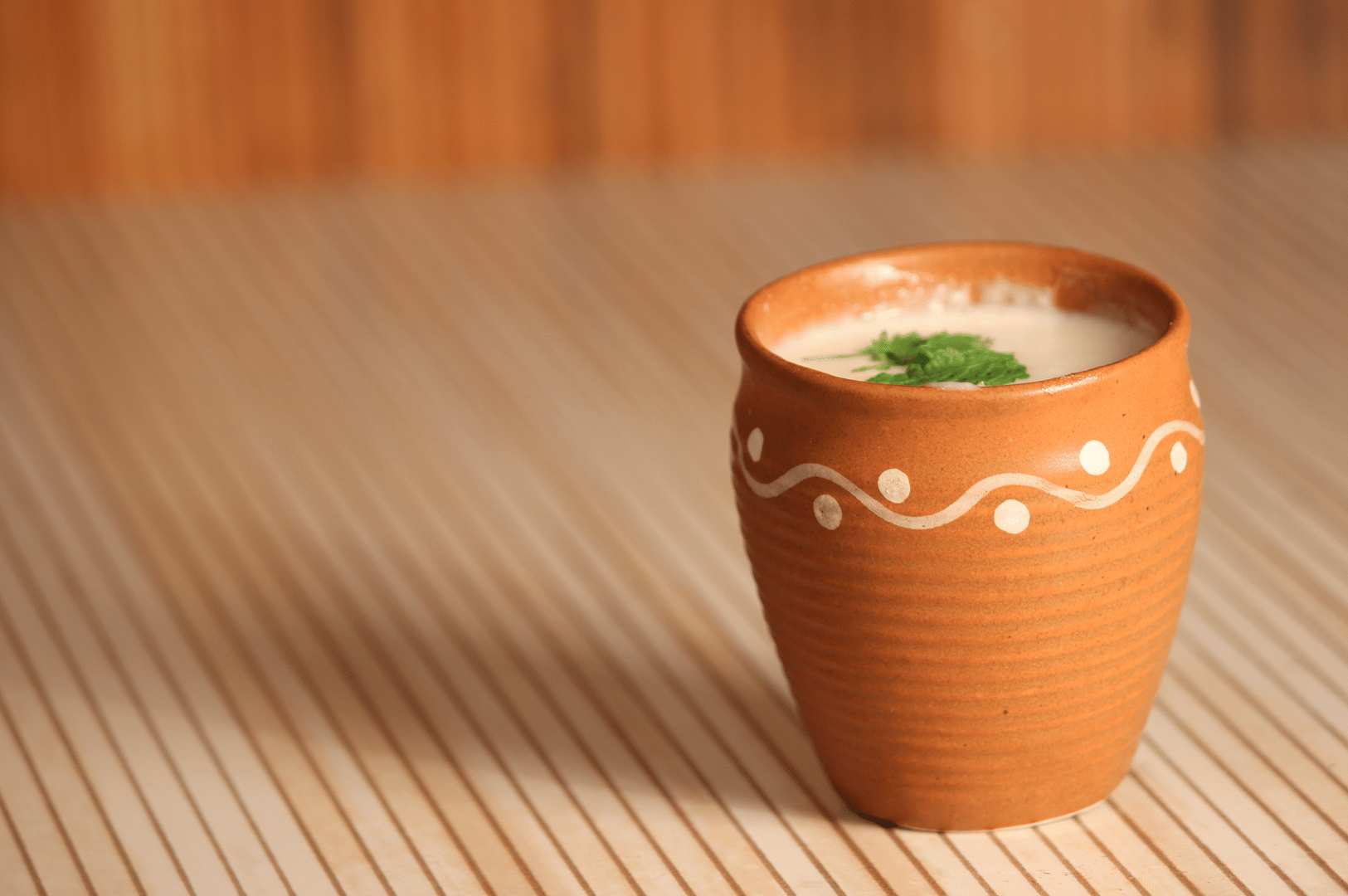
The story of lassi is as ancient as yogurt itself, with roots tracing back thousands of years to the Punjab region of the Indian subcontinent. It was originally a drink born of necessity and ingenuity. Farmers would blend homemade yogurt with water and salt to create a hydrating and nourishing beverage that could help them endure long, hot days working in the fields. The natural fermentation of yogurt produced a drink rich in probiotics, which aided digestion and provided a cooling effect on the body, a principle long understood in Ayurvedic traditions.
Traditionally, making lassi involved a clay pot and a wooden churner. This manual process incorporated air into the mixture, creating the drink's signature light and frothy texture. Culturally, this Indian yogurt drink is deeply intertwined with hospitality. Offering a guest a glass of freshly made lassi is a gesture of welcome and care. Beyond the home, lassi shops are institutions in many cities, each with their own secret recipes passed down through generations. This humble yogurt drink is a thread that connects the past to the present, embodying a legacy of wellness and community.
A Culinary Journey Through India’s Lassi Variations
While its origins lie in Punjab, lassi has travelled across India, with each region adding its own unique twist. This diversity showcases the incredible breadth of the country's food culture, proving that there is no single "Indian" lassi. It’s a drink with many delicious identities that will excite your taste buds.
- Punjab's Pride: Sweet and Salty
The heartland of lassi is where you will find the most classic and indulgent versions. The quintessential Punjabi lassi is thick and creamy, often made from rich buffalo milk yogurt and lassi topped with a decadent dollop of malai (clotted cream) and sliced pistachios. The sweet lassi or meethi lassi is blended with sugar until it dissolves, while the salted lassi or namkeen lassi is seasoned with salt and often roasted cumin powder. - Rajasthan's Spiced Creations
In the desert state of Rajasthan, lassi takes on a spicier character. Here, you'll find masala lassi, a savoury version infused with a blend of spices. Roasted cumin seeds, black salt (kala namak), fresh ginger, and sometimes even a hint of green chili create an aromatic and tangy refreshing drink. It’s a zesty alternative to its sweeter Punjabi cousin. - Fruity and Floral Delights
Across India, fruit lassi is a popular choice, especially during hot weather. The undisputed king is the mango lassi. Made with ripe sweet mangoes, it has a luscious mango flavour that is beloved worldwide. Another popular choice is the rose lassi, scented with fragrant rose water or rose syrup for an elegant and floral delicious flavour.
From Summer Coolers to Winter Warmers: Lassi for Every Season
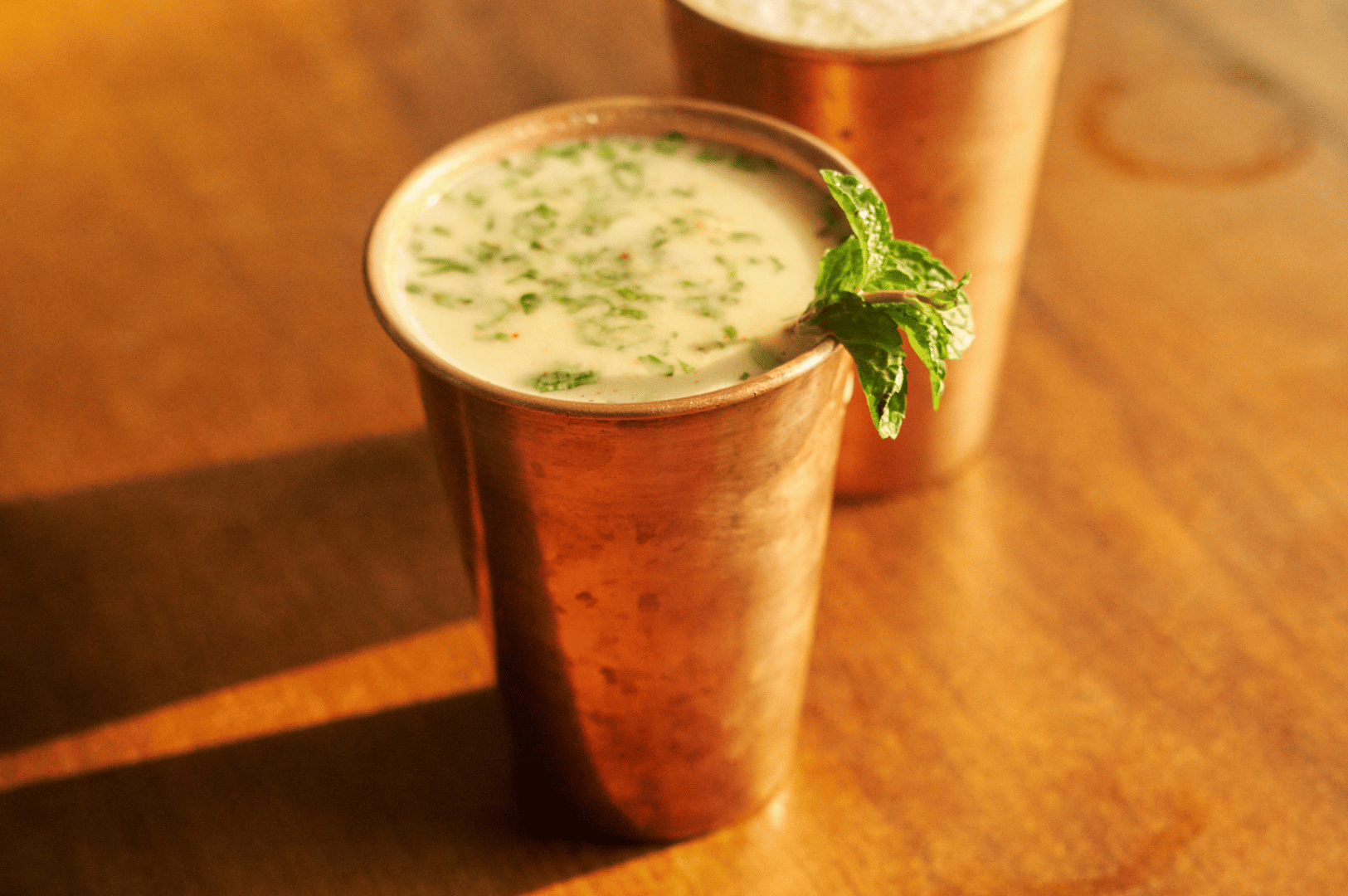
Lassi is a drink that masterfully adapts to the changing seasons, with ingredients chosen to either cool the body down or provide warmth and comfort.
During the scorching summer months, lassi becomes a vehicle for the season's freshest fruits. The most famous of these is the delicious mango lassi, a global phenomenon that blends ripe mango pulp with plain yogurt for a taste of pure sunshine. The vibrant colour and tropical flavour make it an irresistible treat. You can use fresh ripe mango, canned mango pulp, or frozen mango chunks to create what many consider the best mango lassi. Other popular summer variations include those flavoured with fresh mint and a squeeze of lemon juice. These lassis are all about refreshment.
Come winter, the drink can transform into a richer, more warming beverage. A winter lassi might be infused with warming spices like ground cardamom or a few strands of precious saffron, which imparts a beautiful golden hue and a subtle, luxurious aroma. Some may even incorporate nuts to create a thicker lassi that provides energy during the colder months.
The Health Benefits of This Traditional Drink
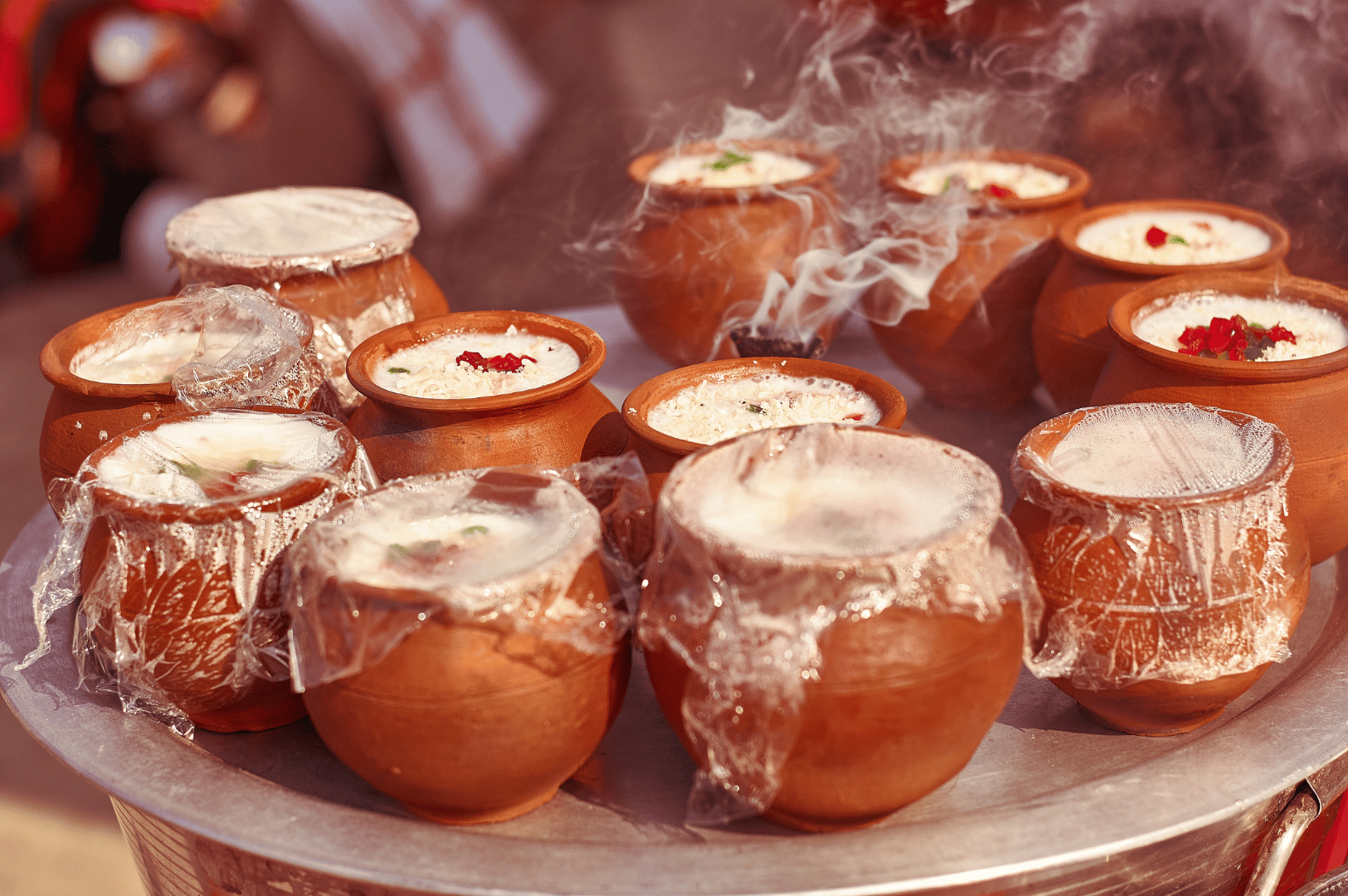
Beyond its delicious taste, lassi is a powerhouse of nutrition. Its simple, natural ingredients offer a wide range of health benefits, making it a truly wholesome beverage.
The star ingredient, yogurt (or homemade curd), is a fantastic source of probiotics. These beneficial bacteria help maintain a healthy gut microbiome, which is crucial for good digestion and a strong immune system. The fermentation process also makes yogurt easier to digest than cow's milk for many people. According to Ayurveda, yogurt has cooling properties, which is why lassi is so effective at combating heat.
Lassi is also rich in calcium and protein, which helps you feel full and satisfied. The savoury versions, in particular, are excellent for rehydration as they replenish both fluids and electrolytes. It’s a natural, nutritious alternative to sugary soft drinks, with sweetness coming from sources like raw sugar, coconut sugar, or palm sugar instead of refined white sugar.
Easy Lassi Recipes to Try at Home
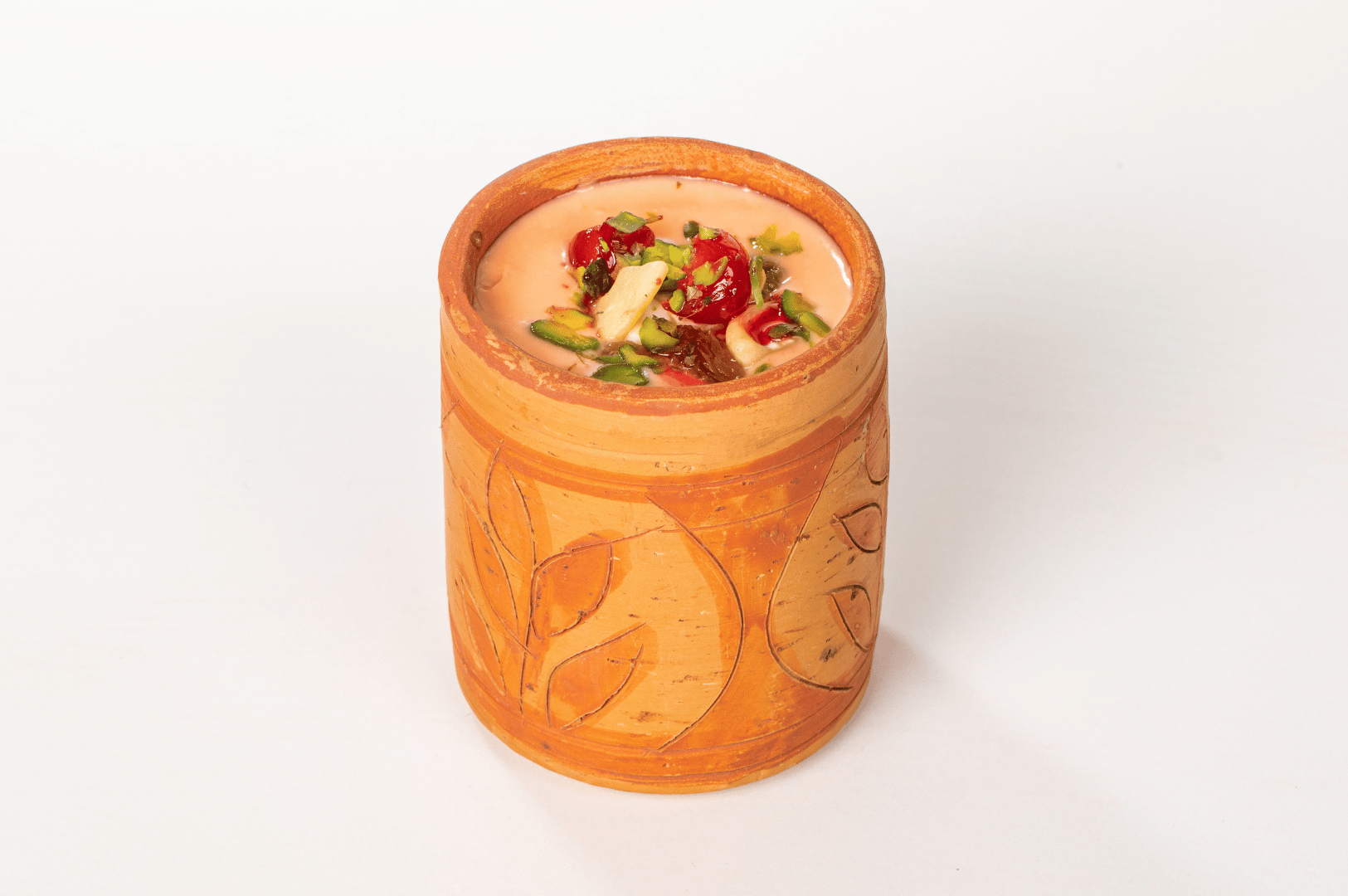
Ready to take a culinary journey from your own kitchen? Lassi is incredibly easy to make. All you need is a blender jar or an immersion blender and a few simple ingredients. You don't need a strict recipe; feel free to experiment.
1. Sweet Lassi Recipe
This is the timeless Punjabi classic. No need to check required recipe ratings; this one is a guaranteed winner.
- Ingredients:
- 1 cup plain, full-fat yogurt
- Half cup chilled water or cold milk
- 2-3 tablespoons sugar (or maple syrup), or to taste
- A pinch of cardamom powder (optional)
- A few ice cubes
- Instructions:
- Combine the yogurt, chilled water, sugar, and cardamom in a blender.
- Blend until smooth and frothy. For a thicker lassi, use less water.
- Add ice cubes and blend again briefly.
- Pour into a tall glass and serve chilled. Garnish with chopped nuts if desired.
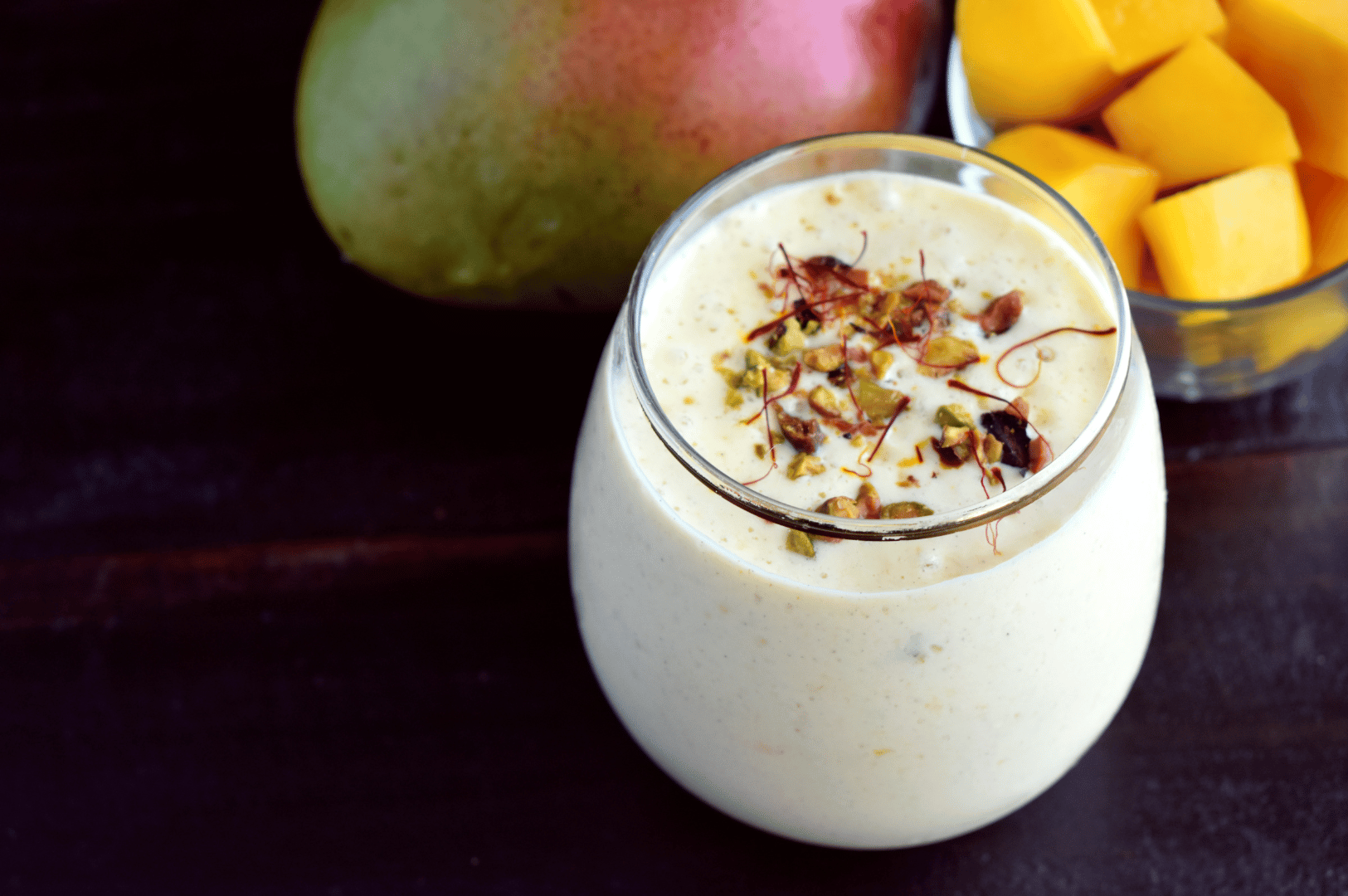
2. Delicious Mango Lassi
A fruity favourite that’s impossible to resist. This is one of those amazing recipes that tastes great every time.
- Ingredients:
- 1 cup plain yogurt
- 1/2 cup chopped ripe mango or canned mango pulp
- 1/2 cup cold water
- 1-2 tablespoons honey or sugar, to taste
- Saffron strands for garnish (optional)
- Instructions:
- Place the yogurt, mango pulp, water, and sweetener in a blender.
- Blend until completely smooth. The sour flavour of the yogurt should be balanced by the mango.
- Taste and adjust sweetness. If you want more sugar, add it now.
- Pour into glasses and serve immediately.
3. Salty Lassi (Namkeen Lassi)
A savoury and refreshing alternative.
- Ingredients:
- 1 cup plain yogurt
- 1 cup cold water
- 1/2 teaspoon salt, or to taste
- 1/2 teaspoon roasted cumin powder
- Fresh herbs like mint or coriander for garnish
- Instructions:
- Blend the yogurt, water, salt, and cumin powder until well combined.
- Pour over a few ice cubes in a glass.
- Garnish with fresh mint and serve. For a spicy kick, add chaat masala.
More Than Just a Drink
Lassi is far more than just a simple yogurt drink; it's a living piece of India's cultural heritage. It represents a philosophy of creating food that is both delicious and nourishing. From its ancient origins as a farmer's humble refreshment to its modern status as a favourite in Indian restaurants worldwide, lassi has retained its authentic soul.
It’s a shared experience that connects families, welcomes guests, and offers a moment of cool comfort. Whether you prefer the sweet version, the salty version, or a fruity mango lassi, there is a recipe for everyone. So next time you have the chance, explore its many variations or even try making one yourself. You’ll be sipping on centuries of tradition.
For more regional flavors, try Thailand’s magical butterfly tea or discover the comforting richness of khao soi, northern Thailand’s iconic curry noodle soup.

Pattaya Garden Restaurant and the Thai Meal That Knows How to Feed a Group
Eat Drink Asia Team | September 3, 2026
The rice came down first. A plain bowl, warm and steaming, set in the middle of the table before anything else. Then the green curry, in a bowl wide enough for four spoons to reach at once. And within a minute the table stopped being a set of individual meals and became one shared thing,…
-
At Keria Japanese Restaurant, the Meal Begins Before the First Bite
Dio Asahi | September 3, 2026
By Dio Asahi for Eat Drink Asia. The lift opens onto a corridor leading to the famed and hidden Cuppage Plaza food, and the building’s age shows in the flickering fluorescent light and the smell of old carpet. Then a sliding door pulls back, and Keria Japanese Restaurant asks you to slow down. Inside, it…
-
The Round Kaya Bun at Chin Mee Chin Confectionery, and the Mornings It Keeps
Eda Wong | September 2, 2026
By Eda Wong for Eat Drink Asia. It’s not quite eight, and the pastel-blue shophouse is already awake. Kopi cups clink against saucers. A ceiling fan turns slow overhead. Someone folds a newspaper at a marble-topped table, and the man behind the counter moves without hurry, sliding buns across in a rhythm he’s clearly done…
-
Nana Original Thai Food and the Thai Meal That Keeps Changing Its Accent
Eda Wong | September 1, 2026
The tom yum arrived first, and the first spoonful hit sour and hot at once, lime and chilli chasing each other down the throat. This classic Thai dish features a spicy sauce and aromatic herbs that awaken the taste buds straight away, setting the stage with its bold flavors. Then the pineapple rice came, sweet…
-
Pad Thai Recipe for People Who Know the Noodles Can’t Be an Afterthought
Dio Asahi | August 29, 2026
The first time I made Pad Thai, I ruined it before the wok was even hot. I’d left the noodles soaking while I answered a phone call. Ten minutes turned into forty. By the time I drained them, they were already soft, already surrendered. Everything I did in the pan after that was damage control….
-
Best Japanese Restaurant Singapore: Places That Nail the “First Bite”
Eat Drink Asia Team | August 27, 2026
I built this list around a very specific feeling: that first bite where the room goes quiet for a second. I’ve tried enough Japanese restaurants in Singapore over the years to know that “best” does not always mean the most expensive, the rarest, or the hardest to book. Sometimes it is the warmth of the…
-
Not Just Seafood: How Araya Shouten Keeps Japanese Fishing Culture Alive in Singapore
Eat Drink Asia Team | August 26, 2026
Japanese cuisine has long been admired for its attention to seasonality, precision, and respect for ingredients. However, behind every piece of sashimi or carefully prepared seafood dish lies a story that begins far away from the dining table, often with fishermen, coastal communities, and generations of knowledge passed down through time. At Araya Shouten, seafood…
-
The Ginger Shoyu Ramen at Ramen Soshiji, Where Orchard Goes Quiet
Dio Asahi | August 26, 2026
By Dio Asahi for Eat Drink Asia. The lift opens on the third floor of Orchard Plaza, and for a second I don’t know which way to turn. The corridor is dim and still, the kind of quiet that feels almost accidental in this part of town. A few doors down, an unmarked entrance. Inside,…
-
Indo Rasa Singapore and the Nasi Goreng That Measures a Kitchen’s Confidence
Eat Drink Asia Team | August 25, 2026
There’s a dish I order when I want to know a kitchen quickly. Not the specialty. Not the thing the menu is proud of. I order the fried rice. Because nasi goreng has nowhere to hide. It’s rice, chilli, chicken, egg, a few crackers, some cucumber. Everyone thinks they can make it. Most people can….
-
Bebek Goreng Pak Ndut and the Fried Duck That Makes Nasi Goreng Feel Too Polite
Eda Wong | August 22, 2026
The duck arrived and made a sound before I’d even touched it. Not the plate, the skin. When my fork pressed against it, there was a small, dry crackle, the kind you feel in your fingers before you hear it. That’s when I understood I wasn’t eating a soft meal. This was something with edges….