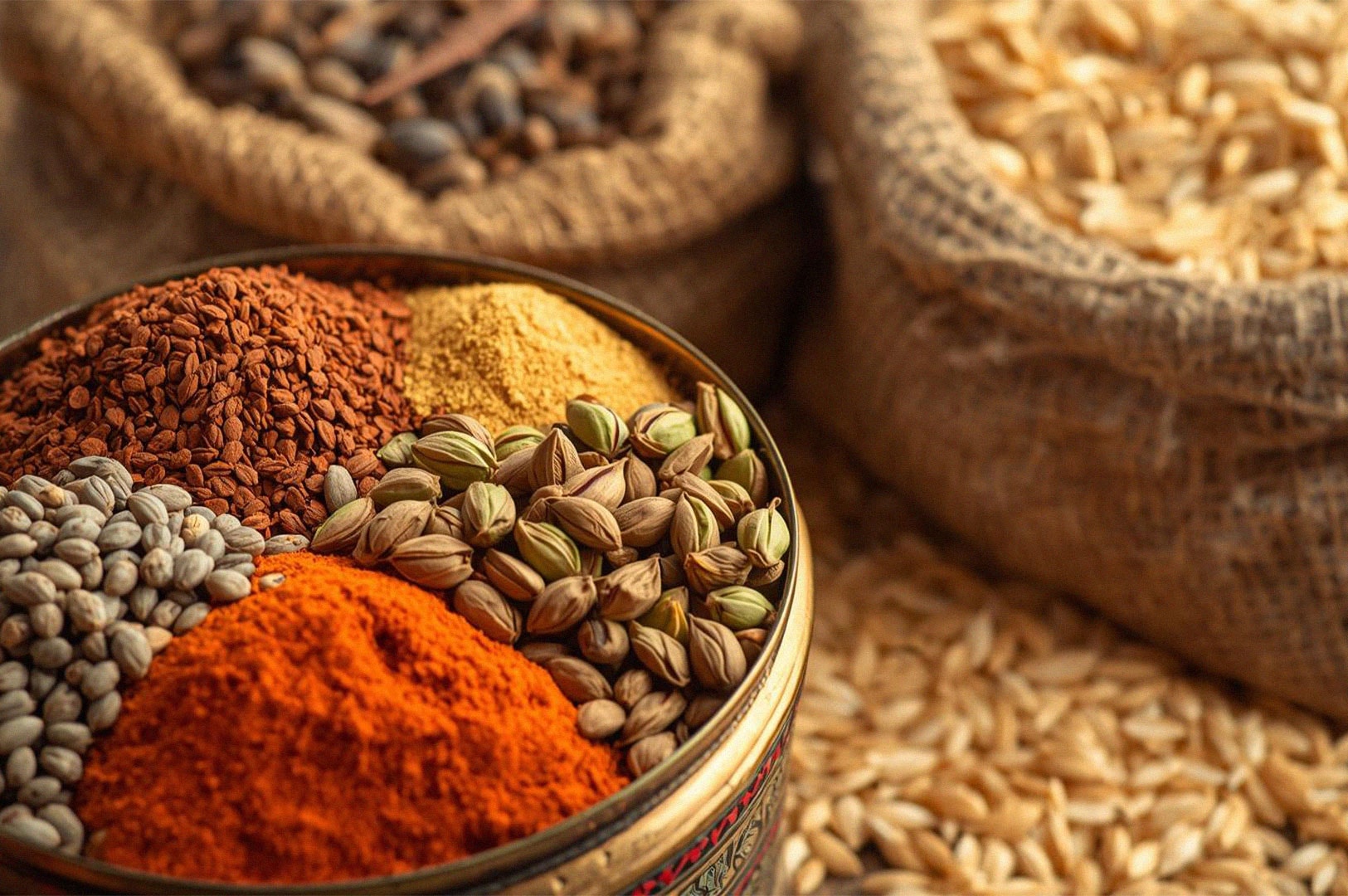
Indian cuisine is celebrated for its spectacular diversity, bursting with flavors, regional traditions, and culinary innovations. From the spice-laden gravies of Northern Indian cuisine and tandoor-fresh breads, to coconut-laced Southern Indian cuisine, fragrant rice dishes in the East, and the robust, spicy curries and street food of the West, the foods of India reflect not only rich geography and climate, but a vibrant patchwork of religious beliefs, history, and evolving tastes.
India’s regional cuisines paint a vivid picture of local life and landscape. Whether you’re enjoying vegetarian dishes abundant in seasonal vegetables and spices, indulging in hearty meat dishes rich with aromatic spices, or savoring famous fried snacks at a bustling street corner, every aspect of Indian food celebrates variety and depth.
Below, we explore how geography, climate, religion, and history have shaped the many faces of Indian cuisine—and why they remain favourite dishes on Indian menus around the world. For food lovers eager to explore a world of delicious dishes, the cuisines in India are endlessly rewarding. Every region is a culinary adventure, shaped by nature, trade, migration, and centuries of culinary traditions.
Historical and Cultural Roots of Indian Cuisine
The evolution of Indian cooking has been influenced for thousands of years by migration, religious practice, and cultural exchange. Early agricultural communities cultivated staple foods like wheat, barley, and rice, which today form the backbone of North Indian cuisine and South Indian cuisine alike.
Religion plays a key role: many Indians follow vegetarian or vegan diets for spiritual reasons, while others enjoy a vast range of chicken meat, goat meat, fish dishes, and more.
With time, Indian food developed under the influence of invaders and traders from Central Asia, the Middle East, and Europe. Mughal rulers introduced lavish cooking methods. Later, colonial trade brought potatoes, tomatoes, and chili peppers, now essential in spicy dishes and curries across India. Today, regional cuisines are defined as much by their use of Indian spices such as cumin, cardamom, garam masala, and mustard seeds, as by local grains, vegetables, and unique cooking techniques.
Northern Indian Cuisine: Rich Gravies and Tandoor Traditions
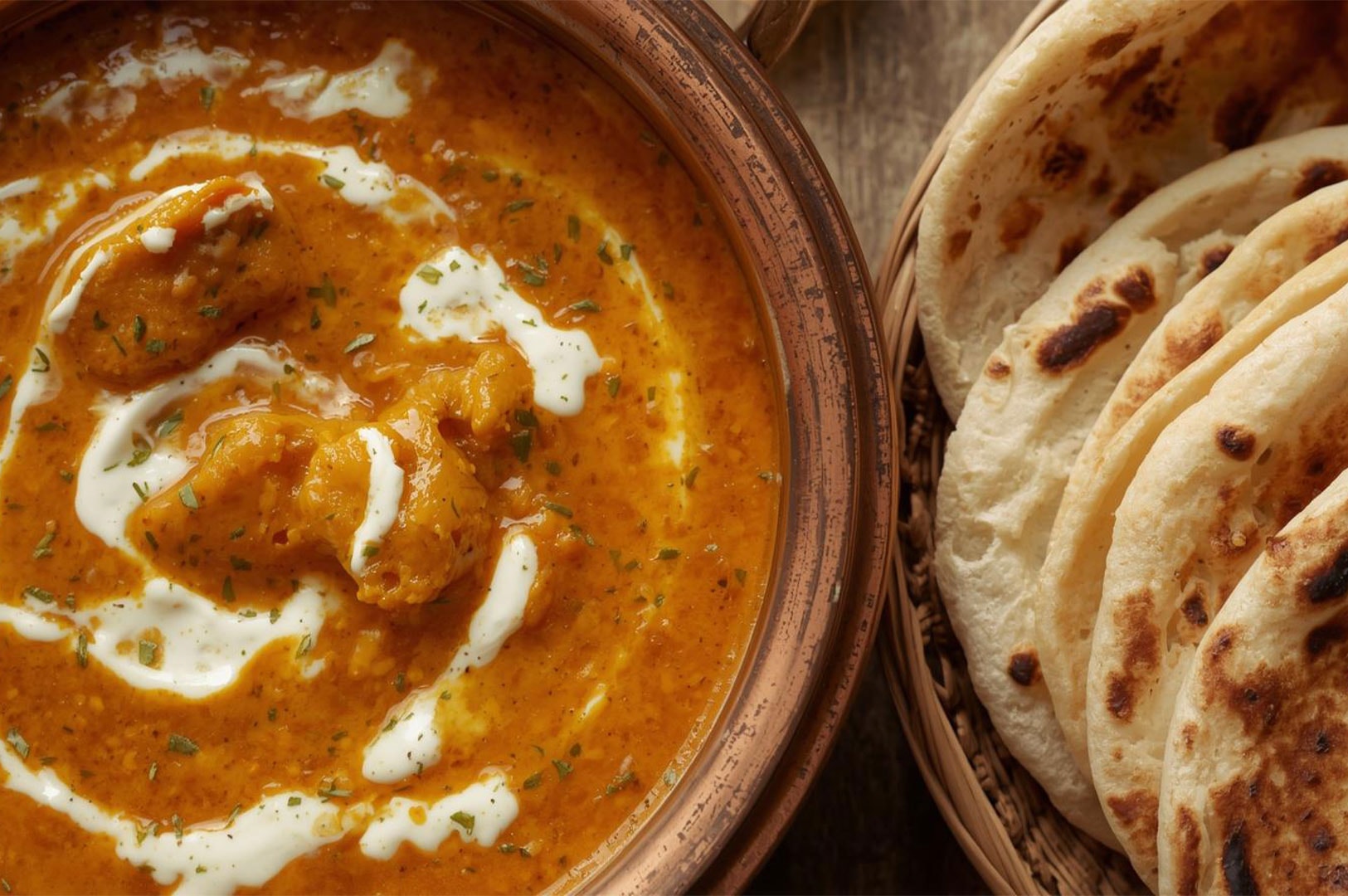
Northern Indian cuisine is renowned for its robust, creamy curries and an impressive array of breads, brought to life by the fertile plains and cooler climate of Northern India. The cuisine of regions such as Punjab, Uttar Pradesh, Kashmir, and Delhi cuisine is characterized by a penchant for aromatic spices, dairy, and meat dishes.
Breads like naan, roti, and paratha are typically served alongside gravies, although steamed basmati rice forms the heart of many biryanis and pilafs. North Indian gravies are famous for their creamy base, often enriched with cream, yogurt, or ghee. The region’s tandoor clay oven produces smoky, flavorful breads and roasted meats.
Signature North Indian Dishes:
- Tandoori chicken
- Butter chicken with tender chicken pieces
- Dal makhani
- Naan and roti
- Aloo gobi
The “dum” method of slow, sealed cooking, and the classic tadka (tempering of spices in hot oil) are staples in the kitchens of Northern India. These techniques bring out the full potential of garam masala and other Indian spices, creating hearty and flavorful curries like chicken curry and dal makhani that have become beloved popular Indian dishes worldwide.
Southern Indian Cuisine: Rice, Coconut, and Fermentation
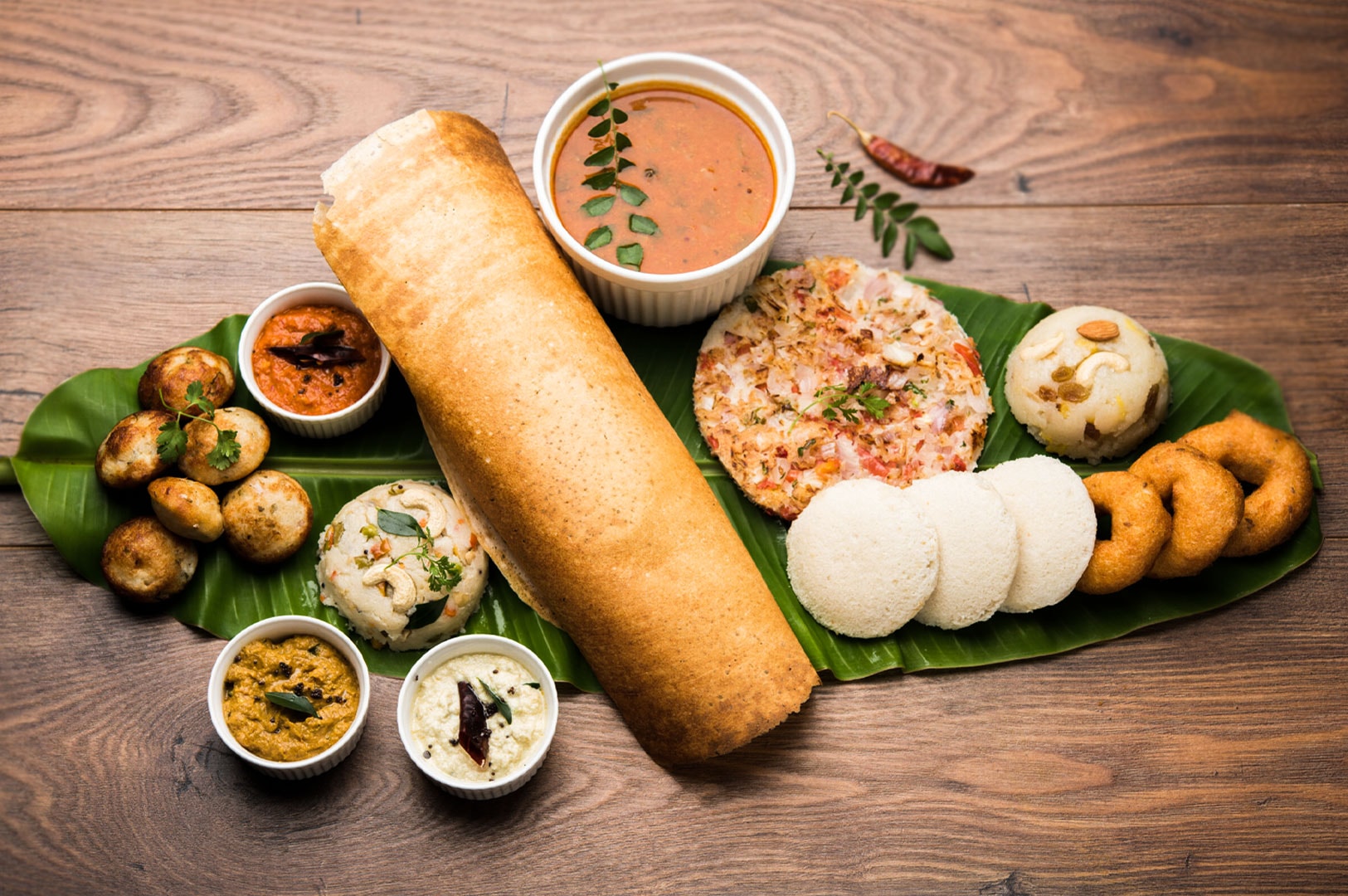
South Indian cuisine offers a bright, bold palette of flavors, especially in South Indian states such as Tamil Nadu, Kerala, Karnataka, and Andhra Pradesh. Here, meals are typically based on steamed rice, fermented rice batters, and coconut in various forms.
Fermentation is central, giving rise to soft, spongy idlis and crisp dosas. Coconut milk and freshly grated coconut bring a light creaminess to vegetable dishes, curries, and accompaniments like coconut chutney. Mustard seeds, curry leaves, and chili peppers infuse many dishes with distinctive southern flavor, while tamarind adds a sour tang to sambar and other gravies. The aromatic spices of the south, paired with rice and lentils, create a variety of vegetarian dishes favored in many South Indian households.
Famous South Indian Dishes:
- Dosa
- Idli
- Sambar (vegetable stew)
- Fish curry (often with coconut milk)
- Coconut chutney
South India is also famed for hearty curries featuring chicken meat or fish, and for its rich use of fresh fruits, produce, fermented foods, and spiced potato fillings. Meals are often served on banana leaves for an authentic taste—a tradition many consider a key part of Indian food culture.
Eastern Indian Cuisine: Mustard, Fish, and Sweets
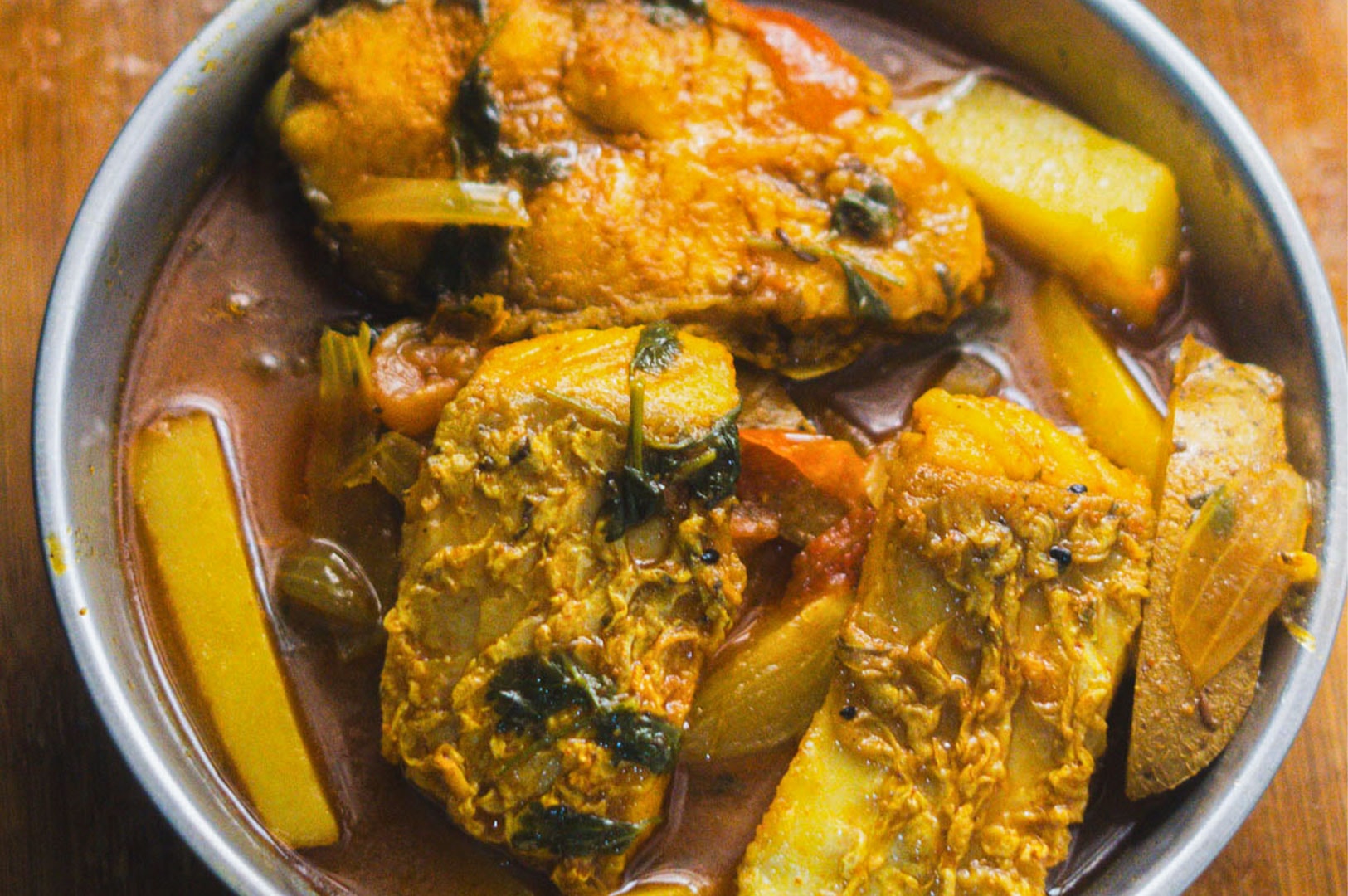
Eastern Indian cuisine, particularly in West Bengal, Odisha, and Bihar, shines with its love for river fish, mustard, and milk-based sweets. Its food traditions are shaped by fertile river deltas and a generally milder climate.
Steamed rice forms the staple food, and fish dishes like fish curry reign supreme, typically cooked in pungent mustard oil or spiced with poppy seeds. Use of mustard seeds and aromatic spices lends depth to both vegetarian and non-vegetarian dishes. Sweets are an art in Eastern Indian cuisine, with rice, milk, and paneer forming the basis of countless desserts.
Signature East Indian Dishes:
- Machher Jhol (fish curry)
- Shorshe Ilish
- Luchi with spiced potatoes
- Rasgulla
- Sandesh
- Mishti doi
Many Eastern Indian dishes are gently cooked or steamed, allowing the authentic flavors of vegetables and fish to shine. Bengal, in particular, is celebrated for its light gravies, subtle use of chili powder, and elaborate sweet dish creations that remain among India’s most famous dishes.
West Indian Cuisine: Coastal Bounty and Spicy Curries
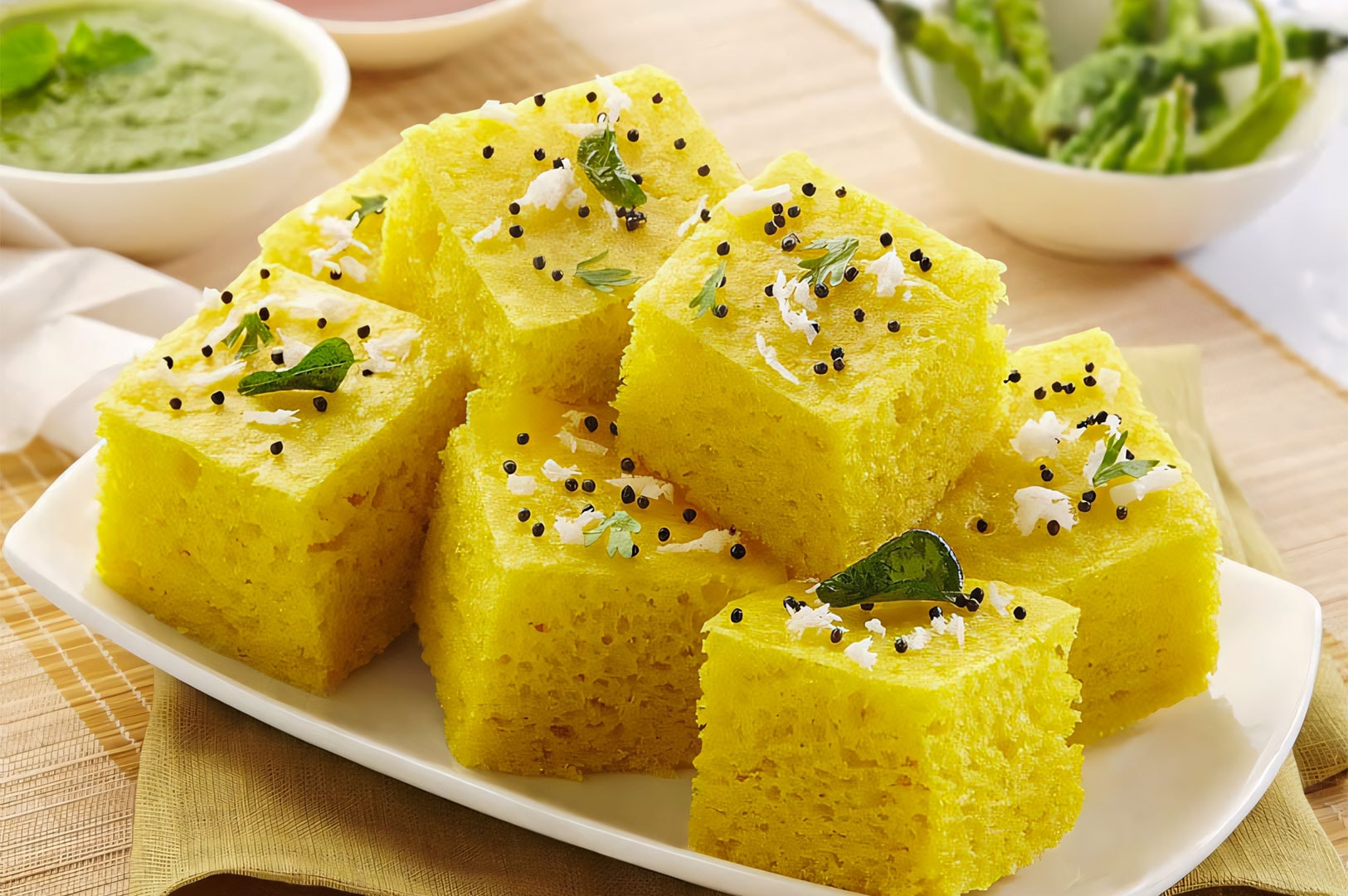
Western India boasts a colorful mix of coastal and arid influences, from Gujarat’s vegetarian delights to the seafood and spicy curries of Goa and Maharashtra. Here, rice, millet, peanuts, and coconut milk are commonly used, as is gram flour (chickpea flour) in snacks and steamed cakes.
Spicy, tangy flavors—often from kokum, vinegar, or chili powder—dominate dishes, especially in Goan cuisine, which is heavily influenced by Portuguese flavors and techniques. Gujarati cuisine is notable for its sweet-salty taste combinations and high use of vegetable curries and deep fried snacks.
Noteworthy West Indian Dishes:
- Dhokla
- Vada Pav (deep fried snack with spiced potatoes)
- Goan fish curry
- Sol kadhi
- Dal baati churma
Western India is renowned for its dynamic street food scenes, with fresh salads, deep fried vada, and spiced potatoes regularly enjoyed by locals and travelers alike.
Central Indian Cuisine: Rustic Roots and Tribal Heritage
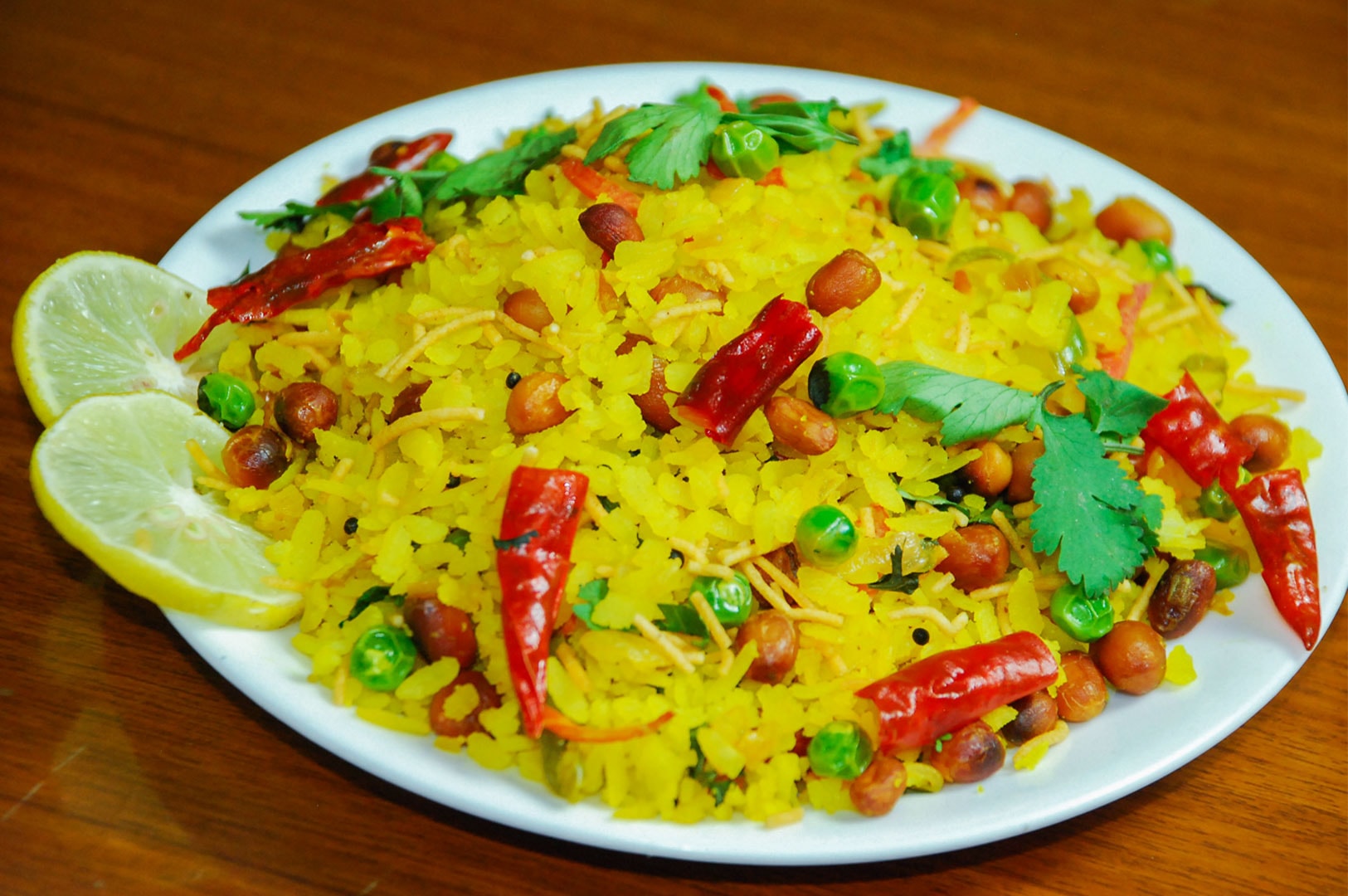
In the center of India, culinary traditions reflect a blend of North Indian and Southern Indian influences, drawing on the area’s forests, river valleys, and tribal heritage. Culinary traditions here feature simple grains—wheat, rice, and millets—as well as earthy spices and rustic cooking techniques.
Many dishes use seasonal vegetables or freshwater fish, with protein sources like goat meat being popular among meat eaters. Food is often roasted or slow-cooked for robust flavor, and local grains along with gram flour provide daily sustenance.
Central Indian Specialties:
- Poha
- Dal bafla
- Bhutte ka kees
Central Indian cuisine is wholesome, with bold seasoning and minimal oil, celebrating the bounty of local grains and seasonal produce.
Essential Ingredients and Cooking Techniques of Indian Cuisine
Indian cooking is defined by its rich palette of flavors and flexible cooking methods. Key elements include:
- Use of Indian spices such as cumin, coriander, cardamom, garam masala, mustard seeds, and chili powder to deliver bold flavors.
- Diverse grains, especially rice (including basmati rice), wheat, millets, and lentils form the basis of staples and side dishes.
- Cooking methods range from tandoori roasting and slow “dum” steaming, to fermenting rice for idlis and dosas, tempering (tadka), and deep frying snacks.
- Dairy products like ghee (clarified butter), whole milk, and yogurt enrich both savory and sweet preparations.
- Sweet dishes are ever-present, using milk, lentils, chickpea flour, or fruits to create some of India’s most beloved desserts.
Vegetarian and vegetable dishes are as celebrated as meat dishes, with stir fried vegetables, vegetable curries, and boiled potatoes often brightened with fresh salad, coconut chutney, or spicy tomato chutney for that authentic touch.
Indian Cooking: Influences and Modern Trends
India’s different Indian cuisines continue to evolve. The spread of Indian food worldwide, through migration and globalization, has resulted in new interpretations of traditional meals. Home cooks and chefs now blend techniques and ingredients for a fusion of flavors while still seeking the authentic taste of their heritage. Many Indian cooking traditions, like the use of aromatic spices or techniques such as deep frying, now inspire global cuisines, thanks to India’s influence and the universal appeal of its food.
Beyond India: A Broader Asian Culinary Landscape
Indian cuisine sits at the crossroads of Asia, sharing ingredients and techniques with neighboring food cultures—such as the use of coconut milk, chili peppers, and distinct spice blends. For those keen to discover more about the rich tapestry of Asian culinary traditions, Eat Drink Asia offers a valuable resource. Here you’ll find inspiration that connects Indian food with the vibrant flavors of the broader region.
A Celebration of India’s Regional Cuisines
From the creamy curries and tandoori specialties of the North, to the coconut-infused, rice-based vegetarian dishes of the South, from sweet fish curries and luscious desserts in the East, to the vibrant street food and spicy coconut-laced gravies in the West, the cuisines in India are celebrated worldwide. Each bite tells a story—the result of centuries of culinary traditions and innovation.
Whether you enjoy spicy dishes, deep fried snacks, vegetarian stews, or aromatic meat dishes, Indian cuisine offers a vast menu to delight every palate. Explore these regional cuisines for a journey through history, landscape, and culture—and for even more food inspiration beyond India, let Eat Drink Asia be your guide to the world of Asian cooking.

The Malayan Council, Reviewed: Local Food in Malaysia, Plated Like a Memory
Eat Drink Asia Team | June 11, 2026
Our Eat Drink Asia team spends a lot of time debating what makes a truly unforgettable meal. The team has previously published articles exploring the redefinition of comfort food. That is exactly what led me to The Malayan Council at 71 Bussorah Street. I visited on a Friday around 7:30 pm, just as the weekend…

Sushi in Singapore: Why There Is a Style for Every Budget
Eda Wong | June 11, 2026
Few Japanese dishes have travelled as successfully across Asia as sushi. What began as a culinary tradition deeply rooted in Japan has evolved into something remarkably diverse in Singapore. Today, sushi in Singapore can mean many different things. It can be a quick lunch grabbed from a conveyor belt restaurant, a carefully curated omakase meal…
-
The Quiet Pull of Lahpet in Myanmar’s Tea Leaf Salad
Dio Asahi | June 10, 2026
The afternoon humidity presses against the open-air teahouse in downtown Yangon, where the sharp clatter of a silver spoon against ceramic cuts through the low hum of conversation. A small plate sits in the centre of a low plastic table, holding a dense, dark green cluster that smells faintly of damp earth and sharp lime….
-
Dining at Suntec: The Restaurants That Feel Like Different Cities in One Mall
Eda Wong | June 9, 2026
Over the past six months, I’ve navigated the sprawling, sometimes disorientating corridors of Suntec City more times than I can count. What started as a simple quest to find decent spots for post-meeting lunches quickly turned into a genuine culinary journey. I have tried over a dozen venues within this massive complex, and I’ve found…
-
PappaRich SG and the Comfort of Malaysian Staple Food: A Restaurant Review in Familiar Flavours
Dio Asahi | June 6, 2026
There is a very specific kind of exhaustion that hits you right before a flight or just after you land. You are dragging your suitcase, staring blankly at the departure boards, and suddenly, you realize you are starving. But you don’t want just any food. You want something warm, familiar, and deeply comforting. I felt…
-
Sri Lanka’s Ambul Thiyal and the Sourness of Goraka
Eda Wong | June 5, 2026
In the open-air kitchen of a coastal home in southern Sri Lanka, a low fire crackles under a wide, unglazed clay pot. The air is thick with the scent of roasted black pepper and something deeply, aggressively tart. A wooden spoon scrapes the bottom of the pot, turning cubes of firm yellowfin tuna until they…
-
Traditional Malaysian Foods Aren’t a Museum: They’re a Living Argument at the Table
Eda Wong | June 4, 2026
When I first really started digging into traditional Malaysian food, I made a classic rookie mistake. I was sitting at a crowded kopitiam in Kuala Lumpur, looking at a plate of nasi lemak, and I thought I understood exactly what it was supposed to be. I thought it was a fixed, rigid recipe, a museum…
-
In Gifu, Hoba Miso Warms Slowly Over Magnolia Leaves
Dio Asahi | June 3, 2026
Frost clings to the wooden window frames in the highlands of Gifu. Inside, the air is thick with the scent of woodsmoke and fermented soybeans. On the table, a small ceramic charcoal grill known as a shichirin radiates a gentle, localized heat. Resting directly above the glowing embers is a large, brittle brown leaf holding…
-
The Stir Fried Egg Plant That Taught Me Restraint at Si Chuan Dou Hua Restaurant
Eat Drink Asia Team | June 2, 2026
I’ve always had a love-hate relationship with Sichuan food. Usually, you walk into a spot, order your food, and spend the rest of the night sweating through your shirt, chugging ice water, and wondering why you did this to yourself. But when I visited Si Chuan Dou Hua Restaurant on a Tuesday around 7 pm,…
-
What the Wok Is Really Doing to the Vegetable: The Question Behind Every ‘Brinjal Recipe Chinese Style’
Dio Asahi | May 30, 2026
When I first tried cooking brinjal at home, I was completely convinced that all I needed was a hot pan, some oil, and a good recipe. I chopped the vibrant purple vegetable, threw it into a standard frying pan with a generous pour of oil, and waited for the magic to happen. Instead of the…