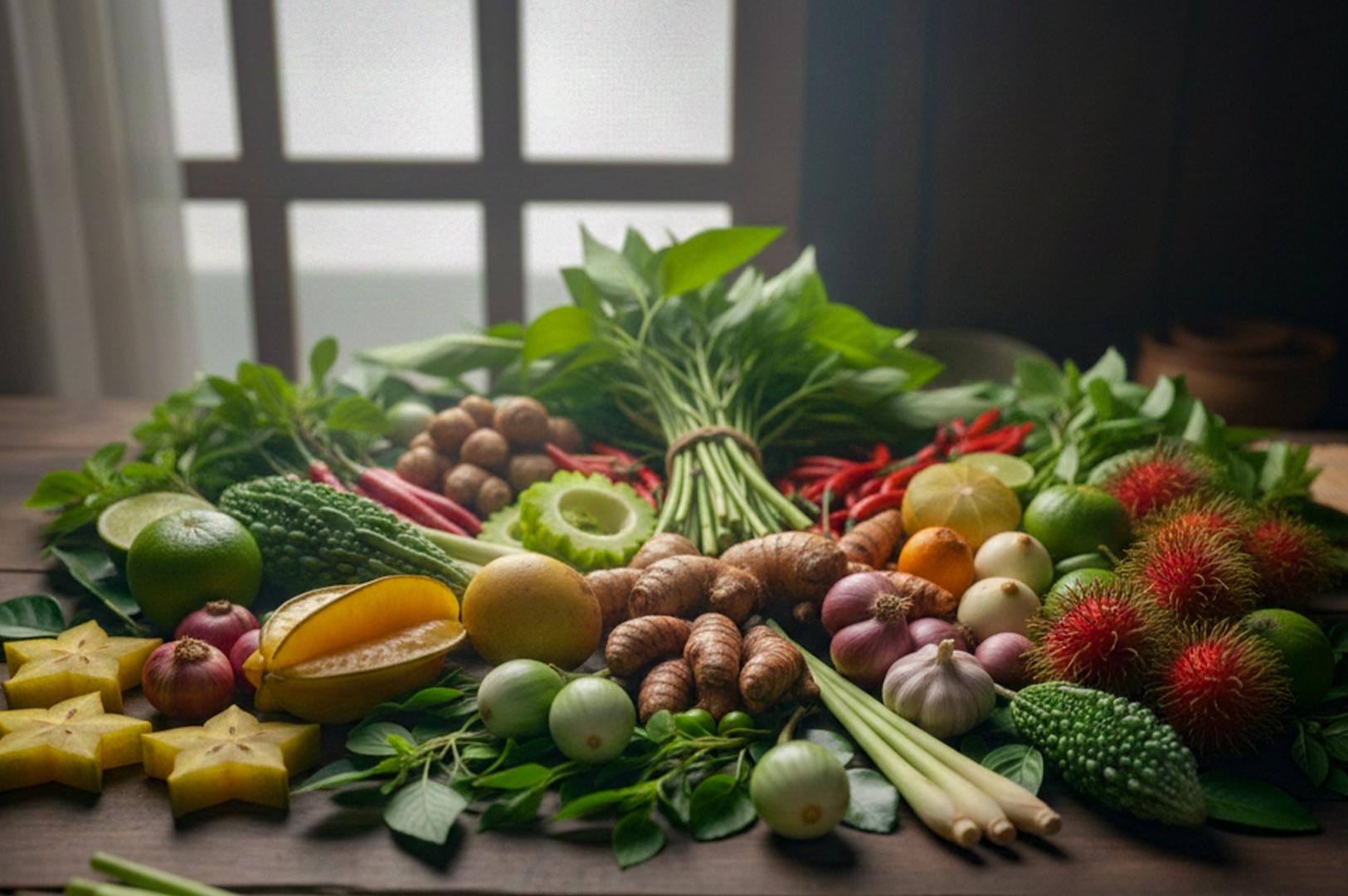
To understand the plate is to understand the map. If you were to trace the spice routes of the 15th century or follow the monsoon winds that carried merchant ships across the Indian Ocean, you would find yourself at the epicenter of the world’s most vibrant pantry. The food in the Southeast region of Asia is not a monolith; it is a living, breathing map of human movement, environmental adaptation, and the relentless pursuit of flavor.
Southeast Asia sits at a geographical crossroads. To the west lies the Indian subcontinent, to the north, the vast expanse of China, and all around it, the fertile, volcanic soil of the archipelago and the silt-rich deltas of the Mekong and Irrawaddy rivers. This unique positioning created a harmonious blend of indigenous ingredients and foreign influences that transformed the region into a global culinary powerhouse. Whether it is the umami flavors of a fermented paste or the brightness of fresh herbs, every bite tells a story of survival, trade, and Southern hospitality.
The Engineering of the National Dish: Rice as a Cultural Foundation
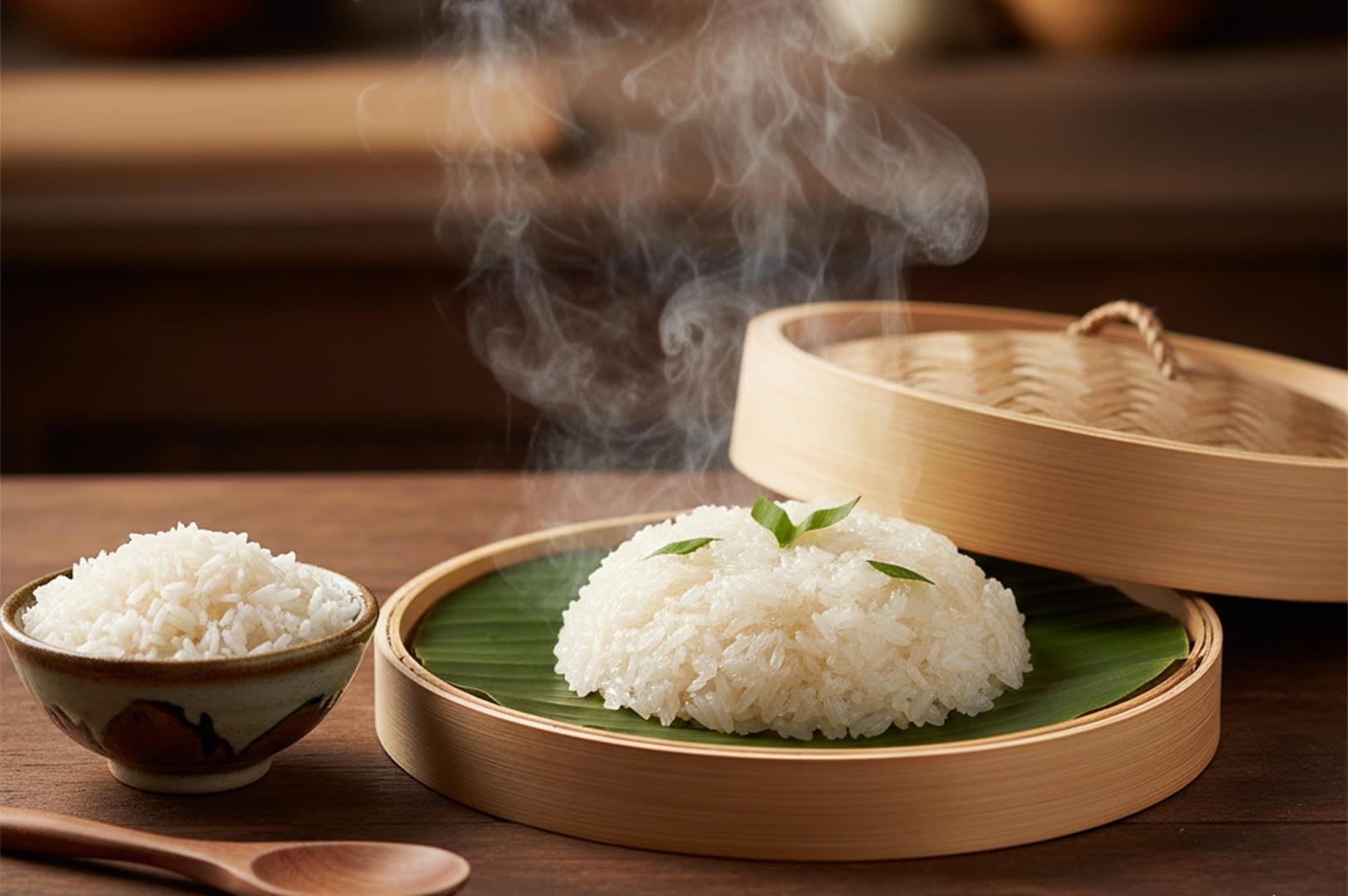
At the heart of every meal in Southeast Asia is rice. It is more than a Southern staple; it is the very soul of the region. The geography of the “Rice Bowl” deltas allowed for the cultivation of diverse varieties, from the long-grain jasmine of Thailand to the sticky rice (glutinous rice) favored in the mountainous highlands of Laos.
Rice, fresh herbs, coconut milk, and bold flavors characterize Southeast Asian cuisine.
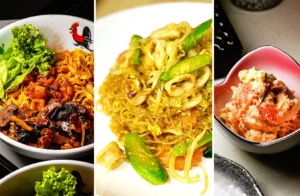
While steamed rice is the baseline, the innovation of the rice noodle allowed for the birth of many a national dish. This was largely an influence from East Asia, yet the Southeast Asian interpretation took a sharp turn toward the aromatic. Flat rice noodles became the canvas for the smoky “breath of the wok,” while rice paper became a delicate vessel for fresh food. The use of palm sugar in traditional dishes like Pad Thai and Som Tum is essential for balancing sweet, sour, and umami flavors, contributing to the region’s distinctive taste profile.
Hainanese Chicken Rice: A Lesson in Migration
In Singapore and Malaysia, Hainanese Chicken Rice represents a pinnacle of culinary migration. This rice dish features grains sautéed in ginger and chicken fat before being steamed, served alongside poached chicken so tender it barely requires a knife. It is a testament to how Chinese techniques were refined by the local ingredients of the Southeast.
From the Deep South to the Mekong: A Shared Love of Frying
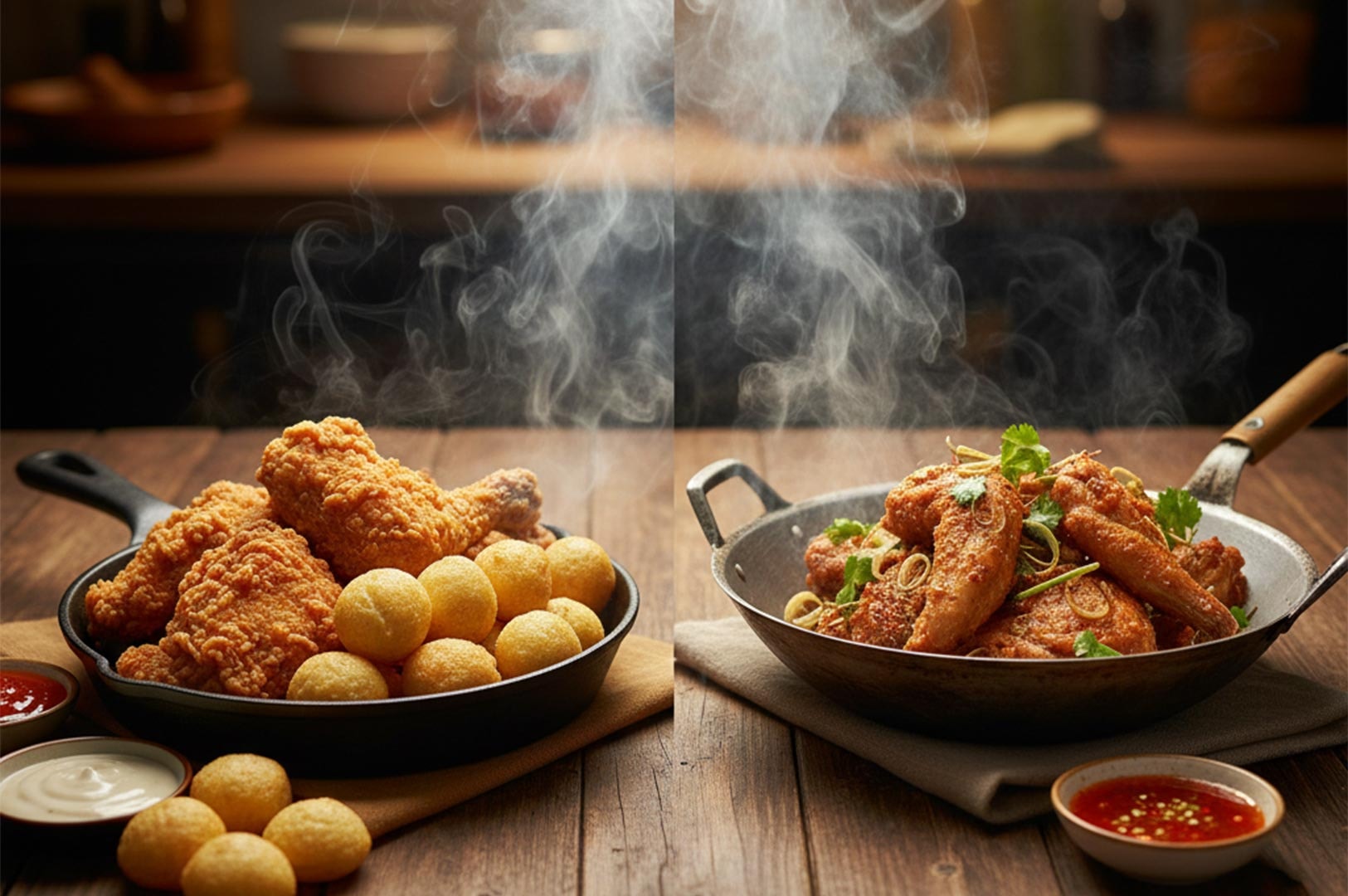
An interesting parallel exists between the food in the Southeast region of Asia and the traditional flavors of Southern Louisiana, South Carolina, and the Deep South of the United States. While thousands of miles apart, both regions rely on a history of trade influences and a profound respect for the deep fryer. In the Deep South, ‘soul food’ is a traditional style of Southern cuisine rooted in African American heritage, with dishes like collard greens and gumbo serving as staples.
- Collard greens are a staple in Southern soul food, typically slow-cooked with smoked meats and served as a side dish.
- Classic Southern side dishes, such as hush puppies, are often served alongside fried fish or barbecue, highlighting the region’s love for hearty accompaniments.
- Barbecue traditions in the Southeastern United States also vary regionally, with styles including vinegar-based, dry rub, and beef brisket.
Fried Chicken and Southern Styles
In the bustling night markets of Bangkok or Manila, the scent of fried chicken marinated in lemongrass and coriander seeds wafts through the air—a Southern styles treat that rivals any bird found in the American South. Both cultures understand that fried food provides a satisfying crunch that complements a hearty stew or a spicy noodle soup.
Fried Green Tomatoes and Tangy Echoes
While fried green tomatoes are a quintessential American side, the Southeast Asian palate shares that love for tart, firm fruit. In this region, shredded unripe papaya or green mango serves a similar purpose—providing a sharp, acidic crunch that cuts through the richness of a southern feast.
The Spice Trade: Green Curry and the Coconut Revolution
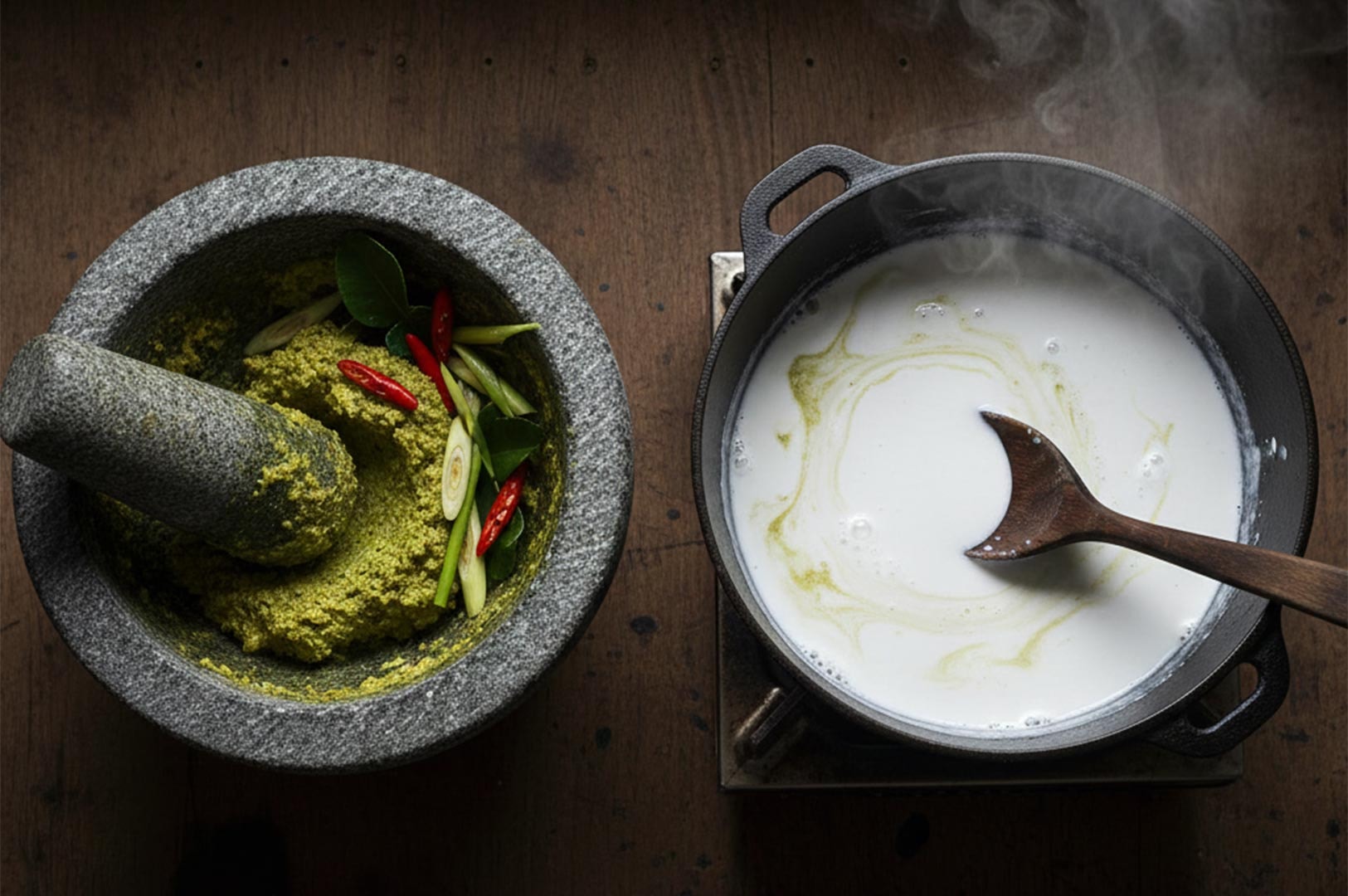
Geography did not just provide the soil; it provided the path. For centuries, Southeast Asia was the “Spice Islands,” drawing traders from the Middle East and India. The introduction of dried, bold spices—like coriander and turmeric—merged with the local abundance of coconut milk.
Green Curry: The Vibrant Balance
This fusion birthed Green Curry, a vibrant Thai creation using fresh green chilies and kaffir lime leaves. Without the cooling properties of coconut milk, the aggressive use of bird’s eye chilies in Thai cuisine would be unbearable.
Fish Amok: The Cambodian Masterpiece
In Cambodia, this coconut-herb relationship culminates in Fish Amok. This traditional dish features white fish steamed in a silken coconut egg custard, flavored with a curry paste of lemongrass and turmeric. It represents the subtler side of the Southeast Asian palate.
Street Food Icons: Pad Thai and the Wok’s Power
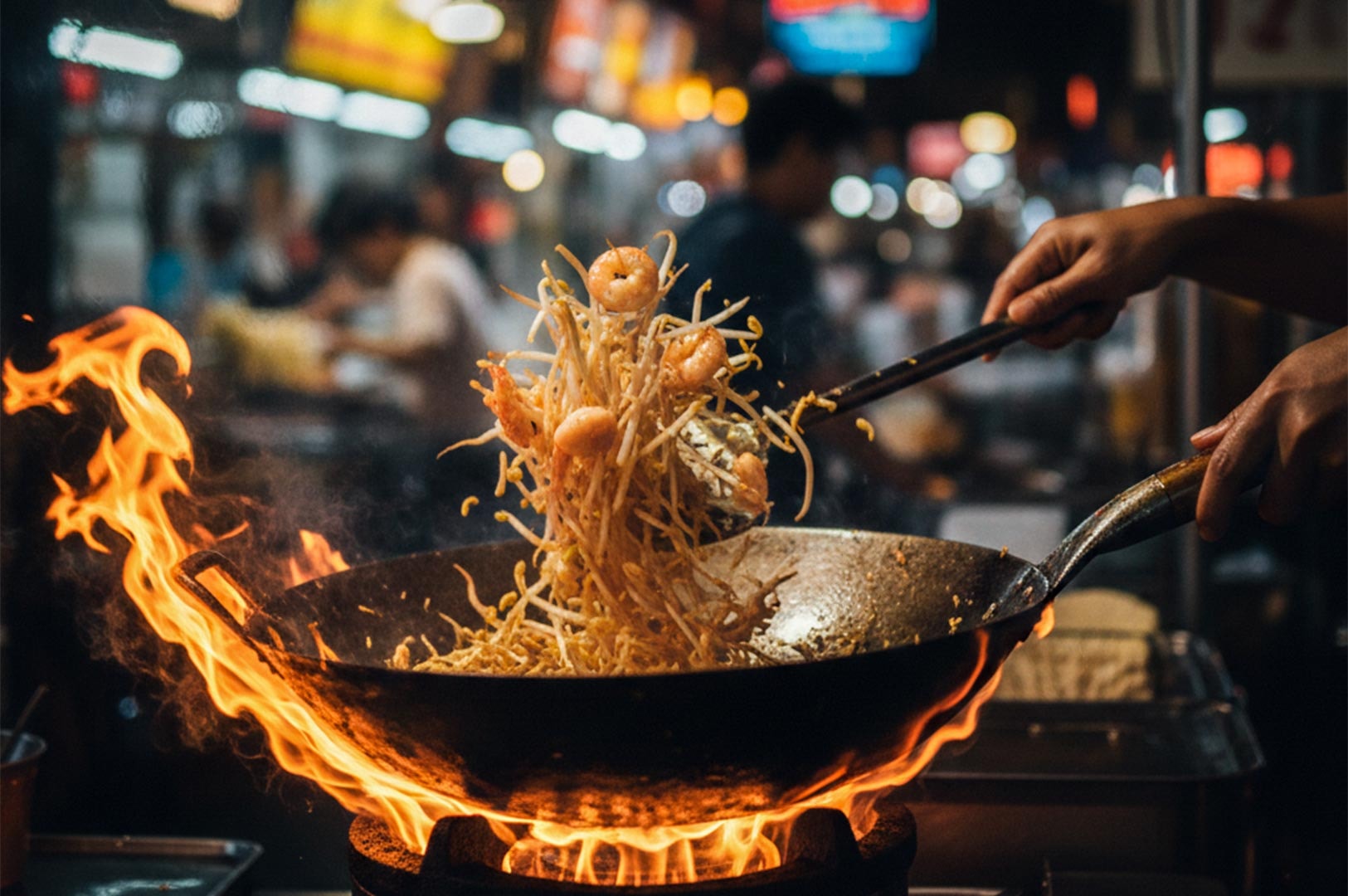
To witness the full culinary exploration of the region, one must step into the heat of the street food scene. This is where the dish originated for many of our modern favorites. Stir fried rice noodles, for example, are a staple of street food culture in the southeast region, featured in beloved dishes like Char Kway Teow and expertly prepared at bustling hawker centers.
Southeast Asia offers a rich tapestry of must-try foods that reflect the diverse cultures of the region. The experience of enjoying food in Southeast Asia is often as important as the dish itself, with communal dining and local culture playing a central role in every meal.
Pad Thai: The Global Ambassador
Pad Thai is a famous Thai dish that combines rice noodles with tamarind sauce, eggs, and various proteins, embodying the region’s philosophy. Stir fried noodles, bean sprouts, crushed peanuts, and a squeeze of lime juice are classic, while regional variations may include soy sauce or sweet soy sauce (kecap manis) as key components to enhance the dish’s authentic flavor. It is a masterful scramble that balances every taste bud simultaneously.
Fried Catfish and Saltwater Fish
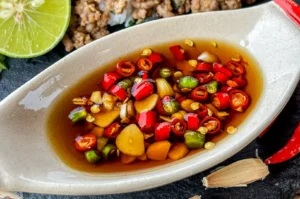
Along the Mekong, fried catfish is a common sight, often served with a pungent dipping sauce of fish sauce and chilies. Whether dealing with freshwater or saltwater fish, the technique remains the same: high heat and bold aromatics to create a smoky aroma.
Chili Crab and the Maritime Heritage
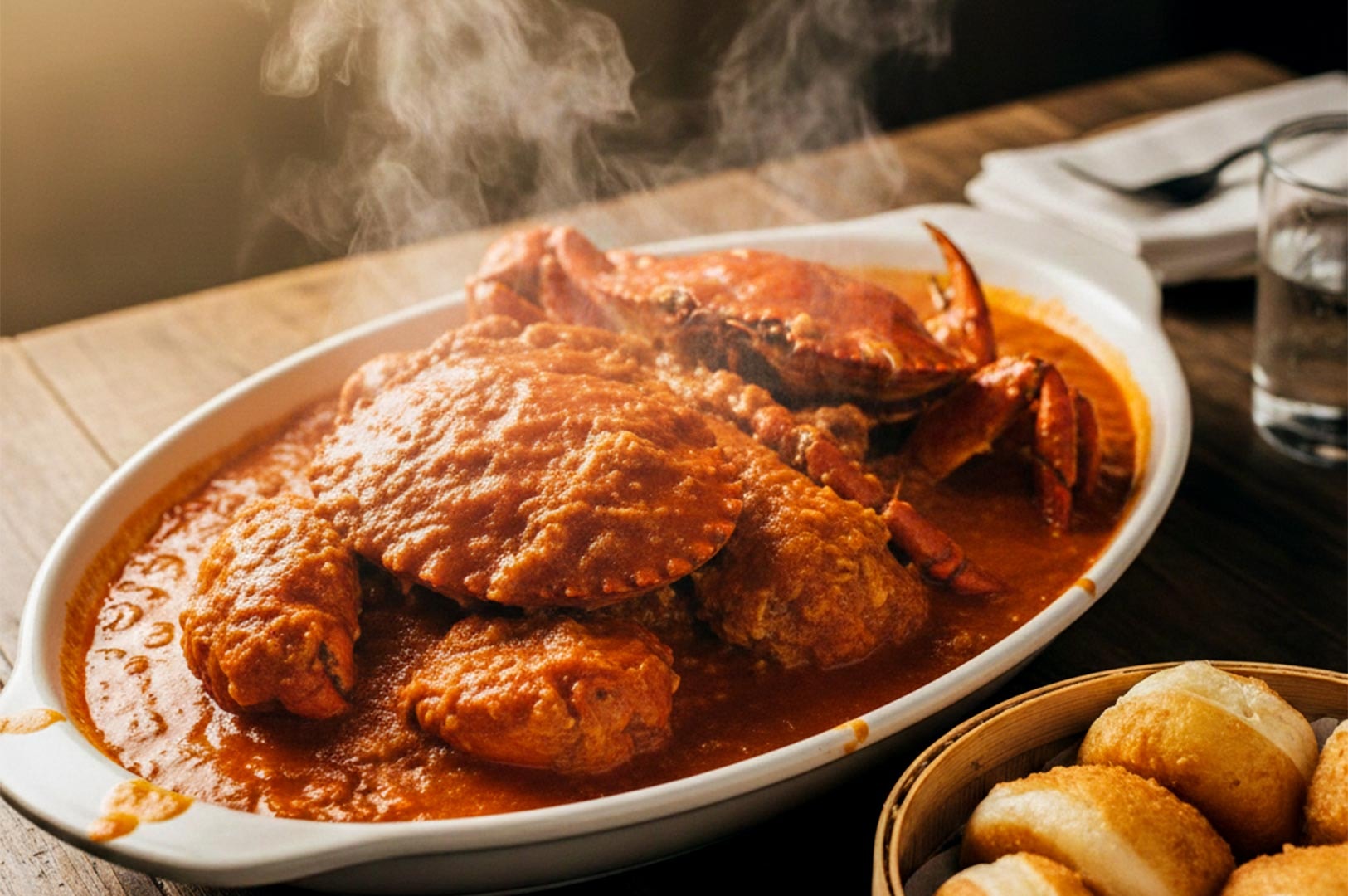
In the island nations like Singapore, the ocean dictates the menu. Chili Crab is perhaps the most iconic dish of the maritime Southeast. This Singaporean cuisine staple features mud crabs stir-fried in a thick, sweet, and savory tomato-and-chili-based sauce, often thickened with egg. Chili Crab is a dish from Singapore featuring whole crab in a chili-tomato sauce. It is a messy, communal southern feast that requires plenty of mantou (steamed buns) to soak up every drop of the umami flavors.
- Laksa is a spicy noodle soup popular in Malaysia and Singapore, known for its rich coconut broth.
- Pickled vegetables are often served as an accompaniment to seafood dishes in the region.
Mango Sticky Rice: The Sweet Conclusion
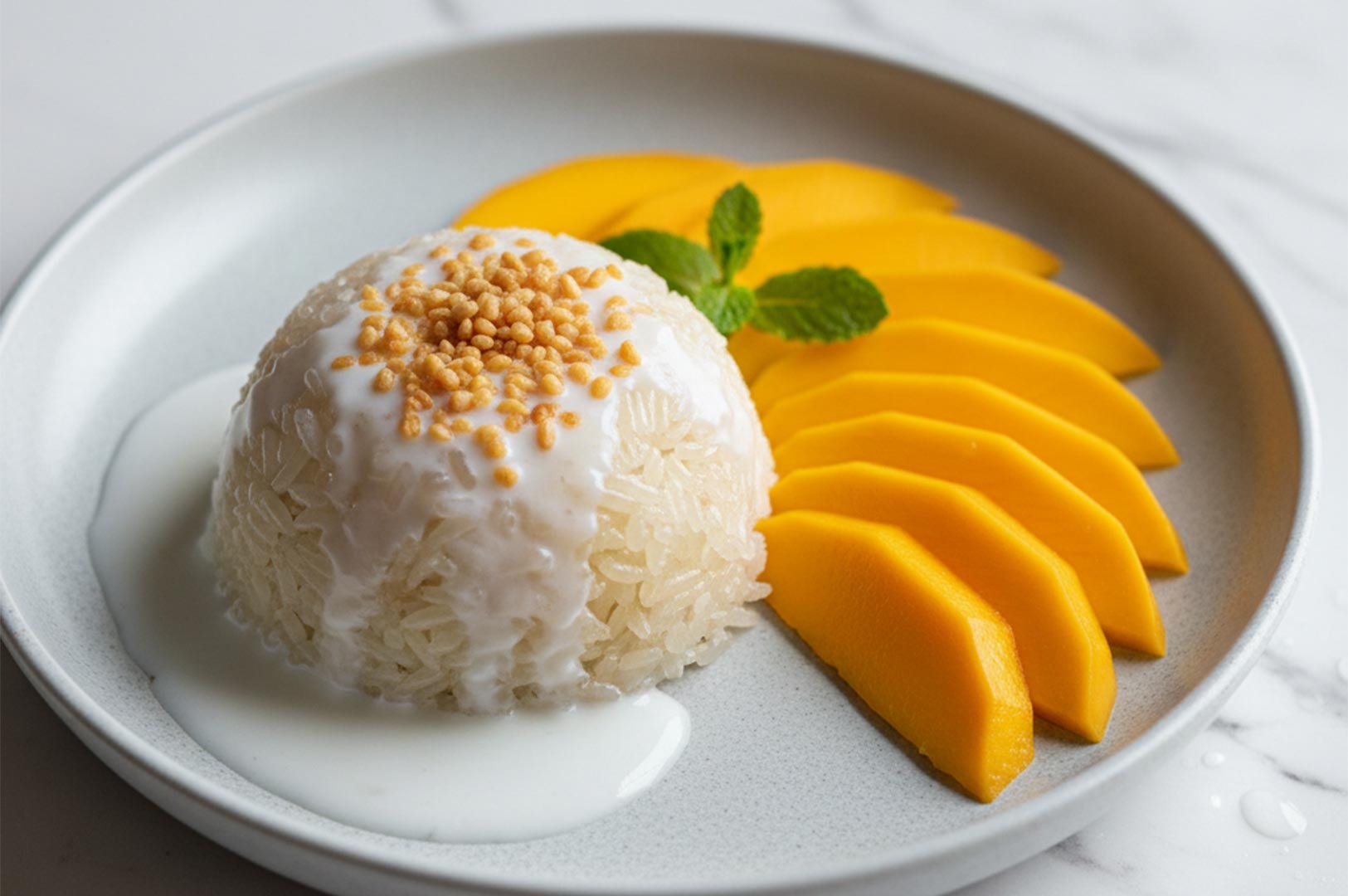
No culinary journey through the Southeast is complete without acknowledging the brilliance of its desserts.
Mango sticky rice is a beloved Thai dessert made with sticky rice, coconut milk, and ripe mango slices. Sliced bananas are also commonly used as a topping or filling in classic Southeast Asian desserts, such as banana pudding and Malaysian roti pisang, enhancing both flavor and presentation. Sweetened condensed milk is a common ingredient in Southeast Asian desserts. Mango sticky rice is the undisputed champion, a simple yet perfect combination of warm, salted coconut milk, sticky rice, and ripe mangoes. It captures the essence of the tropics in a single bowl, often finished with a drizzle of sweetened condensed milk.
A Legacy Written in Flavor
The food in the Southeast region is a testament to resilience. It has survived colonization, war, and globalization to emerge as one of the most beloved delicious cuisines on earth. It is a cuisine that respects the old—the grandmother’s shrimp paste recipe—while embracing the new.
From the first sip of a Tom Yum broth to the last bite of fried tempeh, the experience is a reminder that we are all products of our environment and our history. If you find yourself captivated by these regional stories, you can continue your exploration by reading A Symphony of Senses: Why Southeast Asian Food is the World’s Greatest Culinary Journey, where we dive deeper into the specific sensory experiences of the street markets.
Take a Bite of the Southeast
Why wait for a plane ticket? Visit your local international market, pick up some fresh herbs, a bottle of quality fish sauce, and a bag of jasmine rice. Start with a simple fried rice or a quick stir fried noodles dish, and bring a piece of the Southeast into your own home tonight.

Banana Leaf Steam: Why Some Rice Smells Like Home
Eda Wong | July 10, 2026
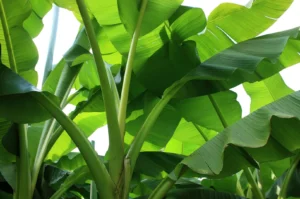
Steam rises from the pot, and a woman lifts a banana leaf over the open flame, turning it once, twice, until its stiff green softens and the surface goes glossy and pliant. She wipes it down with a damp cloth, then spoons hot rice into its center while the grains still steam. The leaf releases…
-
Tambuah Mas Paragon, Delivered: Unique Food Delivery Singapore With Old-School Comfort
Eda Wong | July 9, 2026
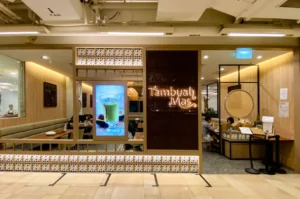
I ordered from Tambuah Mas on a rainy Sunday at around 6:15pm, mostly because I wasn’t in the mood to dress up and head into town, but I still wanted a proper meal. Not a sad one-bowl lunch. A real spread. That’s the thing about Tambuah Mas. It’s been around since 1981, serving Indonesian home-style…
-
Toasted Rice Powder: The Dust That Makes Larb Sing
Dio Asahi | July 8, 2026
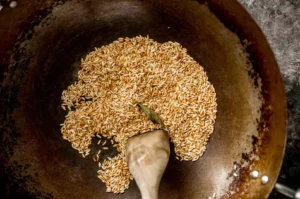
A wok sits over a low flame, and a handful of raw sticky rice slides across its dry surface. No oil, no water—nothing but heat and patience. The grains pale, then blush amber, then deepen toward the color of weak tea. Someone shakes the pan in a slow, even rhythm, listening as much as watching….
-
Ordering Lunch From Co Hai Banh Mi, and Finding Out the Definition of Good Food Delivery
Dio Asahi | July 7, 2026
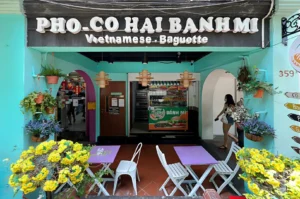
I ordered lunch from Co Hai Banh Mi & Phở Vietnamese Restaurant on a Thursday at 12:08pm, which is probably the worst and most honest time to test delivery food. It was raining lightly, the kind of Singapore lunch rain that makes every rider slower and every office worker hungrier. I had been thinking about…

Orchard Plaza Food: Hidden Japanese Restaurants and Local Eats Near Somerset
Eat Drink Asia Team | July 4, 2026
Orchard Plaza is one of those buildings we kept walking past before we properly understood it. From the street, it looks more like an office block than a dinner plan. But over repeated visits, usually after work or during odd lunch windows, we’ve found that the real charm sits behind lift doors, quiet corridors, and…
-
Salted Egg, Properly Treated: Sauce, Not Shortcut
Eda Wong | July 3, 2026
By Eda Wong for Eat Drink Asia. The wok station is already hot when the cook lowers the flame. In the narrow back of a Singapore zi char kitchen, the air smells of butter, curry leaves, and the faint mineral edge of salted duck egg. A metal spatula presses cooked yolks through oil until they…
-
Fish Sauce at the Table: The Quiet Work of Fish Sauce
Dio Asahi | July 1, 2026
At a narrow lunch table in Bangkok, the bottle arrives before the rice has stopped steaming. It is clear glass, refilled many times, its plastic cap slightly stained from years of fingers and heat. Beside it sits a small bowl of sliced chillies floating in amber liquid, the cut edges pale and sharp. Someone nudges…
-
Eat 3 Bowls Bendemeer Review: A Taiwanese Comfort Food That Delivers
Eda Wong | June 30, 2026
I ordered Eat 3 Bowls @ Bendemeer on a Thursday at about 11:45am, which is my favourite test window for delivery food. It’s close enough to lunch for the kitchen to be in rhythm, but not so late that every rider in the neighbourhood is already fighting the office crowd. By 12:25pm, the bag was…
-
ABC Hokkien Mee After Renovation: What to Expect When the Woks Return
Dio Asahi | June 27, 2026
When I first walked past a hawker centre undergoing major renovations, the absolute silence unsettled me. The usual rhythmic scrape of metal spatulas against cast-iron woks was gone, replaced by the hum of construction. It made me realise just how much our culinary journeys are tied to the physical spaces we eat in. Right now,…
-
Claypot Rice Crusts: Listening for the First Crackle
Eda Wong | June 26, 2026
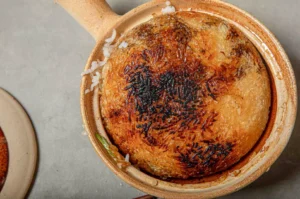
The narrow alleyway in Yau Ma Tei smells of charcoal and dark soy sauce, a thick coastal humidity pressing against the glow of the stoves. An elderly cook stands before a row of blackened sand-clay pots, a long metal tong in his right hand. He does not watch the flames; he listens to them. There…