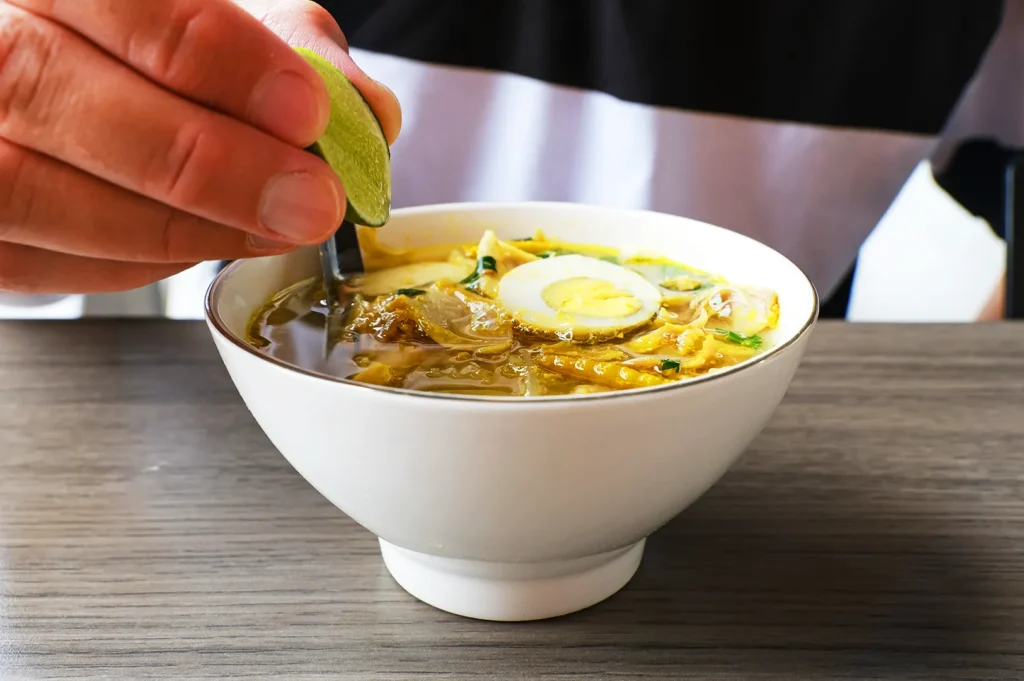
The bowl lands in front of me, broth still trembling from the walk across the stall. Steam rises and fogs the edge of my glasses. To the side sits a small dish of calamansi halves, cut and waiting, their skins slick under the fluorescent light. I pick one up. It gives slightly between my fingers, and when I press it over the bowl, a thin jet of juice arcs out with a quiet hiss. The scent reaches me first — sharp, green, almost floral — before the sourness has even touched the soup.
Calamansi, sometimes written kalamansi, pronounced roughly ka-la-MAN-si, is a small citrus, no bigger than a coin, green on the outside and orange within. It tastes like a lime that has made peace with a tangerine — tart, but with a softer, rounder edge. At a noodle stall, the squeeze is not decoration. It is the last decision in the cooking, made by the person eating. The chilli, the broth, the noodles — all of that arrives fixed. The calamansi is yours. You press it in to lift the soup, to cut the fat, to sharpen a flavour that felt a touch flat. The half-fruit is the only tool you control, and the squeeze is how you finish what the cook started.
One of the best companions for that bright squeeze is bee hoon, its clean, soft rice noodles turning citrus into a kind of quiet spark: https://eatdrinkasia.com/bee-hoon-rice-vermicelli-noodles-deep-dive/
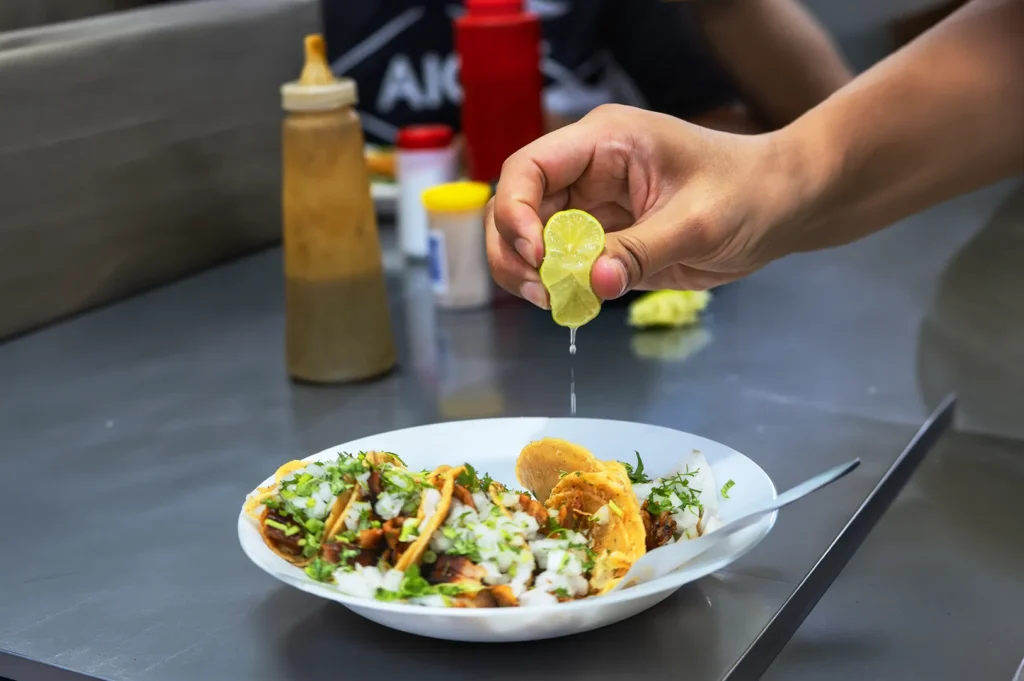
The trick, I’ve learned, is to taste first. One spoonful of plain broth tells you what the bowl needs. Then you squeeze — a little for a soup already deep, more for one that runs heavy or rich. Get it right and the whole bowl wakes up, the warmth of the broth shifting under the brightness. Watch the regulars and you’ll see it: the way they sip, pause, then reach for the fruit without thinking. Nobody asks how much. The amount is theirs to know. It’s a small, daily act of ownership — the eater shaping the dish to their own tongue, in a place where everything else came set.
What I notice now, more often, is the squeeze quietly disappearing. A bottle of citric acid solution sits where the cut fruit used to be — clear, cheap, consistent. One pump and the sourness arrives the same every time. I understand it. Fresh calamansi spoils, costs more, asks for hands to halve it each morning. But the bottle gives you acid without scent, sharpness without the green burst that hits the air before the soup. It does the chemistry and skips the moment. The bowl tastes sour. It just doesn’t smell of anything.
I keep returning to that small dish of halves on the counter. It asks for nothing, costs almost nothing, and yet it hands you the last word on your own bowl. A squeeze, a scent, a flavour you chose. That’s a kind of trust, quietly passed across the counter, one fruit at a time.

Traditional Korean Sikhye: Sweet Rice Punch Through the Seasons
Eda Wong | October 23, 2025
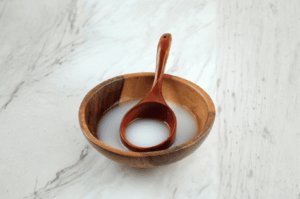
In the vibrant world of Korean food, beyond the fiery spice of gochujang and the savoury comfort of bulgogi, lies a gentler, more subtle delight. Meet traditional Korean sikhye (식혜), a beloved Korean sweet rice punch that holds a special place in the nation’s heart. With its cloudy, amber hue and delicate sweetness, this drink…
-
Authentic Jeonju Bibimbap: Why Korea’s Culinary Capital Makes It Best
Eat Drink Asia Team | October 21, 2025
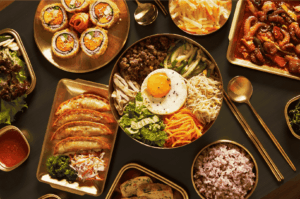
Picture this: A steaming Korean rice bowl is placed before you in Jeonju, South Korea. Vibrant arcs of seasoned bean sprouts, glossy strips of Korean beef, a golden runny yolk resting atop perfectly cooked mixed rice, and a dollop of rich red bibimbap sauce invite you to mix it all together. As you stir, the…
-
Communal Dining Traditions in Asia: Shared Meals, Lasting Bonds, and Cultural Heritage
Dio Asahi | October 18, 2025
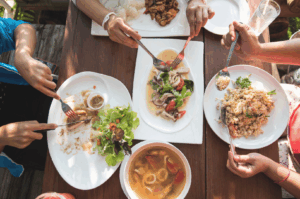
Imagine a dining table crowded with large platters of steaming food, the smell of spices in the air, small bowls arranged neatly around the shared table, and laughter echoing across the room. Across Asia, dining tables play a central role in communal dining traditions, serving as the focal point for etiquette, social interaction, and the…
-
Century-Old Dumpling Techniques: Ancient Wisdom in Modern Kitchens
Eda Wong | October 16, 2025
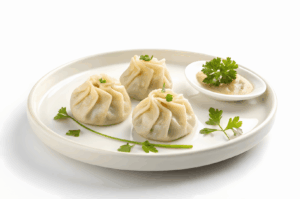
Her hands move in a blur, a dance of muscle memory refined over sixty years. In a small, steam-filled kitchen in Shanghai, an elderly woman transforms a humble circle of dumpling dough into a perfect, 20-pleat xiao long bao. Each pinch and fold is a syllable in a story passed down through generations-prime examples of…
-
Ca Phe Sua Da: The Cultural Phenomenon of Authentic Vietnamese Coffee
Eat Drink Asia Team | October 14, 2025
The dawn breaks over Hanoi, and the city awakens not to alarm clocks but to the clatter of tiny spoons and the metallic click of filters. The air fills with the dark, roasted aroma of authentic Vietnamese coffee drifting from bustling corners and sidewalk stalls. They are not rushing. Instead, they are waiting-waiting for the…
-
Cao Lầu Noodles: Hoi An’s Legendary Noodle Dish with Japanese Origins
Dio Asahi | October 11, 2025
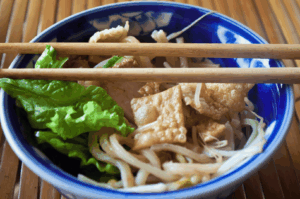
Imagine sitting on a low stool in a bustling alleyway of Hoi An’s ancient town. The warm, fragrant air is thick with the scent of sizzling marinated pork, fresh herbs, and the unmistakable aroma of fish sauce and fried rice crackers. In front of you, a bowl of Cao Lau noodles gleams, their golden brown…
-
Chinese Tea: 5,000-Year Tea Journey from Ancient Medicine to Global Beverage Phenomenon
Eda Wong | October 9, 2025
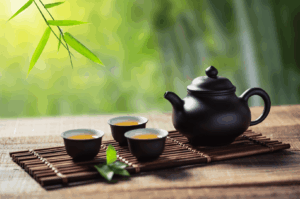
Every cup of tea enjoyed today, whether a brisk English breakfast or a delicate green tea in Tokyo, finds its lineage rooted in the heart of Chinese tea history. For nearly 5,000 years, the humble leaves of the Camellia sinensis tea plant have been cultivated, brewed, and cherished-first as ancient medicine in southern China, and…
-
The Complete Guide to Authentic Cantonese Dim Sum: Beyond Har Gow and Siu Mai
Eat Drink Asia Team | October 7, 2025
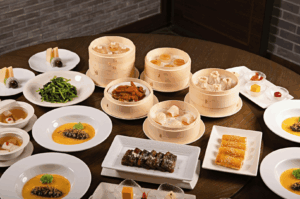
If you think eating dim sum is all about har gow and siu mai, think again. Authentic Cantonese dim sum is a dazzling showcase of Chinese culture, filled with an array of flavors, textures, and traditions that run much deeper than the classics. For both seasoned aficionados and first-time food explorers, venturing beyond the familiar…
-
Traditional Indian Lassi: Cooling Yogurt Drinks for Every Season and Region
Eda Wong | October 4, 2025
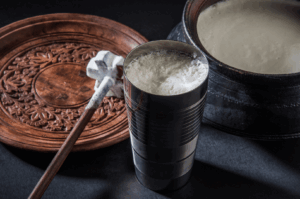
On a sweltering Indian afternoon, there is no greater relief than a tall, chilled glass of traditional Indian lassi. From bustling city streets to quiet village homes, lassi is a beloved staple that offers a moment of pure, cooling bliss. Frothy, creamy, and deeply satisfying, this yogurt drink is more than just a refreshment; it’s…
-
Gujarati Thali Guide: Western India’s Plant-Based Feast
Dio Asahi | October 2, 2025
Imagine a large, gleaming steel plate arriving at your table, a vibrant constellation of small bowls each filled with colourful and fragrant preparations. In the centre, fluffy plain rice sits next to a pile of wafer-thin, ghee-brushed Indian bread. This isn’t just an Indian meal; it’s a traditional Gujarati thali, an immersive culinary journey through…