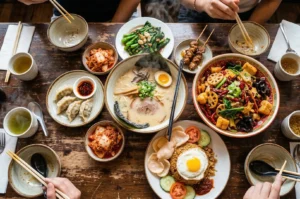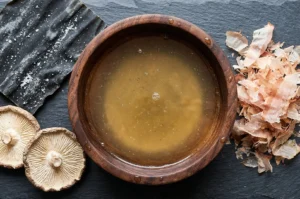
The gentle steam rising from a bowl of miso soup carries more than just the earthy aroma of fermented soybeans—it carries centuries of Japanese culture and culinary wisdom. When you eat in Japan, you’re not simply consuming a meal; you’re participating in a ritual that connects you to the seasons, the land, and a philosophy that views food as both sustenance and art.
Food in Japan represents one of the world’s most sophisticated and respected culinary traditions. From the precise knife work of a sushi master to the communal warmth of an izakaya, Japanese cuisine offers an extraordinary journey through flavors, textures, and cultural experiences that have captivated food lovers worldwide.
Whether you’re planning to visit Japan or simply want to understand the depths of this remarkable food culture, this comprehensive guide will take you through everything from street food stalls to Michelin-starred establishments.
The Heart of Japanese Cuisine: Understanding Washoku
Washoku, the Japanese word for traditional Japanese cuisine, encompasses far more than cooking techniques or ingredient lists. Recognized by UNESCO as an Intangible Cultural Heritage in 2013, washoku represents a complete food philosophy emphasizing harmony with nature, seasonal awareness, and the intrinsic beauty of simple, high-quality ingredients.
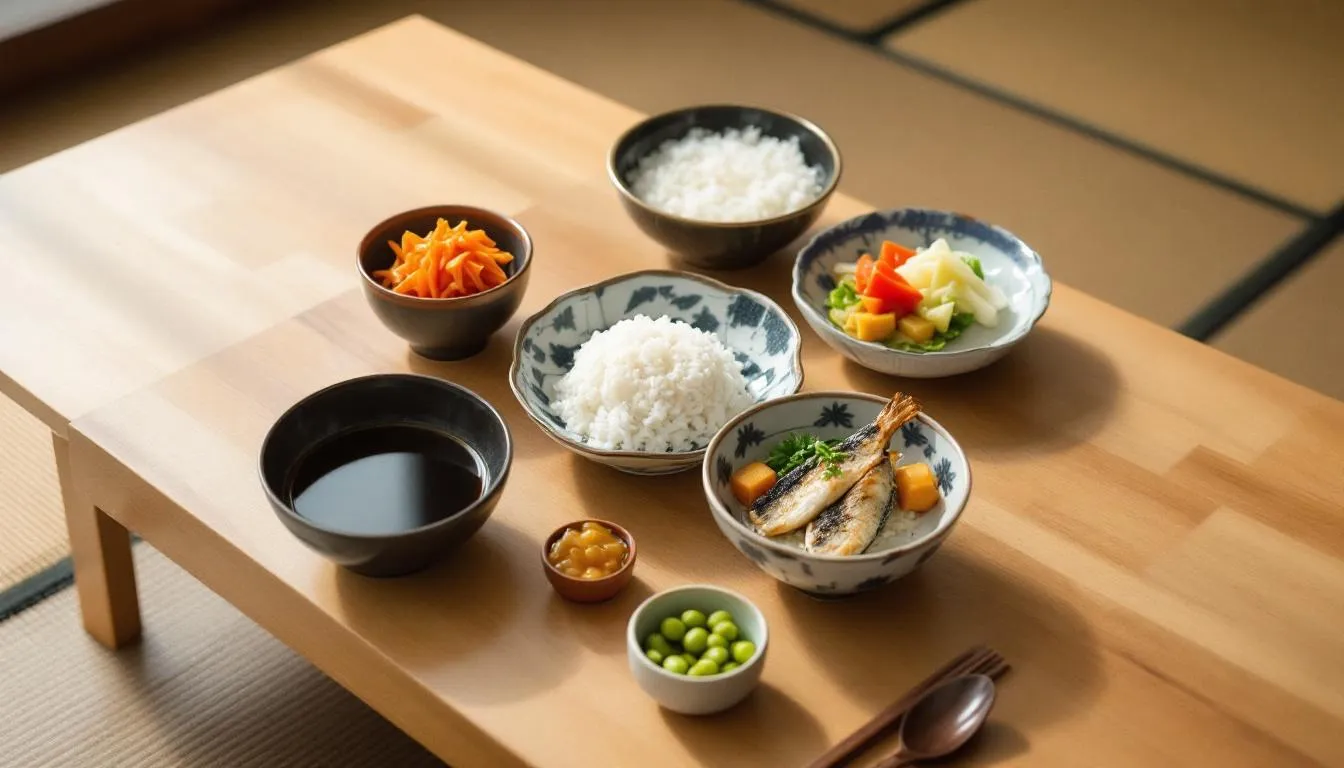
At its core, washoku follows the ichijū-sansai principle—one soup and three dishes served alongside rice. This foundation creates nutritionally balanced meals while allowing each ingredient to shine without overwhelming the palate.
Must-Try Japanese Dishes: Icons of a Culinary Nation
Sushi and Sashimi: From Street Food to Global Phenomenon
No discussion of Japanese dishes would be complete without exploring sushi’s remarkable evolution from Edo period street food to global culinary icon. What began as a preservation method—fish fermented with salted rice—transformed into the artful compositions we know today.
Sushi
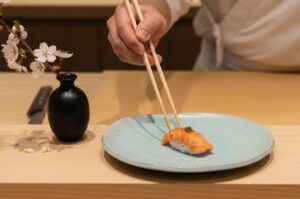
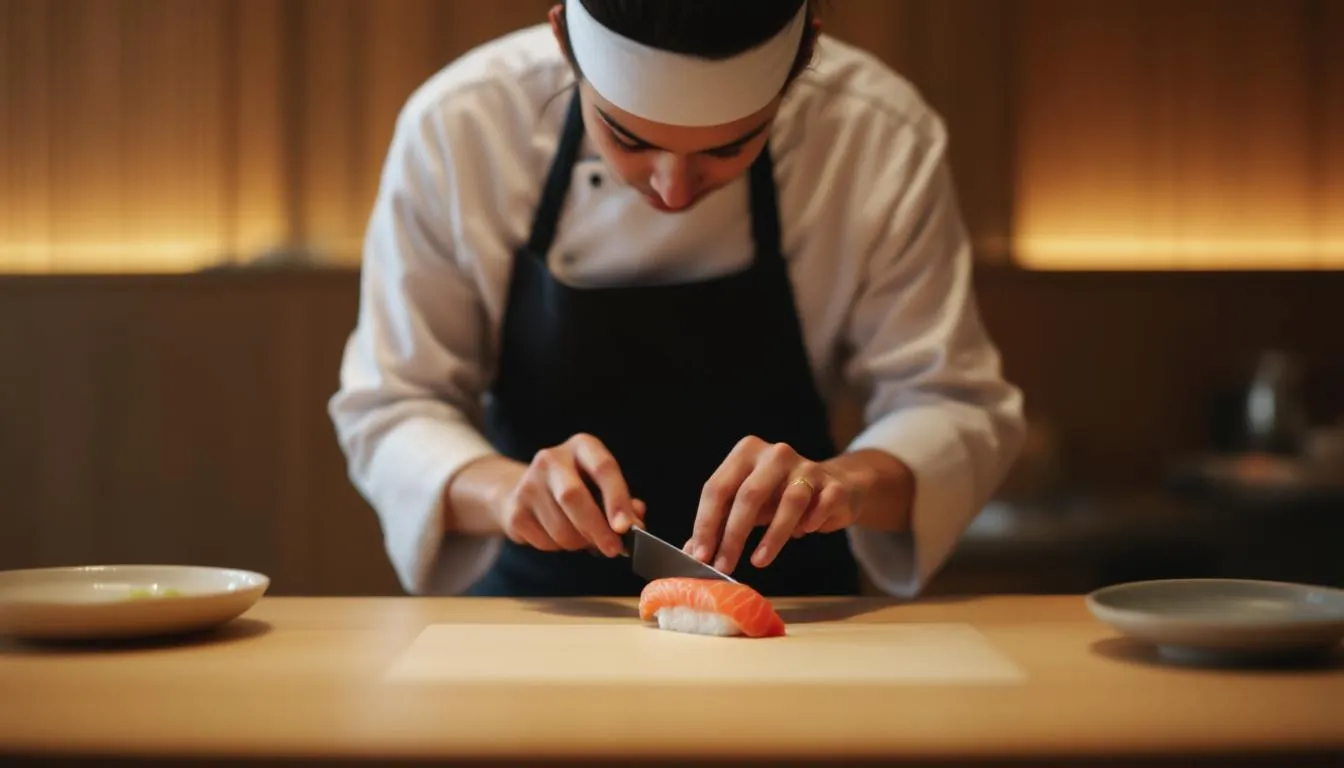
Traditional nigiri sushi demands years of training to master. The rice must be body temperature, seasoned with precise amounts of rice vinegar, and formed with just enough pressure to hold together while remaining tender. The fish requires knife skills that can take decades to perfect, with each slice revealing the chef’s understanding of the ingredient’s texture and flavor profile.
Sashimi
Sashimi elevates raw fish preparation to its purest form, presenting pristine seafood without the accompaniment of rice. The translucent flesh of expertly prepared sashimi should melt on the tongue, revealing subtle flavors that speak to the fish’s quality and the chef’s skill. Traditionally served with wasabi, pickled ginger, and soy sauce, sashimi represents the Japanese cuisine principle of minimal intervention that maximizes natural flavors.
Ramen: Regional Soul in a Bowl
While sushi may be Japan’s most famous food export, ramen holds a special place in Japanese hearts as comfort food with regional variations. Key styles include:
- Tonkotsu ramen (Kyushu): Rich, milky pork bone broth simmered for hours, served with wheat flour noodles, sliced pork belly, spring onions, fish cakes, and traditional toppings.
- Tokyo shoyu ramen: Clear chicken and fish-based soup stock seasoned with light soy sauce, offering a balanced and flavorful broth.
- Hokkaido miso ramen: Hearty, savory miso-based broth perfect for cold northern winters.
Eating ramen involves enthusiastic slurping, which cools noodles and enhances flavor—a hallmark of casual Japanese dining focused on satisfying, well-executed food.
Tempura: Portuguese Influence, Japanese Perfection
Tempura exemplifies how Japanese cuisine adapts foreign influences while creating something uniquely Japanese. Introduced by Portuguese missionaries in the 16th century, this deep-frying technique evolved into an art form producing impossibly light, crispy coatings around seasonal vegetables and fresh seafood, making tempura one of the most iconic examples of deep fried seafood in Japanese cuisine.
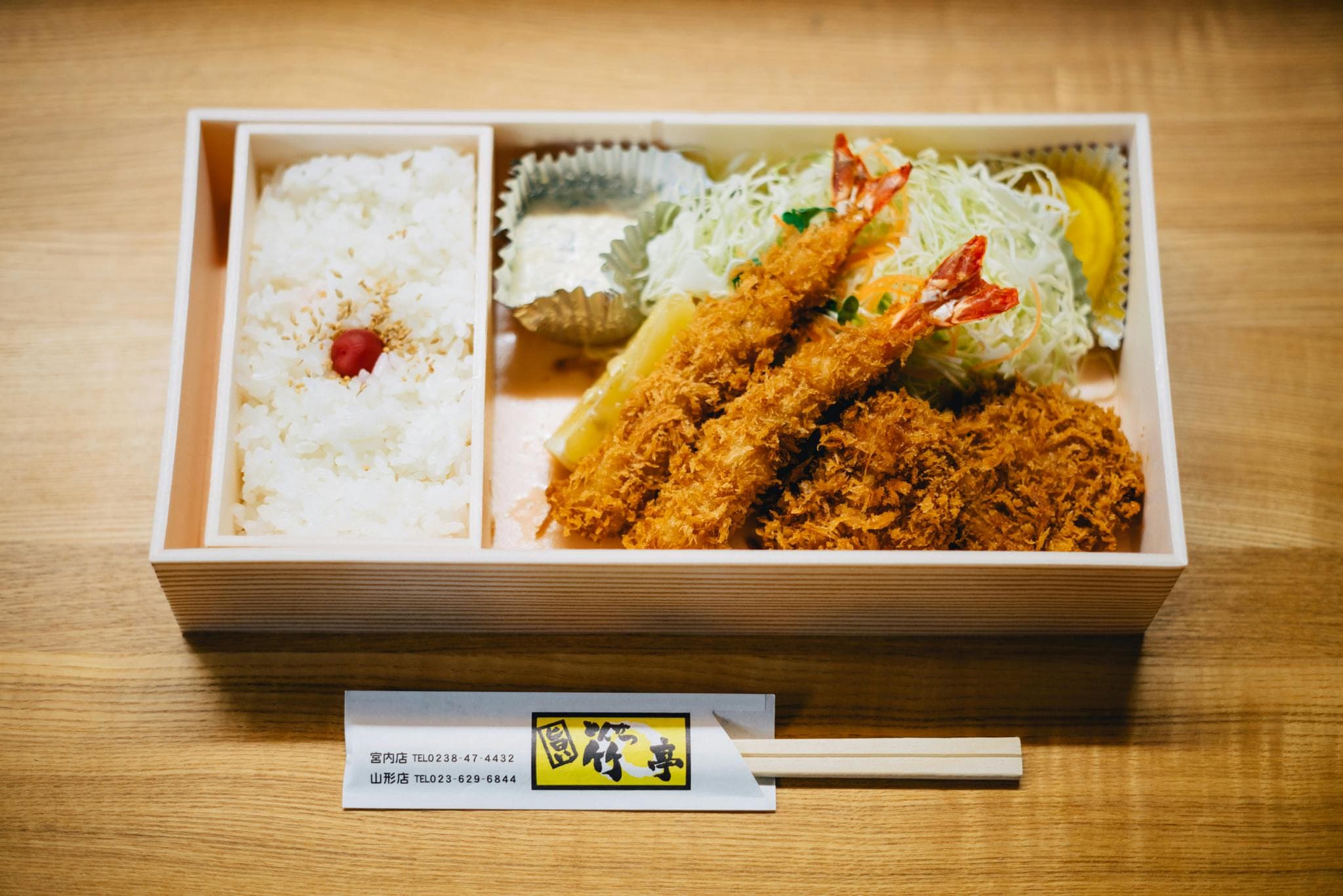
The secret lies in the batter—a mixture of ice-cold water, wheat flour, and sometimes egg mixed minimally to prevent gluten development. When properly executed, tempura creates a delicate, ethereal coating that shatters at first bite to reveal perfectly cooked ingredients inside. The contrast between crispy exterior and tender interior showcases Japanese mastery of texture.
Yakitori: Izakaya Culture and Charcoal Mastery
Yakitori represents more than simple grilled meat—it embodies the social aspect of Japanese food culture found in izakaya drinking establishments. These skewered chicken pieces, grilled over charcoal and basted with tare sauce, create the perfect accompaniment to after-work socializing and cold beer.
Master yakitori chefs understand how different cuts of chicken require varying cooking times and techniques. Breast meat needs quick, high-heat cooking to maintain moisture, while tougher cuts like gizzard benefit from slower grilling. The sweet-savory tare glaze, made from soy sauce, mirin, and sugar, caramelizes over charcoal to create complex flavors complementing smoky meat.

Beyond chicken, izakaya culture encompasses a variety of grilled items including vegetables, seafood, and other meats. This casual dining style represents the social side of Japanese cuisine, where food serves as a vehicle for community and relaxation rather than formal ceremony.
Tonkatsu: Yoshoku and Culinary Evolution
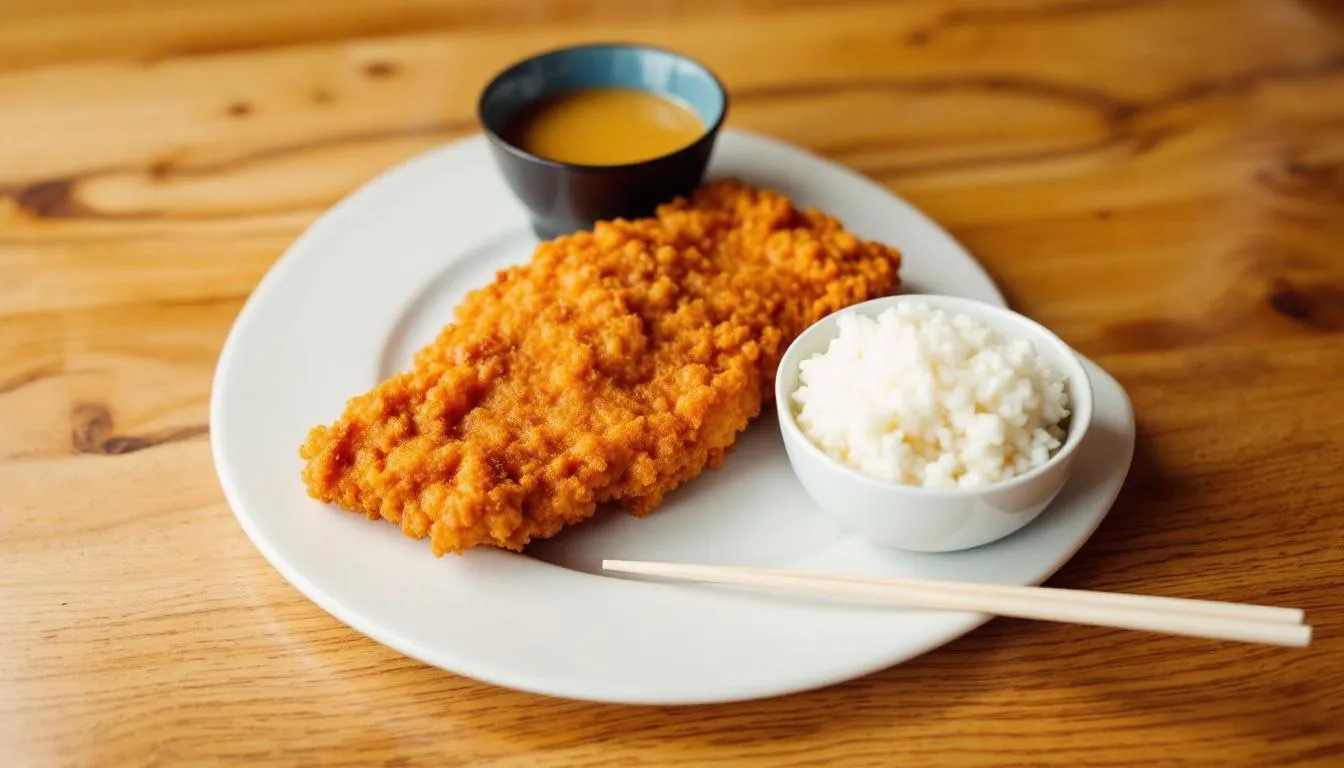
Tonkatsu—breaded pork cutlet—represents the yoshoku category of Japanese dishes adapting Western influences into Japanese cuisine. This deep fried pork cutlet demonstrates how foreign cooking methods can be transformed through Japanese culinary sensibilities.
Deep fried beef cutlets, known as gyukatsu, are a popular variation prepared similarly to tonkatsu but using beef, often served with shredded cabbage.
The golden brown exterior gives way to perfectly cooked pork neither dry nor greasy—a testament to Japanese commitment to technical excellence. Served alongside rice, this combination represents successful integration of meat consumption into traditionally Buddhist-influenced Japanese diet.
Rice Bowls, Noodle Dishes, and Miso Soup
Japanese comfort food shines in rice bowl dishes transforming steamed rice into hearty meals.
- Gyudon: Thinly sliced beef and onions simmered in sweet-savory sauce over rice; a popular fast food (beef rice bowl).
- Oyakodon: “Parent and child bowl” combining chicken and beaten egg cooked to silky curds atop Japanese rice.
- Katsudon: Deep fried pork cutlet simmered with onions and beaten egg, blending crispy texture with savory-sweet sauce.
- Curry rice: Mild, slightly sweet Japanese curry sauce served over steamed rice, often with chicken cutlet or beef; a household favorite.
- Udon noodles: Thick wheat noodles with chewy texture, served hot in soup stock or cold with dipping sauces; contrast with delicate soba noodles.
- Soba noodles: Nutty-flavored buckwheat noodles served hot or cold; cold soba with dipping sauce for summer, hot soba in broth for winter comfort.
- Yakisoba: Stir fried noodles with vegetables, meat, and savory sauce; popular at festivals and street food stalls.
Street Food and Festival Favorites
Japanese street food culture comes alive during festivals with vendors offering a variety of savory and sweet treats:

- Takoyaki: Popular snack from Osaka; crispy octopus-filled spheres with green onion and seasonings. Skilled vendors rotate them in special pans for even cooking. Served hot with takoyaki sauce, mayonnaise, and bonito flakes.
- Onigiri rice balls: Portable rice balls often filled with teriyaki chicken, perfect for a flavorful meal on the go.
- Okonomiyaki: Savory pancake meaning "grilled as you like it," made with cabbage and batter. Regional variations include Hiroshima’s layered style and Osaka’s mixed batter, both delivering crispy outside and tender inside.
- Taiyaki and Imagawayaki: Sweet street snacks; fish-shaped or round pastries filled with sweet red bean paste or other fillings, enjoyed year-round and especially comforting in cold weather.
Regional Specialties: Japan’s Diverse Culinary Landscape

Japan’s geography and regional cultures create remarkable diversity in Japanese cuisine, with each area developing specialties reflecting local ingredients, climate, and cultural influences.
Tokyo
Tokyo’s dining scene represents pinnacle of Edo-mae traditions—culinary techniques developed during Edo period emphasizing fresh, local ingredients prepared with precise intervention.
Osaka
Osaka’s merchant heritage created food culture focused on bold flavors and hearty satisfaction. Known as “Japan’s kitchen,” this Kansai city developed distinctive street food traditions including takoyaki and okonomiyaki emphasizing accessibility and flavor over elaborate presentation. The phrase “kuidaore”—eating oneself to bankruptcy—originated here, reflecting city’s passionate food obsession.
Kyoto
Kyoto’s imperial court history influenced refined kaiseki tradition, where subtle flavors and seasonal presentation reach artistic heights. Kyoto also offers options for meat eaters, ensuring diverse culinary experience. Many regional specialties feature vegetables cooked in various ways, from simmering and grilling to deep frying, highlighting versatility of Japanese vegetable dishes.
Hokkaido
Hokkaido’s northern climate and dairy culture bring unique elements to Japanese cuisine. Fresh seafood from cold northern waters, quality beef, and dairy products create regional cuisine distinct from rest of Japan. Island’s miso ramen, featuring rich broth perfect for cold weather, represents comfort food adapted to local conditions.
Hiroshima
Hiroshima’s okonomiyaki tradition differs significantly from Osaka’s version, with ingredients layered rather than mixed, creating distinct textures in each bite. City’s proximity to sea also makes it famous for fresh oysters and other seafood preparations.
Each region’s sake brewing traditions complement local food specialties, with rice varieties, water quality, and brewing techniques creating flavor profiles enhancing regional dishes. Understanding these regional differences adds depth to any exploration of food in Japan.
Traditional Cooking Methods

Japanese cooking techniques emphasize preserving and enhancing natural flavors rather than transforming beyond recognition. Grilling over charcoal imparts subtle smoky flavors while maintaining essential character of fish, meat, or vegetables. Steaming preserves delicate textures and nutrients allowing pure flavors to shine.
Simmering creates dishes like oden—a comforting hot pot where various ingredients slowly cook in seasoned dashi. Common ingredients include boiled eggs, fish cake, daikon radish, and vegetables, simmered together for hearty winter meal. This gentle cooking exemplifies Japanese patience and restraint. Hot pot dishes like shabu-shabu feature thinly sliced meat briefly dipped in boiling broth, allowing diners to enjoy delicate texture and flavor.
Raw preparation, famously seen in sushi and sashimi, demands absolute freshness and precise knife skills. Serving fish raw safely requires understanding sourcing, storage, and preparation taking years to master. This technique showcases Japanese confidence in ingredient quality and skill.
Pickling traditions preserve seasonal abundance while creating complex flavors aiding digestion and providing nutritional benefits. From simple salt pickles to complex fermented preparations, pickled vegetables appear at nearly every Japanese meal, providing textural contrast and palate-cleansing properties.
The Art of Japanese Knife Skills and Preparation
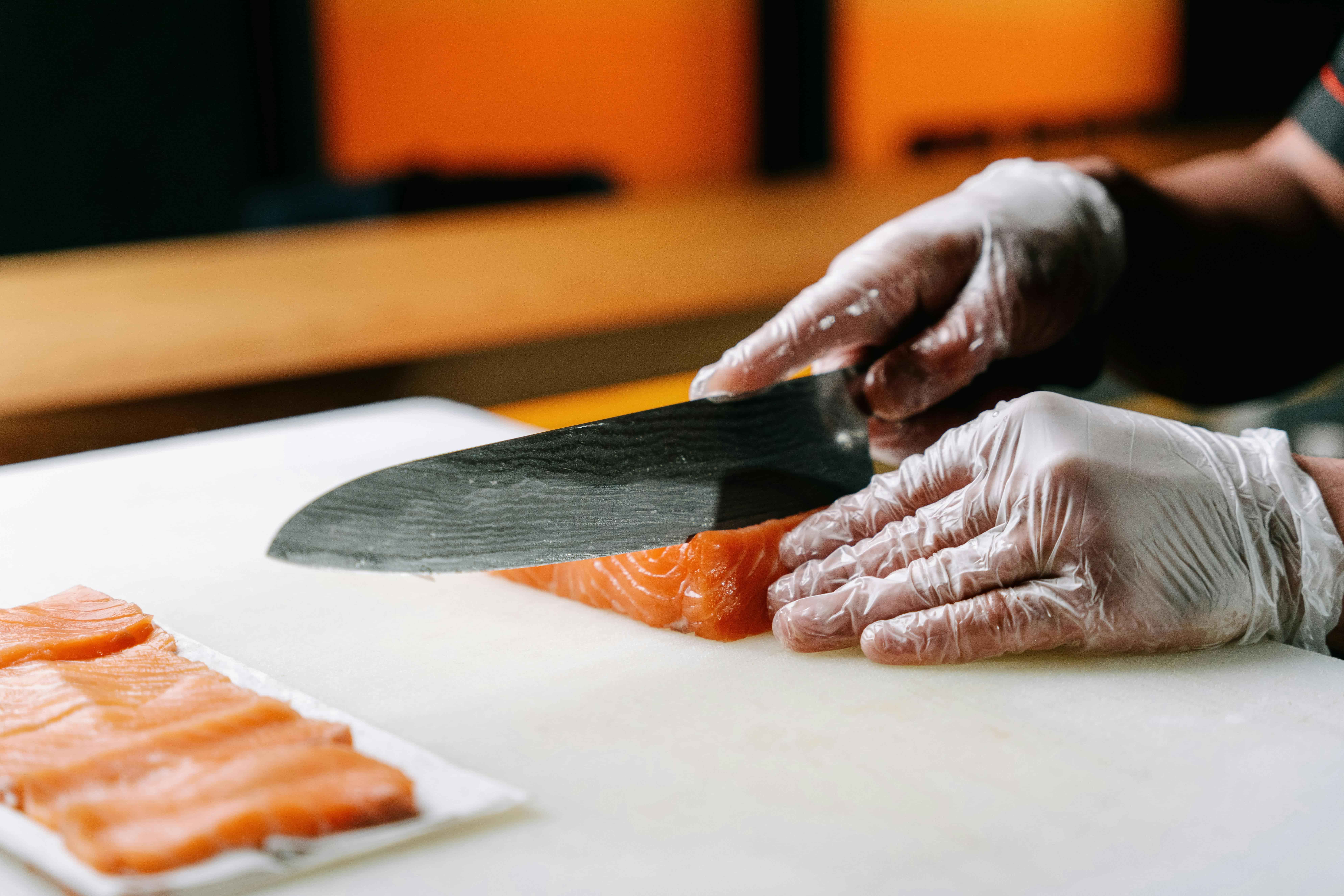
Japanese knife craftsmanship and cutting techniques represent centuries of refinement in pursuit of perfect preparation. Precision required for sushi and sashimi demands knives of exceptional sharpness and cutting skills developed through years of practice.
Different cuts serve specific purposes beyond aesthetics. Angle and thickness of fish slices affect texture and flavor release, while vegetable cutting styles influence cooking times and visual presentation. Master chefs understand how direction of cuts against or with grain affects final dish’s texture and eating experience.
Dining Culture and Etiquette: More Than Just a Meal
Dining in Japan is more than just eating; it’s a cultural experience rooted in respect, gratitude, and harmony.
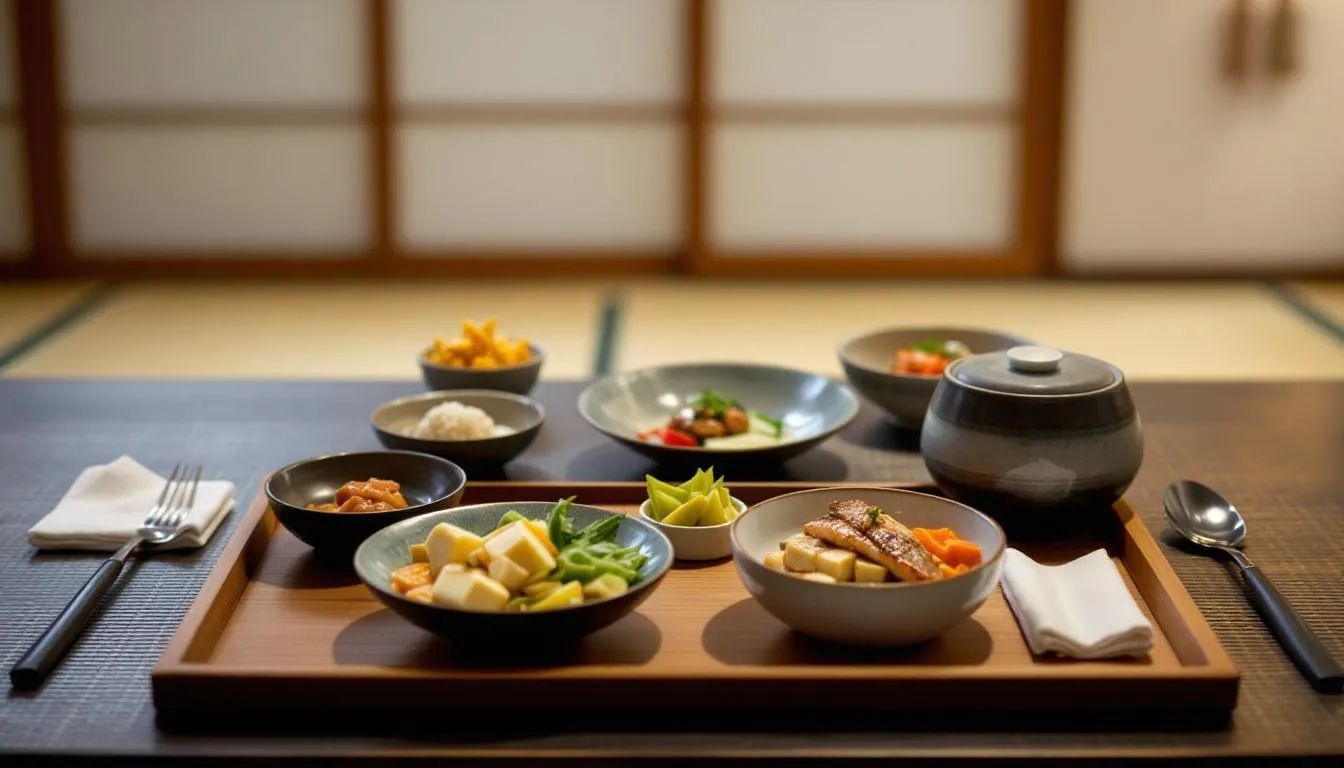
- Traditional Table Settings: Include a rice bowl, soup bowl, and small plates with chopsticks arranged according to etiquette, reflecting respect for the meal.
- Ritual Phrases: Saying “itadakimasu” before eating and “gochisousama” after expresses gratitude for the food and those who prepared it.
- Chopstick Etiquette: Proper handling and avoiding taboos like pointing or sticking chopsticks upright in rice show respect for the dining experience.
- Izakaya Culture: Casual dining spots offering small plates for sharing, fostering social bonding over food and drinks.
- Group Dining: Food is often shared family-style, emphasizing consideration and communal enjoyment.
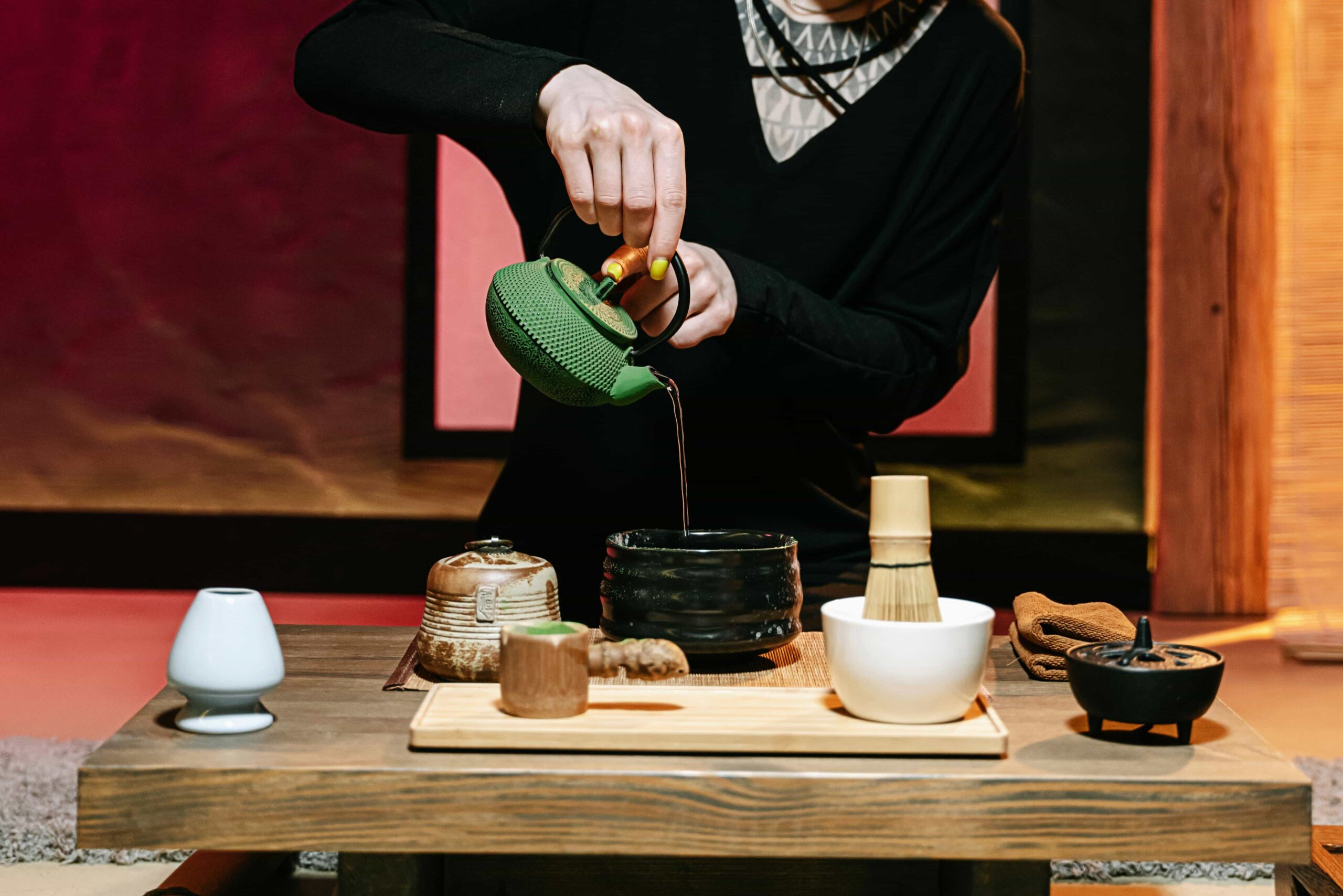
- Tea Ceremony: A formal, ritualized practice focusing on mindful consumption, connecting participants with the present moment through careful tea preparation and traditional sweets.
Seasonal Eating: Following Nature’s Calendar
Japanese seasonal eating extends beyond using ingredients when available; it represents philosophical approach connecting Asian food with natural rhythms and celebrating unique characteristics of each season.
Spring
Spring brings renewal reflected in cuisine through tender vegetables, fresh herbs, and delicate preparations matching season’s gentle character. Bamboo shoots appear in simmered dishes and elaborate kaiseki presentations, their subtle flavor and crisp texture embodying spring’s fresh energy.
Mountain vegetables like ferns and wild herbs provide slightly bitter flavors valued for cleansing properties after winter’s heavier foods. Cherry blossom season brings sakura-themed sweets and drinks capturing ephemeral beauty of Japan’s most celebrated event.
Summer
Summer dining emphasizes cooling foods and refreshing preparations helping body cope with hot, humid weather. Cold buckwheat noodles served with concentrated dipping sauces provide satisfying nutrition without heat of warm preparations. Kakigori—shaved ice with syrups and toppings—offers sweet relief during hottest months.
Autumn
Autumn celebrates harvest abundance with rich, warming flavors preparing body for winter. Matsutake mushrooms, pinnacle of Japanese autumn ingredients, appear in simple preparations highlighting distinctive aroma and texture. Persimmons, chestnuts, and other fruits provide natural sweetness and essential nutrients.
Winter
Winter brings hearty preparations warming body and spirit during cold months. Hot pot dishes like shabu-shabu and sukiyaki provide communal warmth while showcasing premium ingredients like Japanese beef. Preserved foods and fermented preparations provide essential nutrients when fresh options limited.
New Year celebrations feature osechi-ryori—traditional foods with symbolic meanings bringing good fortune. Each dish carries symbolism, from black beans representing health to herring roe symbolizing fertility, creating meals nourishing both body and spirit.
Fine Dining Experiences: Kaiseki and Beyond
Kaiseki ryori is the highest form of Japanese fine dining, turning seasonal ingredients into beautiful, sensory experiences. These multi-course meals follow strict seasonal and artistic rules, making dining a cultural event. Each course carefully balances flavors and textures, starting with light appetizers and ending with simple rice and soup.
- Alongside kaiseki, kappo dining offers a more interactive experience where chefs prepare food in front of you and explain their techniques and ingredients.
- Shojin ryori is a Buddhist vegetarian cuisine from temples that creates satisfying plant-based meals while keeping the same focus on aesthetics and seasonality.
- Robatayaki is a rustic style where chefs grill seasonal ingredients over charcoal in a relaxed setting, blending casual izakaya vibes with fine dining.
These styles together show the richness and variety of Japanese cuisine and its deep cultural roots.
Breakfast Culture: Starting the Day the Japanese Way
Traditional Japanese breakfast provides window into how Japanese food culture approaches most important meal. Unlike Western breakfasts often featuring sweet preparations, Japanese meal mirrors dinner in variety and balance.
Steamed Rice
Complete traditional Japanese breakfast centers around steamed rice, miso soup, grilled fish, and pickled vegetables. Combination provides complete nutrition following balance and harmony principles guiding all Japanese meals.
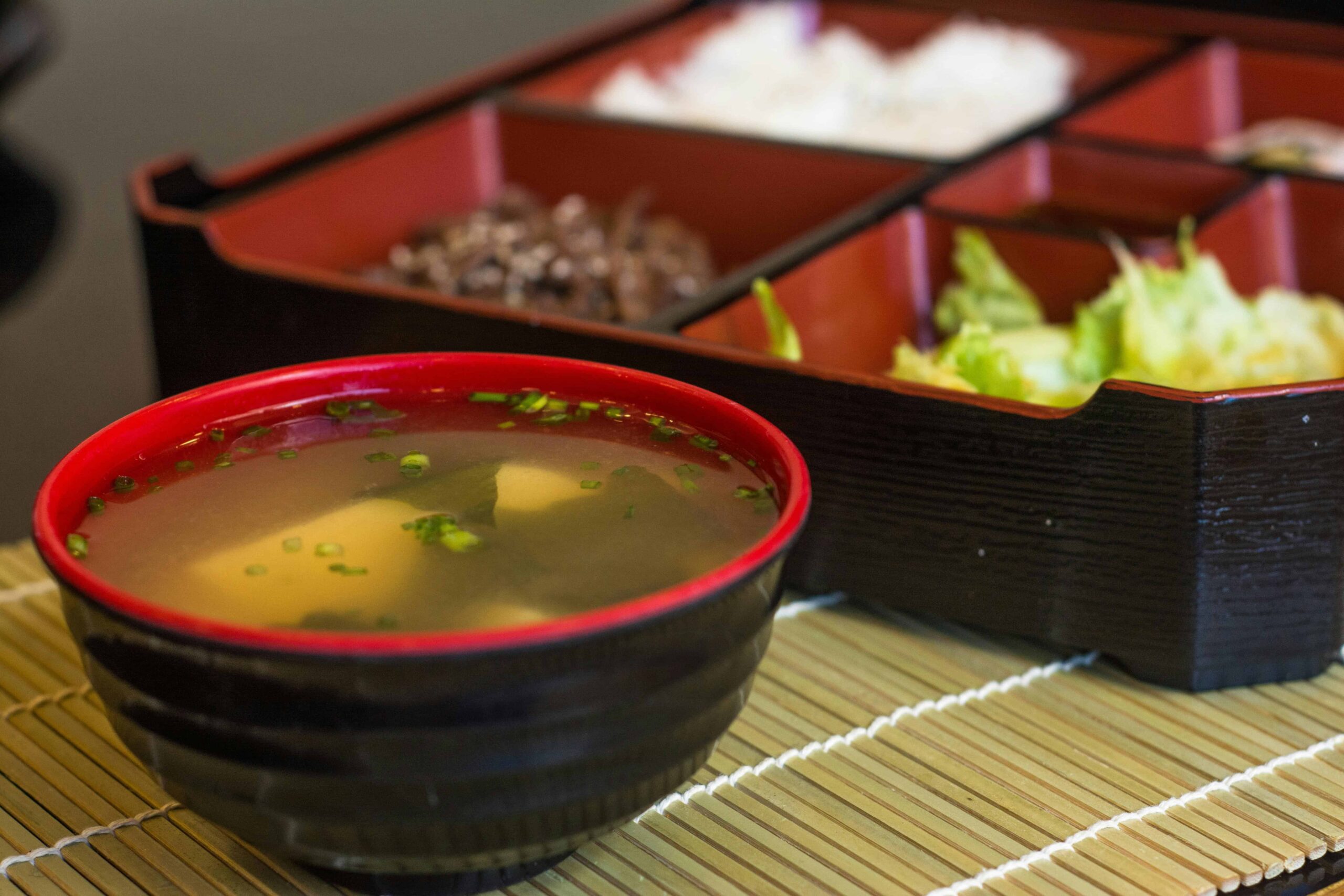
Miso Soup
Complete traditional Japanese breakfast centers around steamed rice, miso soup, grilled fish, and pickled vegetables. Combination provides complete nutrition following balance and harmony principles guiding all Japanese meals.
Grilled Fish
Grilled fish—often salted salmon or mackerel—provides protein and omega-3 fatty acids essential for health.
Pickled Vegetables
Complete traditional Japanese breakfast centers around steamed rice, miso soup, grilled fish, and pickled vegetables. Combination provides complete nutrition following balance and harmony principles guiding all Japanese meals.
Natto
Natto, fermented soybeans with distinctive texture and acquired taste, represents challenging aspect of traditional breakfast for many visitors. Sticky, pungent beans provide exceptional nutrition and probiotics, but texture and flavor require adjustment for unfamiliar with fermented foods.
Tamagoyaki
Tamagoyaki—sweet, layered omelet—demonstrates Japanese approach to egg preparation. Unlike Western scrambled eggs or omelets, tamagoyaki cooked in thin layers and rolled to create dense, slightly sweet preparation pairing beautifully with rice and other components.
Onigiri Rice Balls
Modern breakfast trends increasingly incorporate convenience store options maintaining nutritional balance while accommodating busy lifestyles. Onigiri rice balls filled with salmon, pickled plum, or other ingredients provide portable nutrition maintaining traditional flavors in convenient format.
Ochazuke
Ochazuke—green tea poured over rice with toppings—represents ultimate comfort transforming simple leftover rice into satisfying breakfast. Simple preparation shows how Japanese cuisine creates satisfaction from minimal ingredients through understanding flavor and texture combinations.
Sweet Traditions: Japanese Desserts and Confections
Japanese dessert traditions differ from Western sweets, emphasizing subtle flavors, seasonal ingredients, and artistic presentation over intense sweetness or rich textures. Understanding treats provides insight into Japanese aesthetic values and seasonal awareness.
Wagashi
Wagashi—traditional sweets accompanying tea ceremony—represent edible art forms changing with seasons. Spring wagashi feature cherry blossom themes with delicate pink colors, autumn versions showcase maple leaf designs and flavors reflecting season’s character.
Mochi
Mochi variations demonstrate versatility of glutinous rice preparation, sweet or savory depending on preparation and accompaniments. Sweet potato mochi in autumn, strawberry mochi in spring, and other seasonal variations show traditional ingredient adapting to contemporary tastes while maintaining cultural significance.
Sweet Red Bean Paste (Anko)
Sweet red bean paste (anko) appears in countless Japanese desserts, providing sweetness with complex, earthy flavors complementing rather than overwhelming other ingredients. Preparation can be smooth or chunky, sweet or slightly savory, depending on use and regional preferences.
Matcha-Flavored Desserts
Matcha-flavored desserts gained international popularity while maintaining roots in traditional tea culture. Slightly bitter, grassy flavor of powdered green tea creates desserts with sophisticated taste balancing sweetness with complexity.
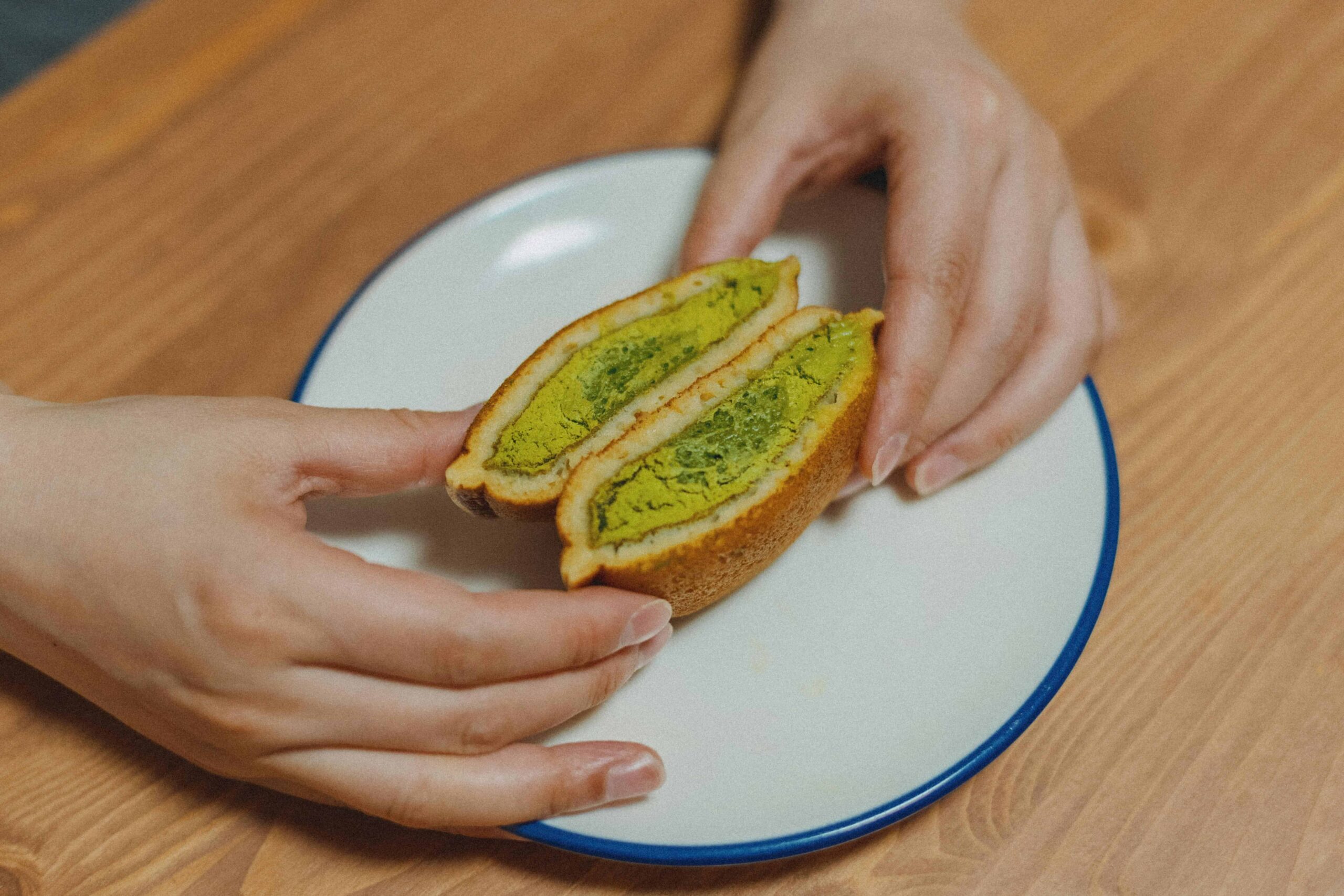
Dorayaki
Modern Japanese confections blend traditional ingredients with international influences, creating treats like dorayaki (pancake sandwiches with sweet red bean paste filling) appealing to contemporary tastes while honoring traditional flavors.
Seasonal Fruit Culture
Seasonal fruit culture elevates simple fruits to luxury status through careful cultivation and presentation. Perfect peaches, pristine strawberries, and flawless melons become gifts expressing care and respect, showing how Japanese culture transforms everyday ingredients into expressions of beauty and thoughtfulness.
Practical Guide for Food Travelers
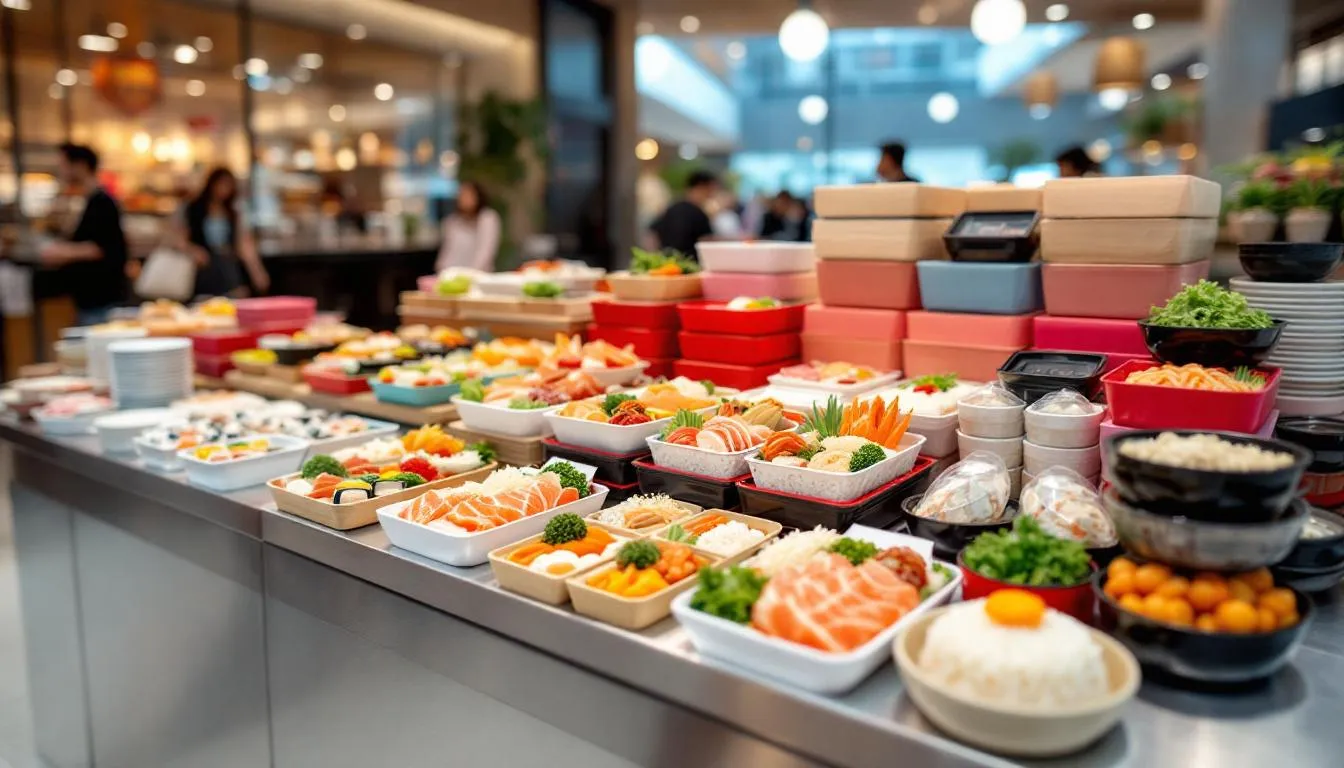
- Plastic Food Models: Many Japanese restaurants display realistic plastic food replicas to help you choose dishes easily despite language barriers.
- Vending Machines: Available 24/7, offering hot coffee, cold tea, soups, and full meals with surprising quality and convenience.
- Convenience Stores (Konbini): Stock a wide variety of fresh sushi, salads, fried chicken, steamed buns, and other affordable, ready-to-eat Japanese foods.
- Department Store Food Courts (Depachika): Found in basements, these elegant halls offer premium prepared foods, bento boxes, and specialty items from renowned artisans.
- Food Markets: Visit places like Tsukiji Outer Market and local morning markets for fresh ingredients and authentic local specialties.
- Payment and Tipping: Many restaurants prefer cash payments; credit cards may not be accepted. Tipping is not customary and can cause confusion.
Dietary Restrictions and Special Needs
Vegetarian and vegan dining in Japan requires careful navigation, as many dishes contain dashi made from fish or other animal products even when appearing plant-based. Buddhist temple cuisine (shojin ryori) offers completely vegetarian options showcasing plant-based Japanese cuisine at its finest.
Halal dining options exist in major cities, though requiring research and planning. Some restaurants specialize in halal Japanese cuisine, others accommodate dietary restrictions with advance notice.
Gluten-free dining presents challenges since soy sauce contains wheat, and many traditional Japanese foods include wheat-based ingredients. Some restaurants now offer gluten-free soy sauce and menu options for celiac sufferers.
Cultural Considerations and Etiquette
Reservation policies vary widely between restaurant types. High-end establishments often require advance reservations, while casual restaurants operate first-come, first-served.
When visiting Japan, consider joining organized food experiences through specialists like Eat Drink Asia, providing guided tours and cultural context enhancing understanding and appreciation of Japanese food culture.
Group dining etiquette emphasizes consideration for others, sharing dishes appropriately, and maintaining dining pace to keep harmony. Individual preferences should balance with group needs; excessive drinking or loud behavior disrupts respectful atmosphere characterizing Japanese dining.
The Global Influence of Japanese Cuisine
Japanese cuisine's international popularity presents both opportunities and challenges in preserving authentic traditions while adapting to global tastes and dietary preferences.
Contemporary chefs continue to innovate with new techniques and presentations, all while honoring seasonal awareness and ingredient respect that define Japanese cooking.
Sustainability concerns, such as overfishing and food waste, are shaping the future of Japanese food culture amid demographic and global changes. Despite these challenges, renewed interest in traditional methods and ingredients thrives, with young chefs blending heritage with modern life.
Food in Japan remains a dynamic tradition, evolving yet grounded in core principles that elevate dining into an art form nourishing body, mind, and spirit—whether experienced through travel, local restaurants, or home cooking.

Asian Food Comfort Trends: Why Broths and Bowls are Dominating Globally
Eda Wong | March 14, 2026
I still remember the first time I faced a “build-your-own” Mala Xiang Guo counter. I stood there, plastic tongs in hand, completely paralyzed by the mountain of choices. Lotus root? Kelp knots? three different types of tofu skin? My anxiety spiked. I panicked, grabbed way too much luncheon meat, and ended up with a $28…
-
The Fifth Element: A Masterclass on Umami in East Asian Cuisine
Dio Asahi | March 12, 2026
I’ll never forget the first time I made miso soup from scratch. Not the instant kind, but the “proper” way. I boiled water, dissolved miso paste, added tofu, and waited. It tasted flat, salty and cloudy but missing the deep, satisfying flavor I loved in Japanese restaurants. I thought maybe I needed better miso. Years…
-
Why My Quest Ended at Yummy Western (409 AMK)
Dio Asahi | March 10, 2026
There’s a specific magic to a late-night supper hunt in Singapore. It’s the ritual of chasing a craving through the humidity to find that one stall that hits the spot. For me, that meant a pilgrimage to Ang Mo Kio Avenue 10. I arrived at 10 PM on a Friday, just as the ‘supper soul’…
-
A Taste of Time: My Dinner at Guan Hoe Soon
Eda Wong | March 7, 2026
There’s something special about visiting a place that has seen decades of Singapore’s history unfold. Guan Hoe Soon, tucked away on Joo Chiat Road, holds the title of Singapore’s oldest Nyonya restaurant, and you can feel that heritage the moment you step inside. I’d heard about it for years, a place where recipes aren’t just…
-
The 5 Best Halal Restaurant in Singapore for Authentic Nasi Padang
Eda Wong | March 5, 2026
There are few meals as satisfying as Nasi Padang, a colourful feast where you choose from a variety of dishes to create your perfect plate. Over the years, I’ve explored Singapore’s Nasi Padang scene, especially in Kampong Glam, sampling everything from humble hawker stalls to renowned spots. This list highlights the five best halal Nasi…
-
The Global Soup Bowl: How Indonesian Soto Shapes the Future of Asiatic Food Traditions
Dio Asahi | March 3, 2026
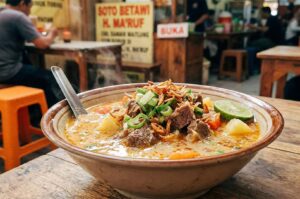
I still remember my first “real” bowl of Indonesian soto. Sitting on a low plastic stool in a cramped warung, I ordered Soto Betawi, expecting it to be like the clear Soto Ayam from Singaporean weddings. I was wrong. The rich, milky broth was intense, creamy, and boldly spiced. That first spoonful rewired my idea…
-
Shun: Japan’s Seasonal Treasures – A Deep Dive Into the Ingredients Behind True Omakase
Eat Drink Asia Team | February 28, 2026
In the world of Asian food, few dining experiences capture the soul of traditional Japanese food culture like omakase. At a premier omakase restaurant, diners entrust their meal entirely to the chef, whose artistry is guided not just by mastery, but by shun—the appreciation of seasonal and fresh ingredients at the absolute peak of their…
-
My Trip to Bánh Mì Saigon and How It Compares to Best Food in Singapore
Eda Wong | February 26, 2026
Located in the bustling neighborhood of Ang Mo Kio, Bánh Mì Saigon offers a taste of Vietnam right here in Singapore. From traditional bánh mì sandwiches to hearty pho bowls and refreshing Vietnamese iced coffee, this restaurant has it all. I arrived at Bánh Mì Saigon on a busy Saturday evening and was immediately drawn…
-
Tea Room by Ki-setsu: A Curated Journey Through Chinese Tea in the Heart of Singapore
Dio Asahi | February 25, 2026
Most people arrive at Chinese tea the way they arrive at any beverage: thirsty, curious, maybe looking for something sweet or soothing. But traditional chinese tea isn’t built like a single drink. It’s a network: leaf origin, processing choices, vessel physics, water, pacing, and the quiet social technology of sitting down long enough for a…
-
Tandoori Chicken: The Signature Indian Chicken Dish
Eda Wong | February 24, 2026
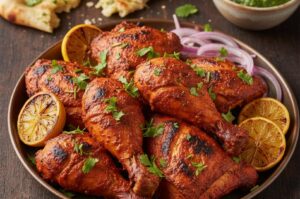
Tandoori chicken stands tall among the best Indian chicken recipes. With its vibrant hue and smoky aroma, this iconic Indian chicken dish is celebrated in Indian restaurants worldwide. Emerging from Punjab, it pairs perfectly with fragrant basmati rice or fresh naan and is a favorite for anyone who loves bold flavors. The hallmark of tandoori…