In Singapore, a city that moves at a dizzying pace, there is a quiet but growing reverence for pursuits that demand patience. Nowhere is this more apparent than in the city’s evolving appreciation for authentic Japanese cuisine. The once-niche world of omakase has entered the mainstream lexicon, and with it, a more discerning palate for one of its most fundamental components: sashimi.
This shift reflects a dedication to satisfying refined palates, with diners seeking out experiences that cater to their sophisticated taste preferences. The conversation has shifted from mere availability to a deeper understanding of what constitutes true quality and good food.
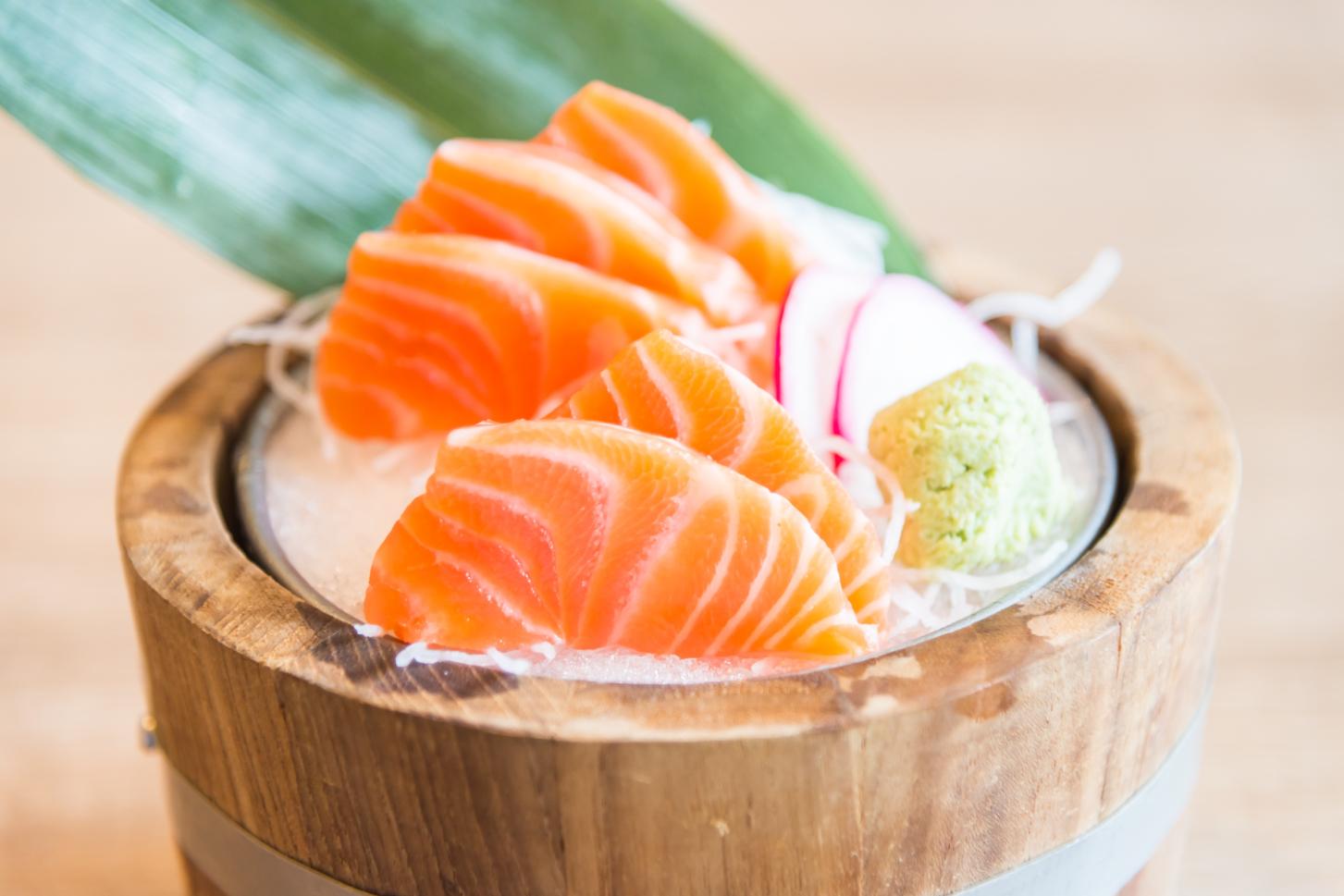
Discover the best sashimi experiences in Singapore, where the search is no longer about finding the thickest slice of salmon fish at the most convenient location. Instead, indulge in a thoughtful exploration of seasonality, sourcing, and the masterful hands that transform a simple piece of fish into an expression of culinary art.
This includes many varieties of fresh seafood, some of which benefit from subtle marinating or carefully controlled aging. It is a quiet pursuit of perfection, one that values integrity over immediacy.
Beyond Fresh: What Defines Quality Sashimi?
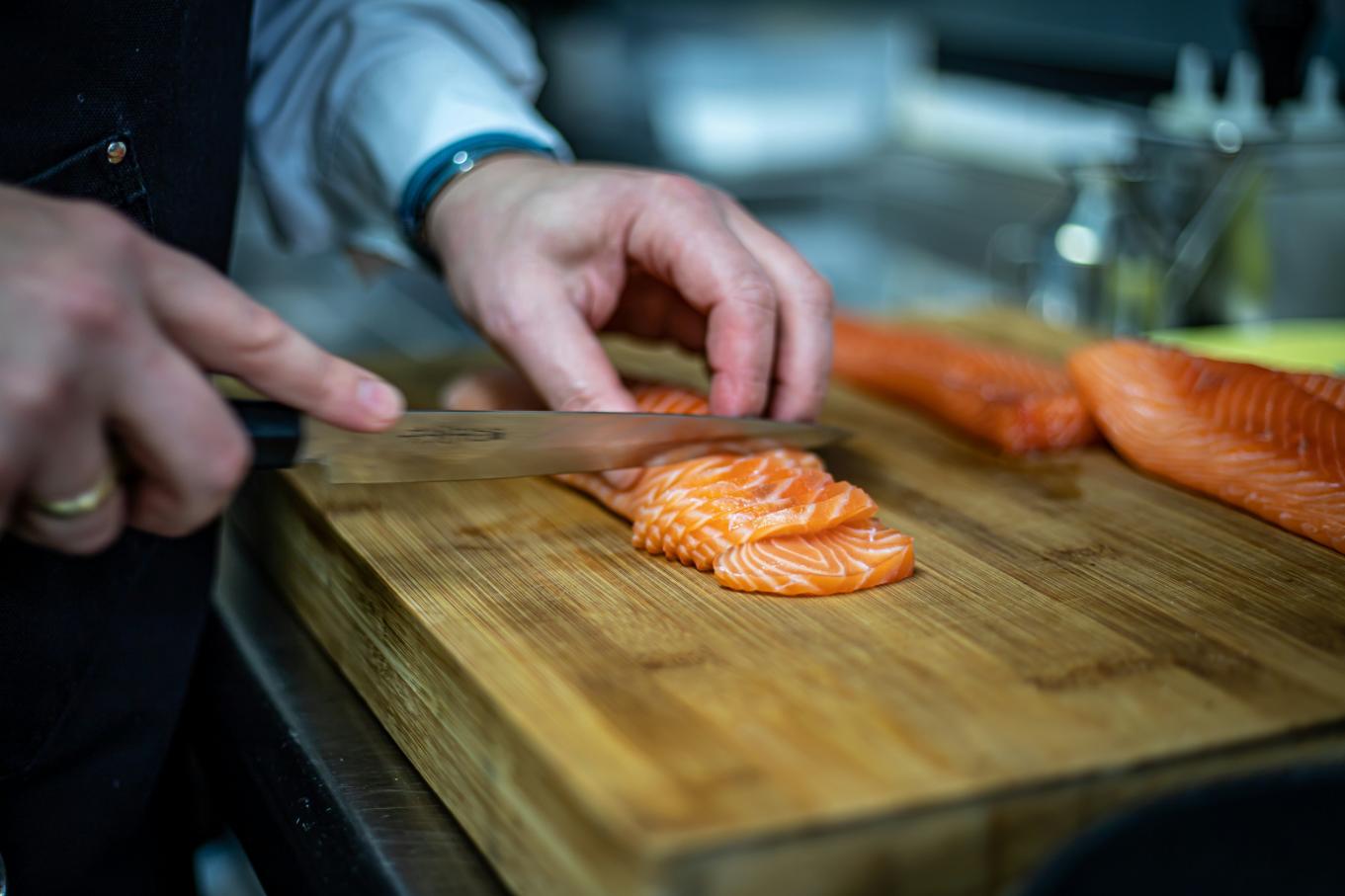
The term “fresh” is often used as a catch-all for quality, but in the context of high-end sashimi, it represents a far more complex ideal—freshness is paramount, ensuring optimal flavor, safety, and visual appeal. While proximity to the sea is a factor, the journey of premium sashimi begins thousands of kilometers away, at the world-renowned Toyosu Market in Tokyo, where only the highest quality ingredients are selected for their superior taste and texture.
Sashimi is a traditional Japanese dish made from raw seafood, carefully prepared and served raw to highlight the natural flavors and delicate textures of the fish. The art of sashimi lies in the chef’s ability to select, handle, and thinly slice the seafood, enhancing both the taste experience and the visual presentation of each piece.
The Toyosu Connection
Every morning, before the sun rises over Tokyo Bay, a meticulously orchestrated auction takes place. The finest catches from Japan’s waters are inspected, graded, and dispatched to chefs around the globe. For Singapore’s top Japanese restaurants, this means a near-daily shipment of fish, often arriving in the city on the same day it was purchased.
This direct line to Toyosu is the first, non-negotiable step in offering truly fresh sashimi in Singapore, where these premium ingredients are showcased across our menus and crafted into exquisite sashimi dishes. The fresh fish from Toyosu is transformed by our chefs into a memorable meal, highlighting the artistry and variety of Japanese cuisine. The careful handling ensures that even when served hot in some accompanying dishes, the sashimi maintains its delicate balance of flavors.
A Matter of Time and Temperature
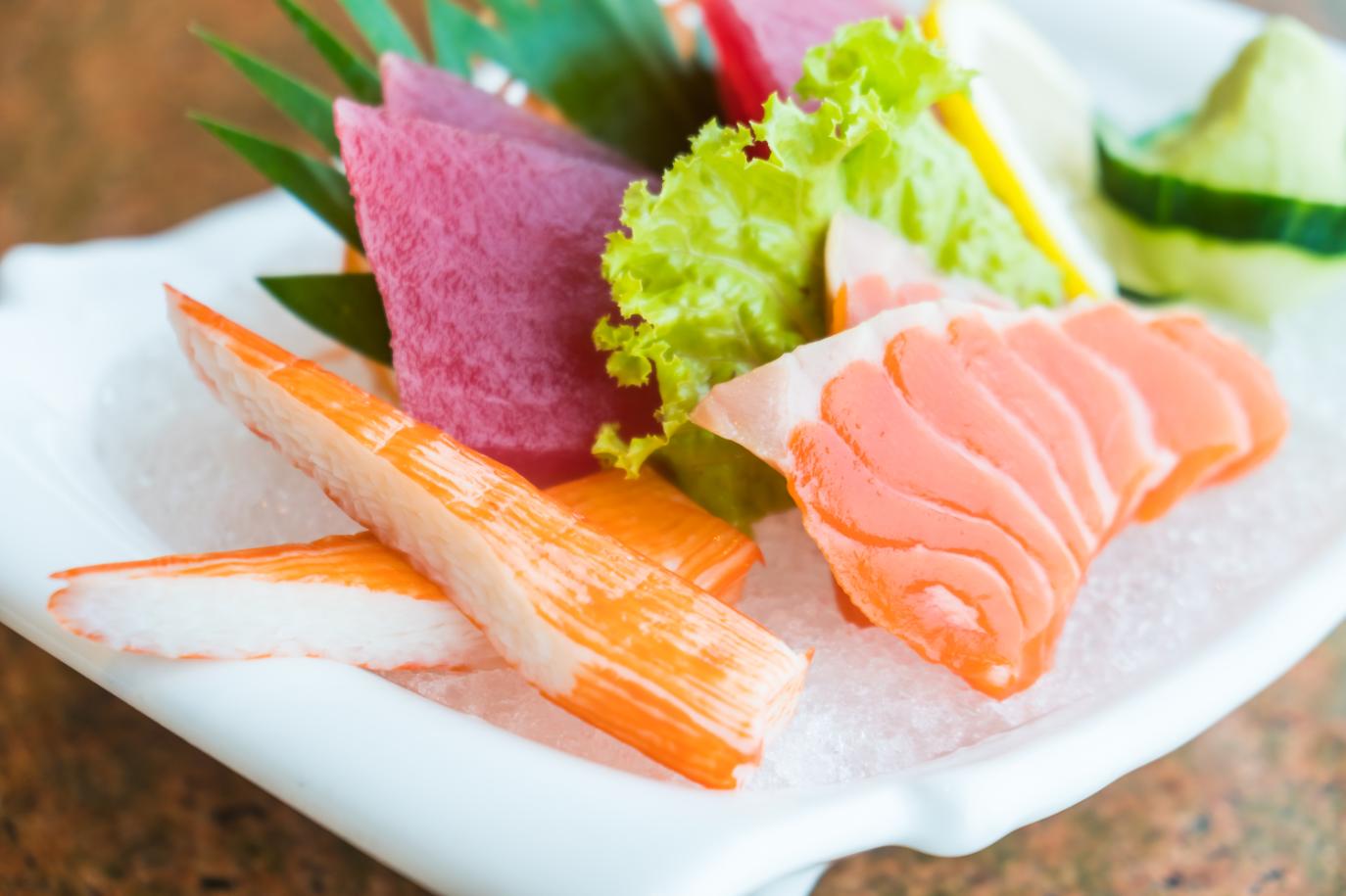
The discipline of a Japanese kitchen is built on respect for ingredients and process. This dedication is often most visible in what is unseen: the hours of preparation that occur long before the first guest arrives. This is where knife work, temperature control, and portioning become paramount.
Every slice of sashimi is a testament to the chef’s skill. The angle of the blade, the pressure applied, and the thickness of the slice are all calibrated to enhance the fish’s natural texture. Temperature is equally critical. Fish served too cold will have muted flavors, while fish that is too warm loses its structural integrity. The perfect piece of sashimi is served at a precise temperature that allows its oils and flavors to express themselves fully on the palate.
A Case Study in Discipline: The Dinner-Only Omakase
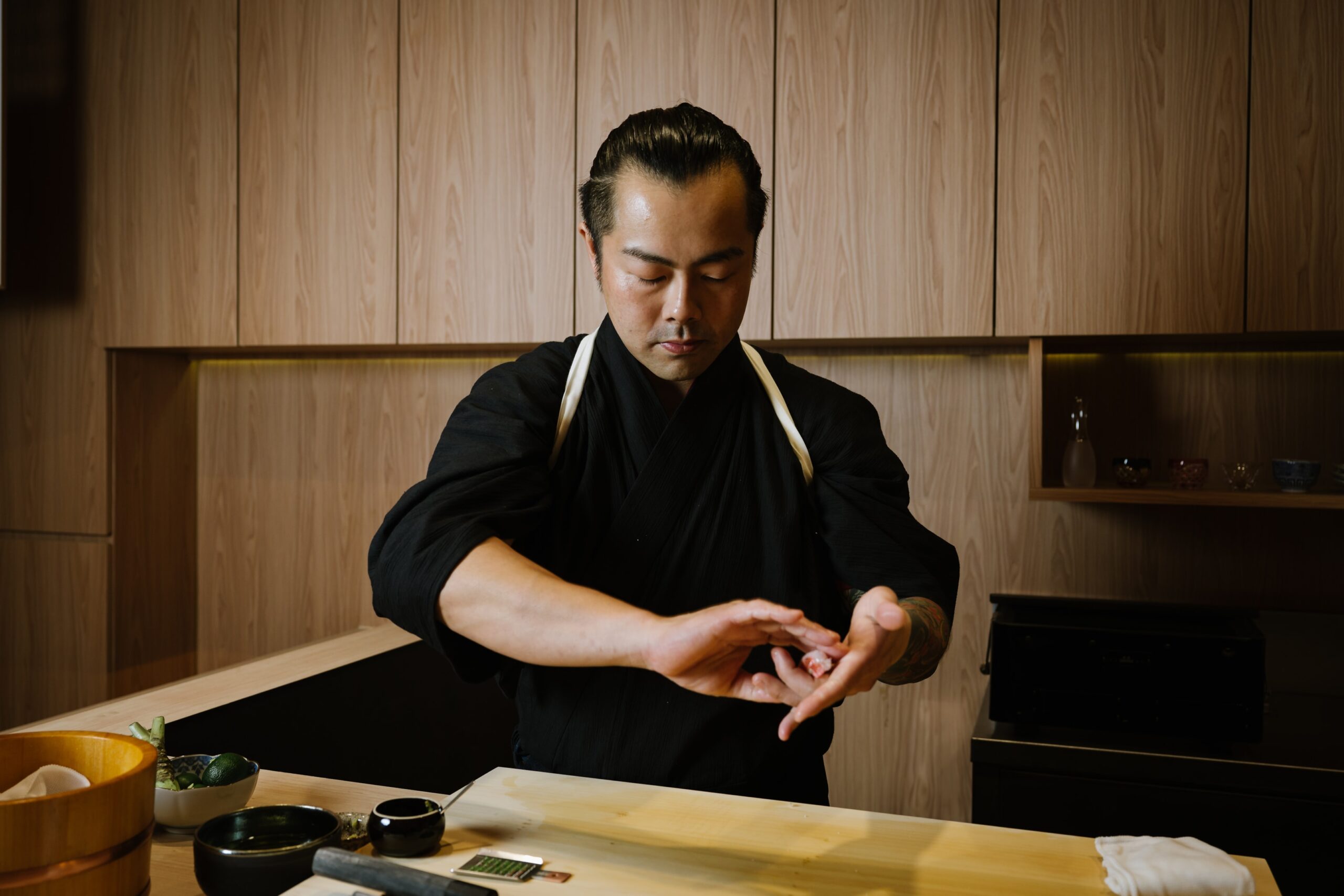
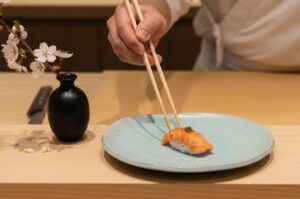
In a competitive dining landscape where maximizing opening hours is standard practice, some establishments choose a more deliberate path. This philosophy is quietly embodied at Sushi Masa by Ki-setsu, a discreet eight-seat omakase counter hidden on the sixth floor of Cuppage Plaza. It is the only restaurant on its level, a serene enclave away from the building’s bustling lower floors.
The Decision to Forgo Lunch
Sushi Masa is notable for many reasons, but one of its most defining characteristics is its dinner-only service. The restaurant does not serve lunch. This is not a commercial oversight but a conscious decision rooted in an unwavering commitment to quality. The reason is simple: the day's fresh seafood from Toyosu Market arrives in the morning.
For an establishment dedicated to serving the best sashimi in Singapore, this timing is crucial. To offer a lunch service would mean one of two compromises: using fish from the previous day’s shipment or relying on frozen stock. Sushi Masa refuses both.
Lunch Hours Dedicated to Preparation
Instead, the lunch hours are the most crucial period of preparation. This is when the real work begins:
- Receiving and Inspecting: The chefs carefully receive and inspect the day’s catch, assessing each fish for quality.
- Cleaning and Portioning: Each fish is meticulously cleaned, scaled, and portioned with precision.
- Aging and Curing: The chefs determine the optimal aging process for each cut, whether it’s a short rest for a white fish or a longer cure for a bluefin tuna belly.
- Menu Conceptualization: The omakase menu is conceptualized based on what is at its absolute peak that day.
The Key: The Art of Aging and Preparation
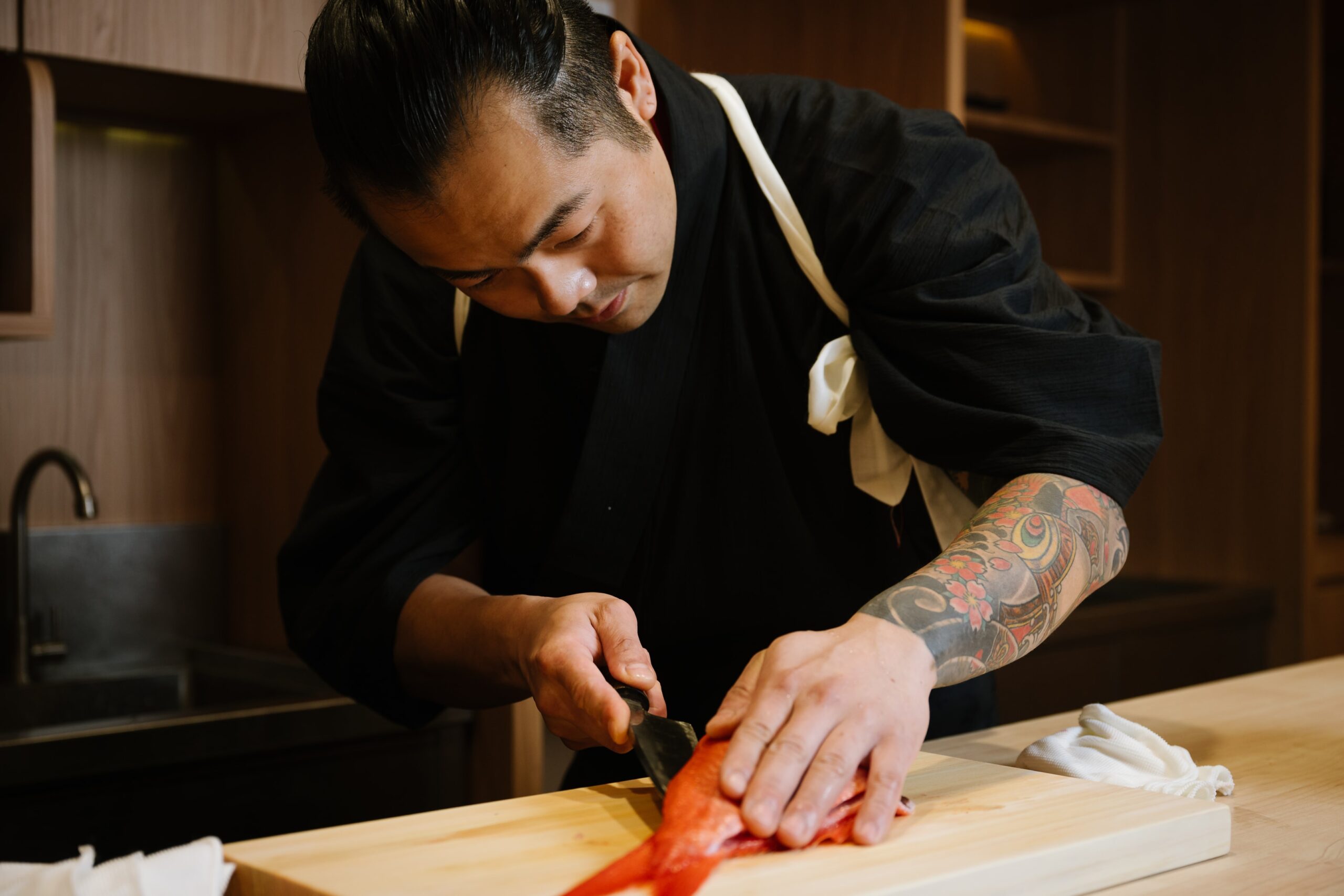
Ironically, the freshest fish is not always the best to eat immediately. The preparation of sashimi and sushi at Sushi Masa by Ki-setsu is entrusted to skilled chefs, whose expertise ensures each piece is handled with precision and care. True craftsmanship begins after the fish arrives. The process, known as jukusei (aging), is a delicate science. Depending on the type of fish—its fat content, muscle structure, and species—a master chef will decide whether to serve it immediately or let it rest. Fatty cuts, such as toro or hamachi, are carefully aged to enhance their taste and texture, resulting in a premium delicacy.
The art of sashimi preparation relies on the chef’s knife skills, with each fish expertly sliced, thinly sliced, or cut into thin slices to create uniform slices that highlight the natural beauty and texture of the raw seafood. Sashimi is traditionally eaten raw, and proper freezing techniques are used to kill parasites and ensure food safety. While sashimi is most commonly made from fish, it can also be eaten as raw meat, such as beef or horse, and is enjoyed as a raw seafood dish among a variety of dishes in Japanese cuisine. Premium sashimi is considered a delicacy, often popularly served as part of a larger meal.
Presentation is elevated with garnishes and vegetables like daikon and shiso leaves, and traditional condiments such as wasabi, soy sauce, grated ginger, and ginger are served alongside to enhance flavor and sometimes help kill bacteria. Certain types of sashimi, such as saba, may be preserved with vinegar or salt to maintain freshness and add depth to the taste. Dashi is sometimes used to enhance the flavor of sashimi, and soup can be made from fish leftovers to utilize the entire fish.
It is important to distinguish sashimi from sushi: sashimi is served without vinegared rice, focusing solely on the quality and preparation of the raw seafood. Eating sashimi involves specific etiquette, such as dipping in soy sauce, adding condiments, and appreciating the chef’s artistry. Chef Masa’s expertise in particularly sushi and sashimi ensures that each dish is a highlight of the omakase meal.
Not just Salmon Sashimi
A wide variety of assorted sashimi is available, including octopus, tako, squid, trout, scallop, yellowtail, hamachi, maguro, uni, salmon sashimi, and swordfish, many of which are popularly served in Japanese restaurants. For those seeking a complete Japanese dining experience, refined dishes like tempura are also offered, showcasing the breadth of traditional Japanese cuisine.
The Pursuit of Authenticity for Traditional Japanese Cuisine Sushi Restaurants

The growing number of diners willing to seek out such experiences signifies a maturing culinary scene. The appreciation for fresh sashimi in Singapore has evolved into an understanding that true excellence is not about convenience. It is about seasonality, the skill of the chef, and a restaurant’s willingness to prioritize the integrity of its ingredients above all else.
Finding the best sashimi is about finding a chef who respects the entire journey of the fish—from the waters of Japan to the auction at Toyosu, through the delicate process of aging and preparation, and finally, to the plate.
It is a quiet pursuit, but for those who seek it, the reward is an experience of unparalleled purity and flavor. It is a reminder that sometimes, the most profound experiences are found not in grand gestures, but in the disciplined and sincere execution of a craft. Continue exploring this world through Understanding Sake Alcohol Content: A Complete Guide to ABV and Flavor and Japanese Sake: The Complete Guide to Japan’s Traditional Rice Wine.

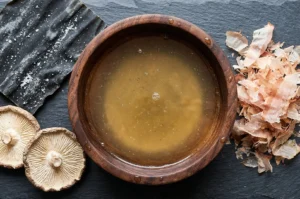
The Fifth Element: A Masterclass on Umami in East Asian Cuisine
Dio Asahi | March 12, 2026
I’ll never forget the first time I made miso soup from scratch. Not the instant kind, but the “proper” way. I boiled water, dissolved miso paste, added tofu, and waited. It tasted flat, salty and cloudy but missing the deep, satisfying flavor I loved in Japanese restaurants. I thought maybe I needed better miso. Years…
-
Why My Quest Ended at Yummy Western (409 AMK)
Dio Asahi | March 10, 2026
There’s a specific magic to a late-night supper hunt in Singapore. It’s the ritual of chasing a craving through the humidity to find that one stall that hits the spot. For me, that meant a pilgrimage to Ang Mo Kio Avenue 10. I arrived at 10 PM on a Friday, just as the ‘supper soul’…
-
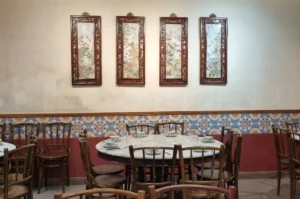
A Taste of Time: My Dinner at Guan Hoe Soon
Eda Wong | March 7, 2026
There’s something special about visiting a place that has seen decades of Singapore’s history unfold. Guan Hoe Soon, tucked away on Joo Chiat Road, holds the title of Singapore’s oldest Nyonya restaurant, and you can feel that heritage the moment you step inside. I’d heard about it for years, a place where recipes aren’t just…
-
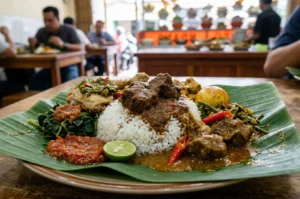
The 5 Best Halal Restaurant in Singapore for Authentic Nasi Padang
Eda Wong | March 5, 2026
There are few meals as satisfying as Nasi Padang, a colourful feast where you choose from a variety of dishes to create your perfect plate. Over the years, I’ve explored Singapore’s Nasi Padang scene, especially in Kampong Glam, sampling everything from humble hawker stalls to renowned spots. This list highlights the five best halal Nasi…
-
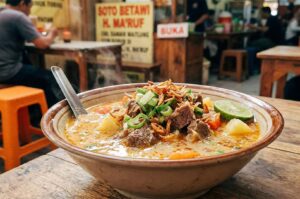
The Global Soup Bowl: How Indonesian Soto Shapes the Future of Asiatic Food Traditions
Dio Asahi | March 3, 2026
I still remember my first “real” bowl of Indonesian soto. Sitting on a low plastic stool in a cramped warung, I ordered Soto Betawi, expecting it to be like the clear Soto Ayam from Singaporean weddings. I was wrong. The rich, milky broth was intense, creamy, and boldly spiced. That first spoonful rewired my idea…
-
Shun: Japan’s Seasonal Treasures – A Deep Dive Into the Ingredients Behind True Omakase
Eat Drink Asia Team | February 28, 2026
In the world of Asian food, few dining experiences capture the soul of traditional Japanese food culture like omakase. At a premier omakase restaurant, diners entrust their meal entirely to the chef, whose artistry is guided not just by mastery, but by shun—the appreciation of seasonal and fresh ingredients at the absolute peak of their…
-
My Trip to Bánh Mì Saigon and How It Compares to Best Food in Singapore
Eda Wong | February 26, 2026
Located in the bustling neighborhood of Ang Mo Kio, Bánh Mì Saigon offers a taste of Vietnam right here in Singapore. From traditional bánh mì sandwiches to hearty pho bowls and refreshing Vietnamese iced coffee, this restaurant has it all. I arrived at Bánh Mì Saigon on a busy Saturday evening and was immediately drawn…
-
Tea Room by Ki-setsu: A Curated Journey Through Chinese Tea in the Heart of Singapore
Dio Asahi | February 25, 2026
Most people arrive at Chinese tea the way they arrive at any beverage: thirsty, curious, maybe looking for something sweet or soothing. But traditional chinese tea isn’t built like a single drink. It’s a network: leaf origin, processing choices, vessel physics, water, pacing, and the quiet social technology of sitting down long enough for a…
-
Tandoori Chicken: The Signature Indian Chicken Dish
Eda Wong | February 24, 2026
Tandoori chicken stands tall among the best Indian chicken recipes. With its vibrant hue and smoky aroma, this iconic Indian chicken dish is celebrated in Indian restaurants worldwide. Emerging from Punjab, it pairs perfectly with fragrant basmati rice or fresh naan and is a favorite for anyone who loves bold flavors. The hallmark of tandoori…
-
Chicken 65: A Fiery Indian Chicken Recipe You Must Try
Eat Drink Asia Team | February 21, 2026
We’ve spent months tracking the ‘shatter-rate’ of chicken across the South, and here’s the truth: most of what you find is a pale, food-colored imitation. The real Chicken 65 isn’t just spicy; it’s an atmospheric experience. It starts with the sharp, herbal snap of curry leaves hitting 180°C oil and ends with a deep, earthy…