As Japan's national beverage, this traditional sake is present at celebrations, quiet dinners, and spiritual offerings, weaving itself into the very fabric of daily life and reflecting Japan's deep-rooted cultural heritage. Yet, for many outside of Japan, it remains a delightful mystery. You might find yourself wondering, how do you drink sake properly to unlock its full potential?
The world of sake is vast and nuanced, but appreciating it doesn’t have to be intimidating. Understanding a few key principles can transform your first sip from a simple taste into a rich cultural experience, especially when you embrace traditional sake customs and rituals that are an important part of the experience.
Here at Eat Drink Asia, we are passionate about guiding you through these traditions. This guide will walk you through everything from serving temperatures to pouring etiquette, giving you the confidence to enjoy Japanese sake wine just as it’s meant to be.
What Is Japanese Sake Wine?
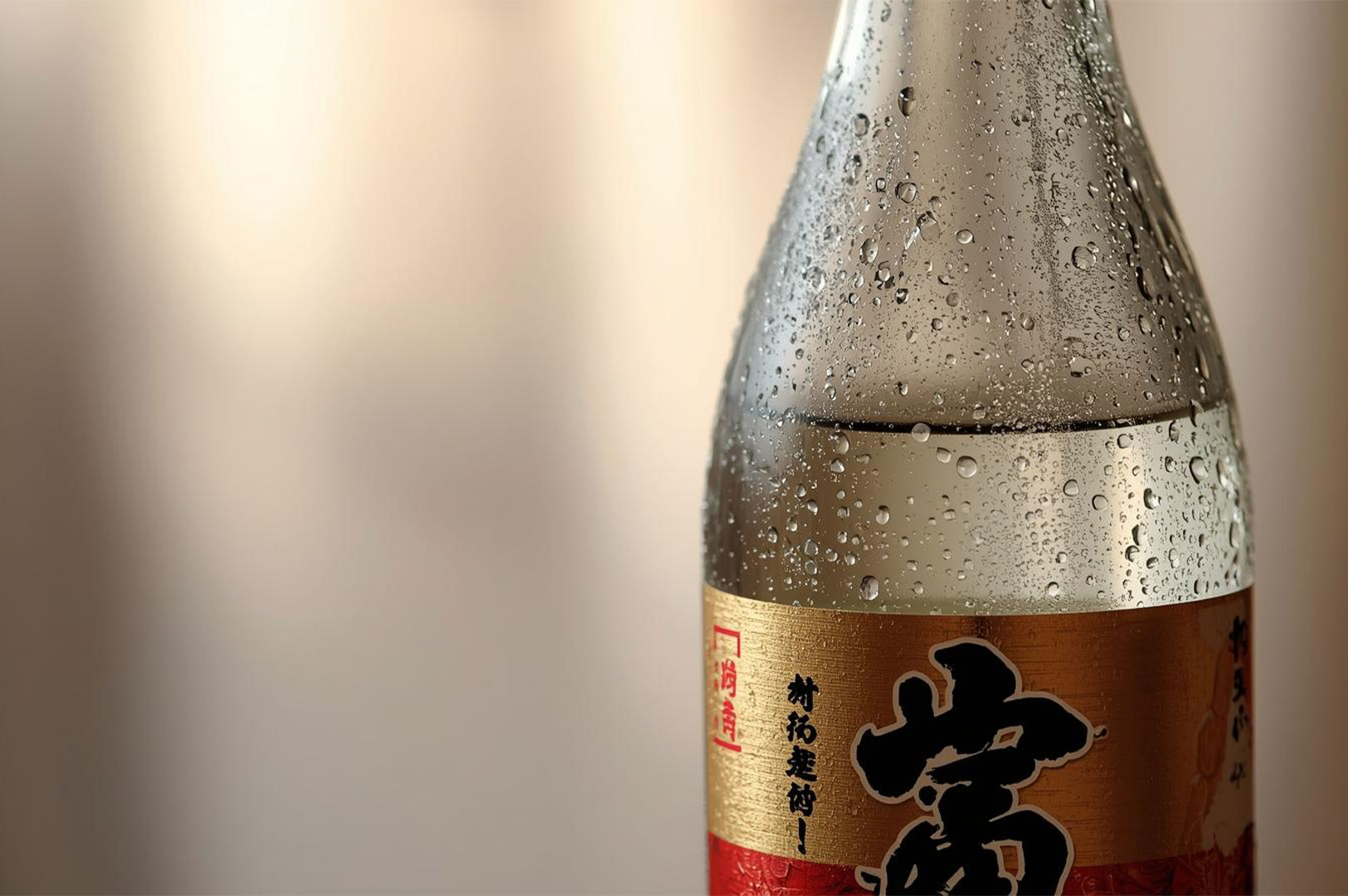
At its core, Japanese rice wine (commonly known as sake) is an alcoholic beverage brewed from four simple ingredients: rice grains, water, yeast, and a special mold called koji. While it’s often called “rice wine,” the brewing process is actually more akin to beer, involving a fermentation process that converts the starch in steamed rice into alcohol. For certain premium types, the fermentation process is carefully controlled at low temperatures to develop delicate aromas and a refreshing taste.
Traditional and modern production methods, including rice polishing and the polishing process, play a crucial role in sake quality. More rice is used and polished away for premium sake, resulting in a higher degree of rice polished. The degree of rice polishing directly affects the flavor and quality of the resulting sake, with longer periods of aging further enhancing complex flavors. During fermentation, lactic acid is naturally produced, especially in traditional methods, contributing to both flavor and preservation.
Some sake types include added alcohol, added distilled alcohol, or distilled alcohol to modify texture, aroma, and increase volume, but high grade sake and true sake typically avoid these additives to preserve purity. Sake brewers and many producers across Japan, each with their own sake brewery, have contributed to a rich history and regional diversity of production methods and specialties.
In recent years, the production process has seen innovations and the emergence of other types of sake, such as junmai ginjo and true sake, expanding the range of options available. The diversity of flavor profiles and the refreshing taste found in different sake varieties reflect the craftsmanship and creativity of Japan’s sake industry.
Sake has been crafted in Japan for over a thousand years, evolving from a rustic village brew into the highly refined drink we know today. Its role in Shinto rituals underscores its spiritual significance, while its presence in modern izakayas highlights its place in contemporary social culture. Understanding this heritage is part of learning how to enjoy sake. For a comprehensive exploration of sake production, brewing methods, and detailed type classifications, read our complete guide to Japanese sake. This article will focus specifically on the practical art of drinking it.
Types of Sake for Beginners
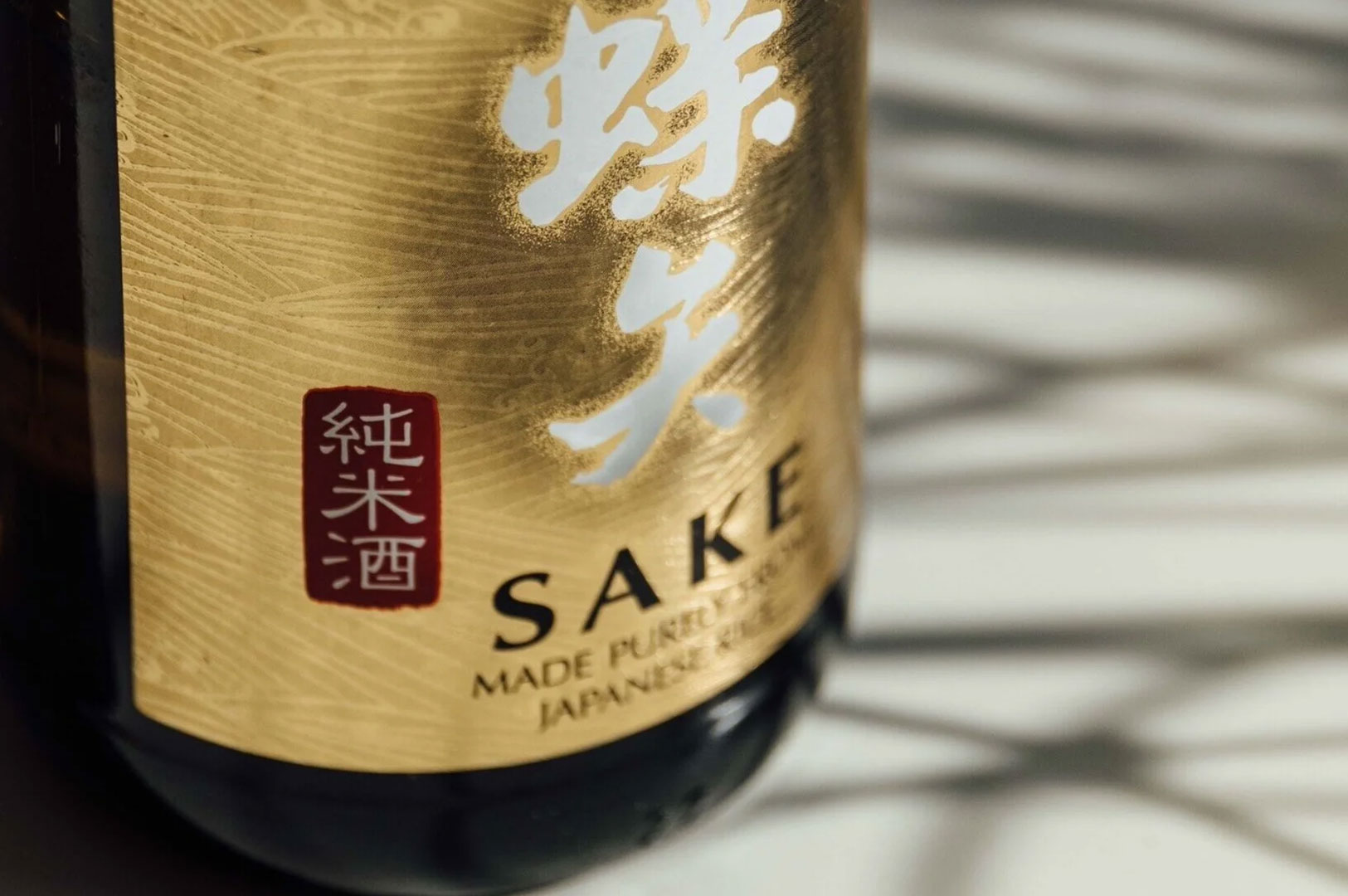
Before we dive into the question of “how do you drink sake,” it helps to know a few basic types. While the world of sake is deep, starting with these common categories will provide a great foundation.
- Junmai: This is pure rice sake, made with only rice, water, yeast, and koji. Junmai sakes are typically full-bodied with a rich, savory flavor profile, and some Junmai sakes have richer and more complex flavor profiles. They are excellent for experiencing the pure expression of the rice.
- Honjozo: Similar to Junmai but with a small amount of distilled brewer’s alcohol added. This tends to create a lighter, smoother, and more fragrant sake. It’s often very drinkable and a great starting point.
- Ginjo & Daiginjo: These are premium sake categories where the rice has been polished to remove a higher percentage of the outer grain. This process results in a more refined, aromatic, and complex flavor. Ginjo is often fruity and floral, and can include sweeter or sweet sake varieties. Daiginjo represents the pinnacle of the brewer’s art—exceptionally smooth and nuanced. The sweetness or dryness of these sakes is often measured using the sake meter value (SMV), also known as the sake meter, which helps indicate whether a sake is sweet or dry.
Sparkling sake is another trendy, easy-to-drink option for beginners, similar to sparkling wine, and is gaining popularity for its fun and approachable style.
Sake comes in a wide range of flavor profiles, from dry to sweet, and the best sake for a meal often depends on the foods being served. There are also many other types of sake beyond the main categories, each with unique flavor profiles, such as namazake and nigorizake (cloudy sake), offering even more diversity for enthusiasts to explore.
For newcomers, starting with a Ginjo or a smooth Honjozo can be a wonderful introduction to the elegance of Japanese sake wine.
How Do You Drink Sake? The Fundamentals
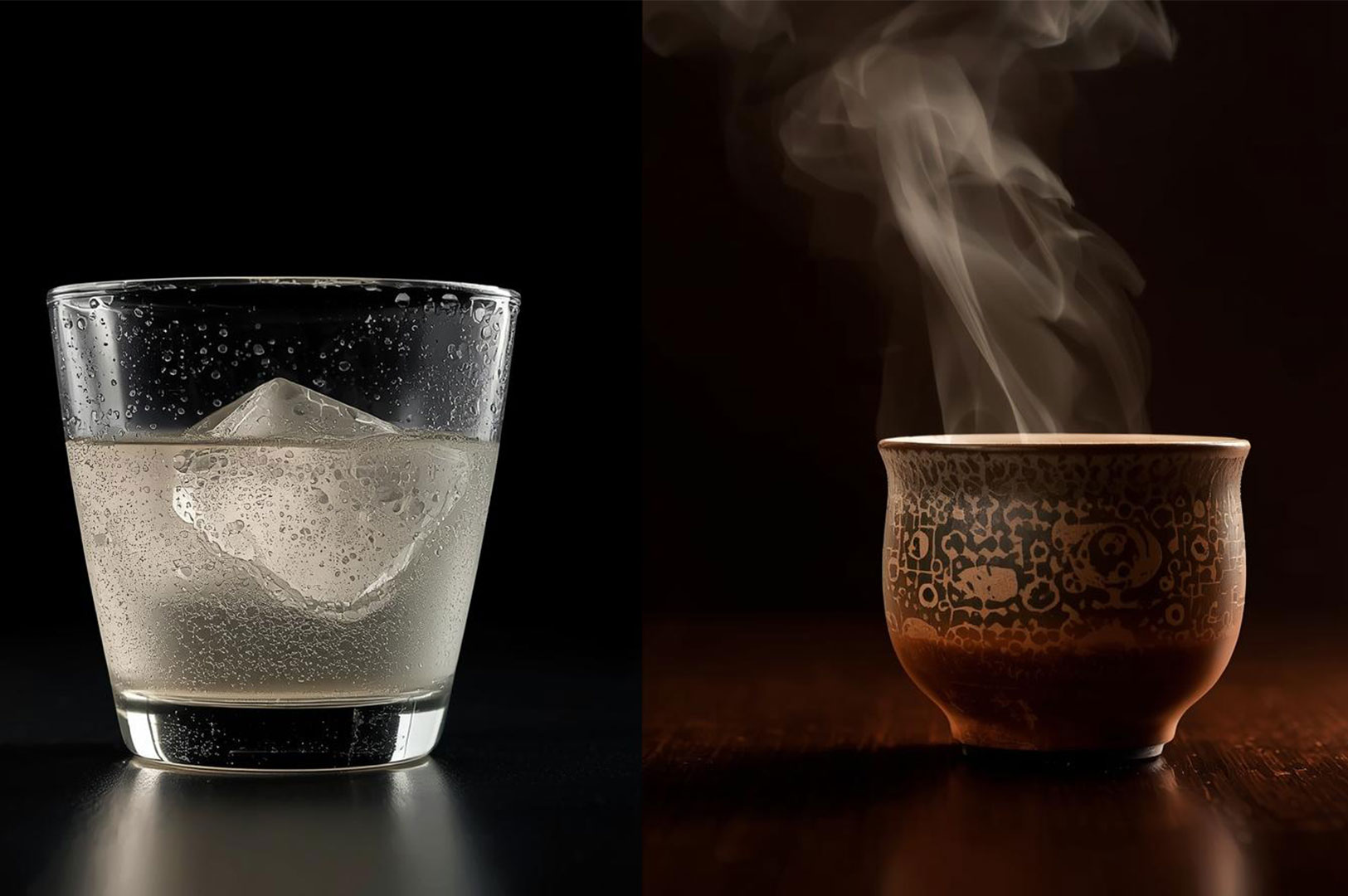
The question of how do you drink sake properly comes down to a few key elements: temperature, the vessel you drink from, and the etiquette of serving. Sake can be enjoyed at different temperatures, including served chilled, cold sake for a refreshing summer drink, or hot sake (called atsukan) for warmth and comfort in winter. Mastering these will elevate your tasting experience immeasurably.
The Critical Role of Serving Temperature
One of the most unique aspects of sake is that it can be enjoyed at a wide range of temperatures, from chilled to steaming hot. The ideal temperature depends on the type of sake.
- Chilled (Reishu): Serving sake chilled (around 5-10°C or 41-50°F) is perfect for delicate, aromatic sakes like Ginjo and Daiginjo. The cold temperature highlights their crispness, subtle fruit notes, and clean finish.
- Room Temperature (Hiya): This is a versatile temperature that suits many sake types, especially robust Junmai varieties. Serving at room temperature allows the full spectrum of flavors and aromas to come forward without being sharpened by cold or altered by heat.
- Warm or Hot (Kan): Warming sake is a traditional practice, particularly for full-bodied Junmai and Honjozo types. The heat can soften any roughness and emphasize the sake's savory, rice-forward notes. Be careful not to overheat it, as this can destroy the delicate flavors. A gentle warming to around 40-45°C (104-113°F) is often ideal.
Pro-Tip: Never serve a high-quality Daiginjo hot, as you will boil off its beautiful, delicate aromas. When in doubt, room temperature is always a safe and respectful choice for any Japanese sake wine.
Choosing the Right Sake Vessel
The cup you use also influences the experience.
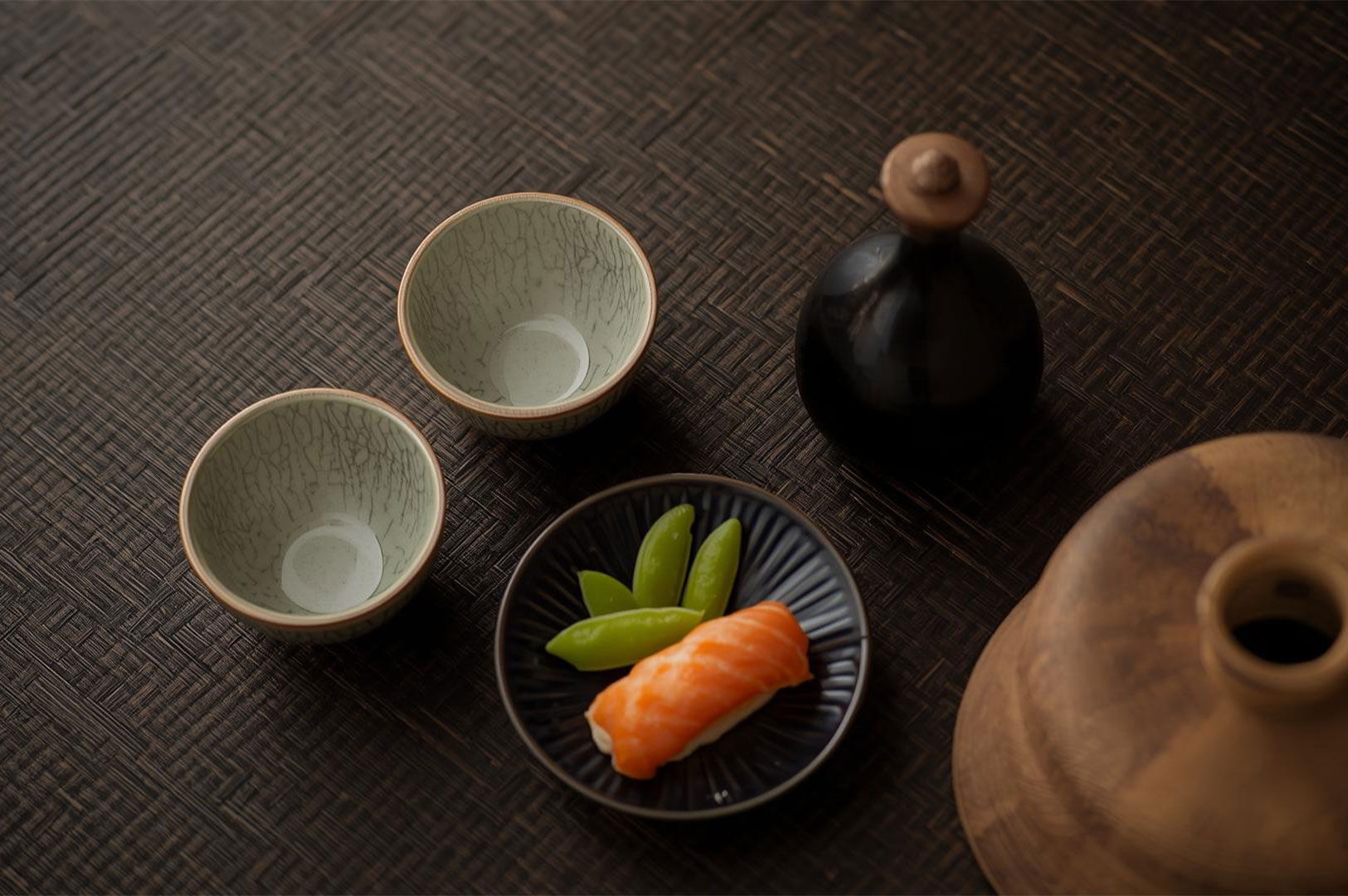
- Ochoko and Guinomi: These are small, traditional ceramic cups. The ochoko is the smaller of the two. They are perfect for sipping and are central to the ritual of pouring for others.
- Wine Glass: For aromatic Ginjo and Daiginjo sakes, a white wine glass is an excellent choice. The shape of the glass helps concentrate the delicate aromas, allowing you to appreciate the fragrance before you sip. This modern approach is popular among sake connoisseurs.
- Wooden Box (Masu): Traditionally, sake is also served in a wooden box called a masu, which holds one serving (called ichi go, about 180 ml). Sometimes a glass is placed inside the masu and sake is poured until it overflows into the wooden box. This style is a fun way to enjoy sake and adds a rustic charm to the experience.
The Etiquette of Pouring and Receiving Sake
In Japanese culture, serving sake is an act of hospitality and respect. If you want to know how do you drink sake traditionally, start with the pour.
- Never Pour for Yourself: In a group setting, it is customary to pour for others, and they, in turn, will pour for you. Topping up your own glass is considered poor manners.
- Pouring Technique: When pouring, hold the tokkuri (sake flask) with your right hand while supporting the bottom with your left hand. This is a sign of respect and control.
- Receiving a Pour: When someone is pouring for you, hold your ochoko up with both hands—one hand to hold the cup and the other to support its base. It is a sign of respect.
Sake Tasting Tips and Etiquette

Once your cup is full, the next step in learning how to drink sake is appreciating its qualities.
- Observe the Color: Good sake is typically clear, though it can have faint straw or golden hues. Some unfiltered sakes may contain rice solids, giving them a cloudy appearance known as cloudy sake.
- Appreciate the Aroma: Before sipping, bring the cup to your nose. If you’re using a wine glass, give it a gentle swirl. Note the scents—are they fruity, floral, earthy, or rice-like?
- Take a Small Sip: Let the sake wash over your palate. Notice the texture—is it smooth, rich, crisp, or clean? Identify the flavors. Do they match the aroma?
- Notice the Finish: Pay attention to the aftertaste. Does it linger pleasantly or finish quickly and cleanly?
- Kanpai!: The Japanese word for “cheers” is kanpai. When toasting, you can gently touch your cups together.
A common mistake to avoid is shooting sake like a shot of liquor. Japanese sake wine is meant to be sipped and savored slowly to appreciate its complex character.
Pairing Sake with Food
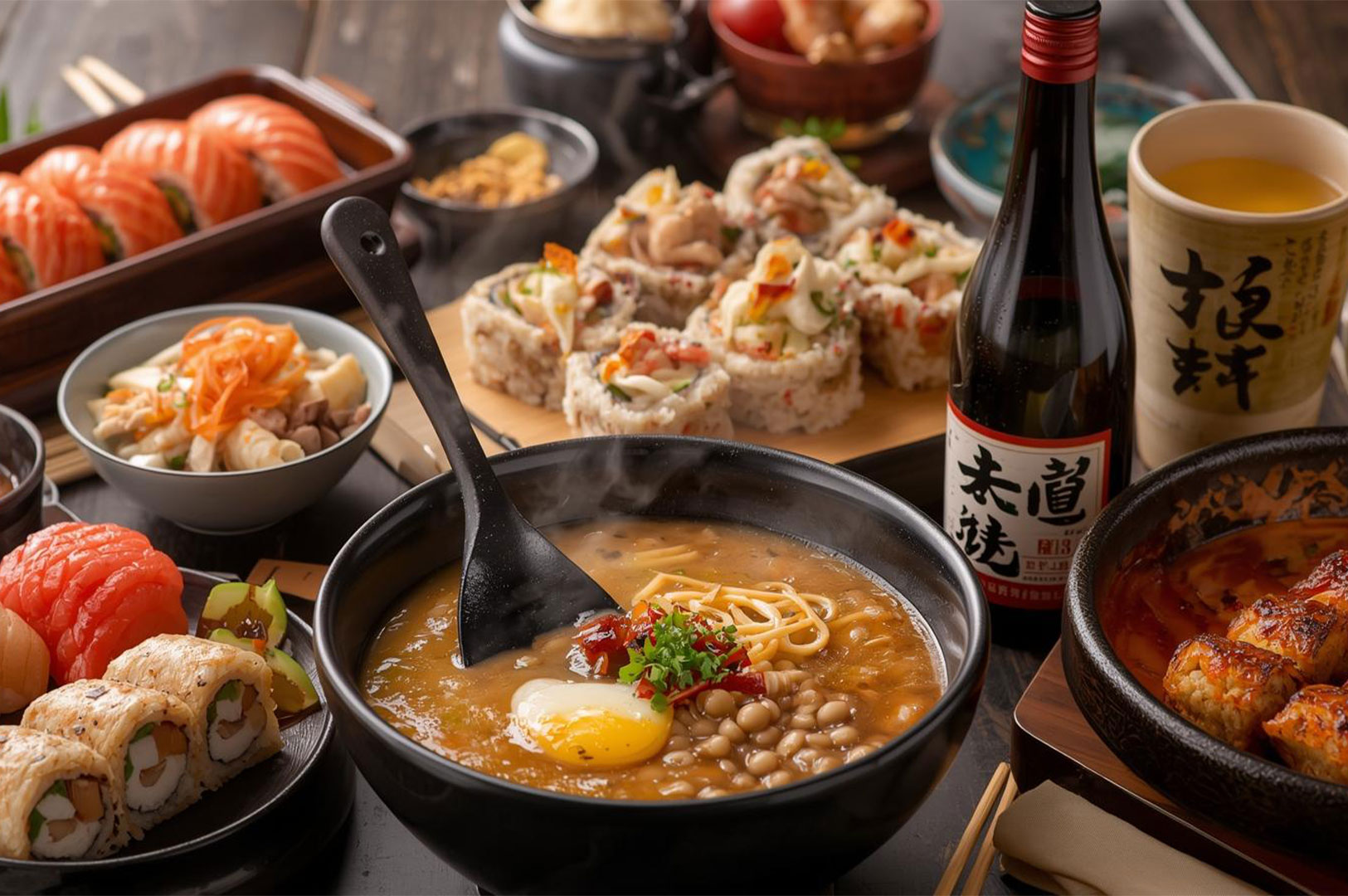
Sake is an incredibly food-friendly beverage. Its umami content helps it harmonize with a wide range of cuisines, not just Japanese food.
- Crisp, Dry Sake (like some Honjozo): Pairs wonderfully with light dishes like sushi, sashimi, and salads.
- Fruity, Aromatic Sake (Ginjo): Complements grilled chicken (yakitori), seafood, and lightly seasoned vegetables.
- Rich, Earthy Sake (Junmai): Stands up well to heartier, savory dishes like ramen, tempura, and grilled meats.
For an authentic experience, try pairing local sake with regional foods—this combination can enhance the dining experience and highlight the unique flavors of each area's specialties.
Don’t be afraid to experiment! The versatility of Japanese sake wine is one of its greatest strengths. A dry Junmai with a cheese platter can be a revelation.
Common Questions About Drinking Sake
Let’s address some frequently asked questions about how do you drink sake.
- Is sake a wine or a spirit?
Neither. It’s in a category of its own. It’s a brewed beverage like beer but has an alcohol content closer to wine. Most sake has an alcohol content of around 15 percent, which is typical for this drink. - Should sake always be served hot?
No, this is a common myth. As discussed, the best serving temperature depends on the sake type. Premium sakes are almost always better chilled or at room temperature. - Can you drink sake straight?
Yes! Sake is almost always meant to be drunk straight, not mixed into cocktails (though sake cocktails are a growing trend). - How much sake should you pour?
Fill the ochoko to about 80% capacity. Overfilling can make it difficult to drink without spilling.
Enjoy Sake Today
By understanding the importance of temperature control, choosing the right vessel, and embracing the etiquette of sharing, you can unlock a new level of appreciation for Japanese sake wine.
The best way to learn is by doing. We encourage you to visit a local Japanese restaurant or a well-stocked bottle shop, pick a sake bottle that intrigues you, and practice what you’ve learned. For a deeper experience, consider touring a sake brewery to see the sake production process firsthand, or visit specialty sake bars where you can sample a curated selection and learn from knowledgeable staff. Whether you enjoy it chilled on a warm evening or warm on a cool night, the journey into sake is a rewarding one. *Kanpai!
For those eager to experience this craftsmanship firsthand, Sushi Masa by Ki setsu embodies the shokunin spirit, showcasing how Japan's craftsman philosophy lives inside Singapore's most disciplined omakase counter.

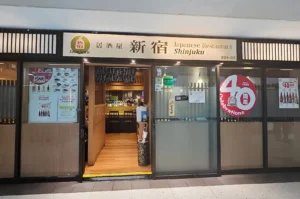
Shinjuku Restaurant, Where Cuppage Plaza Keeps Japanese Comfort Food Uncomplicated
Dio Asahi | October 27, 2026
I almost walked past Shinjuku Restaurant. That is easy to do in Cuppage Plaza. Step away from the polish of Orchard Road and the building feels older, quieter, and much less interested in catching your attention. Shinjuku sits on the ground floor at 5 Koek Road, behind a frontage that gives little away about the…
-
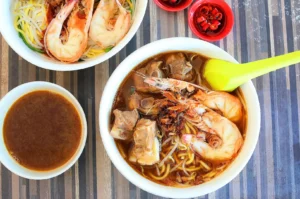
Prawn Mee in Singapore: Bowls Where the Broth Tastes Like Time
Eda Wong | October 24, 2026
I do not remember the first bowl of prawn mee I ever ate. But I remember the smell: that deep, roasted-shell darkness that fills a coffee shop before you have even sat down. My grandfather used to say you could tell a good prawn noodle stall from the doorway, just by breathing. Over the years,…
-
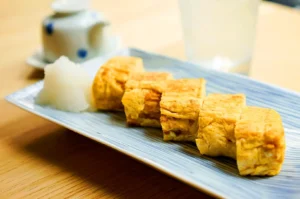
How to Make Dashimaki Tamago, the Japanese Rolled Omelette That Tastes Like Broth
Eat Drink Asia Team | October 22, 2026
Dashimaki tamago is one of those dishes that looks quieter than it is. At first glance, it is just a rolled egg. Pale, soft, sliced neatly, often served beside steamed rice, miso soup, and grated daikon radish. But once you make it, you realise it is not really about eggs alone. It is about how…
-
The Lunch Hour Slows Down at Gochi-So Shokudo
Dio Asahi | October 21, 2026
By Dio Asahi for Eat Drink Asia. It’s just past noon, and the lifts keep opening. Suits spill out, lanyards swinging, phones already halfway to their ears. But inside Gochi-So Shokudo, tucked into One Raffles Place, something else is happening. People are sitting down. Actually sitting. Chopsticks lifting, shoulders dropping a little, the room warm…
-
Kintamani Singapore Review: Can an All-You-Can-Eat Buffet Still Taste Like Indonesia?
Dio Asahi | October 20, 2026
I walked into Kintamani Singapore with one question in mind. Buffets ask food to wait. Rendang, sambal, grilled meats, and fried seafood all sit under heat while diners circle the spread. That is not necessarily kind to Indonesian dishes built around texture, reduction, chilli, coconut, and freshly cooked aromatics. So I was less interested in…

Pagi Sore Indonesian Restaurant Est 1989 Review: A Second-Generation Kitchen That Still Knows Its Own Voice
Eda Wong | October 17, 2026
The first thing I noticed at Pagi Sore Indonesian Restaurant was the smell. Not the sharp, showy kind. Something slower: coconut milk, lemongrass, chilli, fried egg, and the deep warmth of spice paste drifting out from a wood-heavy dining room while Far East Square kept moving outside. I walked over on a Wednesday evening, just…
-
Best Fish Soup in Singapore: Bowls Where the Broth Is the Whole Point
Eat Drink Asia Team | October 15, 2026
I don’t remember when fish soup became my quiet meal. It just did. On days when I couldn’t decide what I wanted, when the weather turned grey, when I needed something warm that asked nothing of me, I’d end up hunched over a bowl, breathing in the steam before the first spoonful. I’ve eaten a…
-
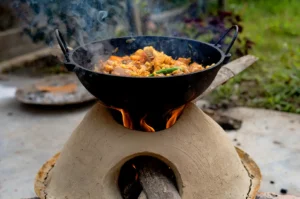
The Clay Stove Heat Beneath a Lao Grilled River Fish
Eda Wong | October 14, 2026
By Eda Wong for Eat Drink Asia It’s late afternoon, and the river is the colour of weak tea. A woman crouches beside a small clay stove at the edge of the bank, feeding it slivers of charcoal. Smoke lifts, thin and grey, and drifts toward the water. On a bamboo skewer, a whole fish…
-
The National Dish of Indonesia Is Not One Plate: Why a Country of Islands Needs Many Icons
Dio Asahi | October 13, 2026
The first time someone asked me for the national dish of Indonesia, I answered nasi goreng without thinking. It seemed obvious: fried rice darkened with kecap manis, often topped with a fried egg, familiar from warungs and late-night street food stalls. That answer is not wrong. It is simply too small. Indonesian food is regional,…
-
Sapporo in a Bowl: Soup Curry by Ki-setsu Comes to Singapore
Eda Wong | October 12, 2026
Ask most Singaporeans to picture Japanese curry and a familiar image probably comes to mind: a plate of rice beneath thick brown gravy, perhaps with a breaded cutlet sliced neatly across the top. It is rich, sweet-edged, comforting and, by now, almost as recognisable as ramen or donburi. Head to the fourth floor of Fortune…