A vibrant, emerald-hued wave is sweeping across Asia, delighting taste buds and defining modern café culture. From street-side stalls in Bangkok to chic tea houses in Taipei, green milk tea—sometimes simply called green tea with milk—has blossomed from a simple concept into a beloved, refreshing drink with countless regional interpretations and profound cultural significance.
Whether you crave the grassy freshness of Japanese matcha, the floral lift of a jasmine green milk tea, or the ultra-creamy sweetness of Thai green milk tea, this beverage brings together the best of Asian tea heritage with the comfort of milk, oats, coconut milk, or other dairy free options. Join us as we explore the world of green milk tea, uncovering the ingredients, creative twists, and preparation methods that make each cup a unique delight—and a testament to Asia’s endless beverage creativity.
What is Green Milk Tea?
At its most fundamental, green milk tea is a delicious combination of green tea—made from tea leaves or fine powder like matcha—and your preferred milk. Unlike robust, malty black tea, green tea offers lighter, earthy notes and a smoother profile, often complemented by sweet or creamy undertones. Add milk—be it whole milk, oat milk, soy milk, almond milk, coconut milk, or other milk alternatives—and you immediately feel the drink transform, balancing delicate tea flavors and offering a creamier texture.
Beyond taste, green milk tea appeals for its health benefits—antioxidants for weight management, less caffeine for sensitive palates, and naturally occurring amino acids that cater to diverse dietary needs. Whether you seek something indulgent or lighter fare, green tea and milk offer culinary options for every occasion.
Regional Variations of Green Milk Tea Across Asia
The fascination with green milk tea is magnified by the dazzling diversity found across Asia, where every country adds its own signature spin and preferred ingredients to this classic combination.
Thailand – The Unforgettable Thai Green Milk Tea
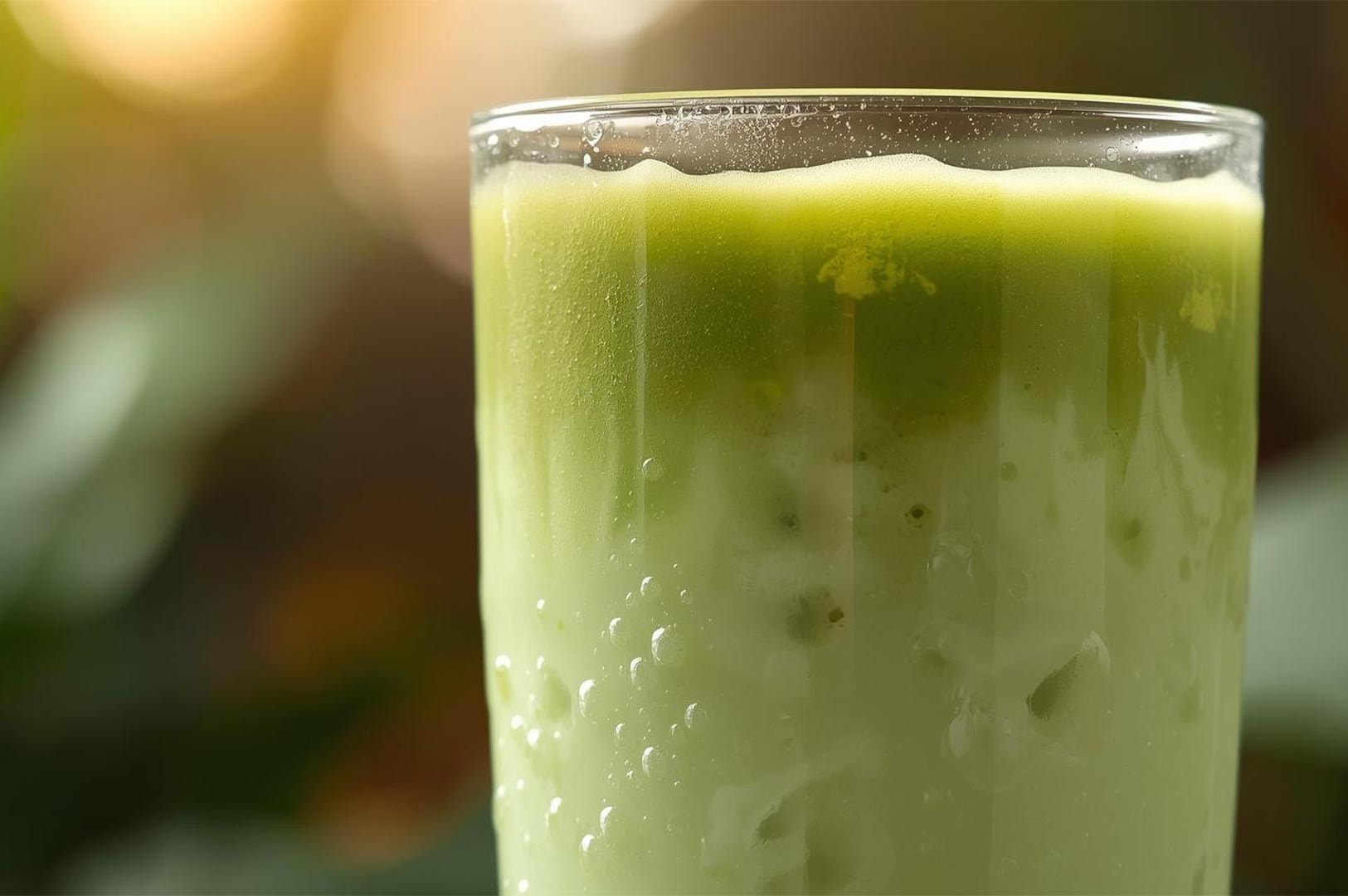
For many, the introduction to green milk tea comes through the dazzling Thai version—Cha Khiao Nom Yen.
With its signature electric emerald color, poured over ice and served in a tall glass, this indulgent milk tea is sweet, creamy, and impossibly smooth. The classic Thai recipe often blends a proprietary green tea with locally beloved additions such as jasmine aroma, pandan, and sometimes lemongrass, lending a depth that pairs perfectly with sweetened condensed milk and evaporated milk. Coconut milk is occasionally used for a dairy free option—adding a subtle richness.
Enjoyed throughout Thailand as a classic street drink or during hot afternoons, Thai green milk tea is refreshingly cool, creamy, and balanced with a slightly earthy base. The addition of sugar—sometimes brown sugar syrup or maple syrup—rounds out the flavor, making it a favorite for those who crave a sweet treat with their green tea.
For a deeper dive into this beloved Thai beverage, check out our complete guide to Thai Green Milk Tea: The Complete Guide to Thailand’s Refreshing Emerald Delight.
Japan – The Refined Matcha Latte
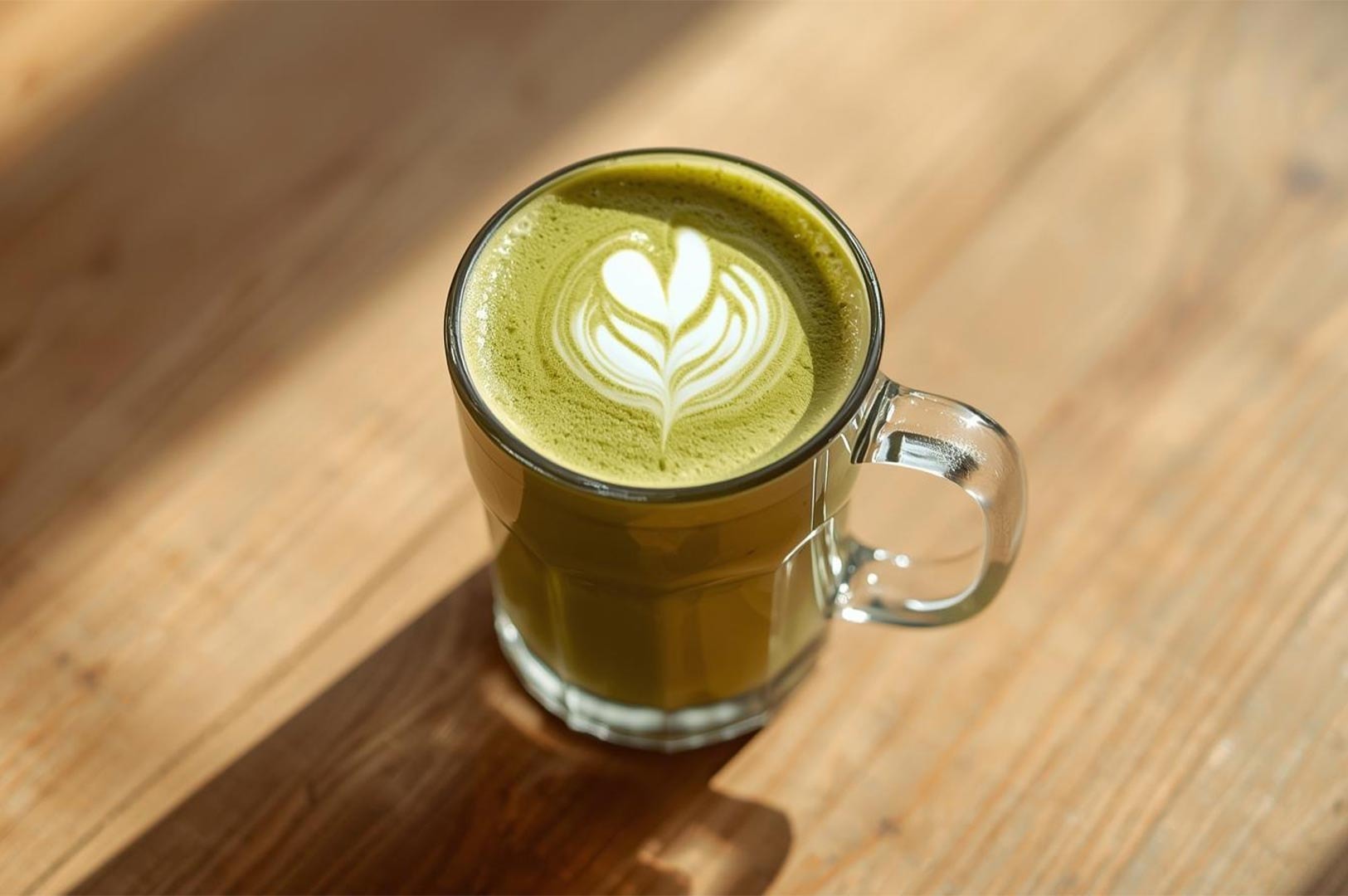
Japan’s contribution to green milk tea reaches its peak in the renowned green tea latte—a staple for tea lovers seeking a Zen moment. This version employs matcha, a finely ground, ceremonial-grade green tea powder brimming with earthy notes, bold flavor, and a silky finish. A matcha latte brings together the ceremonial traditions of whisking fine powder with water and the modern café technique of adding steamed milk or milk alternatives.
Matcha lattes can be prepared as hot tea or served with ice cubes for a cool sip, often sweetened just enough to accentuate rather than mask the best flavor qualities of the tea. Dairy free options like oat milk, almond milk, or soy milk allow every tea lover to customize the experience. The matcha green tea latte not only adds a modern twist to Japanese tradition but offers health benefits, containing antioxidants, less caffeine than black tea, and an unmistakable grassy taste.
Taiwan – The Epicenter of Bubble Tea
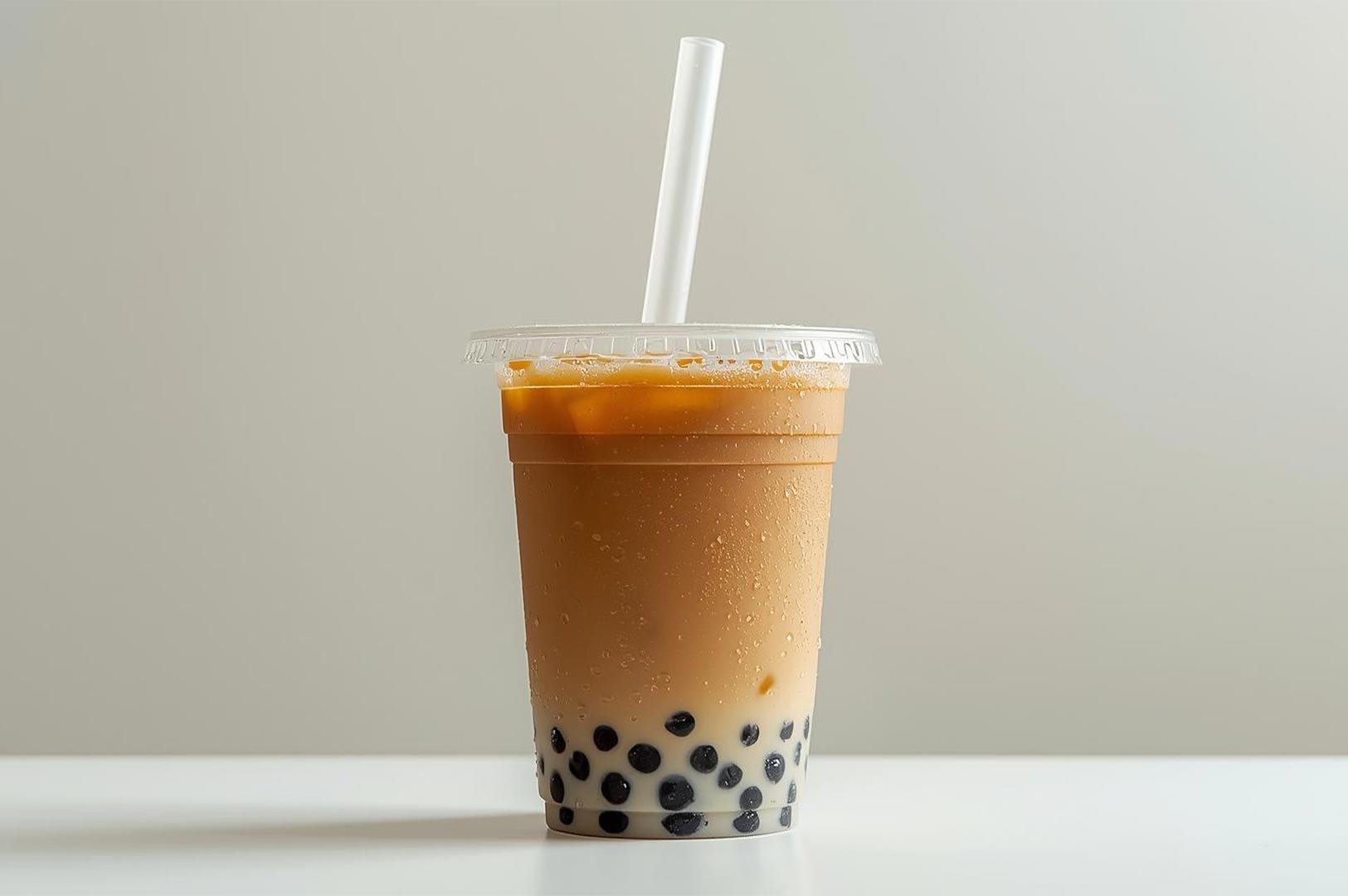
No conversation about green milk tea is complete without mentioning Taiwan, the iconic birthplace of bubble tea. Taiwanese jasmine green milk tea and jasmine milk tea take a floral, lightly sweet approach, combining the aromatic flavor of jasmine green tea with whole milk or non-dairy alternatives. The best flavor blossoms when these teas are lightly sweetened and shaken with ice cubes.
What makes Taiwanese versions unique is the fun of add-ins. You can add boba or chewy tapioca pearls, grass jelly, fruit jelly, or even a splash of lemon juice for added zing. Bubble tea creation is deeply customizable: tea lovers can adjust sugar levels, pick milk alternatives, and opt for more or less ice. Jasmine green milk tea with boba tea is a perennial favorite, offering a cool, refreshing drink with bursts of chewy texture to keep your taste buds happy.
China – A Tale of Regional Diversity
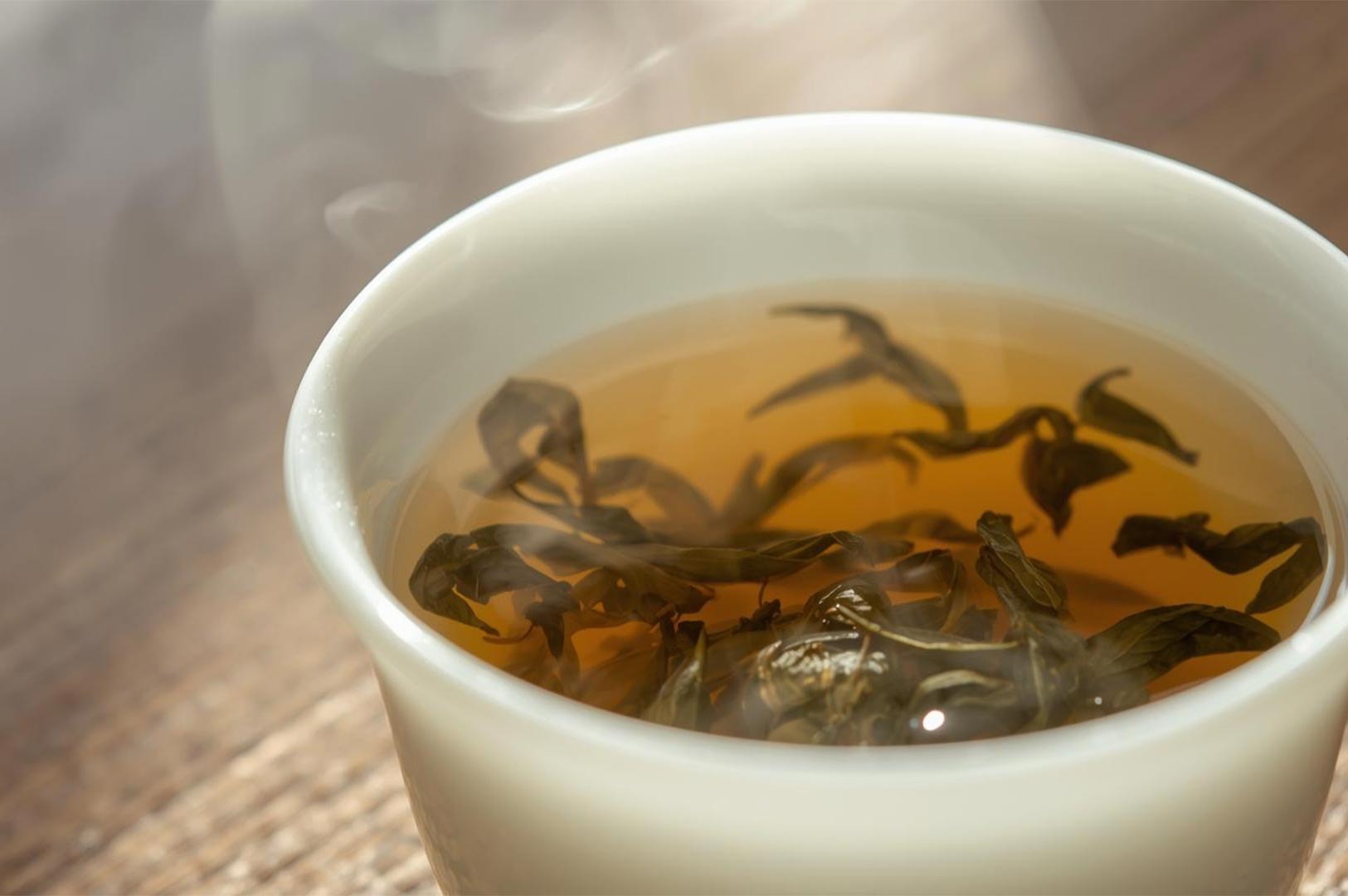
The Chinese approach to green milk tea reflects the nation’s intricate tea heritage. Regional variations abound, from Shanghai’s preference for subtle jasmine tea lattes to Guangdong’s penchant for green milk tea with coconut milk or almond. Black tea and green tea are often presented side by side, with green milk tea offering less caffeine, a lighter taste, and a smoother, creamier profile.
Chinese versions sometimes highlight the base tea, such as Longjing (Dragon Well), which when combined with whole milk or oat milk, results in an aromatic and smooth drink that stays true to the essence of the leaves. Sweeteners range from honey to brown sugar syrup or agave syrup, tailored to local palates.
Green Tea in Other Asian Countries
The green milk tea wave stretches to Vietnam, Malaysia, and Singapore, each infusing local flair and flavors. Vietnamese iced green tea may be layered with rich condensed milk, providing a creamy, sweet drink enjoyed over ice. Malaysian and Singaporean kopi tiams showcase green milk tea and green tea with milk in quirky takeaway bags or as hot tea in ceramic cups, playing with creaminess, milk alternatives, and local sweeteners.
Green tea latte and green milk tea are both increasingly popular among younger tea lovers in these regions, who appreciate both the health benefits and the creative, social experience the drinks provide.
Key Ingredients and Preparation Methods
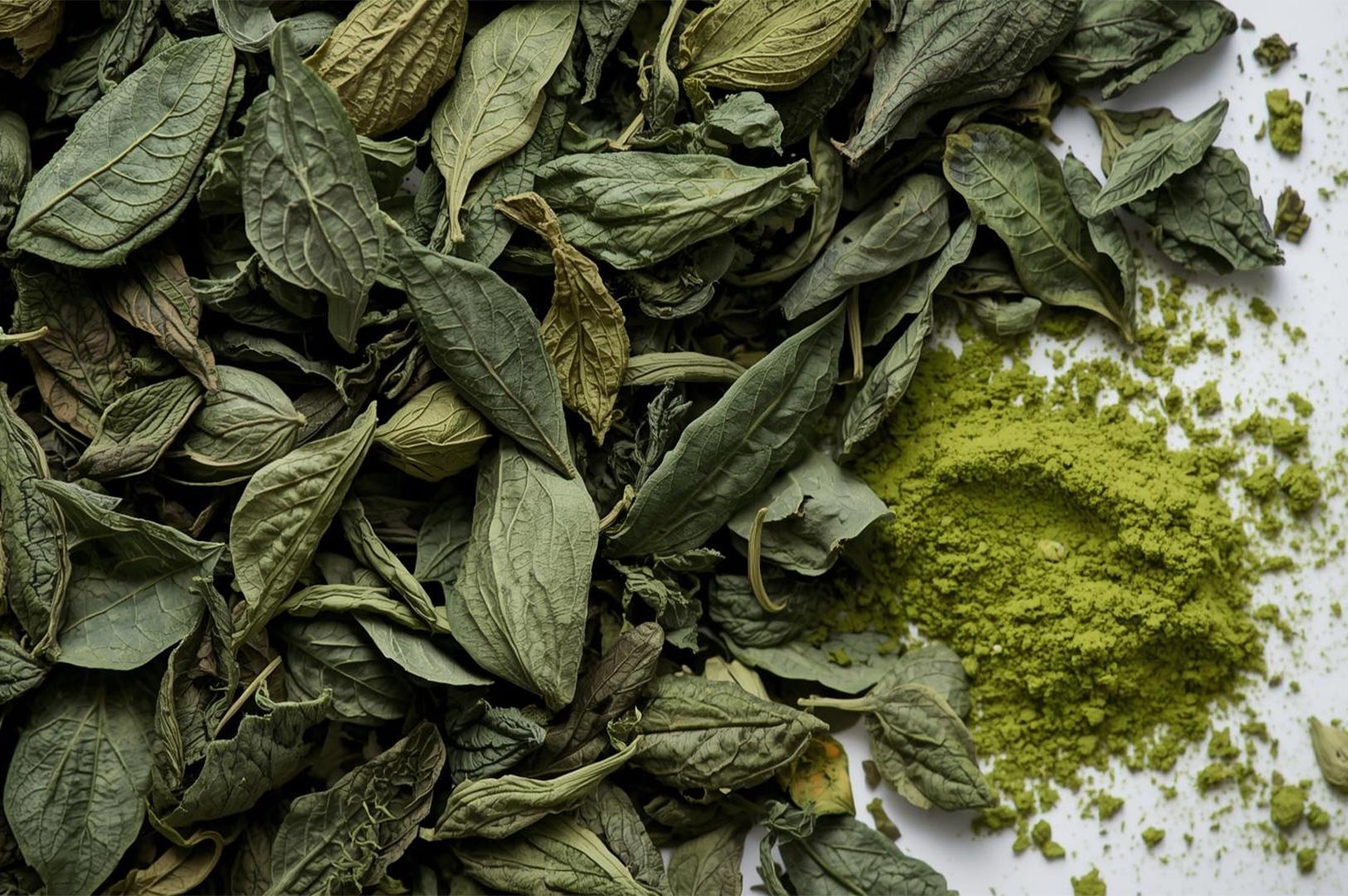
What makes green milk tea so endlessly appealing? It’s the interplay of diverse ingredients and inventive preparation that keeps tea lovers exploring:
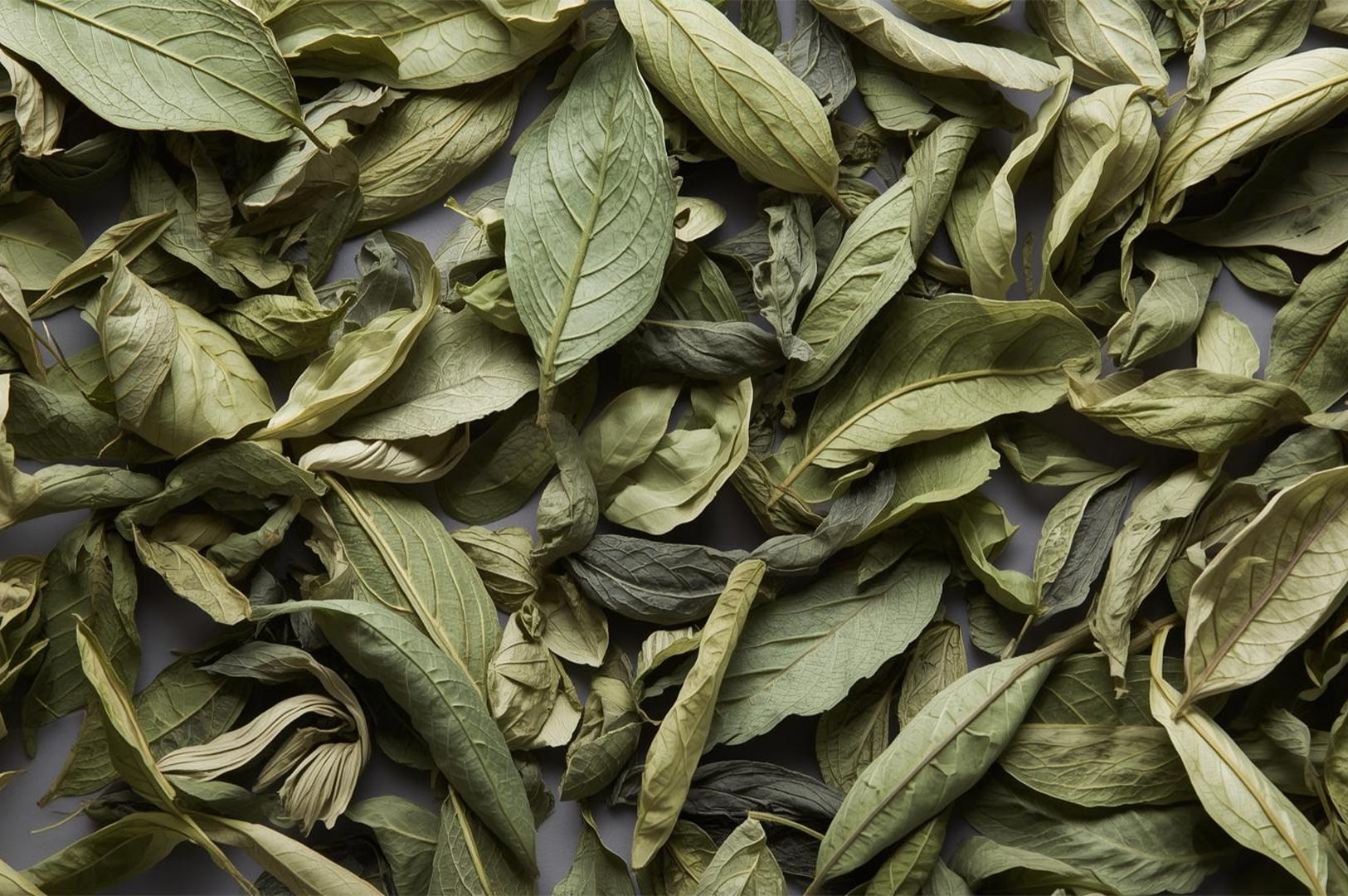
- Teas: Jasmine green tea, matcha, sencha, or specialty blends all shape the subtle, earthy notes in each cup. The best flavor often comes from freshly brewed tea leaves or the finest matcha powder.
- Milks: From whole milk to oat milk, coconut milk, almond milk, and soy milk, every milk adds its own character. Dairy free milk or reduced-fat options meet dietary needs and create alternate textures.
- Sweeteners: Sugar, brown sugar syrup, honey, agave syrup, maple syrup, or natural sweeteners offer varying degrees of sweetness—and can profoundly affect the final taste.
- Add-ins: Boba tea fans love to add chewy tapioca pearls, matcha lovers enjoy smooth foam, and Asian cafés sometimes incorporate lemon juice, coconut milk, or even a splash of coffee for new flavors.
- Hot or Cold: Prepare a green tea latte hot on chilly days, or serve green milk tea over ice cubes or blended for a cool, refreshing drink in warm weather.
The secret lies in finding your preferred milk, sweetener, and preparation—subtle differences in molecular structure, protein content, or fat level can yield a creamier, lighter, or more robust cup.
Cultural Significance and Modern Trends
Green milk tea holds a central place in Asian beverage culture. For many, it’s a daily ritual—a healthy, antioxidant-rich alternative to coffee, or simply a sweet treat to share with friends. The drink’s adaptability to milk alternatives speaks to changing dietary needs; it is possible to enjoy light flavor with less sugar or more milk for extra creaminess.
The explosion of specialty tea shops across Asia—and the rise of bubble tea—has made green milk tea a star on social media, where photos of tall glasses, beautifully layered milk tea, boba pearls, and creative toppings entice tea lovers everywhere.
Modern twists continue to emerge, such as green tea lattes with almond, coconut, or oat milk; green milk tea with honey or agave syrup; or matcha green tea latte frothed for a velvety smoothness. The power of personal taste and customization means there is always a new green milk tea to sip.
A Universe of Flavor in a Single Cup
From jasmine milk tea with its allure of floral scent, to matcha lattes for a dose of earthy notes and amino acids, to tall glasses brimming with chewy tapioca pearls—green milk tea is a world in itself, ever-evolving and forever delightful.
So whether you prefer your green milk tea cool and sweet, hot and earthy, or bursting with boba, the journey is one of flavor, creativity, and cross-cultural celebration. Embrace the refreshing drink in all its forms—and let each sip transport you across Asia’s thriving, inventive milk tea landscape.

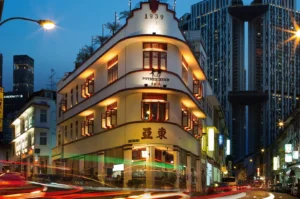
Tong Ah Eating House Review: A Chinatown Breakfast That Still Begins with Kaya Toast
Eda Wong | September 19, 2026
I almost walked past it. I’d been looking for the old triangular building, the red-and-white one you see in every photo of Keong Saik, the one that made Tong Ah feel like a landmark before you’d even ordered anything. But that’s not where it lives anymore. It’s a few doors down now, at 35 Keong…
-
Breakfast at Chinatown Singapore: How Migration Built the City’s Morning Table
Eat Drink Asia Team | September 17, 2026
The first time I ate breakfast in Chinatown, I got it wrong. I arrived at eleven, hungry and hopeful, and found the kopi stalls already turning toward lunch. The porridge uncle was packing up. The toast man had switched to slicing char siew. I ate a rushed plate of noodles standing near a pillar, sweating,…
-
The Bitter Leaf Folded Into a Burmese Home Kitchen
Eda Wong | September 16, 2026
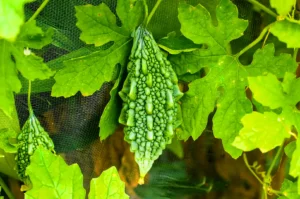
The oil is already hot when she reaches for the leaves. It’s late morning in a kitchen off a quiet lane, and a woman I’ve been watching stands over a blackened wok, tearing bitter gourd leaves by hand into a small heap. The garlic hits the oil first, sharp and loud. Then the leaves go…
-
Best Sushi Singapore: From Premium Japanese Restaurants to Exclusive Deals from Affordable Sushi Trains
Dio Asahi | September 15, 2026
I’ve been eating sushi in this city for years now, from S$1.50 plates rolling past on a belt to omakase counters where the bill made me sit up straight. Somewhere along the way I stopped chasing “the best” and started noticing something else — that good sushi answers a mood, not a ranking. Some nights…
-
Al Mubin Restaurant and the Nasi Goreng Sambal Ayam That Has to Carry the Whole Plate
Eda Wong | September 12, 2026
It was close to eleven at night when I finally sat down. The kind of hour when you’re not really hungry so much as unsettled, when you want something warm in front of you more than you want a proper meal. Al Mubin’s food court at Block 407, Ang Mo Kio Avenue 10, was still…
-
Yassin Kampung Admiralty Review: When Sambal Fried Rice Becomes the Whole Point
Eat Drink Asia Team | September 10, 2026
I ordered the sambal fried rice first, before I’d even properly read the menu. That’s usually a mistake at a place like this. Yassin Kampung @ Admiralty is the kind of restaurant that keeps trying to pull your attention elsewhere — toward stingray, toward crab, toward hotplates that arrive still hissing. But I’d come with…
-
The Bamboo Basket Holding Chiang Mai’s Sticky Rice
Dio Asahi | September 9, 2026
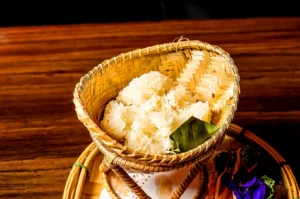
By Dio Asahi for Eat Drink Asia. The lid comes off, and the steam rises first. It’s a warm afternoon in Chiang Mai, and on the table sits a small woven bamboo basket, still holding the heat of the pot it came from. Someone’s grandmother lifts the top and sets it aside without looking. Inside,…
-
Sambal Fried Rice Recipe for People Who Know the Chilli Paste Does the Heavy Lifting
Dio Asahi | September 8, 2026
I used to add the rice too early. The oil would be hot, the sambal barely a minute in, and I’d tip in the cold rice because I was hungry and impatient. Every time, the same result: rice stained red but tasting of nothing much. Sharp. Raw. Flat where it should have been deep. It…
-
Hup Lok at Havelock Road: A Teochew Fish Soup Carrying Memory Forward
Eda Wong | September 8, 2026
The bowl arrives before anything else does. Steam lifts off it in slow ribbons, carrying the smell of ginger and something warmer underneath: the round, boozy note of hua tiao wine settling into fish. I lean in before I even pick up my spoon. The broth is pale gold and cloudy, thick enough that it…
-
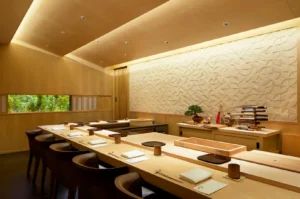
Fresh Sashimi Singapore: Places for Clean Cuts, Quiet Counters, and Fish That Still Feels Alive
Eda Wong | September 5, 2026
I didn’t grow up eating raw fish. For years, sashimi felt like something you learned to appreciate rather than something you loved. Cold, foreign, a little intimidating. Then one afternoon, at a quiet counter, a chef placed a single slice of chutoro in front of me and said nothing. I ate it. And I understood….