I didn’t grow up eating eel.
But I grew up watching my grandmother turn one thing into another — gluten into “duck,” beancurd skin into “fish,” mushrooms into something that tasted of the sea without ever touching it. Buddhist vegetarian cooking does that. It doesn’t pretend so much as it remembers, building familiar shapes out of unfamiliar parts.
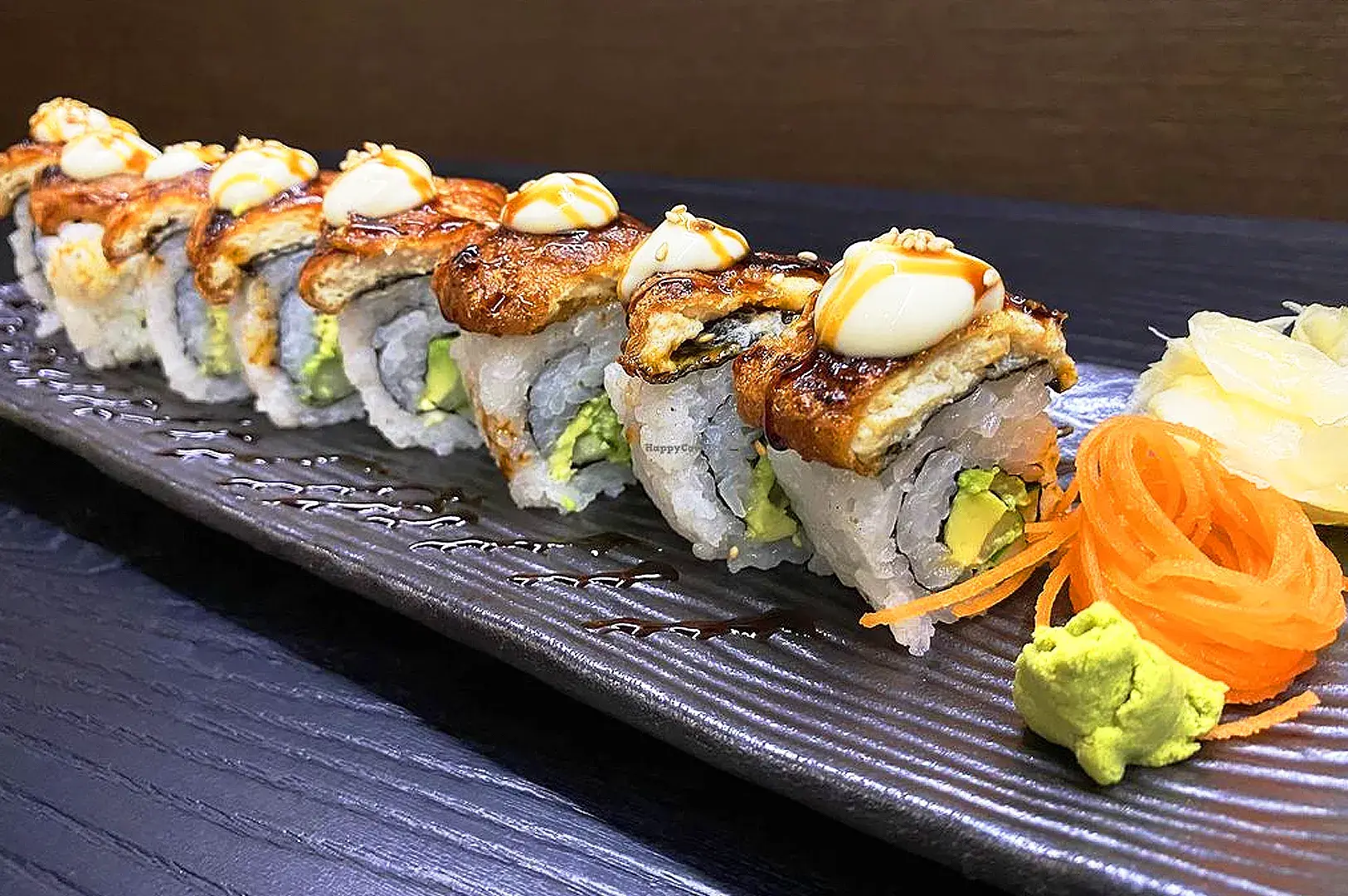
So when a plate of unagi maki landed in front of me at Herbivore, dark and glossy under the glaze, I felt that old recognition. Not “this is fake eel.” More like — ah, here’s the trick again. Here’s food learning a new body.
I went on a Tuesday, early evening, before the dinner crowd thickened. Here’s what I found.
A Small Room Inside a Building That Knows Pure Vegetarian Cuisine
Fortune Centre is its own kind of landmark in Singapore for people seeking vegetarian food, vegan dishes, and pure vegetarian cuisine. If you have ever needed vegetarian and vegan food in the city, someone has probably pointed you here. The whole building hums with it, stalls and restaurants stacked around a quiet vegetarian rhythm most malls do not have. It is well known for its diverse Fortune Centre food offerings that cater to many dietary preferences.
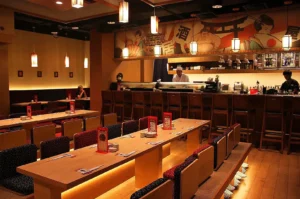
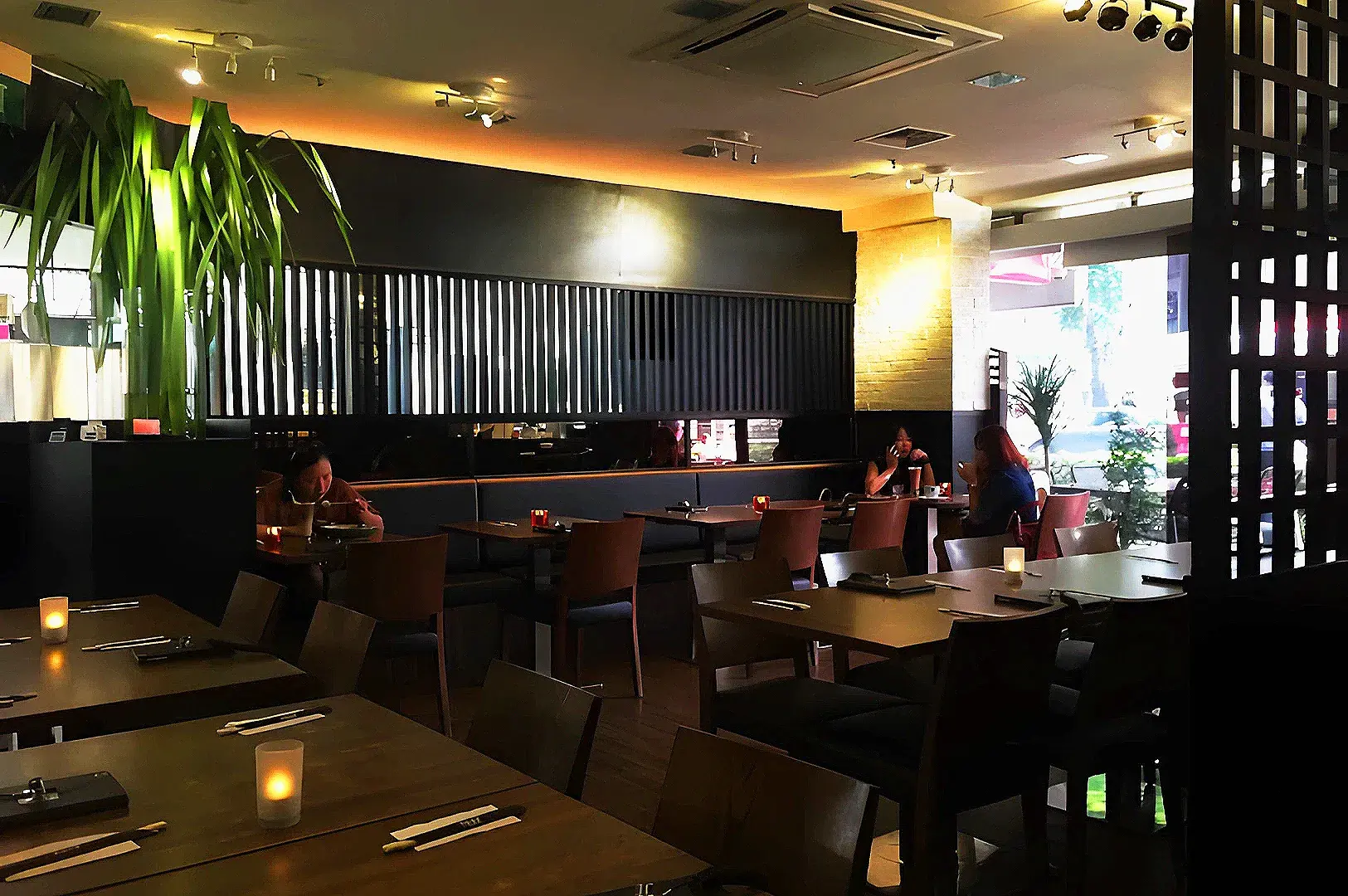
Herbivore sits on the ground floor at #01-13/14. It is not large. I had read that beforehand, and it is true. The room is compact, with a handful of tables, more restaurant than stall, but nowhere near spacious.
Décor and Ambiance
The décor is calm, reflecting a blend of Japanese and Western style minimalism. Clean lines, soft lighting, and a settled feeling make the room feel less rushed than the building outside. I slid into a table for two and noticed the iPad waiting at the edge.
You order through it. No paper menu, no waving someone down. I will be honest, part of me missed the small ritual of telling a person what I wanted and watching them nod. The screen is efficient, but a little flat. Still, the food came in about ten to fifteen minutes, so the system clearly works.
The Zen Japanese Vegetarian Restaurant Experience
Herbivore describes itself through Japanese cuisine and Western-style vegetarian cooking, which explains the wide menu: sushi, ramen, curry, gyoza, bento sets, salads, and meat-free comfort dishes.
What to Expect on the Menu
The spread is broader than I expected:
- Sushi and maki with mock salmon, avocado, cucumber, and seaweed
- Ramen, curry rice, and gyoza
- Bento options for a fuller meal
- Vegan friendly choices and dairy-free adaptations
- Side dishes like miso soup, salad, and dessert
The food is specially crafted around vegetarian substitutes, but the better dishes do not feel like apology food. They focus on texture, warmth, and balance. That is where Herbivore is strongest.
The Vegetarian Cuisine and Vegan Options: Where the Imitation Holds
Here is the thing I kept reminding myself, dish by dish: judge it as vegetarian Japanese food, not as a copy. The moment you start measuring it against real eel, pork, or chicken, you force it into a fight it was never trying to win.
Unagi Maki
Unagi Maki was the dish I came for, and it earned its place first.
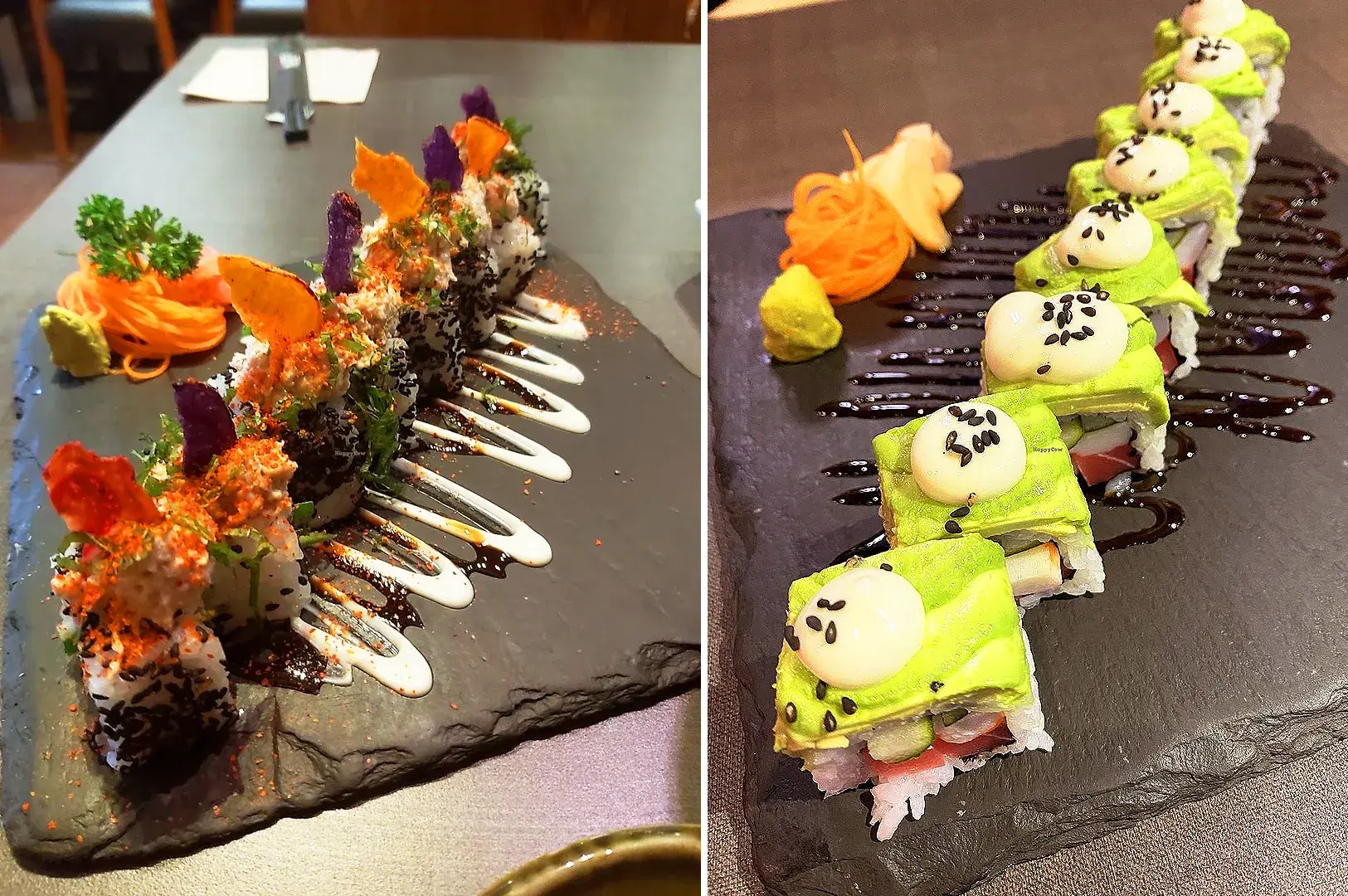
The mock eel sat across the rice with that lacquered, near-black sheen real unagi has. It was soft, faintly fatty, and brushed with sweet teriyaki sauce that caught the light. Underneath, the rice was still warm and properly vinegared, its gentle sourness cutting through the sweetness on top. Inside, little crisp bits appeared between cucumber, seaweed, and rice.
I will say this plainly. It did not taste like eel. It tasted like something built to give you the feeling of eel: soft against warm, sweet against rice, small crunch against smooth sauce. On that count, it worked.
Some diners love how close the texture lands. Others walk away saying it tastes nothing like unagi. I land somewhere in between, won over by the build rather than the impersonation.
Katsu Curry Set
If the unagi maki is for the curious, this is the dish for the sceptic.
You do not need to believe in vegetarian sashimi to understand katsu curry. The cutlet came crisp-edged and golden, sitting beside rice with a curry that was thick, gently sweet, and comforting. It looked like a pork katsu set. It ate like comfort.
This is where I would start a friend who does not usually go meat-free. Curry, rice, and a crunchy cutlet are easy to understand. It is a full, satisfying plate, and it filled me up more than I expected.
That is the smart thing about having it on the menu. It is a bridge. It lets you arrive at the stranger dishes already trusting the kitchen.
Spicy Ramen Set
Ramen is where vegetarian cuisine has the hardest job.
No pork bones. No bonito. No chicken carcass simmered for hours. So the broth has to find its depth elsewhere: sesame, soy, vegetables, and shiitake mushroom coaxed into giving up their weight.
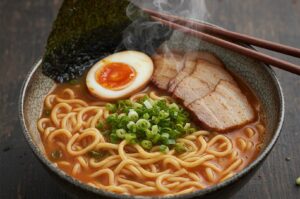
It carried. Not in the heavy, collagen-rich way tonkotsu does. This was leaner but still warming, with spice that built slowly rather than shouted. The noodles were smooth, the portion was judged well, and the set came with mushroom-filled gyoza.
Would I mistake it for pork broth? No. But on a tired evening, with steam rising into my face, it did what ramen is supposed to do. It softened the day.
Vegetarian Gyoza and Shiitake Maki
The gyoza quietly surprised me.
The filling leaned on shiitake mushroom, earthy and savoury, with enough moisture that it did not feel like a compromise. The skins had a decent chew, with a little crispness where they met the pan. There was no pork to miss because the mushroom did its own work.
That is the version of vegetarian food I trust most, when an ingredient stops apologising for what it is not.
If you want to stay in that safer zone, shiitake maki is a sensible pick too. Mushroom, rice, seaweed, and sesame seeds make more sense than some of the bolder mock seafood items. The pleasure is direct: earthy, nutty, fresh, and tidy.
Where It Did Not Quite Land in Vegetarian and Vegan Food
I would be doing you a disservice if I only told you the wins.
Some items sound better than they eat:
- The crab maki, by various accounts, looks lovely but can fall flat in flavour, pretty on the plate but quiet on the tongue.
- The tofu-based chawanmushi reportedly struggles to resemble egg in taste or texture, which makes sense. Egg is difficult to fake honestly.
- Yakitori-style skewers can also lean too salty, with sauce drowning whatever the mock meat is trying to say.
There is a pattern here. The dishes that stumble are the ones leaning hardest on direct comparison: this should taste exactly like that. The dishes that shine are the ones with their own backbone: mushroom gyoza, shiitake maki, katsu curry, or the textured build of unagi maki.
So order with that in mind. Choose structure over mimicry. Be gentler with expectations on straight imitation.
Service, the Screen, and the Vegan Friendly Ambiance
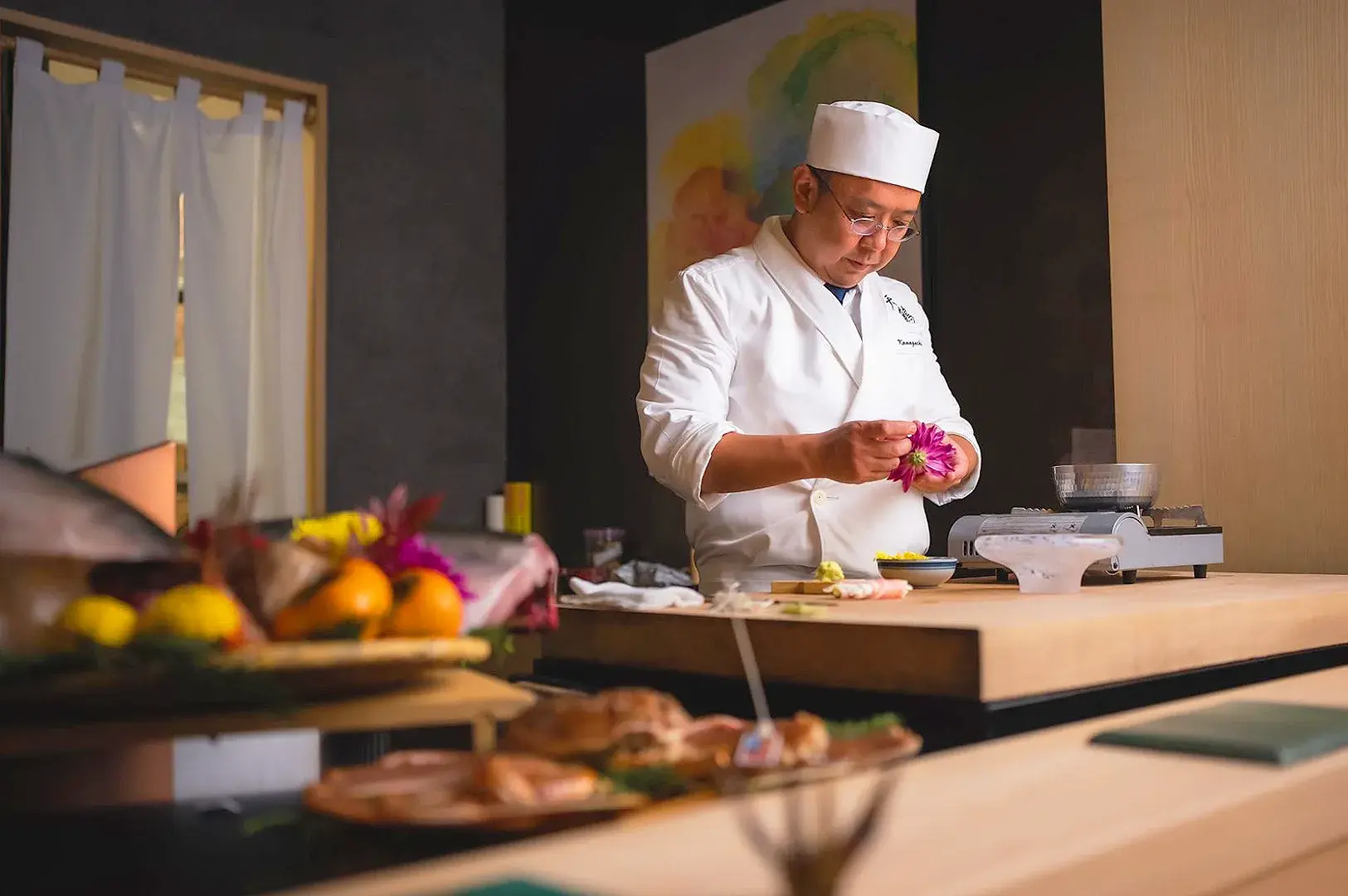
The staff were warm, cheerful in a way that felt genuine rather than rehearsed. I have read that regulars get remembered here, their no-mayo requests and vegan options quietly noted. That kind of memory is its own form of hospitality.
The iPad ordering moves things along. Efficient, yes. A touch transactional, also yes. But once the food started arriving, warmth returned to the room. The screen is only the doorway. The people are still the house.
The ambiance is calm rather than dramatic. It is not a place for burgers, loud music, or theatrical plating. It is for a tasty, delicious, quietly yummy vegetarian meal where freshness natural and balance matter more than spectacle, making it a highly recommended spot for those seeking authentic Japanese vegetarian cuisine in Singapore.
For those looking to expand their Japanese culinary experience in Singapore, Japanese curry offers a rich and comforting flavor journey worth exploring, as highlighted on Eat Drink Asia.
What You Will Want to Know Before You Go
A few practical notes, friend to friend:
- Getting there: Bencoolen MRT is the cleanest reference. Fortune Centre is a short walk. Bugis works too if you are coming from that side.
- Spend: Roughly S$15 to S$35 per person, depending on sushi, sharing plates, drinks, and service charge.
- Best order for first-timers: Unagi maki, katsu curry, gyoza, and miso soup.
- For vegan diners: Many dishes are vegetarian friendly, but still ask about mayonnaise, dairy, sauces, and dessert before ordering.
- For groups: Book ahead if you can. The room is small, and peak times fill quickly.
So — Who’s It For?
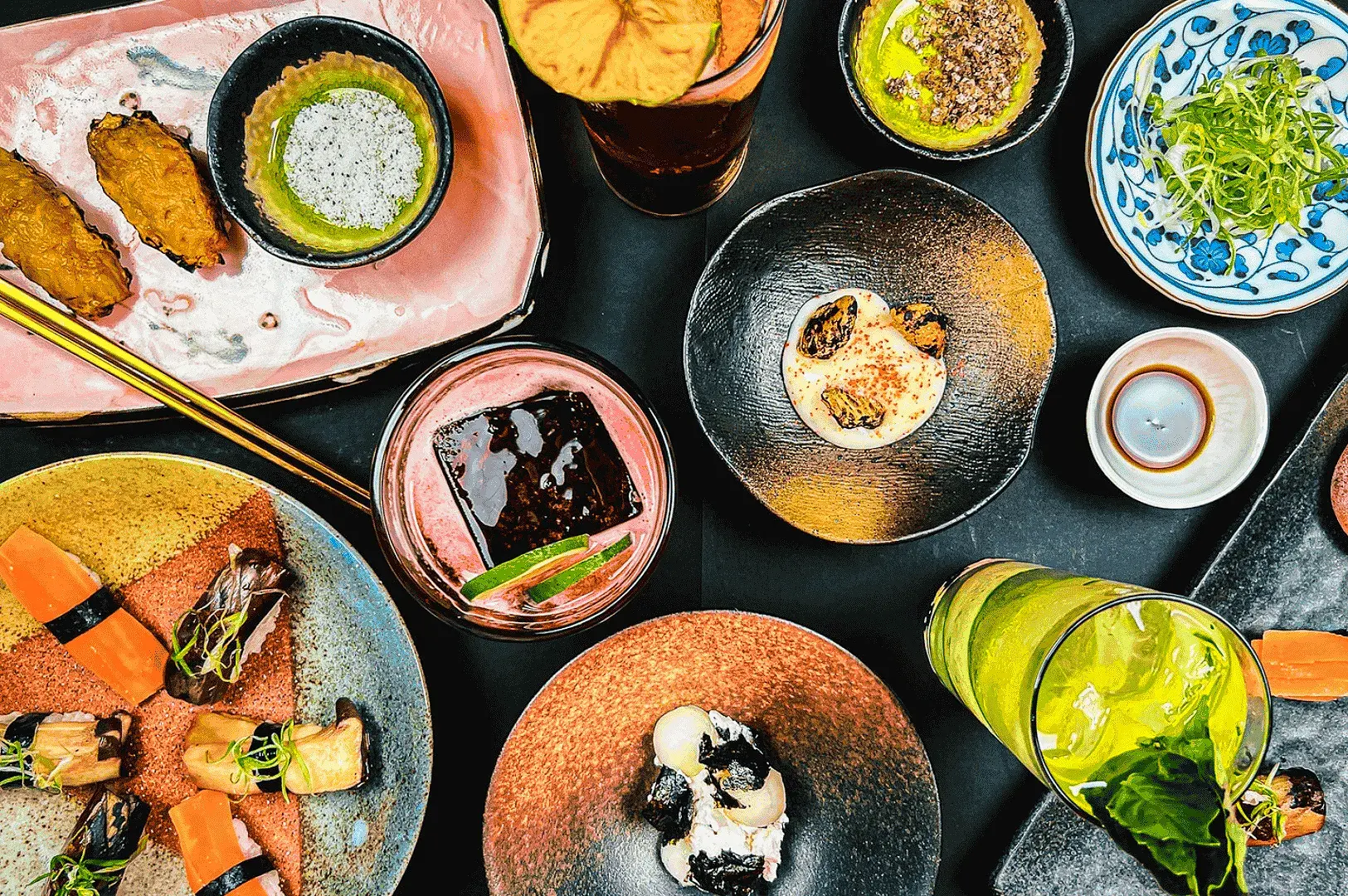
I keep returning to that first plate of unagi maki and the small recognition it gave me.
Herbivore suits vegetarians craving Japanese comfort food—sushi, katsu, ramen—in a fitting form. It’s for Buddhist diners who want curry without hidden meat and curious omnivores open to new tastes. It’s not for those expecting perfect imitation. If you want mock eel to fool you, you might be disappointed. But if you want the experience—warm rice, sweet glaze, soft texture—you’ll likely leave satisfied.
I went in curious and left full, moved by how food can become new without losing what made it special.

The Alchemy of the Wok: The Story of Singapore-Style Bee Hoon
Eda Wong | February 10, 2026
Across the humid evening air of Singapore, a rhythmic clatter echoes from hawker stalls to high-rise kitchens—the sound of a metal spatula against a seasoned wok. Within that intense heat, rice vermicelli noodles undergoes a profound transformation, absorbing the golden hues of curry powder, the savory depths of soy sauce, and the smoky “breath” of…
-
The Sizzle of the Wok: An Exploration of Fried Bee Hoon Across Southeast Asia
Eat Drink Asia Team | February 7, 2026
Across Southeast Asia, from bustling hawker centers to family kitchens, the sizzle of rice vermicelli noodles hitting a hot wok is a universal comfort. Few dishes capture the spirit of Asian noodle culture as well as fried bee hoon. This stir fry, made with thin rice noodles, delivers a tasty meal any time of the…
-
The Silk of the East: A Deep Dive into Bee Hoon and the Art of Rice Vermicelli
Eda Wong | February 5, 2026
Across the bustling kitchens of Southeast Asia, one humble ingredient has woven itself into the fabric of countless beloved dishes. Bee hoon, the delicate rice vermicelli that transforms from brittle strands into silky noodles, represents centuries of culinary tradition and innovation. Whether you’ve savored Singapore noodles in a hawker center or encountered fried bee hoon…
-
The Eternal Hearth: A Journey Through the Soul of Indian Foods Vegetarian Traditions
Dio Asahi | February 3, 2026
In the vibrant tapestry of global gastronomy, few cultures have elevated the plant-based plate to an art form quite like India. While much of the world has recently turned toward meat alternatives for health or environmental reasons, Indian cuisine has been centered on the vegetable for millennia. This isn’t merely a dietary choice; it is…
-
The Essence of Jeju Citron Tea: A Distinctive Profile of Yuja Tea in Korea
Dio Asahi | January 31, 2026
Imagine sitting in a quiet, sun-drenched teahouse overlooking the dramatic volcanic coastline of Jeju Island. The steam rising from your cup carries an aroma that is at once familiar and yet entirely new—a version of Korean citron tea, or yuja cha, that tastes of sea salt, volcanic soil, and generations of island tradition. As you…
-
Korean Citron Tea: Health Benefits and Wellness Secrets
Eat Drink Asia Team | January 29, 2026
As the seasons change and a chill enters the air, many of us seek out comforting rituals to support our well-being. Imagine wrapping your hands around a steaming cup of Korean citron tea—also known as yuja-cha—its bright, citrus aroma soothing and revitalizing with every sip. More than just a winter treat, Korean citron tea is…
-
When the Izakaya Becomes the Plan: Izakaya Singapore Top Picks for After-Work Reset
Dio Asahi | January 28, 2026
January 28, 2026 | Dio Asahi Last updated: September 14, 2026 As you step behind the humble noren curtain, you’re greeted by glowing lanterns, sizzling charcoal-grilled skewers, and warm welcomes. This is izakaya, Japan’s casual pub, a vibrant part of Singapore’s dining scene. More than just yakitori and sake, izakayas offer a lively setting for social…
-
Yuja Tea: Korea’s Traditional Citron Tea
Dio Asahi | January 27, 2026
The golden, aromatic steam rising from a cup of yuja tea carries centuries of Korean tradition and wellness wisdom. This caffeine-free citrus beverage has warmed Korean hearts through countless winters, offering both comfort and powerful health benefits in every sip. Made from the Korean citron known as yuja fruit, this simple Korean tea represents one…
-
The Global Phenomenon of Korean Instant Noodle: A Cultural and Culinary Journey
Eda Wong | January 24, 2026
In the high-octane streets of South Korea, where the “pali-pali” (hurry-hurry) culture defines the pace of life, one dish stands as the ultimate equalizer of speed and satisfaction: Korean ramyeon. While the world often uses the terms ramen and ramyeon interchangeably, the Korean version is a distinct entity. It is not merely a quick snack…
-
Traditional Ramyeon: The Soulful Heart of Korean Noodle Culture
Eat Drink Asia Team | January 20, 2026
In the bustling culinary landscape of South Korea, few comfort foods can match the satisfaction of a steaming bowl of ramyeon. While outside of Korea, “ramyeon” often brings to mind Korean instant noodles or instant ramen, true ramyeon Korean style refers to the artful, freshly prepared noodle soup enjoyed in homes and at local restaurants…