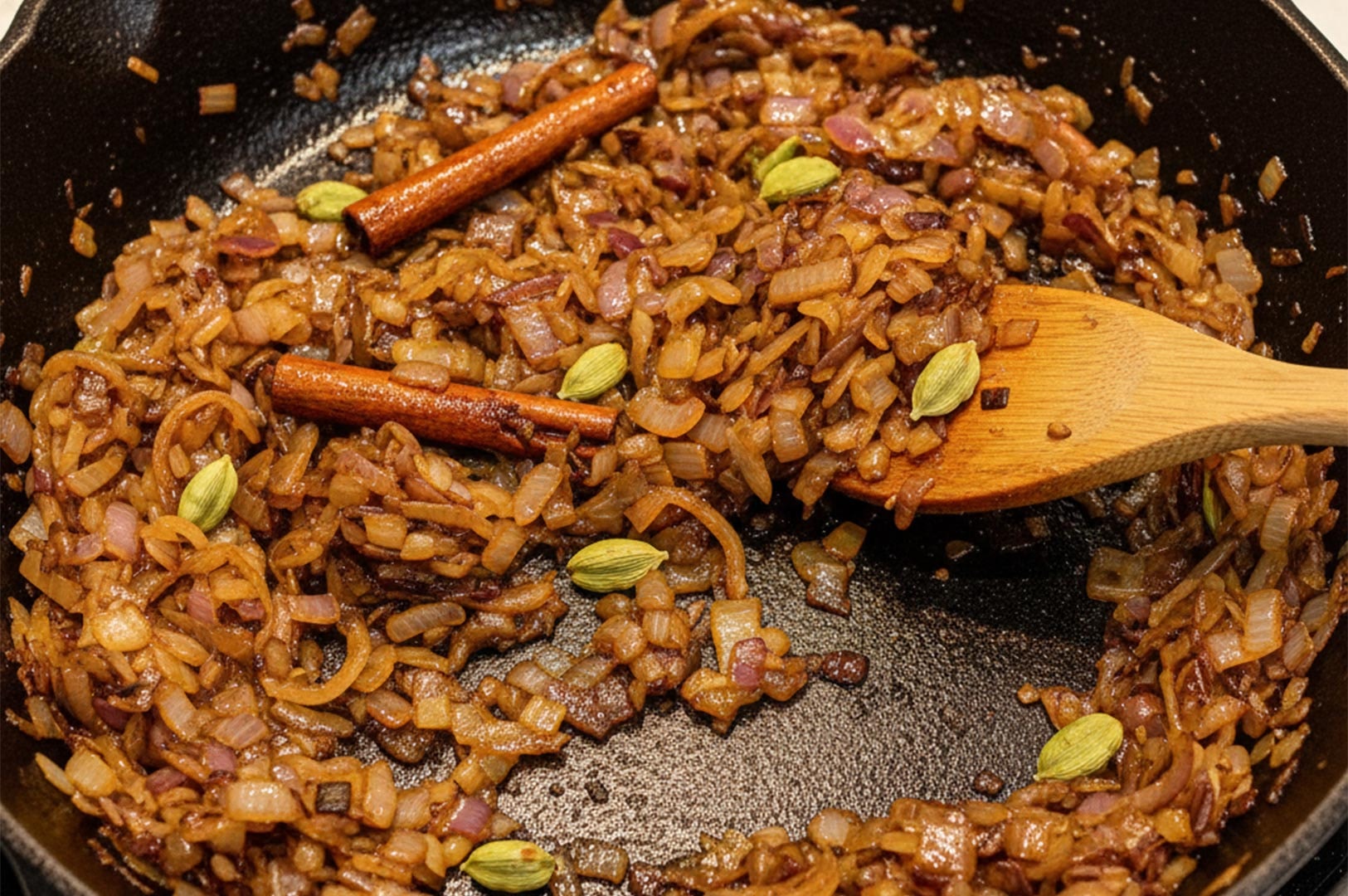
The story of India’s culinary identity is deeply tied to its poultry dishes. I remember my first attempt at an Indian chicken recipe, failing to brown the onions properly left the dish hollow, missing its soul. The sound of mustard seeds popping in hot oil signals layers of flavor to come.
The steam from the pressure cooker, thick with turmeric’s earthy scent, instantly transports you home. Indian dishes with chicken are more than food; they’re a sensory journey through history and regional pride. From cream-laden Northern gravies to spice-dense Southern preparations, transforming a simple chicken recipe into a delicious dish requires patience, understanding aromatics, and mastering the spice blend.
To truly grasp this cuisine is to see how one bird can be reimagined countless ways across the subcontinent.
Heritage Snapshot: Indian Chicken
- The Soul: It’s all about the bhuna, the slow, patient dance of spices in hot oil until they ‘split.’
- The Hidden Effort: Don’t rush the onions. If they aren’t deep jammy brown, the soul isn’t there.
- Must-Try: Bone-in Thighs. Always. The marrow is the secret ingredient no spice can replace.
Indian chicken recipes is less about memorizing a list of ingredients and more about understanding the “bhuna” process, the slow frying of spices and aromatics until they reach their peak fragrance.
Building Flavor with the Perfect Chicken Marinade
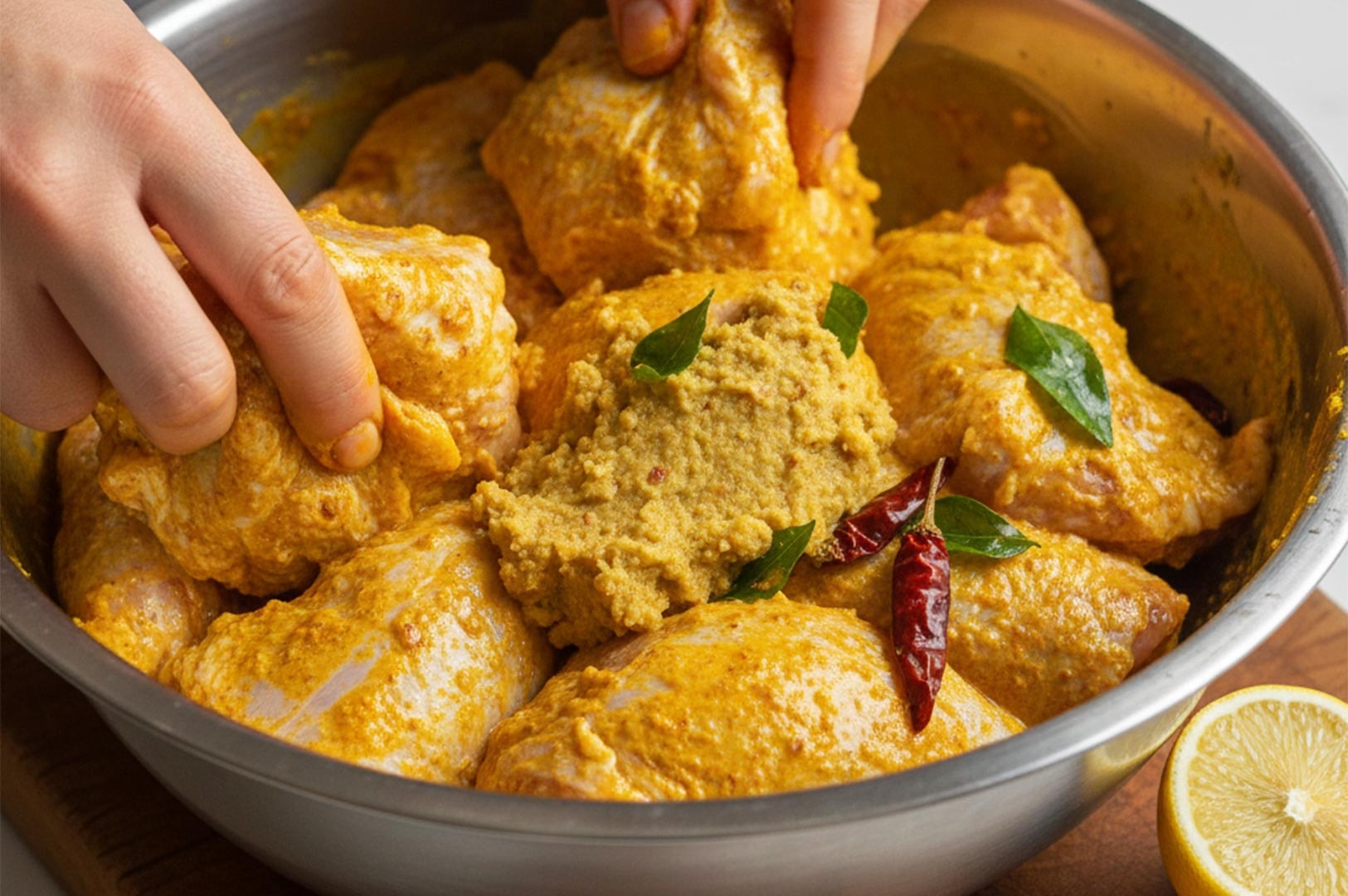
What distinguishes the best Indian chicken recipes is not just the heat, but the intentional layering of flavor. It almost always begins with a robust chicken marinade. In the Indian kitchen, a marinade is not merely a surface seasoning; it is the art of tenderizing. As you mix the cold, tangy yogurt with ginger garlic paste and lemon juice, you feel the smooth creaminess against your hands, while the vibrant turmeric stains your fingers, a badge of honor signaling the start of something delicious. Whether preparing a classic Indian dish like tandoori chicken or a modern household favorite, this base sets the stage for deep flavor infusion.
The acid in the lemon and the lactic acid in the yogurt break down the tough protein fibers, ensuring that even lean chicken breasts remain juicy during high-heat cooking. This is particularly important because Indian cooking often involves long simmering times; without a proper marinade, the meat would become stringy and dry. Into this base, a cook will fold a symphony of warming spices. To achieve truly authentic flavors, home cooks and professional chefs alike rely on a specific order of operations. One must heat oil or olive oil in a heavy bottomed pan over medium heat to “bloom” the whole spices.
Adding cumin seeds, cinnamon sticks, and green cardamom to the fat allows their fat-soluble compounds to infuse the entire base of the dish. This ensures that the aromatic spices permeate the meat entirely, rather than just sitting on the surface. Once the aromatics are fragrant, the chicken pieces, often skinless chicken thighs for their higher fat content and succulence, are added to the same pan. The goal at this stage is to ensure the meat is lightly browned over medium high heat. This searing process creates a foundational savory note for the chicken curry to follow, sealing in the juices before the liquid base is introduced.
Beyond the Basics: The Iconic Butter Chicken Recipe
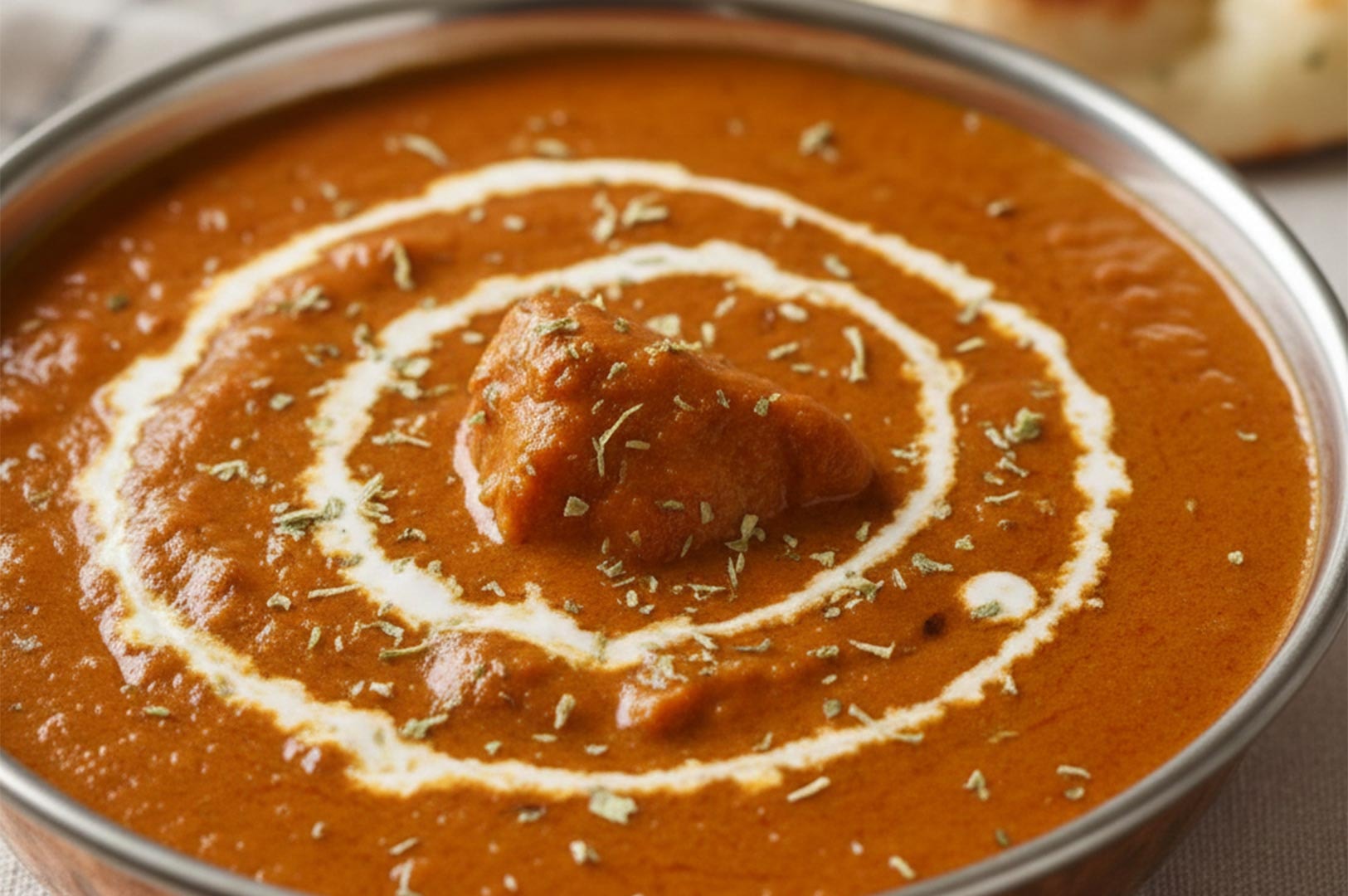
In the northern regions of India, the flavor profile is often defined by the legacy of the Mughal Empire, a style known for its opulence, use of dried fruits, and rich dairy. The world-renowned butter chicken (murgh makhani) is the gold standard of this tradition. The true makhani carries the velvet weight of cream that gently coats the palate, balanced by the dusty, floral scent of crushed kasuri methi (dried fenugreek) that lingers delicately. (Please, don’t use honey to sweeten it.) This preservation of flavor and color is what makes the marinated chicken’s char and the rich tomato puree come alive in perfect harmony.
The secret to a family loved butter chicken lies in the “makhani” sauce. A common mistake is adding the cream too early. Instead, the cook must reduce the tomato paste and puree until the oil separates from the mass, a visual cue known as tel chhodna. This ensures the raw, metallic acidity of the tomato has been neutralized. Only then is the heavy cream and a generous knob of butter added to create that signature buttery sauce.
The result is a dish that is mild enough for children but complex enough for the most seasoned palate. It is the ultimate comfort food, especially when paired with a pillowy piece of naan. While many westernized versions of this chicken recipe lean too heavily on sugar, an authentic version relies on the natural sweetness of caramelized onions and the floral notes of dried fenugreek leaves (kasuri methi) added at the very end.
The Global Appeal of Chicken Tikka Masala and Garam Masala
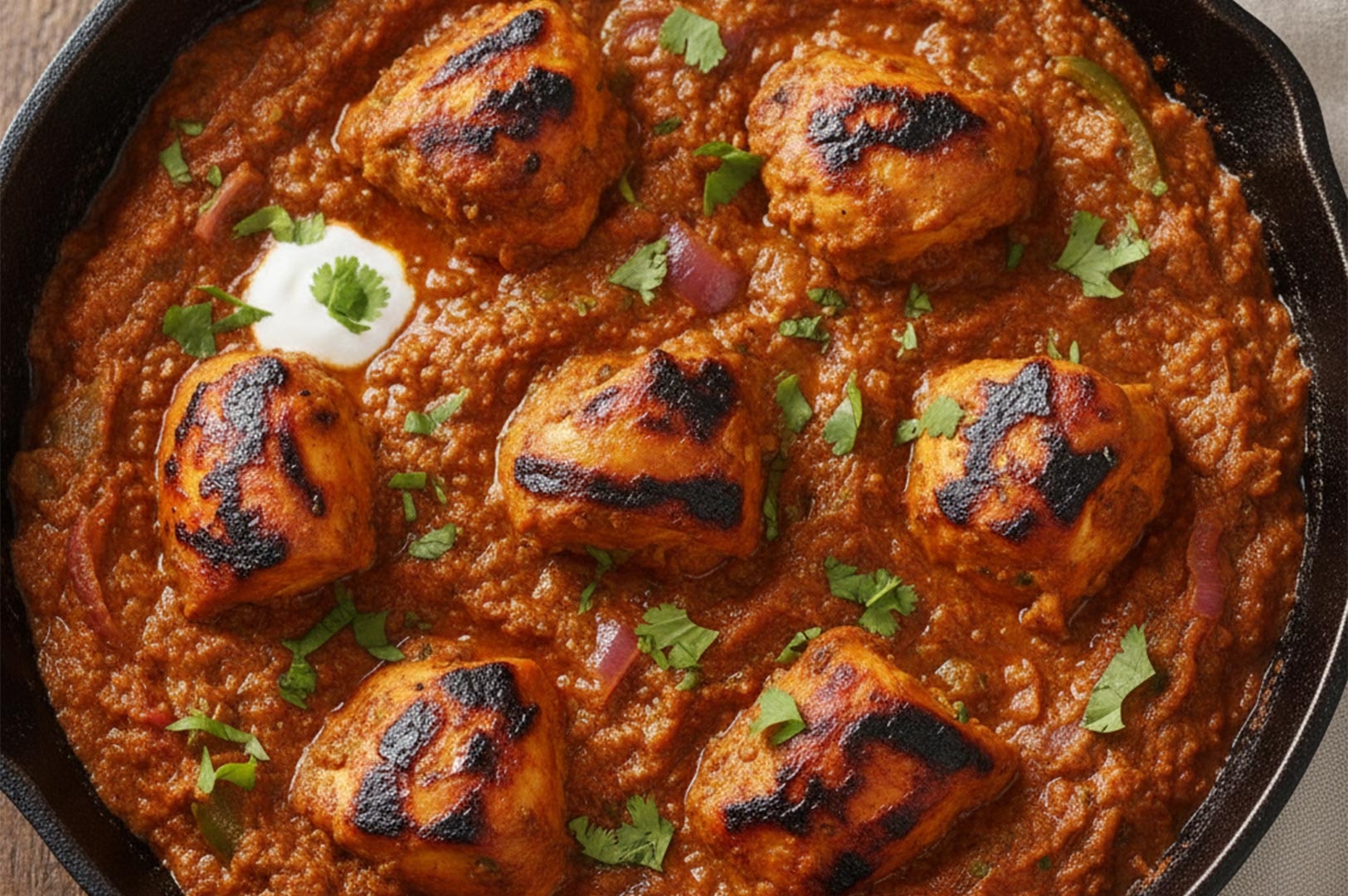
Similarly, chicken tikka masala has become a staple at Indian restaurants globally. While often compared to butter chicken, chicken tikka masala is generally more robust and “spicier” in terms of complexity. It leans more heavily on coriander powder, turmeric powder, and fresh ginger. The texture is often slightly thicker and more granular due to a higher ratio of onions and peppers. Whether you are using a large skillet or a same skillet method to build the sauce, the key is the final simmering stage, stirring occasionally to ensure the dairy doesn’t break or curdle under high heat.
Enhancing Your Chicken Curry with Creamy Coconut Milk
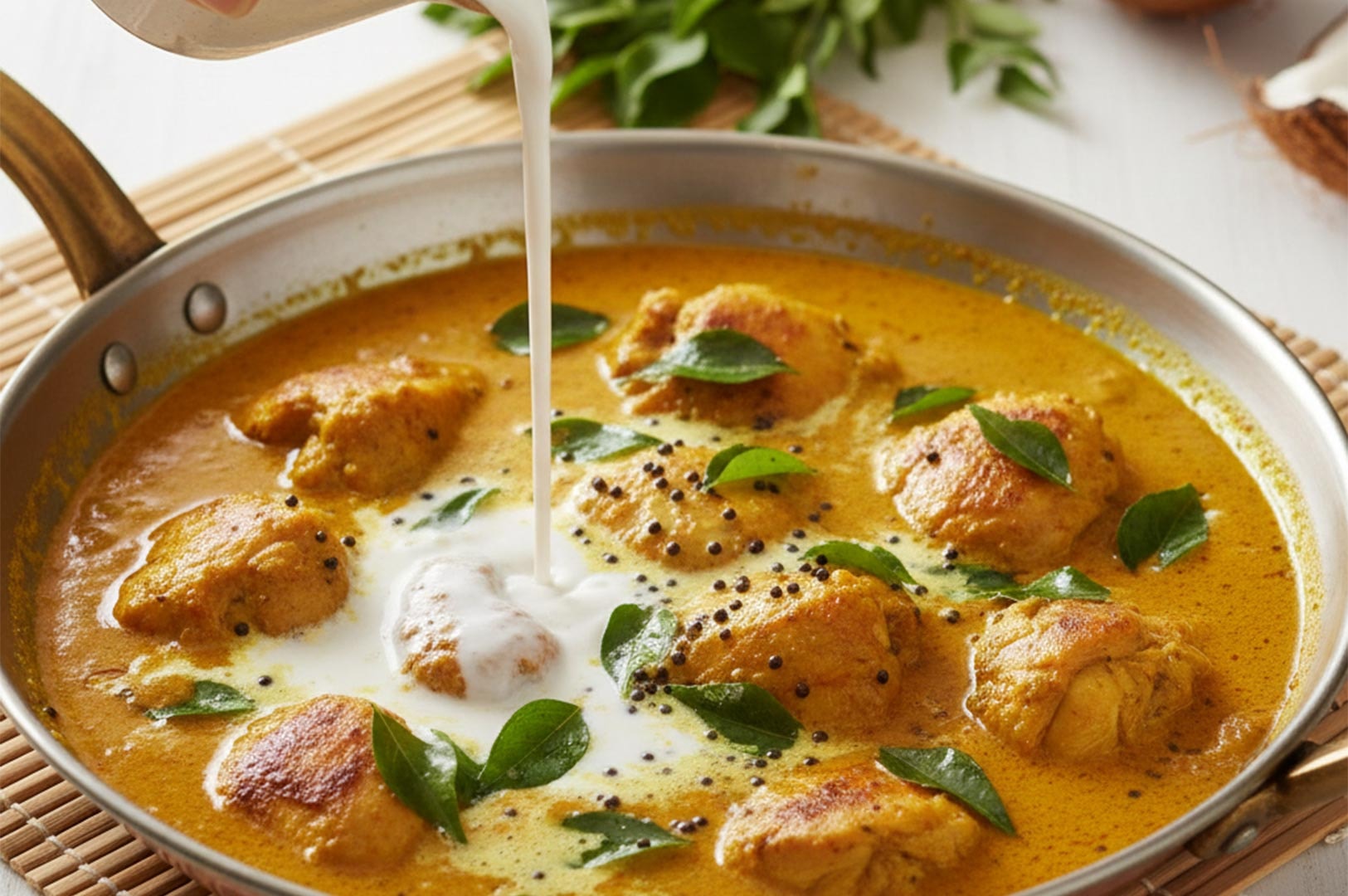
As you move toward the southern states like Kerala, Tamil Nadu, and Andhra Pradesh, the heavy dairy and wheat-based breads of the North give way to the vibrancy of rice and coconut. Here, Indian dishes with chicken take on a much sharper, more tropical character. In these regions, a chicken curry is frequently tempered with creamy coconut milk, which provides a silken texture that carries the intense heat of green chillies and red chili powder.
In these Southern style chicken preparations, you will often find the addition of tart elements like tamarind or kokum, which provide a bright acidity that cuts through the richness of the coconut. Common additions also include fresh curry leaves and mustard seeds crackled in hot oil, which provide a nutty, herbal top note that is entirely distinct from the butter-heavy dishes of Delhi or Punjab.
Modern Convenience: Using an Instant Pot for Indian Chicken Recipes
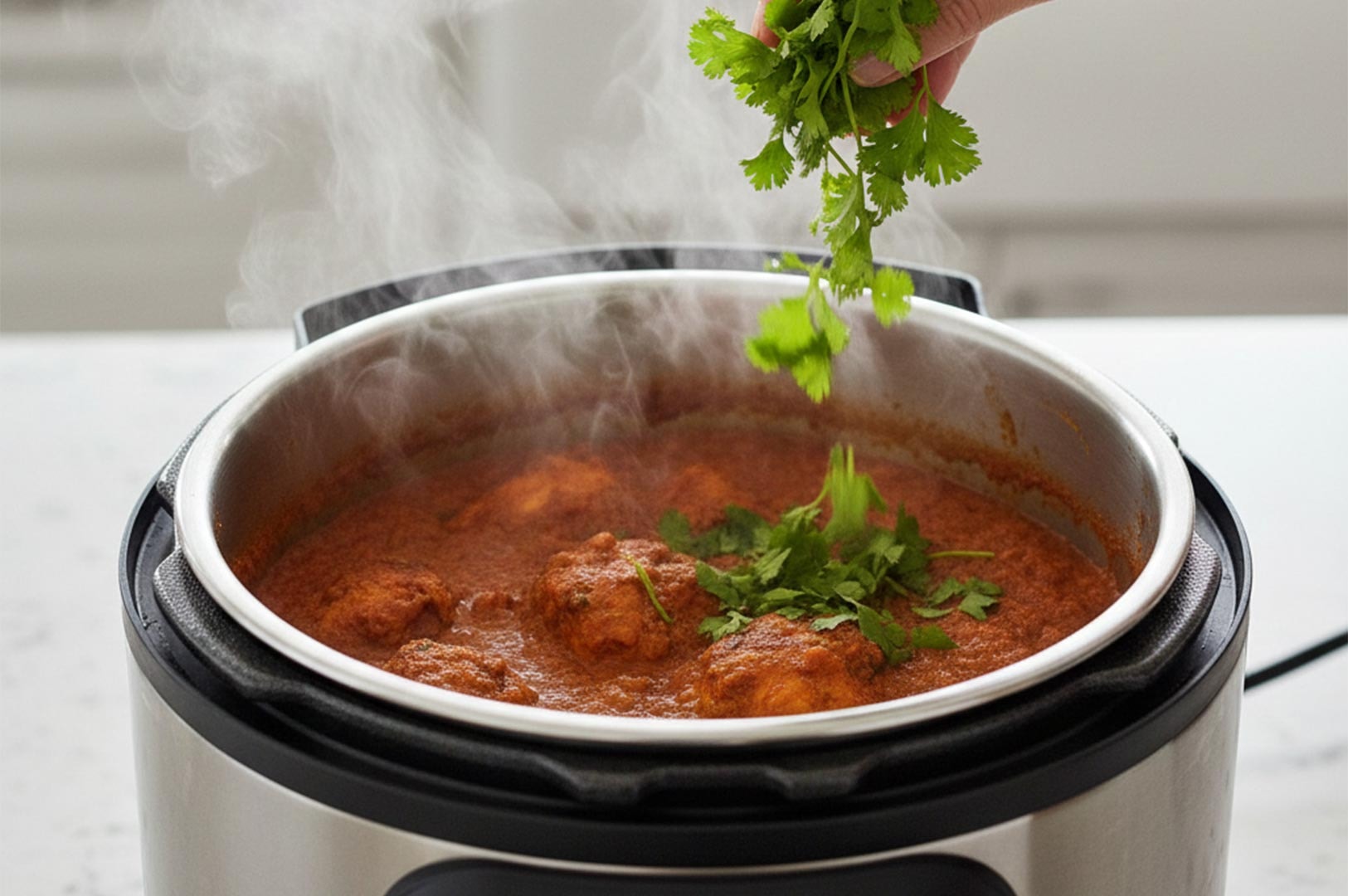
As Indian cuisine has traveled, so too have the methods used to prepare it. In a fast-paced world, the Instant Pot and the slow cooker have become indispensable for those looking to recreate popular dishes without spending hours at the stove.
I know we’re all busy, and the Instant Pot is a lifesaver when you’re chasing a thousand recipes. But even if you use a machine, don’t skip the ritual.
Golden Rules:
- The Sizzle: Always bloom your whole spices in real oil first. A machine can’t replicate that first ‘pop.’
- The Bone: If you’re pressure cooking, use bone-in pieces. The marrow adds a soul that boneless cuts just can’t touch.
- The Finish: Always stir in your fresh cilantro after the lid comes off.
Using an Instant Pot to pressure cook a North Indian curry allows the chicken cut to become incredibly tender in a fraction of the time. The high-pressure environment forces the flavors of the garam masala, garlic, and fresh ginger deep into the fibers of the meat, achieving a depth of flavor that usually takes hours of simmering.
Regardless of the technology used, the fundamental rules remain:
- Heat oil properly before adding your whole spices.
- Do not rush the browning of the onions; they are the source of the gravy’s body and sweetness.
- Add the chicken only when the base is fragrant and the raw smell of the ginger garlic paste has dissipated.
Finishing Touches for the Best Indian Chicken Recipes
The final stages of preparing Indian dishes with chicken are what elevate a meal from “good” to “restaurant quality.” Just before you serve hot, adding a handful of fresh cilantro or a squeeze of fresh lime juice provides a necessary high note to the deep, earthy flavors of the ground spices.
For dishes that lean on the spicier side, such as a fiery Chettinad chicken or a pepper-heavy chicken recipe, a side of cooling cucumber raita is essential. The yogurt-based condiment acts as a functional “fire extinguisher,” allowing you to enjoy the bold flavors of the red chili powder without lasting discomfort. When it comes to the starch, while naan is famous, most Indian households pair their daily chicken curry with white rice or simple rotis. The neutral background of basmati rice allows the complexity of the spice blend to take center stage.
Furthermore, the choice of the chicken cut matters immensely. While chicken breasts are popular for their convenience, many traditionalists insist on bone-in chicken pieces. The marrow from the bones seeps into the gravy during the cooking process, adding a gelatinous richness that boneless meat simply cannot replicate.
Embrace the beautiful chaos of a messy table, the clinking of glasses, and the satisfied sighs that follow a perfect curry, the blissful food coma that reminds us why we cook in the first place.
Join us at Eat Drink Asia and become part of a mission to celebrate, preserve, and pass on these treasured culinary traditions that connect us all.

The Neighbourhood Restaurant Test: How to Spot Truly Authentic Cuisine Restaurants in Your Area
Eda Wong | March 31, 2026
A friend texted me last week: “I’m outside this new Vietnamese place. How do I know if it’s legit before I waste my money?” It’s a question I get often. We’ve all been there, drawn in by a cool sign, only to get a plate of sad, sweet, tourist-grade pad thai that tastes like ketchup….
-
Cuisine in the World Meets Singapore: Inside Nakhon Kitchen’s Cross-Cultural Magic
Dio Asahi | March 26, 2026
There’s a rite of passage for any food lover living in the East of Singapore, and it involves a queue. Specifically, the perpetually long, snaking queue outside Nakhon Kitchen in Bedok. I’d heard the legends for years: authentic Thai food, rock-bottom prices, and a wait time that tests your commitment. So, on a Tuesday evening…
-
The Spice Route Secrets: A Deep Dive into Malay Ethnic Food
Eda Wong | March 24, 2026
My first time ordering Nasi Padang in Geylang Serai was overwhelming, I randomly picked dishes and was shocked by a $20 bill due to premium beef rendang and squid. That taught me to always ask seafood prices and that Malay food is a complex, modular cuisine. Malay food is everywhere in Singapore, in hawker centres,…
-
The Shokunin Spirit: How Japan’s Craftsman Philosophy Lives Inside Singapore’s Most Disciplined Omakase Counter
Dio Asahi | March 21, 2026
The fire is not roaring; it is breathing. In a small, darkened workshop in Sakai, a swordsmith watches the colour of the steel with eyes that have tracked the same transformation for forty years. He does not look at a clock. He listens to the hum of the charcoal. He waits for the metal to…
-
The Evolution of the Plate: How History Transformed Iconic Malaysian Dishes
Eda Wong | March 19, 2026
I used to think I understood Malaysian food. As a Singaporean, it’s practically in my DNA, right? Nasi lemak for breakfast, a cheeky roti canai for supper – I thought I had it all figured out. Then I spent a week eating my way through Penang and Kuala Lumpur, and I realised I knew absolutely…
-
The Soul of the Table: An Educational Guide to the Role of Food in Malaysian Culture
Eat Drink Asia Team | March 17, 2026
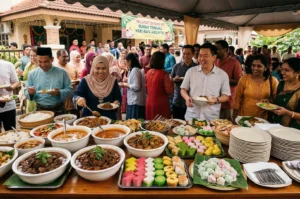
We still remember our first collective Rumah Terbuka (Open House) experience in Kuala Lumpur.Standing at the doorway of a home during Hari Raya, we were utterly paralyzed by the sheer volume of people and the aroma of Malaysian cooking. There were aunties ladling beef rendang and tables groaning under the weight of colourful kuih. “Do…
-
Asian Food Comfort Trends: Why Broths and Bowls are Dominating Globally
Eda Wong | March 14, 2026
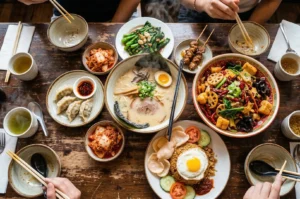
I still remember the first time I faced a “build-your-own” Mala Xiang Guo counter. I stood there, plastic tongs in hand, completely paralyzed by the mountain of choices. Lotus root? Kelp knots? three different types of tofu skin? My anxiety spiked. I panicked, grabbed way too much luncheon meat, and ended up with a $28…
-
The Fifth Element: A Masterclass on Umami in East Asian Cuisine
Dio Asahi | March 12, 2026
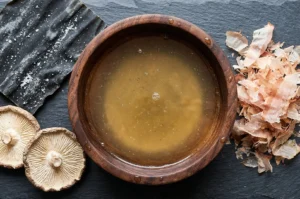
I’ll never forget the first time I made miso soup from scratch. Not the instant kind, but the “proper” way. I boiled water, dissolved miso paste, added tofu, and waited. It tasted flat, salty and cloudy but missing the deep, satisfying flavor I loved in Japanese restaurants. I thought maybe I needed better miso. Years…
-
Why My Quest Ended at Yummy Western (409 AMK)
Dio Asahi | March 10, 2026
There’s a specific magic to a late-night supper hunt in Singapore. It’s the ritual of chasing a craving through the humidity to find that one stall that hits the spot. For me, that meant a pilgrimage to Ang Mo Kio Avenue 10. I arrived at 10 PM on a Friday, just as the ‘supper soul’…
-
A Taste of Time: My Dinner at Guan Hoe Soon
Eda Wong | March 7, 2026
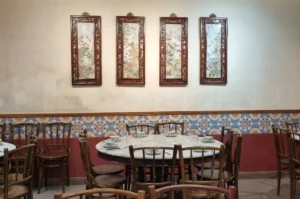
There’s something special about visiting a place that has seen decades of Singapore’s history unfold. Guan Hoe Soon, tucked away on Joo Chiat Road, holds the title of Singapore’s oldest Nyonya restaurant, and you can feel that heritage the moment you step inside. I’d heard about it for years, a place where recipes aren’t just…