In the vibrant tapestry of global gastronomy, few cultures have elevated the plant-based plate to an art form quite like India. While much of the world has recently turned toward meat alternatives for health or environmental reasons, Indian cuisine has been centered on the vegetable for millennia. This isn’t merely a dietary choice; it is a rich cultural legacy. With a protein packed foundation of lentils, grains, and seasonal produce, Indian foods vegetarian traditions offer a perfect blend of nutrition and sensory delight that few other cultures can match.
Explore Eat Drink Asia and get excited about authentic recipes, creative cooking tips, and fresh insights into the lively world of Indian vegetarian cuisine!
The Philosophical Roots of the Indian Cuisine
To understand Indian dishes, one must first understand the philosophy behind them. The concept of Ahimsa, or non-violence, is woven into the very fabric of the nation’s history. From the ancient scriptures of the Vedas to the teachings of Jainism and Buddhism, the act of eating is seen as a way to nourish the soul without causing harm. This belief has resulted in a collection of Indian recipes that are naturally vegan or vegetarian, developed not as “substitutes” for meat, but as complete, standalone masterpieces.
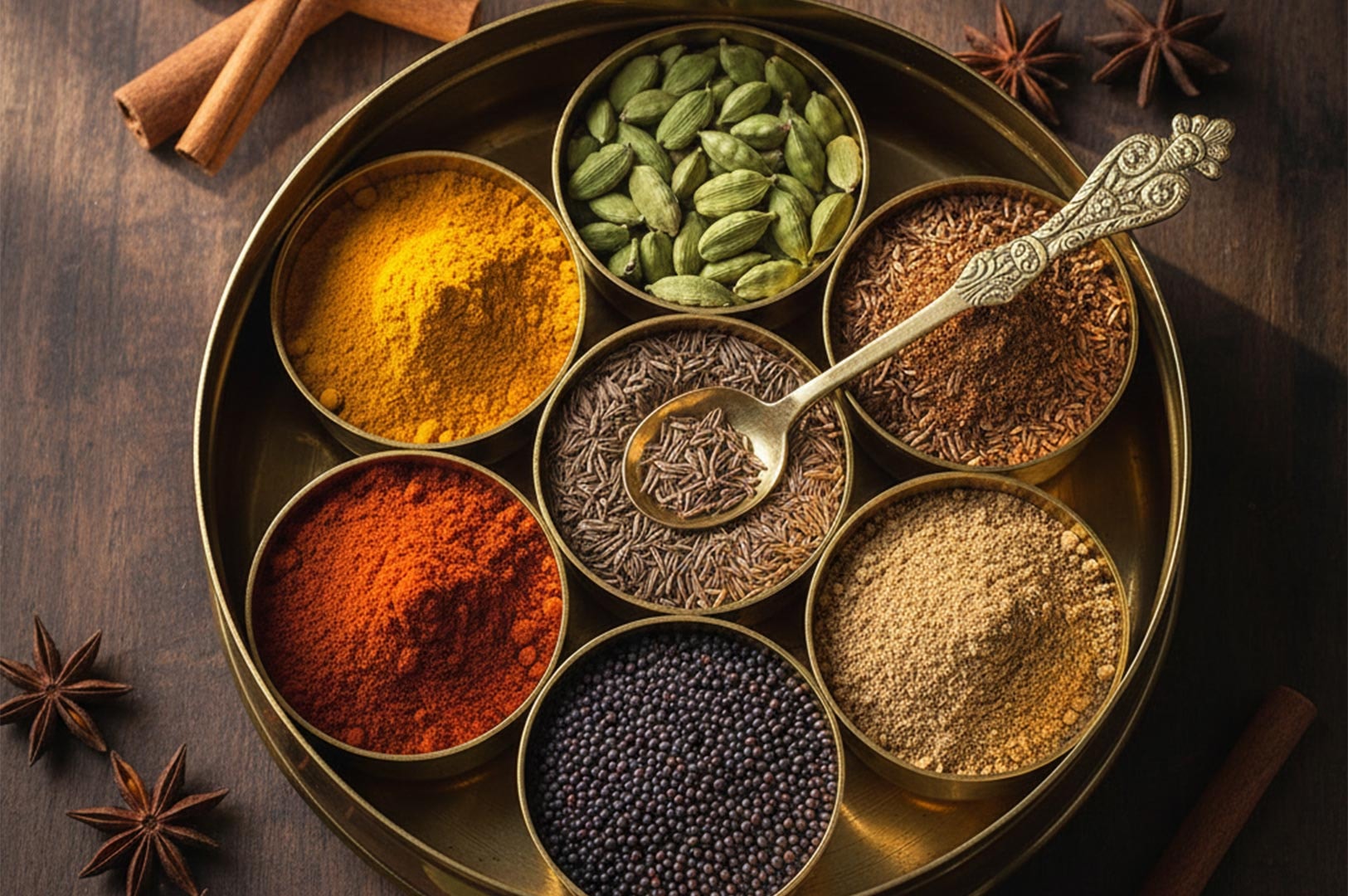
In a typical Indian household, the kitchen is considered a sacred space. The aromatic spices stored in the traditional masala dabba (spice box) are more than just flavor enhancers; they are part of an ancient medicinal system. Turmeric, with its golden hue, is prized for its anti-inflammatory properties, while black pepper and ginger are utilized to aid digestion. When you cook a traditional dish, you aren’t just making a meal; you are practicing a form of alchemy.
A Geographic Symphony: From the Himalayas to the Indian Ocean
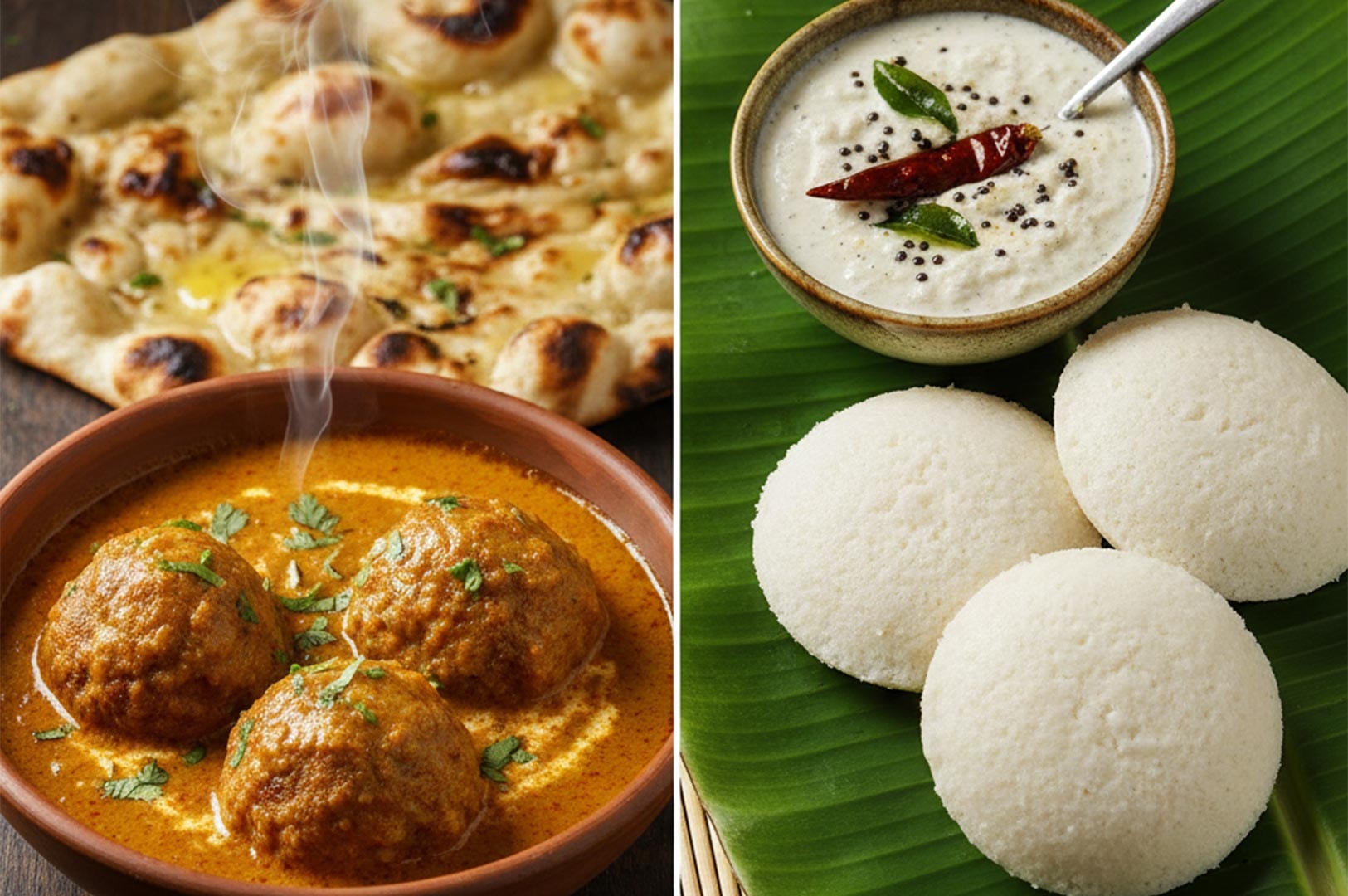
The beauty of Indian vegetarian food lies in its regional diversity. If you travel through Northern India, you are greeted by the scent of roasting wheat and heavy cream. Because of the cooler climate and Persian influences, the cuisine here is hearty and indulgent. This is the land of the perfectly spiced chana masala and the iconic malai kofta—fried dumplings made of paneer and potato submerged in a creamy sauce. On special occasions, the aroma of garam masala wafts through the air as families gather to share naan and roti fresh from the tandoor.
However, as you move toward the tropical South, the landscape changes, and so does the food. The heavy wheat-based breads are replaced by rice dishes and fermented rice preparations. In states like Tamil Nadu and Kerala, the air smells of roasted mustard seeds and fresh curry leaves. Here, coconut is king. It is used in every form—grated, toasted, or as coconut milk to thicken a spicy curry. A breakfast of steamed idli (rice cakes) pairs perfectly with a cooling coconut chutney, providing a protein boost to start the day.
The Architecture of Indian Recipes: Spices and Techniques
The hallmark of Indian flavors is the complexity of the sauce. Unlike Western sauces that often rely on stocks or fats, an Indian curry is built layer by layer. It starts with a base of garlic, onions, and ginger sautéed over medium heat until they caramelize. Then come the tomatoes, which break down into a jammy consistency, providing the acidity needed to balance the rich oils.
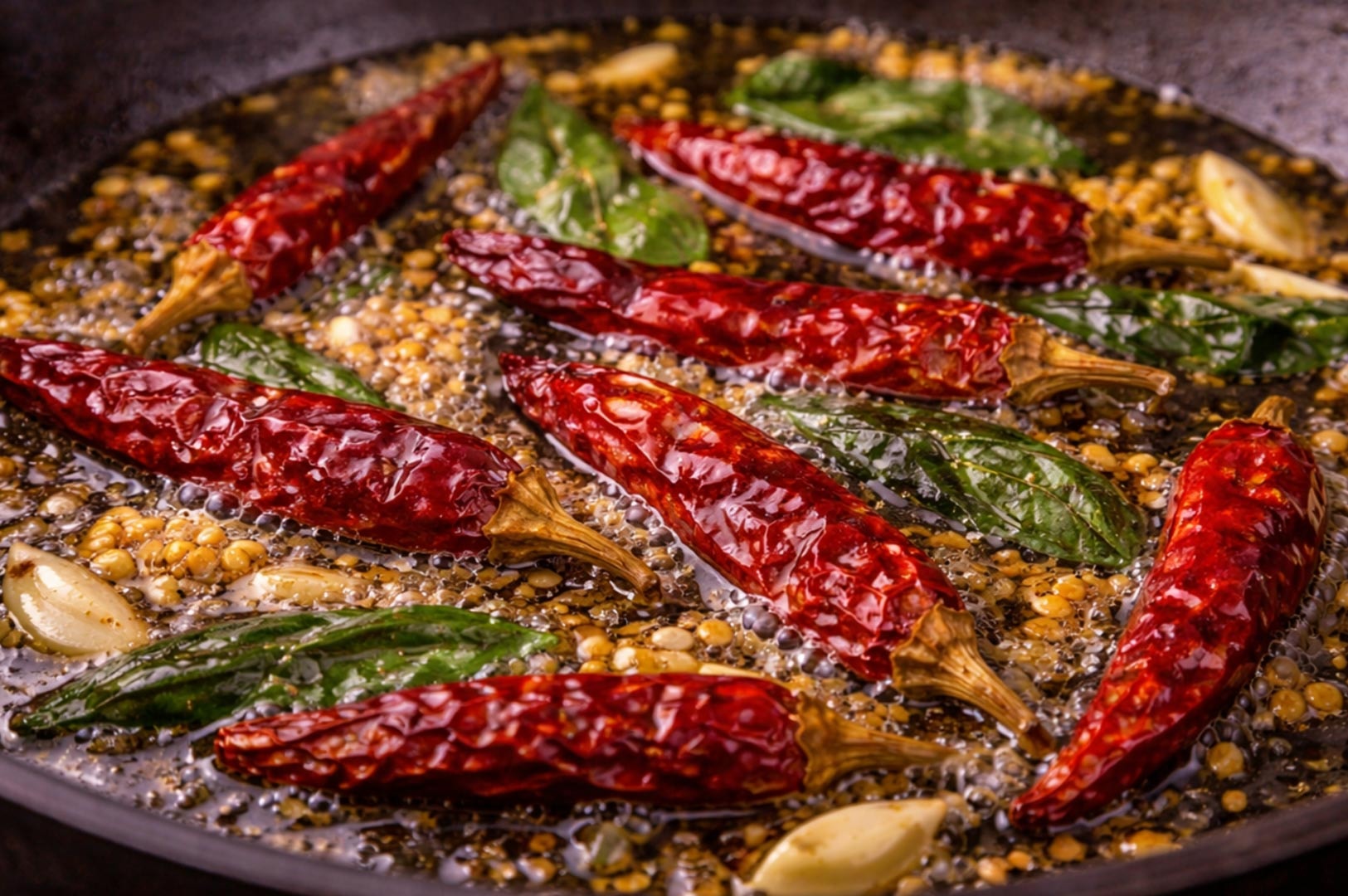
The “Tadka,” or tempering, is the most crucial technique. Spices like cumin, mustard seeds, and asafoetida are dropped into hot oil until they pop and sizzle, releasing their essential oils. This infused oil is then poured over red lentils or soups at the very last second, creating a tasty explosion of flavor. This process ensures that even simple ingredients like green peas and carrots are transformed into something extraordinary.
Modern Traditions: The Instant Pot and Beyond
In today’s fast-paced world, the whole family often finds themselves squeezed for time. This has led to a fascinating evolution in how Indian vegetarian recipes are prepared. The Instant Pot has become a staple in the modern diaspora kitchen, allowing home cooks to achieve the “slow-cooked” taste of a lentil curry in a fraction of the prep time.
We are also seeing a rise in “global-Indian” fusion. A tofu tikka masala is a perfect example of this—taking a traditional creamy tomato base and swapping the dairy for vegan tofu to satisfy modern dietary preferences. Even ingredients like sweet potatoes, which aren’t traditionally the main star of an Indian dish, are being integrated into spicy masalas, proving that Indian recipes are living, breathing entities that continue to grow.
The Social Fabric: Street Food and Family Tables
You cannot discuss Indian food without mentioning the street culture. In cities like Mumbai or Delhi, vegetarian snacks are a way of life. From the spicy crunch of a samosa to the tangy explosion of a chaat, these foods are designed to hit every part of the palate: sweet, sour, spicy, and salty. These are the tasty treats that bring people together across social divides.
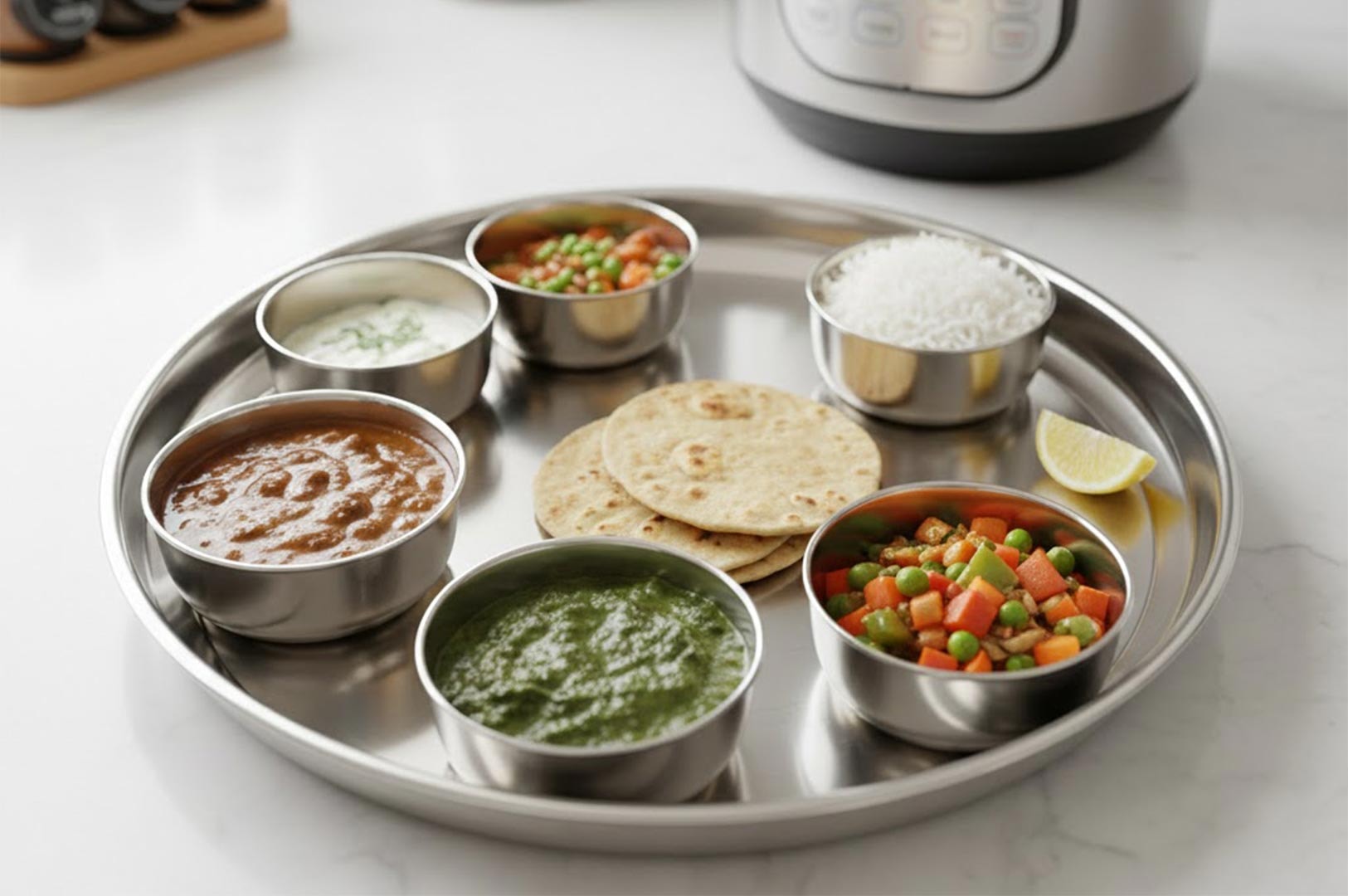
At home, the ritual of the “Thali“—a large platter containing various small bowls of vegetables, lentils, rice, and yogurt—ensures a balanced diet. It is a delicious reminder that a vegetarian diet can be incredibly varied. Whether it is a simple dinner of dal and rice on busy weeknights or an elaborate feast for a wedding, the focus remains on the quality of the produce and the balance of the spices.
Indian Vegetarian Recipes: A Global Inspiration
Today, resources and other culinary platforms provide detailed instructions for those looking to recreate these flavors at home. As more people move toward plant-based living, the world is looking to India for inspiration. The techniques developed over thousands of years—like the fermentation of rice or the strategic use of lentils—are now being studied by chefs worldwide.
As you embark on your own journey through Indian cuisine, don’t be afraid to experiment. Start with a simple chana masala, learn the rhythm of the spices, and soon you will find that you don’t need meat to create a meal that is satisfying and rich.

The Neighbourhood Restaurant Test: How to Spot Truly Authentic Cuisine Restaurants in Your Area
Eda Wong | March 31, 2026
A friend texted me last week: “I’m outside this new Vietnamese place. How do I know if it’s legit before I waste my money?” It’s a question I get often. We’ve all been there, drawn in by a cool sign, only to get a plate of sad, sweet, tourist-grade pad thai that tastes like ketchup….
-
Cuisine in the World Meets Singapore: Inside Nakhon Kitchen’s Cross-Cultural Magic
Dio Asahi | March 26, 2026
There’s a rite of passage for any food lover living in the East of Singapore, and it involves a queue. Specifically, the perpetually long, snaking queue outside Nakhon Kitchen in Bedok. I’d heard the legends for years: authentic Thai food, rock-bottom prices, and a wait time that tests your commitment. So, on a Tuesday evening…
-
The Spice Route Secrets: A Deep Dive into Malay Ethnic Food
Eda Wong | March 24, 2026
My first time ordering Nasi Padang in Geylang Serai was overwhelming, I randomly picked dishes and was shocked by a $20 bill due to premium beef rendang and squid. That taught me to always ask seafood prices and that Malay food is a complex, modular cuisine. Malay food is everywhere in Singapore, in hawker centres,…
-
The Shokunin Spirit: How Japan’s Craftsman Philosophy Lives Inside Singapore’s Most Disciplined Omakase Counter
Dio Asahi | March 21, 2026
The fire is not roaring; it is breathing. In a small, darkened workshop in Sakai, a swordsmith watches the colour of the steel with eyes that have tracked the same transformation for forty years. He does not look at a clock. He listens to the hum of the charcoal. He waits for the metal to…
-
The Evolution of the Plate: How History Transformed Iconic Malaysian Dishes
Eda Wong | March 19, 2026
I used to think I understood Malaysian food. As a Singaporean, it’s practically in my DNA, right? Nasi lemak for breakfast, a cheeky roti canai for supper – I thought I had it all figured out. Then I spent a week eating my way through Penang and Kuala Lumpur, and I realised I knew absolutely…
-
The Soul of the Table: An Educational Guide to the Role of Food in Malaysian Culture
Eat Drink Asia Team | March 17, 2026
We still remember our first collective Rumah Terbuka (Open House) experience in Kuala Lumpur.Standing at the doorway of a home during Hari Raya, we were utterly paralyzed by the sheer volume of people and the aroma of Malaysian cooking. There were aunties ladling beef rendang and tables groaning under the weight of colourful kuih. “Do…
-
Asian Food Comfort Trends: Why Broths and Bowls are Dominating Globally
Eda Wong | March 14, 2026
I still remember the first time I faced a “build-your-own” Mala Xiang Guo counter. I stood there, plastic tongs in hand, completely paralyzed by the mountain of choices. Lotus root? Kelp knots? three different types of tofu skin? My anxiety spiked. I panicked, grabbed way too much luncheon meat, and ended up with a $28…
-
The Fifth Element: A Masterclass on Umami in East Asian Cuisine
Dio Asahi | March 12, 2026
I’ll never forget the first time I made miso soup from scratch. Not the instant kind, but the “proper” way. I boiled water, dissolved miso paste, added tofu, and waited. It tasted flat, salty and cloudy but missing the deep, satisfying flavor I loved in Japanese restaurants. I thought maybe I needed better miso. Years…
-
Why My Quest Ended at Yummy Western (409 AMK)
Dio Asahi | March 10, 2026
There’s a specific magic to a late-night supper hunt in Singapore. It’s the ritual of chasing a craving through the humidity to find that one stall that hits the spot. For me, that meant a pilgrimage to Ang Mo Kio Avenue 10. I arrived at 10 PM on a Friday, just as the ‘supper soul’…
-
A Taste of Time: My Dinner at Guan Hoe Soon
Eda Wong | March 7, 2026
There’s something special about visiting a place that has seen decades of Singapore’s history unfold. Guan Hoe Soon, tucked away on Joo Chiat Road, holds the title of Singapore’s oldest Nyonya restaurant, and you can feel that heritage the moment you step inside. I’d heard about it for years, a place where recipes aren’t just…