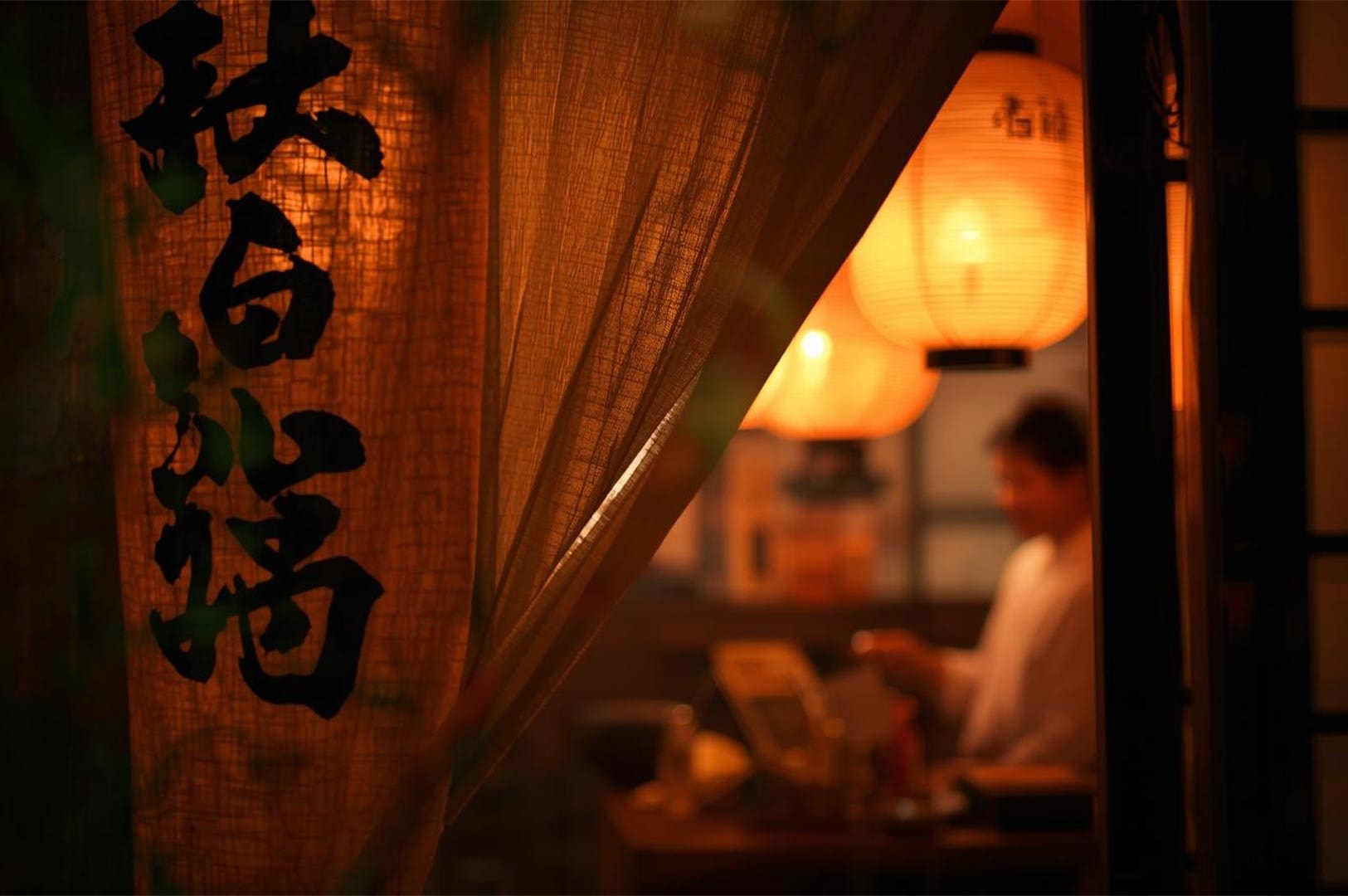
As you step behind the humble noren curtain, you’re greeted by glowing lanterns, sizzling charcoal-grilled skewers, and warm welcomes. This is izakaya, Japan’s casual pub, a vibrant part of Singapore’s dining scene. More than just yakitori and sake, izakayas offer a lively setting for social drinking and dining, perfect for fans of Japanese culture.
Dating back to Japan’s Edo era, izakayas are places where daily routines fade away, replaced by laughter, shared small plates, and deep connections. They embody Japanese gastropub culture, blending tradition with the vibrant spirit of Singapore’s best izakayas.
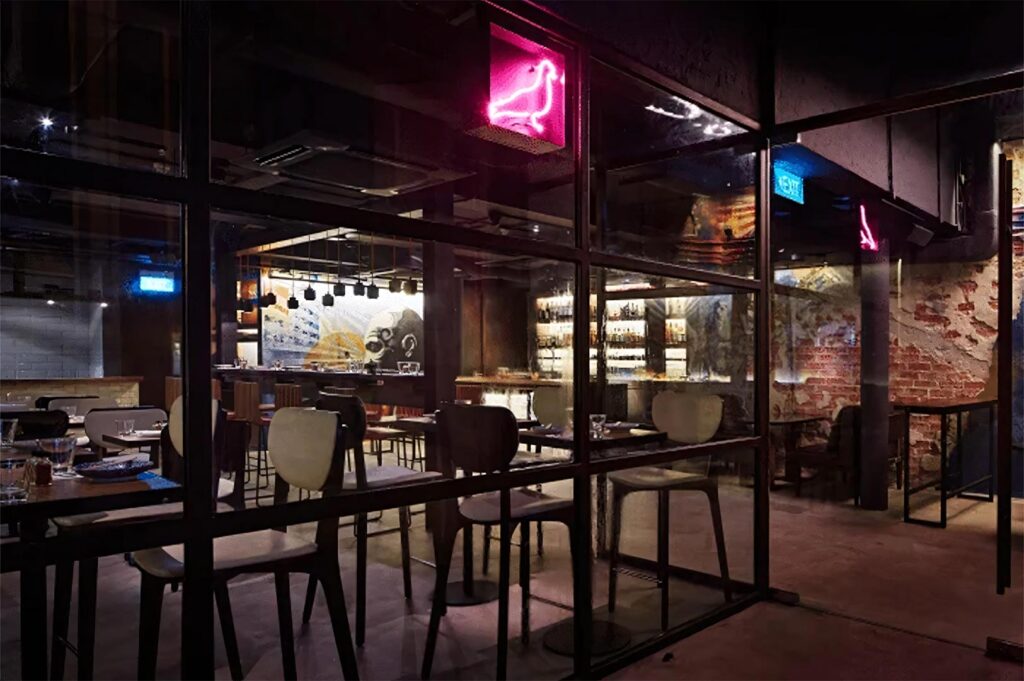
Neon Pigeon (Carpenter Street)
Nearest MRT: Clarke Quay (5-8 min walk)
Price: S$30–S$60+ per person
In my experience, Neon Pigeon represents a high-performance “social house” rather than a traditional izakaya. It’s a Tokyo-inspired system built on loud, buzzing energy and inventive cocktails. While most izakayas focus on the past, this Carpenter Street icon is focused on the future, earning its spot on the World’s 50 Best Discovery list.
The “software” here is a mix of fusion-heavy small plates. The gyoza with foie gras ($22) is the star node; the decadent fat of the foie gras creates a rich, “lemak” profile that is expertly balanced by a hit of citrus and spice. Their menu also features KFC bao buns and sushi-style bites, making it a standout among Japanese restaurants for those who crave good food with a modern edge.
- The Perfect Session: High-energy weekend nights and lively group rituals with friends.
- The Reality Check: Bypass this node if you require a quiet, slow-paced environment for deep technical analysis.
- The Local Secret: Sit closer to the bar. The bartenders here are masters—ask them for a specific sake pairing to cut through the richness of the Tokyo Hummus.
Shukuu Izakaya (Telok Ayer)
Nearest MRT: Telok Ayer (3 min walk)
Price: S$30–S$50+ per person
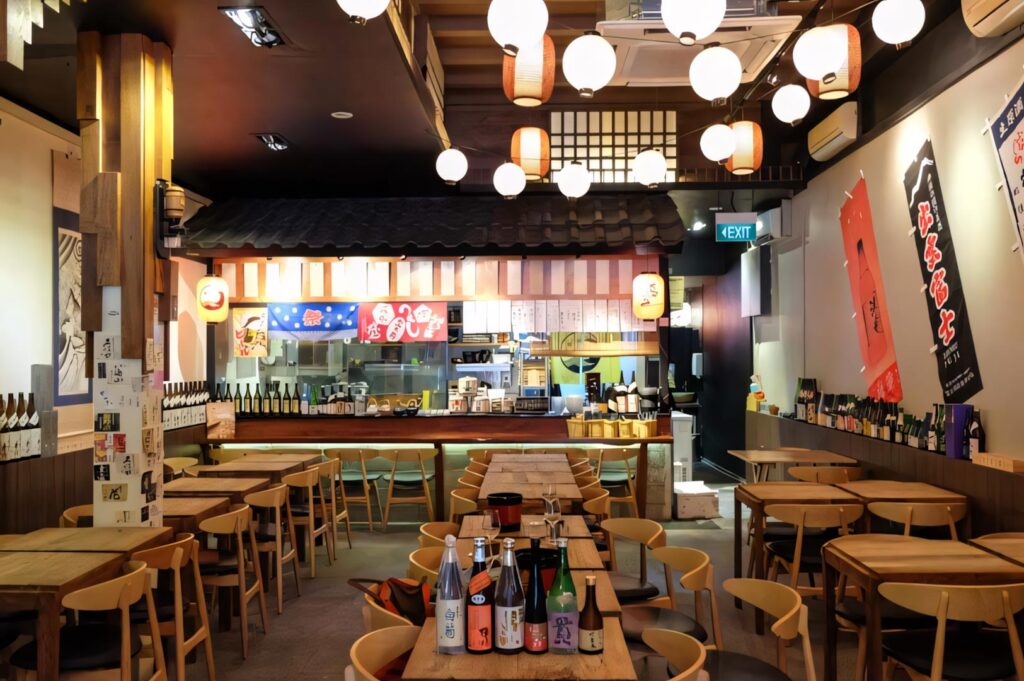
Shukuu Izakaya is the most sake-centric “operating system” I’ve encountered in the CBD. Every meal here is built as a supporting module for their curated sake labels. To be honest, I’ve sat through multiple pairing sessions here, and the staff’s technical knowledge of rice wine makes every visit an authentic izakaya experience.
The logic of the menu is built around umami-forward bar bites. The crab gratin ($16) is a functional masterpiece—the creamy, pungent crab brain provides a savory baseline that elevates even the most subtle Junmai. You’ll also find jaga mentaiko (potato with spicy cod roe) and chicken meatballs that serve as the perfect pair for a crisp beer or shochu. The portions are calibrated for pairing, ensuring diners can explore various dishes without “system overload.”
- The Perfect Session: Intimate date nights and dedicated sake tasting sessions.
- The Reality Check: Not for those who prefer a rowdy, party-style public izakaya where the drinks are a secondary thought.
- The Local Secret: Don’t just order a bottle. Ask for sake flights and pair them with the charcoal grilled skewers for the best flavor contrast.
Shunjuu Izakaya (Robertson Quay)
Nearest MRT: Fort Canning (10-12 min walk)
Price: S$30–S$70+ per person
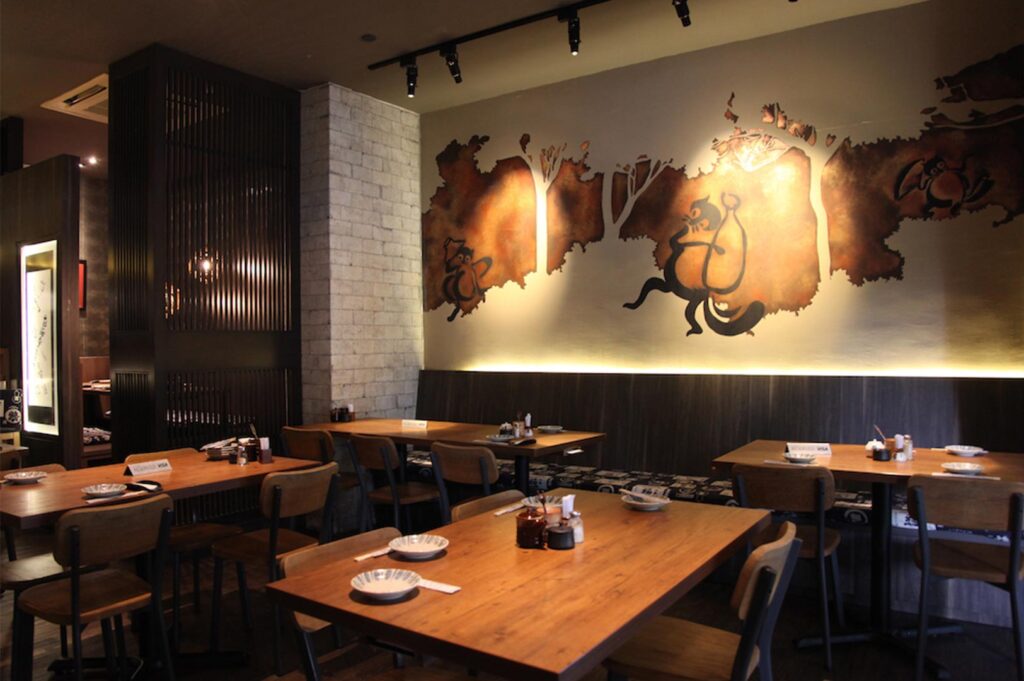
Shunjuu Izakaya is where I go to audit the “Slow Simmer” and high-heat alchemy of sumiyaki. Situated along the river at Robertson Quay, it features an open kitchen where you can watch the precise extraction of flavor from an extensive menu of over sixty different yakitori options.
The “hardware” here is the binchotan charcoal. The yakitori omakase style platter (approx. $5 per skewer) is the essential order; the smoky sear on the pork belly and chicken hearts creates a texture that simply can’t be replicated on a gas grill. While the interior ventilation can occasionally fail to keep up with the smoke, the river breeze at the outdoor tables provides the perfect “system reset” for those seeking traditional izakaya cuisine.
- The Perfect Session: After-work relaxation and breezy, long-form dinners with friends.
- The Reality Check: Skip this if you’re in a rush; charcoal cooking is a time-intensive process that demands patience.
- The Local Secret: Request outdoor seating by the river early. The atmosphere is significantly enhanced by the natural airflow and water views.
Izakaya Hikari (Fortune Centre)
Nearest MRT: Bencoolen (5 min walk)
Price: S$30–S$60 per person
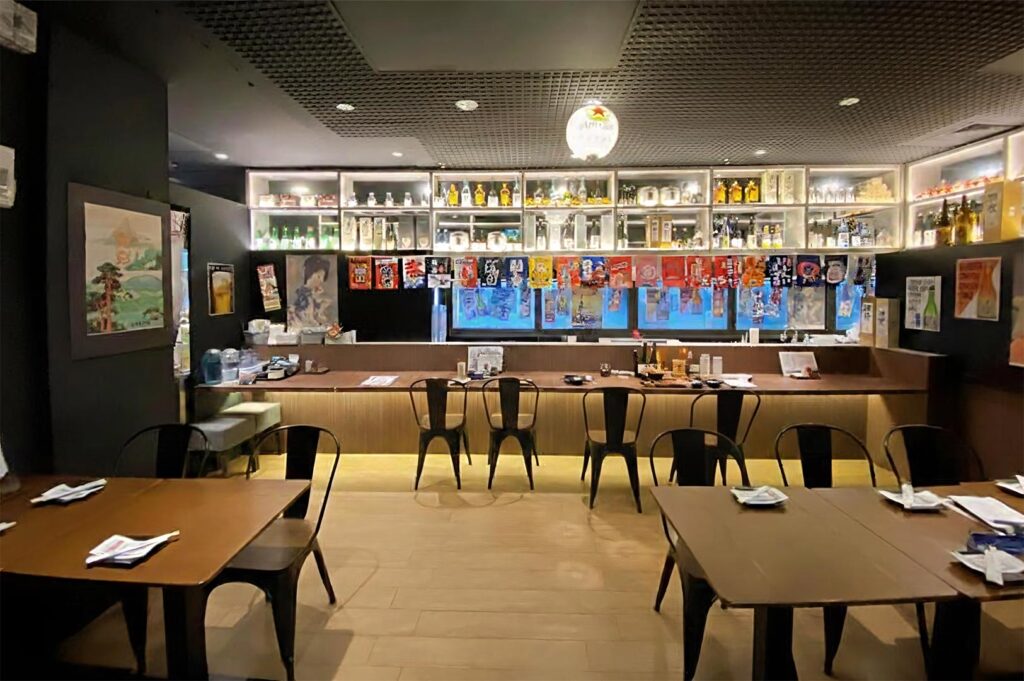
Tucked inside Fortune Centre, Izakaya Hikari is a “Heartland Hero” that proves you don’t need a high-end postcode to deliver quality. It is a friendly traditional izakaya focused on the core “comfort code” of japanese food: fresh seafood, springy noodles, and friendly service.
In my experience, their salmon mentaiko donburi ($16.90) is a top-tier value play. The torched mentaiko provides a smoky, buttery “wow factor” that rivals much more expensive japanese restaurants. It’s a small izakaya where the daily routines slip away the moment you sit at the counter and soak in the tasty aromas of miso soup and tempura.
- The Perfect Session: Casual weekday dinners and relaxed group unwind sessions.
- The Reality Check: Avoid this node if you are seeking a high-end, minimalist specialty sushi omakase.
- The Local Secret: Combine both the sashimi and kushiyaki combo. The temperature contrast between the cold fresh seafood and the hot charcoal grilled meats is a masterclass in balance.
Izakaya Bar Nijumaru (Cuppage Plaza)
Nearest MRT: Somerset (8-10 min walk)
Price: S$30–S$60+ per person
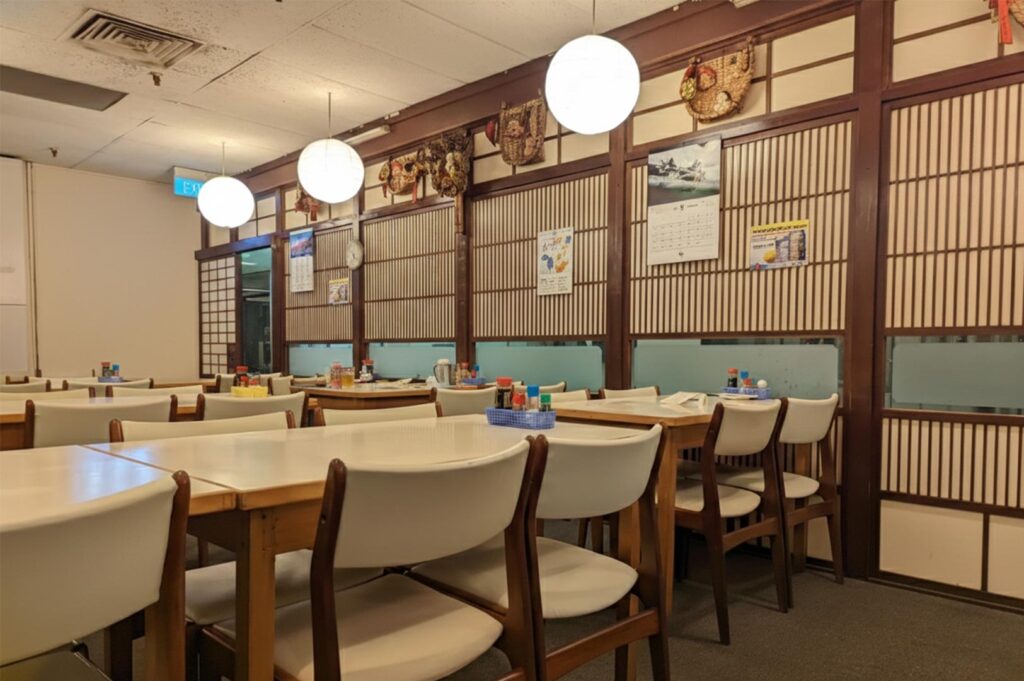
Izakaya Nijumaru is the “Legacy System” of the Cuppage Plaza area. It’s a nostalgic, bustling icon that has survived for decades by serving traditional izakaya cuisine. It’s raw, honest, and filled with a “supper soul” that makes it a go to for big groups seeking heartland comfort in Japan-style surroundings.
The menu is vast, but the real data points are the seasonal specials. These are “patches” to the standard menu, featuring unique ingredients like buta kakuni (braised pork) or wagyu steak flown in from Japan. I’ve found that their bento sets (approx. $22) are a reliable baseline, offering a structured mix of tempura and sashimi that satisfies every time.
- The Perfect Session: Nostalgia seekers and large, rowdy groups who appreciate an authentic izakaya experience.
- The Reality Check: Not recommended if you want a polished, modern aesthetic or a quiet, refined dine-in experience.
- The Local Secret: Always check the handwritten seasonal specials. They change with the seasonal produce and often feature must try dishes that are “off-system” for the regular menu.
Regional Logic: Japanese Izakaya Traditions
Japan’s regions bring a spectrum of flavors and traditions, and Singapore’s izakayas showcase this diversity. Izakayas offer a wide range of Japanese food, from traditional izakaya bites and donburi to modern bar snacks and premium sashimi, all crafted to deliver an authentic and high-quality dining experience.
Rather than sticking to one style, many establishments blend these regional distinctions, providing a mini food tour of Japan right in the city. To truly dine like a local, you must understand the specific regional “source codes” that power these Japanese restaurants:
- Kansai Influence: Look for hearty bar bites and savory pancakes.
- Kyushu Influence: Often features buta kakuni and ramen-inspired noodles.
- Fun Fact: The term “izakaya” literally translates to “stay-drink-place,” originally designed for diners to linger over sake and rice-based dishes under the rising sun spirit.
Public Izakaya Logistics: Opening Hours and Access
When planning your authentic izakaya experience, timing is your most critical variable. Most izakaya bar venues in Singapore follow a split-shift “Source Code”:
- Lunch: Many spots like Izakaya Hikari offer bento sets and donburi during midday opening hours.
- Dinner: The full extensive menu and yakitori omakase typically come online after 17:30.
- Access: Most of these small plates havens are located within a 10-minute walk of major MRT stations, making it easy to pair your food with plenty of beer and shochu without worrying about the commute.
The Final Source Code: Discovering Your Perfect Izakaya in Singapore
The real essence of the izakaya lies in togetherness, a community built one shared dish at a time. The laughter, familiar comforts, and welcoming hospitality create a refuge where you can relax, connect, and celebrate the flavors of Japan and Singapore. At the heart of this experience is traditional izakaya cuisine, offering a variety of classic Japanese pub dishes often paired with sake or shochu, reflecting the rich heritage and dining customs of Japan.
The next time you’re searching for a meal that goes beyond the plate, dive into Singapore’s izakaya culture. Look for handwritten menus, seasonal specials, and the subtle warmth of omotenashi. Whether you gravitate toward tradition or contemporary fusion, the authentic izakaya experience in Singapore invites you to join a living, evolving cultural story. Seek out your own hidden gem among the small izakayas and bustling venues across Fortune Centre, Cuppage Plaza, and beyond, and as you enjoy each dish, become part of a broader story defined by culinary curiosity and community.
For those inspired by the spontaneity and culinary treasures of Tokyo’s best restaurants, this article offers a glimpse into the vibrant, unplanned dining adventures that define the city’s unique food culture.

Asian Food Comfort Trends: Why Broths and Bowls are Dominating Globally
Eda Wong | March 14, 2026
I still remember the first time I faced a “build-your-own” Mala Xiang Guo counter. I stood there, plastic tongs in hand, completely paralyzed by the mountain of choices. Lotus root? Kelp knots? three different types of tofu skin? My anxiety spiked. I panicked, grabbed way too much luncheon meat, and ended up with a $28…
-
The Fifth Element: A Masterclass on Umami in East Asian Cuisine
Dio Asahi | March 12, 2026
I’ll never forget the first time I made miso soup from scratch. Not the instant kind, but the “proper” way. I boiled water, dissolved miso paste, added tofu, and waited. It tasted flat, salty and cloudy but missing the deep, satisfying flavor I loved in Japanese restaurants. I thought maybe I needed better miso. Years…
-
Why My Quest Ended at Yummy Western (409 AMK)
Dio Asahi | March 10, 2026
There’s a specific magic to a late-night supper hunt in Singapore. It’s the ritual of chasing a craving through the humidity to find that one stall that hits the spot. For me, that meant a pilgrimage to Ang Mo Kio Avenue 10. I arrived at 10 PM on a Friday, just as the ‘supper soul’…
-
A Taste of Time: My Dinner at Guan Hoe Soon
Eda Wong | March 7, 2026
There’s something special about visiting a place that has seen decades of Singapore’s history unfold. Guan Hoe Soon, tucked away on Joo Chiat Road, holds the title of Singapore’s oldest Nyonya restaurant, and you can feel that heritage the moment you step inside. I’d heard about it for years, a place where recipes aren’t just…
-
The 5 Best Halal Restaurant in Singapore for Authentic Nasi Padang
Eda Wong | March 5, 2026
There are few meals as satisfying as Nasi Padang, a colourful feast where you choose from a variety of dishes to create your perfect plate. Over the years, I’ve explored Singapore’s Nasi Padang scene, especially in Kampong Glam, sampling everything from humble hawker stalls to renowned spots. This list highlights the five best halal Nasi…
-
The Global Soup Bowl: How Indonesian Soto Shapes the Future of Asiatic Food Traditions
Dio Asahi | March 3, 2026
I still remember my first “real” bowl of Indonesian soto. Sitting on a low plastic stool in a cramped warung, I ordered Soto Betawi, expecting it to be like the clear Soto Ayam from Singaporean weddings. I was wrong. The rich, milky broth was intense, creamy, and boldly spiced. That first spoonful rewired my idea…
-
Shun: Japan’s Seasonal Treasures – A Deep Dive Into the Ingredients Behind True Omakase
Eat Drink Asia Team | February 28, 2026
In the world of Asian food, few dining experiences capture the soul of traditional Japanese food culture like omakase. At a premier omakase restaurant, diners entrust their meal entirely to the chef, whose artistry is guided not just by mastery, but by shun—the appreciation of seasonal and fresh ingredients at the absolute peak of their…
-
My Trip to Bánh Mì Saigon and How It Compares to Best Food in Singapore
Eda Wong | February 26, 2026
Located in the bustling neighborhood of Ang Mo Kio, Bánh Mì Saigon offers a taste of Vietnam right here in Singapore. From traditional bánh mì sandwiches to hearty pho bowls and refreshing Vietnamese iced coffee, this restaurant has it all. I arrived at Bánh Mì Saigon on a busy Saturday evening and was immediately drawn…
-
Tea Room by Ki-setsu: A Curated Journey Through Chinese Tea in the Heart of Singapore
Dio Asahi | February 25, 2026
Most people arrive at Chinese tea the way they arrive at any beverage: thirsty, curious, maybe looking for something sweet or soothing. But traditional chinese tea isn’t built like a single drink. It’s a network: leaf origin, processing choices, vessel physics, water, pacing, and the quiet social technology of sitting down long enough for a…
-
Tandoori Chicken: The Signature Indian Chicken Dish
Eda Wong | February 24, 2026
Tandoori chicken stands tall among the best Indian chicken recipes. With its vibrant hue and smoky aroma, this iconic Indian chicken dish is celebrated in Indian restaurants worldwide. Emerging from Punjab, it pairs perfectly with fragrant basmati rice or fresh naan and is a favorite for anyone who loves bold flavors. The hallmark of tandoori…