Across the Indonesian archipelago, a vibrant tradition of herbal healing has flourished for centuries. This is jamu, a cornerstone of Indonesian cultural heritage and a sophisticated system of traditional herbal medicine. Far more than just a refreshing drink, jamu represents a philosophy of balance, a deep connection to nature, and a form of indigenous medicine that continues to offer many health benefits to people today. This ancient Indonesian art is now capturing global attention, finding its place in discussions around integrative medicine and global health. As a testament to its cultural significance and widespread traditional use, the word ‘jamu’ has been fully adopted into bahasa Indonesia, reflecting its deep roots in the nation’s identity and the importance of indigenous knowledge and practices. The Indonesian Ministry of Health and related governmental bodies have historically supported and promoted jamu, recognizing its value as part of the nation's heritage.
This post delves into the world of jamu medicine, tracing its long history and exploring its modern relevance. We will examine the main ingredients that grant these herbal preparations their medicinal properties, investigate popular jamu recipes that are valued for the various benefits they provide, and consider the pharmacological research that increasingly supports what traditional knowledge has held for generations.
The Ancient Roots of Jamu Culture
The history of jamu is a rich tapestry woven into Indonesia’s past. Evidence suggests its practices date back to at least the 8th century, during the Mataram Kingdom in Central Java. Carvings on the Borobudur temple depict scenes of people grinding herbs with a mortar and pestle and consuming the resulting liquid, indicating that jamu was already an established part of life. The preparation and consumption of jamu have been practiced for centuries as an integral part of Indonesian daily life and wellness. Originally, this knowledge was nurtured within the royal courts before spreading throughout communities.
Traditionally, the specific jamu recipes were precious heirlooms, passed down orally through generations, often from mother to daughter. This traditional knowledge formed the basis of one of the world’s most enduring traditional medicine systems.
Jamu Gendong
The iconic Jamu Gendong became a vital figure in this culture. These jamu sellers, almost always women, would traverse villages and rural areas with bamboo baskets filled with bottles of freshly made jamu strapped to their backs. The bamboo baskets are an essential part of the traditional packaging, allowing sellers to transport and display the herbal drinks as they move from place to place, reflecting a unique cultural practice in jamu distribution. They served as community healers, prescribing and dispensing specific treatments on the spot, making this form of herbal medicine accessible to everyone and cementing its role in public health.
The Art of Traditional Jamu Making
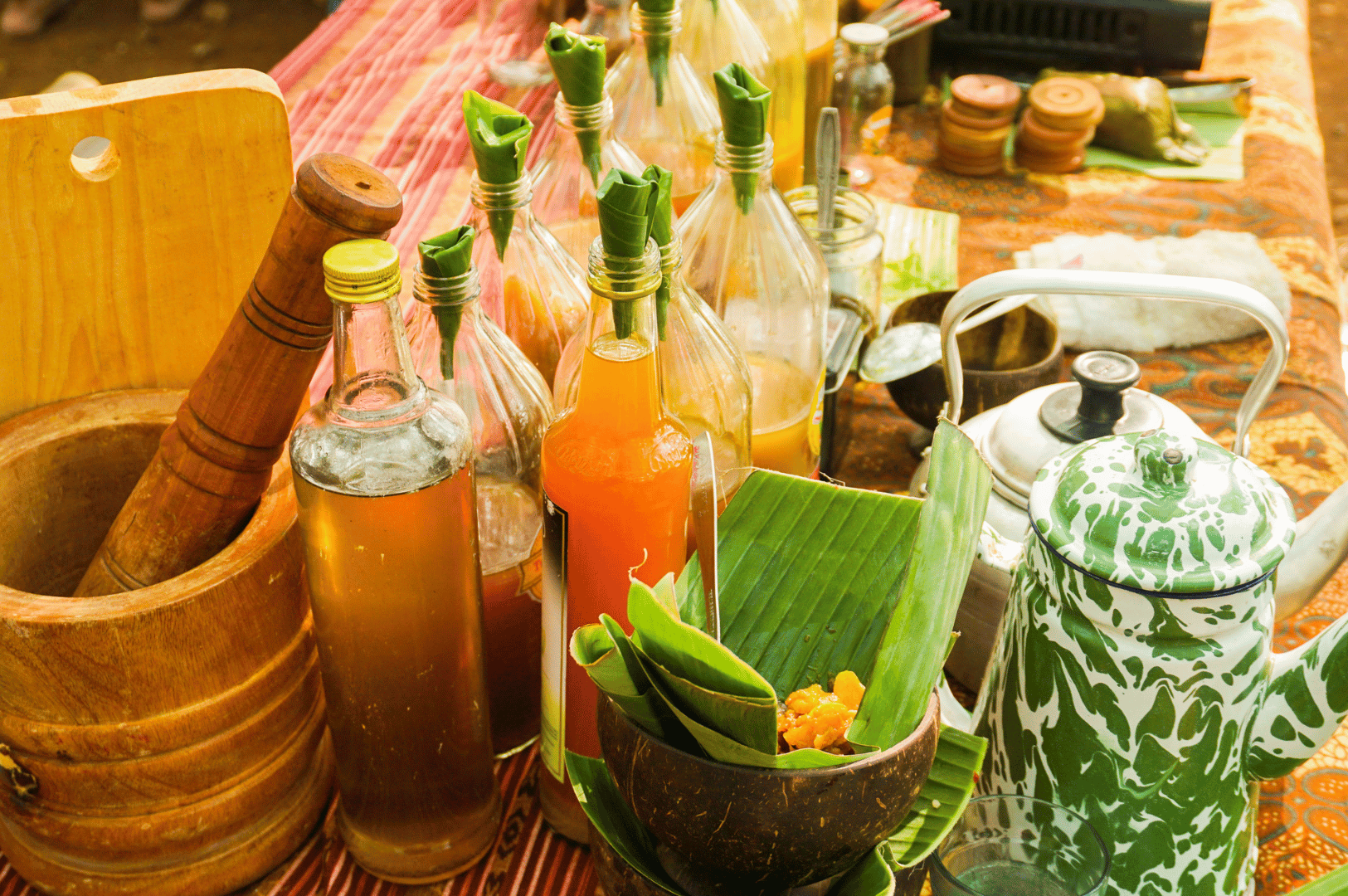
At its core, jamu making is a hands-on, ritualistic process that respects the integrity of each medicinal plant. The traditional method relies on simple tools and a profound understanding of botanical ingredients. The selection of high-quality raw materials is crucial for producing effective jamu.
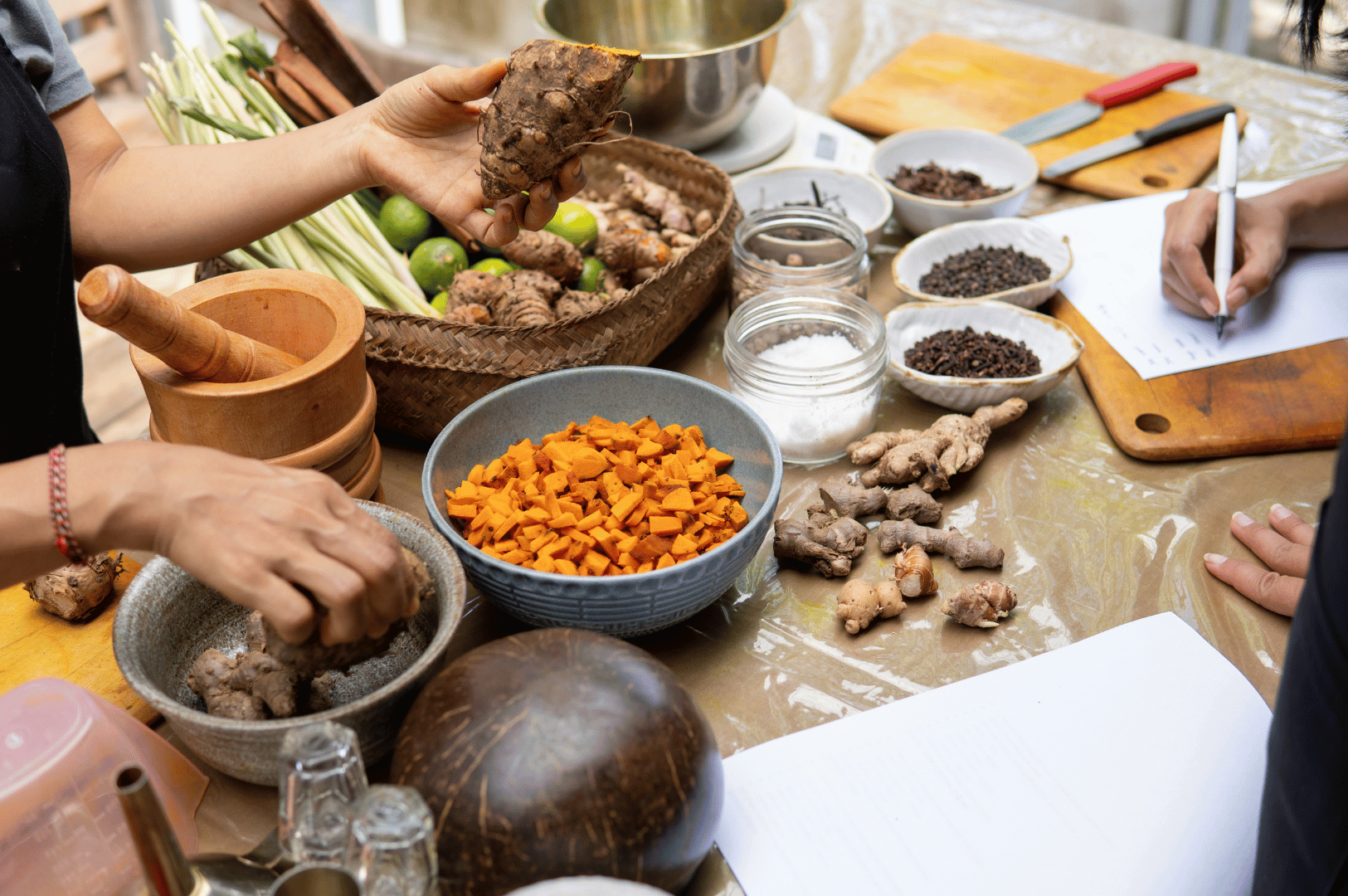
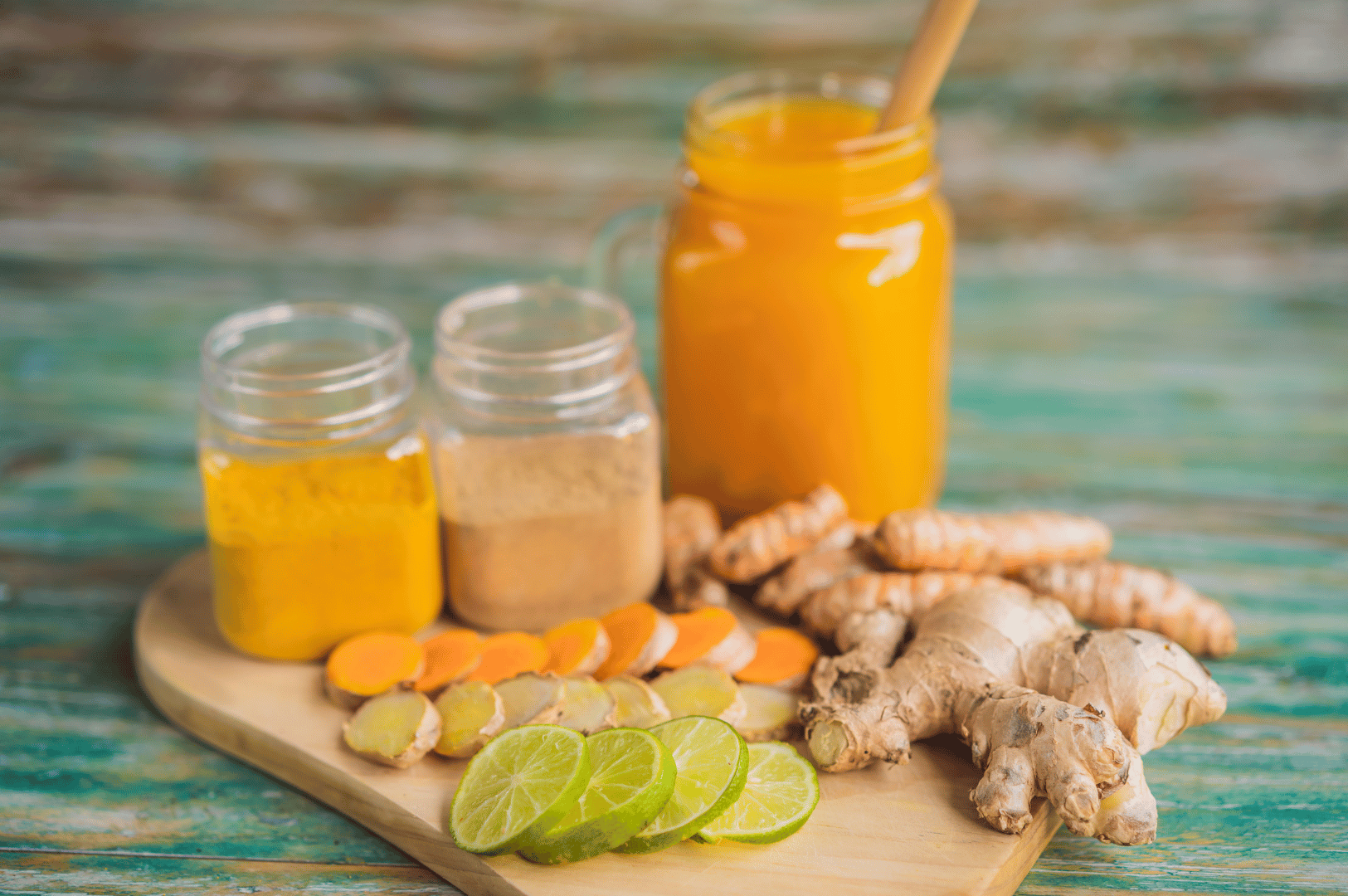
The primary tools are the ulekan (pestle) and cobek (mortar), typically crafted from stone. Here, the transformation begins. A variety of herbal ingredients, such as roots, leaves, seeds, and barks—including fresh rhizomes like turmeric and ginger—are pounded and ground. This meticulous action releases their essential oils and active compounds. Hot water is often added to help with the extraction, and the mixture is then strained through a cloth, producing a potent, unfiltered herbal drink.
This process is more than a mere recipe; it is a ritual that honors the plant. While modern blenders can expedite jamu making, purists argue that the slow grinding of the mortar and pestle is essential for extracting the full spectrum of pharmacological effects without generating heat that could degrade delicate compounds. The end product is a beverage teeming with vitality, meant to support overall health and well-being.
A Natural Pharmacy: The Main Ingredients & Health Benefits
The power of traditional jamu lies in Indonesia’s immense biodiversity. While recipes can feature hundreds of different plants, a few key ingredients form the foundation of this traditional medicine. Many of these jamu ingredients are known for boosting immunity, supporting physical health, and providing a holistic approach to wellness.
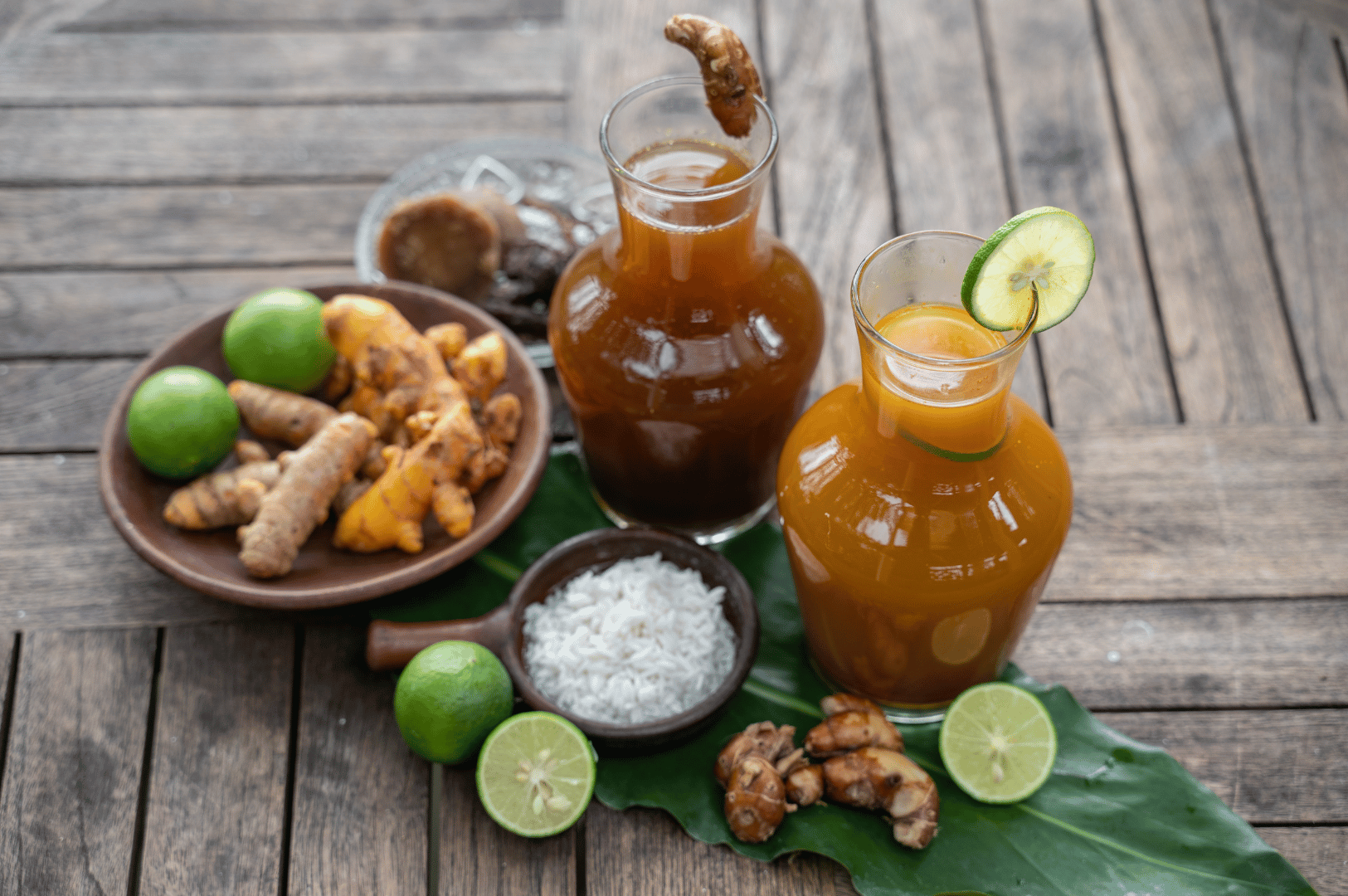
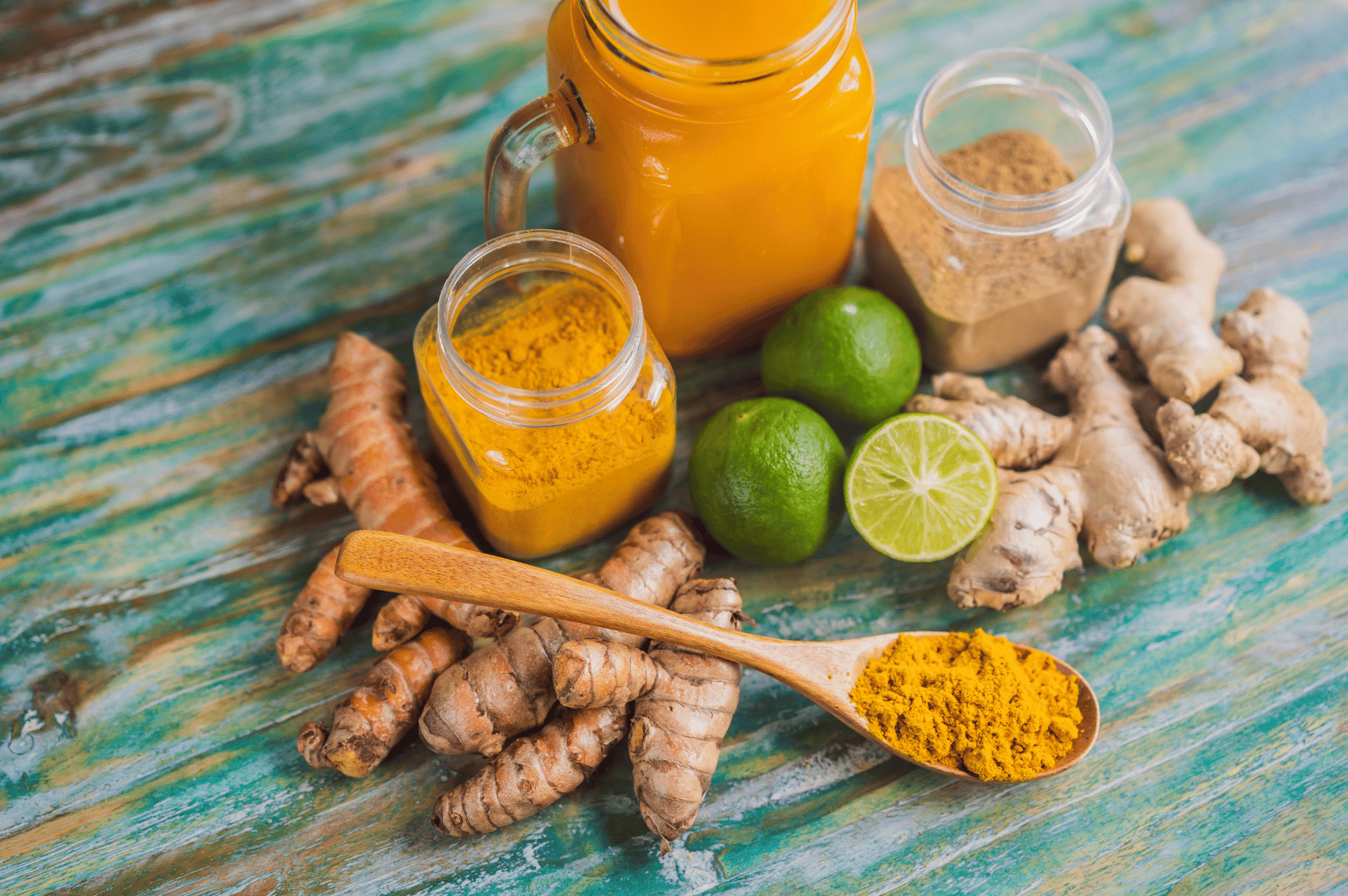
- Turmeric (Kunyit): The star of many jamu drinks, turmeric is celebrated for its brilliant color and its active compound, curcumin. Its use in traditional medicine is often linked to its ability to reduce inflammation. Turmeric is especially valued for its anti inflammatory benefits, contributing to reducing inflammation and supporting overall health. Modern medicine has studied intensively the benefits of turmeric, with clinical trials exploring its potential as a powerful anti-inflammatory agent.
- Ginger (Jahe): The rhizome Zingiber officinale is known for its warming, pungent flavor. Ginger is commonly used to soothe digestive issues, fight nausea, and improve circulation. It is a staple in many formulas designed to warm the body, with a notable role in improving digestion and alleviating muscle pain.
- Aromatic Ginger (Kencur): Often called sand ginger, kencur has a unique, earthy flavor distinct from regular ginger. It is a key ingredient in the popular jamu Beras Kencur and is used to alleviate fatigue and muscle aches. Its antimicrobial properties have also been a subject of interest.
- Clove (Cengkeh): Clove is valued in jamu for its strong aroma and medicinal uses. It is especially noted for its antibacterial properties, with clove essential oil (rich in eugenol) traditionally used to help prevent and treat infections.
- Tamarind (Asam Jawa): This fruit provides a characteristic sour note that balances the earthy flavors of the rhizomes. Rich in antioxidants, it’s a key component of Kunyit Asam and is used for its digestive benefits and skin-clearing properties.
- Pandan Leaf (Daun Pandan): The pandan leaf imparts a sweet, fragrant aroma to certain jamu preparations and is also a staple in Indonesian cuisine. It is believed to have calming effects.
- Kaffir Lime: Kaffir lime is traditionally used in jamu for its medicinal properties, including antibacterial and anti-inflammatory effects. Its leaves and rind are valued for their bioactive compounds, and it is commonly used in both cuisine and herbal remedies to support health and wellness.
Jamu is often prepared as a jamu concentrate, a traditional form that can be diluted with water to make a refreshing and healthful drink.
Popular Jamu Recipes and Their Many Benefits
While thousands of jamu recipes exist, a few have become particularly widespread across the many regions of Indonesia. Each offers various health benefits. Drinking jamu is the primary way to experience these benefits and is an integral part of Indonesian herbal medicine culture.
Kunyit Asam
Perhaps the most famous of all jamu, Kunyit Asam is a combination of fresh turmeric and sour tamarind pulp. This drink is traditionally consumed by women to help with menstrual issues, but its benefits are far broader. The powerful antioxidant properties of its ingredients make it a popular choice for detoxification and immune system support. The anti-inflammatory effects of curcumin, the main active compound in turmeric, make this jamu a go-to treatment for conditions involving inflammation. It is often sweetened with a touch of honey or palm sugar to balance its flavors.
Beras Kencur
This creamy, sweet, and fragrant drink is made from rice (beras) and aromatic ginger (kencur). The rice is ground into a milk and mixed with the strained juice of kencur and other spices. It is considered a wonderful refreshing drink and is often used to boost appetite and energy levels. The antimicrobial properties and antibacterial activity of kencur are also valued.
From Traditional Knowledge to Scientific Validation
For centuries, the efficacy of jamu was based on empirical evidence passed through generations. Today, pharmacological research is beginning to provide scientific validation for these ancient practices, bridging the gap between traditional medicine systems and modern science. Herbal medicines, including jamu, are now being evaluated for their safety and efficacy in modern healthcare, with increasing attention to quality standards and integration into formal medical practices.
Clinical studies on ingredients commonly found in jamu are uncovering the mechanisms behind their health benefits. Curcumin from turmeric has been studied intensively for its potential as an herbal anti-inflammatory, antioxidant, and immunomodulatory agent. Likewise, compounds in ginger and galangal have been examined for their pharmacological effects, including antibacterial activity. Some research also explores the potential of jamu ingredients to support mental clarity and cognitive function.
This growing body of research lends credibility to the use of jamu to treat diseases and promote health, supporting the important role of traditional medicines in disease prevention and health maintenance. Jamu and its ingredients have shown promise in helping to prevent or treat specific diseases, such as inflammation, infections, diabetes, and other chronic conditions, highlighting their therapeutic potential. The word jamu itself, derived from ancient Javanese, hints at this purpose, combining words for “herb” and “prayer” or “incantation.”
Jamu in the Modern World
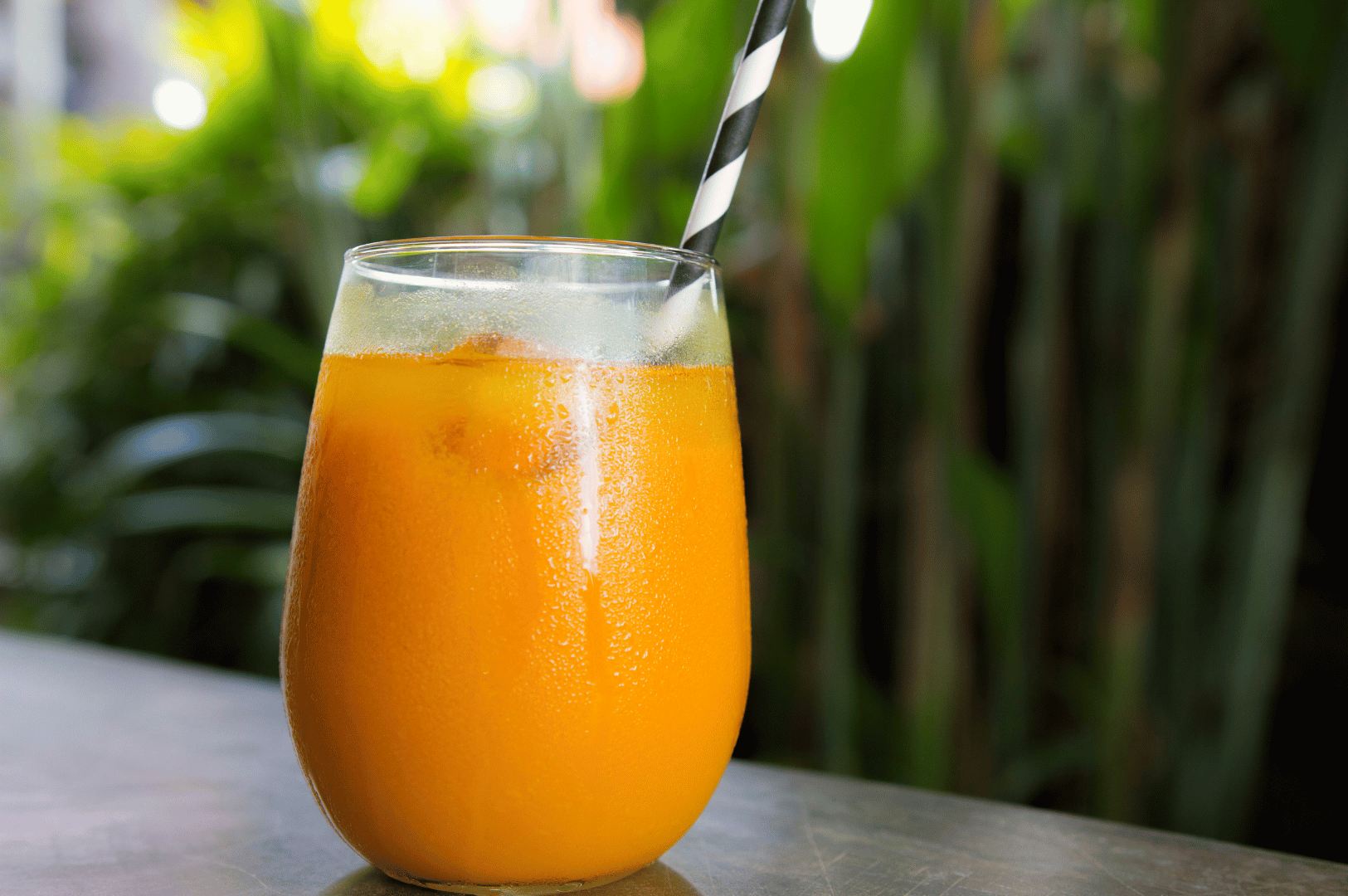
Jamu is experiencing a significant revival, both within Indonesia and on the global stage. As interest in alternative medicine, functional beverages, and natural wellness grows, jamu fits perfectly into the modern health-conscious lifestyle.
In Indonesian cities, trendy jamu bars are reintroducing this herbal drink to younger, urban demographics. They present jamu not as old-fashioned medicine, but as a chic, healthy choice. Entrepreneurs are also creating bottled jamu drinks, offering convenience for busy lives. This has sparked a conversation about the best form of consumption, as many of the benefits of jamu come from its freshness.
This modernization is also influencing the field of integrative medicine, where practitioners look to combine the best of modern and traditional practices. The principles behind jamu—using whole-plant ingredients to support the body’s natural healing processes—align well with this philosophy. Regular consumption of jamu is also believed to help release tension and promote relaxation as part of a holistic wellness routine.
Preparing Jamu at Home
Making jamu is a rewarding way to connect with this tradition. A simple Kunyit Asam recipe is a great place to start:
- Wash and grate about 100g of fresh turmeric root.
- Combine the turmeric in a pot with 500ml of water (or hot water for better extraction).
- Add about two tablespoons of tamarind pulp and a pinch of salt.
- Bring the mixture to a gentle boil and simmer for 15-20 minutes.
- Let it cool, then strain the liquid, pressing the pulp to extract everything.
- Sweeten to taste with honey or palm sugar. Enjoy this herbal healing drink warm or chilled.
Preserving a Cultural Treasure
The renewed interest in jamu is crucial for its preservation. In 2023, UNESCO officially recognized Indonesia's jamu wellness culture as an Intangible Cultural Heritage of Humanity. This acknowledgment highlights its importance not just for health, but as a living tradition. Efforts are underway to document traditional recipes, support local jamu producers in rural areas, and educate younger Indonesian people about this invaluable botanical legacy.
By embracing jamu, we do more than just consume a healthy beverage. We engage with a living history, support biocultural diversity, and honor a system of wellness that has nurtured communities for over a thousand years. Whether you seek it for its earthy taste, its many benefits for your body, or its deep cultural meaning, jamu offers a rich and authentic connection to one of the world's most profound traditional wellness practices. Continue exploring Indonesia’s culinary heritage with the complex process behind Padang beef rendang, or experience Malaysia’s iconic drink through the art and science of teh tarik.

STR TAO Taiwan Cuisine and the Comfort of a Menu That’s Too Big to Be Lazy: Food Places Nearby
Eat Drink Asia Team | July 25, 2026
It was the kind of evening where you don’t want to think too hard about dinner. I’d been walking up East Coast Road, the air still thick from an afternoon shower, when I ducked into a coffeeshop just to sit down. The Bullion Hawker Bar. And tucked among the usual suspects — wanton mee, Hokkien…
-
Sesame Oil at the End: Finishing, Not Flavoring
Eda Wong | July 24, 2026
The wok is already off the heat. The greens sit glossy and dark, steam still curling off them. My mother lifts a small bottle, tilts it, and lets a thin line of sesame oil fall across the top. It hisses faintly against the warm leaves, and the smell rises all at once — toasted, nutty,…
-
Long Phung Vietnamese Cuisine, Where the Menu Doesn’t Waste Words: A Good Restaurant Close to Me
Eda Wong | July 23, 2026
I came in from the rain on a Tuesday, somewhere past 8pm, hungry and a little defeated by the day. The fan was clacking. A queue of three or four people stood near the doorway, dripping. Someone shouted an order toward the kitchen in Vietnamese, and a bowl of pho slid onto a nearby table…
-
The First Squeeze of Calamansi in a Noodle Stall Bowl
Dio Asahi | July 22, 2026
The bowl lands in front of me, broth still trembling from the walk across the stall. Steam rises and fogs the edge of my glasses. To the side sits a small dish of calamansi halves, cut and waiting, their skins slick under the fluorescent light. I pick one up. It gives slightly between my fingers,…
-
Isshin Machi East Coast: Where Comfort Food Turns Addictive
Dio Asahi | July 21, 2026
Let me clear up the first puzzle right away. The name “Isshin Machi” sounds unmistakably Japanese, and I’ll admit I walked in half-expecting ramen and gyoza. What I found instead was a Taiwanese kitchen, plates of lu rou fan, braised beef noodles, and golden fried chicken that trace straight back to the island’s home cooking….

Best Cafe Singapore: A Map of Brunch Plates, Quiet Corners, and Dangerous Pastries
Dio Asahi | July 18, 2026
I didn’t set out to make a list. I made a habit. Over the years, cafes became the places I went to think, to wait out the rain, to sit with a coffee I didn’t have to rush. Some I returned to for the food. Others, I returned to for the feeling — the way…
-
Pickled Mustard Greens: The Sour Note in Clear Broth
Eda Wong | July 17, 2026
Steam lifts from a bowl of clear pork broth, and a spoonful of chopped pickled greens slides in. The broth shifts at once, its richness suddenly cut by a sharp, clean sourness that sits high and bright on the tongue. The greens have softened in the heat but keep a faint, springy crunch. Someone leans…
-
The Potato Curry That Teaches You How Spices Wake Up: A Beginner’s Indian Cooking Lesson
Eda Wong | July 16, 2026
The first time I made aloo curry on my own, I burned the cumin. I remember standing in my tiny HDB kitchen, watching those little seeds go from golden to black in what felt like one breath, and thinking: this is harder than it looks. But here’s what that bitter, smoky disaster taught me, the…
-
Bamboo Skewers and Smoke: Street Grills in Chiang Mai
Dio Asahi | July 15, 2026
The cart glows at the edge of the lane just as the heat of the day finally loosens. A woman fans the coals with a flattened piece of cardboard, and the embers brighten orange under a row of skewers. Fat slides off the pork, hits the charcoal, and hisses upward in a thin curl of…
-
Chana Masala With Warm Roti, Built for Weeknights: Quick Vegetarian Dinner Recipes Indian
Dio Asahi | July 14, 2026
The first time I made chana masala, I started with dried chickpeas at 7:30 on a weeknight, soaking and boiling like the recipe said. By the time the curry was actually done, it was nearly ten and I’d already eaten half a loaf of bread out of sheer hunger. That night taught me something I…