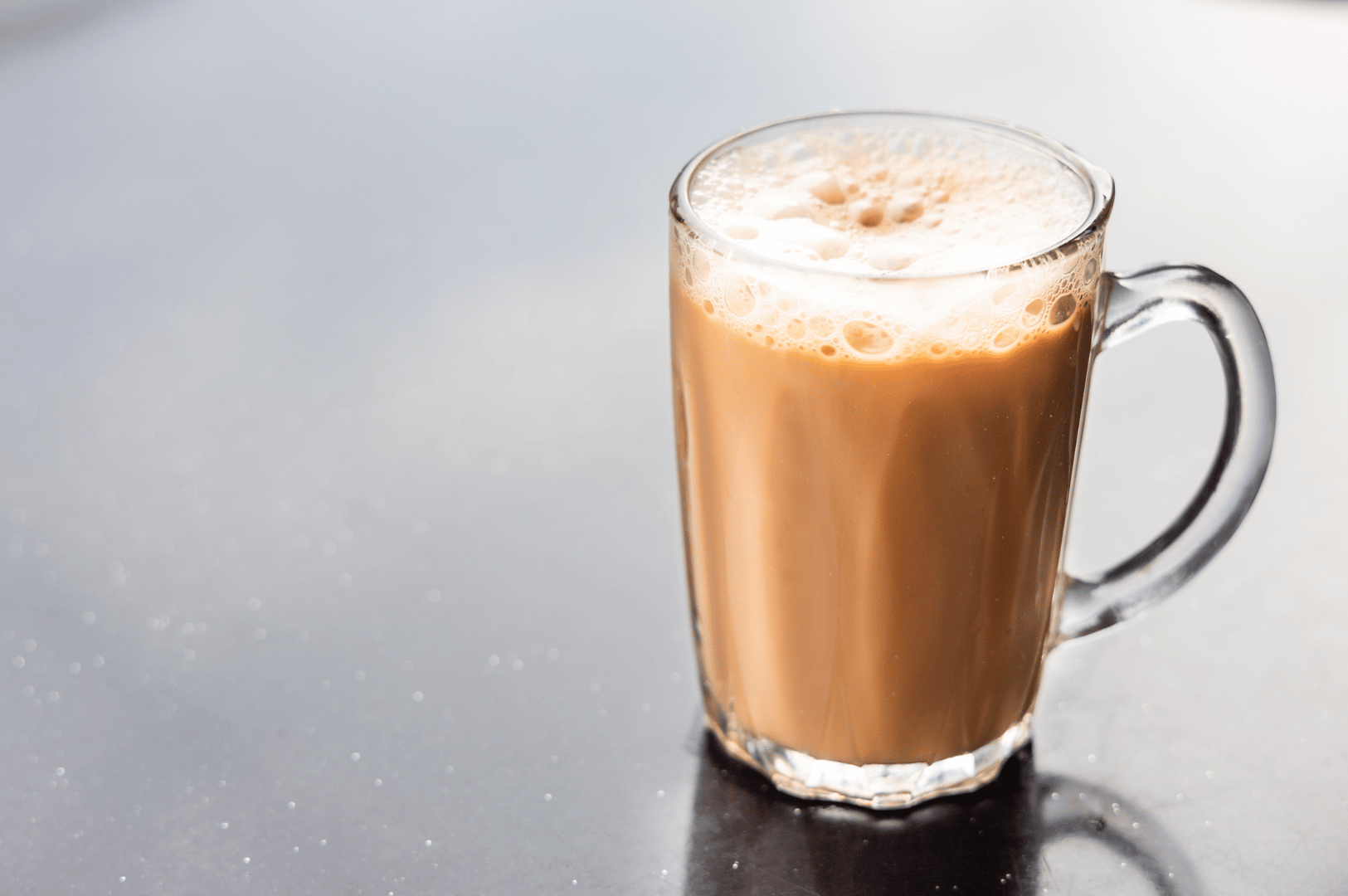
In Malaysia, ordering a cup of teh tarik is about so much more than just enjoying a hot drink. Teh tarik, literally translated as “pulled tea,” is Malaysia’s national beverage, famous for its sweet, creamy taste, frothy top, and the spectacular pulling technique seen in bustling mamak stalls and coffee shops across the country. A mug of teh tarik is not just a beverage—it’s a show, a comfort, and a treat that bridges cultures and generations.
The aroma of strong black tea, mingled with silky condensed milk and a hint of evaporated milk, fills the air as the tea is poured in a long stream. Watching a skilled tea master “pull the tea” is pure theatre. In this article, we’ll explore not just the art and culture of teh tarik Malaysia, but also the science—how the right combination of tea dust and milk creates the signature cup, and why this classic drink is beloved in Malaysia and beyond.
Historical Origins: How Teh Tarik Became a Malaysian Icon
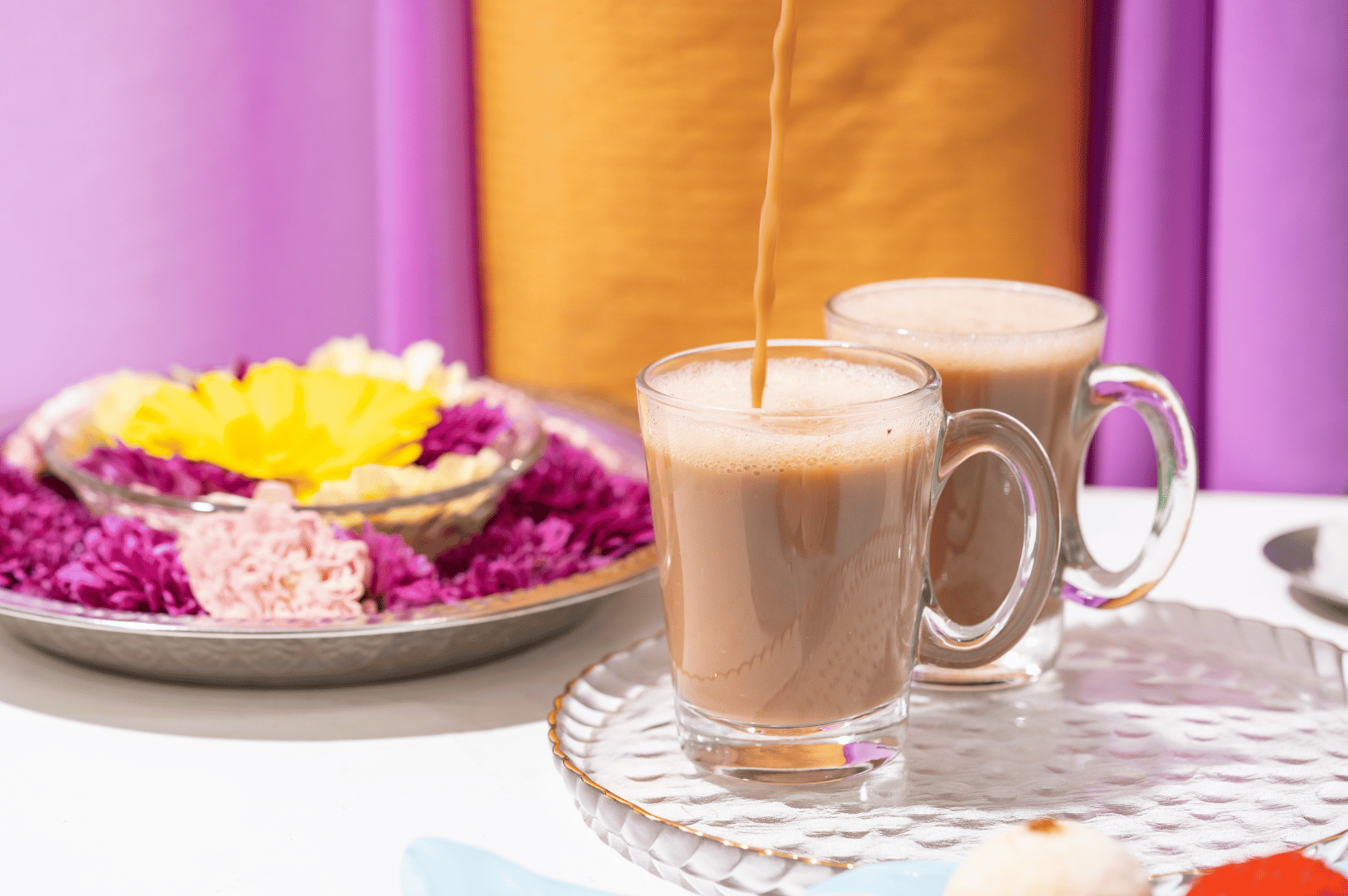
The journey of teh tarik Malaysia began in the early days of British Malaya, shaped by Indian Muslim immigrants who introduced their own strong, spiced milk tea traditions. After World War II, these newcomers opened roadside stalls—mamak stalls—where they served their robust tea to tired plantation workers and eager locals. Tea leaves (often Ceylon tea or black tea dust) were brewed with boiling water, and sweetened condensed milk was added as both sweetener and creamer, making the drink rich, creamy, and a little indulgent.
The iconic pulling method emerged as a practical way to mix the strong brewed tea with condensed milk, dissolve sugar thoroughly, and cool the drink enough for a quick sip. The act of pouring the tea from one mug to another jug, sometimes from an impressive height, aerates the mixture and creates teh tarik’s signature froth and creamy head.
By the late 20th century, teh tarik had become part of daily life in Malaysia.
The Science of Teh Tarik: Perfect Ratios, Pulling Techniques, and Temperature
While the artistry of pulling a cup of teh tarik is compelling, the science behind Malaysian pulled tea is what creates the perfect cup every time.
The Right Tea and Milk Combination
A traditional teh tarik recipe relies on the robust flavor that only strong tea dust or loose tea leaves can provide. Ceylon tea is most commonly used for its bright color and deep tannins, but other black teas—often sold as “tea dust”—work as well. Some vendors use tea bags if loose tea leaves are not available, but purists stick with the dust for an authentic flavor.
The foundation is a highly concentrated brewed tea, extracted with boiling water for about 5 to 10 minutes. To this, sweetened condensed milk is added for creamy sweetness and, often, a splash of evaporated milk for extra body. The ratio is key: too little condensed milk and the drink is thin; too much and it becomes cloyingly sweet. Some prefer less condensed milk for a lighter drink, while others seek a rich, full-bodied cup with more condensed milk. Getting the perfect balance takes practice and personal taste.
The Chemistry Behind the “Pull”
The theatrical act of pouring teh tarik between two mugs is not just for show. Pulling serves several scientific functions:
- Aeration: Pouring the hot tea from one glass or mug to another from a height introduces tiny bubbles, creating a creamy froth at the top.
- Emulsification: The strong tea, sweetened condensed milk, and evaporated milk are forced to mix thoroughly, leading to a uniform, smooth mouthfeel.
- Enhancing Flavour: The aeration helps meld the flavors, smoothing the tannins of the tea dust and balancing the rich milk with the sharp tea.
- Cooling Down: Because the tea is brewed using boiling water, pulling reduces the temperature to a perfect drinking warmth without relying on ice cubes, preserving the integrity of the flavour.
Temperature Matters
True masters know that the best teh tarik is served hot, right after aeration brings the temperature down slightly from boiling. The pulling process is repeated several times—usually three to five—until the drink is pleasantly hot, creamy, and capped with a thick and persistent froth.
The Art of Pulling: Step-by-Step Guide from Novice to Master
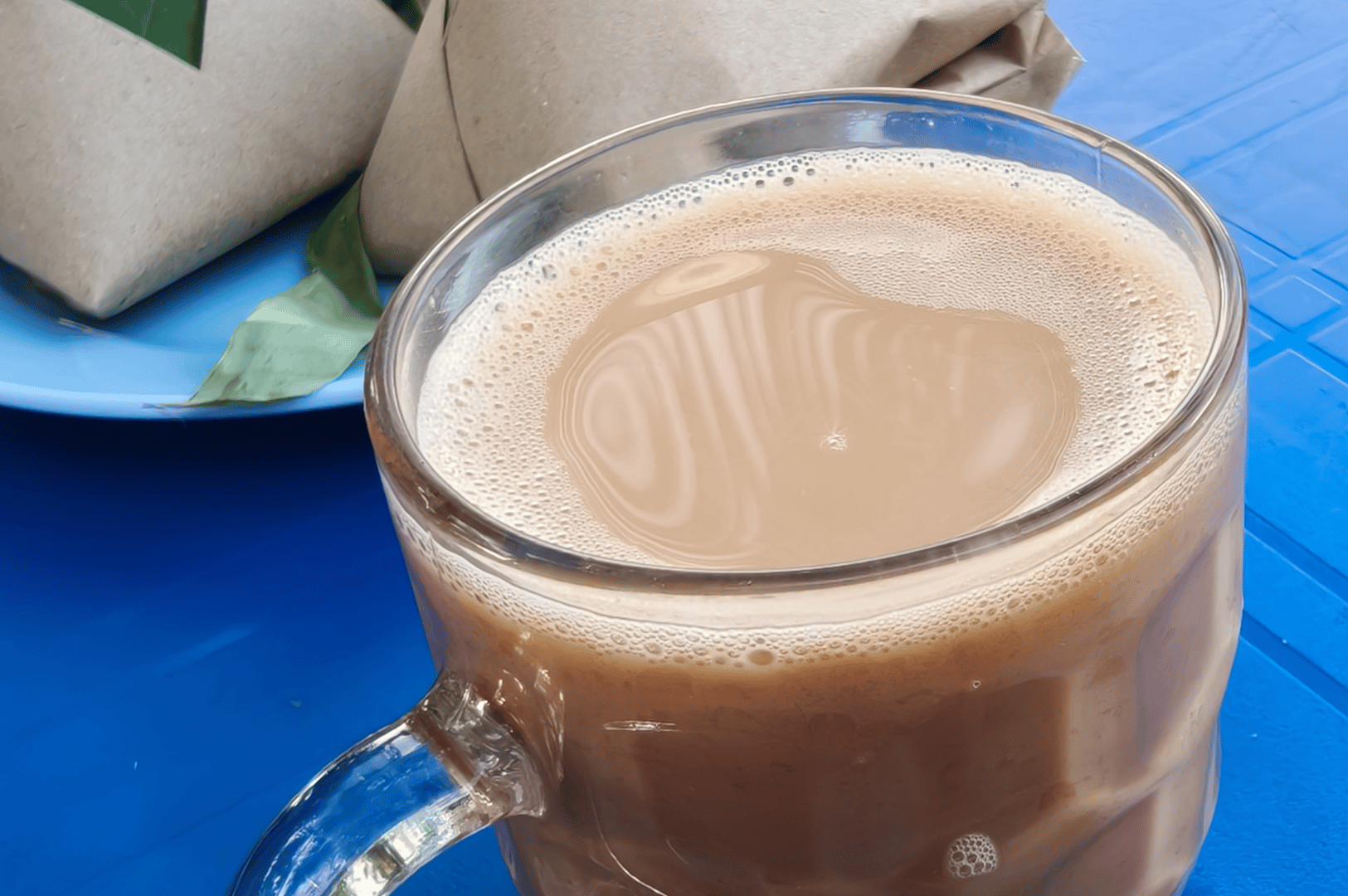
Behind the counter of every busy mamak stall or traditional coffee shop, you’ll spot the performance of teh tarik preparation. The tea, brewed and mixed with condensed milk, is poured back and forth between two jugs or mugs, creating the signature “long stream.”
The Traditional Pulling Method
- Foundation: Brew a pot of strong tea dust or black tea, then add sweetened condensed milk (and evaporated milk, if desired) to taste.
- Pour the Tea: Hold one glass high above your head and the other low at your waist— or use two stainless steel jugs.
- The Long Stream: Pour confidently in a long arc without spilling. The further apart the mugs, the greater the aeration and the denser the froth.
- The Catch: Receive the tea smoothly in the lower mug. Timing and a steady hand are crucial to avoid a mess and achieve a smooth pour every time.
- Repeat: Continue to pull the tea between two cups or mugs, building up the creamy head.
- Final Serve: Pour the finished teh tarik into one glass and admire the thick, luscious froth floating on top.
Skills of a Master “Puller”
Skillful pengarik (tea pullers) make the process look effortless. Through practice, they master the dance of the long stream without losing a drop, creating tiny bubbles that trap the tea’s aroma and flavor. The mug or jug can be swapped out for a ladle if preparing a large batch. According to experts, a perfect pull results in a thick froth that lasts several minutes, the sweetness is balanced, and the mouthfeel is creamy but not heavy.
Social and Cultural Significance: More Than Just a Drink
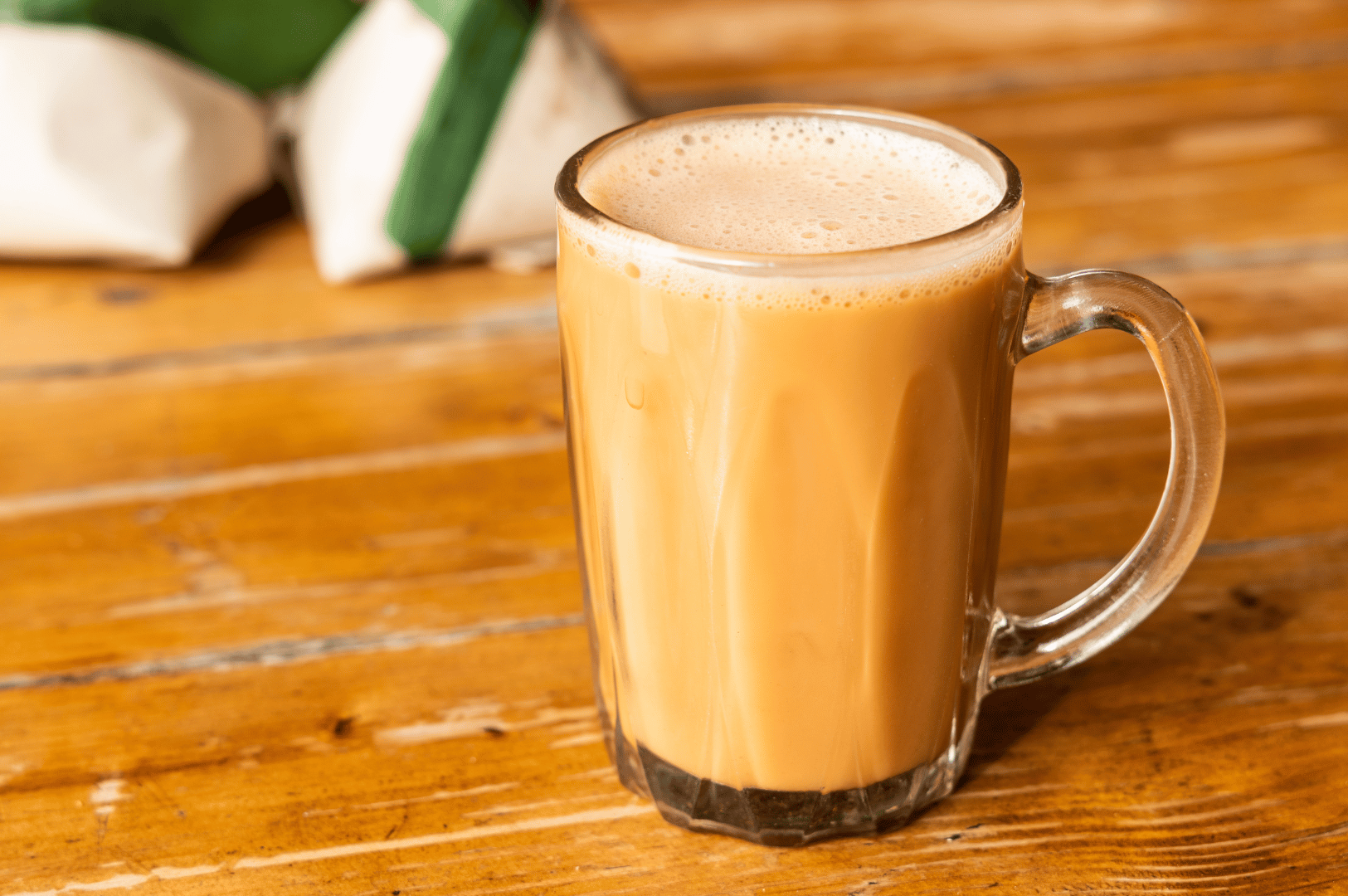
Teh tarik Malaysia is at the heart of Malaysian social life, particularly in the lively environment of mamak stalls—open-air eateries run by Indian Muslims, open day and night. A cup of teh tarik is often enjoyed with local favourites like roti canai, nasi lemak, or a sweet treat, making for a satisfying meal any time of day.
Sipping teh tarik is an invitation to relax, talk, and connect. The phrase “Jom, teh tarik!” (“Let’s go have teh tarik!”) is the start of countless late-night gatherings, debates, and friendly gossip. In fact, the custom is so central to Malaysian identity that teh tarik competitions are part performance, part culinary challenge: tea specialists are judged on both taste and the artistry of their pour, with bonus points for creative flair.
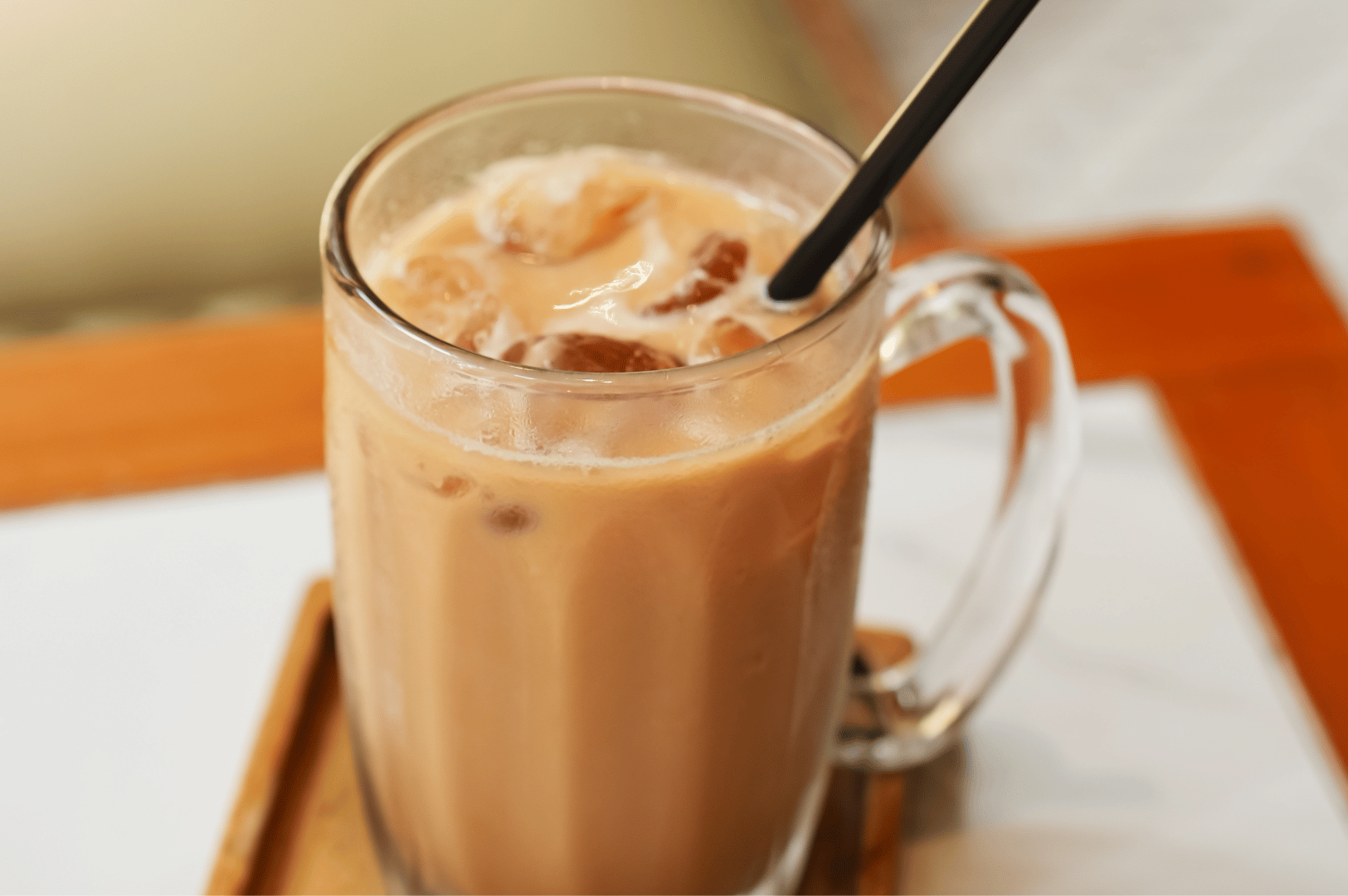
Today, variations abound—kopi tarik (pulled coffee), teh tarik halia (with ginger), and even cold, frothy versions served over ice cubes for a refreshing treat. Some stalls even advertise less condensed milk or more condensed milk on request, catering to different tastes and nutrition serving needs. The drink has become a unifying symbol in multicultural Malaysia and can even be found in neighboring Singapore.
Regional Variations Across Malaysia
From the Highlands to the cities, teh tarik Malaysia reveals its diversity in subtle ways.
- Teh Tarik Halia: In cooler regions like Cameron Highlands, stalls prepare teh tarik with ginger, delivering a warming, spicy twist to the familiar milk tea.
- Teh C Special: In Sarawak, a three-layered version stars black tea, evaporated milk, and palm sugar syrup, poured to create a beautiful ombré effect in the glass.
- Teh Tarik Madu: Across Peninsular Malaysia, some innovative food stalls add honey to the classic drink for floral sweetness.
- Kopi Tarik: The same pulling method is used for rich, frothy pulled coffee, showing how this Malay tradition has crossed over into the world of hot drinks of all sorts.
DIY Teh Tarik Recipe: Making Malaysian Pulled Tea at Home
Wondering how to make teh tarik at home? Here’s a straightforward teh tarik recipe for your own kitchen.
Ingredients:
- 2 tablespoons tea dust (or 4–5 strong Ceylon tea bags if you don’t have loose tea leaves)
- 2 cups boiling water
- 2–3 tablespoons sweetened condensed milk (add condensed milk to taste)
- 1 tablespoon evaporated milk (optional, for extra creaminess)
- Sugar (optional, depending on your sweet tooth)
Instructions:
- Brewed Tea: Add the tea dust or tea bags to boiling water. Steep for 5–10 minutes until the black tea is strong and fragrant.
- Strain and Mix: Strain out loose tea leaves if needed. Pour the hot brewed tea into a mug, add condensed milk and evaporated milk, and stir well.
- Pull the Tea: Using two jugs (or mugs), start by pouring the tea from one jug to the other in a gentle, controlled stream. As your confidence grows, lengthen the stream for better aeration and froth. Repeat the “pulling” process 3–5 times for best results.
- Serve Hot: Pour into a glass and serve hot for the classic experience—or over ice cubes for a Malaysian pulled tea twist on a hot day.
Pro Tips:
- Use the right tea: Ceylon tea or robust black tea dust is key for flavor.
- Experiment with more or less condensed milk for your preferred level of sweetness and creaminess.
- Use a spoon to check the froth—it should be thick and creamy before serving.
- For nutrition serving considerations, remember that teh tarik is high in saturated fat and sugar, so enjoy in moderation for a treat.
Common mistakes include weak tea, insufficient mixing, or being timid when pulling—pour with a confident sweep for the best frothy results!
Where to Find Authentic Teh Tarik Malaysia
Exploring Malaysia’s food culture wouldn’t be complete without sitting down for a mug of teh tarik at one of these locales:
- Classic Mamak Stalls: The best place to enjoy pulled tea with a side of roti canai. Neighborhood stalls often have loyal followings and a signature taste.
- Coffee Shops and Kopitiams: Traditional coffee shops in Malaysia and Singapore serve quality versions—some in huge, steaming mugs to be shared around.
- Modern Cafes: New-school tea bars and trendy cafes in Kuala Lumpur, Penang, and even Singapore are reinventing milk tea with creative teas, nut milks, or vegan ingredients.
Looking for a cold twist? Ask for “teh tarik ais” and enjoy the same creamy froth poured over ice cubes.
Why Teh Tarik Continues to Captivate
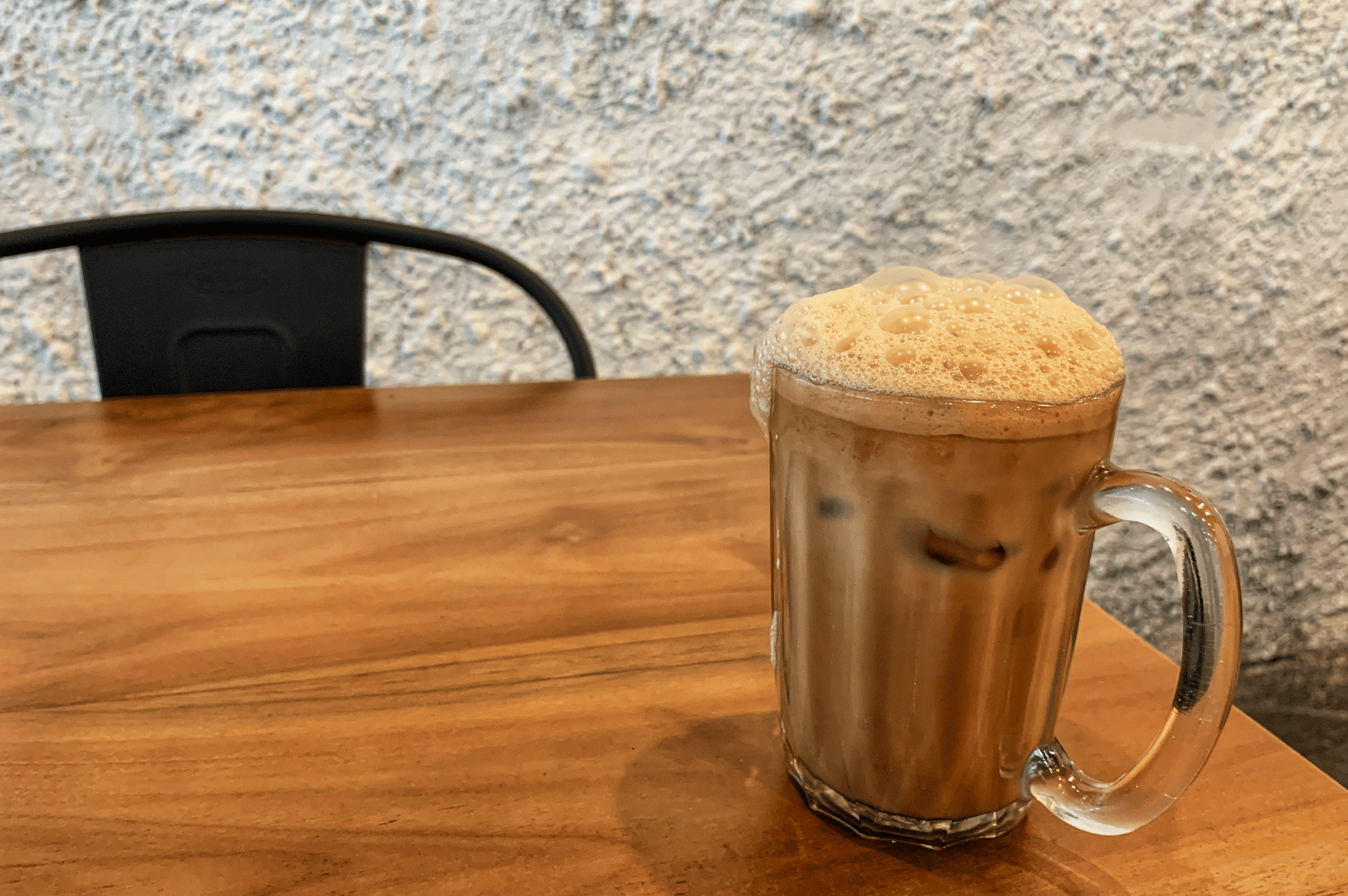
Ultimately, teh tarik Malaysia stands out not just because it is a delicious, sweet, and creamy milk tea, but because it captures the lively spirit and diverse heritage of the country. The “art meets science” approach—balancing robust tea and rich milk, chemistry and performance—makes every cup of teh tarik a treat worth savoring, whether you’re grabbing a quick glass from a mamak stall or pulling your own at home. If you ever visit Malaysia (or even Singapore), don’t miss the chance to comment something about the showmanship and taste of this world-famous drink.
Whether you’re practicing your own traditional pulling method or simply ordering a rich mug at a local mamak, there’s never been a better time to enjoy teh tarik—where every cup is a fusion of tradition, science, and showmanship. To explore more of Asia’s vibrant food heritage, read about Penang’s legendary Char Kway Teow or discover how communal dining traditions continue to bring people together through shared meals and culture.

The Last Turn of Tamagoyaki in a Tsukiji Pan
Dio Asahi | October 7, 2026
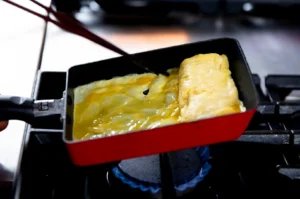
By Dio Asahi for Eat Drink Asia. It’s mid-morning, and the cook doesn’t look up. He stands over a rectangular pan, copper worn to a dull gold at the edges, and pours a thin skin of beaten egg across its surface. It hisses. Steam rises, warm and faintly sweet, and he tilts the pan just…
-
Seafood Restaurants in Singapore That Turn Crab Night Into a Full Table Ritual
Dio Asahi | October 6, 2026
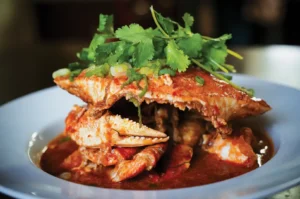
It always starts the same way for me. Someone lifts the lid off a plate of chilli crab, and the whole table leans in. Fingers reach before spoons do. Somebody tears the first piece of fried mantou, drags it through that sticky, sweet-savoury sauce, and the rest of us stop talking for a second. That…
-
Korean Street Food Is Built for Movement, Heat, and One-Handed Eating
Eda Wong | October 3, 2026
The first time I ate tteokbokki in Seoul, I burned my tongue standing up. It was late, the air was sharp with cold, and I had stopped at a small street food stall near a subway exit because the steam pulled me in. The woman handed me a paper cup of rice cakes in red…
-
Mrs Pho and the Bowl That Makes Somerset Feel Like a Vietnamese Family Table
Eat Drink Asia Team | October 1, 2026
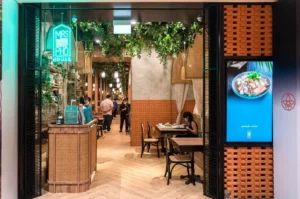
I wasn’t hungry when I walked into 313@somerset. I’d come for something else entirely; an errand, a shop I needed, the usual Orchard rush of people moving faster than the escalators. But somewhere on the first floor, past the noise, I caught the smell of star anise and beef bone, and my feet slowed down…
-
The Carving Knife at Colony, and the Way We Mark What Matters
Eda Wong | September 30, 2026
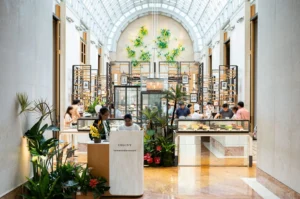
By Eda Wong for Eat Drink Asia. It’s late morning, and the light is doing most of the work. It pours through the high windows of Colony, at The Ritz-Carlton, Millenia Singapore, spilling across white tablecloths and the vintage prints on the walls. Marina Bay hums somewhere outside, but in here the room feels a…
-
Co Chung Vietnamese Restaurant and the Gỏi Cuốn That Makes Fresh Herbs Do the Work
Dio Asahi | September 29, 2026
I found it by accident, the way you find most things in a mall basement. I’d come down to Plaza Singapura’s B2 for something else entirely, drifting past the usual food-court noise, when I caught the smell of star anise and beef bone coming from a corner. I followed it. And there it was —…
-
Vietnamese Spring Roll: The Recipe That Only Works When the Herbs Stay Awake
Eda Wong | September 26, 2026
Fresh Vietnamese spring rolls, or gỏi cuốn, look delicate, but the recipe is really about control: barely softened rice paper, dry herbs, restrained noodles, clean protein, and a dipping sauce sharp enough to wake the whole thing up. This is not the fried version, chả giò or nem rán. This is the cool, translucent, herb-heavy…
-
Best Steakhouse Singapore: From Fire-Kissed Icons to Old-School Beef Plates
Eat Drink Asia Team | September 24, 2026
I didn’t set out to write about steak. It started with a bad day and a craving for something that pushed back when I bit into it. One dinner turned into a habit, and over a couple of years I found myself at counters, coffeeshops, and dining rooms all over this island, chasing the same…
-
The Ice Counter at Carousel, and the Table Everyone Can Reach
Dio Asahi | September 23, 2026
By Dio Asahi for Eat Drink Asia. It’s a Saturday evening, and someone across the room is carrying a birthday cake. The candles are lit, the walk is careful, and a whole table turns to watch. Plates clink. A child laughs somewhere. The room at Carousel, inside Royal Plaza on Scotts, isn’t quiet — it…
-
Tiong Shian Porridge Centre Review: The Soft Counterweight to Chinatown’s Crisp Toast
Dio Asahi | September 22, 2026
I’d spent the morning with kaya toast. Crisp bread, cold butter, the clean snap of it between my teeth. Good, all of it. But by the time I’d walked a few streets over to New Bridge Road, my mouth wanted the opposite. Something warm. Something that gave way instead of shattering. That’s how I ended…