Exploring Japanese Food: Tradition, Diversity, and Regional Flavours
Japan’s culinary landscape is a mosaic of tradition, artistry, and deep seasonal connections—an essential stop in Asia’s food guide. Central to Japanese cuisine is washoku, the harmony of seasonal ingredients, presentation, and taste, turning simple cooking into a celebration of nature.
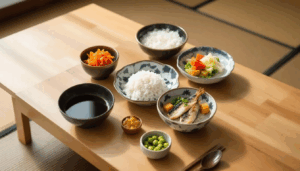
Beyond sushi with vinegared rice and ramen, kaiseki dining is the pinnacle of Japanese haute cuisine. Rooted in Kyoto’s tea ceremonies, it showcases the season through artfully plated small dishes, from appetizers and broths to grilled and rice-based courses, ending with elegant sweets.
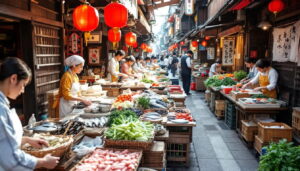
Street foods like Osaka’s takoyaki—crispy octopus spheres—highlight Japanese passion for texture and umami. Regional specialties include Hiroshima’s layered okonomiyaki, Kyoto’s tofu kaiseki, and Okinawa’s bitter melon stir-fry (goya champuru), emphasizing stir frying. Nagoya is famed for grilled freshwater eel (unagi) in a unique local style. Northern Hokkaido offers rich seafood and dairy, from creamy soft-serve ice cream to lamb hot pots (jingisukan).
From temple cities to neon-lit alleys, Japanese dining is a sensory experience. Meals are mindful moments: careful dish arrangement, choice of bowls, and etiquette—saying itadakimasu, slurping noodles, and finishing every bite—reflect deep respect for food and its makers.
Discover Authentic Flavours Across Asia's Culinary Landscape
This comprehensive Asia dining guide to Japan reveals a culinary culture that celebrates diversity, tradition, and the healing power of food and drinks. Through this vibrant world of food and drinks, Japan provides an endless adventure—one best savored with curiosity and an open heart.
Latest Articles About Japan
Best Japanese Foods in Japan: The Must-Try Dishes
Why Japanese Food Is Worth the Trip Japan’s culinary world extends far beyond well-known sushi and ramen, revealing a rich variety of regional specialties cherished by locals. While many travelers stick to popular Japanese foods in tourist areas, authentic flavors are best discovered in neighborhood markets, family-run eateries, and seasonal menus reflecting centuries of Japanese…
Japanese Food in Japan: The Ultimate Guide to Authentic Culinary Experiences
Experiencing Japanese food in Japan is fundamentally different from eating Japanese cuisine anywhere else. While sushi restaurants and ramen shops have spread globally, the authentic flavors, techniques, and cultural context of Japanese food can only be fully appreciated in its homeland. From meticulously selecting ingredients at peak freshness to centuries-old traditions shaping every meal, eating…
Food in Japan: A Complete Guide to Japanese Cuisine and Culinary Culture
The gentle steam rising from a bowl of miso soup carries more than just the earthy aroma of fermented soybeans-it carries centuries of Japanese culture and culinary wisdom. When you eat in Japan, you’re not simply consuming a meal; you’re participating in a ritual that connects you to the seasons, the land, and a philosophy…
Ramune Marble Soda: History and Cultural Meaning of Japan’s Iconic Marble Soda
Among Japan’s beloved fizzy drinks, none evoke nostalgia and uniqueness quite like Ramune marble soda. Instantly recognizable by its quirky Codd neck bottle and glass marble seal, Ramune soda is an essential part of Japanese summer, cherished by generations for its refreshing taste and signature pop sound. This marble soda remains a staple at summer…
Hokkaido’s Best Seafood Treasures: Beyond Sushi and Sashimi
When visiting Hokkaido, Japan’s northernmost island, food lovers are greeted with some of the most highly regarded seafood specialties in the world. Hokkaido is famous for its abundance of fresh seafood and rich fishing grounds, thanks to the surrounding Sea of Japan, Pacific Ocean, and Sea of Okhotsk. These nutrient-packed waters yield a wide range…