Imagine sitting in a quiet, sun-drenched teahouse overlooking the dramatic volcanic coastline of Jeju Island. The steam rising from your cup carries an aroma that is at once familiar and yet entirely new—a version of Korean citron tea, or yuja cha, that tastes of sea salt, volcanic soil, and generations of island tradition. As you lift your hot cup, the fragrance recalls not just citrus fruits like lemon, but the unique zing of fresh yuzu fruit and the deeper flavor of Jeju citron. While many are familiar with this comforting brew, few realize that its flavor, preparation, and cultural significance can change dramatically from one region to another. The world of yuja cha is far more diverse than a single jar on a supermarket shelf can convey—its nuance is born from fresh fruit, terroir, and generations of Korean traditional tea craftsmanship.
While yuja tea has a rich history across Korea, as covered in our complete guide to Yuja Tea: Korea’s Traditional Citron Tea, the regional variations tell an even deeper story of local traditions and terroir. This journey will take us from the famed groves of Jeju Island to the sun-kissed southern coast, exploring the unique character and taste of each region’s citron tea, including the refreshing qualities reminiscent of lemon tea, yuzu tea, and other citrus-based drinks found throughout East Asia.
Jeju Island’s Citron Tea Heritage

When discussing regional Korean tea, Jeju citron tea holds a place of honor. Known as the “Island of the Gods,” Jeju’s unique environment creates a citron, or yuja, that is truly distinct among citrus fruits. The island’s temperate, maritime climate, combined with its mineral-rich volcanic soil, imparts a special quality to the fruit—and thus, to every bowl or cup of its famous citron tea.
The Unique Character of Jeju Yuja
The yuja from Jeju are renowned for having a thicker, more aromatic peel, somewhat similar to fresh yuzu fruit, and a sharper, more intense fragrance compared to their mainland counterparts or even other citrus varieties like meyer lemons.
This is due to the constant sea breeze and the specific soil composition, which stresses the fruit just enough to produce a higher concentration of essential oils in its rind. The flavor profile is often described as brighter, with a more pronounced tartness and a floral sweetness that creates a distinct aroma in both the hot and cold versions of the tea. This makes Jeju citron tea exceptionally fragrant and vibrant, distinguishing it from other regional yuja cha or even from Japanese yuzu tea.
Traditional Jeju Preparation
On Jeju Island, the preparation of yuja cha is a deeply ingrained local custom, often done communally as winter approaches and the harvest of fresh yuja is in full swing.
Traditionally, families would thinly slice the entire fruit—peel, pulp, and all—with a sharp knife, ensuring every bit of aroma and flavor is captured, then layer it with local honey or rock sugar in large earthenware jars called onggi. Sometimes, mason jars are now used to store smaller batches, but the process is the same: the mixture rests in a cool place, letting the sugar dissolve and the flavors meld for several weeks.
As the citron, honey, and sugar combine, the resulting citron marmalade offers a richer, more complex taste with each resting time. Some traditional households on the island still follow this time-honored method, creating a Jeju citron tea—or jeju yuja cha—that is less about immediate sweetness and more about a nuanced, matured taste that brings out the natural citric acid and delicate bitterness of the yuja.
Specific villages, particularly in the southern part of the island around Seogwipo, are known for their high-quality yuja cultivation. Here, small family farms continue to grow fresh yuja using traditional agricultural practices, often tending extensive yuja trees, which contribute to the authentic character and great taste of the local brew. The shelf life of properly prepared citron marmalade is impressive when stored in sterilized jars, making it a staple in many homes long after harvest.
Regional Variations Across Korea
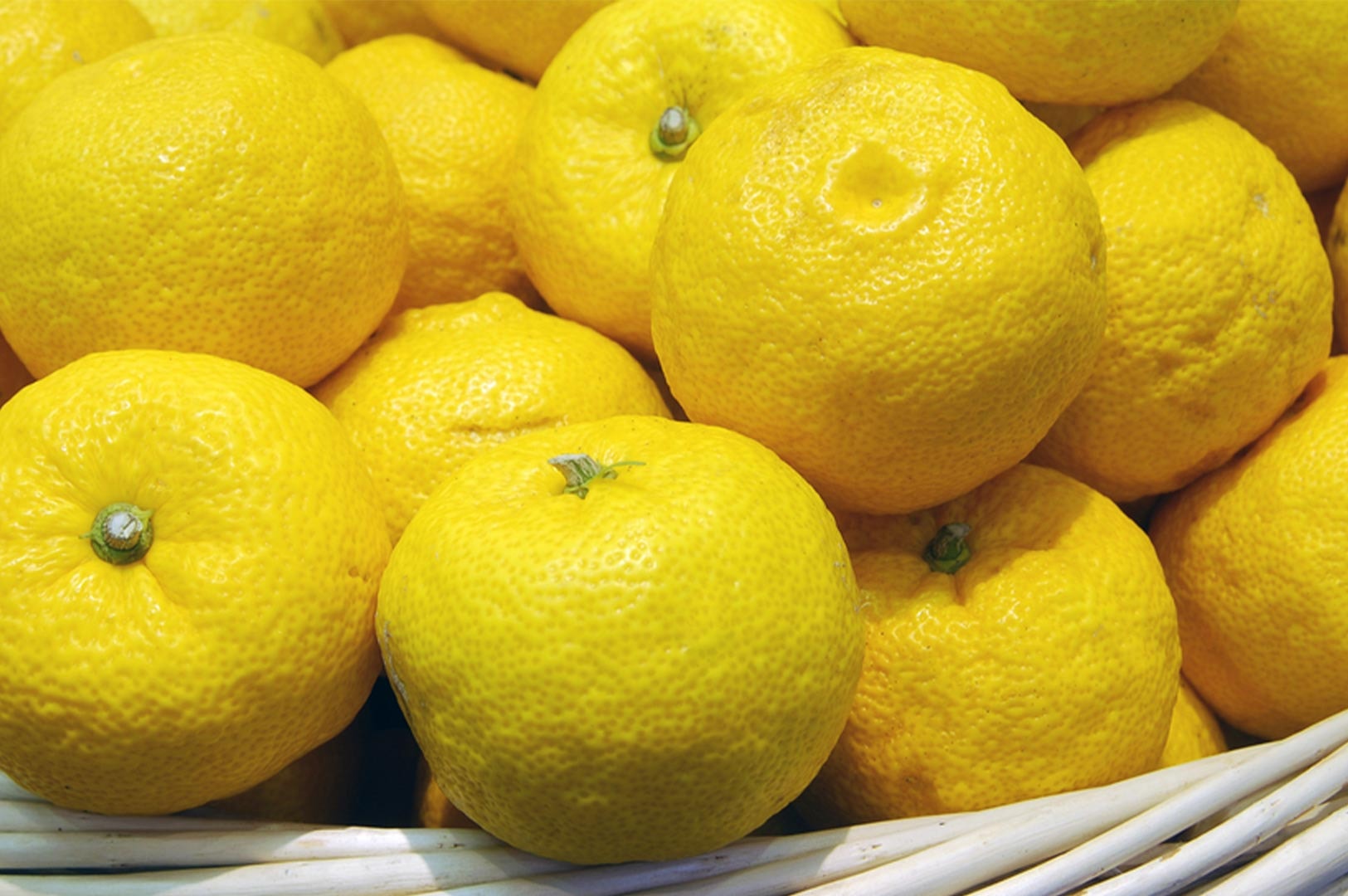
While Jeju is famous, it isn’t the only region in Korea with a proud yuja cha tradition. The southern coast of the mainland, with its mild climate reminiscent of areas suitable for yuzu tree cultivation in Japan, is also a hub for yuja and other citrus fruits, and each area brings its own unique twist to the beloved tea.
Goheung: The Mainland’s Yuja Capital
The county of Goheung in South Jeolla Province is the largest producer of yuja in Korea.
The yuja cha from Goheung is often characterized by a well-balanced flavor profile. The fruit here tends to have a slightly thinner peel and a sweeter pulp than Jeju yuja, resulting in a marmalade that is smoother and less tart, and often favored by those who enjoy the bright citrus notes of yuzu rind or fresh lemon.
Commercially, Goheung yuja is prized for its consistency, making it a popular choice for many widely available brands—ideal for enjoying with a spoon as a yogurt topping or spread on toast.
Namhae: The Sea-Sprayed Citron
Namhae, an island county connected to the mainland by bridges, boasts a climate that is heavily influenced by the sea, similar to areas famous for other citrus fruits like yuzu and meyer lemons.
The yuja grown here is said to have a subtle salty note, which adds a unique dimension to the yuja cha, and can even remind drinkers of Japanese yuzu kosho’s distinctive tang. The flavor is often described as being slightly more savory and complex, perfect for enjoying as both a warm drink in winter or a cool, refreshing cup with sparkling water in summer.
Namhae is also home to the “Citron Village,” where terraces of yuja trees line the picturesque coastal hills, an excellent sight for any fan of fresh fruit or citrus drinks.
Wando: The Island of Health
Wando, another island county in South Jeolla Province, is known for its focus on healthy, natural foods and regional tea variations.
Its yuja cha is often prepared with an emphasis on its wellness properties, using minimal white sugar or experimenting with blends of rock sugar, honey, and sometimes fresh yuzu or lemon for added flavor complexity. Producers in Wando might use alternative natural sweeteners or specific types of local honey, complementing the yuja’s benefits and creating a drink prized for both taste and health. The flavor is clean, bright, and often marketed as a premium health beverage, standing out with a refreshing burst of vitamin C and a satisfying tartness.
Seasonal and Ceremonial Variations
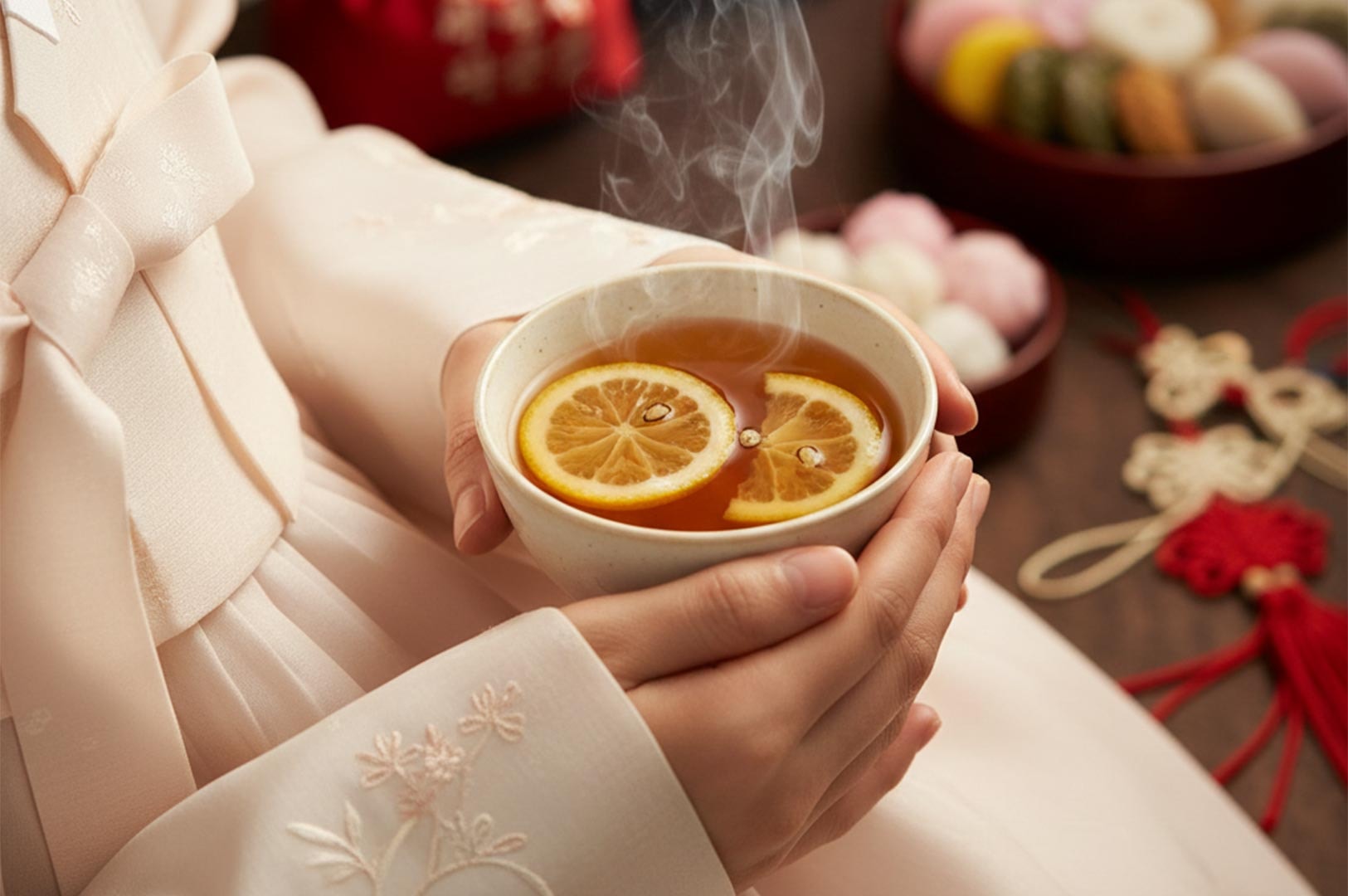
The preparation and consumption of yuja cha are deeply tied to the seasons and local customs. In nearly all regions, the yuja or yuzu harvest in late autumn is a significant event, signaling the time to prepare citron marmalade that will last through Korea’s cold and flu season. It’s common for families to gather, thinly slice fresh yuja or yuzu fruit, and mix it with all the sugar and honey required, then let it sit, sometimes with a few seeds or yuzu rind added for extra aroma, before carefully transferring it into sterilized jars to rest.
In some mainland regions, the first batch of yuja cha or yuzu cha of the season is a special treat, often shared with neighbors and family as a gesture of goodwill. During Seollal (Korean New Year), a hot cup of homemade yuja cha or a tangy, warm glass of citron tea may be served to guests as a symbol of hospitality and comfort. Serving styles also differ—some prefer stirring a hefty spoonful of yuja marmalade into hot water for a quick, soothing drink, while others enjoy cold versions, even mixed with yogurt or sparkling water for a summer pick-me-up.
Regional festivals also celebrate this iconic fruit and its place among Korean traditional tea traditions. The Goheung Yuja Festival, for example, showcases the local harvest with everything from yuja-picking experiences to cooking competitions and tastings of fresh, delicious yuja cha. These events are a fantastic opportunity to experience the cultural significance of yuja and taste freshly made preparations at their source.
Where to Experience Regional Yuja Tea
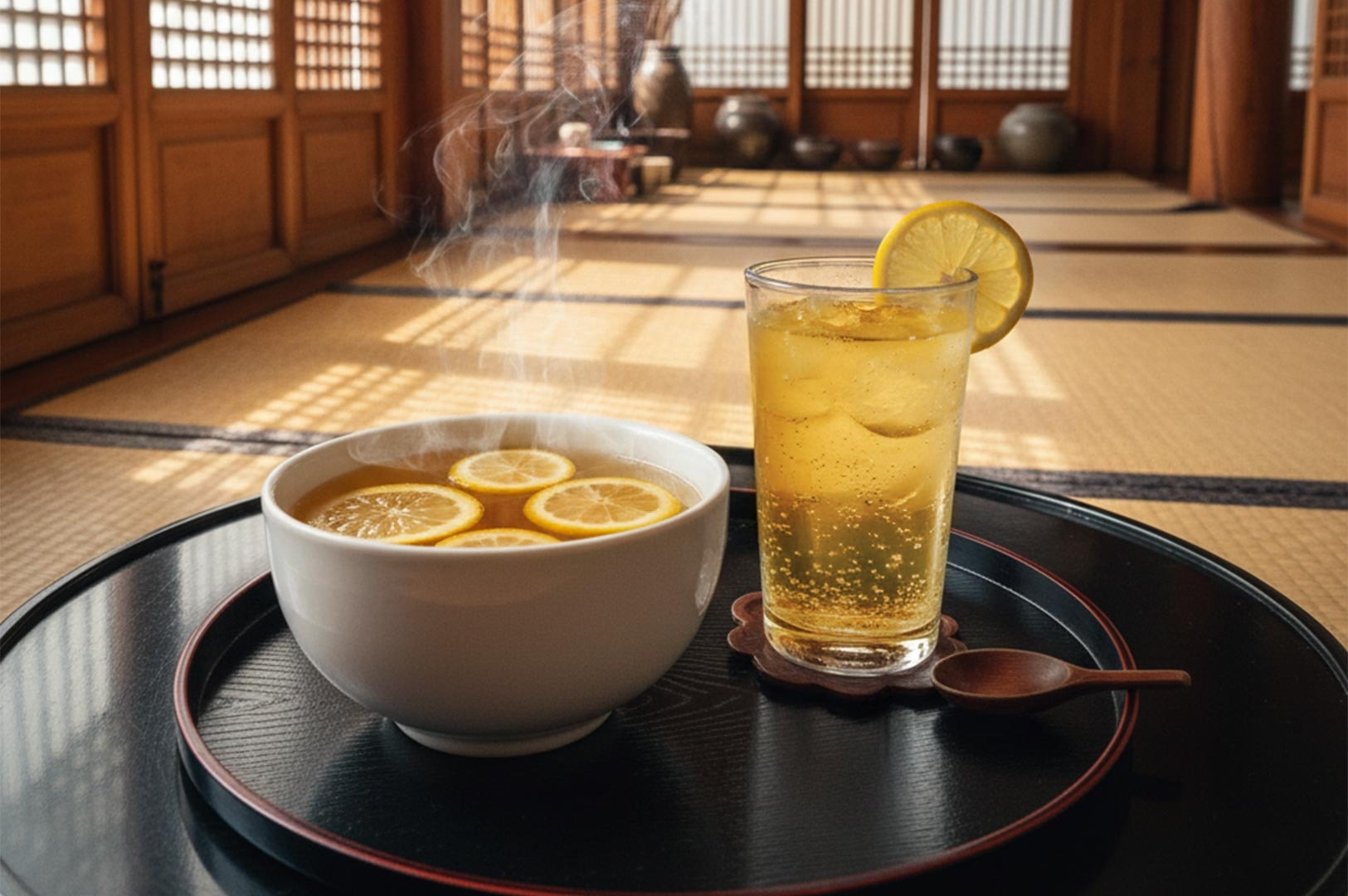
For travelers and food enthusiasts wanting to taste these authentic variations, exploring the southern regions of Korea is a must—especially if you want to discover refreshing new takes on Korean citron tea, fresh yuzu, and hot yuzu cha.
- Jeju Island: Seek out traditional tea houses in Seogwipo or visit a local market like the Jeju City Five-Day Market to find homemade Jeju citron tea. Some farms, especially those in the Hallim Park area, offer visitor experiences where you can walk among the yuja trees, sample the fruit and juice, and learn about the unique cultivation of Jeju citron. Local café menus often feature hot yuzu cha, sweetened lemon tea, and other creative blends using both fresh and preserved fruit.
- Goheung: Visiting during the Goheung Yuja Festival in November is the best way to immerse yourself in the local culture. Throughout the year, specialty shops offer premium, locally-made yuja cha—some in smaller jars ideal for gifting or for travelers with limited shelf space in their fridge.
- Namhae: Take a leisurely drive along the scenic coastal roads, passing rows of yuzu trees and yuja orchards, and look for farm stands selling their own seasonal juice or honey citron tea. The “Citron Village” is particularly great for those who enjoy sampling fresh, tangy drinks.
- Seoul: Even in the capital, you can find regional specialties in the city’s bustling café and tea house scene. In Insadong, traditional tea houses may offer chilled yuzu tea, hot citron tea, or even unique drinks like yuzu kosho-infused teas, and pride themselves on sourcing their yuja cha from specific regions—sometimes even listing the origin of the fresh yuzu or yuja fruit used.
Remember that the best time to experience the yuja or yuzu harvest is from late October to December, when the fruit is at its freshest. During this period, the air is filled with the invigorating aroma of citrus, and makers are busy preserving the bounty for the months ahead. Sampling a fresh batch, whether you enjoy it hot or cold, is an unmissable experience for anyone interested in Korean or even Japanese tea culture.
Grab a Fresh Yuja Cha

The world of yuja cha in Korea is a vibrant tapestry woven from climate, soil, fresh fruit, and centuries of local tradition. From the intensely aromatic and tart brew of Jeju citron tea, with its thick peel and stronger fragrance reminiscent of yuzu tea or even meyer lemons, to the balanced sweetness of Goheung’s smooth marmalade, to the health-focused blends of Wando and the savory notes of Namhae—each cup tells a story of its origin, echoing Korea’s passion for delicious, restorative drinks.
We encourage you to look beyond the familiar and explore the rich, nuanced flavors—be it a refreshing toast with hot water and honey, a sweet jar of yuja marmalade, or a tangy, cold yuzu drink—offered by regional yuja tea traditions. By seeking out these regional variations of Korean citron tea, you not only get to enjoy a delicious cup or bowl of tea, but also connect with the robust culinary and cultural heritage of Korea and its close ties to Japan’s celebrated yuzu cha and lemon tea traditions.

The Neighbourhood Restaurant Test: How to Spot Truly Authentic Cuisine Restaurants in Your Area
Eda Wong | March 31, 2026
A friend texted me last week: “I’m outside this new Vietnamese place. How do I know if it’s legit before I waste my money?” It’s a question I get often. We’ve all been there, drawn in by a cool sign, only to get a plate of sad, sweet, tourist-grade pad thai that tastes like ketchup….
-
Cuisine in the World Meets Singapore: Inside Nakhon Kitchen’s Cross-Cultural Magic
Dio Asahi | March 26, 2026
There’s a rite of passage for any food lover living in the East of Singapore, and it involves a queue. Specifically, the perpetually long, snaking queue outside Nakhon Kitchen in Bedok. I’d heard the legends for years: authentic Thai food, rock-bottom prices, and a wait time that tests your commitment. So, on a Tuesday evening…
-
The Spice Route Secrets: A Deep Dive into Malay Ethnic Food
Eda Wong | March 24, 2026
My first time ordering Nasi Padang in Geylang Serai was overwhelming, I randomly picked dishes and was shocked by a $20 bill due to premium beef rendang and squid. That taught me to always ask seafood prices and that Malay food is a complex, modular cuisine. Malay food is everywhere in Singapore, in hawker centres,…
-
The Shokunin Spirit: How Japan’s Craftsman Philosophy Lives Inside Singapore’s Most Disciplined Omakase Counter
Dio Asahi | March 21, 2026
The fire is not roaring; it is breathing. In a small, darkened workshop in Sakai, a swordsmith watches the colour of the steel with eyes that have tracked the same transformation for forty years. He does not look at a clock. He listens to the hum of the charcoal. He waits for the metal to…
-
The Evolution of the Plate: How History Transformed Iconic Malaysian Dishes
Eda Wong | March 19, 2026
I used to think I understood Malaysian food. As a Singaporean, it’s practically in my DNA, right? Nasi lemak for breakfast, a cheeky roti canai for supper – I thought I had it all figured out. Then I spent a week eating my way through Penang and Kuala Lumpur, and I realised I knew absolutely…
-
The Soul of the Table: An Educational Guide to the Role of Food in Malaysian Culture
Eat Drink Asia Team | March 17, 2026
We still remember our first collective Rumah Terbuka (Open House) experience in Kuala Lumpur.Standing at the doorway of a home during Hari Raya, we were utterly paralyzed by the sheer volume of people and the aroma of Malaysian cooking. There were aunties ladling beef rendang and tables groaning under the weight of colourful kuih. “Do…
-
Asian Food Comfort Trends: Why Broths and Bowls are Dominating Globally
Eda Wong | March 14, 2026
I still remember the first time I faced a “build-your-own” Mala Xiang Guo counter. I stood there, plastic tongs in hand, completely paralyzed by the mountain of choices. Lotus root? Kelp knots? three different types of tofu skin? My anxiety spiked. I panicked, grabbed way too much luncheon meat, and ended up with a $28…
-
The Fifth Element: A Masterclass on Umami in East Asian Cuisine
Dio Asahi | March 12, 2026
I’ll never forget the first time I made miso soup from scratch. Not the instant kind, but the “proper” way. I boiled water, dissolved miso paste, added tofu, and waited. It tasted flat, salty and cloudy but missing the deep, satisfying flavor I loved in Japanese restaurants. I thought maybe I needed better miso. Years…
-
Why My Quest Ended at Yummy Western (409 AMK)
Dio Asahi | March 10, 2026
There’s a specific magic to a late-night supper hunt in Singapore. It’s the ritual of chasing a craving through the humidity to find that one stall that hits the spot. For me, that meant a pilgrimage to Ang Mo Kio Avenue 10. I arrived at 10 PM on a Friday, just as the ‘supper soul’…
-
A Taste of Time: My Dinner at Guan Hoe Soon
Eda Wong | March 7, 2026
There’s something special about visiting a place that has seen decades of Singapore’s history unfold. Guan Hoe Soon, tucked away on Joo Chiat Road, holds the title of Singapore’s oldest Nyonya restaurant, and you can feel that heritage the moment you step inside. I’d heard about it for years, a place where recipes aren’t just…