The sharp winter wind rattles the low stone walls of a Jeju Island kitchen, but inside, the air is thick with steam and the deeply marine scent of boiling kelp. An elderly woman stands by a bubbling steel pot, watching the dark green fronds swell and twist in the rolling water. She adds a splash of toasted sesame oil, and the liquid hisses, sending up a rich, nutty aroma that temporarily masks the salt air. She is not rushing. She carefully adjusts the flame, allowing the broth to simmer until it turns a milky, opaque jade. It is a slow, methodical morning rhythm, a quiet act of preparation that fills the room with warmth.
This is miyeok-guk (pronounced mee-yuhk-gook), the traditional Korean seaweed soup. At its core, the dish is an exercise in extracting profound depth from minimalist ingredients. While mainland versions often rely on a heavy beef broth, the Jeju iteration draws its power straight from the surrounding ocean, frequently incorporating fresh abalone, sea urchin, or delicate white fish. The true craft, however, lies in the preparation of the kelp itself. Before water ever touches the pot, the dried seaweed is soaked until soft, then aggressively kneaded by hand and sautéed in sesame oil and minced garlic. This crucial friction releases the seaweed’s natural starches, transforming what could be a thin, watery liquid into a velvety, substantial broth that coats the spoon.
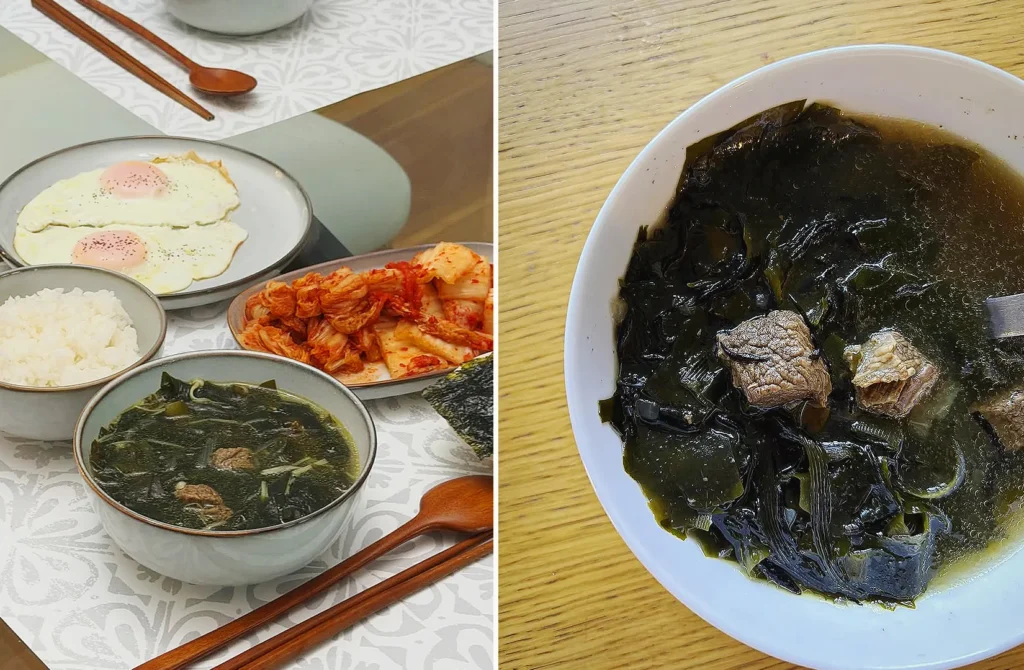
Across the Korean peninsula, this simple soup carries a massive cultural weight. In its quietly Asiatic way; ritualistic, elemental, and rooted in place, it links the body to ancestry through taste. It is the mandatory birthday breakfast, a culinary journey repeated every year to honour the exact meal a mother consumes for postpartum recovery. Waking up to a bowl of miyeok-guk signals care; it is an edible reminder of birth, sacrifice, and shared lineage. In the coastal villages of Jeju, where the female free divers known as haenyeo harvest the kelp directly from the cold currents, the soup feels even more tethered to the environment. Serving it is an act of deep familial devotion, a celebration of flavours that grounds the individual within their immediate community.
What makes this traditional preparation so compelling today is its quiet defiance of the instant food era. Supermarket shelves are currently lined with freeze-dried, microwaveable packets of seaweed soup that promise the taste of home in three minutes. Yet, those thin, uniform broths completely lack the heavy, oily emulsion that only comes from physically kneading the kelp and coaxing out its depth over a low, persistent flame. The authentic soup demands tactile interaction and patience. It reminds us that convenience cannot replicate the specific texture and emotional resonance born from deliberate human effort.
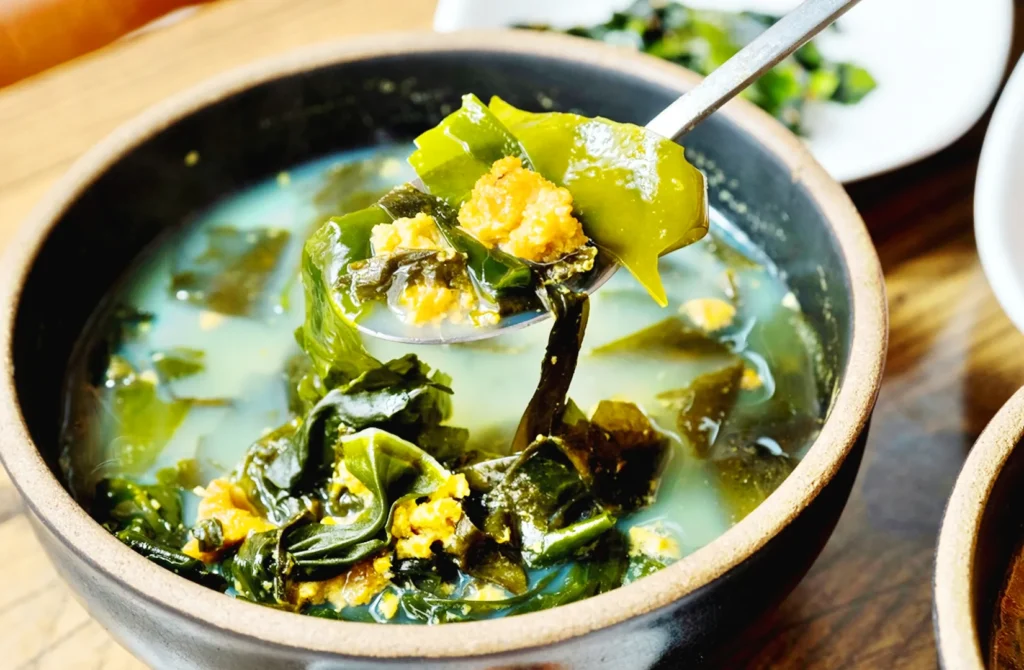
Taking a slow sip of the hot, opaque broth, the taste of the island is immediate. It is savoury, oceanic, and deeply grounding. It remains a profound reminder that our most meaningful food rituals are often the simplest ones, woven quietly into the fabric of our everyday lives.

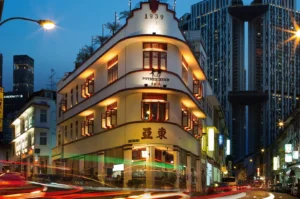
Tong Ah Eating House Review: A Chinatown Breakfast That Still Begins with Kaya Toast
Eda Wong | September 19, 2026
I almost walked past it. I’d been looking for the old triangular building, the red-and-white one you see in every photo of Keong Saik, the one that made Tong Ah feel like a landmark before you’d even ordered anything. But that’s not where it lives anymore. It’s a few doors down now, at 35 Keong…
-
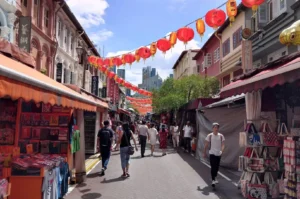
Breakfast at Chinatown Singapore: How Migration Built the City’s Morning Table
Eat Drink Asia Team | September 17, 2026
The first time I ate breakfast in Chinatown, I got it wrong. I arrived at eleven, hungry and hopeful, and found the kopi stalls already turning toward lunch. The porridge uncle was packing up. The toast man had switched to slicing char siew. I ate a rushed plate of noodles standing near a pillar, sweating,…
-
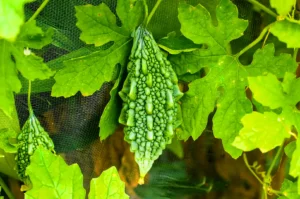
The Bitter Leaf Folded Into a Burmese Home Kitchen
Eda Wong | September 16, 2026
The oil is already hot when she reaches for the leaves. It’s late morning in a kitchen off a quiet lane, and a woman I’ve been watching stands over a blackened wok, tearing bitter gourd leaves by hand into a small heap. The garlic hits the oil first, sharp and loud. Then the leaves go…
-
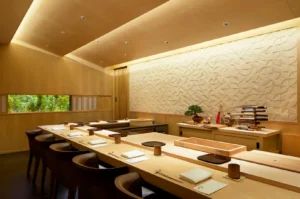
Best Sushi Singapore: From Premium Japanese Restaurants to Exclusive Deals from Affordable Sushi Trains
Dio Asahi | September 15, 2026
I’ve been eating sushi in this city for years now, from S$1.50 plates rolling past on a belt to omakase counters where the bill made me sit up straight. Somewhere along the way I stopped chasing “the best” and started noticing something else — that good sushi answers a mood, not a ranking. Some nights…
-
Al Mubin Restaurant and the Nasi Goreng Sambal Ayam That Has to Carry the Whole Plate
Eda Wong | September 12, 2026
It was close to eleven at night when I finally sat down. The kind of hour when you’re not really hungry so much as unsettled, when you want something warm in front of you more than you want a proper meal. Al Mubin’s food court at Block 407, Ang Mo Kio Avenue 10, was still…
-
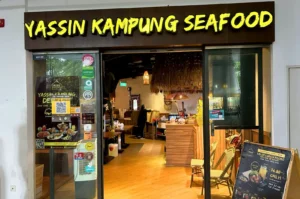
Yassin Kampung Admiralty Review: When Sambal Fried Rice Becomes the Whole Point
Eat Drink Asia Team | September 10, 2026
I ordered the sambal fried rice first, before I’d even properly read the menu. That’s usually a mistake at a place like this. Yassin Kampung @ Admiralty is the kind of restaurant that keeps trying to pull your attention elsewhere — toward stingray, toward crab, toward hotplates that arrive still hissing. But I’d come with…
-
The Bamboo Basket Holding Chiang Mai’s Sticky Rice
Dio Asahi | September 9, 2026
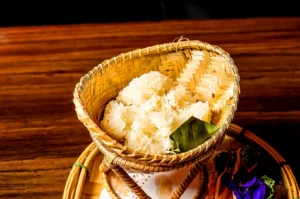
By Dio Asahi for Eat Drink Asia. The lid comes off, and the steam rises first. It’s a warm afternoon in Chiang Mai, and on the table sits a small woven bamboo basket, still holding the heat of the pot it came from. Someone’s grandmother lifts the top and sets it aside without looking. Inside,…
-
Sambal Fried Rice Recipe for People Who Know the Chilli Paste Does the Heavy Lifting
Dio Asahi | September 8, 2026
I used to add the rice too early. The oil would be hot, the sambal barely a minute in, and I’d tip in the cold rice because I was hungry and impatient. Every time, the same result: rice stained red but tasting of nothing much. Sharp. Raw. Flat where it should have been deep. It…
-
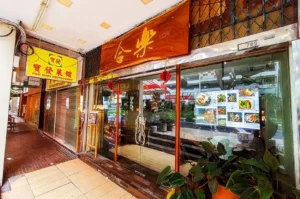
Hup Lok at Havelock Road: A Teochew Fish Soup Carrying Memory Forward
Eda Wong | September 8, 2026
The bowl arrives before anything else does. Steam lifts off it in slow ribbons, carrying the smell of ginger and something warmer underneath: the round, boozy note of hua tiao wine settling into fish. I lean in before I even pick up my spoon. The broth is pale gold and cloudy, thick enough that it…
-
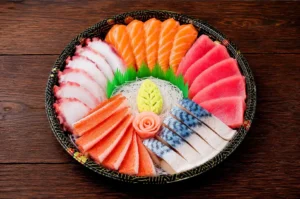
Fresh Sashimi Singapore: Places for Clean Cuts, Quiet Counters, and Fish That Still Feels Alive
Eda Wong | September 5, 2026
I didn’t grow up eating raw fish. For years, sashimi felt like something you learned to appreciate rather than something you loved. Cold, foreign, a little intimidating. Then one afternoon, at a quiet counter, a chef placed a single slice of chutoro in front of me and said nothing. I ate it. And I understood….