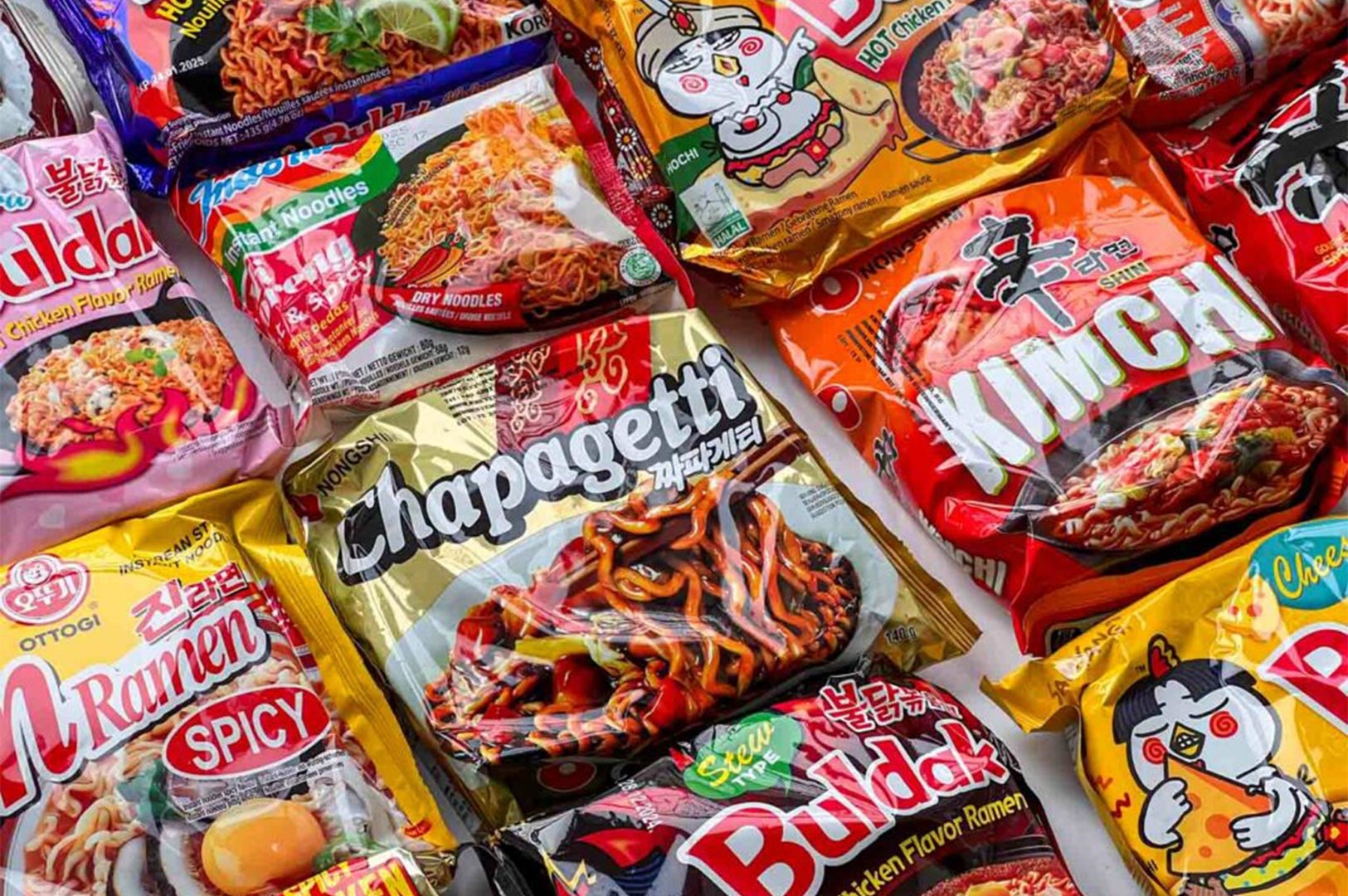
In the high-octane streets of South Korea, where the “pali-pali” (hurry-hurry) culture defines the pace of life, one dish stands as the ultimate equalizer of speed and satisfaction: Korean ramyeon. While the world often uses the terms ramen and ramyeon interchangeably, the Korean version is a distinct entity. It is not merely a quick snack hidden in a ramyeon packet; it is a global symbol of Korea, an essential element of Korean media, and a masterclass in how hot, spicy, and savory flavors can be engineered for maximum delicious impact.
From the first whistle of boiling water in a student’s dormitory to the gourmet upgrades served in trendy Seoul cafes, the Korean instant noodle has evolved far beyond its humble beginnings. To understand this food, one must look past the package and into the steaming bowl, where texture, heat, and tradition collide.
A Legacy Born of Necessity
The story of the Korean instant noodle dates back to 1963, a time when Korea was still rebuilding and searching for affordable ways to feed a growing population. It was a good deal for a nation in transition, providing a hot, calorie-dense meal that required nothing more than a pot, some water, and a few minutes of patience. What started as a survival food quickly became a cultural staple.
Today, Korea consumes more instant noodle products per capita than almost any other nation in the world. The market is saturated with so many options that walking down a grocery aisle can be an overwhelming experience. However, the heart of the experience remains the same: the ramyeon represents comfort. It is the flavor of a late-night study session, the taste of a mountain-top reward after a hike, and the dish that brings families together for a quick weekend lunch.
o understand the ancient roots of these traditions, you can explore The Heart of the Korean Noodles: History and Texture, which dives into the evolution of the craft before the digital age.
The Four Criteria: The Anatomy of the Perfect Bowl
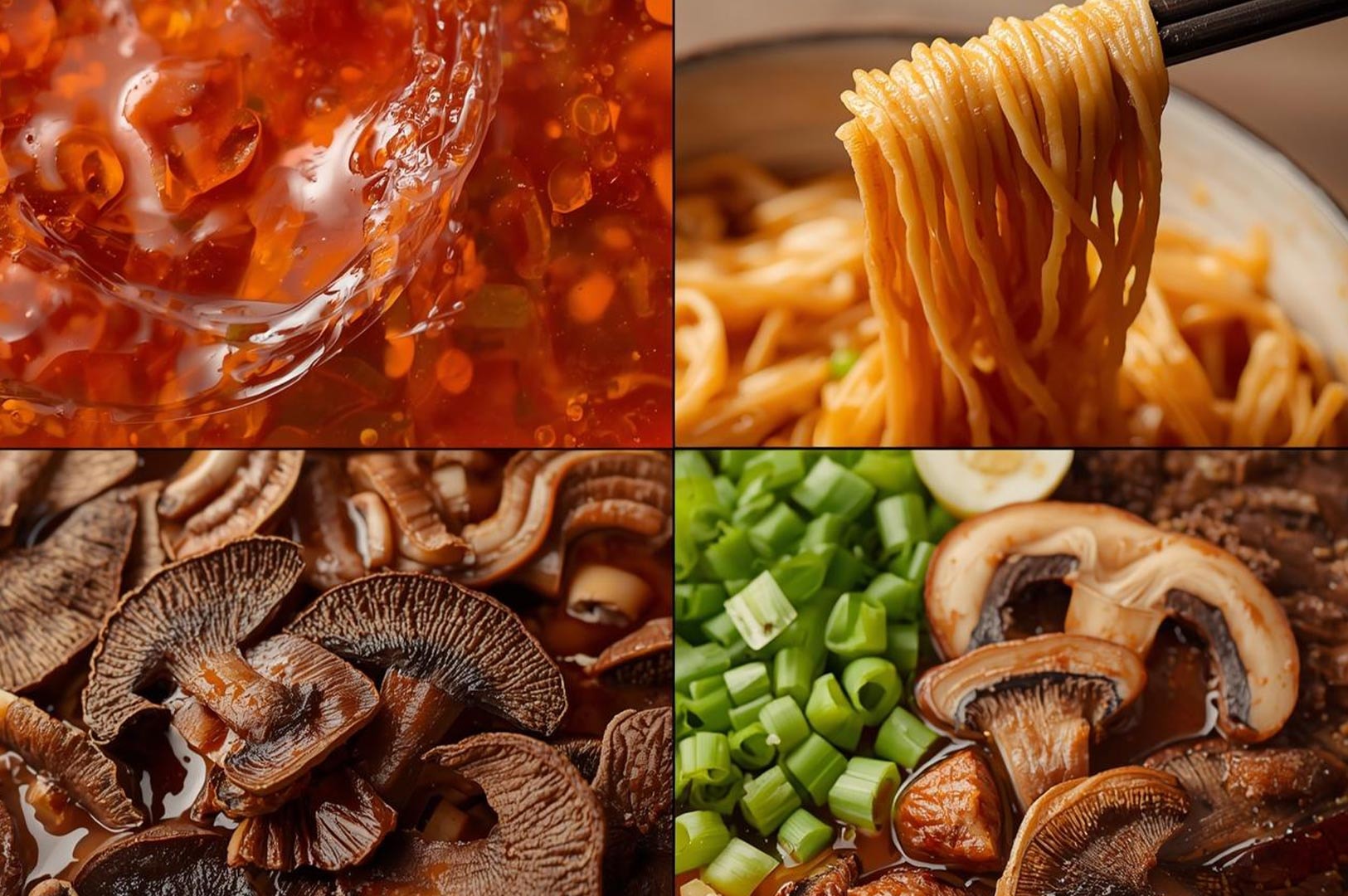
To the uninitiated, all ramyen might look similar, but enthusiasts judge the best Korean ramyeon based on four criteria: the broth, the noodles, the toppings, and the innovative “soul” of the brand.
1. The Broth: A Symphony of Spice
The soup base is the foundation. Unlike the milder profiles found in other cultures, the Korean ramen experience is defined by a bold, spicy kick. This is often achieved through a complex blend of gochujang (red chili paste), garlic, and beef or seafood extracts. Whether it is the classic salty and fiery profile of Nongshim’s Shin Ramyun or a mild and savory alternative, the broth is designed to be deep and invigorating. The cooking soup process allows these dehydrated powders to bloom into a complex liquid that coats every strand.
2. The Noodle Texture: The Science of the Chew
Perhaps the most critical element is the ramyeon noodles themselves. Korean consumers have an obsession with chewy, bouncy noodles. These are typically thicker and more resilient than their counterparts from other regions. A high-quality Korean instant noodle should maintain its structural integrity throughout the cooking process, offering a satisfying “snap” or bit with every mouthful. This texture is what allows the noodles to stand up to the intense heat of the soup.
3. The Toppings: Dried and Fresh
Every ramyeon packet comes with a sachet of dried vegetables, but the true magic happens when the dish is customized. From the crunch of dried vegetables like carrots and mushrooms to the addition of fresh green onions, the toppings bridge the gap between “instant” and “gourmet.” In South Korea, it is rare to see a bowl served without at least one fresh addition to provide a contrast to the processed ingredients.
4. Innovation and Variety
The world of ramyeon brands is one of constant evolution. We see sweet and savory black bean sauce versions, seafood-heavy stocks featuring shrimp and crab, and even creamy, cheese-infused variations that mellow out the heat. The particular brand you choose says a lot about your palate—whether you seek the traditional spice of Korea or the experimental flavor of modern fusion.
Iconic Profiles: From Shin Ramyeon to Black Bean Delights
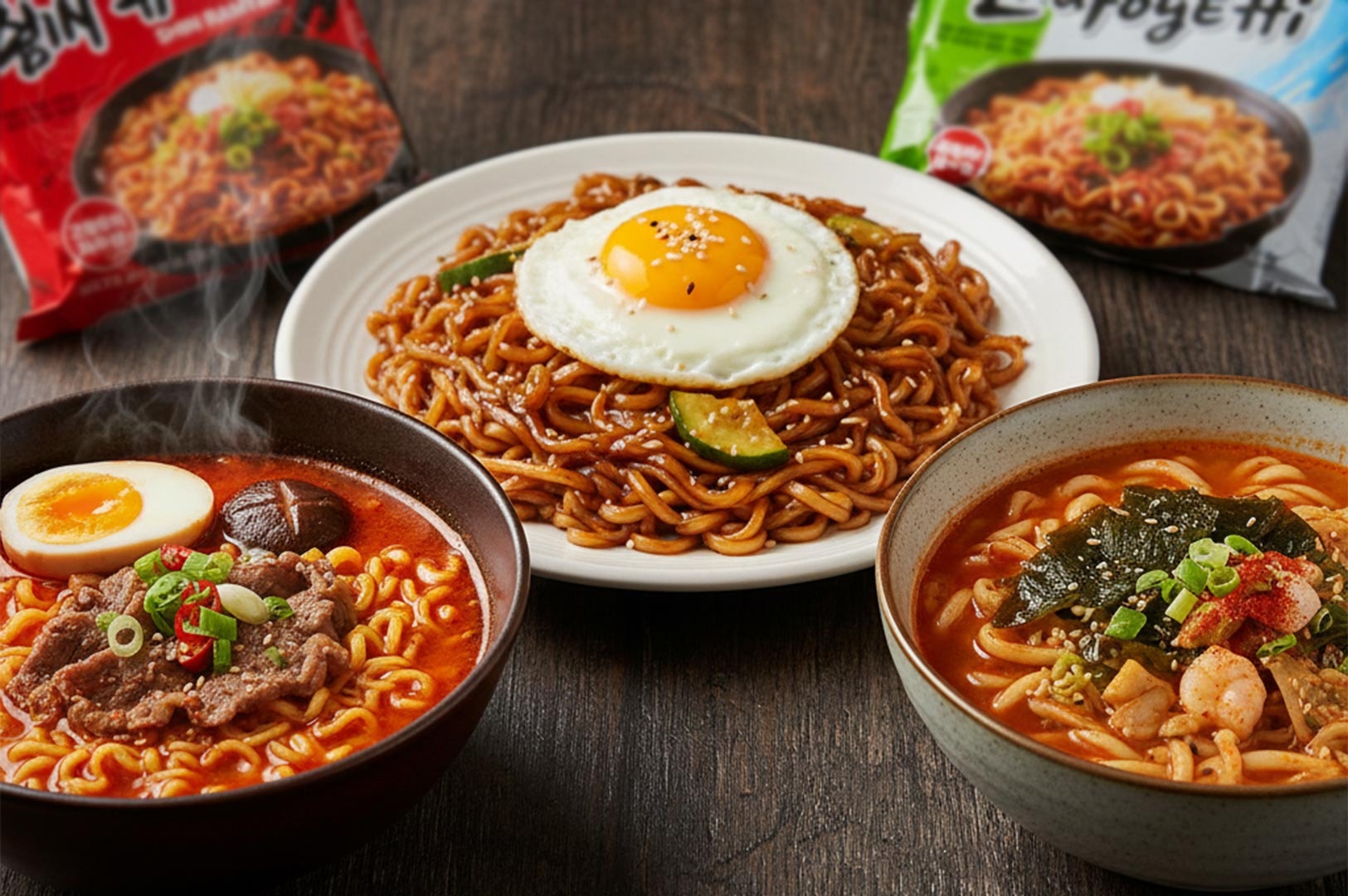
When discussing the titans of the market, Nongshim’s Shin Ramyun (also spelled Shin Ramyeon) is the undeniable king. It is the benchmark for the “standard” spicy Korean profile. Its flavor is unmistakable—a hearty beef broth with a lingering spice that has made it a household name in South Korea and beyond. This ramyun is the baseline from which all other ramyeon brands are measured.
For those who prefer a different texture and taste, Nongshim’s Chapagetti offers a sweet and salty alternative. This dish replicates the famous black bean noodles found in Korean-Chinese restaurants. Instead of a soup, the noodles are drained and tossed in a thick black bean sauce, providing a rich, earthy flavor that is a favorite among those who want a break from the heat. The sauce is glossy and deep, clinging to the bouncy noodles in a way that feels indulgent.
Meanwhile, seafood lovers often turn to Nongshim’s Neoguri, which features thicker, more chewy noodles and a broth infused with kelp, shrimp, and crab. Then there is Jin Ramen, a classic that offers a perfect balance for those who want a reliable, delicious meal that pairs beautifully with almost any extra recipe ingredient. Jin Ramen is often the go-to for those who want a good deal without sacrificing the essential Korean character of the dish.
The Art of the Boil: Professional Cooking Techniques
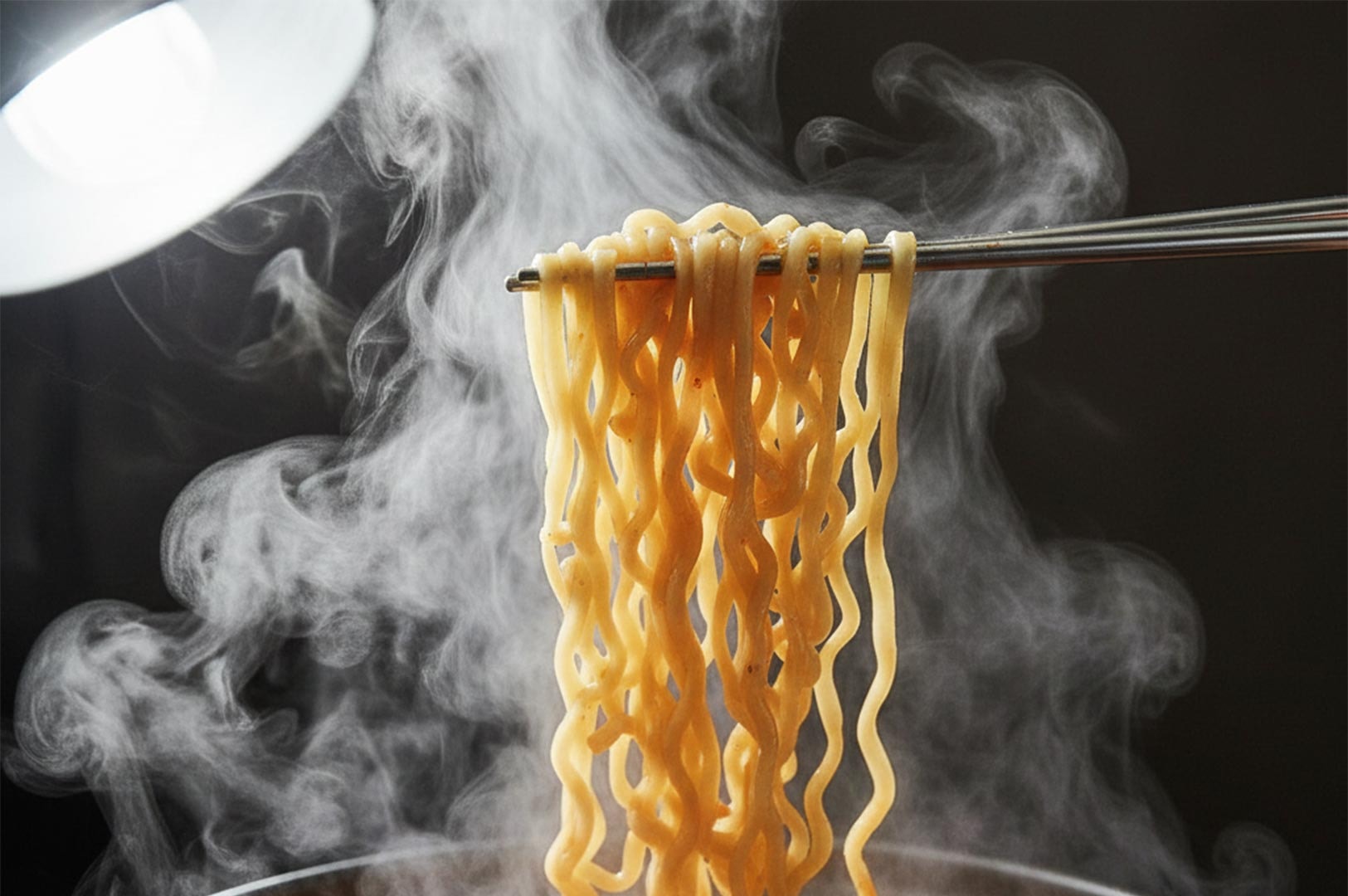
Following the instructions on the back of the package is only the beginning. To truly eat like a local, one must master the nuances of the boil. The recipe for success begins with the pot and the quality of the boiling water.
First, the water must be at a rolling boil before the noodles and the soup base are added. Many aficionados recommend adding the soup base first to slightly raise the boiling point of the water, which helps the noodles cook faster and stay chewy.
A popular technique to achieve those bouncy noodles is the “airing” method. Using chopsticks, you lift the noodles out of the hot pot and back into the air several times while they cook. This sudden change in temperature “shocks” the noodles, resulting in a firmer, more delicious texture. If you soak the noodles too long without this agitation, they risk becoming soft and losing their essential bit.
Elevating the Experience: Toppings and Pairings
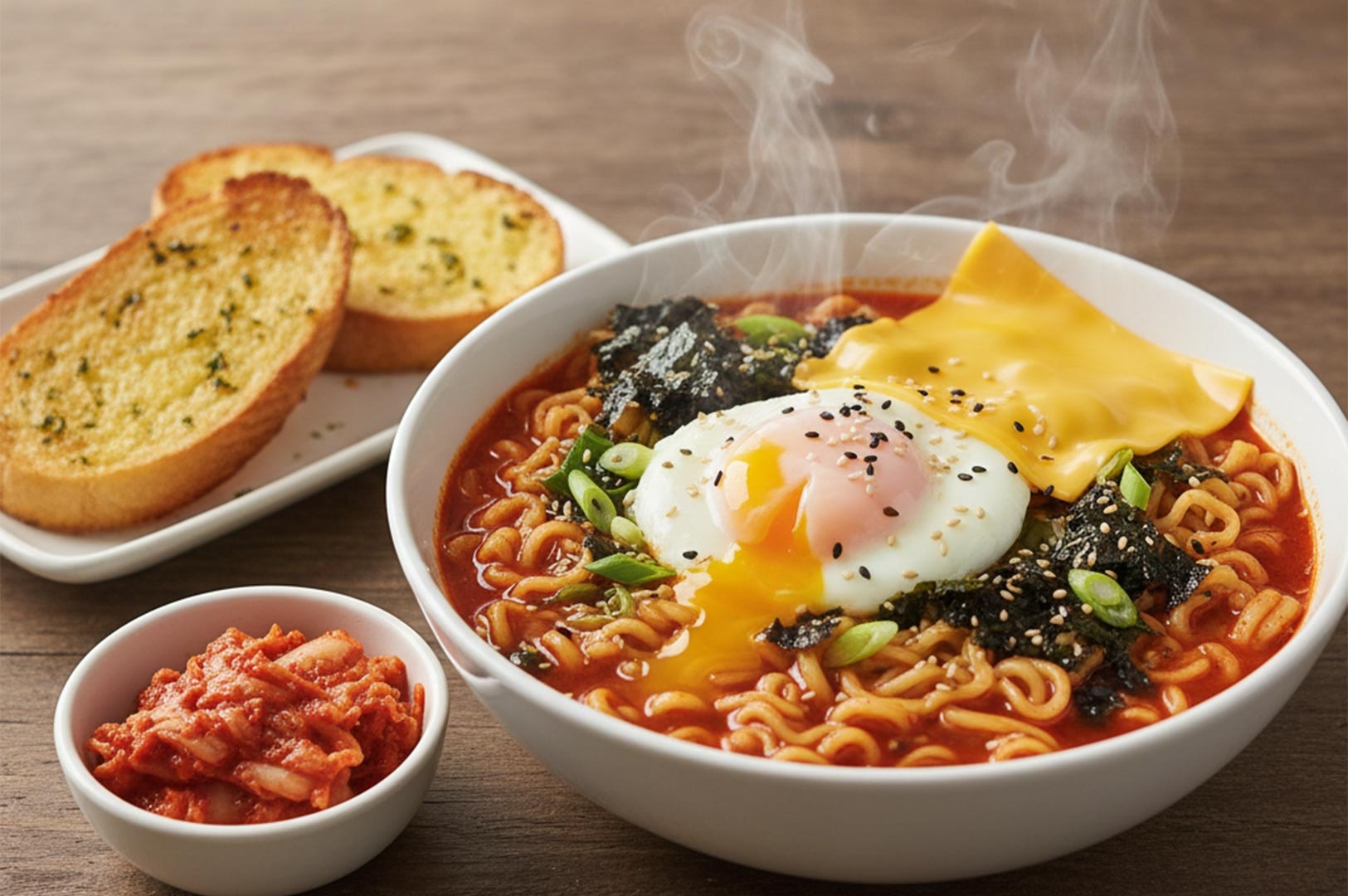
What makes Korean ramyeon so surprised and versatile is how well it adapts to the contents of your refrigerator.
- The Egg: Adding a raw egg is the most common upgrade. Some prefer to drop the egg in and let it rest on top of the noodles to poach, while others stir it in vigorously to create a creamy, savory broth. The egg adds a layer of fat that balances the sharp spice of the gochujang.
- The Cheese: A single slice of American cheese might seem unusual, but in the Korean version, it is a revelation. It melts into the spicy soup, creating a silky flavor that cuts through the heat.
- Proteins: Slices of ham, shrimp, or even leftover crab can turn a simple dish into a seafood feast.
- Vegetables: Beyond the standard green onions, adding fresh carrots or bean sprouts adds a necessary crunch. These vegetables provide a fresh counterpoint to the dried vegetables included in the ramyeon packet.
Finally, no Korean meal is complete without kimchi. The cold, fermented, and spicy cabbage provides a sharp contrast to the hot ramyeon, cleansing the palate between bites. For an unconventional but trendy twist, some even serve their ramyeon alongside toasted garlic bread, using the bread to soak up the leftover spicy sauce.
The Ritual of the Finish: Rice and Broth
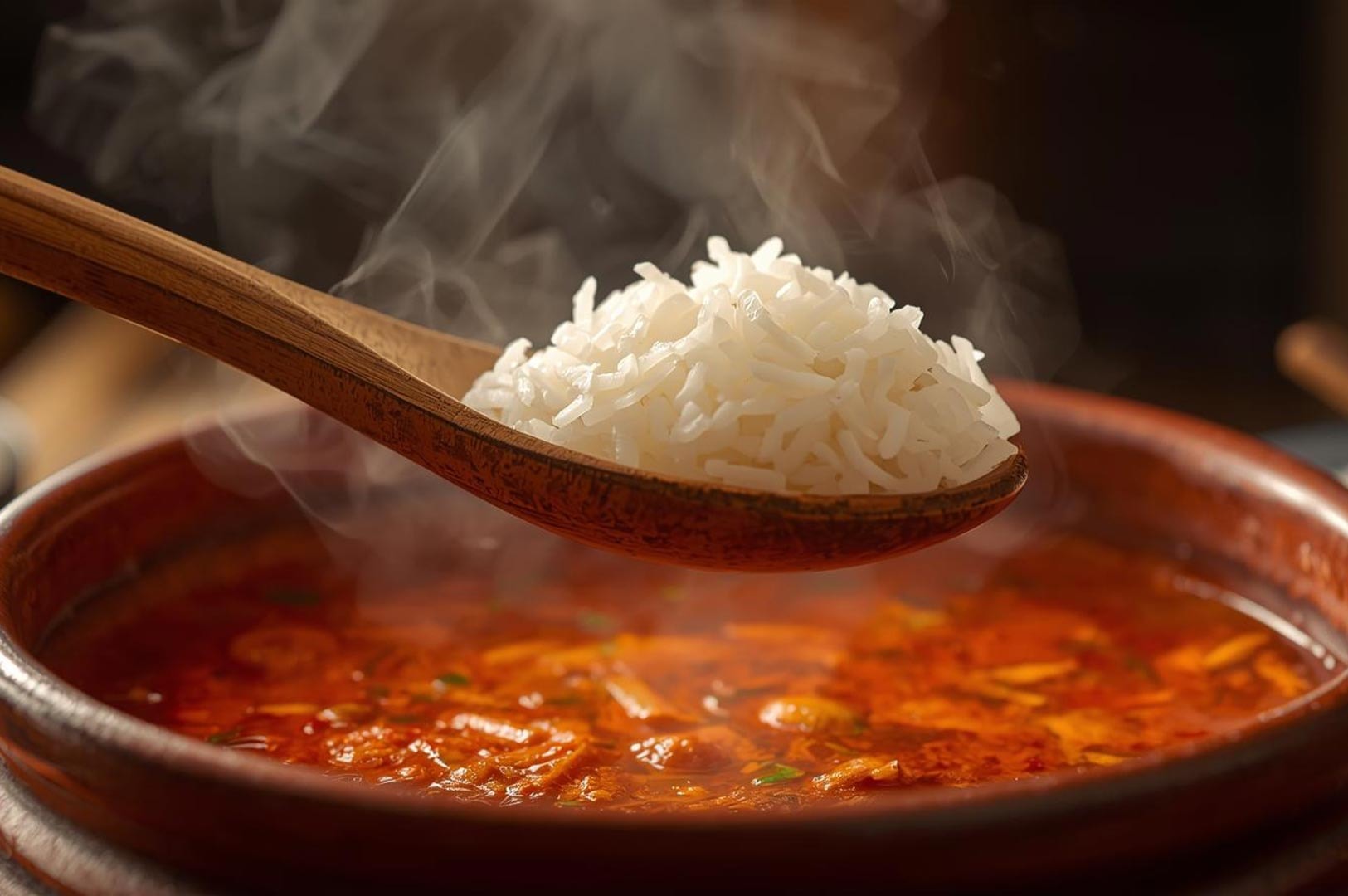
One of the most authentic ways to enjoy Korean ramyeon occurs after the noodles are gone. If there is still soup left in the bowl, it is customary to add a scoop of plain white rice. The rice absorbs the remaining broth, ensuring that not a single drop of the delicious flavor goes to waste. In South Korea, this ensures the meal is both filling and provides a good deal for the diner.
Regional Variations and Global Trends
As Korean culture spreads globally, the way people eat instant noodle products continues to change. In Korea, you might find regional variations where the soup is topped with local seafood or specific mountain vegetables. Internationally, the Buldak series has introduced a level of heat that has challenged the world, while the sweet and earthy black bean noodles provide a gateway for those who prefer a less spicy experience.
Regardless of the particular brand or the recipe used, the Korean ramyeon remains a testament to the country’s ability to innovate. It is a food that is both hot and comforting, salty and complex. Whether it’s a mild Jin Ramen or a fiery Shin Ramyun, the bit of the noodles and the depth of the sauce tell a story of a nation’s culinary pride.
A Universe of Flavor in Every Strand: Why Korean Ramyeon Rules the World
The Korean instant noodle is a phenomenon that shows no signs of slowing down. It is a dish that respects its roots as a humble convenience food while constantly pushing the boundaries of flavor. By understanding the four criteria, mastering the boil, and experimenting with toppings like raw egg, green onions, and even garlic bread, you can transform a simple ramyeon packet into a gourmet experience.
Every bowl is a chance to explore the texture, spice, and savory depths of Korea. So, grab your pot, find your favorite brand, and get ready to experience the best Korean ramyeon has to offer—one chewy, bouncy, and delicious strand at a time.

Thai Green Milk Tea: The Complete Guide to Thailand’s Refreshing Emerald Delight
Eda Wong | December 13, 2025
Picture a tall glass filled with crushed ice, its emerald-green contents swirled with ribbons of creamy white milk—this is thai green milk tea, one of Southeast Asia’s most visually striking and refreshing drinks. Known locally as cha khiao nom yen, this popular drink has captured hearts across Asia and beyond with its distinctive pale green…

Best Thai Singapore: Discover the Art of Authentic Pad Thai
Dio Asahi | December 11, 2025
In Singapore, a city that celebrates a universe of flavors, the magnetic pull of Thai cuisine is undeniable. From bustling food courts to elegant dining rooms, the kingdom’s culinary ambassadors have firmly planted their flag. When considering the best Thai food, it’s impossible to overlook how integral Pad Thai is to the local Thai food…
-
Thai Cuisine in Singapore: Finding the Best Authentic Flavors
Eat Drink Asia Team | December 9, 2025
The unmistakable aroma of lemongrass, galangal, and fiery spices mingles with the bustling night air in Singapore, setting the stage for a dining experience that wakes the soul and tantalizes the senses. Thai cuisine in Singapore has become an essential part of the city’s culinary landscape, offering a complete blend of vibrant flavor, tangy notes,…
-
The Ultimate Guide to Thai Food: Flavors, Traditions, and Culinary Adventures
Dio Asahi | December 6, 2025
Thai cuisine is one of the world’s most beloved and complex culinary traditions, captivating food enthusiasts globally with its masterful balance of flavors and vibrant presentations. From bustling Bangkok street stalls to high-end international restaurants, Thai food has become a global phenomenon that evolves while maintaining its authentic roots. What sets Thai cuisine apart from…
-
How to Drink Sake: Your Guide to Enjoying Japanese Sake Wine
Eda Wong | December 5, 2025
As Japan’s national beverage, this traditional sake is present at celebrations, quiet dinners, and spiritual offerings, weaving itself into the very fabric of daily life and reflecting Japan’s deep-rooted cultural heritage. Yet, for many outside of Japan, it remains a delightful mystery. You might find yourself wondering, how do you drink sake properly to unlock…
-
The Quiet Pursuit of Perfection: Where to Find the Freshest Sashimi in Singapore
Eat Drink Asia Team | December 3, 2025
In Singapore, a city that moves at a dizzying pace, there is a quiet but growing reverence for pursuits that demand patience. Nowhere is this more apparent than in the city’s evolving appreciation for authentic Japanese cuisine. The once-niche world of omakase has entered the mainstream lexicon, and with it, a more discerning palate for…

Understanding Sake Alcohol Content: A Complete Guide to ABV and Flavor
Eda Wong | December 2, 2025
When exploring Japanese sake, many wonder about its grades and complex flavors. Sake’s unique profile offers remarkable versatility, enjoyed in various serving styles and paired with diverse dishes. One fundamental aspect is sake alcohol content. Is sake stronger than wine? How does its alcohol by volume (ABV) compare to beer? The answer is nuanced. Understanding…
-
Japanese Sake: The Complete Guide to Japan’s Traditional Rice Wine
Dio Asahi | November 29, 2025
Japanese Sake: The Complete Guide to Japan’s Traditional Rice Wine While sake has been Japan’s national beverage for over a millennium, its popularity across Asia is at an all-time high. Rooted in Japan’s traditional brewing methods and centuries-old origins. It symbolizes Japan’s cultural heritage and craftsmanship. Understanding this complex brewed alcoholic beverage opens doors to…

Best Japanese Foods in Japan: The Must-Try Dishes
Eda Wong | November 27, 2025
Why Japanese Food Is Worth the Trip Japan’s culinary world extends far beyond well-known sushi and ramen, revealing a rich variety of regional specialties cherished by locals. While many travelers stick to popular Japanese foods in tourist areas, authentic flavors are best discovered in neighborhood markets, family-run eateries, and seasonal menus reflecting centuries of Japanese…
-
Japanese Food in Japan: The Ultimate Guide to Authentic Culinary Experiences
Eat Drink Asia Team | November 25, 2025
Experiencing Japanese food in Japan is fundamentally different from eating Japanese cuisine anywhere else. While sushi restaurants and ramen shops have spread globally, the authentic flavors, techniques, and cultural context of Japanese food can only be fully appreciated in its homeland. From meticulously selecting ingredients at peak freshness to centuries-old traditions shaping every meal, eating…