By Dio Asahi for Eat Drink Asia.
The lid comes off, and the steam rises first.
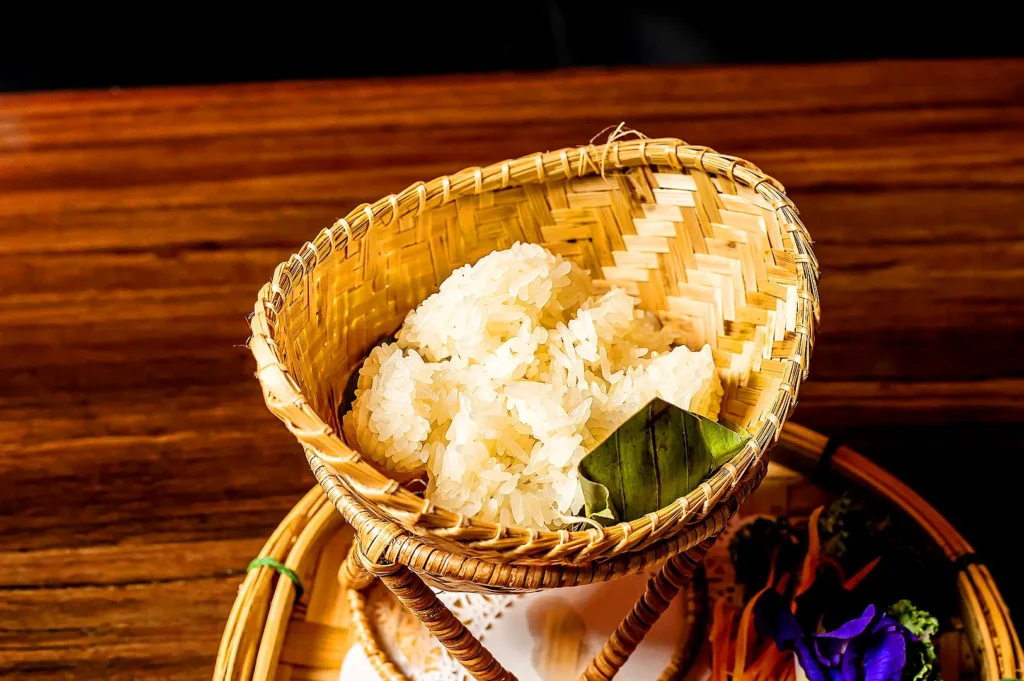
It’s a warm afternoon in Chiang Mai, and on the table sits a small woven bamboo basket, still holding the heat of the pot it came from. Someone’s grandmother lifts the top and sets it aside without looking. Inside, the sticky rice waits — pale, glossy, faintly sweet in smell. Fingers reach in, pinch off a lump, roll it once against the palm. Nobody uses a spoon. The rice holds its shape, warm and pliant, ready to dip into whatever sits beside it. The basket breathes gently, and the meal begins.
Chiang Mai’s food memory is impossible to separate from bowls of khao soi, the northern Thai curry noodle soup that turns coconut, chilli, and crisp noodles into something deeply local.
This basket is called a krathip — say it roughly as “gra-TEEP.” It’s a container woven from thin strips of bamboo, small enough to hold in two hands, made specifically for khao niao, the glutinous sticky rice of the north and northeast. The weaving isn’t decoration. The tight bamboo walls let the rice keep its warmth while letting just enough air pass through, so the grains stay soft and moist rather than turning to paste or drying out. The rice is steamed, not boiled — soaked for hours, then cooked over rising steam in a conical basket, then tipped warm into the krathip to rest. A lid keeps the heat in. The whole thing works the way it always has, without a single moving part.
In the north, a meal without khao niao feels unfinished. The krathip sits in the middle of the table, shared, passed, opened and closed as people eat. You take a little, then a little more, using the rice as both spoon and plate — pinching it, dipping it into nam prik, scooping up grilled meat or sour soup. There’s an unhurried rhythm to it. The basket asks you to slow down, to reach with your hands, to eat the way the people beside you are eating. It’s a communal object more than a personal one. One basket, many hands, the lid going back on between mouthfuls so the last grains stay as warm as the first.
You see the plastic tubs now, of course. Cheaper, lighter, easy to stack behind a stall or send out with a takeaway order. They do the job. But sticky rice sealed in plastic sweats and turns gummy, the grains clinging in a way the bamboo never allowed. The krathip lets the rice keep its dignity. That a woven basket still outperforms the convenient thing says something quiet about why certain old tools survive — not out of nostalgia, but because they simply work better at the thing they were made for.
The lid goes back on. The rice keeps its warmth a while longer, waiting for the next hand. Some objects hold food. This one holds a way of eating, too — and it has never needed to be anything more than what it is.

A Comprehensive Resource for Oriental Foods Recipes for the Modern Home Cook
Eda Wong | April 10, 2026
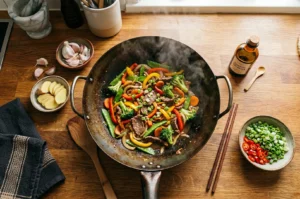
For years, I thought cooking Asian food at home required something mystical. My stir-fries were soggy, lacking that smoky breath of the wok. My fried rice was inconsistent, sometimes clumpy, other times dry. My sauces tasted flat, missing the balance of savory, sweet, and tangy flavors I craved. I assumed restaurants had secrets I’d never…
-
Pour Decisions: The Best Bars in Singapore for Craft Beers and More
Dio Asahi | April 9, 2026
Walking through the humid streets of Singapore at dusk, you can feel the city transforming. The tropical heat fades into neon lights, and the clinking of glasses begins to echo from narrow shophouses and towering skyscrapers. Singapore boasts a dynamic bar scene that rivals any global metropolis. From opulent destinations like to the laid back charm,…
-
The 8 Best Chinese Restaurants in Singapore: From Dim Sum to Peking Duck
Dio Asahi | April 7, 2026
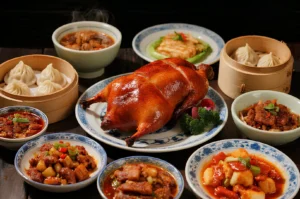
Singapore’s best chinese restaurants in singapore function less like isolated dining rooms and more like a networked system of technique. Across these chinese restaurants, you see branches of chinese cuisine expressed through roast mastery, controlled fermentation, seafood purity, and banquet choreography. This is not simply a guide to chinese food. It’s a mapped culinary journey…
-
The Neighbourhood Restaurant Test: How to Spot Truly Authentic Cuisine Restaurants in Your Area
Eda Wong | March 31, 2026
A friend texted me last week: “I’m outside this new Vietnamese place. How do I know if it’s legit before I waste my money?” It’s a question I get often. We’ve all been there, drawn in by a cool sign, only to get a plate of sad, sweet, tourist-grade pad thai that tastes like ketchup….
-
Cuisine in the World Meets Singapore: Inside Nakhon Kitchen’s Cross-Cultural Magic
Dio Asahi | March 26, 2026
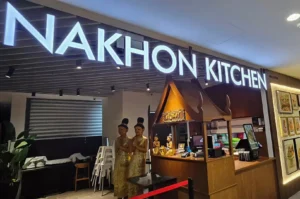
There’s a rite of passage for any food lover living in the East of Singapore, and it involves a queue. Specifically, the perpetually long, snaking queue outside Nakhon Kitchen in Bedok. I’d heard the legends for years: authentic Thai food, rock-bottom prices, and a wait time that tests your commitment. So, on a Tuesday evening…
-
The Spice Route Secrets: A Deep Dive into Malay Ethnic Food
Eda Wong | March 24, 2026
My first time ordering Nasi Padang in Geylang Serai was overwhelming, I randomly picked dishes and was shocked by a $20 bill due to premium beef rendang and squid. That taught me to always ask seafood prices and that Malay food is a complex, modular cuisine. Malay food is everywhere in Singapore, in hawker centres,…
-
The Shokunin Spirit: How Japan’s Craftsman Philosophy Lives Inside Singapore’s Most Disciplined Omakase Counter
Dio Asahi | March 21, 2026
The fire is not roaring; it is breathing. In a small, darkened workshop in Sakai, a swordsmith watches the colour of the steel with eyes that have tracked the same transformation for forty years. He does not look at a clock. He listens to the hum of the charcoal. He waits for the metal to…
-
The Evolution of the Plate: How History Transformed Iconic Malaysian Dishes
Eda Wong | March 19, 2026
I used to think I understood Malaysian food. As a Singaporean, it’s practically in my DNA, right? Nasi lemak for breakfast, a cheeky roti canai for supper – I thought I had it all figured out. Then I spent a week eating my way through Penang and Kuala Lumpur, and I realised I knew absolutely…
-
The Soul of the Table: An Educational Guide to the Role of Food in Malaysian Culture
Eat Drink Asia Team | March 17, 2026
We still remember our first collective Rumah Terbuka (Open House) experience in Kuala Lumpur.Standing at the doorway of a home during Hari Raya, we were utterly paralyzed by the sheer volume of people and the aroma of Malaysian cooking. There were aunties ladling beef rendang and tables groaning under the weight of colourful kuih. “Do…
-
Asian Food Comfort Trends: Why Broths and Bowls are Dominating Globally
Eda Wong | March 14, 2026
I still remember the first time I faced a “build-your-own” Mala Xiang Guo counter. I stood there, plastic tongs in hand, completely paralyzed by the mountain of choices. Lotus root? Kelp knots? three different types of tofu skin? My anxiety spiked. I panicked, grabbed way too much luncheon meat, and ended up with a $28…