The monsoon rain drums a steady, heavy rhythm against the fogged windows of a narrow tavern in Jongno, muffling the chaotic pulse of the city outside. Inside, the air hangs warm, thick with the scent of toasted mung beans and a subtle, yeasty tang. A dented brass kettle tips forward, and a chalk-white, opaque liquid spills into shallow metal bowls. Tiny bubbles rise to the surface, breaking with a soft fizz. When the cold bowl meets the lips, the texture is surprisingly heavy; a velvety, chalky suspension that coats the palate with a gentle, effervescent bite. It is a quiet, rhythmic celebration of flavours that immediately grounds the room.
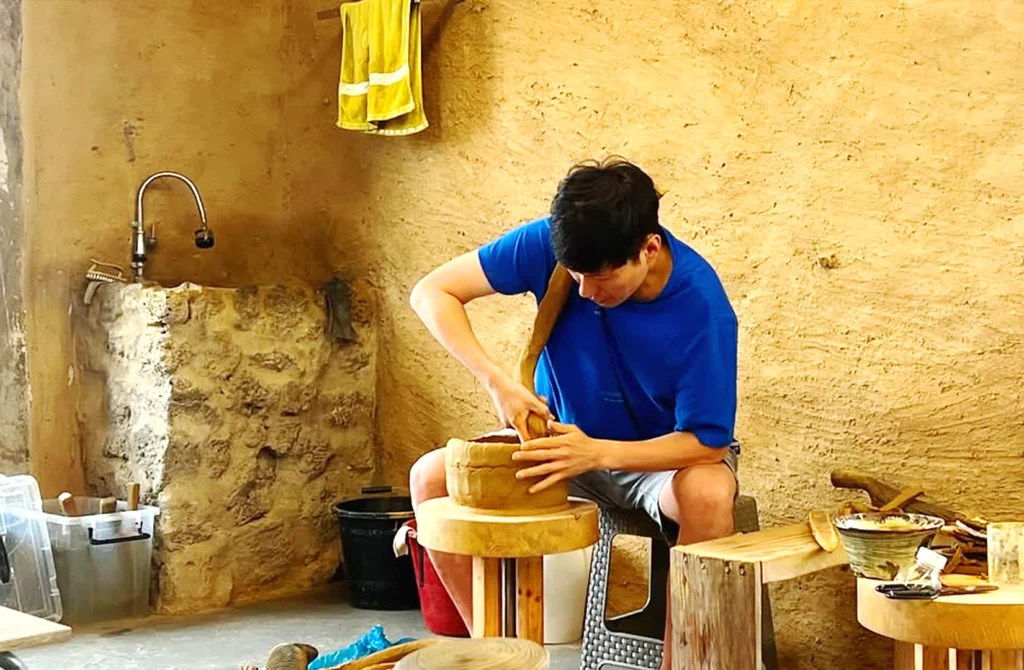
This is makgeolli (pronounced mahk-guhl-lee), Korea’s oldest rice wine. Stripped of pretence, it is a roughly filtered, unpasteurised brew born from a deceptively simple marriage of steamed rice, water, and nuruk, a wild fermentation starter cake teeming with indigenous yeast and microbes. The craft demands an intimate understanding of temperature and time. Traditional brewers knead the cooked rice and nuruk by hand, packing it into porous clay vats called onggi. As it ferments over a couple of weeks, the mixture bubbles aggressively, emitting a sweet, floral aroma. Because it is strained rather than distilled, the wine retains a cloudy, floury sediment. This unfiltered nature gives the drink its signature body, straddling the line between a beverage and liquid nourishment, offering a flavourful sweet-sour complexity that evolves every single day it sits in the bowl.
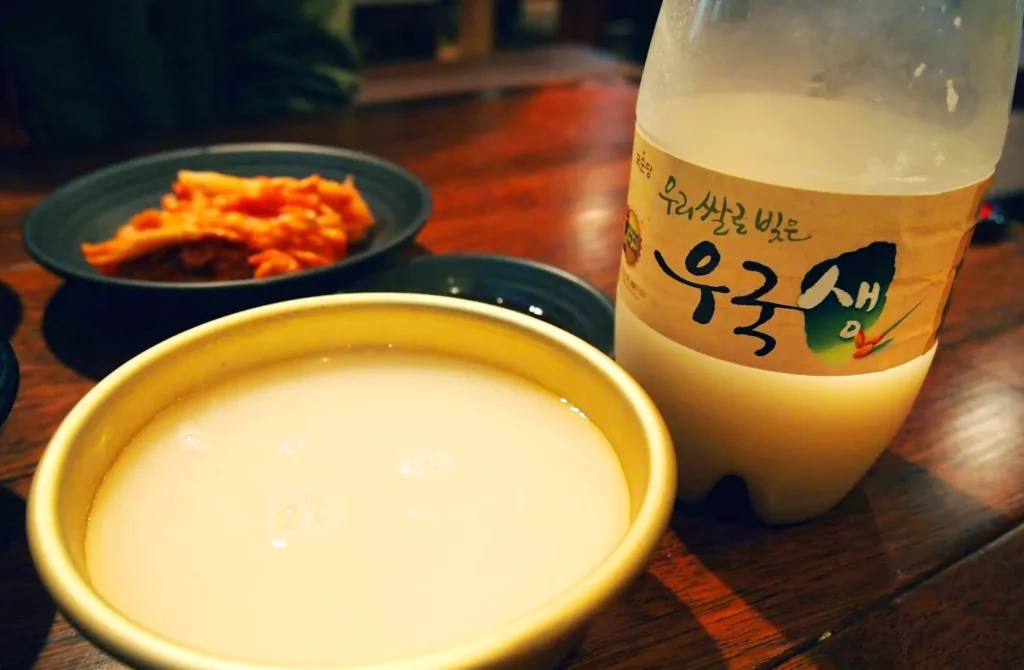
Pouring a serving of makgeolli is a deeply ingrained communal ritual. It is historically the drink of farmers and mountain hikers, inherently tied to shared experiences and collective rest. You do not pour your own bowl; instead, you tilt the kettle for your companion, supporting your pouring arm with your free hand in a silent gesture of respect. The shallow brass or ceramic bowls force diners to lean in, pulling the table closer together, echoing a wider communal dining traditions in asia of shared tables, common plates, and meals designed to be passed hand to hand. Paired instinctively with crisp, oil-slicked savoury pancakes on rainy afternoons, this diverse, earthy drink acts as a social lubricant. It signals the end of physical labour and the beginning of community, transforming a mundane weekday evening into a deeply authentic culinary journey.
What feels vital about makgeolli today is its renewed tradition amid a rapidly modernising culinary landscape. For decades, mass production flooded the market with artificially sweetened, pasteurised versions packaged in green plastic bottles—convenient but structurally hollow. Now, a quiet resistance is taking shape. Independent, trend-setting brewers are returning to the slow, laborious craft of natural fermentation, rejecting artificial additives to let the local rice varieties speak for themselves. There is a palpable tension between the slick, highly filtered aesthetics of modern drinking culture and the rustic, cloudy appetite of this ancient brew.
Leaving the tavern, the warmth of the unfiltered wine lingers in the chest, offering a slow, grounding comfort against the damp chill of the street. It is a quiet reminder that true heritage is not frozen in the past, but kept alive in the soft, cloudy grain of a shared bowl.

Yuja Tea: Korea’s Traditional Citron Tea
Dio Asahi | January 27, 2026
The golden, aromatic steam rising from a cup of yuja tea carries centuries of Korean tradition and wellness wisdom. This caffeine-free citrus beverage has warmed Korean hearts through countless winters, offering both comfort and powerful health benefits in every sip. Made from the Korean citron known as yuja fruit, this simple Korean tea represents one…
-
The Global Phenomenon of Korean Instant Noodle: A Cultural and Culinary Journey
Eda Wong | January 24, 2026
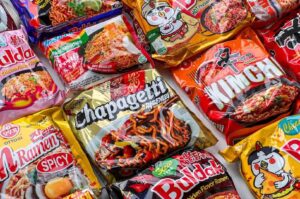
In the high-octane streets of South Korea, where the “pali-pali” (hurry-hurry) culture defines the pace of life, one dish stands as the ultimate equalizer of speed and satisfaction: Korean ramyeon. While the world often uses the terms ramen and ramyeon interchangeably, the Korean version is a distinct entity. It is not merely a quick snack…
-
Traditional Ramyeon: The Soulful Heart of Korean Noodle Culture
Eat Drink Asia Team | January 20, 2026
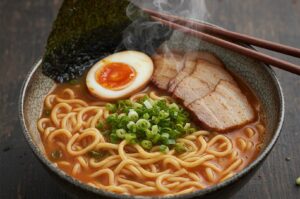
In the bustling culinary landscape of South Korea, few comfort foods can match the satisfaction of a steaming bowl of ramyeon. While outside of Korea, “ramyeon” often brings to mind Korean instant noodles or instant ramen, true ramyeon Korean style refers to the artful, freshly prepared noodle soup enjoyed in homes and at local restaurants…
-
The Heart of the Korean Noodles: History and Texture
Eda Wong | January 17, 2026
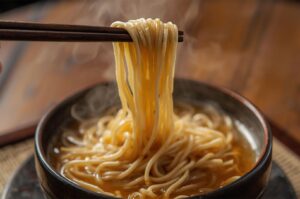
In Korea, a bowl of noodles is far more than a simple dish; it is a cultural anchor that has weathered centuries of change. For generations, the length of the strand has symbolized a long and prosperous life, making Korean noodles a staple at birthdays, weddings, and the milestone 60th birthday celebration known as hwangap….
-
Preserving the ‘Big Bowl’ Tradition with Pen Cai Delivery in the Age of Doorstep Dining
Eat Drink Asia Team | January 15, 2026
Modern Festive Menu: Bringing the Big Bowl Home There is a special, undeniable magic to the Chinese New Year reunion dinner. For many families, Chinese New Year 2026 is another chance to gather loved ones at the table and celebrate with a glorious pen cai—sometimes called the “big bowl feast”—overflowing with premium ingredients and festive…
-
Sencha: Traditions, Flavors, and the Essence of Japanese Tea
Eat Drink Asia Team | January 15, 2026
When people around the world think of Japanese tea, images of tranquil tea ceremonies in small rooms or frothy bowls of matcha often come to mind. Yet, the reality of tea drinking in Japan is much broader, woven deeply into the culture and daily habits. For the vast majority, sencha is the beloved tea that…
-
The Best Restaurants Tokyo Are Rarely the Ones You Plan For
Eda Wong | January 12, 2026
Tokyo, Japan’s capital, does not reward urgency. It rewards return. On my first visit, I chased what everyone told me were the best restaurants Tokyo had to offer. I spent weeks highlighting maps, bookmarking digital “must-eat” lists, and refreshing reservation pages until my eyes blurred. I thought that by conquering the top-tier establishments, I would…
-
Japan and Food: Culinary Harmony – The Deep Connection Between Japanese Food and Culture
Eat Drink Asia Team | January 11, 2026
When it comes to Japan and food, the two are intertwined in ways that captivate taste buds and awaken the senses. Japanese cuisine stands as one of the world’s most revered traditions—more than nourishing meals, it is an art reflecting centuries of philosophy and a window into Japanese culture itself. Every bowl of miso soup,…
-
The Verdant Cup: A Celebration of Green Tea in Japan
Eda Wong | January 10, 2026
In Japan, green tea is much more than a beverage. It marks a moment of pause, hospitality, and tradition. The story of green tea in Japan weaves through centuries of culture, artistry, and daily life—bridging ancient rituals like the Japanese tea ceremony to everyday meals enjoyed at home. The origins and beginning of Japanese tea…
-
Japanese Green Tea from Japan: The Story of Matcha
Dio Asahi | January 8, 2026
On a misty April morning in Kyoto, I knelt on tatami in a small tea room outside Uji, Japan. The host, dressed in kimono, moved with quiet skill as she scooped matcha powder into a ceramic bowl. The air was filled with the aroma of aged wood mixed with the grassy scent of high quality…