The monsoon rain drums a steady, heavy rhythm against the fogged windows of a narrow tavern in Jongno, muffling the chaotic pulse of the city outside. Inside, the air hangs warm, thick with the scent of toasted mung beans and a subtle, yeasty tang. A dented brass kettle tips forward, and a chalk-white, opaque liquid spills into shallow metal bowls. Tiny bubbles rise to the surface, breaking with a soft fizz. When the cold bowl meets the lips, the texture is surprisingly heavy; a velvety, chalky suspension that coats the palate with a gentle, effervescent bite. It is a quiet, rhythmic celebration of flavours that immediately grounds the room.
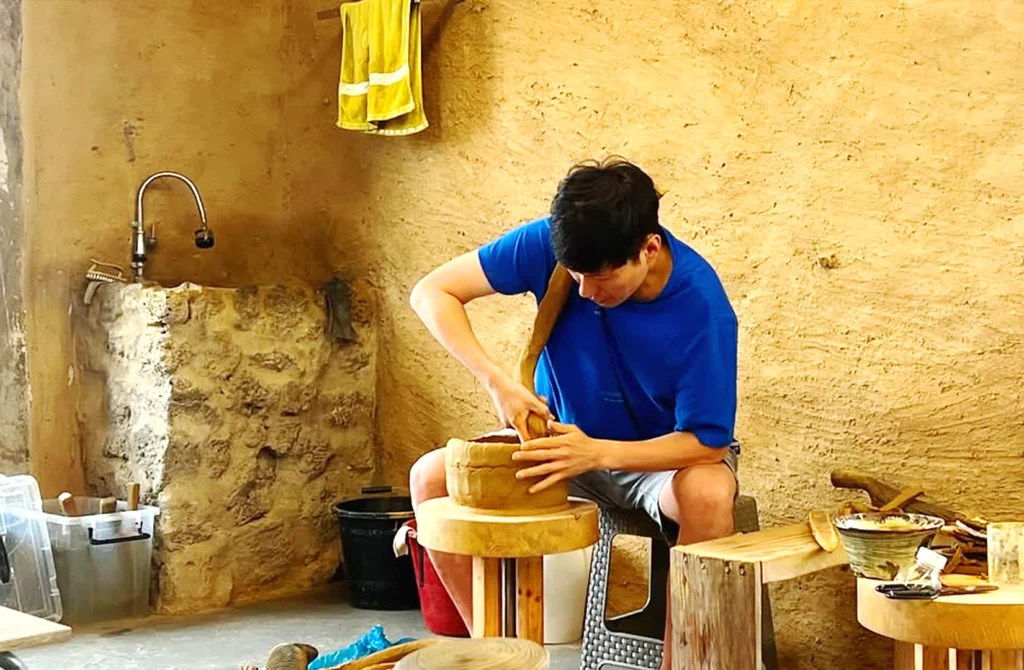
This is makgeolli (pronounced mahk-guhl-lee), Korea’s oldest rice wine. Stripped of pretence, it is a roughly filtered, unpasteurised brew born from a deceptively simple marriage of steamed rice, water, and nuruk, a wild fermentation starter cake teeming with indigenous yeast and microbes. The craft demands an intimate understanding of temperature and time. Traditional brewers knead the cooked rice and nuruk by hand, packing it into porous clay vats called onggi. As it ferments over a couple of weeks, the mixture bubbles aggressively, emitting a sweet, floral aroma. Because it is strained rather than distilled, the wine retains a cloudy, floury sediment. This unfiltered nature gives the drink its signature body, straddling the line between a beverage and liquid nourishment, offering a flavourful sweet-sour complexity that evolves every single day it sits in the bowl.
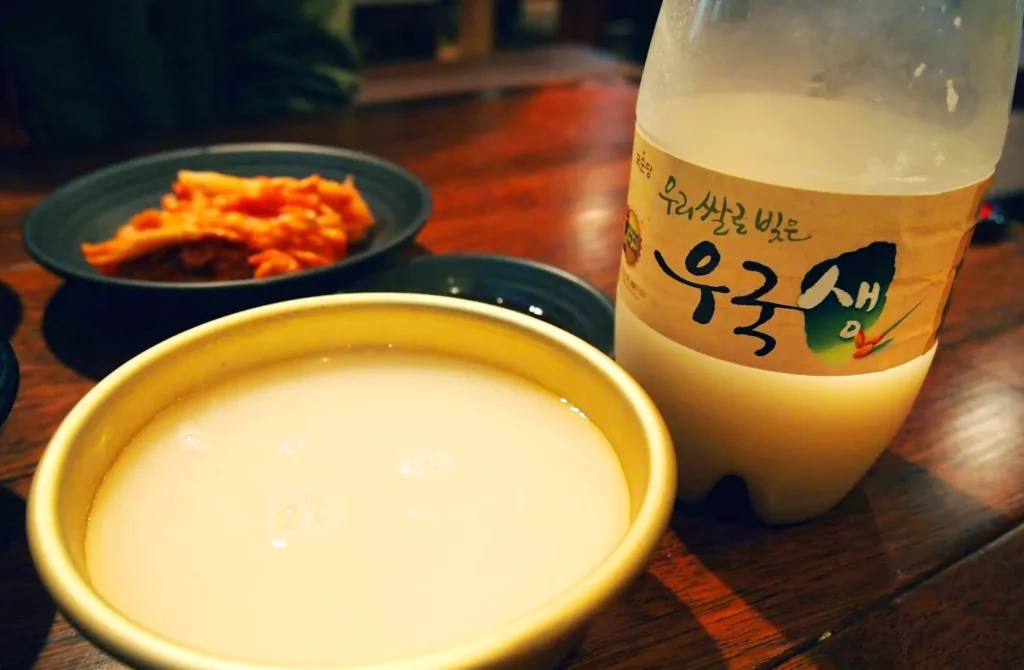
Pouring a serving of makgeolli is a deeply ingrained communal ritual. It is historically the drink of farmers and mountain hikers, inherently tied to shared experiences and collective rest. You do not pour your own bowl; instead, you tilt the kettle for your companion, supporting your pouring arm with your free hand in a silent gesture of respect. The shallow brass or ceramic bowls force diners to lean in, pulling the table closer together, echoing a wider communal dining traditions in asia of shared tables, common plates, and meals designed to be passed hand to hand. Paired instinctively with crisp, oil-slicked savoury pancakes on rainy afternoons, this diverse, earthy drink acts as a social lubricant. It signals the end of physical labour and the beginning of community, transforming a mundane weekday evening into a deeply authentic culinary journey.
What feels vital about makgeolli today is its renewed tradition amid a rapidly modernising culinary landscape. For decades, mass production flooded the market with artificially sweetened, pasteurised versions packaged in green plastic bottles—convenient but structurally hollow. Now, a quiet resistance is taking shape. Independent, trend-setting brewers are returning to the slow, laborious craft of natural fermentation, rejecting artificial additives to let the local rice varieties speak for themselves. There is a palpable tension between the slick, highly filtered aesthetics of modern drinking culture and the rustic, cloudy appetite of this ancient brew.
Leaving the tavern, the warmth of the unfiltered wine lingers in the chest, offering a slow, grounding comfort against the damp chill of the street. It is a quiet reminder that true heritage is not frozen in the past, but kept alive in the soft, cloudy grain of a shared bowl.

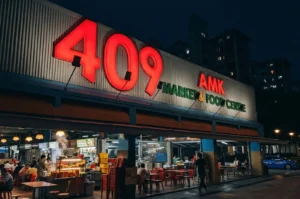
Why My Quest Ended at Yummy Western (409 AMK)
Dio Asahi | March 10, 2026
There’s a specific magic to a late-night supper hunt in Singapore. It’s the ritual of chasing a craving through the humidity to find that one stall that hits the spot. For me, that meant a pilgrimage to Ang Mo Kio Avenue 10. I arrived at 10 PM on a Friday, just as the ‘supper soul’…
-
A Taste of Time: My Dinner at Guan Hoe Soon
Eda Wong | March 7, 2026
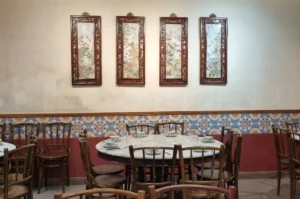
There’s something special about visiting a place that has seen decades of Singapore’s history unfold. Guan Hoe Soon, tucked away on Joo Chiat Road, holds the title of Singapore’s oldest Nyonya restaurant, and you can feel that heritage the moment you step inside. I’d heard about it for years, a place where recipes aren’t just…
-
The 6 Best Halal Restaurant in Singapore for Authentic Nasi Padang
Eda Wong | March 5, 2026
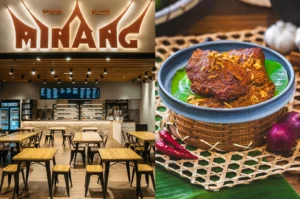
There are few meals as satisfying as Nasi Padang, a colourful feast where you choose from a variety of dishes to create your perfect plate. Over the years, I’ve explored Singapore’s Nasi Padang scene, especially in Kampong Glam, sampling everything from humble hawker stalls to renowned spots. This list highlights the best halal Nasi Padang…
-
The Global Soup Bowl: How Indonesian Soto Shapes the Future of Asiatic Food Traditions
Dio Asahi | March 3, 2026
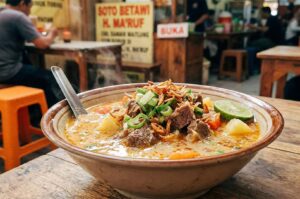
I still remember my first “real” bowl of Indonesian soto. Sitting on a low plastic stool in a cramped warung, I ordered Soto Betawi, expecting it to be like the clear Soto Ayam from Singaporean weddings. I was wrong. The rich, milky broth was intense, creamy, and boldly spiced. That first spoonful rewired my idea…
-
Shun: Japan’s Seasonal Treasures – A Deep Dive Into the Ingredients Behind True Omakase
Eat Drink Asia Team | February 28, 2026
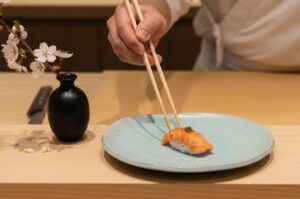
In the world of Asian food, few dining experiences capture the soul of traditional Japanese food culture like omakase. At a premier omakase restaurant, diners entrust their meal entirely to the chef, whose artistry is guided not just by mastery, but by shun—the appreciation of seasonal and fresh ingredients at the absolute peak of their…

My Trip to Bánh Mì Saigon and How It Compares to Best Food in Singapore
Eda Wong | February 26, 2026
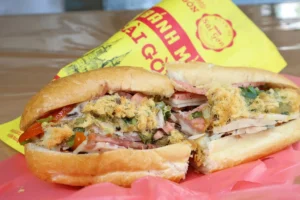
Located in the bustling neighborhood of Ang Mo Kio, Bánh Mì Saigon offers a taste of Vietnam right here in Singapore. From traditional bánh mì sandwiches to hearty pho bowls and refreshing Vietnamese iced coffee, this restaurant has it all. I arrived at Bánh Mì Saigon on a busy Saturday evening and was immediately drawn…
-
Tea Room by Ki-setsu: A Curated Journey Through Chinese Tea in the Heart of Singapore
Dio Asahi | February 25, 2026
Most people arrive at Chinese tea the way they arrive at any beverage: thirsty, curious, maybe looking for something sweet or soothing. But traditional chinese tea isn’t built like a single drink. It’s a network: leaf origin, processing choices, vessel physics, water, pacing, and the quiet social technology of sitting down long enough for a…
-
Tandoori Chicken: The Signature Indian Chicken Dish
Eda Wong | February 24, 2026
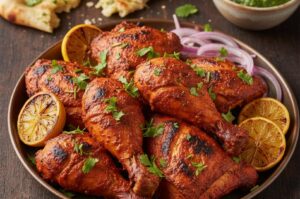
Tandoori chicken stands tall among the best Indian chicken recipes. With its vibrant hue and smoky aroma, this iconic Indian chicken dish is celebrated in Indian restaurants worldwide. Emerging from Punjab, it pairs perfectly with fragrant basmati rice or fresh naan and is a favorite for anyone who loves bold flavors. The hallmark of tandoori…
-
Chicken 65: A Fiery Indian Chicken Recipe You Must Try
Eat Drink Asia Team | February 21, 2026
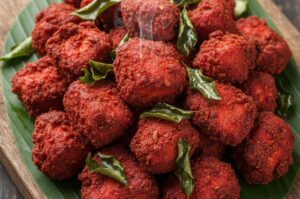
We’ve spent months tracking the ‘shatter-rate’ of chicken across the South, and here’s the truth: most of what you find is a pale, food-colored imitation. The real Chicken 65 isn’t just spicy; it’s an atmospheric experience. It starts with the sharp, herbal snap of curry leaves hitting 180°C oil and ends with a deep, earthy…
-
Mastering the Art of Indian Dishes with Chicken
Eda Wong | February 19, 2026
The story of India’s culinary identity is deeply tied to its poultry dishes. I remember my first attempt at an Indian chicken recipe, failing to brown the onions properly left the dish hollow, missing its soul. The sound of mustard seeds popping in hot oil signals layers of flavor to come. The steam from the…