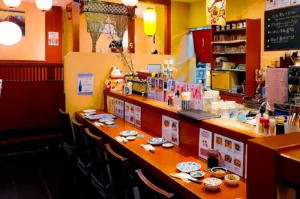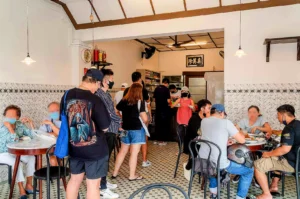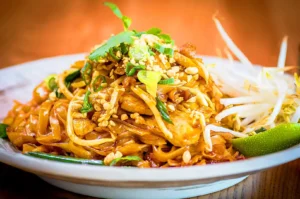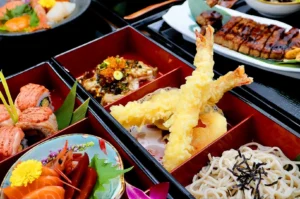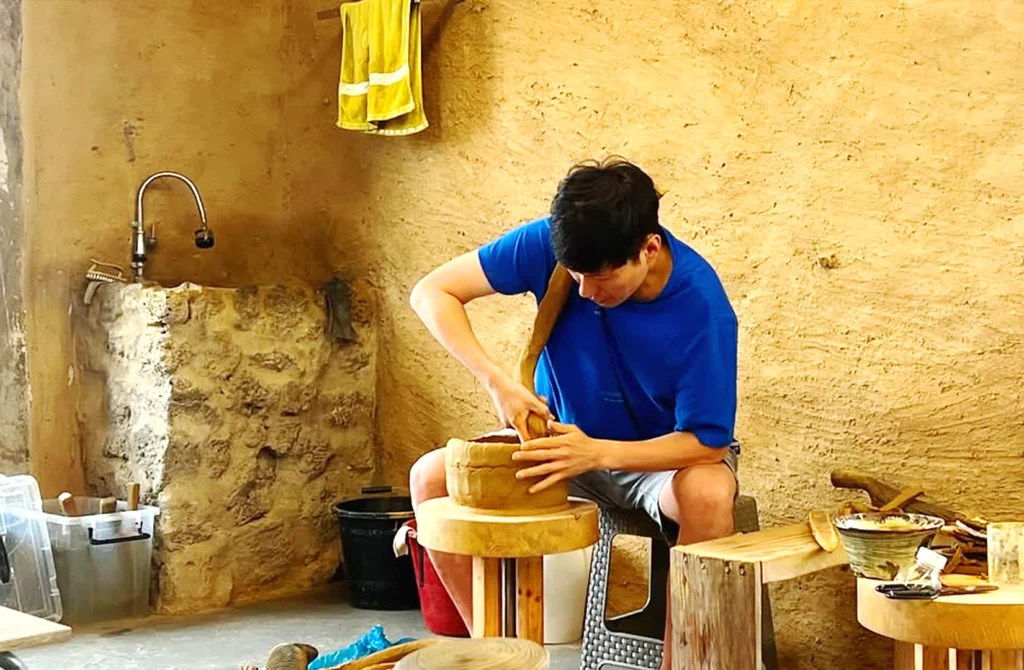
The monsoon rain drums a steady, heavy rhythm against the fogged windows of a narrow tavern in Jongno, muffling the chaotic pulse of the city outside. Inside, the air hangs warm, thick with the scent of toasted mung beans and a subtle, yeasty tang. A dented brass kettle tips forward, and a chalk-white, opaque liquid spills into shallow metal bowls. Tiny bubbles rise to the surface, breaking with a soft fizz. When the cold bowl meets the lips, the texture is surprisingly heavy; a velvety, chalky suspension that coats the palate with a gentle, effervescent bite. It is a quiet, rhythmic celebration of flavours that immediately grounds the room.
This is makgeolli (pronounced mahk-guhl-lee), Korea’s oldest rice wine. Stripped of pretence, it is a roughly filtered, unpasteurised brew born from a deceptively simple marriage of steamed rice, water, and nuruk, a wild fermentation starter cake teeming with indigenous yeast and microbes. The craft demands an intimate understanding of temperature and time. Traditional brewers knead the cooked rice and nuruk by hand, packing it into porous clay vats called onggi. As it ferments over a couple of weeks, the mixture bubbles aggressively, emitting a sweet, floral aroma. Because it is strained rather than distilled, the wine retains a cloudy, floury sediment. This unfiltered nature gives the drink its signature body, straddling the line between a beverage and liquid nourishment, offering a flavourful sweet-sour complexity that evolves every single day it sits in the bowl.
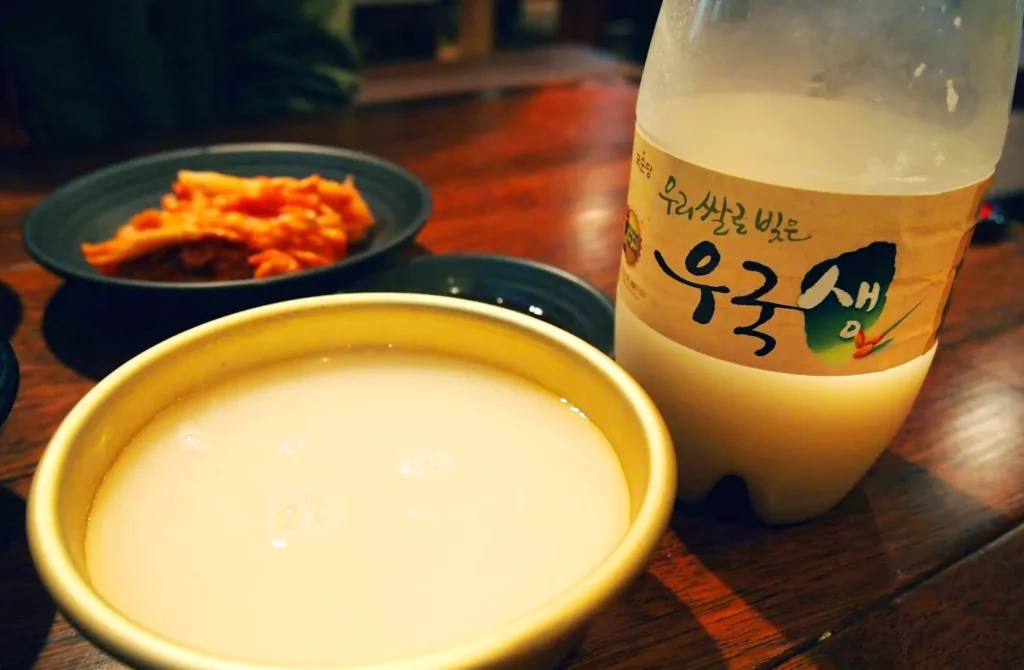
Pouring a serving of makgeolli is a deeply ingrained communal ritual. It is historically the drink of farmers and mountain hikers, inherently tied to shared experiences and collective rest. You do not pour your own bowl; instead, you tilt the kettle for your companion, supporting your pouring arm with your free hand in a silent gesture of respect. The shallow brass or ceramic bowls force diners to lean in, pulling the table closer together, echoing a wider communal dining traditions in asia of shared tables, common plates, and meals designed to be passed hand to hand. Paired instinctively with crisp, oil-slicked savoury pancakes on rainy afternoons, this diverse, earthy drink acts as a social lubricant. It signals the end of physical labour and the beginning of community, transforming a mundane weekday evening into a deeply authentic culinary journey.
What feels vital about makgeolli today is its renewed tradition amid a rapidly modernising culinary landscape. For decades, mass production flooded the market with artificially sweetened, pasteurised versions packaged in green plastic bottles—convenient but structurally hollow. Now, a quiet resistance is taking shape. Independent, trend-setting brewers are returning to the slow, laborious craft of natural fermentation, rejecting artificial additives to let the local rice varieties speak for themselves. There is a palpable tension between the slick, highly filtered aesthetics of modern drinking culture and the rustic, cloudy appetite of this ancient brew.
Leaving the tavern, the warmth of the unfiltered wine lingers in the chest, offering a slow, grounding comfort against the damp chill of the street. It is a quiet reminder that true heritage is not frozen in the past, but kept alive in the soft, cloudy grain of a shared bowl.

Pattaya Garden Restaurant and the Thai Meal That Knows How to Feed a Group
Eat Drink Asia Team | September 3, 2026
The rice came down first. A plain bowl, warm and steaming, set in the middle of the table before anything else. Then the green curry, in a bowl wide enough for four spoons to reach at once. And within a minute the table stopped being a set of individual meals and became one shared thing,…
-
At Keria Japanese Restaurant, the Meal Begins Before the First Bite
Dio Asahi | September 3, 2026
By Dio Asahi for Eat Drink Asia. The lift opens onto a corridor leading to the famed and hidden Cuppage Plaza food, and the building’s age shows in the flickering fluorescent light and the smell of old carpet. Then a sliding door pulls back, and Keria Japanese Restaurant asks you to slow down. Inside, it…
-
The Round Kaya Bun at Chin Mee Chin Confectionery, and the Mornings It Keeps
Eda Wong | September 2, 2026
By Eda Wong for Eat Drink Asia. It’s not quite eight, and the pastel-blue shophouse is already awake. Kopi cups clink against saucers. A ceiling fan turns slow overhead. Someone folds a newspaper at a marble-topped table, and the man behind the counter moves without hurry, sliding buns across in a rhythm he’s clearly done…
-
Nana Original Thai Food and the Thai Meal That Keeps Changing Its Accent
Eda Wong | September 1, 2026
The tom yum arrived first, and the first spoonful hit sour and hot at once, lime and chilli chasing each other down the throat. This classic Thai dish features a spicy sauce and aromatic herbs that awaken the taste buds straight away, setting the stage with its bold flavors. Then the pineapple rice came, sweet…
-
Pad Thai Recipe for People Who Know the Noodles Can’t Be an Afterthought
Dio Asahi | August 29, 2026
The first time I made Pad Thai, I ruined it before the wok was even hot. I’d left the noodles soaking while I answered a phone call. Ten minutes turned into forty. By the time I drained them, they were already soft, already surrendered. Everything I did in the pan after that was damage control….
-
Best Japanese Restaurant Singapore: Places That Nail the “First Bite”
Eat Drink Asia Team | August 27, 2026
I built this list around a very specific feeling: that first bite where the room goes quiet for a second. I’ve tried enough Japanese restaurants in Singapore over the years to know that “best” does not always mean the most expensive, the rarest, or the hardest to book. Sometimes it is the warmth of the…
-
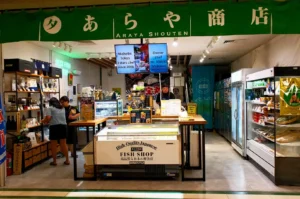
Not Just Seafood: How Araya Shouten Keeps Japanese Fishing Culture Alive in Singapore
Eat Drink Asia Team | August 26, 2026
Japanese cuisine has long been admired for its attention to seasonality, precision, and respect for ingredients. However, behind every piece of sashimi or carefully prepared seafood dish lies a story that begins far away from the dining table, often with fishermen, coastal communities, and generations of knowledge passed down through time. At Araya Shouten, seafood…
-
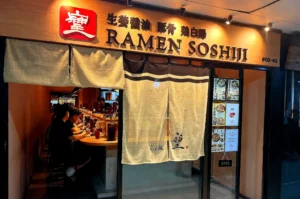
The Ginger Shoyu Ramen at Ramen Soshiji, Where Orchard Goes Quiet
Dio Asahi | August 26, 2026
By Dio Asahi for Eat Drink Asia. The lift opens on the third floor of Orchard Plaza, and for a second I don’t know which way to turn. The corridor is dim and still, the kind of quiet that feels almost accidental in this part of town. A few doors down, an unmarked entrance. Inside,…
-
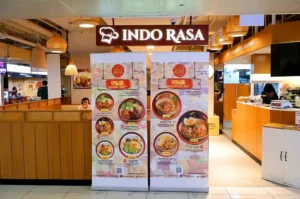
Indo Rasa Singapore and the Nasi Goreng That Measures a Kitchen’s Confidence
Eat Drink Asia Team | August 25, 2026
There’s a dish I order when I want to know a kitchen quickly. Not the specialty. Not the thing the menu is proud of. I order the fried rice. Because nasi goreng has nowhere to hide. It’s rice, chilli, chicken, egg, a few crackers, some cucumber. Everyone thinks they can make it. Most people can….
-
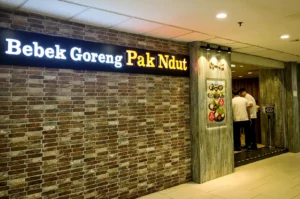
Bebek Goreng Pak Ndut and the Fried Duck That Makes Nasi Goreng Feel Too Polite
Eda Wong | August 22, 2026
The duck arrived and made a sound before I’d even touched it. Not the plate, the skin. When my fork pressed against it, there was a small, dry crackle, the kind you feel in your fingers before you hear it. That’s when I understood I wasn’t eating a soft meal. This was something with edges….