The monsoon rain drums a steady, heavy rhythm against the fogged windows of a narrow tavern in Jongno, muffling the chaotic pulse of the city outside. Inside, the air hangs warm, thick with the scent of toasted mung beans and a subtle, yeasty tang. A dented brass kettle tips forward, and a chalk-white, opaque liquid spills into shallow metal bowls. Tiny bubbles rise to the surface, breaking with a soft fizz. When the cold bowl meets the lips, the texture is surprisingly heavy; a velvety, chalky suspension that coats the palate with a gentle, effervescent bite. It is a quiet, rhythmic celebration of flavours that immediately grounds the room.
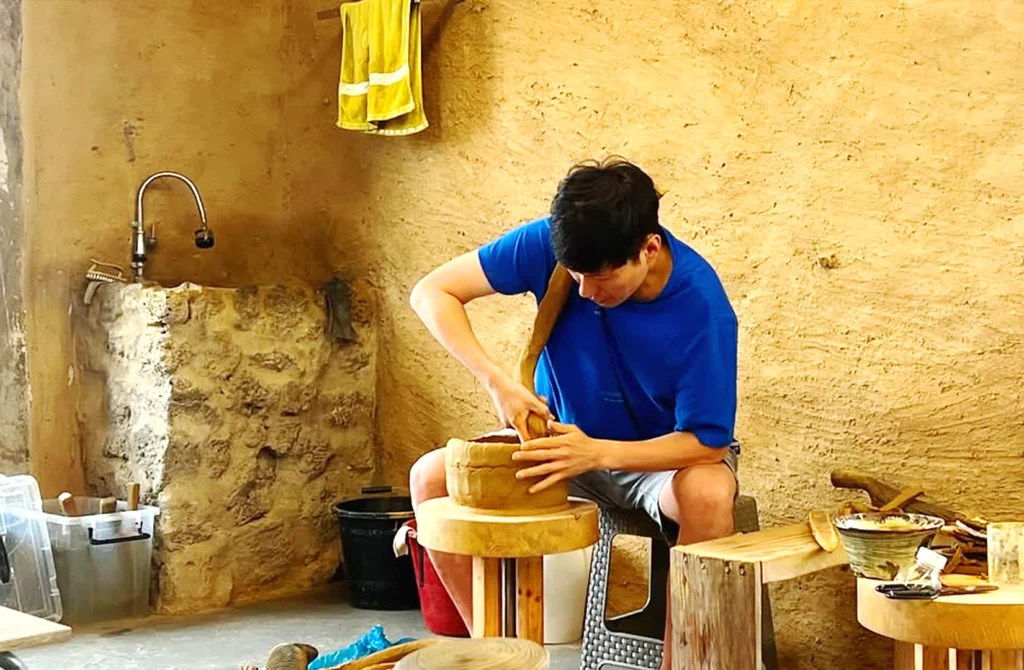
This is makgeolli (pronounced mahk-guhl-lee), Korea’s oldest rice wine. Stripped of pretence, it is a roughly filtered, unpasteurised brew born from a deceptively simple marriage of steamed rice, water, and nuruk, a wild fermentation starter cake teeming with indigenous yeast and microbes. The craft demands an intimate understanding of temperature and time. Traditional brewers knead the cooked rice and nuruk by hand, packing it into porous clay vats called onggi. As it ferments over a couple of weeks, the mixture bubbles aggressively, emitting a sweet, floral aroma. Because it is strained rather than distilled, the wine retains a cloudy, floury sediment. This unfiltered nature gives the drink its signature body, straddling the line between a beverage and liquid nourishment, offering a flavourful sweet-sour complexity that evolves every single day it sits in the bowl.
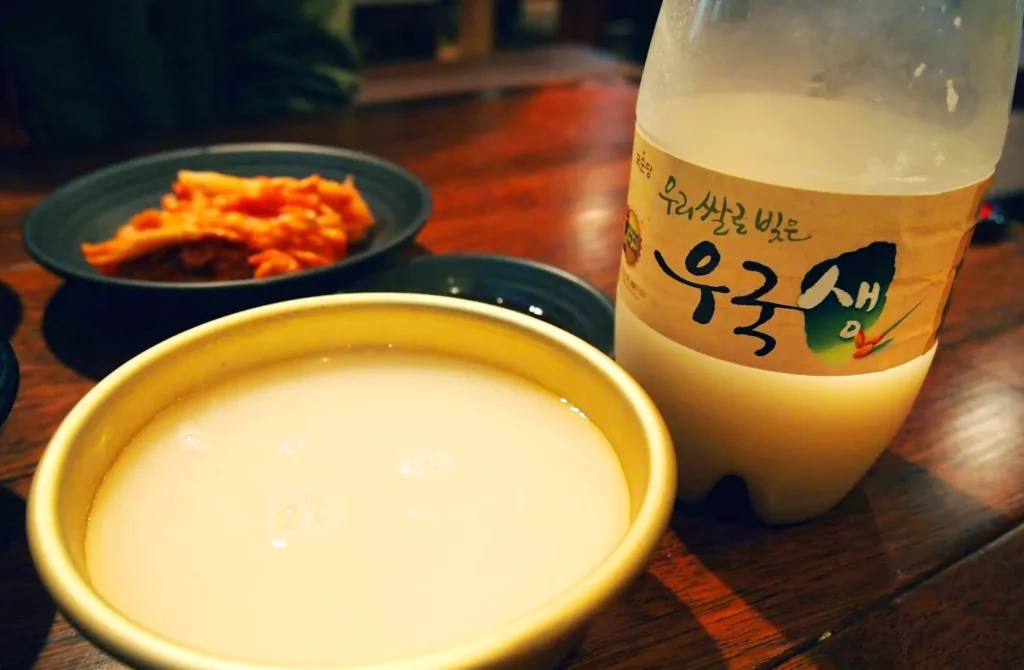
Pouring a serving of makgeolli is a deeply ingrained communal ritual. It is historically the drink of farmers and mountain hikers, inherently tied to shared experiences and collective rest. You do not pour your own bowl; instead, you tilt the kettle for your companion, supporting your pouring arm with your free hand in a silent gesture of respect. The shallow brass or ceramic bowls force diners to lean in, pulling the table closer together, echoing a wider communal dining traditions in asia of shared tables, common plates, and meals designed to be passed hand to hand. Paired instinctively with crisp, oil-slicked savoury pancakes on rainy afternoons, this diverse, earthy drink acts as a social lubricant. It signals the end of physical labour and the beginning of community, transforming a mundane weekday evening into a deeply authentic culinary journey.
What feels vital about makgeolli today is its renewed tradition amid a rapidly modernising culinary landscape. For decades, mass production flooded the market with artificially sweetened, pasteurised versions packaged in green plastic bottles—convenient but structurally hollow. Now, a quiet resistance is taking shape. Independent, trend-setting brewers are returning to the slow, laborious craft of natural fermentation, rejecting artificial additives to let the local rice varieties speak for themselves. There is a palpable tension between the slick, highly filtered aesthetics of modern drinking culture and the rustic, cloudy appetite of this ancient brew.
Leaving the tavern, the warmth of the unfiltered wine lingers in the chest, offering a slow, grounding comfort against the damp chill of the street. It is a quiet reminder that true heritage is not frozen in the past, but kept alive in the soft, cloudy grain of a shared bowl.

The Coconut Spoon That Shapes Nyonya Kueh Salat
Eda Wong | August 21, 2026
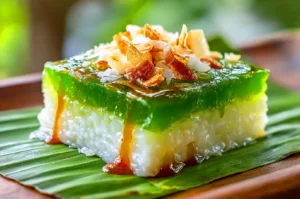
By Eda Wong for Eat Drink Asia. Steam curls up from a tray in the back of the kitchen, and the whole room smells green. Pandan, crushed and knotted, pushed through wet cloth until the leaves give up their colour. An auntie leans over the tray with a spoon carved from coconut shell, dark and…
-
Chicken Nasi Goreng Recipe: What Leftover Rice Becomes After the Wok Gets Serious
Dio Asahi | August 20, 2026
There’s a container of rice at the back of my fridge most weeks. Cold, a little hard, forgotten from a dinner two nights ago. Some people see that and think of waste. I see the start of something better. Because leftover rice doesn’t want to be reheated. It wants to be fried. And when it…
-
The First Ladle of Miso Soup in a Tokyo Breakfast Shop
Dio Asahi | August 19, 2026
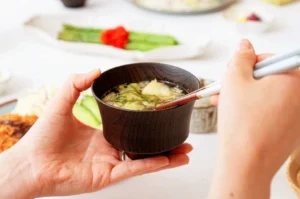
By Dio Asahi for Eat Drink Asia. The shop is barely wider than a hallway. Seven stools, a counter worn smooth, and behind it a woman ladling soup into small ceramic bowls before anyone has ordered it. Steam lifts off the surface and fogs the window against the cold morning. The bowl reaches me warm…
-
Chirashi Don Best Picks When Bowls Between the Sushi Counter and Lunch Are the Current Mood
Eat Drink Asia Team | August 18, 2026
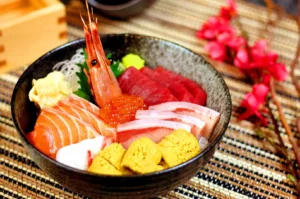
There’s a specific kind of hunger that a chirashi don answers. It’s not the hunger for a full sushi omakase, with its slow ceremony and its quiet counter watching. And it’s not the hunger for something thrown together and forgotten by three o’clock. It sits somewhere in between — fish and rice in one bowl,…
-
Kopi Through the Cloth: Why the Strain Matters
Eda Wong | August 17, 2026
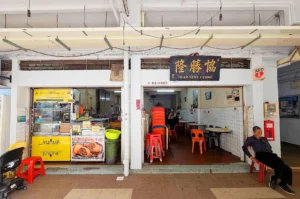
By Eda Wong for Eat Drink Asia. It is not yet seven, and the uncle at Heap Seng Leong has the pot going. He works the sock strainer over the tin cup with both hands, dipping and lifting, dipping and lifting, coaxing the coffee through the worn cloth. Steam rises between his fingers. The smell…
-
SBCD Korean Tofu House and the Comfort Logic of Bubbling Soondubu
Eda Wong | August 15, 2026
It was raining the afternoon I went. Not the polite kind, the sort that drums against the glass of Guoco Tower and makes you glad you’re already underground. I hadn’t planned on soondubu. I’d planned on something quick, something I could eat between the errands piling up in my head. But the rain does something…
-
The Knife Work at Hanashizuku Japanese Cuisine, Three Floors Above the Noise
Eda Wong | August 14, 2026
By Eda Wong for Eat Drink Asia. The lift doors open on a floor of Cuppage Plaza that has seen better decades. Peeling signage. A corridor that smells faintly of old carpet and cigarette smoke drifting from somewhere. Then a door slides shut behind me, and the noise falls away. Inside Hanashizuku Japanese Cuisine, the…
-
Todamgol Restaurant and the Comfort Logic Behind Famous Korean Foods
Dio Asahi | August 13, 2026
It was close to nine on a Friday when I finally found the door. Tanjong Pagar was doing its usual thing, full tables spilling onto five-foot ways, soju bottles catching the light, someone laughing too loudly two doors down. I almost walked past Todamgol. Then the smell reached me. Fermented, smoky, a little sharp. The…
-
The Same Grill, Three Decades On, at Kazu Sumiyaki Restaurant
Dio Asahi | August 12, 2026
By Dio Asahi for Eat Drink Asia. The lift opens on the fourth floor of Cuppage Plaza and the smoke finds me before the door does. Charcoal, dark and earthy, threaded through with something richer — fat meeting fire. I follow it down a narrow corridor, past shuttered shops and flickering signage, until I reach…
-
Popular Korean Cuisine Has a Memory: Why Famous Korean Food Feels So Complete
Eat Drink Asia Team | August 11, 2026
The first time I ordered kimchi jjigae in Singapore, I made a small mistake. It came bubbling in a stone pot, and I ate it like soup, spoonful after spoonful, straight down, until my mouth was on fire and the bowl was half gone. The auntie across the counter watched me for a moment, then…