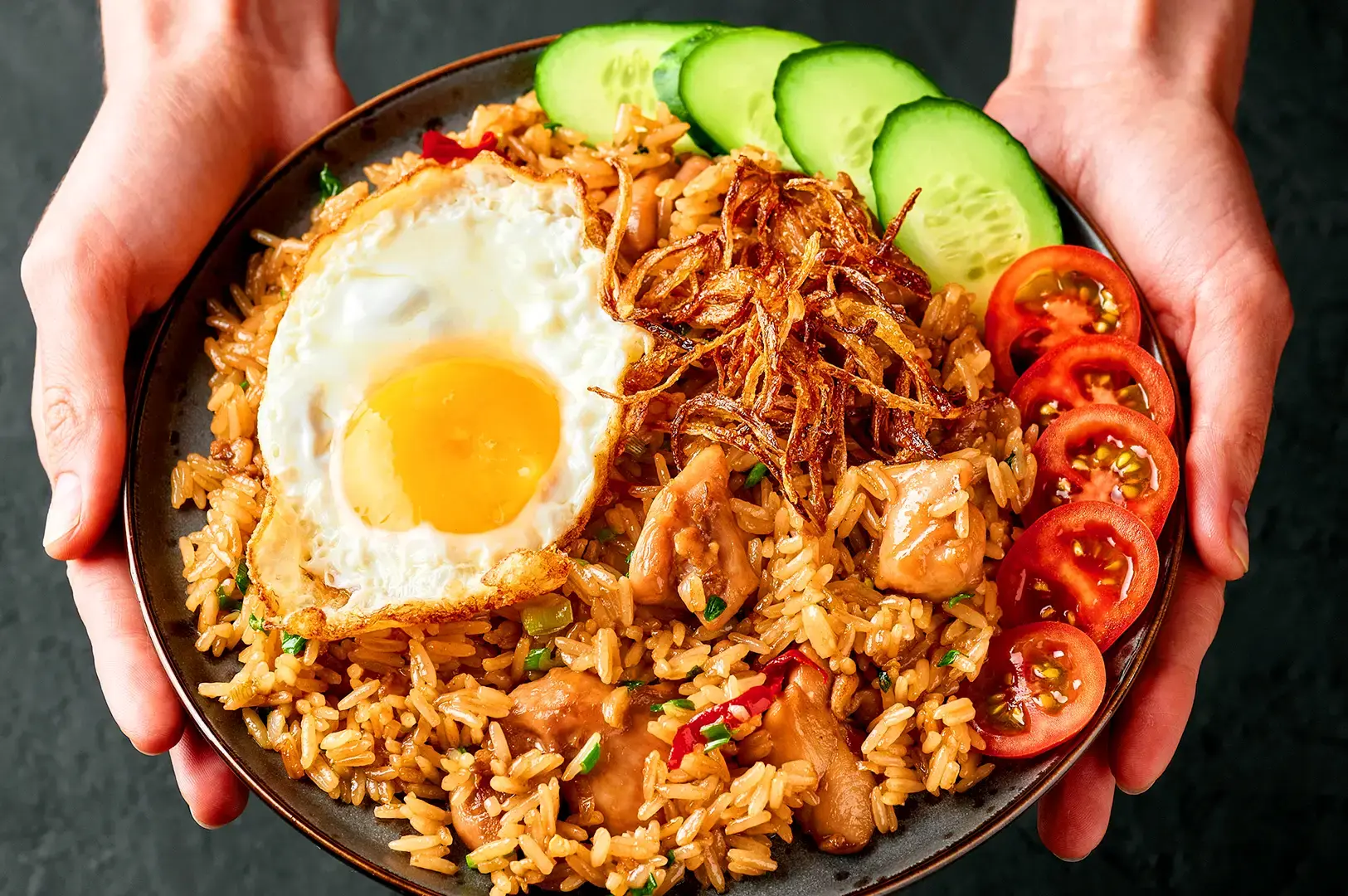
The first time someone asked me for the national dish of Indonesia, I answered nasi goreng without thinking. It seemed obvious: fried rice darkened with kecap manis, often topped with a fried egg, familiar from warungs and late-night street food stalls.
That answer is not wrong. It is simply too small. Indonesian food is regional, shaped by islands, religion, migration, trade, and local ingredients. The better question is not “Which single plate wins?” but which dishes best explain the country.
So, Does Indonesia Have One National Dish?
In 2018, Indonesia’s Ministry of Tourism named rendang, soto, nasi goreng, sate, and gado-gado as five national dishes for culinary promotion. It is best read as a cultural and tourism framework, not as a legal declaration that one plate is the only national dish of Indonesia.
Nasi goreng remains the easy answer because it is eaten throughout Indonesia and adapts easily to what is available. A typical Indonesian version starts with cooked rice stir-fried with garlic, shallot, chilli, egg, and kecap manis, the thick sweet soy sauce that gives many versions their dark colour and caramel-like savouriness. Shrimp paste, crispy fried shallots, chicken, prawns, or a fried egg may join the pan.
Why Nasi Goreng Cannot Explain Everything
Fried-rice techniques have long histories in Chinese and Southeast Asian cooking, but Indonesian fried rice developed its own pantry. Kecap manis, sambal, terasi or shrimp paste, shallots, and local seasonings distinguish it from Chinese fried rice. Chinese culinary influence is part of the story, but the dish evolved through Indonesian tastes and ingredients rather than remaining a copy of its antecedents.
Even nasi goreng is not one recipe. Nasi goreng Jawa, nasi goreng kampung, goat fried rice, and seafood versions show how one category changes by region, cook, and household. That same diversity runs through Indonesian cuisine.
Because Chinese cooking techniques helped shape parts of Southeast Asian food culture, Eat Drink Asia offers a useful comparison point for understanding how Chinese culinary influence travels.
The Five Icons and What Each One Teaches
1. Nasi Goreng: Fried Rice as an Everyday Dish
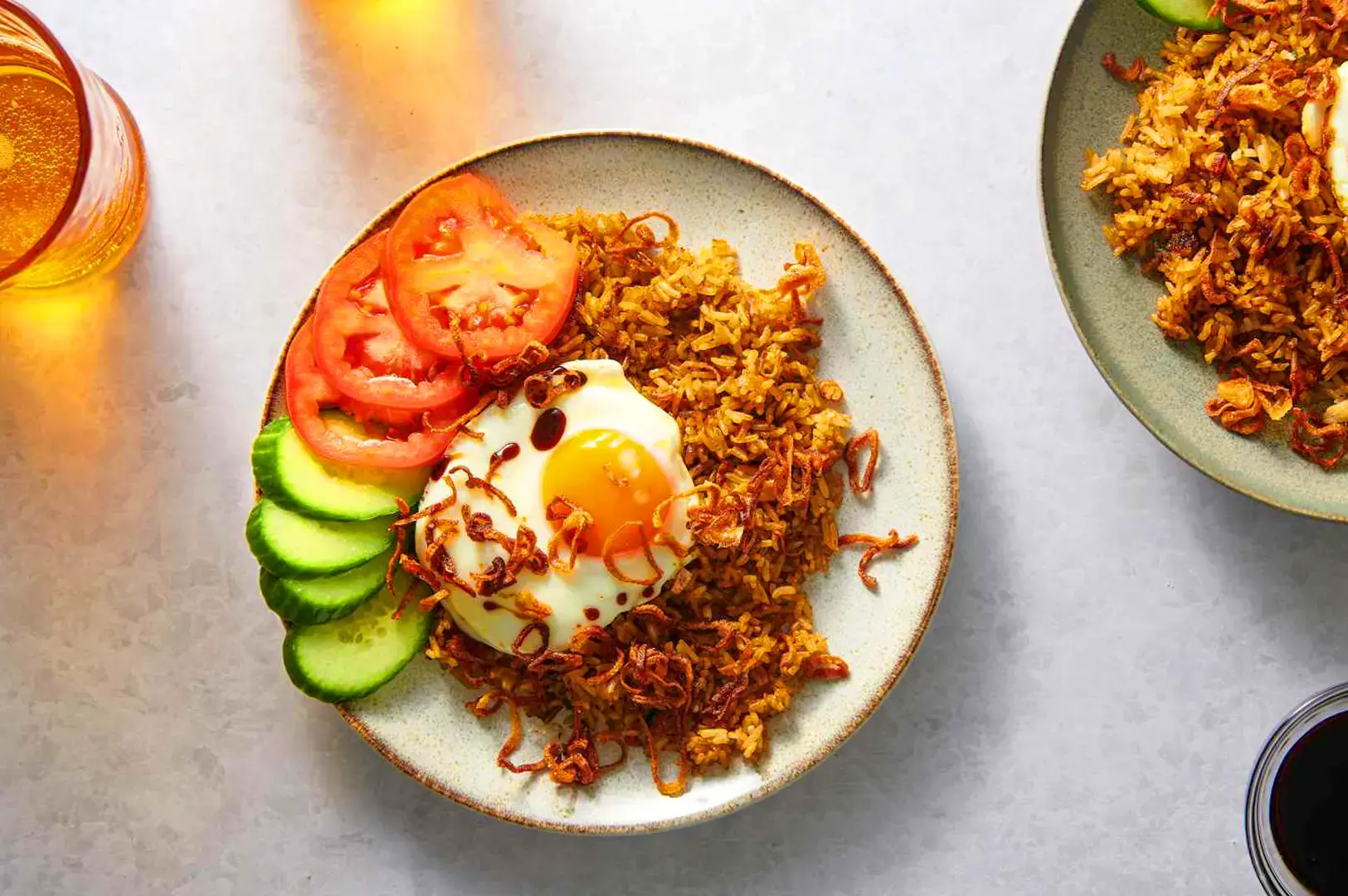
Nasi goreng shows how rice, aromatics, condiments, and high heat become a complete meal. Good nasi goreng has separate grains, balanced sweet soy sauce, and a toasted wok aroma rather than a greasy, sticky finish.
2. Rendang: Coconut Milk, Not Just Beef Stew
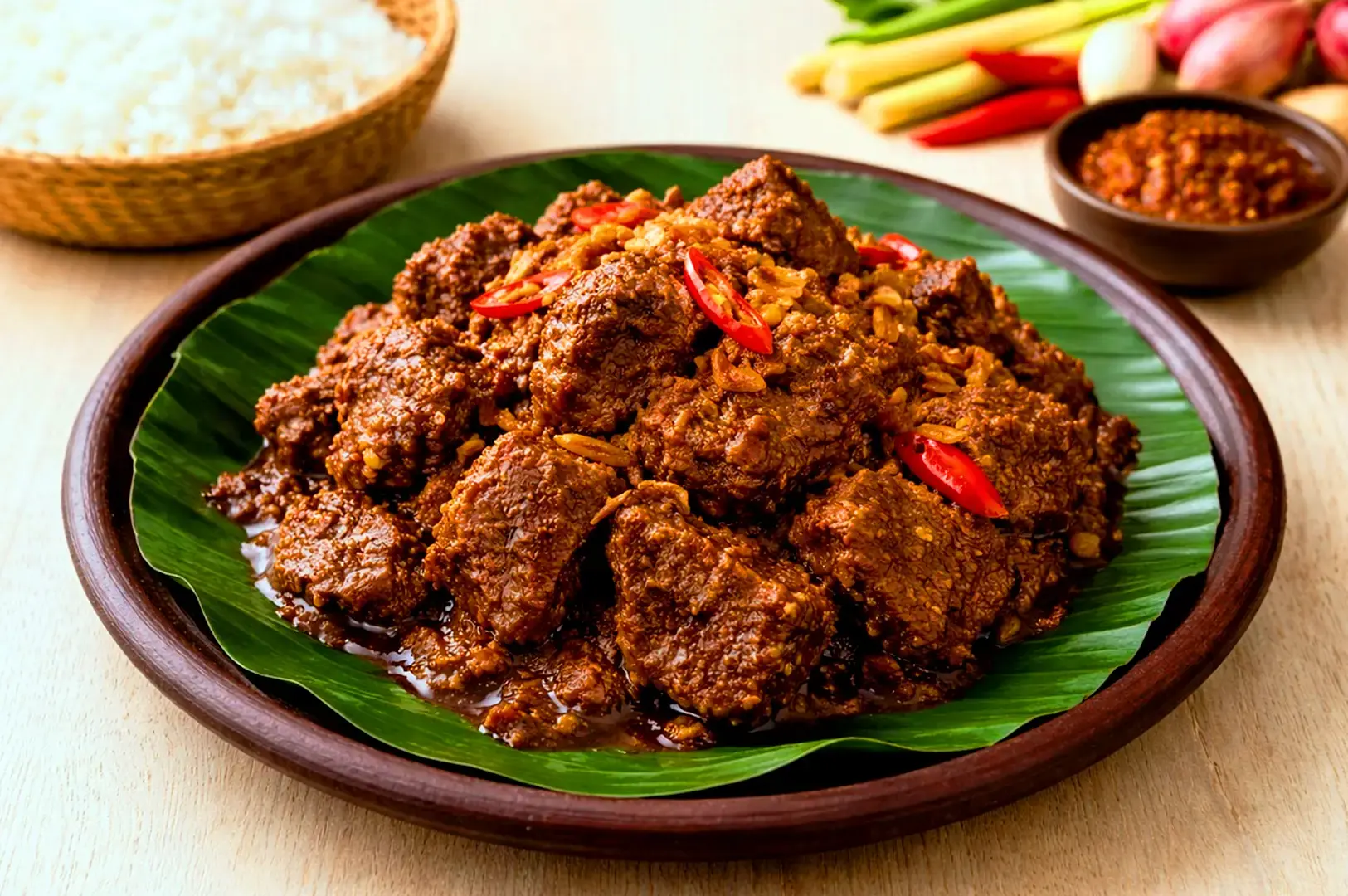
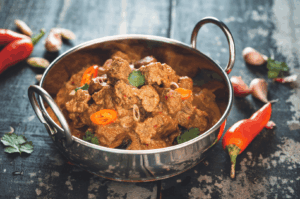
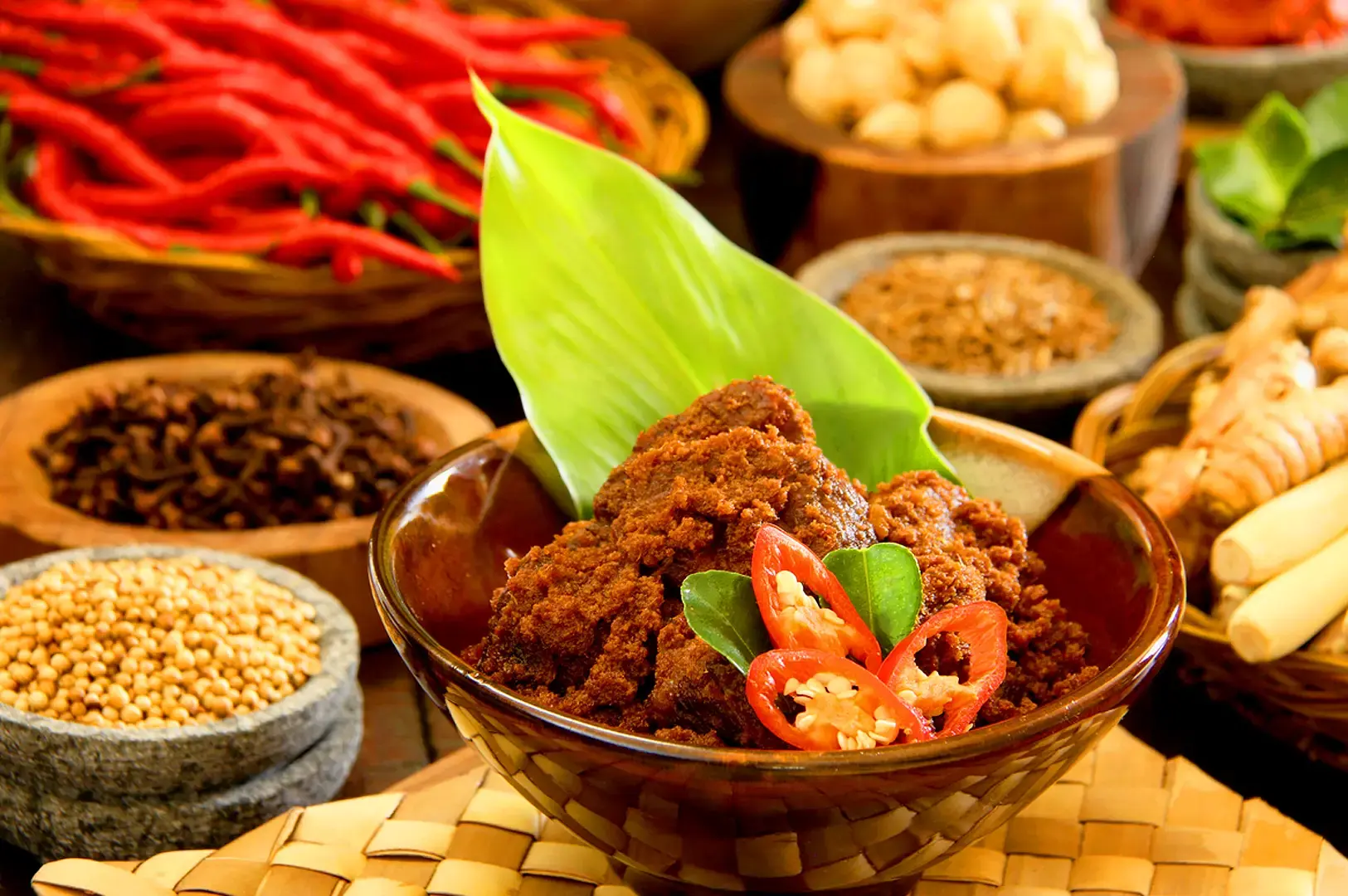
Rendang comes from Minangkabau culinary traditions in West Sumatra. Calling it a beef stew misses the defining technique. Meat cooks slowly with coconut milk and spices until the liquid reduces and the seasoning becomes dark, oily, and concentrated. Dry-style rendang is tender and deeply aromatic, but not soupy.
3. Sate: Grilled Chicken, Smoke, and Regional Variation
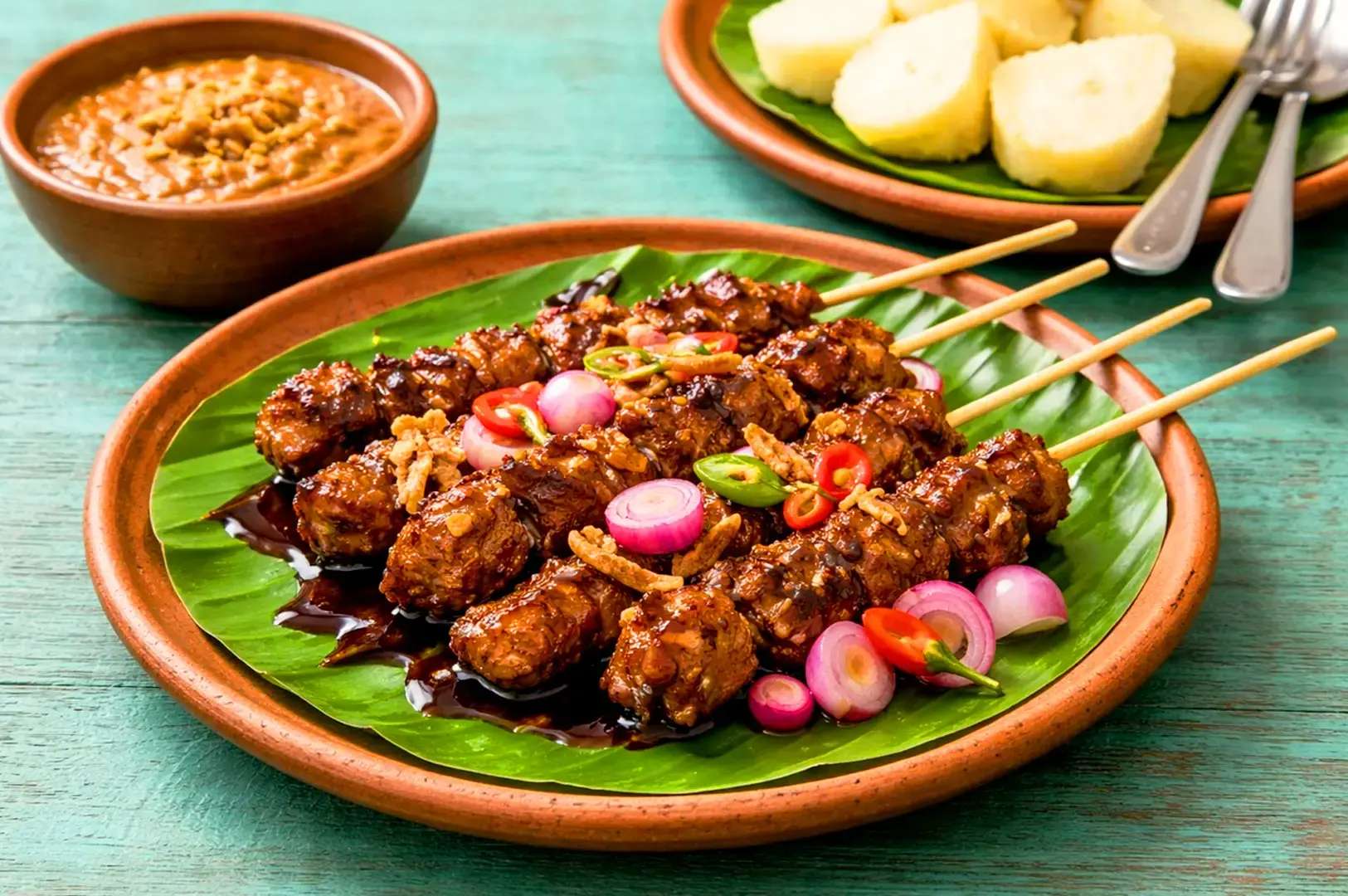
Sate teaches the role of charcoal, marinades, and sauce. Grilled chicken is common, but beef, goat, offal, fish, and other proteins appear across Indonesia. Some sate comes with peanut sauce; some does not.
Sate Padang is a useful example. It is commonly served with beef or offal, a thick spice-heavy sauce, and compressed rice cake such as ketupat. The first thing I notice is the smoke, followed by soft meat and warm spice, rather than the sweet peanut sauce many first-time diners expect.
4. Soto: One Name, Many Soups
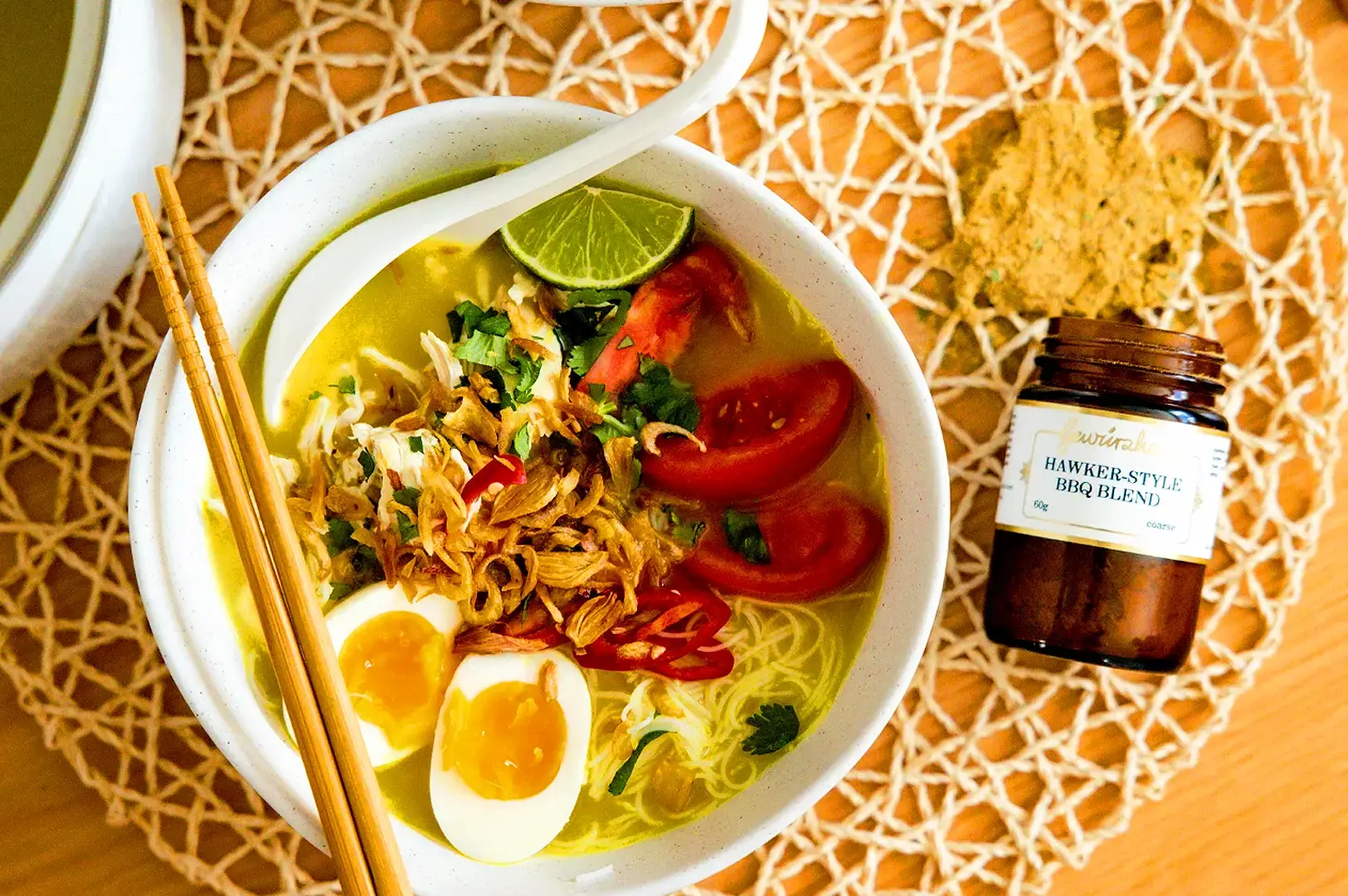
Soto is a family of soups. Soto Lamongan from East Java is known for yellow chicken broth and koya, a powder made with shrimp crackers and fried garlic, often served with shredded chicken, cabbage, bean sprouts, or rice vermicelli.
Soto Betawi from Jakarta is richer, commonly using beef or offal with milk and coconut milk. Other versions may be clear, creamy, chicken-based, or closer to a dark beef soup. The regional name tells you more than the word “soto” alone.
5. Gado-Gado: Vegetables and Peanut Sauce Belong at the Centre
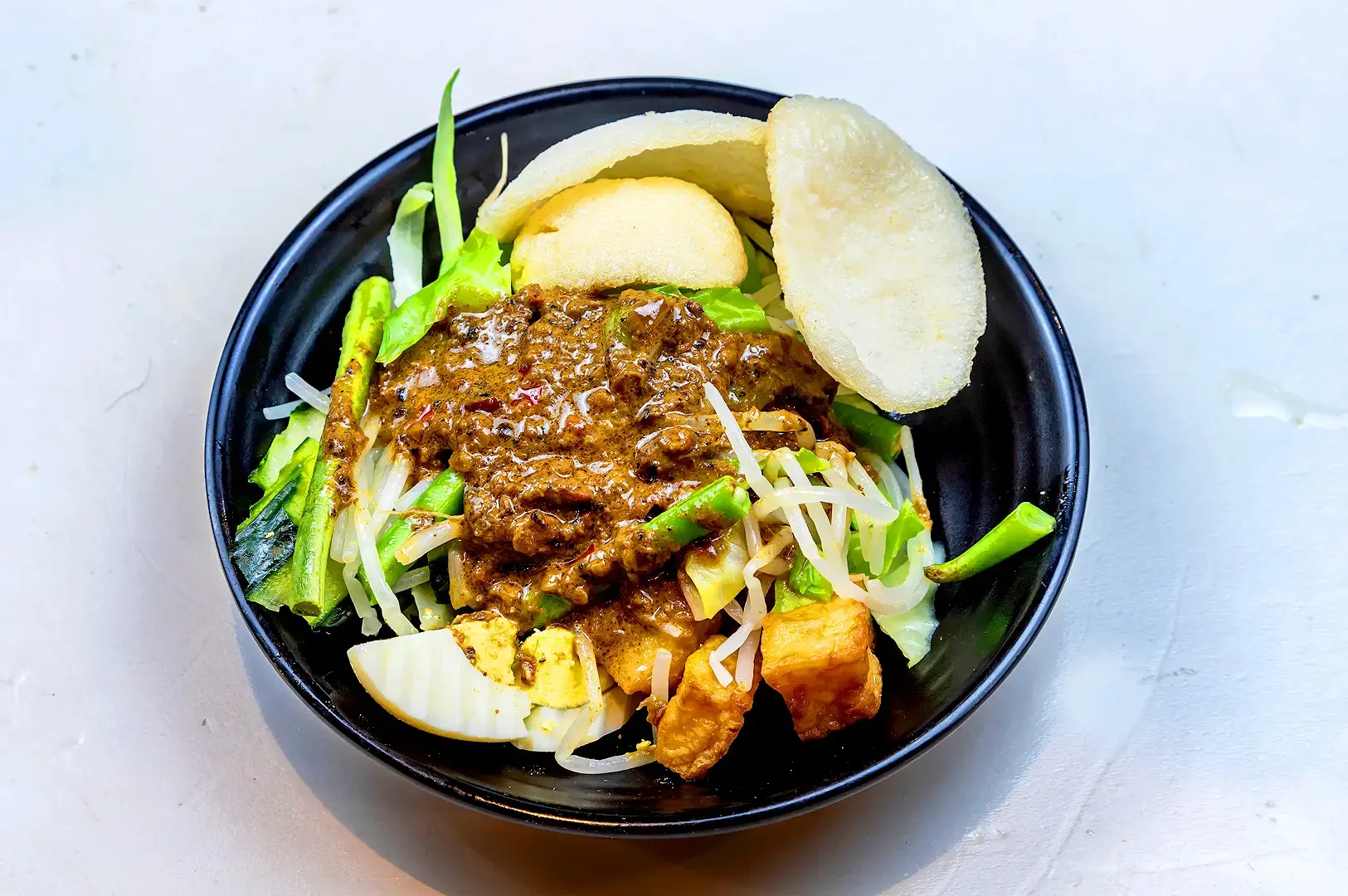
Gado-gado combines vegetables, tofu, tempeh, egg, and rice cakes or ketupat under thick peanut sauce. A good plate contrasts soft tofu, chewy rice cake, crisp bean sprouts, and vegetables with some bite. Palm sugar may add sweetness, but the sauce should remain savoury and nutty, with optional chilli.
Geography Is Why One Dish Is Not Enough
Indonesia’s Geospatial Information Agency lists 17,380 standardised island names in its 2025 gazetteer. That geography helps explain why food in Indonesia changes so dramatically. Communities developed around different coastlines, crops, trade routes, religious practices, and preservation methods.
A Minangkabau table does not taste like a Javanese one, and neither represents Bali, Sulawesi, Maluku, or Papua. Centuries of contact across Southeast Asia also shaped local food culture. Noodles, soy products, and stir-fried techniques were absorbed alongside older regional culinary traditions, then adapted to Indonesian ingredients and preferences.
Beyond the Five
The five icons are a starting point, not a complete Indonesian food guide. Nasi uduk, for example, is coconut rice cooked with coconut milk and aromatics, commonly served in Jakarta with side dishes such as Indonesian fried chicken, egg, tempeh, sambal, and fried noodles or bihun.
Elsewhere, Mie Aceh uses thick yellow noodles in fried, stir-fried, or soupy forms. You will also find grilled fish, grilled chicken, fried duck, deep-fried fish, and bubur ayam, the Indonesian version of chicken congee topped with shredded chicken and savoury garnishes. These dishes show why a short list can only introduce the cuisine.
Religion and Local Practice Matter Too
Indonesia has the world’s largest Muslim population, so pork is absent from many food traditions. But Indonesian cuisine is not automatically halal. In Hindu-majority Bali, pork soto and other pork dishes exist alongside chicken, seafood, and vegetable cooking. If halal status matters, check the restaurant or certification rather than assume.
How to Taste the Five Icons as a Beginner
The easiest way to understand traditional Indonesian dishes is to compare cooking techniques rather than simply collecting famous names:
- Nasi goreng for rice, kecap manis, aromatics, and wok heat.
- Rendang for coconut milk, spice paste, and long reduction.
- Sate for charcoal, marinades, and sauce.
- Soto for broth and regional variation.
- Gado-gado for vegetables, rice cakes, and peanut sauce.
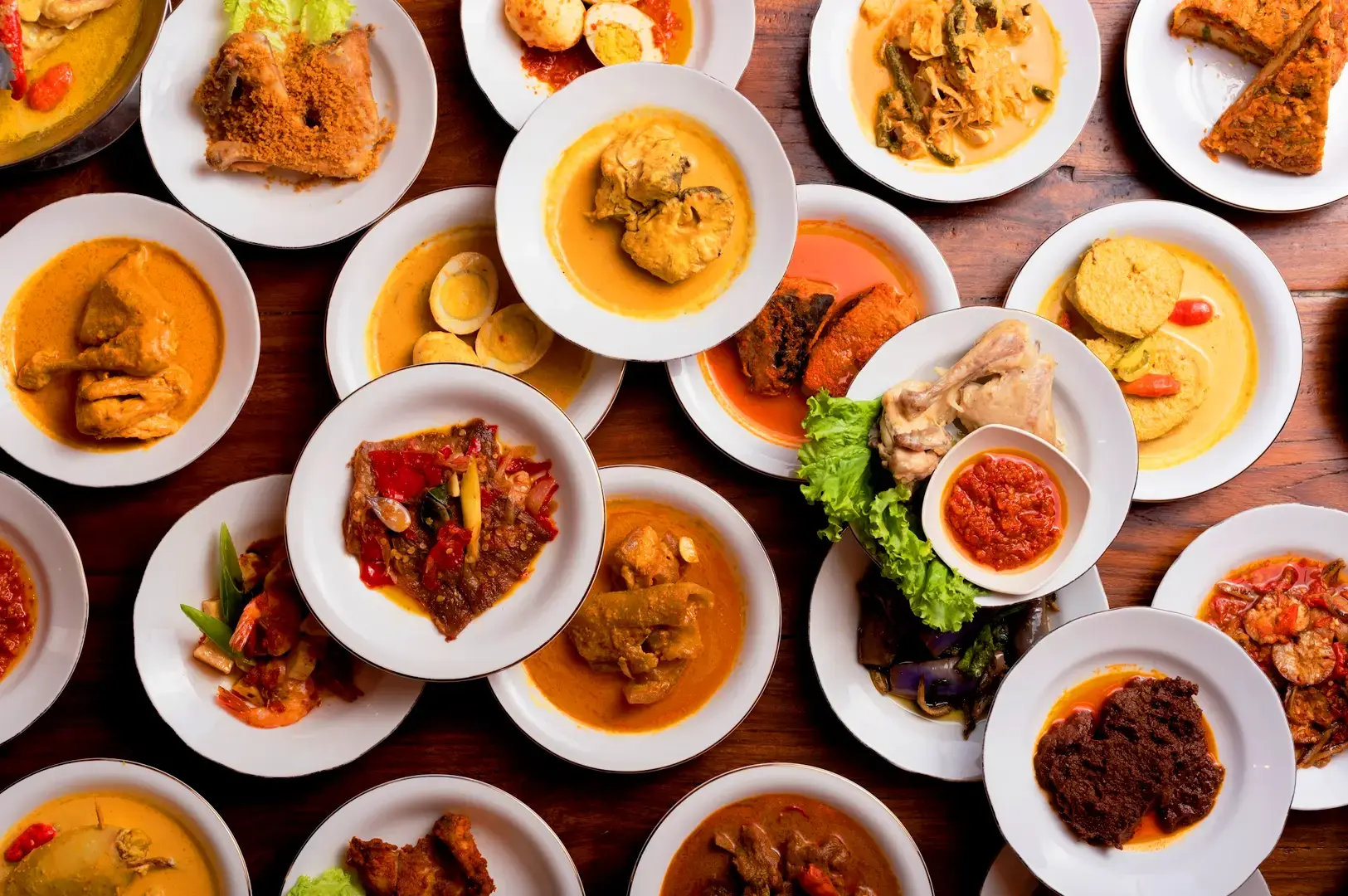
Then add nasi Padang, not as a sixth national dish, but as a lesson in how Indonesian meals are assembled. Padang food pairs steamed rice with side dishes such as rendang, curried meat, vegetables, sambal, fried items, and seafood dishes. To see how nasi Padang works in a real Singapore dining context, read top-rated Muslim-friendly dining in Singapore.
Build a Table, Not a Single Plate
For a first group meal, order one rice dish, one slow-cooked protein, one grilled item, one vegetable dish, one soup, and sambal on the side.
That spread lets you compare smoke, broth, coconut, sweetness, chilli, and texture in one sitting. It teaches far more about Indonesian meals than ordering several versions of fried rice.
How to Recognise a Well-Made Version
Nasi Goreng
Look for separate grains and balanced seasoning. It should not be slick with cooking oil or drowned in soy sauce. The aroma should feel toasted and savoury.
Rendang
The meat should be tender but recognisable, with a dark coating of reduced coconut milk and spices. Dry-style rendang should not sit in thin gravy.
Sate
Look for browned edges and a smoky aroma. The sauce should complement the meat rather than hide poor grilling.
Soto and Gado-Gado
With soto, start with the broth. It should smell layered, whether clear, turmeric-yellow, creamy, or beefy. With gado-gado, vegetables should retain texture and the peanut sauce should balance nuttiness, salt, sweetness, and chilli.
The biggest warning sign is a menu that reduces Indonesian food to generic spicy food. Indonesian meals can be smoky, sour, sweet, creamy, brothy, nutty, fermented, herbal, and deeply savoury.
Where to Learn These Differences in Singapore
Singapore is useful for comparing Indonesian and Malay-Indonesian culinary traditions. The categories overlap, so it helps to know whether you are eating specifically Minangkabau food, broader Indonesian cooking, or Malay dishes with Indonesian influences.
For Nasi Padang and Rendang
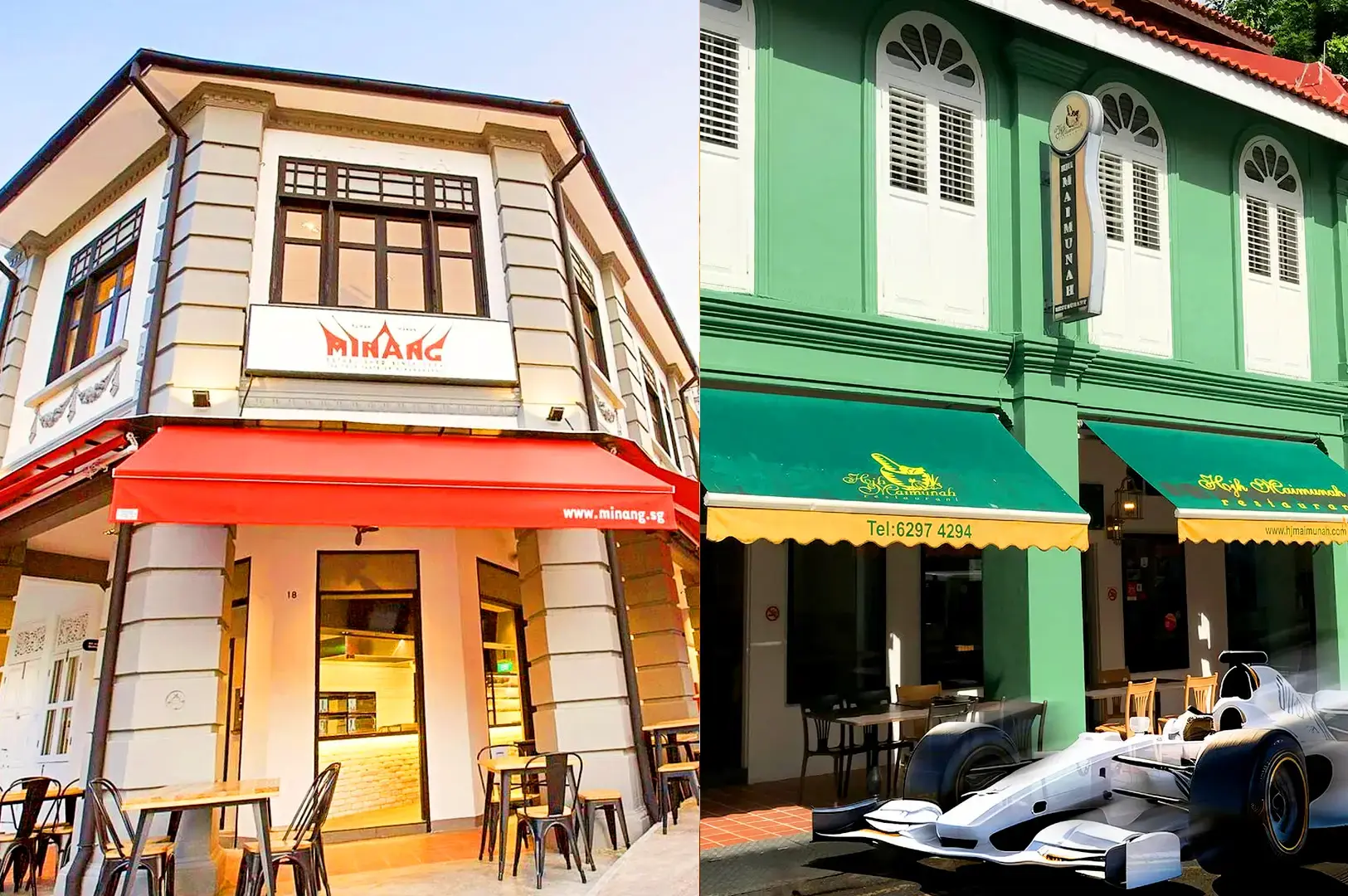
Rumah Makan Minang specialises in Minangkabau cuisine, especially nasi Padang and beef rendang, and currently operates at Kandahar Street, Jurong West, and Our Tampines Hub.
Hjh Maimunah blends Malay and Indonesian traditions, with beef rendang, ayam bakar Sunda or grilled chicken, tahu telur, and nasi Padang among its signatures. Its Jalan Pisang restaurant is listed by the Michelin Guide as a Bib Gourmand address.
For a Broader Indonesian Menu
Tambuah Mas serves Indonesian homestyle food and currently has outlets at Paragon, Great World, and Jewel Changi Airport, making it a practical place to compare several regional dishes at one table.
For a more casual approach, Taste of Indonesia currently operates five food-court and express locations. Its focus on street food makes it useful for sampling everyday Indonesian dishes without committing to a formal restaurant meal.
One Country, Many Plates
I still understand why nasi goreng is the first answer people give. It is accessible, recognisable, and genuinely important. But it is better understood as one doorway into Indonesian food, not the whole house.
The five-dish framework teaches five ideas: fried rice and kecap manis, slow reduction, charcoal grilling, regional soup traditions, and vegetables with peanut sauce. Add coconut rice, fried noodles, chicken congee, Padang food, and many other traditional Indonesian dishes, and the larger point becomes clear.
Indonesia does not need one plate to represent it. Build a table and let the differences do the teaching.

The Art of Asian Tea Ceremony Traditions: Ancient Rituals and Cultural Values Across Asia
Dio Asahi | November 15, 2025
A cup of tea, in many parts of Asia, represents far more than a beverage-it is a conduit to ancestral tradition, intellectual pursuit, and the cultivation of mindfulness. Asian tea ceremony traditions turn the act of drinking tea into a sophisticated art form, layered with symbolism, philosophy, and socio-cultural values. Each gesture, from scooping powdered…

The Art of Slow-Cooked Curry Recipes: Time’s Magic in South Asian Cuisine
Eda Wong | November 13, 2025
Step into a South Asian kitchen, and the senses are instantly enveloped by the inviting aroma of food slowly simmering in a sturdy clay pot or heavy vessel. The allure is undeniable: in this space, slow-cooked curry recipes are a celebration of patient tradition, spices, and the richness of South Asian cuisine. Here, time and…
-
Bandung Drink Recipe: A Singaporean Rose Syrup Drink Tradition
Eat Drink Asia Team | November 11, 2025
Step into any night market or hawker centre in Singapore, and you’ll spot a vibrant, glowing glass filled with a cold, beautiful drink-Bandung. Known for its iconic blush-pink hue and refreshing taste, this rose syrup drink is an integral part of Singapore’s beverages scene and a cherished tradition in Southeast Asian gatherings. More than just…
-
The Ultimate Hainanese Chicken Rice Recipe: A Deep Dive
Eda Wong | November 8, 2025
To wander through Singapore’s bustling hawker centres on a humid evening is to experience a symphony of sights, sounds, and smells. Among the many other dishes sizzling away, one plate stands out for its elegant simplicity: Hainanese Chicken Rice. It arrives without fanfare-gleaming slices of poached chicken over fragrant rice, flanked by a trio of…
-
Bubble Tea Origins: How Taiwan Created a Global Beverage Phenomenon
Dio Asahi | November 6, 2025
From Taipei to New York, a single drink has captured the world’s taste buds: bubble tea. This beverage, known as pearl milk tea or boba tea, and also known as boba in many regions, is celebrated for its delightful combination of sweet, creamy tea and signature chewy tapioca pearls. What began as a novel creation…
-
A Food Lover’s Guide to the Taiwanese Oyster Omelet
Eat Drink Asia Team | November 4, 2025
As twilight descends upon Taipei City, a vibrant energy pulses through its streets. This is the hour of the night markets, bustling hubs of community, commerce, and some of the world’s most incredible street food. Amidst the steam from soup dumplings and the sizzle of Taiwanese fried chicken, one iconic dish reigns supreme: the Taiwanese…
-
Jamu: Indonesian Herbal Medicine for Modern Well-Being
Dio Asahi | November 1, 2025
Across the Indonesian archipelago, a vibrant tradition of herbal healing has flourished for centuries. This is jamu, a cornerstone of Indonesian cultural heritage and a sophisticated system of traditional herbal medicine. Far more than just a refreshing drink, jamu represents a philosophy of balance, a deep connection to nature, and a form of indigenous medicine…
-
Padang Beef Rendang: The Complex Process Behind Indonesia’s Most Famous Dish
Eda Wong | October 30, 2025
This post may contain affiliate links. For full transparency, this article may contain affiliate links. To call Padang beef rendang simply a dish is to miss the soul of Indonesian cuisine. This legendary slow-cooked dry curry, a centerpiece of both festive tables and humble meals, has earned its fame as one of the world’s most…
-
Teh Tarik Malaysia: The Art and Science Behind Iconic Pulled Tea
Eat Drink Asia Team | October 28, 2025
In Malaysia, ordering a cup of teh tarik is about so much more than just enjoying a hot drink. Teh tarik, literally translated as “pulled tea,” is Malaysia’s national beverage, famous for its sweet, creamy taste, frothy top, and the spectacular pulling technique seen in bustling mamak stalls and coffee shops across the country. A…
-
The Legendary Penang Char Kway Teow: A Culinary Journey
Dio Asahi | October 25, 2025
The air in Penang is thick with anticipation, carrying the sounds and smells of Malaysian street food being crafted with expert care. Your attention is captured by one of the many street vendors, a master standing before a seasoned wok glowing over an intense fire. The rhythmic clanging of metal on metal is the soundtrack…