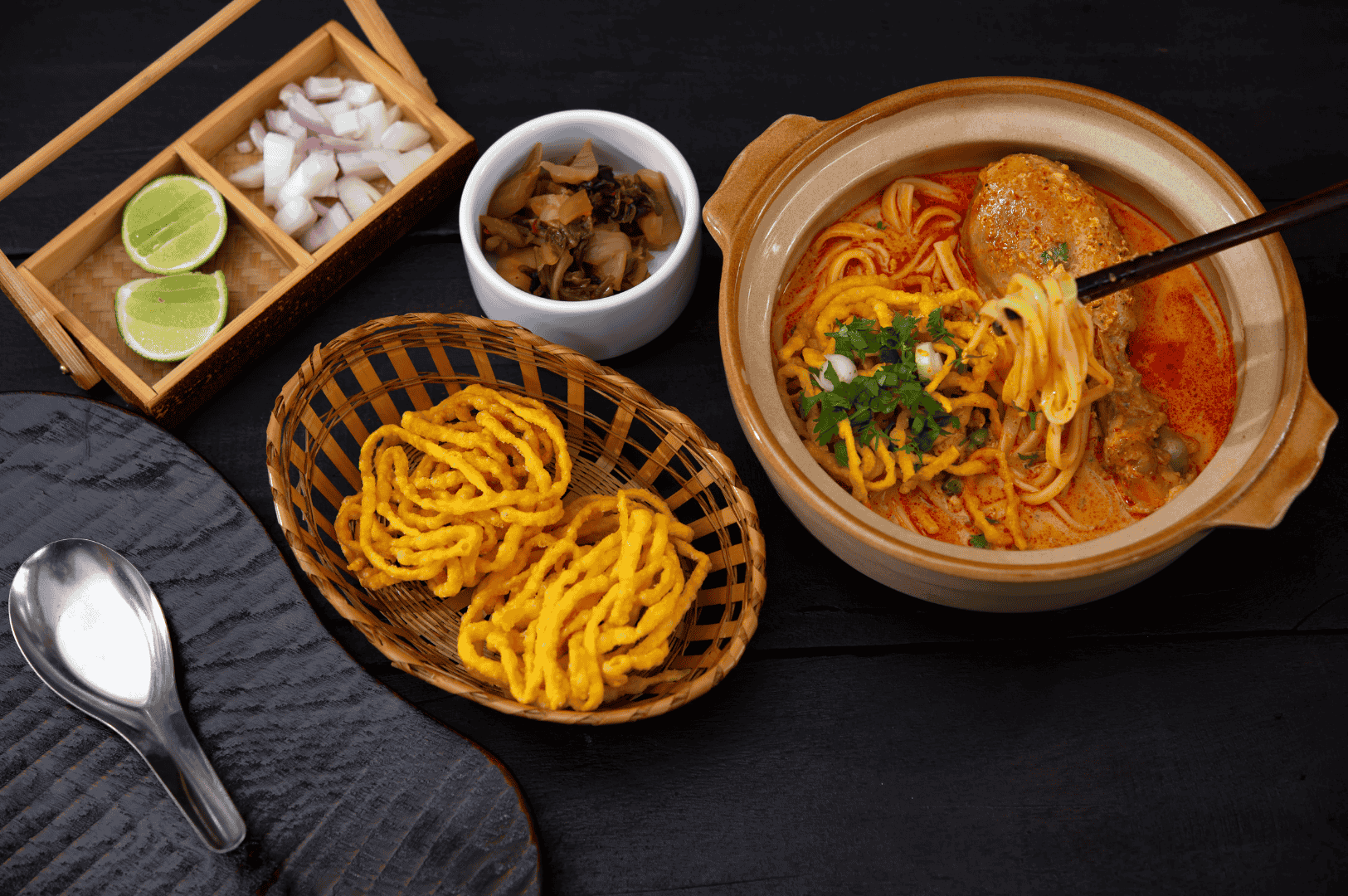
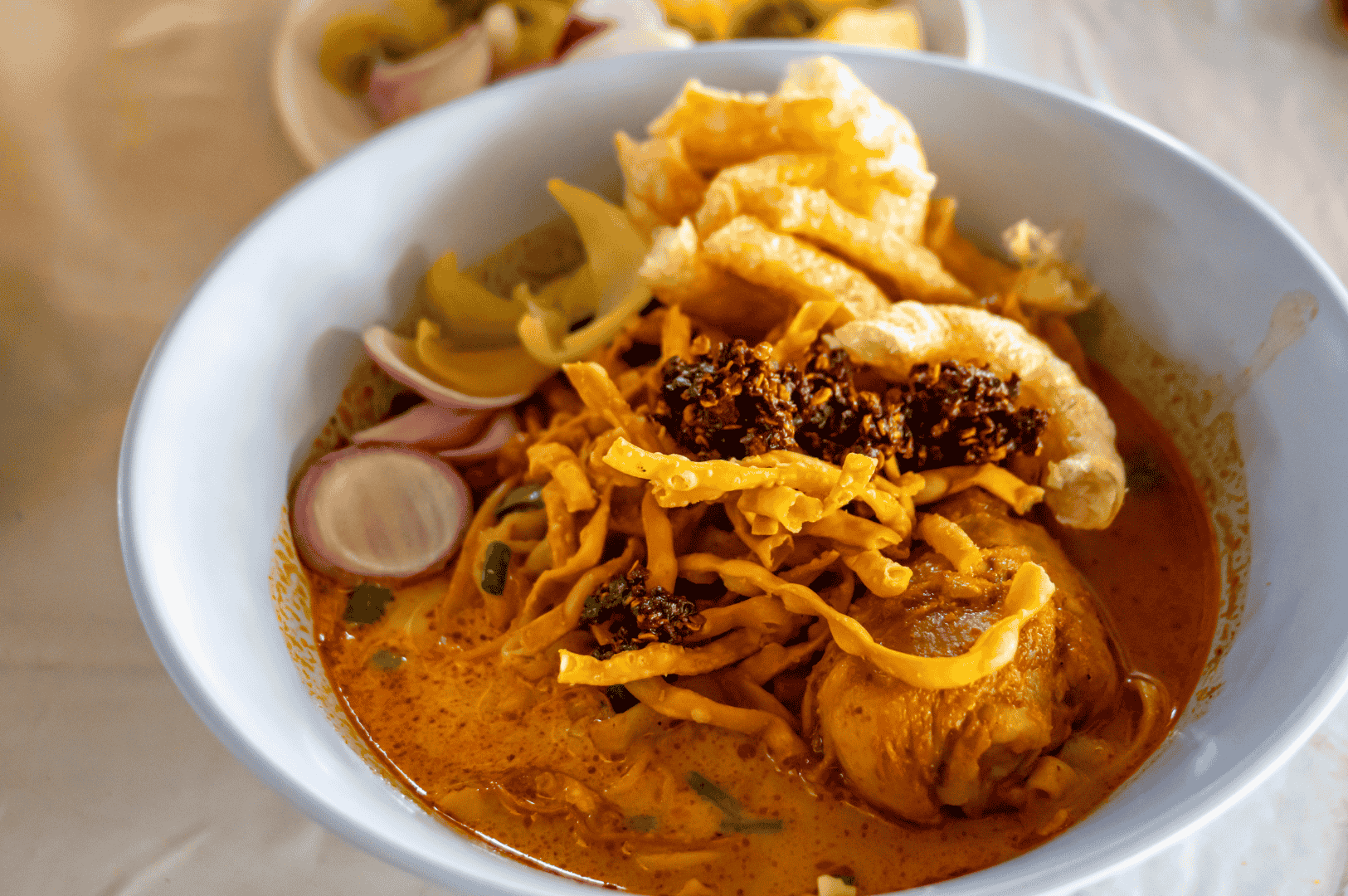
A bowl of khao soi arrives steaming—a masterpiece from the heart of northern Thai cuisine. The golden, aromatic curry broth, rich with coconut milk and layered with homemade curry paste, gently bathes a tangled nest of soft cooked egg noodles. Atop this sits a pile of golden-brown crispy fried noodles, ready to soak up all the curry goodness. Sliced shallots, pickled mustard greens, and lime wedges line the bowl. A drizzle of chili paste and a sprinkle of green onions complete the picture, promising layers of flavor in every bite. As you dig in, the aroma of curry, coconut, and freshly fried noodles mingles—a true taste of Chiang Mai and the north.
What is Khao Soi? A Northern Thai Treasure and Noodle Soup Like No Other
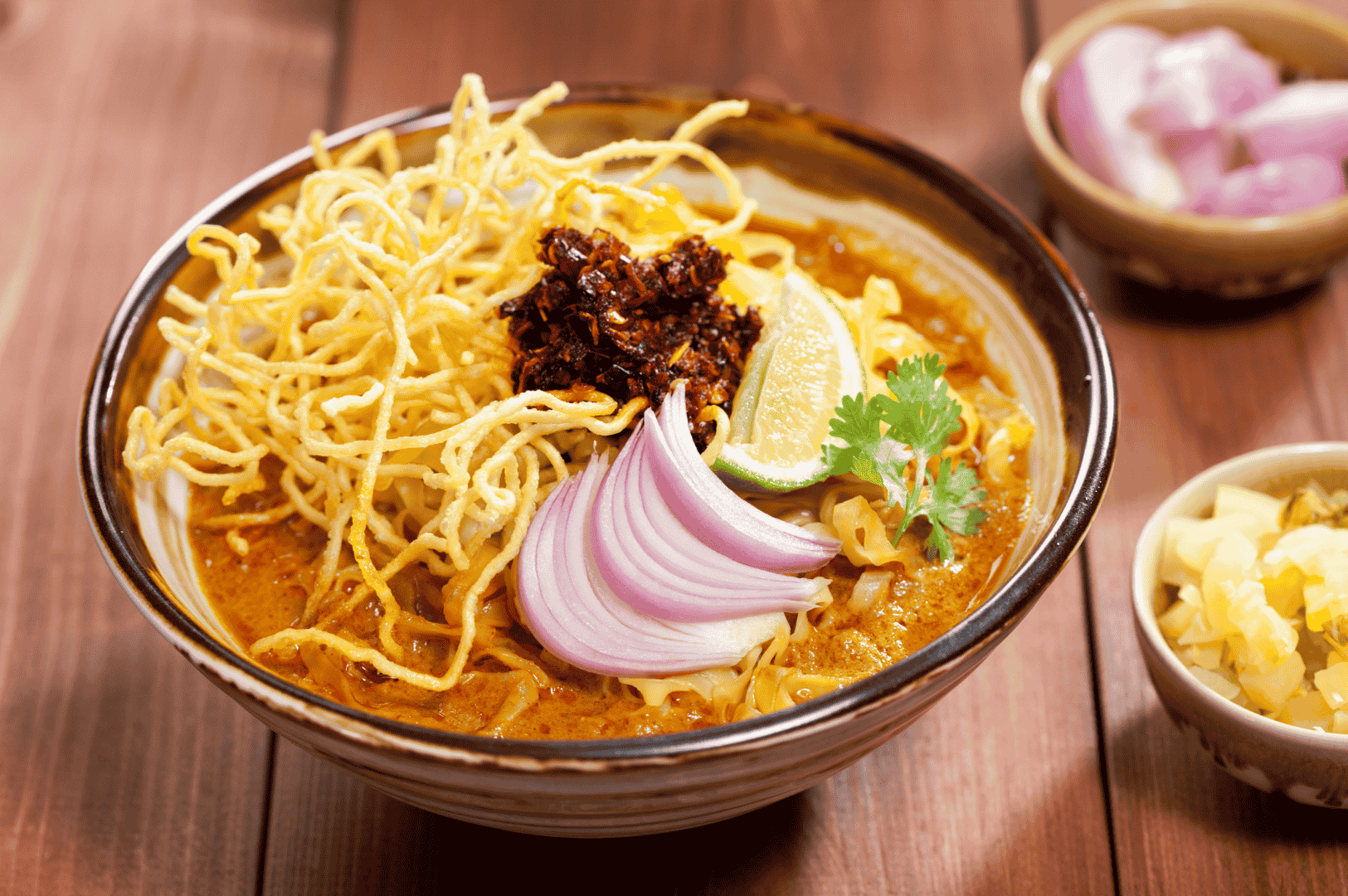
At its core, khao soi is a noodle soup that stands proudly among Thai curries, beloved for its creamy coconut milk broth and unique combination of soft and crispy egg noodles. The khao soi curry has a milder, more fragrant profile than most southern Thai curries, thanks to the use of coconut milk and a signature khao soi curry paste made with fresh turmeric, dried chilies, garlic, ginger, curry powder, and other aromatic spices.
Each serving bowl is a feast of cooked noodles submerged in the curry broth, topped with crunchy fried noodles for contrast. Essential condiments—pickled mustard greens, sliced shallots, lime wedges, and chili paste—let you personalize the dish to your liking. Whether enjoyed at most restaurants in Chiang Mai or homemade in your own kitchen, every bowl of khao soi is deeply satisfying, delicious, and comforting.
The Fascinating History of Khao Soi: A Curry Paste with Multicultural Roots
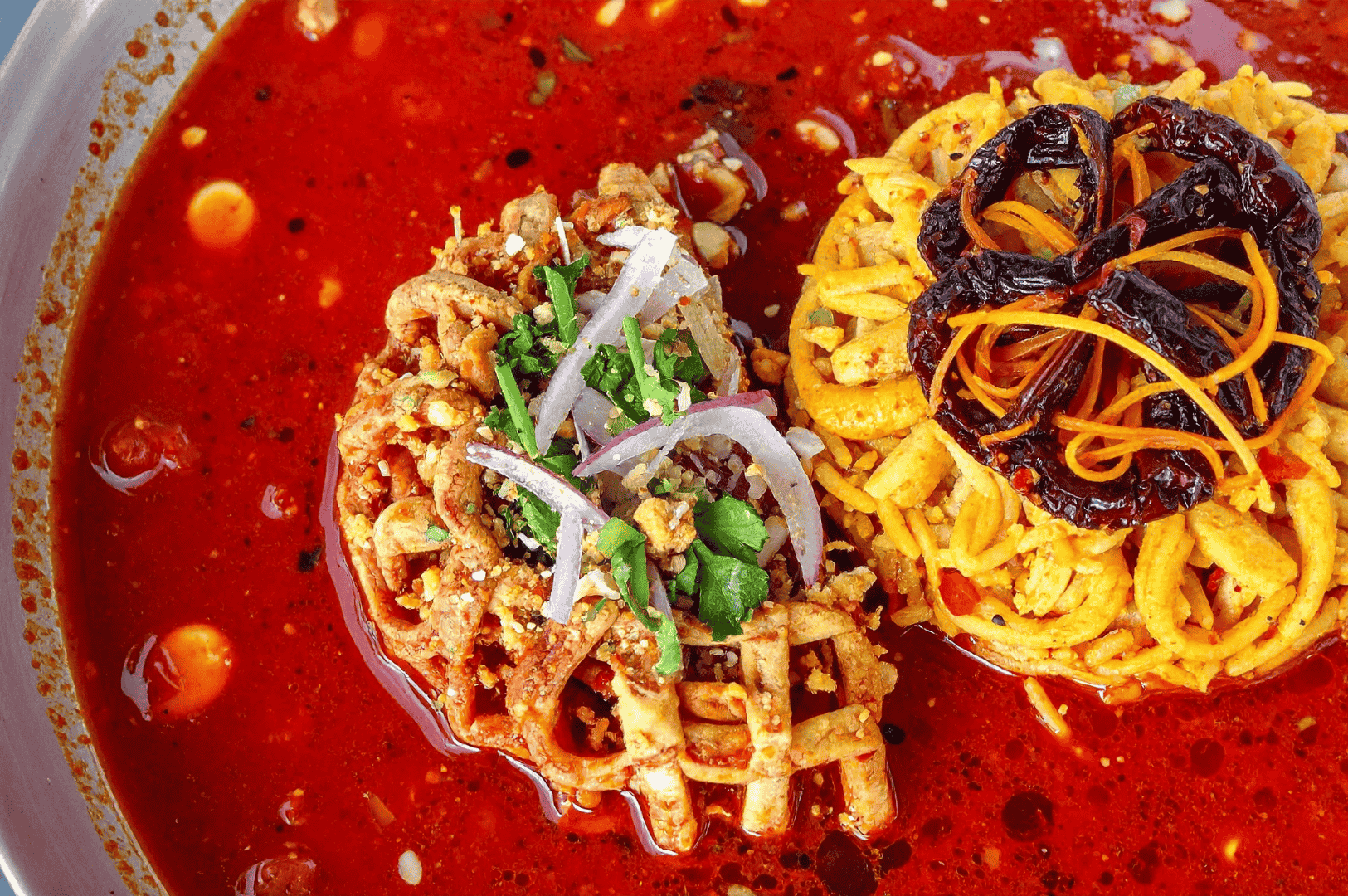
The origins of khao soi curry trace back to Chinese Muslim traders who brought a noodle soup tradition—laden with fragrant curry paste and often beef or chicken—into Burma and onward to northern Thailand. Over generations, khao soi evolved in the Lanna Kingdom, blending Burmese and Chinese flavors with Thai preferences for coconut milk and fresh herbs like kaffir lime leaves.
The name "khao soi" likely derives from the Burmese word for "noodles." Traditional khao soi from Muslim communities used a thinner curry broth, sometimes enhanced with shrimp paste, while the more familiar Chiang Mai style—using chicken drumsticks and coconut cream—was influenced by local ingredients and the abundance of Thai curry pastes. Today, khao soi embodies the vibrant culinary fusion of northern Thai food culture.
Curry Paste: The Heart of Khao Soi Curry
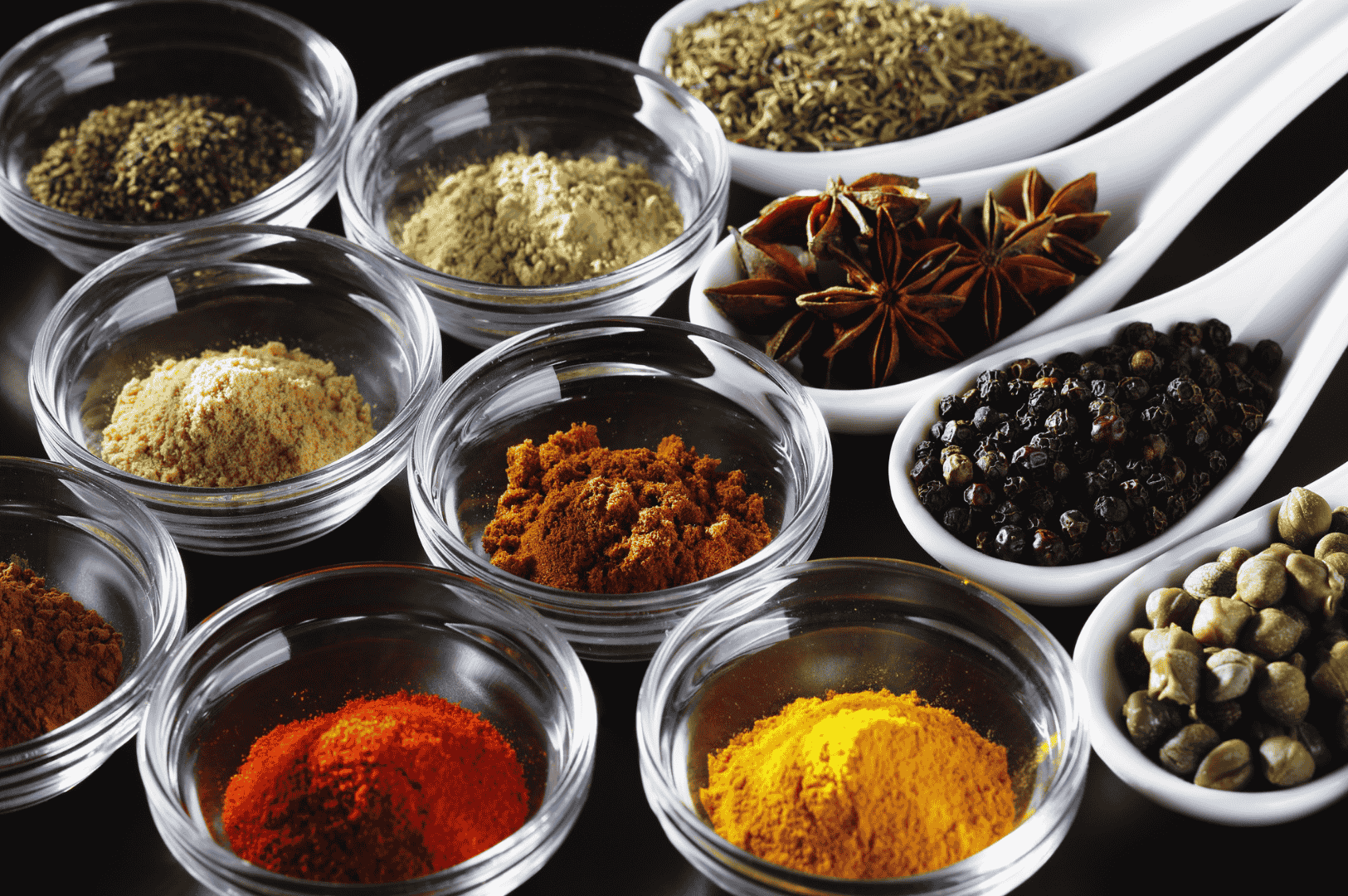
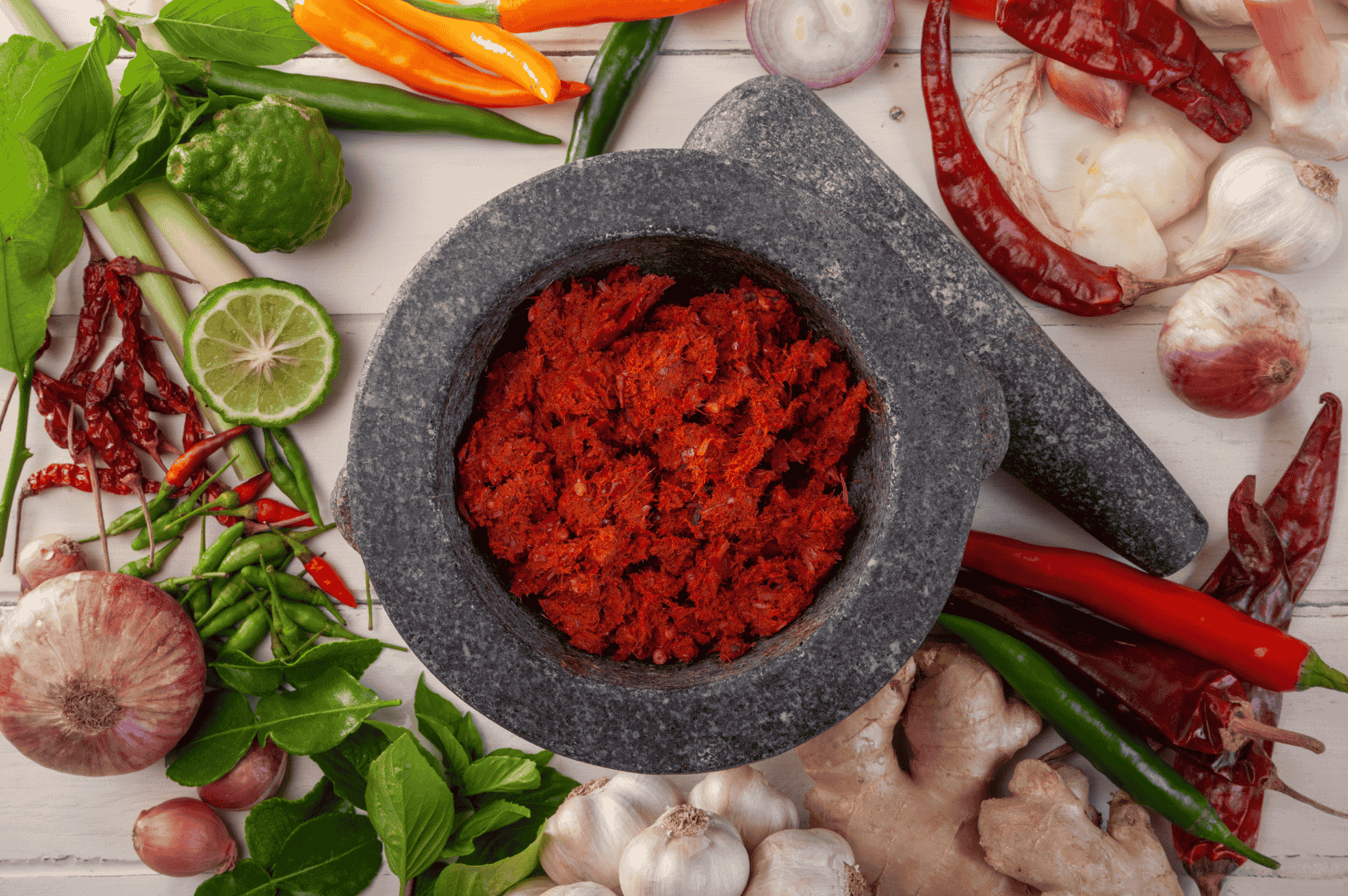
The unmistakable flavor of authentic khao soi curry comes from its fragrant homemade curry paste. If you’re short on time, many home cooks use store bought curry paste and customize it with signature spices—but nothing compares to homemade curry paste made in a food processor or mortar and pestle.
Key Ingredients in Khao Soi Curry Paste:
- Dried red chilies
- Garlic
- Fresh turmeric (or powder)
- Ginger
- Shallots
- Lemongrass
- Coriander seed, curry powder, and cardamom
- Shrimp paste (optional for added umami)
- Kaffir lime leaves
This paste is sizzled in coconut oil or vegetable oil over medium-high heat until fragrant, releasing a depth of flavor essential to every bowl of khao soi. When making khao soi curry at home, use good-quality coconut cream and low sodium chicken stock for the richest, creamiest consistency.
Fried Noodles, Cooked Noodles & More: Essential Khao Soi Components
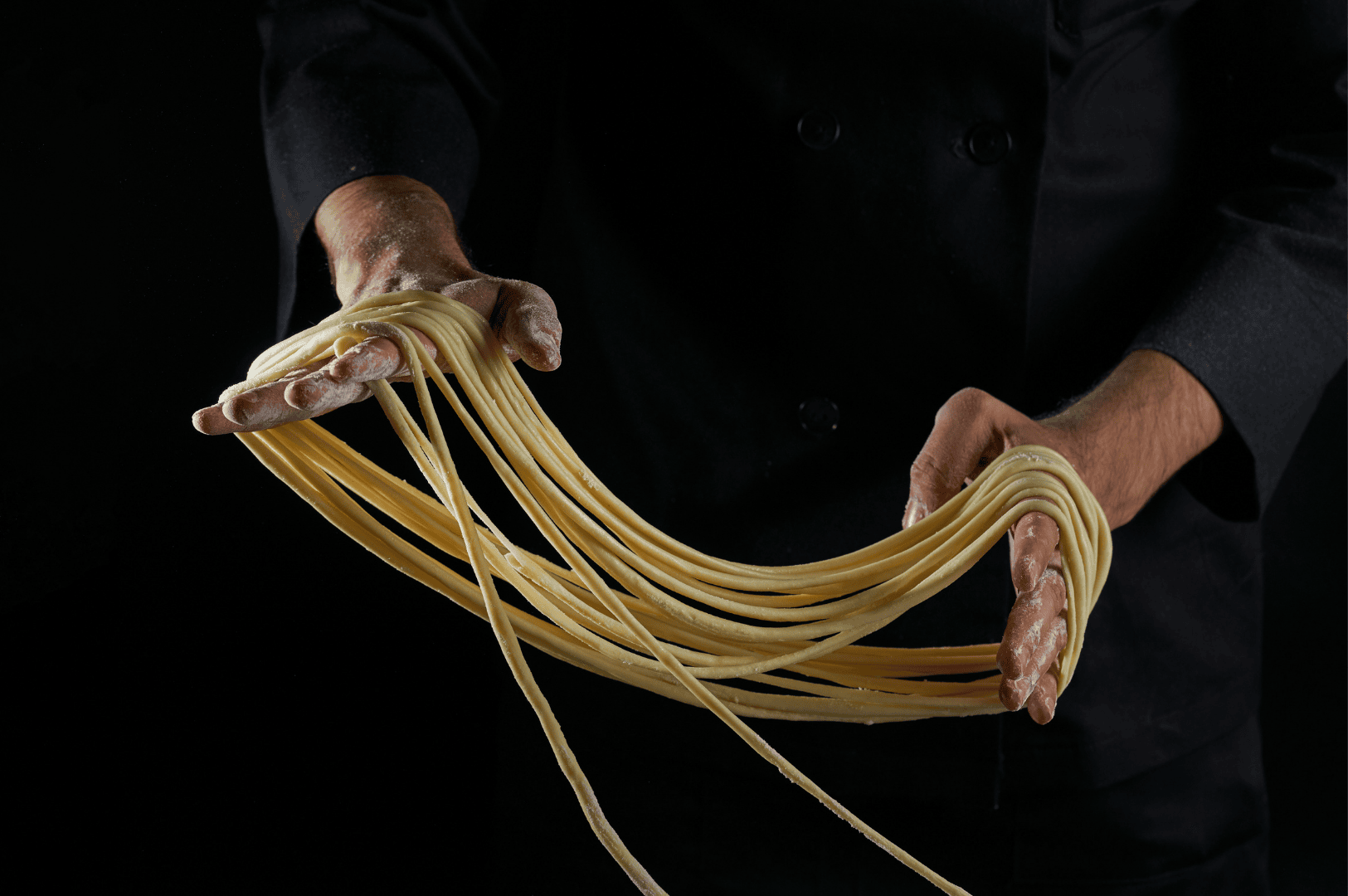
Egg Noodles: The Dual Texture Experience
The hallmark of khao soi lies in its two types of egg noodles—one batch boiled until just-cooked and portioned into serving bowls, the other deep-fried until golden brown and crunchy. The combination of cooked noodles and crispy noodles creates a play of textures with every bite. At most restaurants, you'll find this signature duo in every authentic khao soi bowl.
The Key Condiments: Mustard Greens & Beyond
Don’t skip the traditional condiments—they’re key to the dish’s flavor balance:
- Pickled mustard greens (or homemade mustard greens) for a tangy crunch
- Sliced shallots for pungency
- Lime wedges for brightness and acidity
- Chili paste or chili oil for customizable heat
- Thinly sliced green onions for herbal flavor
Proteins: From Chicken to Vegetarian Versions
Classic khao soi in Chiang Mai uses bone-in chicken drumsticks or boneless chicken thighs cooked until fully tender in the curry broth. You’ll also find versions with chicken breast, beef, pork, or tofu. Add chicken, beef, or a vegetarian alternative as your protein base, and enjoy the mild curry flavor enhanced by the coconut milk.
Khao Soi Curry Paste Variations Across Northern Thai Regions
Khao soi’s recipe adapts gracefully from Chiang Mai to Chiang Rai and Pai. In Chiang Mai, the broth is thick, mildly spicy, and heavy with coconut milk. Chiang Rai variations often feature a lighter, spicier curry broth with more fish sauce or soy sauce for umami. In Pai and Mae Hong Son, locally grown herbs and chili paste blend with fresh turmeric for unique spins on the classic curry paste. Muslim communities sometimes use beef (no pork products) and a broth spiced with more curry powder and kaffir lime leaves.
Chiang Mai Noodles: Best Khao Soi Spots and Noodle Soup Staples
If you’re in Chiang Mai, seeking out the best khao soi is a delicious mission. Here are some acclaimed favorites:
- Khao Soi Khun Yai: Famous for rich curry broth and tender chicken drumsticks.
- Khao Soi Samer Jai: Serves hearty, homemade curry paste recipes and a generous helping of fried noodles.
- Khao Soi Mae Manee: Loved for its flavorful khao soi curry and customizable spice levels.
- Khao Soi Islam: Specializes in beef khao soi with a spicy, less sweet curry broth—a must for those wanting the Muslim-style version.
Most restaurants in Chiang Mai and Northern Thailand will serve khao soi alongside sticky rice or jasmine rice, so don’t forget to order a side!
Homemade Curry Paste: Authentic Khao Soi Recipe for Home Cooks
Want to eat khao soi at home? Here’s an authentic (but adaptable) recipe for this northern Thai dish:
Ingredients:
- For the khao soi curry paste: 6 dried red chilies (seeded, soaked), 5 cloves garlic, small handful ginger, 4 shallots, 1 tbsp fresh turmeric, 1 stalk lemongrass, 1 tsp curry powder, 1/2 tsp coriander seed, 1/4 tsp cardamom, optional 1 tsp shrimp paste, kaffir lime leaves, all blended in a food processor.
- For the curry: 2 tbsp coconut oil or vegetable oil, 4 boneless chicken thighs or chicken drumsticks, 1 can coconut cream, 4 cups low sodium chicken stock or veggie broth, 2 tbsp fish sauce (or more fish sauce, to taste), 1 tbsp palm sugar.
- Noodles & toppings: 1 lb fresh egg noodles, oil for frying, homemade pickled mustard greens, thinly sliced shallots, lime wedges, chili paste, green onions.
Instructions:
- Make the khao soi curry paste: Blend all paste ingredients in a food processor until smooth.
- Cook curry paste: Heat a large pot over medium heat, add coconut oil, and fry the paste for 2-3 minutes.
- Add chicken: Sear boneless chicken thighs or chicken drumsticks until golden brown.
- Add coconut milk, stock, and seasonings: Add half the coconut cream, chicken broth, fish sauce, and palm sugar. Simmer gently until the chicken is fully cooked.
- Prepare noodles: Boil 2/3 of the egg noodles in water until cooked, then drain. In a large pot or wok, fry the remaining noodles in hot oil until golden brown; remove to paper towels to drain.
- Assemble bowls: Portion the cooked noodles in serving bowls, ladle over the curry broth and add chicken. Top with crispy noodles and your favorite condiments.
Chef’s note: For extra flavor, toast the spices for your curry paste before blending.
Khao Soi Curry: Cultural Significance in Northern Thai Life
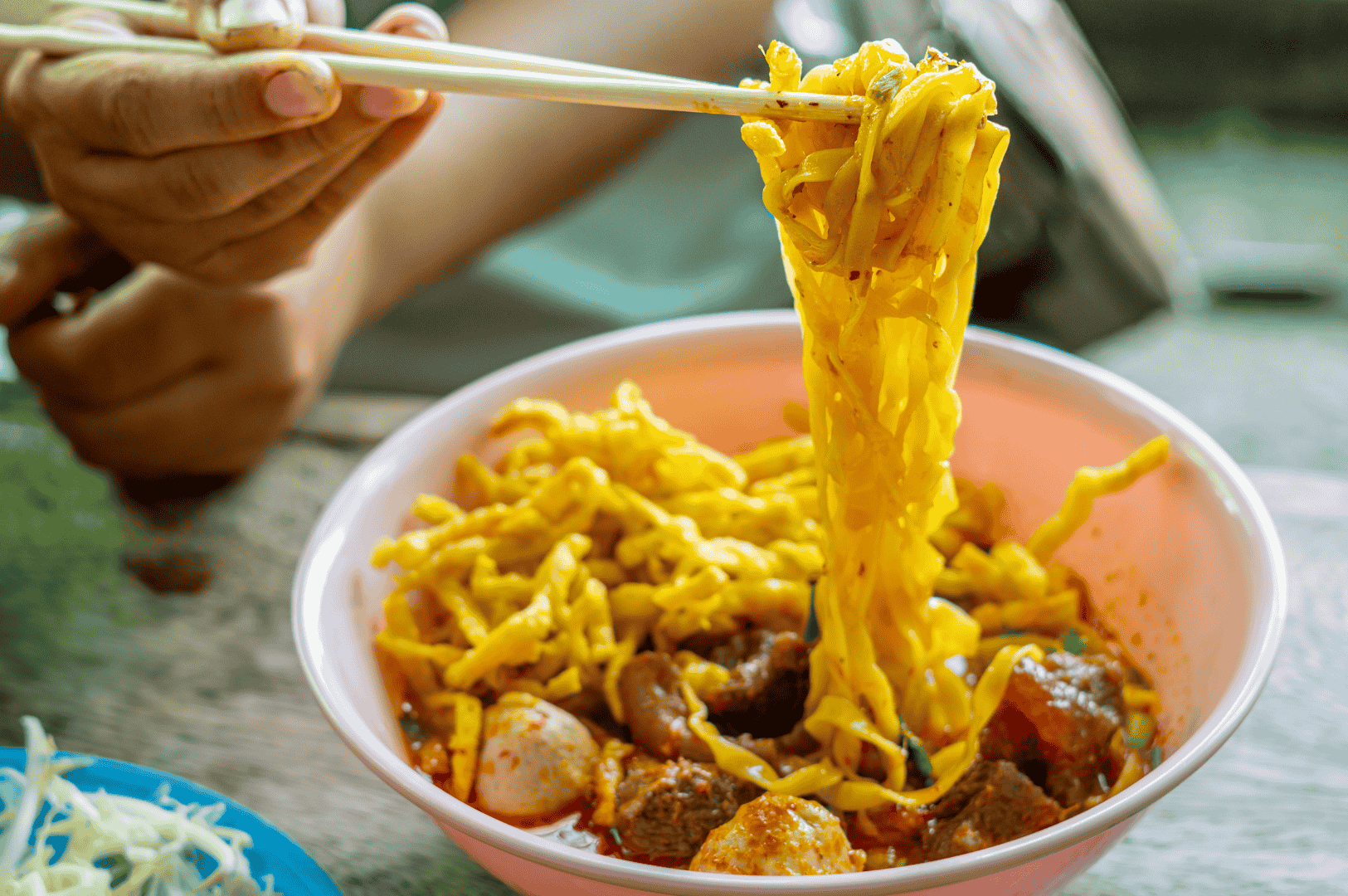
In Northern Thailand, to eat khao soi is to partake in a tradition both everyday and celebratory. This noodle soup is a staple lunch and frequent comfort food, with countless variations throughout northern Thai towns and Chiang Mai. It’s often found at both bustling open-air stalls and elegant restaurants. The ritual of adding pickled mustard greens, chili paste, and lime juice to taste is cherished by every khao soi lover.
Khao soi’s international fame has grown, appearing on many lists of best noodle soup or curry noodle dishes worldwide—and for good reason. Its deep Northern Thai roots and adaptability ensure it remains central to every food-lover’s Chiang Mai journey.
Best Khao Soi: Perfect Pairings & Drinks

No bowl of khao soi is complete without the right beverage:
- Thai iced tea: Sweet, creamy, and ideal for cutting the spice of the curry paste.
- Local craft beers: Crisp lagers or pilsners help cleanse the palate.
- Traditional herbal teas or lemongrass juice: Provide a refreshing counterpoint.
- Sticky rice or jasmine rice: Order a small bowl alongside your curry if you want extra soak for the curry broth.
Mustard Greens and More: FAQs About Khao Soi and Noodle Soup Essentials/
Is khao soi spicy?
The curry paste brings mild heat, but spiciness depends on how much chili paste you add. Most restaurants offer a chili oil garnish so each diner can adjust.
What does khao soi taste like?
It’s rich and creamy from coconut milk, with a mild curry flavor, fragrant notes of turmeric and spices, and tangy toppings like pickled mustard greens and lime juice.
What makes khao soi different from other Thai curries?
It's the combination of curry paste simmered in coconut milk with both boiled and fried noodles (adding texture), and the suite of toppings. Khao soi curry is milder than red curry and other Thai curries.
Can khao soi be vegetarian?
Yes—use veggie broth, omit shrimp paste or fish sauce, and use tofu or mushrooms instead of chicken.
What does 'khao soi' mean?
'Khao' means rice, but here it refers to the noodles; 'soi' comes from the Burmese for noodles—so it roughly translates to 'cut rice noodles.'
Is khao soi gluten-free?
No, because traditional egg noodles contain wheat, but gluten-free noodle options can be used at home.
Conclusion: Noodle Soup Perfection from Chiang Mai
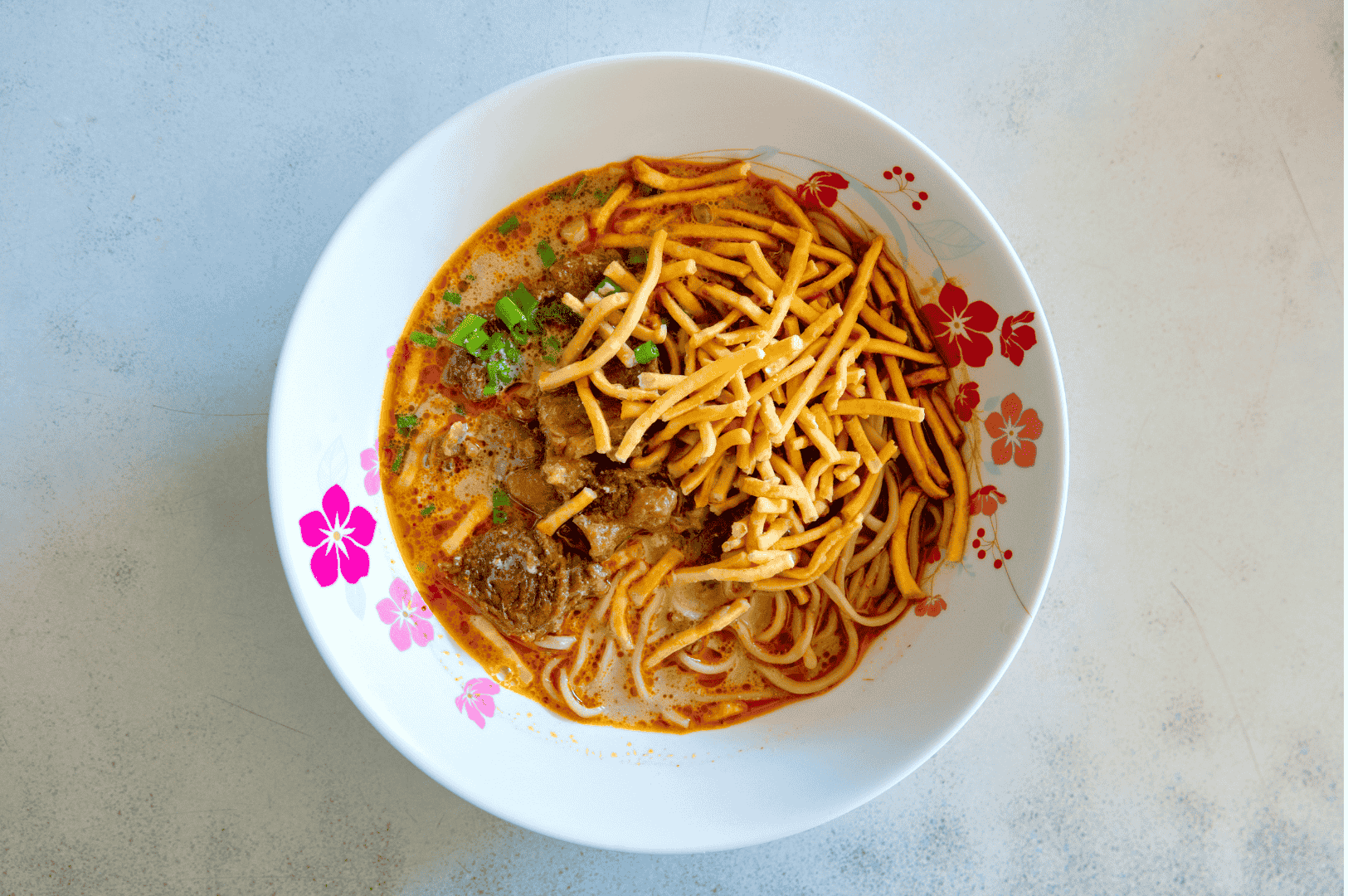
Khao soi is the ultimate northern Thai comfort food—a symphony of creamy coconut milk, aromatic curry paste, crispy fried noodles, and tangy condiments. Whether you seek the best khao soi in Chiang Mai or eat khao soi homemade with fresh khao soi curry paste, this dish offers a delicious window into the flavors and warm hospitality of northern Thailand. Prepare a serving bowl at home, enjoy the mild curry broth with crunchy noodles, and savor why khao soi remains an icon of Thai cuisine.
Discover more stories and regional flavors on Eat Drink Asia, or learn about our mission and team on the About Us page.

Fresh Sashimi Singapore: Places for Clean Cuts, Quiet Counters, and Fish That Still Feels Alive
Eda Wong | September 5, 2026
I didn’t grow up eating raw fish. For years, sashimi felt like something you learned to appreciate rather than something you loved. Cold, foreign, a little intimidating. Then one afternoon, at a quiet counter, a chef placed a single slice of chutoro in front of me and said nothing. I ate it. And I understood….
-
Pattaya Garden Restaurant and the Thai Meal That Knows How to Feed a Group
Eat Drink Asia Team | September 3, 2026
The rice came down first. A plain bowl, warm and steaming, set in the middle of the table before anything else. Then the green curry, in a bowl wide enough for four spoons to reach at once. And within a minute the table stopped being a set of individual meals and became one shared thing,…
-
At Keria Japanese Restaurant, the Meal Begins Before the First Bite
Dio Asahi | September 3, 2026
By Dio Asahi for Eat Drink Asia. The lift opens onto a corridor leading to the famed and hidden Cuppage Plaza food, and the building’s age shows in the flickering fluorescent light and the smell of old carpet. Then a sliding door pulls back, and Keria Japanese Restaurant asks you to slow down. Inside, it…
-
The Round Kaya Bun at Chin Mee Chin Confectionery, and the Mornings It Keeps
Eda Wong | September 2, 2026
By Eda Wong for Eat Drink Asia. It’s not quite eight, and the pastel-blue shophouse is already awake. Kopi cups clink against saucers. A ceiling fan turns slow overhead. Someone folds a newspaper at a marble-topped table, and the man behind the counter moves without hurry, sliding buns across in a rhythm he’s clearly done…
-
Nana Original Thai Food and the Thai Meal That Keeps Changing Its Accent
Eda Wong | September 1, 2026
The tom yum arrived first, and the first spoonful hit sour and hot at once, lime and chilli chasing each other down the throat. This classic Thai dish features a spicy sauce and aromatic herbs that awaken the taste buds straight away, setting the stage with its bold flavors. Then the pineapple rice came, sweet…
-
Pad Thai Recipe for People Who Know the Noodles Can’t Be an Afterthought
Dio Asahi | August 29, 2026
The first time I made Pad Thai, I ruined it before the wok was even hot. I’d left the noodles soaking while I answered a phone call. Ten minutes turned into forty. By the time I drained them, they were already soft, already surrendered. Everything I did in the pan after that was damage control….
-
Best Japanese Restaurant Singapore: Places That Nail the “First Bite”
Eat Drink Asia Team | August 27, 2026
I built this list around a very specific feeling: that first bite where the room goes quiet for a second. I’ve tried enough Japanese restaurants in Singapore over the years to know that “best” does not always mean the most expensive, the rarest, or the hardest to book. Sometimes it is the warmth of the…
-
Not Just Seafood: How Araya Shouten Keeps Japanese Fishing Culture Alive in Singapore
Eat Drink Asia Team | August 26, 2026
Japanese cuisine has long been admired for its attention to seasonality, precision, and respect for ingredients. However, behind every piece of sashimi or carefully prepared seafood dish lies a story that begins far away from the dining table, often with fishermen, coastal communities, and generations of knowledge passed down through time. At Araya Shouten, seafood…
-
The Ginger Shoyu Ramen at Ramen Soshiji, Where Orchard Goes Quiet
Dio Asahi | August 26, 2026
By Dio Asahi for Eat Drink Asia. The lift opens on the third floor of Orchard Plaza, and for a second I don’t know which way to turn. The corridor is dim and still, the kind of quiet that feels almost accidental in this part of town. A few doors down, an unmarked entrance. Inside,…
-
Indo Rasa Singapore and the Nasi Goreng That Measures a Kitchen’s Confidence
Eat Drink Asia Team | August 25, 2026
There’s a dish I order when I want to know a kitchen quickly. Not the specialty. Not the thing the menu is proud of. I order the fried rice. Because nasi goreng has nowhere to hide. It’s rice, chilli, chicken, egg, a few crackers, some cucumber. Everyone thinks they can make it. Most people can….