The first time we cooked a full Indian dinner on a weeknight, the curry, rice, and raita felt like three separate tasks—three pans, three timers, and a kitchen full of wonderful smells but chaos. The curry was good, the rice sticky, and the raita watery from being made too early.
That night taught us a key lesson: an Indian dinner is one coordinated system. The curry brings warmth and spice, the jeera rice offers a fragrant base, and the cucumber raita cools and balances the meal, much like Japanese curry featured on Eat Drink Asia.
Once we treated it as a single dinner with a clear workflow, everything became easier. Now, we can have this meal ready in 45 to 60 minutes, even after a long day. Here’s how we do it, including mistakes to avoid.
What You’ll Need for Food for Dinner Indian: Chicken Curry, Jeera Rice, and Raita
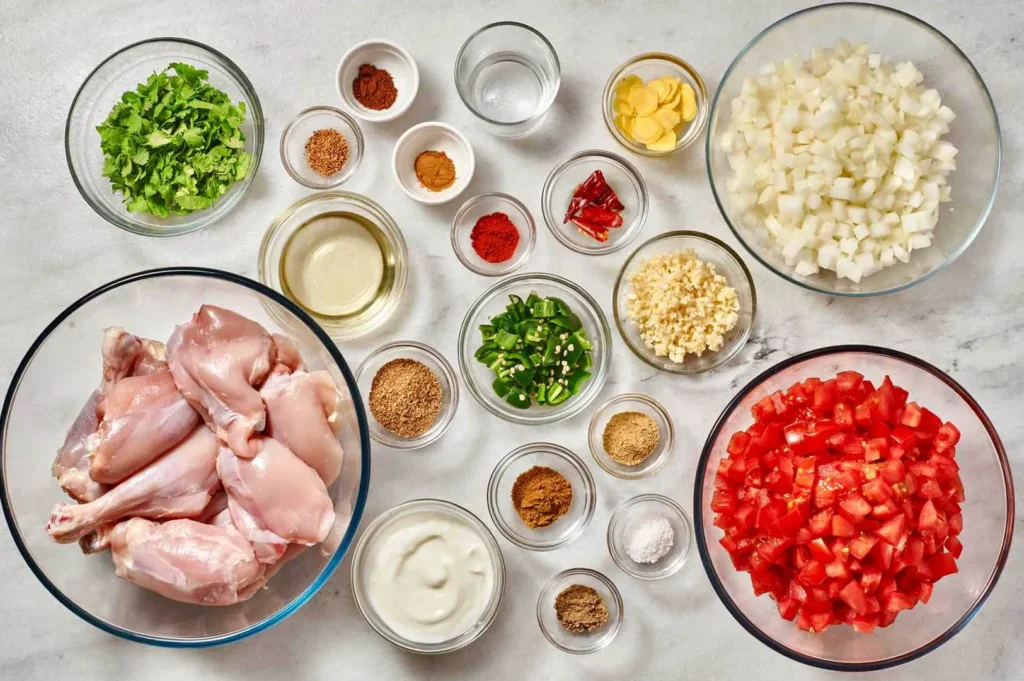
Before you turn on the stove, gather everything. Many indian recipes move quickly once indian spices hit hot oil, and you do not want to be chopping onions while your garlic starts to burn.
This meal has three parts: a mildly spiced chicken curry, fluffy jeera rice, and cool cucumber raita. Together, they make the kind of food for dinner indian home cooks need on busy nights — practical, fragrant, and deeply comforting.
For the Chicken Curry
- 500g boneless chicken thigh, cut into bite-sized pieces
- 2 tablespoons oil or ghee
- 2 medium onions, finely chopped
- 1 tablespoon ginger, grated
- 1 tablespoon garlic, minced
- 2 medium tomatoes, chopped
- 1 teaspoon cumin powder
- 1 teaspoon coriander powder
- ½ teaspoon turmeric
- ½ to 1 teaspoon chilli powder
- 1 teaspoon garam masala
- Salt to taste
- Fresh coriander
- Around 150ml water or stock
This is not as rich as butter chicken, paneer butter masala, or dal makhani, which rely more on dairy, butter, or slow cooking. It is closer to a practical home-style indian curry — aromatic, balanced, and achievable for weeknight dinners.
For the Jeera Rice
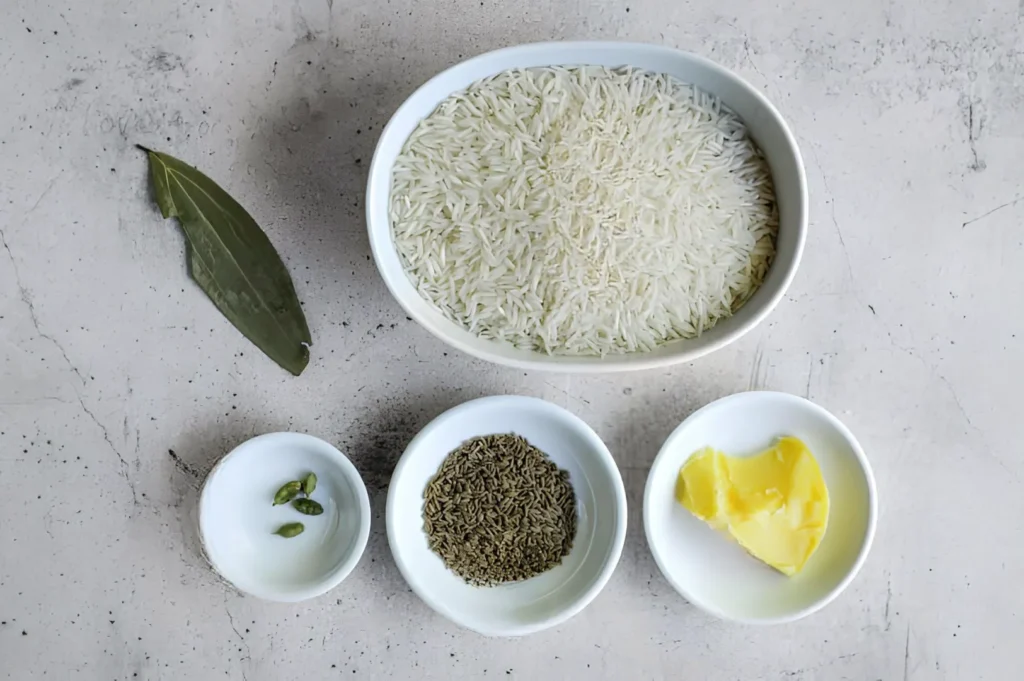
- 1.5 cups basmati rice
- 1 tablespoon ghee or oil
- 1 teaspoon cumin seeds
- 3 cups water
- Salt to taste
Among Indian rice dishes, jeera rice is one of the most useful. It is simpler than ghee rice or coconut rice, but still fragrant enough to make plain white rice feel special.
For the Cucumber Raita
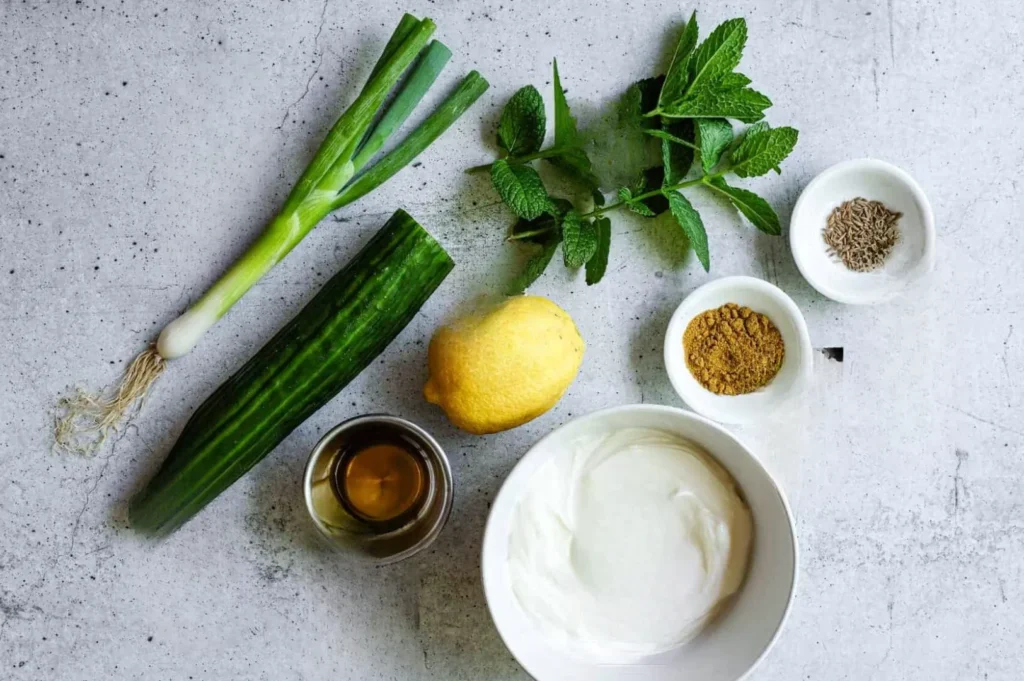
- 1 cup plain yogurt
- 1 small cucumber, grated
- ¼ teaspoon roasted cumin powder
- Salt to taste
- Chopped coriander or mint
The raita cools the meal down. Its tangy creaminess softens the heat of the curry sauce, turning the plate into a balanced comforting meal rather than something heavy.
In Singapore, sourcing these pantry staples is easy. FairPrice and Cold Storage cover the basics, while Mustafa Centre, Tekka Market, and Little India shops are excellent for ground spices, fresh curry leaves, toor dal, urad dal, chana dal, and sambar powder.
Insider tip: Buy spices in smaller quantities. Fresh cumin, turmeric, chilli powder, and garam masala smell warm and alive. Stale spice powder is the quiet reason many home curries taste flat.
The 45–60 Minute Indian Dinner Workflow
The rhythm is simple: start the curry first, cook the rice while it simmers, then make the raita last.
Time | Task |
|---|---|
0:00 | Rinse and soak the rice. Chop onion, tomato, chicken, cucumber, and herbs. |
0:10 | Start the curry sauce with oil, onion, ginger, garlic, and spices. |
0:20 | Add tomato and cook into a thick, golden brown masala. |
0:25 | Add chicken and simmer until tender. |
0:30 | Start the jeera rice in a pot, rice cooker, pressure cooker, or Instant Pot. |
0:40 | Make cucumber raita. |
0:50 | Rest the rice, adjust the curry, garnish, and serve. |
This sequence keeps the meal calm. The curry takes the longest, the rice cooks quietly, and the raita stays fresh because it comes together at the end. |
Step One: Prep the Rice First
Rinse 1.5 cups of basmati rice until the water runs mostly clear, then soak it for about 20 minutes. This removes excess starch and helps the grains cook long, separate, and fluffy.
Skipping this step is the easiest way to end up with mushy rice. Done properly, jeera rice holds the curry beautifully without turning sticky.
For a shortcut, toast cumin seeds in ghee, then add them to rinsed rice with water and salt in a rice cooker or Instant Pot. It gives you restaurant style jeera rice with minimal effort — a genuinely easy recipe technique worth keeping.
Step Two: Build the Chicken Curry Sauce
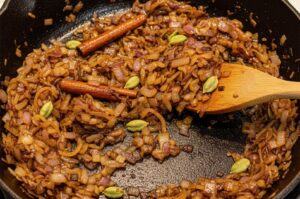
Heat oil or ghee in a wide pan over medium flame. Add onions and cook patiently until softened and turning golden brown. This slow caramelisation builds sweetness and gives the curry its base.
Add ginger and garlic, then stir in cumin, coriander, turmeric, chilli powder, and garam masala. Let the aromatic spices bloom in fat for about 30 seconds. This matters because spices need oil and heat to release their full fragrance.
Add tomatoes and cook until they collapse into a thick masala. The sharp tomato smell should soften into something rounder and richer.
Add the chicken, coat it well, then pour in water or stock. Simmer until the chicken is tender and the sauce clings to each bite. Finish with fresh coriander and a little more garam masala.
You’ll know it is ready when the oil lightly separates at the edges and the sauce smells cooked, not raw. The result should be mildly spiced, super flavorful, and satisfying — lighter than a rich north indian curry, but still full enough for indian dinner.
Step Three: Cook the Jeera Rice
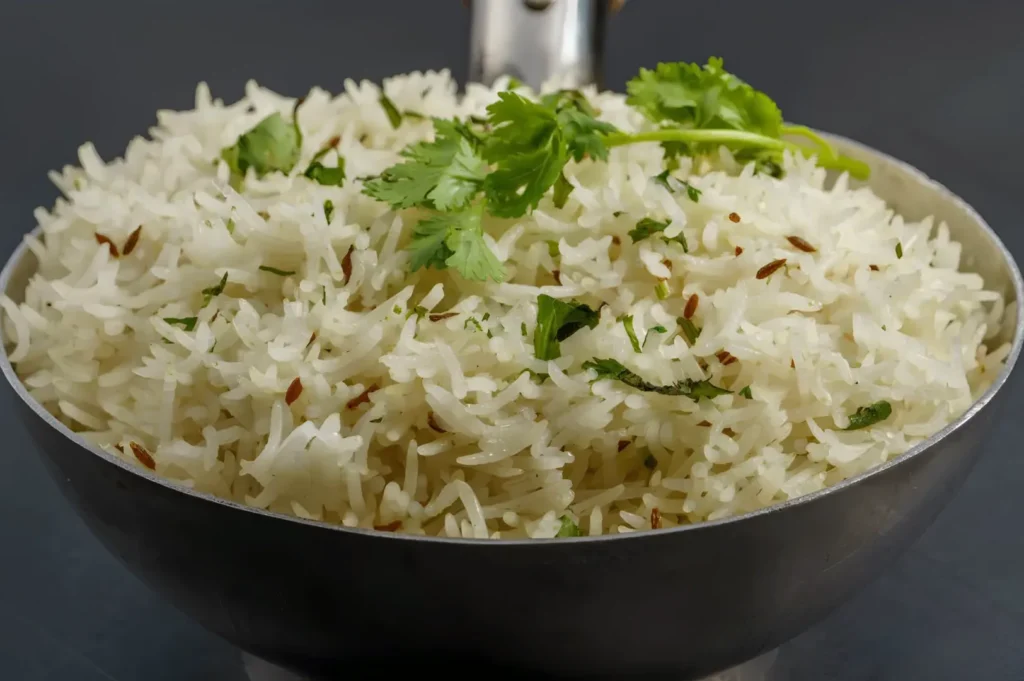
Drain the soaked rice. Heat ghee in a pot, add cumin seeds, and let them sizzle until fragrant. Add the rice and stir gently so the grains are coated in the cumin-scented fat.
Pour in water, add salt, bring to a boil, then cover and lower the heat. Let it cook undisturbed. Once done, rest for 5–10 minutes before fluffing with a fork.
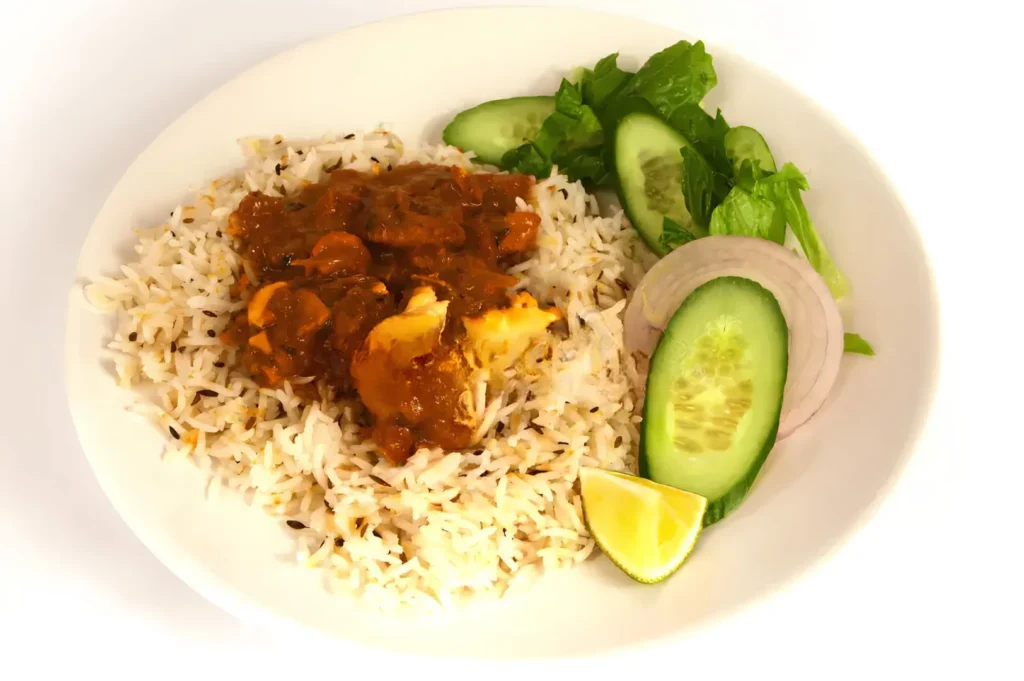
Serve the curry with hot rice, or spoon it alongside the jeera rice so everyone can mix their own plate. The cumin aroma makes the whole meal feel like a warm hug after a long day.
Step Four: Make the Cucumber Raita Last
Grate the cucumber and squeeze out excess liquid if needed. Mix it into yogurt with roasted cumin powder, salt, and chopped coriander or mint.
Make this last. If cucumber sits too long in yogurt, it releases water and turns the raita thin. Fresh raita should be creamy, cool, and gently tangy — the quiet counterpoint to the warmth of the curry.
Build a Bigger Indian Dinner Menu
Once you master chicken curry and jeera rice, the same pantry can lead you into amazing recipes across north indian and south indian cooking.
For vegetarian recipes, try creamy palak paneer, matar paneer, butter paneer, paneer butter masala, chana masala, or rajma made with kidney beans. These indian dishes show how legumes, dairy, and spices can create a delicious dish without meat.
For south indian recipes, add coconut chutney, curd rice, or sambar made with toor dal, curry leaves, and sambar powder. A popular south indian breakfast like dosa with potato masala can also become a light dinner when served with chutney and dal. Many of these options are naturally vegan or gluten free, depending on the ingredients used.
If you want something outside traditional Indian food, hakka noodles or Indian-style fried rice can work well with leftover vegetables and spices. These quick dinner recipes borrow from other cuisine influences while still feeling familiar to many indian restaurants.
Why This Recipe Works for Weeknight Dinners
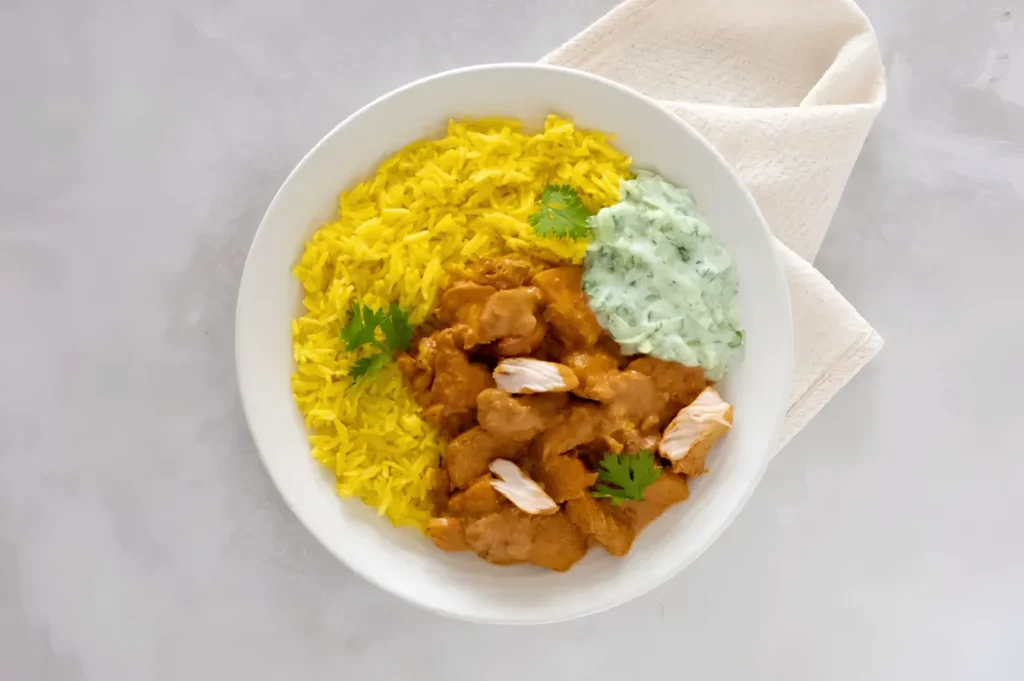
The strength of this meal is flexibility. It does not ask you to master all the recipes in the whole world of Indian cooking. It teaches a reliable base: onions, tomatoes, fat, spice, rice, and patience.
From there, you can build. Add coconut milk for a softer curry, use chicken tikka for a smokier version, or make a one pot variation when time is tight. You can even review recipe notes after each cook: more chilli next time, less water, longer onion browning, extra garam masala at the end.
That is how a great recipe becomes your own. The goal is not perfection. It is a delicious home dinner that tastes delicious, feels balanced, and gives you confidence to cook more Indian food at home, much like the relaxed yet refined experience you find at an izakaya Singapore.
A Few Honest Final Thoughts
This dinner is forgiving once you get its rhythm. The first time, you might feel behind; by the third, it’s second nature, and delivery seems unnecessary.
Remember this: cook the base well. Patiently soften onions, ginger, garlic, bloom the spices, and cook tomatoes until no rawness remains. Get this right, and the rest falls into place.
Treat it as one system, not three recipes, and you’ll have a satisfying Indian dinner in under an hour. Try it, adjust spices to taste, and make it your own. You’ll be proud of the result.

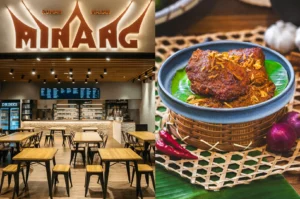
The 6 Best Halal Restaurant in Singapore for Authentic Nasi Padang
Eda Wong | March 5, 2026
There are few meals as satisfying as Nasi Padang, a colourful feast where you choose from a variety of dishes to create your perfect plate. Over the years, I’ve explored Singapore’s Nasi Padang scene, especially in Kampong Glam, sampling everything from humble hawker stalls to renowned spots. This list highlights the best halal Nasi Padang…
-
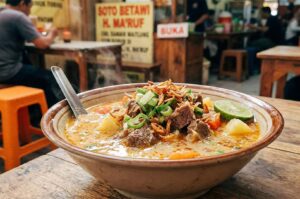
The Global Soup Bowl: How Indonesian Soto Shapes the Future of Asiatic Food Traditions
Dio Asahi | March 3, 2026
I still remember my first “real” bowl of Indonesian soto. Sitting on a low plastic stool in a cramped warung, I ordered Soto Betawi, expecting it to be like the clear Soto Ayam from Singaporean weddings. I was wrong. The rich, milky broth was intense, creamy, and boldly spiced. That first spoonful rewired my idea…
-
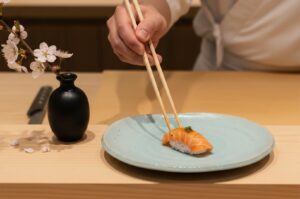
Shun: Japan’s Seasonal Treasures – A Deep Dive Into the Ingredients Behind True Omakase
Eat Drink Asia Team | February 28, 2026
In the world of Asian food, few dining experiences capture the soul of traditional Japanese food culture like omakase. At a premier omakase restaurant, diners entrust their meal entirely to the chef, whose artistry is guided not just by mastery, but by shun—the appreciation of seasonal and fresh ingredients at the absolute peak of their…

My Trip to Bánh Mì Saigon and How It Compares to Best Food in Singapore
Eda Wong | February 26, 2026
Located in the bustling neighborhood of Ang Mo Kio, Bánh Mì Saigon offers a taste of Vietnam right here in Singapore. From traditional bánh mì sandwiches to hearty pho bowls and refreshing Vietnamese iced coffee, this restaurant has it all. I arrived at Bánh Mì Saigon on a busy Saturday evening and was immediately drawn…
-
Tea Room by Ki-setsu: A Curated Journey Through Chinese Tea in the Heart of Singapore
Dio Asahi | February 25, 2026
Most people arrive at Chinese tea the way they arrive at any beverage: thirsty, curious, maybe looking for something sweet or soothing. But traditional chinese tea isn’t built like a single drink. It’s a network: leaf origin, processing choices, vessel physics, water, pacing, and the quiet social technology of sitting down long enough for a…
-
Tandoori Chicken: The Signature Indian Chicken Dish
Eda Wong | February 24, 2026
Tandoori chicken stands tall among the best Indian chicken recipes. With its vibrant hue and smoky aroma, this iconic Indian chicken dish is celebrated in Indian restaurants worldwide. Emerging from Punjab, it pairs perfectly with fragrant basmati rice or fresh naan and is a favorite for anyone who loves bold flavors. The hallmark of tandoori…
-
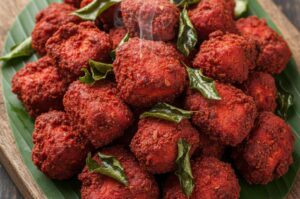
Chicken 65: A Fiery Indian Chicken Recipe You Must Try
Eat Drink Asia Team | February 21, 2026
We’ve spent months tracking the ‘shatter-rate’ of chicken across the South, and here’s the truth: most of what you find is a pale, food-colored imitation. The real Chicken 65 isn’t just spicy; it’s an atmospheric experience. It starts with the sharp, herbal snap of curry leaves hitting 180°C oil and ends with a deep, earthy…
-
Mastering the Art of Indian Dishes with Chicken
Eda Wong | February 19, 2026
The story of India’s culinary identity is deeply tied to its poultry dishes. I remember my first attempt at an Indian chicken recipe, failing to brown the onions properly left the dish hollow, missing its soul. The sound of mustard seeds popping in hot oil signals layers of flavor to come. The steam from the…
-
Crunch, Sweet, and Heat: The Irresistible Textures of Southeast Asian Snacks
Dio Asahi | February 17, 2026
In the humid, sticky heat of Southeast Asia, where your shirt clings to your back and the air is thick with the sharp scent of oxidising oil, there’s a particular clink that always gets me. It’s the sound of a metal spatula striking a wok, a rhythmic percussion that’s as familiar to me now as…
-
The Living Pantry: How Geography and Trade Shaped the Food in the Southeast Region
Eat Drink Asia Team | February 14, 2026
To understand the plate is to understand the map. If you were to trace the spice routes of the 15th century or follow the monsoon winds that carried merchant ships across the Indian Ocean, you would find yourself at the epicenter of the world’s most vibrant pantry. The food in the Southeast region of Asia…