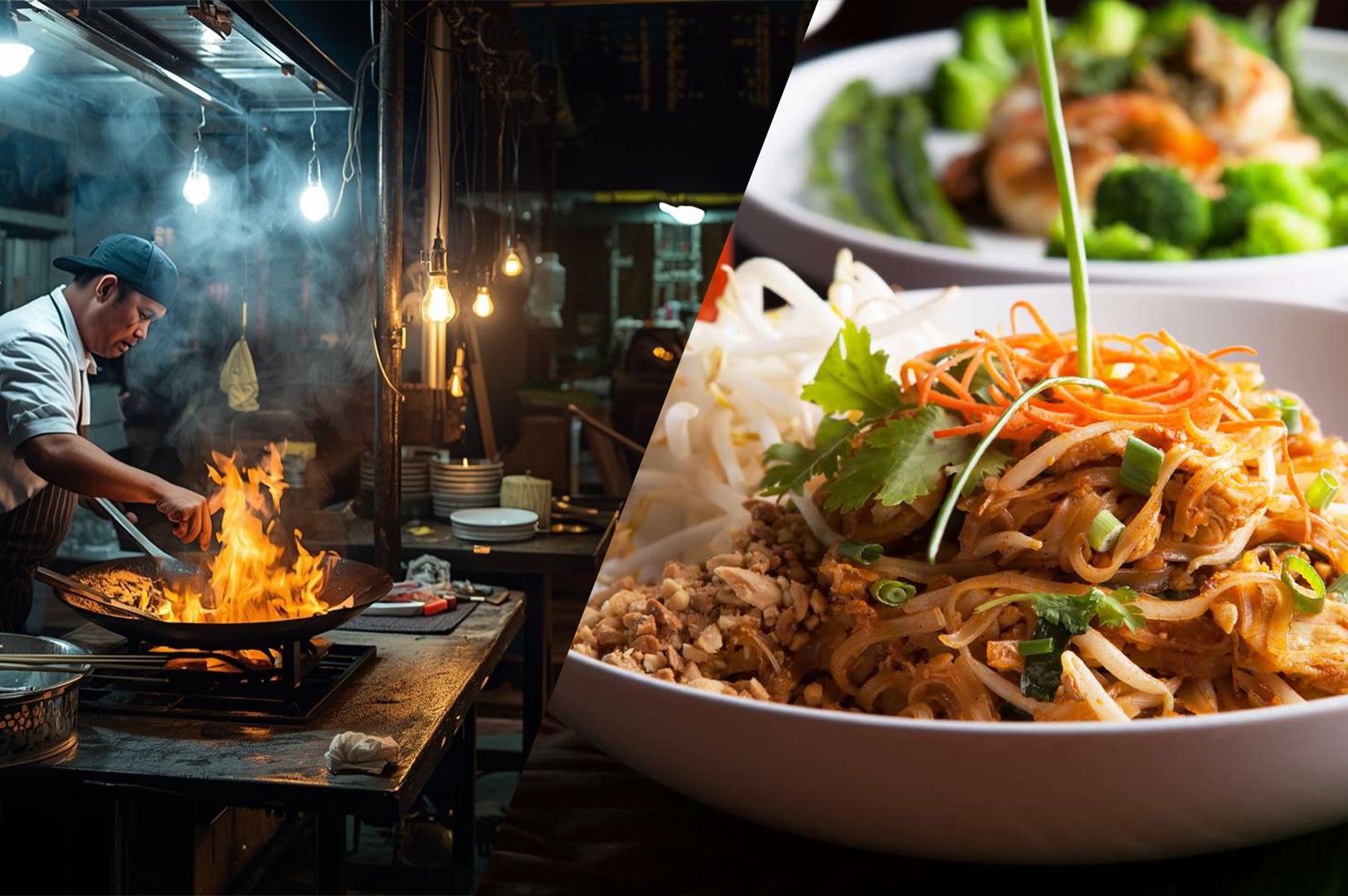
Pad Thai is more than just a staple of Thai Food; it’s a Global Phenomenon. From bustling street carts in Bangkok to high-end Thai Restaurants in New York, this iconic Pad Thai Dish has captured the hearts and palates of food lovers everywhere. The best Pad Thai rivals what you would find in a typical Thai restaurant, where authenticity and quality are paramount. Its unique harmony of Sweet, Sour, and Savory Flavors, combined with a delightful mix of textures, makes it an unforgettable culinary experience.
But what truly makes an Authentic Pad Thai Dish? While the tangy Pad Thai Sauce and fresh garnishes like Fresh Bean Sprouts, Roasted Peanuts, and Lime Wedges are crucial, the secret often lies in an overlooked component: the Noodles for Pad Thai. The specific type and preparation of the rice noodles are fundamental to the dish’s identity. This guide will take you on a deep dive into the world of the perfect noodles for Pad Thai, exploring why this single ingredient is the key to authenticity.
Understanding the Pad Thai Dish and Pad Thai Recipe
At its core, a Pad Thai Dish is a stir fry of Flat Rice Noodles that masterfully balances a complex flavor profile. It’s a symphony of ingredients working in concert. The Signature Pad Thai Sauce, typically a blend of Tamarind Paste or Tamarind Puree, Tamarind Concentrate, Fish Sauce, Palm Sugar or Light Brown Sugar, and Fresh Lime Juice, provides a sweet and tangy base. This is complemented by additions like Extra Firm Tofu, Sweet Preserved Radish, Bell Pepper, and Succulent Shrimp or Typically Chicken, as well as traditional dried shrimp, which adds depth of flavor, a distinctive seafood umami, and authenticity to the dish.
Fresh components like Mung Bean Sprouts, Garlic Chives, Green Onions, Fresh Cilantro, and Crushed Peanuts are tossed in at the end, providing a refreshing crunch that cuts through the richness of the stir fried veggies and noodles. Each ingredient has a role, but the Pad Thai Noodles are the Foundation that holds everything together.
The right noodles for Pad Thai will soak up the vibrant sauce without becoming mushy, maintaining a pleasant chewiness that is central to the experience. While there are regional variations of the Pad Thai Dish across Thailand—some sweeter, some spicier with chili flakes or cayenne pepper—the one constant in achieving an authentic Pad Thai is the use of Proper Thai Noodles.
The Star Ingredient: Noodles for Pad Thai and Pad Thai Noodles
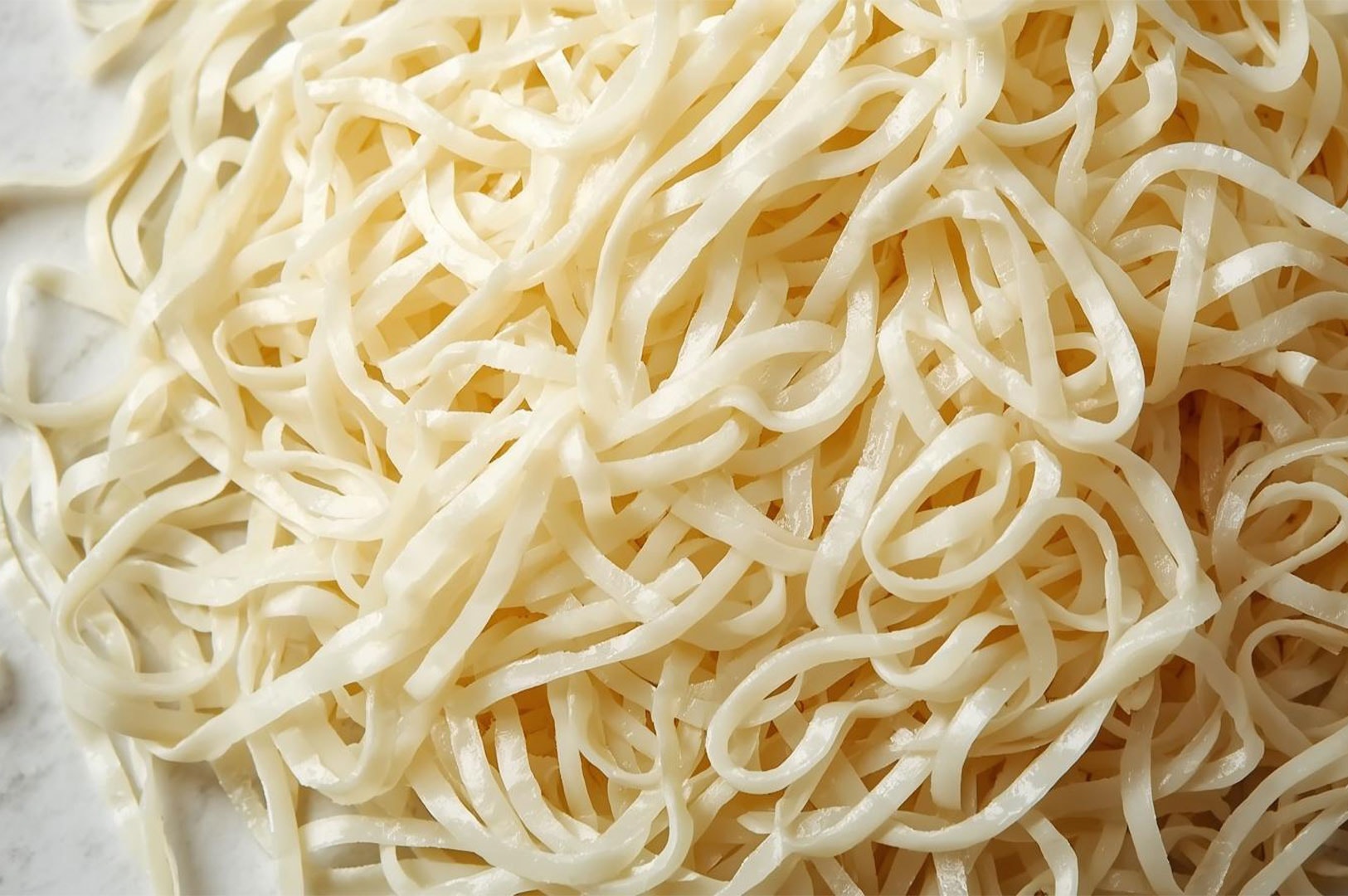
The traditional and undisputed champion noodles for Pad Thai is a specific type of Thai rice noodle known as Sen Lek, a popular variety of Pad Thai Noodles.
What are Sen Lek (Rice Noodles)?
Sen Lek are Flat Rice Noodles, typically 3-5 Millimeters in Width, often referred to as Rice Stick Noodles. They are translucent when cooked and possess a wonderfully soft yet chewy texture. Their ability to absorb flavors without falling apart in a hot wok over Medium High Heat is precisely why they are the go-to choice for these iconic stir-fried noodles.
How to Identify Authentic Pad Thai Noodles
When you’re shopping for the right noodles for Pad Thai, look for packages labeled “Rice Stick Noodles“or “Pad Thai Noodles.” Check the width; they should be flat and about the width of fettuccine, not as wide as Chinese fun noodles or as thin as vermicelli. The ingredients list should be simple, primarily consisting of Rice Flour and Water.
Fresh vs. Dried Rice Noodles
- Dried Rice Noodles: This is the most common and accessible option for an easy Pad Thai Recipe. Dried rice noodles have a long shelf life and, when prepared correctly, yield excellent results. They require Soaking Noodles Before Cooking to rehydrate them.
- Fresh Pad Thai Noodles: If you can find them at an Asian market, fresh rice noodles offer a superior texture.
Popular Brands and Storage
Several reliable brands, such as Erawan (Three Ladies Brand), are widely available in Asian grocery stores and online. When storing dried rice noodles, keep them in a cool, dry place like your pantry. Once opened, seal the package tightly in an Airtight Container to maintain freshness. Fresh noodles should be refrigerated and used within a few days.
Preparing the Perfect Noodles for Pad Thai Dish in an Authentic Pad Thai Recipe

The preparation of your noodles is just as important as the selection. How you treat your rice noodles before they even hit the hot wok will make or break your final dish.
A medium bowl is ideal for soaking the dried rice noodles before cooking, ensuring they soften evenly and are ready for stir-frying.
Once your noodles are drained and ready, a small bowl can be used to mix the Pad Thai sauce ingredients before adding them to the wok, allowing for a smooth and efficient cooking process.
Soaking Noodles Techniques for Dried Rice Noodles
The golden rule for preparing dried rice noodles is to Soak Noodles, Not Boil. Boiling them before stir frying will overcook them, leading to a mushy and broken mess in the pan.
- Cold Water Soak: For the best texture, soak the dried noodles in Cold Water or Room-Temperature Water for about 30-60 minutes, or until they are limp and pliable but still have a firm core. This slow rehydration process ensures the noodles cook evenly in the wok.
- Warm or Hot Water Soak (Quick Method): If you’re short on time, you can soak the noodles in Warm or Hot Water for about 15-20 minutes.
Common Mistakes to Avoid When You Make Pad Thai
- Using Boiling Water to Soak Noodles: This is the most frequent error. Boiling water will pre-cook the exterior of the noodles too quickly, leaving the inside hard and the outside gummy.
- Soaking for Too Long: Over-soaked noodles will break apart during stir fry. They should be flexible but not completely soft.
- Not Draining Properly: After soaking, make sure to Drain the Noodles Thoroughly. Excess water will steam the noodles in the wok instead of stir frying them, preventing them from absorbing the Pad Thai Sauce properly.
Cooking Pad Thai: Bringing It All Together in the Wok

Crafting Pad Thai represents a contemplative communion where Meticulously Curated Ingredients unite within the sanctuary of a sizzling wok. The essence of an authentic Pad Thai lies in the Artisanal Stir-Frying Ritual—a practice demanding both intense heat and fluid, meditative movements to ensure each component achieves its destined perfection.
Begin by warming a carefully measured portion of Peanut Oil within your wok over Medium-High Flame. When the oil begins its gentle shimmer, introduce Finely Chopped Shallots, allowing them to transform until they become translucent jewels, releasing their aromatic heritage.
With serene intention, add your chosen protein—whether it be Extra Firm Tofu, Succulent Shrimp, or Tender Chicken—stirring with purposeful movements until the ingredients achieve their perfect essence. Pour in Whisked Eggs and scramble them in the wok, creating a delicate scrambled egg before folding it back into harmonious union with your cooked protein, creating that distinctive Pad Thai texture.
With your vegetables and protein achieving perfect balance, introduce the soaked and drained Rice Noodles to this aromatic sanctuary. At this stage, add noodles to the wok and stir-fry these silken strands for approximately two minutes, ensuring their even integration with the assembled ingredients.
Now pour forth your meticulously crafted Pad Thai Sauce—a harmonious blend of fish sauce, soy sauce, brown sugar, tamarind paste, and a splash of fresh lime essence. Optionally, add dark soy sauce to enhance the color of the dish. If tamarind paste is unavailable, rice vinegar can be used as a substitute or as part of the sauce for flavor balance.
Complete this culinary meditation by adding Fresh Bean Sprouts, Precisely Chopped Green Onions, and a Generous Portion of Artisanally Crushed Peanuts. Perform a final, graceful toss, taste with mindful attention, and adjust the seasoning with additional fish sauce, soy sauce, or lime essence as your palate guides.
Serve immediately, adorned with additional Bean Sprouts, Lime Quarters, and More Crushed Peanuts for that authentic Pad Thai experience. For extra freshness and crunch, add more bean sprouts on top as a final garnish.
Easy and Best Pad Thai Recipes
Pad Thai emerges as a contemplative symphony of textures and flavors, where Silken Rice Noodles embrace vibrant vegetables in harmonious union with your chosen protein. The essence of any transcendent Pad Thai lies within the artisanal balance of its sauce, a carefully orchestrated blend that delivers the sacred trinity of Sweet, Sour, and Umami—notes that linger in memory long after the final bite.
For those seeking a more accessible path to Pad Thai mastery, certain refined compromises exist. Curated Pre-Made Sauces can honor time constraints, while thoughtfully selected pantry staples—Brown Sugar’s Earthy Sweetness, soy sauce’s fermented complexity—may stand as worthy substitutes when traditional elements remain elusive.
Whether your quest leads toward time-honored tradition or the practicality of a weeknight refuge, the essential wisdom remains constant: reverence for Flavor Balance and the integrity of each rice noodle strand. Through mindful attention to quality ingredients and patient technique, you can manifest Pad Thai that rivals the most revered Thai culinary temples—transforming your own kitchen into a sanctuary of authentic taste.
Alternative Noodles for Pad Thai Dish in a Gluten Free or Different Thai Diet
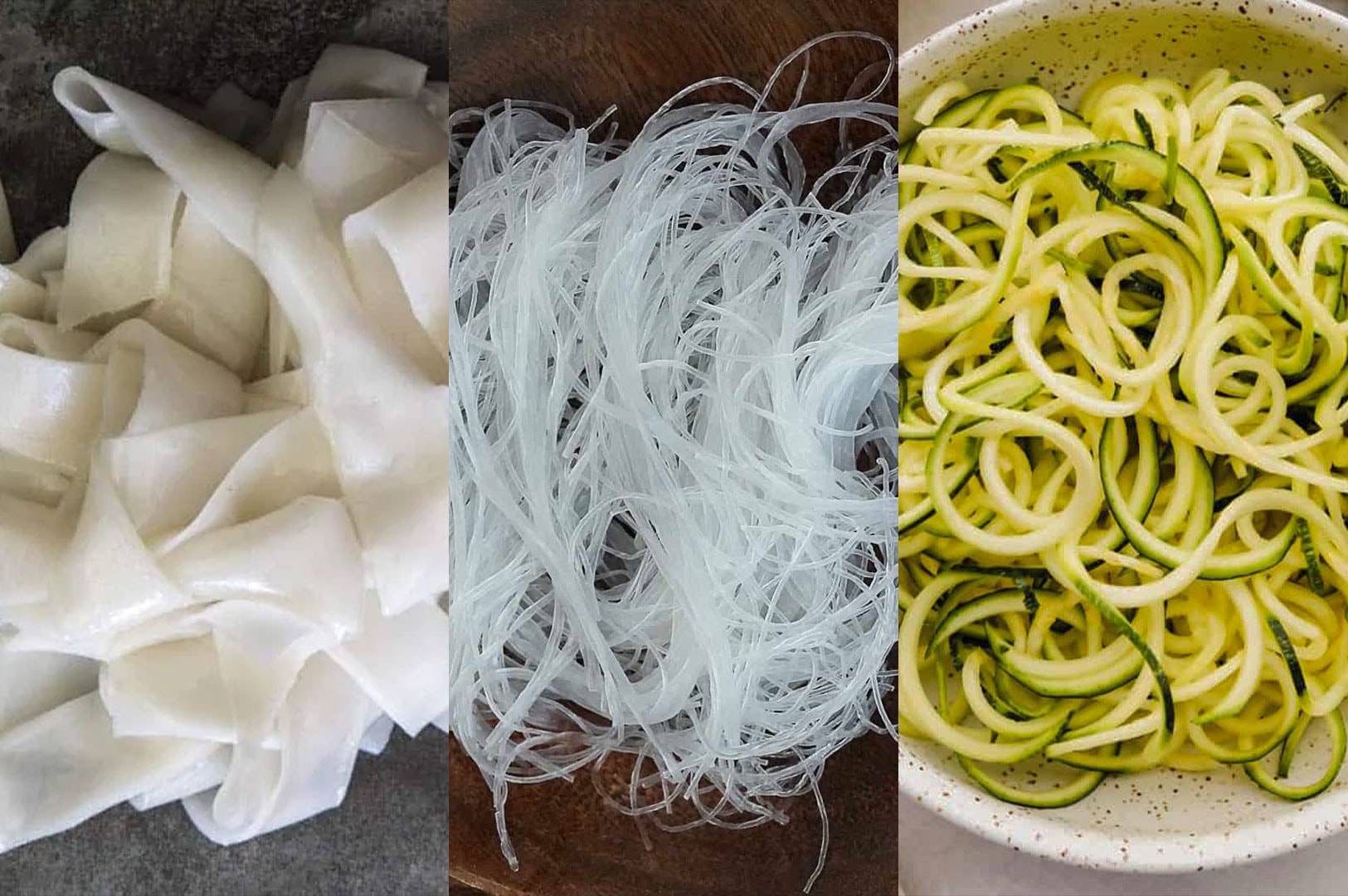
While Sen Lek are essential for an authentic Pad Thai, what if you can’t find them or have dietary restrictions? It is possible to make a tasty Pad Thai Dish with other noodles, but be aware that the final result will be different.
Gluten Free and Other Options
- Wider Rice Noodles (Sen Yai): These are traditionally used for dishes like Pad See Ew but can work in a pinch. They will create a softer, less chewy dish.
- Zucchini or Sweet Potato Noodles: For a low-carb, gluten free alternative, spiralized vegetables can be used. They won’t replicate the texture but will create a fresh, healthy take on the dish.
- Glass Noodles (Woon Sen): These thin, translucent noodles made from mung bean starch create a much lighter and springier version of the dish.
Conclusion: Make Pad Thai Like the Best Pad Thai Recipe
The journey to creating the perfect Pad Thai Dish is paved with attention to detail, and it starts with selecting and preparing the right noodles for Pad Thai. The chewy, absorbent, and delicate nature of Sen Lek Rice Noodles is not just a tradition; it is fundamental to the texture and flavor that has made this dish a global favorite.
Now that you understand the crucial role of the noodles, you’re one step closer to mastering this Thai classic. For a complete guide to making Pad Thai from start to finish, including the full authentic Pad Thai Recipe and cooking techniques, check out our detailed article: Thailand Food Pad Thai: Thailand’s Iconic Stir-Fried Noodle Dish. Serve Immediately for the Best Experience!

Tong Ah Eating House Review: A Chinatown Breakfast That Still Begins with Kaya Toast
Eda Wong | September 19, 2026
I almost walked past it. I’d been looking for the old triangular building, the red-and-white one you see in every photo of Keong Saik, the one that made Tong Ah feel like a landmark before you’d even ordered anything. But that’s not where it lives anymore. It’s a few doors down now, at 35 Keong…
-
Breakfast at Chinatown Singapore: How Migration Built the City’s Morning Table
Eat Drink Asia Team | September 17, 2026
The first time I ate breakfast in Chinatown, I got it wrong. I arrived at eleven, hungry and hopeful, and found the kopi stalls already turning toward lunch. The porridge uncle was packing up. The toast man had switched to slicing char siew. I ate a rushed plate of noodles standing near a pillar, sweating,…
-
The Bitter Leaf Folded Into a Burmese Home Kitchen
Eda Wong | September 16, 2026
The oil is already hot when she reaches for the leaves. It’s late morning in a kitchen off a quiet lane, and a woman I’ve been watching stands over a blackened wok, tearing bitter gourd leaves by hand into a small heap. The garlic hits the oil first, sharp and loud. Then the leaves go…
-
Best Sushi Singapore: From Premium Japanese Restaurants to Exclusive Deals from Affordable Sushi Trains
Dio Asahi | September 15, 2026
I’ve been eating sushi in this city for years now, from S$1.50 plates rolling past on a belt to omakase counters where the bill made me sit up straight. Somewhere along the way I stopped chasing “the best” and started noticing something else — that good sushi answers a mood, not a ranking. Some nights…
-
Al Mubin Restaurant and the Nasi Goreng Sambal Ayam That Has to Carry the Whole Plate
Eda Wong | September 12, 2026
It was close to eleven at night when I finally sat down. The kind of hour when you’re not really hungry so much as unsettled, when you want something warm in front of you more than you want a proper meal. Al Mubin’s food court at Block 407, Ang Mo Kio Avenue 10, was still…
-
Yassin Kampung Admiralty Review: When Sambal Fried Rice Becomes the Whole Point
Eat Drink Asia Team | September 10, 2026
I ordered the sambal fried rice first, before I’d even properly read the menu. That’s usually a mistake at a place like this. Yassin Kampung @ Admiralty is the kind of restaurant that keeps trying to pull your attention elsewhere — toward stingray, toward crab, toward hotplates that arrive still hissing. But I’d come with…
-
The Bamboo Basket Holding Chiang Mai’s Sticky Rice
Dio Asahi | September 9, 2026
By Dio Asahi for Eat Drink Asia. The lid comes off, and the steam rises first. It’s a warm afternoon in Chiang Mai, and on the table sits a small woven bamboo basket, still holding the heat of the pot it came from. Someone’s grandmother lifts the top and sets it aside without looking. Inside,…
-
Sambal Fried Rice Recipe for People Who Know the Chilli Paste Does the Heavy Lifting
Dio Asahi | September 8, 2026
I used to add the rice too early. The oil would be hot, the sambal barely a minute in, and I’d tip in the cold rice because I was hungry and impatient. Every time, the same result: rice stained red but tasting of nothing much. Sharp. Raw. Flat where it should have been deep. It…
-
Hup Lok at Havelock Road: A Teochew Fish Soup Carrying Memory Forward
Eda Wong | September 8, 2026
The bowl arrives before anything else does. Steam lifts off it in slow ribbons, carrying the smell of ginger and something warmer underneath: the round, boozy note of hua tiao wine settling into fish. I lean in before I even pick up my spoon. The broth is pale gold and cloudy, thick enough that it…
-
Fresh Sashimi Singapore: Places for Clean Cuts, Quiet Counters, and Fish That Still Feels Alive
Eda Wong | September 5, 2026
I didn’t grow up eating raw fish. For years, sashimi felt like something you learned to appreciate rather than something you loved. Cold, foreign, a little intimidating. Then one afternoon, at a quiet counter, a chef placed a single slice of chutoro in front of me and said nothing. I ate it. And I understood….