The rice came down first.
A plain bowl, warm and steaming, set in the middle of the table before anything else. Then the green curry, in a bowl wide enough for four spoons to reach at once. And within a minute the table stopped being a set of individual meals and became one shared thing, plates sliding, hands reaching, someone asking if there was enough fish to go around.
That’s when I understood Pattaya Garden Restaurant. Not from the menu, not from the first bite, but from the shape of the table once the food landed. This is a place that thinks in tables, not in plates.
A Shophouse That Isn’t Trying
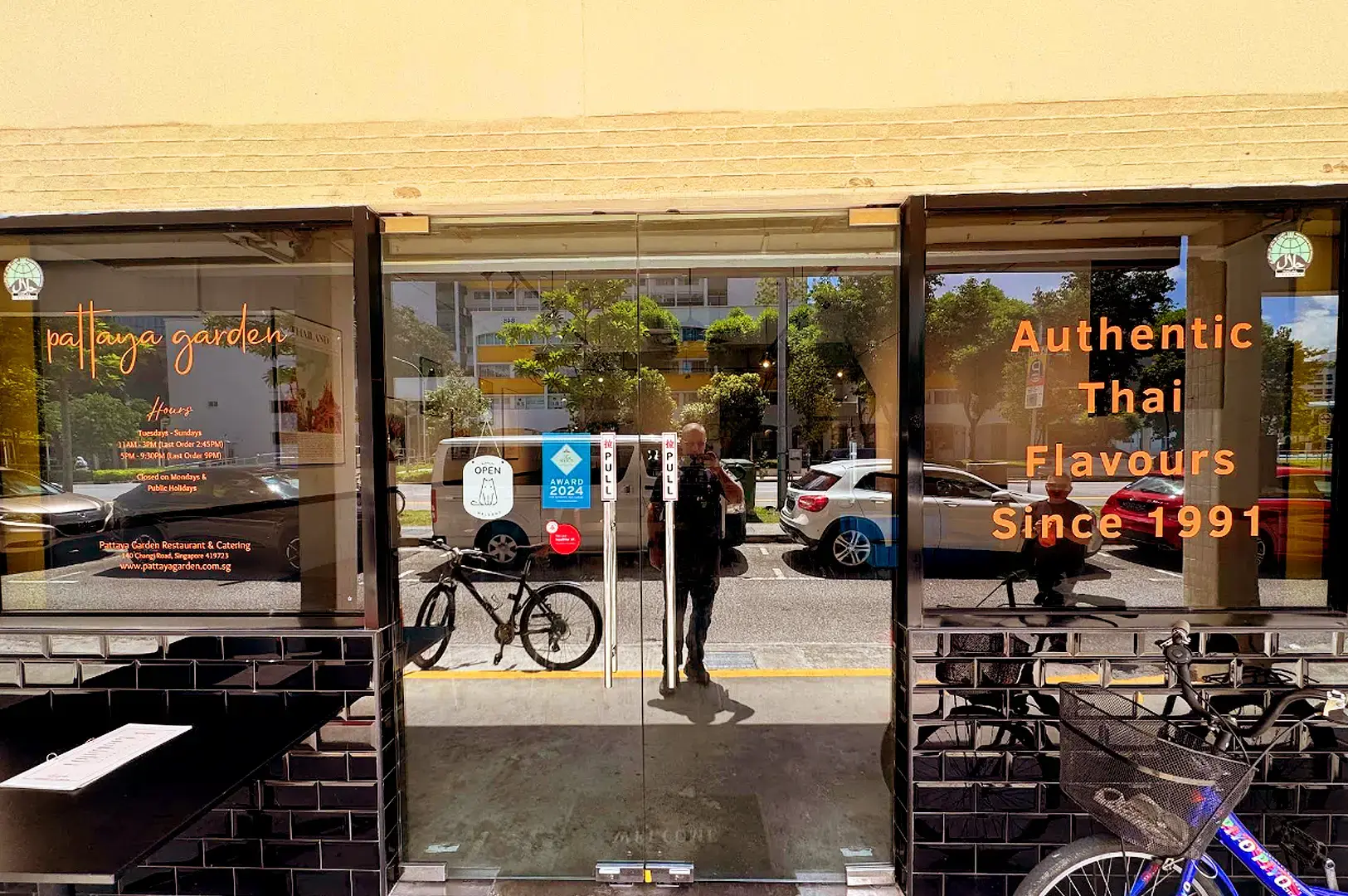
You’ll find Pattaya Garden Restaurant along a row of shophouses on Changi Road, a short walk from Eunos MRT, maybe five minutes if the lights are with you.
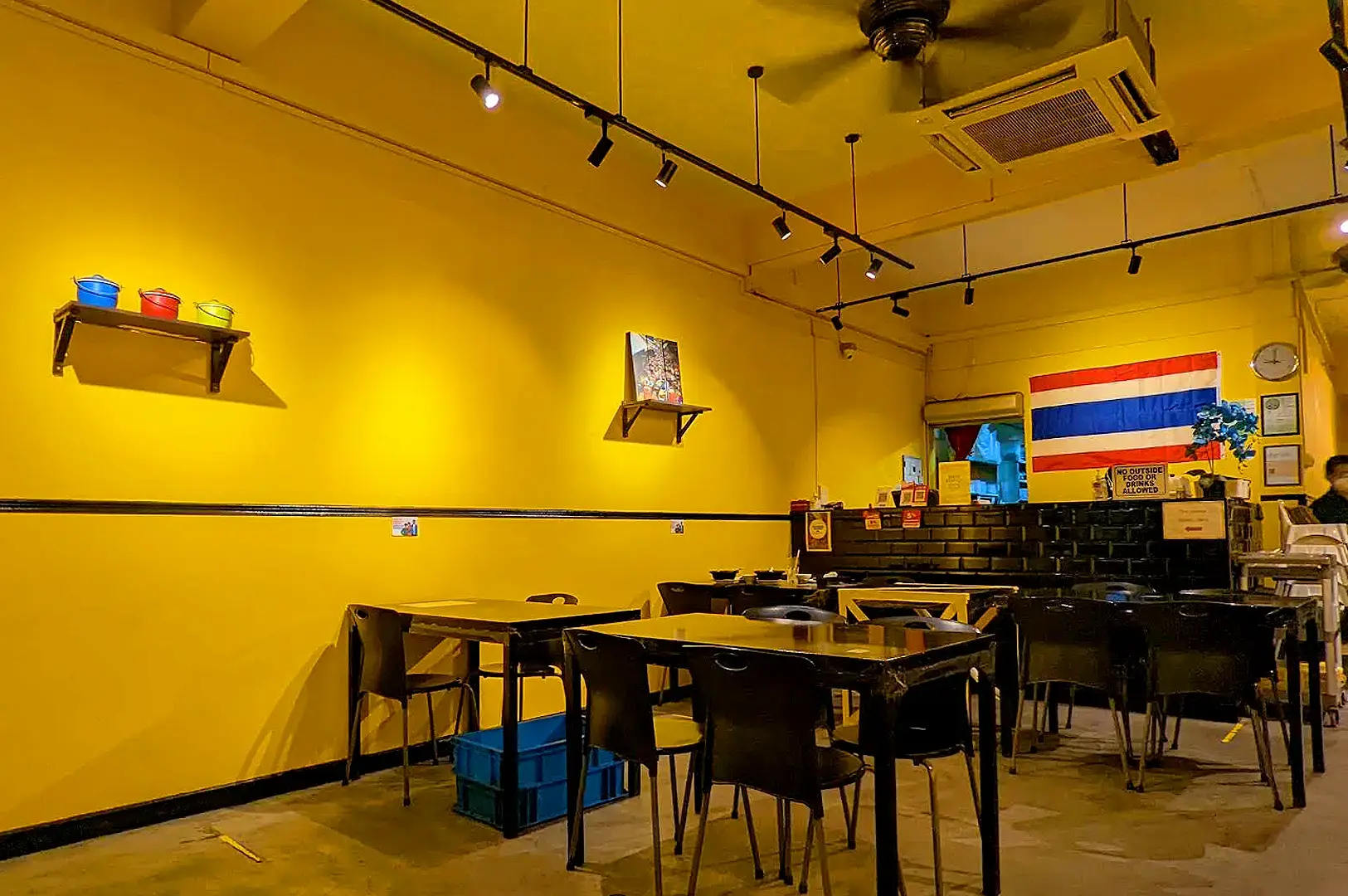
It doesn’t announce itself. There’s no styled interior, no soft lighting angled for the camera. Just a straightforward room that blends into the street around it, the kind of place you’d pass a hundred times without noticing unless someone told you to stop.
I came on a weekday, near the start of the evening service. The room was quiet then, filling slowly, a few families settling in around the larger tables. It didn’t feel like a destination. It felt like a neighbourhood garden restaurant that has been serving authentic Thai cuisine to the community for over thirty years since 1991.
That history sits quietly in the room. Nobody mentions it. The food does.
Reading the Menu Like a Group
The menu is broad. Soups, curries, whole fish, seafood, salads, vegetables, rice, noodles, a run of starters. Ordering for one, it might feel like too much to sift through. Ordering for a table, it starts to make sense.
The Logic of Ordering for Sharing
- Something fried to open
- A curry or soup to anchor the rice
- A fish for the middle of the table
- A plate of rice everyone shares
- Something cold to finish
There’s a logic to it once you stop looking for a single main and start building a meal. So that’s how we ordered. Not one dish each, but a spread meant to move around and cover different appetites. I noticed almost straight away that this wasn’t really a one-dish restaurant. It’s built for the back-and-forth of a group.
The Fried Opener: Thai Fish Cake
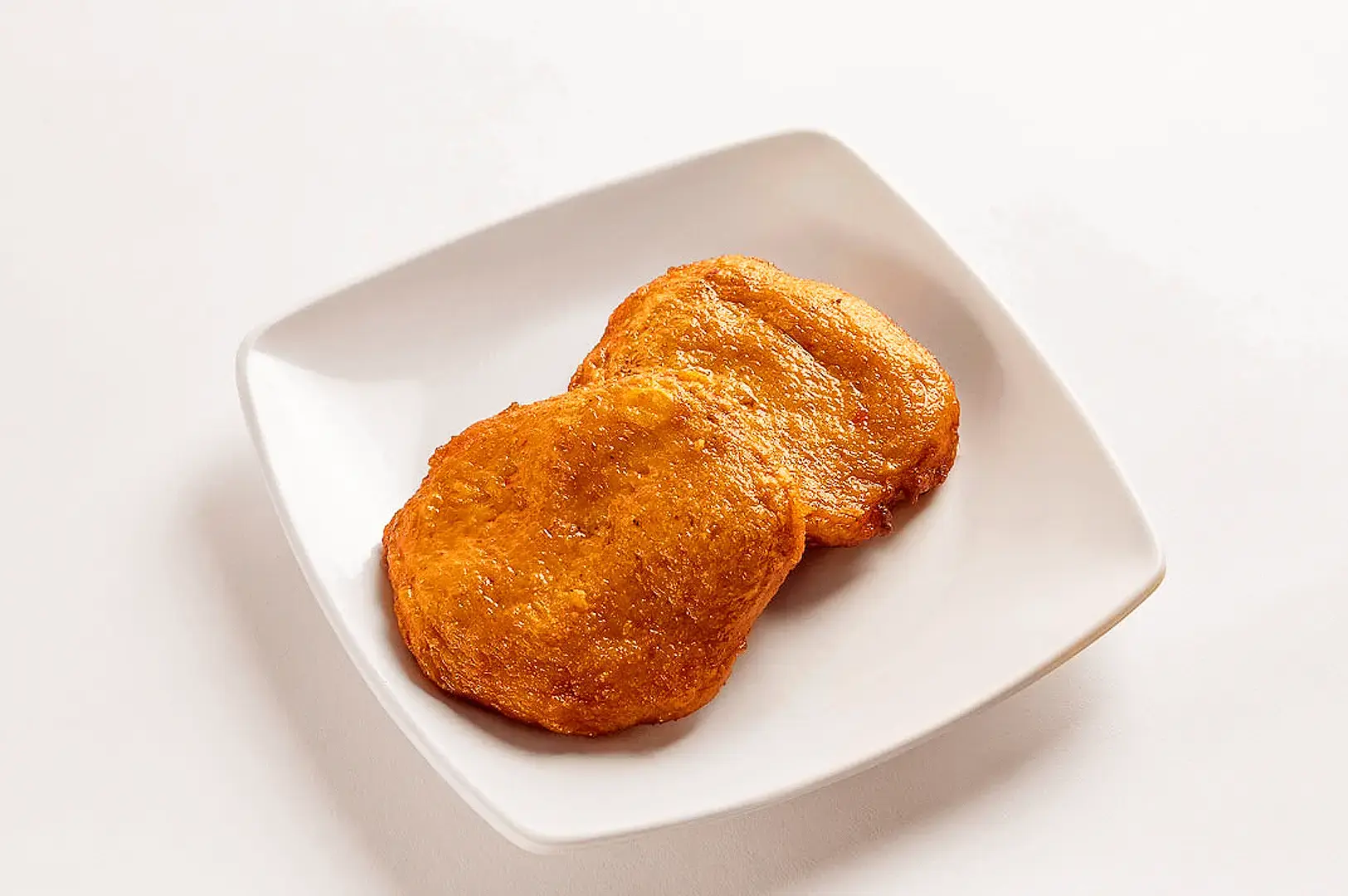
The Thai Fishcake (S$5.90 for two pieces) came first, and it disappeared fastest.
Thick, with a proper crunch at the fried edge and a springy give underneath, the fish paste holding its bounce. It came with sweet chilli on the side, and the two together did exactly what a starter should do. It woke the table up and gave everyone something to reach for while the rest of the order caught up.
It’s small. Two pieces vanish quickly across a few people. But that’s part of how this garden restaurant works. You order in layers, and the fishcake is the first layer, the one that tells you the kitchen understands crunch and heat and the pleasure of sharing something before the heavier dishes arrive.
The Centre of Gravity: Green Curry Chicken
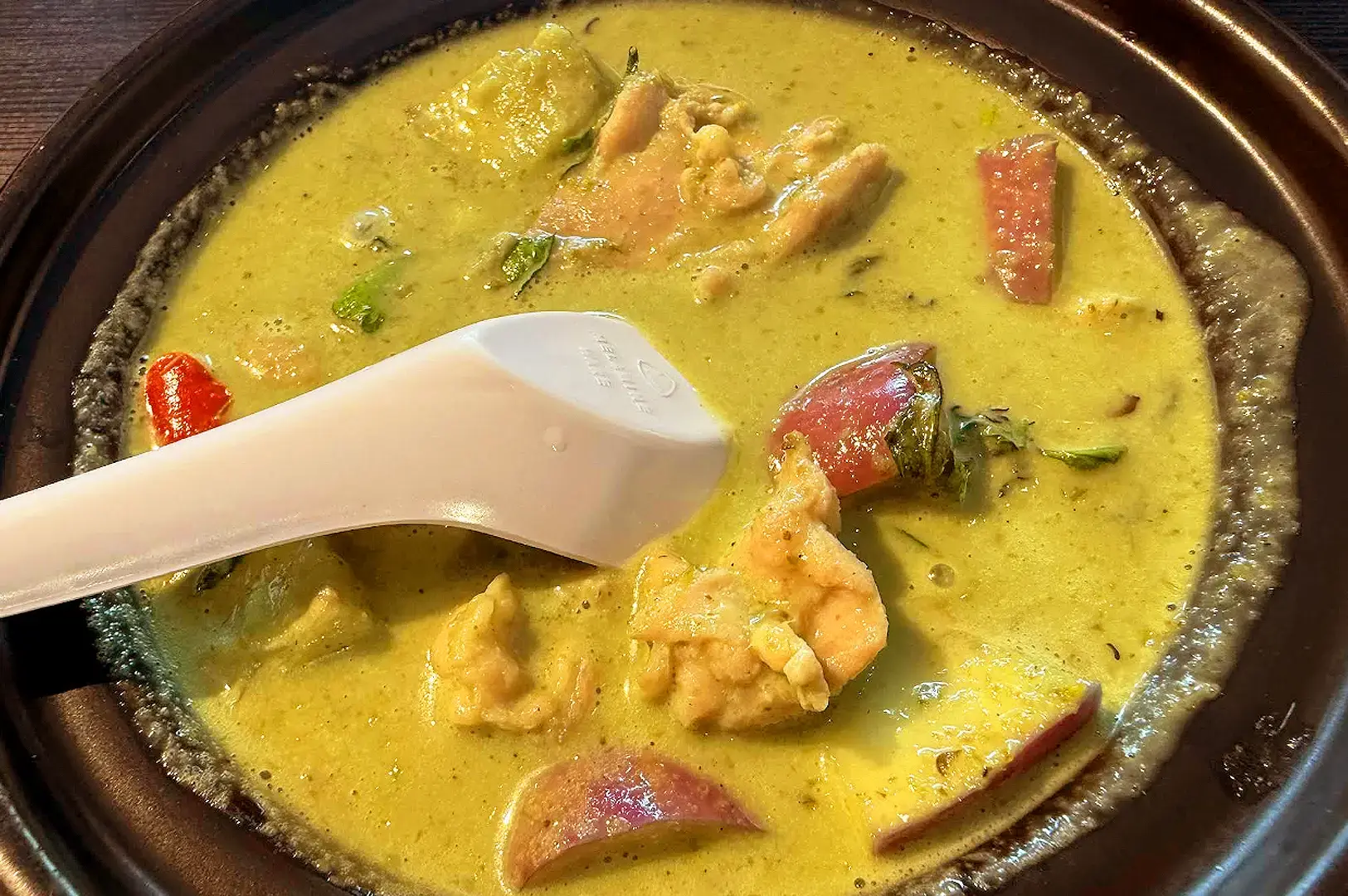
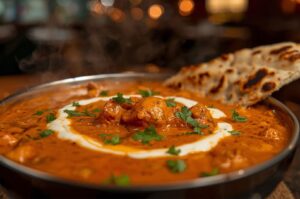
Then the Green Curry Chicken — Geang Gaew Wan Gai, S$9.90 — and this was the dish that held the table together.
Creamy and rich, the coconut milk creating a lush, velvety sanctuary, steam rising with the fragrant aroma of kaffir lime leaves and fresh herbs. This green curry chicken is not just a dish; it’s a warm embrace that pulls the plain jasmine rice into a harmonious union.
Everyone kept reaching for it. That’s the honest measure of a curry at a shared table. It became the thing we spooned over rice between the sharper, saltier dishes, the soft centre that the rest of the meal circled around. Rich enough to matter, gentle enough to keep going back to.
If I brought people here, this is the dish I’d order without asking anyone. It’s the one that quietly does the work.
The Fish Everyone Negotiates: Steamed Sea Bass
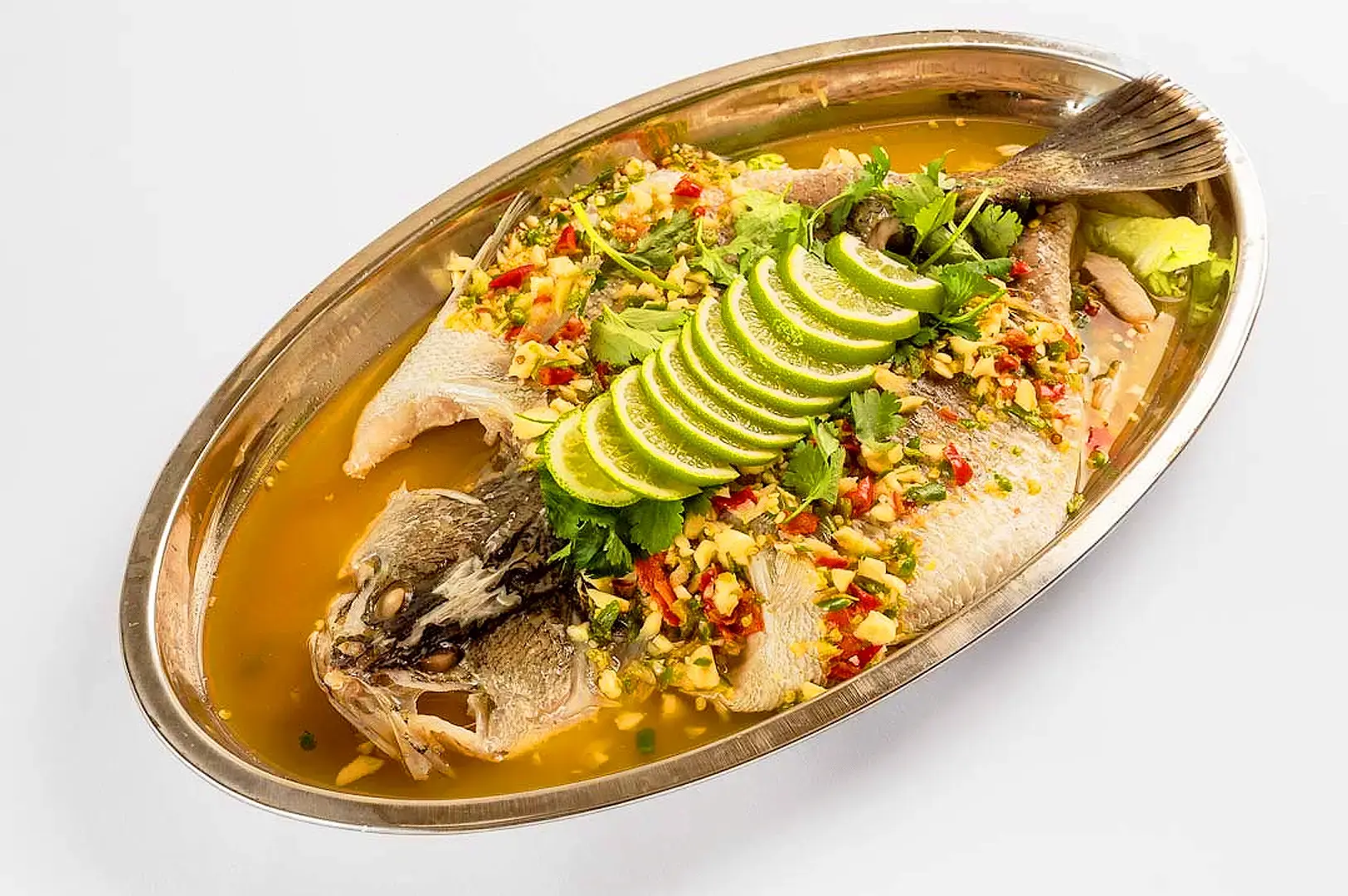
The Steamed Sea Bass with Lime, Garlic & Chilli — Pla Ka Phong Neung Manao, S$28.90 for the dine-in whole fish — is the dish that turns a meal into an event.
It arrives whole, sitting in a broth sharp with lime, flecked with garlic and chilli. The sourness cuts clean through the coconut richness of the curry, and the fish itself is sweet and soft, the flesh flaking off the bone under a spoon.
Why a Whole Fish Matters
- Forces the group to slow down and negotiate
- Who gets the cheek
- Who’s brave enough to work around the bones
- Spoons crossing, someone lifting a piece onto your rice without being asked
You can’t eat this one politely and separately. It belongs to the whole table, and it eats better for it.
The lime kept the meal from turning heavy. After a few spoonfuls of curry, that sharp sour hit was exactly what the tongue needed.
Filling In the Gaps
Around those three, the supporting plates did their quiet job.
Pineapple Fried Rice
The Pineapple Fried Rice (S$8.90) sat easily beside the curry and fish, an easy dish to pass around and a gentle break from the sharper flavours.
Tom Yum Talay Soup
The Tom Yum Talay (S$8.90) brought its own sour heat, steam rising, the kind of soup that wants to be shared rather than finished alone.
The meal doesn’t lean on noodles, but the way the rice, soup, and curry keep changing roles reminded me why a proper Pad Thai recipe is really about balance, not just stir-frying.
Olive Fried Rice with Chicken Floss
One surprising highlight was the Olive Fried Rice with Chicken Floss (S$10.60), where the delicate, fluffy chicken floss added a sweet, savory texture that lifted the rice beyond the ordinary.
None of these are the reason you come. But that’s not their role. In a group meal, the supporting dishes are the connective tissue, the plates that give everyone somewhere else to go when they’ve had enough of the fish or want to cool down from the tom yum.
To finish, the Red Ruby. Cold, the coconut milk refreshing against all the heat that came before, and worth noting, not too sweet. A quiet ending that cooled the table down after everything sharp and rich.
How the Meal Held Together
Looking back at the emptying plates, what struck me was how well the meal worked as a whole.
It wasn’t spectacle. No single dish demanded to be photographed, no plating meant to impress. But the spread held together with real thought.
The Balance of Flavours
- Fried, creamy, sour, sweet — each dish had a job
- The curry softened the salt
- The lime cut the richness
- The rice caught everything
If halal dining is part of how you plan meals around Singapore, this sits in the same practical decision-making space as finding a halal restaurant.
That’s the thing this restaurant understands. It doesn’t perform Thai food. It feeds a table until the table starts behaving like a group, until people are trading bites and arguing gently over the last piece of fish.
I’ll be honest about what it isn’t. If you want sleek design or ceremonial service, this isn’t it. The service is practical — food arrives, plates are cleared, nobody makes a fuss over you. The menu is broad enough that ordering can stall if nobody at the table takes charge. And a solo diner, honestly, wouldn’t see this place at its best. One person can’t spread across a curry, a whole fish, and a shared rice. The restaurant only really opens up when there are a few of you.
Need to Know
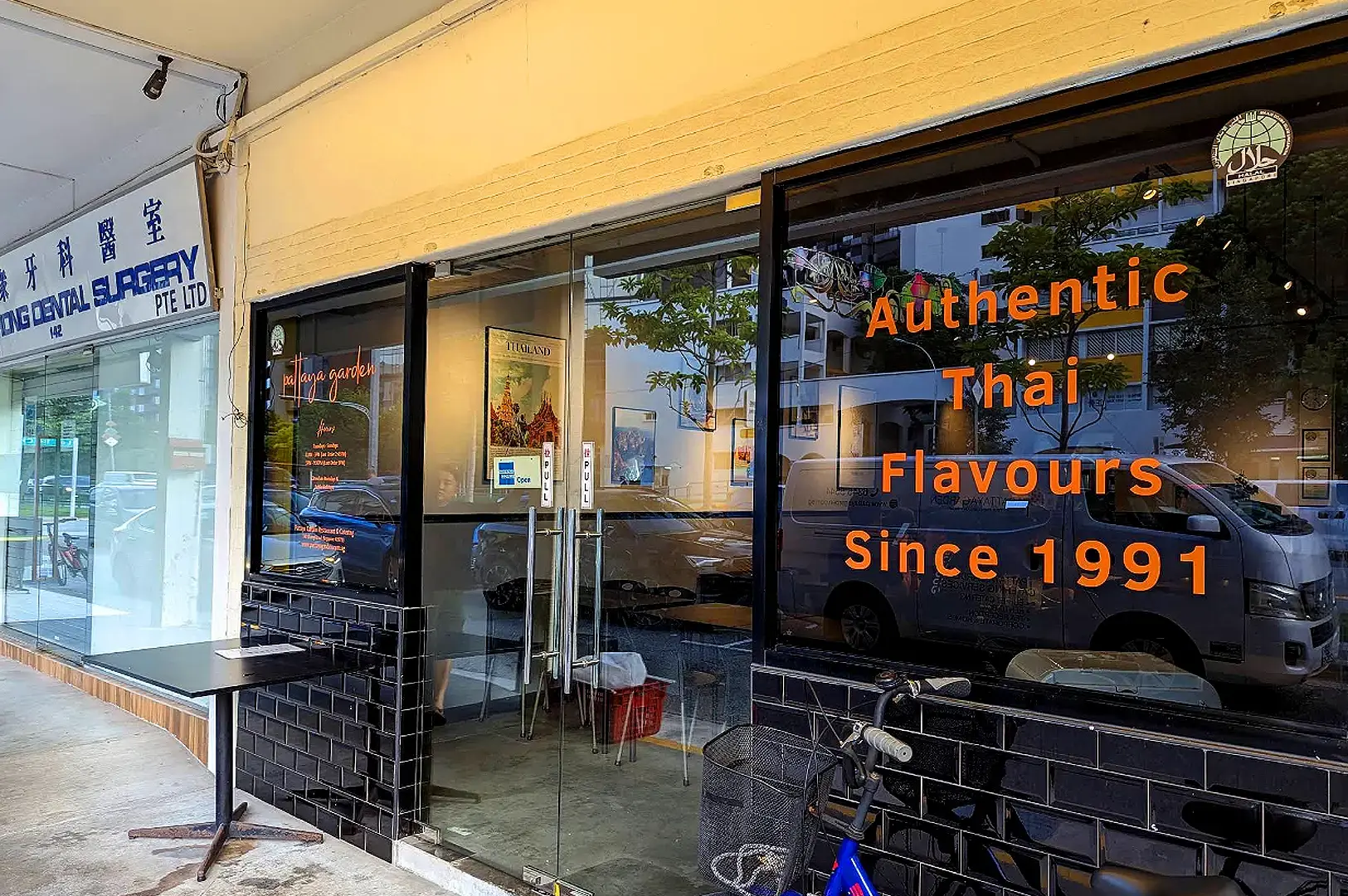
A few things worth knowing before you visit Pattaya Garden Restaurant.
- Location: 140 Changi Road Singapore 419723, easily accessible in Singapore’s vibrant East Coast area.
- Opening hours: Tuesday to Sunday, 11am to 3pm and 5pm to 9:30pm; closed on Mondays and public holidays.
- Halal-certified: The kitchen is MUIS halal-certified, serving authentic Thai cuisine that respects dietary laws.
- Reservations: Recommended if you plan to come with a group.
- Pricing: Expect around S$15 to S$30 per person for a proper shared spread — a curry, a fish, rice, a starter, dessert. Note that delivery prices tend to be higher than dine-in.
- Transportation: Parking is available nearby on Sims Avenue, but the MRT is the easier way in.
For the latest menu updates and to check availability, you can visit their official website or look for Pattaya Garden Restaurant on popular review platforms.
Enjoy your meal at this unpretentious gem on Changi Road, where the focus remains on authentic Thai food that brings people together.
The Table After
By the end, the fish was down to its bones, the curry bowl scraped, the rice bowl catching the last spoonful of that green, coconut-rich sauce.
That last spoonful is the whole point, really. Rice soaking up what’s left of the curry, the table quiet now that everyone’s full, plates pushed toward the middle where they’d started.
I’d come back here. Not alone — this isn’t a place for a solo bowl. But with a few people, hungry and willing to share, it does exactly what it sets out to do. It feeds the table. And somewhere between the fishcake and the red ruby, the meal finds its rhythm, and so does the group.

Thailand Food Pad Thai: Thailand’s Iconic Stir-Fried Noodle Dish
Eda Wong | December 27, 2025
Few dishes capture the essence of Thailand food culture like authentic Pad Thai. This beloved stir fried noodle dish is more than a meal-it’s a symbol of Thai identity, a perfect balance of sweet, savoury, and sour flavors, and a window into the soul of Thai cuisine. Whether you want to eat Pad Thai from…
-
Why Fish Curry is a Special Indian Cuisine
Dio Asahi | December 25, 2025
Along India’s vast and vibrant coastline, stretching over 7,500 kilometers, the sea offers its generous bounty to a cuisine renowned for its regional variations. Nowhere is the diversity of the Indian subcontinent more deliciously expressed than in a humble bowl of fish curry. Through this article, we’ll journey across India’s coasts and kitchens, exploring the…
-
Tikka Masala: The Story Behind One of the Most Iconic Dishes in India’s Food Cuisine
Eat Drink Asia Team | December 23, 2025
Ask anyone to name a famous Indian dish, and chances are “Tikka Masala” will be one of the first things they say. This creamy, vibrant, and aromatic curry has become a global symbol for the food cuisine in India, celebrated from street food stalls in Delhi to upscale Indian restaurants around the world. Its rich…
-
Cuisines in India: A Journey Through the Diverse Regional Food Traditions of the Subcontinent
Dio Asahi | December 20, 2025
Indian cuisine is celebrated for its spectacular diversity, bursting with flavors, regional traditions, and culinary innovations. From the spice-laden gravies of Northern Indian cuisine and tandoor-fresh breads, to coconut-laced Southern Indian cuisine, fragrant rice dishes in the East, and the robust, spicy curries and street food of the West, the foods of India reflect not…
-
Green Tea with Milk: A Tale of Two Teas from Taiwan and Thailand
Eda Wong | December 18, 2025
The simple combination of green tea with milk has sparked a culinary phenomenon across Asia, creating a diverse family of beverages that are both comforting and refreshing. While many countries have embraced this pairing, two nations stand out for their iconic and wildly different interpretations: Taiwan and Thailand. Each has cultivated a unique culture around…
-
The Emerald Journey: Exploring Asia’s Green Milk Tea Culture
Eat Drink Asia Team | December 16, 2025
A vibrant, emerald-hued wave is sweeping across Asia, delighting taste buds and defining modern café culture. From street-side stalls in Bangkok to chic tea houses in Taipei, green milk tea—sometimes simply called green tea with milk—has blossomed from a simple concept into a beloved, refreshing drink with countless regional interpretations and profound cultural significance. Whether…
-
Thai Green Milk Tea: The Complete Guide to Thailand’s Refreshing Emerald Delight
Eda Wong | December 13, 2025
Picture a tall glass filled with crushed ice, its emerald-green contents swirled with ribbons of creamy white milk—this is thai green milk tea, one of Southeast Asia’s most visually striking and refreshing drinks. Known locally as cha khiao nom yen, this popular drink has captured hearts across Asia and beyond with its distinctive pale green…

Best Thai Singapore: Discover the Art of Authentic Pad Thai
Dio Asahi | December 11, 2025
In Singapore, a city that celebrates a universe of flavors, the magnetic pull of Thai cuisine is undeniable. From bustling food courts to elegant dining rooms, the kingdom’s culinary ambassadors have firmly planted their flag. When considering the best Thai food, it’s impossible to overlook how integral Pad Thai is to the local Thai food…
-
Thai Cuisine in Singapore: Finding the Best Authentic Flavors
Eat Drink Asia Team | December 9, 2025
The unmistakable aroma of lemongrass, galangal, and fiery spices mingles with the bustling night air in Singapore, setting the stage for a dining experience that wakes the soul and tantalizes the senses. Thai cuisine in Singapore has become an essential part of the city’s culinary landscape, offering a complete blend of vibrant flavor, tangy notes,…
-
The Ultimate Guide to Thai Food: Flavors, Traditions, and Culinary Adventures
Dio Asahi | December 6, 2025
Thai cuisine is one of the world’s most beloved and complex culinary traditions, captivating food enthusiasts globally with its masterful balance of flavors and vibrant presentations. From bustling Bangkok street stalls to high-end international restaurants, Thai food has become a global phenomenon that evolves while maintaining its authentic roots. What sets Thai cuisine apart from…