The rice came down first.
A plain bowl, warm and steaming, set in the middle of the table before anything else. Then the green curry, in a bowl wide enough for four spoons to reach at once. And within a minute the table stopped being a set of individual meals and became one shared thing, plates sliding, hands reaching, someone asking if there was enough fish to go around.
That’s when I understood Pattaya Garden Restaurant. Not from the menu, not from the first bite, but from the shape of the table once the food landed. This is a place that thinks in tables, not in plates.
A Shophouse That Isn’t Trying
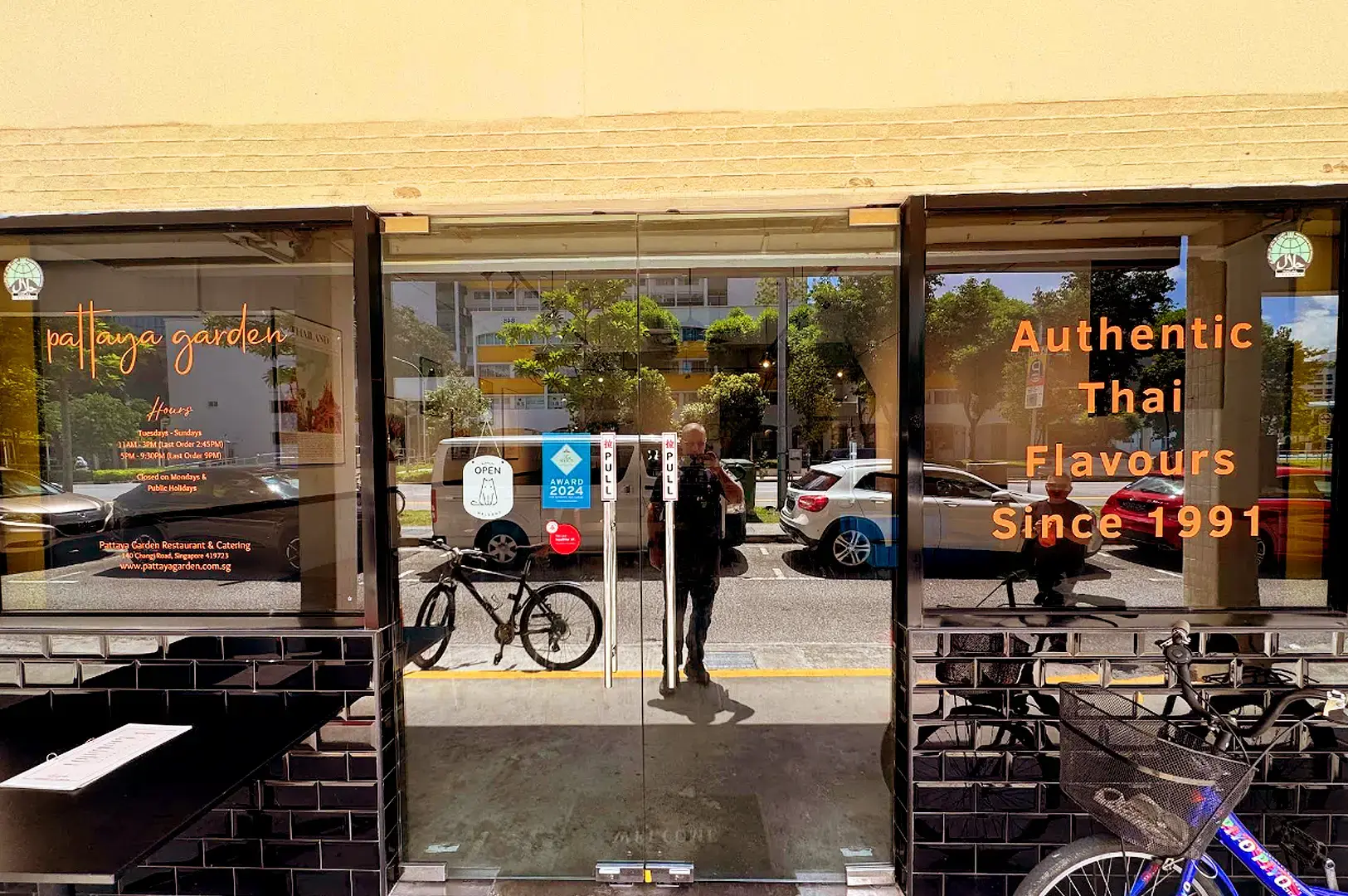
You’ll find Pattaya Garden Restaurant along a row of shophouses on Changi Road, a short walk from Eunos MRT, maybe five minutes if the lights are with you.
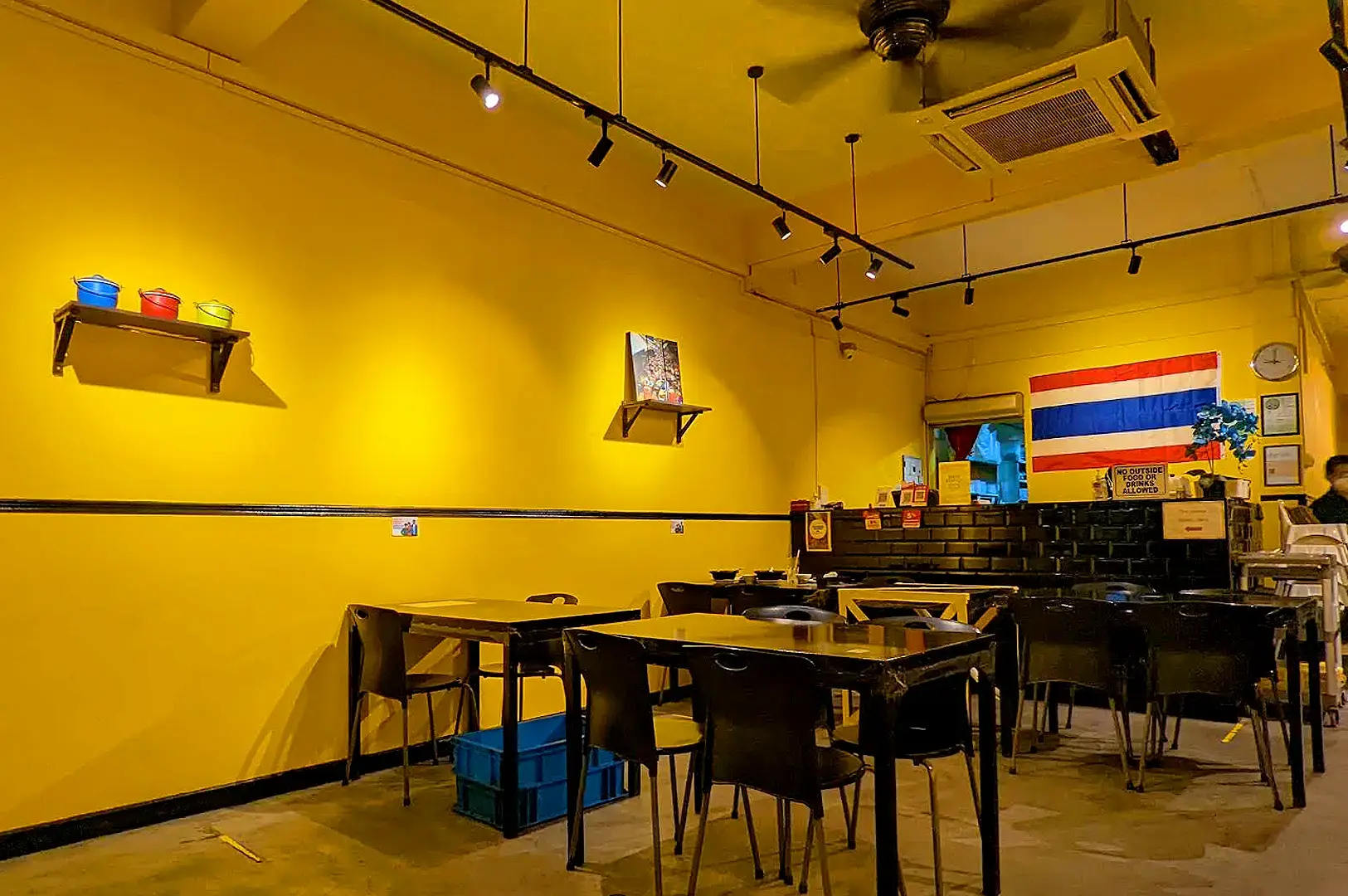
It doesn’t announce itself. There’s no styled interior, no soft lighting angled for the camera. Just a straightforward room that blends into the street around it, the kind of place you’d pass a hundred times without noticing unless someone told you to stop.
I came on a weekday, near the start of the evening service. The room was quiet then, filling slowly, a few families settling in around the larger tables. It didn’t feel like a destination. It felt like a neighbourhood garden restaurant that has been serving authentic Thai cuisine to the community for over thirty years since 1991.
That history sits quietly in the room. Nobody mentions it. The food does.
Reading the Menu Like a Group
The menu is broad. Soups, curries, whole fish, seafood, salads, vegetables, rice, noodles, a run of starters. Ordering for one, it might feel like too much to sift through. Ordering for a table, it starts to make sense.
The Logic of Ordering for Sharing
- Something fried to open
- A curry or soup to anchor the rice
- A fish for the middle of the table
- A plate of rice everyone shares
- Something cold to finish
There’s a logic to it once you stop looking for a single main and start building a meal. So that’s how we ordered. Not one dish each, but a spread meant to move around and cover different appetites. I noticed almost straight away that this wasn’t really a one-dish restaurant. It’s built for the back-and-forth of a group.
The Fried Opener: Thai Fish Cake
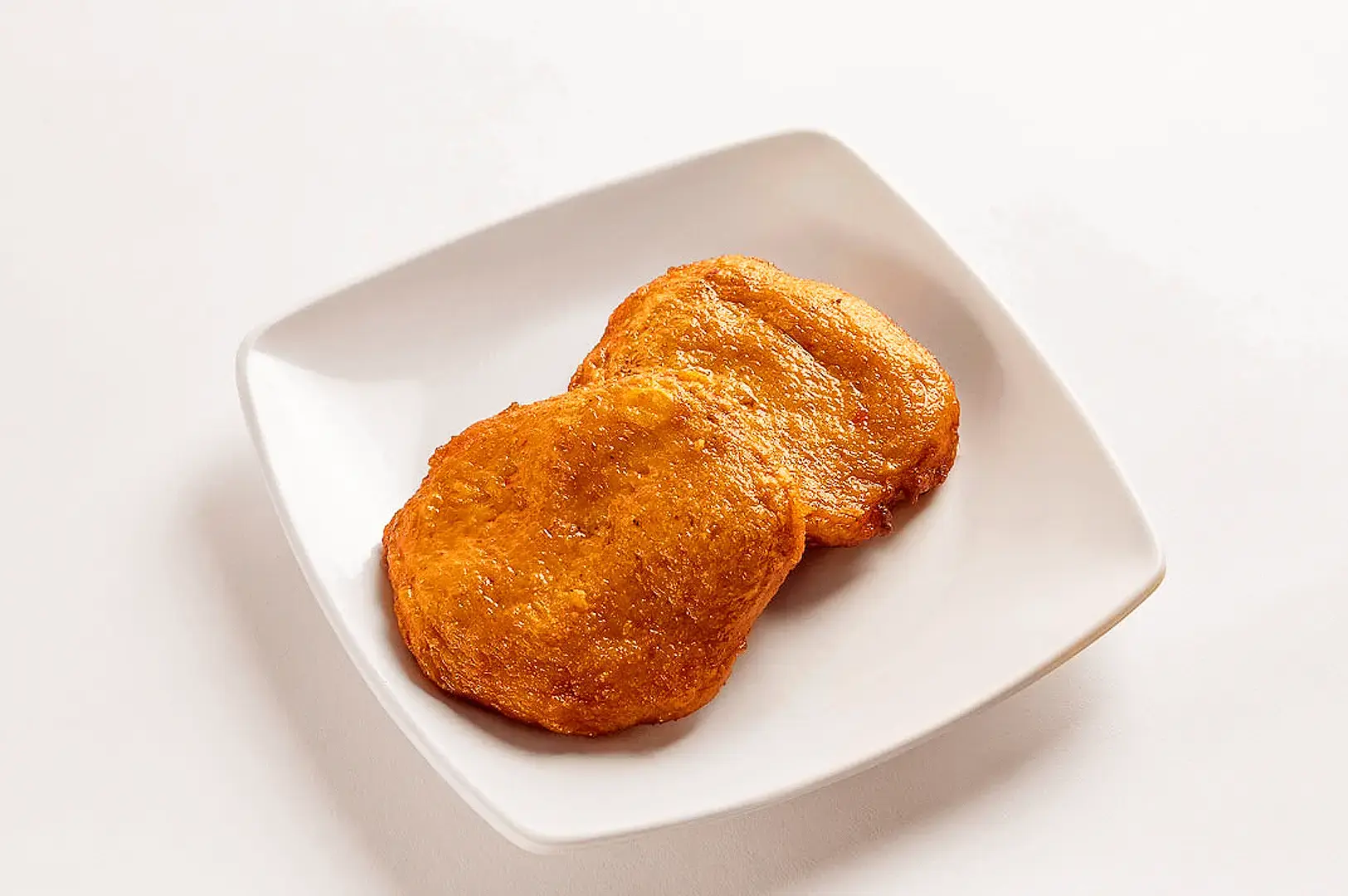
The Thai Fishcake (S$5.90 for two pieces) came first, and it disappeared fastest.
Thick, with a proper crunch at the fried edge and a springy give underneath, the fish paste holding its bounce. It came with sweet chilli on the side, and the two together did exactly what a starter should do. It woke the table up and gave everyone something to reach for while the rest of the order caught up.
It’s small. Two pieces vanish quickly across a few people. But that’s part of how this garden restaurant works. You order in layers, and the fishcake is the first layer, the one that tells you the kitchen understands crunch and heat and the pleasure of sharing something before the heavier dishes arrive.
The Centre of Gravity: Green Curry Chicken
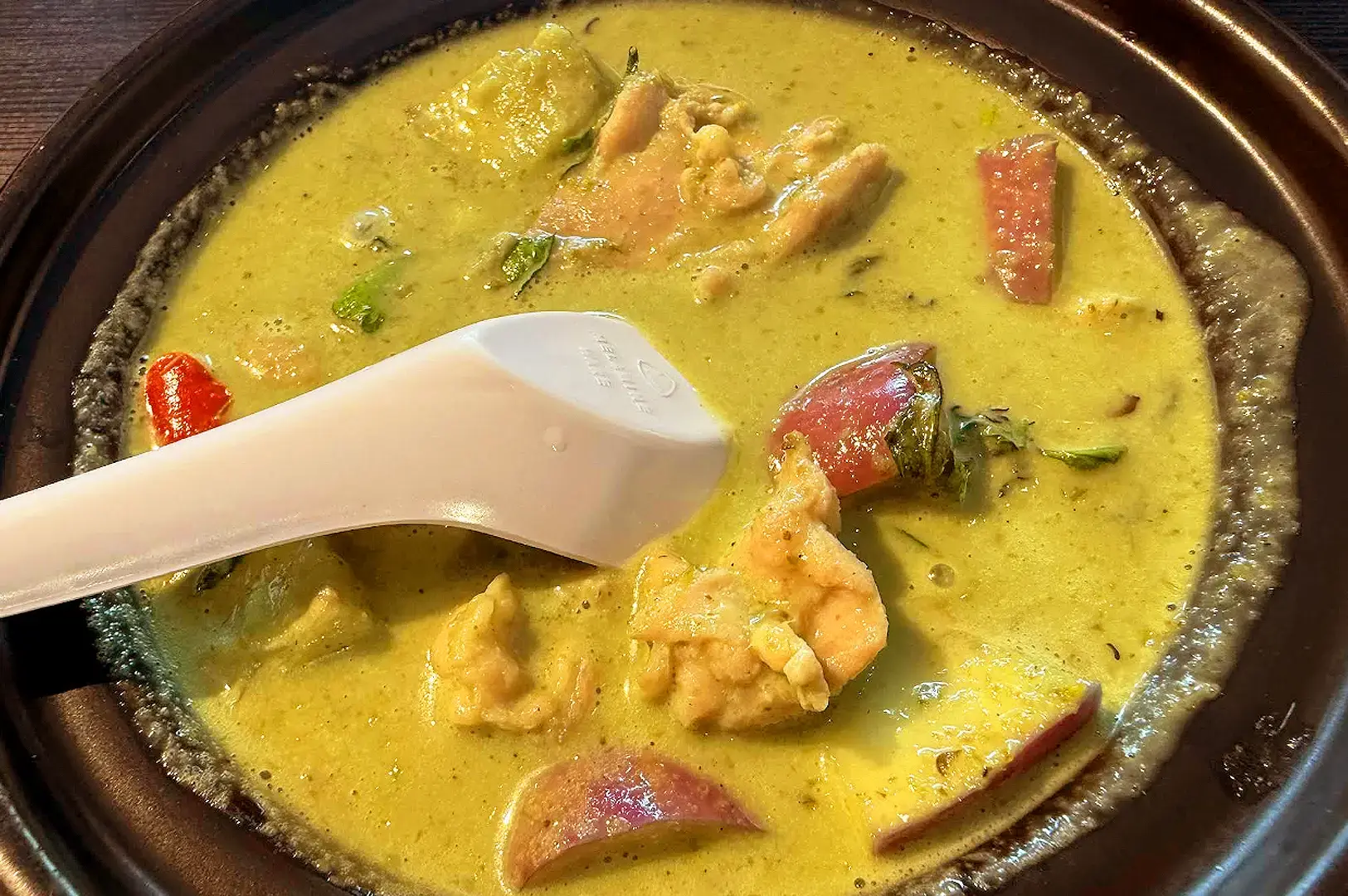
Then the Green Curry Chicken — Geang Gaew Wan Gai, S$9.90 — and this was the dish that held the table together.
Creamy and rich, the coconut milk creating a lush, velvety sanctuary, steam rising with the fragrant aroma of kaffir lime leaves and fresh herbs. This green curry chicken is not just a dish; it’s a warm embrace that pulls the plain jasmine rice into a harmonious union.
Everyone kept reaching for it. That’s the honest measure of a curry at a shared table. It became the thing we spooned over rice between the sharper, saltier dishes, the soft centre that the rest of the meal circled around. Rich enough to matter, gentle enough to keep going back to.
If I brought people here, this is the dish I’d order without asking anyone. It’s the one that quietly does the work.
The Fish Everyone Negotiates: Steamed Sea Bass
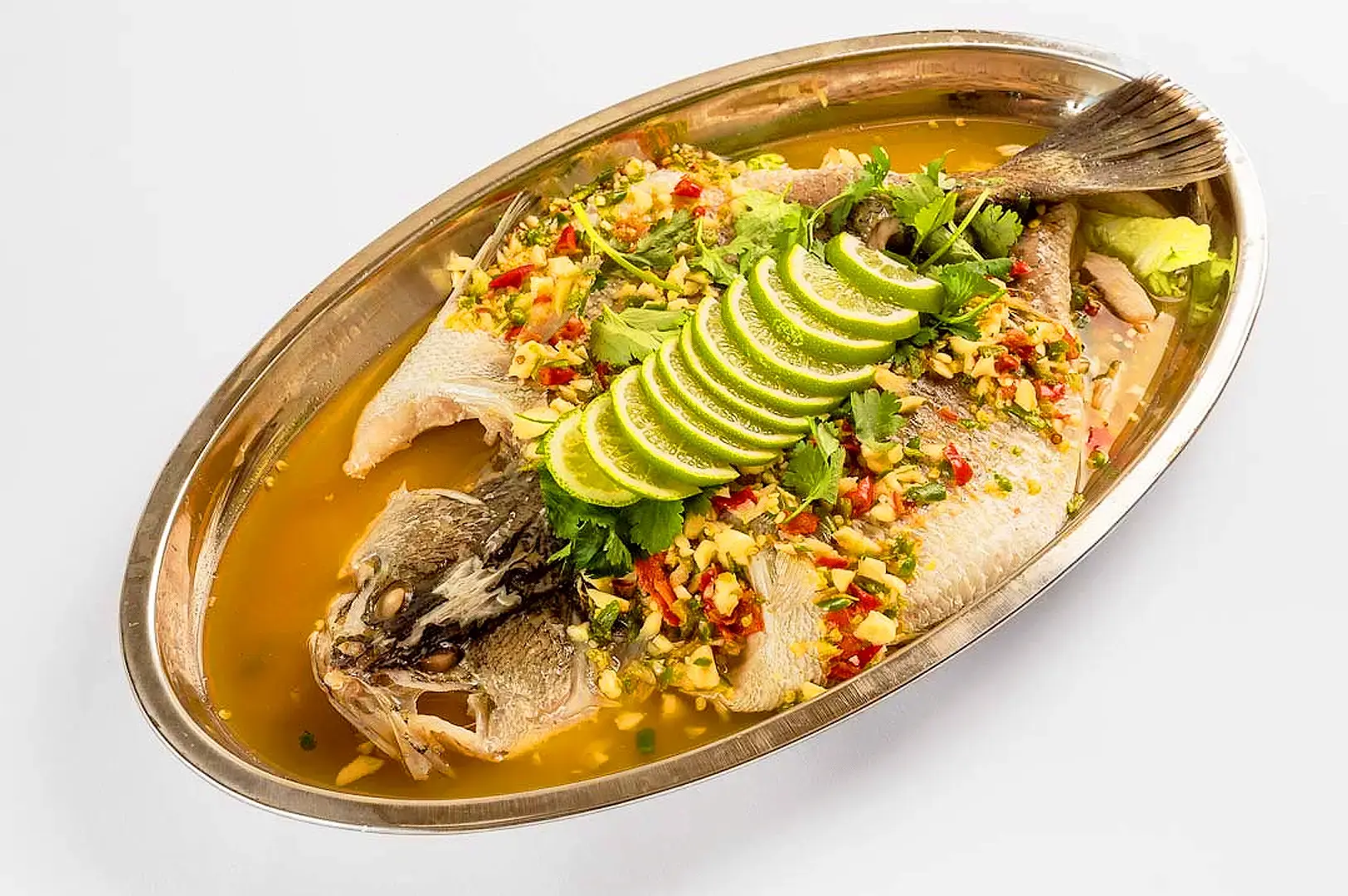
The Steamed Sea Bass with Lime, Garlic & Chilli — Pla Ka Phong Neung Manao, S$28.90 for the dine-in whole fish — is the dish that turns a meal into an event.
It arrives whole, sitting in a broth sharp with lime, flecked with garlic and chilli. The sourness cuts clean through the coconut richness of the curry, and the fish itself is sweet and soft, the flesh flaking off the bone under a spoon.
Why a Whole Fish Matters
- Forces the group to slow down and negotiate
- Who gets the cheek
- Who’s brave enough to work around the bones
- Spoons crossing, someone lifting a piece onto your rice without being asked
You can’t eat this one politely and separately. It belongs to the whole table, and it eats better for it.
The lime kept the meal from turning heavy. After a few spoonfuls of curry, that sharp sour hit was exactly what the tongue needed.
Filling In the Gaps
Around those three, the supporting plates did their quiet job.
Pineapple Fried Rice
The Pineapple Fried Rice (S$8.90) sat easily beside the curry and fish, an easy dish to pass around and a gentle break from the sharper flavours.
Tom Yum Talay Soup
The Tom Yum Talay (S$8.90) brought its own sour heat, steam rising, the kind of soup that wants to be shared rather than finished alone.
The meal doesn’t lean on noodles, but the way the rice, soup, and curry keep changing roles reminded me why a proper Pad Thai recipe is really about balance, not just stir-frying.
Olive Fried Rice with Chicken Floss
One surprising highlight was the Olive Fried Rice with Chicken Floss (S$10.60), where the delicate, fluffy chicken floss added a sweet, savory texture that lifted the rice beyond the ordinary.
None of these are the reason you come. But that’s not their role. In a group meal, the supporting dishes are the connective tissue, the plates that give everyone somewhere else to go when they’ve had enough of the fish or want to cool down from the tom yum.
To finish, the Red Ruby. Cold, the coconut milk refreshing against all the heat that came before, and worth noting, not too sweet. A quiet ending that cooled the table down after everything sharp and rich.
How the Meal Held Together
Looking back at the emptying plates, what struck me was how well the meal worked as a whole.
It wasn’t spectacle. No single dish demanded to be photographed, no plating meant to impress. But the spread held together with real thought.
The Balance of Flavours
- Fried, creamy, sour, sweet — each dish had a job
- The curry softened the salt
- The lime cut the richness
- The rice caught everything
If halal dining is part of how you plan meals around Singapore, this sits in the same practical decision-making space as finding a halal restaurant.
That’s the thing this restaurant understands. It doesn’t perform Thai food. It feeds a table until the table starts behaving like a group, until people are trading bites and arguing gently over the last piece of fish.
I’ll be honest about what it isn’t. If you want sleek design or ceremonial service, this isn’t it. The service is practical — food arrives, plates are cleared, nobody makes a fuss over you. The menu is broad enough that ordering can stall if nobody at the table takes charge. And a solo diner, honestly, wouldn’t see this place at its best. One person can’t spread across a curry, a whole fish, and a shared rice. The restaurant only really opens up when there are a few of you.
Need to Know
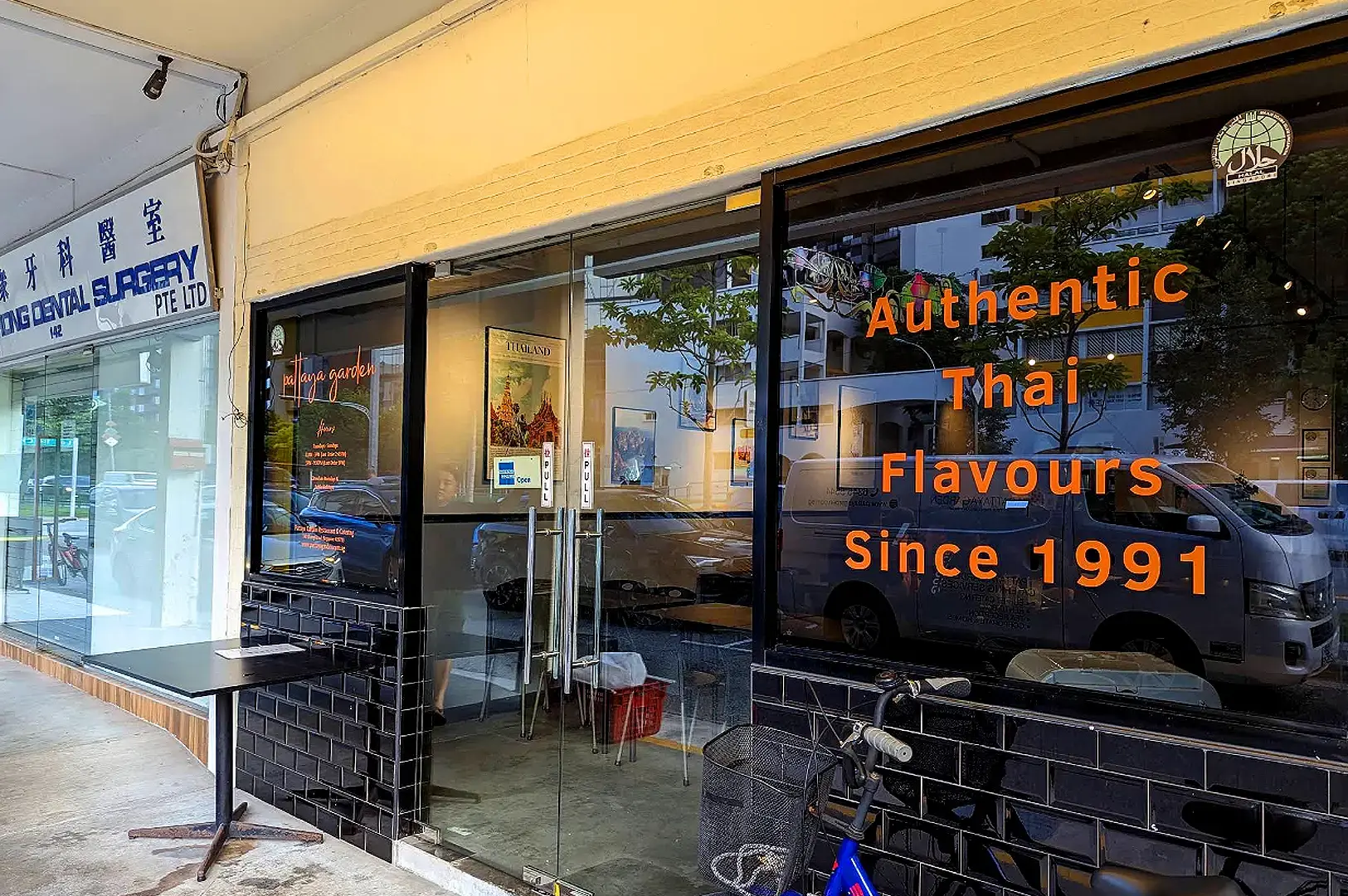
A few things worth knowing before you visit Pattaya Garden Restaurant.
- Location: 140 Changi Road Singapore 419723, easily accessible in Singapore’s vibrant East Coast area.
- Opening hours: Tuesday to Sunday, 11am to 3pm and 5pm to 9:30pm; closed on Mondays and public holidays.
- Halal-certified: The kitchen is MUIS halal-certified, serving authentic Thai cuisine that respects dietary laws.
- Reservations: Recommended if you plan to come with a group.
- Pricing: Expect around S$15 to S$30 per person for a proper shared spread — a curry, a fish, rice, a starter, dessert. Note that delivery prices tend to be higher than dine-in.
- Transportation: Parking is available nearby on Sims Avenue, but the MRT is the easier way in.
For the latest menu updates and to check availability, you can visit their official website or look for Pattaya Garden Restaurant on popular review platforms.
Enjoy your meal at this unpretentious gem on Changi Road, where the focus remains on authentic Thai food that brings people together.
The Table After
By the end, the fish was down to its bones, the curry bowl scraped, the rice bowl catching the last spoonful of that green, coconut-rich sauce.
That last spoonful is the whole point, really. Rice soaking up what’s left of the curry, the table quiet now that everyone’s full, plates pushed toward the middle where they’d started.
I’d come back here. Not alone — this isn’t a place for a solo bowl. But with a few people, hungry and willing to share, it does exactly what it sets out to do. It feeds the table. And somewhere between the fishcake and the red ruby, the meal finds its rhythm, and so does the group.

The Heart of the Korean Noodles: History and Texture
Eda Wong | January 17, 2026
In Korea, a bowl of noodles is far more than a simple dish; it is a cultural anchor that has weathered centuries of change. For generations, the length of the strand has symbolized a long and prosperous life, making Korean noodles a staple at birthdays, weddings, and the milestone 60th birthday celebration known as hwangap….
-
Preserving the ‘Big Bowl’ Tradition with Pen Cai Delivery in the Age of Doorstep Dining
Eat Drink Asia Team | January 15, 2026
Modern Festive Menu: Bringing the Big Bowl Home There is a special, undeniable magic to the Chinese New Year reunion dinner. For many families, Chinese New Year 2026 is another chance to gather loved ones at the table and celebrate with a glorious pen cai—sometimes called the “big bowl feast”—overflowing with premium ingredients and festive…
-
Sencha: Traditions, Flavors, and the Essence of Japanese Tea
Eat Drink Asia Team | January 15, 2026
When people around the world think of Japanese tea, images of tranquil tea ceremonies in small rooms or frothy bowls of matcha often come to mind. Yet, the reality of tea drinking in Japan is much broader, woven deeply into the culture and daily habits. For the vast majority, sencha is the beloved tea that…
-
The Best Restaurants Tokyo Are Rarely the Ones You Plan For
Eda Wong | January 12, 2026
Tokyo, Japan’s capital, does not reward urgency. It rewards return. On my first visit, I chased what everyone told me were the best restaurants Tokyo had to offer. I spent weeks highlighting maps, bookmarking digital “must-eat” lists, and refreshing reservation pages until my eyes blurred. I thought that by conquering the top-tier establishments, I would…
-
Japan and Food: Culinary Harmony – The Deep Connection Between Japanese Food and Culture
Eat Drink Asia Team | January 11, 2026
When it comes to Japan and food, the two are intertwined in ways that captivate taste buds and awaken the senses. Japanese cuisine stands as one of the world’s most revered traditions—more than nourishing meals, it is an art reflecting centuries of philosophy and a window into Japanese culture itself. Every bowl of miso soup,…
-
The Verdant Cup: A Celebration of Green Tea in Japan
Eda Wong | January 10, 2026
In Japan, green tea is much more than a beverage. It marks a moment of pause, hospitality, and tradition. The story of green tea in Japan weaves through centuries of culture, artistry, and daily life—bridging ancient rituals like the Japanese tea ceremony to everyday meals enjoyed at home. The origins and beginning of Japanese tea…
-
Japanese Green Tea from Japan: The Story of Matcha
Dio Asahi | January 8, 2026
On a misty April morning in Kyoto, I knelt on tatami in a small tea room outside Uji, Japan. The host, dressed in kimono, moved with quiet skill as she scooped matcha powder into a ceramic bowl. The air was filled with the aroma of aged wood mixed with the grassy scent of high quality…
-
Takoyaki: The Sizzling Heart of Japan Food Culture
Dio Asahi | January 3, 2026
What is Takoyaki and Why Does it Matter in Japanese Food Culture? In the bright heart of Osaka, the sizzle of takoyaki batter signals one of Japan food culture’s most beloved street foods. Lines form at street stalls drawn by the delicious food aromas of sweet-savory sauce and bonito flakes dancing on golden spheres. Takoyaki,…
-
Everything You Need for a Flawless Bubble Tea Cake
Eda Wong | January 1, 2026
The global bubble tea phenomenon has evolved beyond drinks into the world of baking, creating one of the most exciting dessert trends of recent years. Bubble tea cake combines the beloved flavors of milk tea with the satisfying chew of boba pearls, all wrapped up in an adorable bubble tea cake that’s perfect for any…
-
Pad Thai Dish: Everything You Need to Know About the Rice Noodles That Make It Authentic
Eat Drink Asia Team | December 30, 2025
Pad Thai is more than just a staple of Thai Food; it’s a Global Phenomenon. From bustling street carts in Bangkok to high-end Thai Restaurants in New York, this iconic Pad Thai Dish has captured the hearts and palates of food lovers everywhere. The best Pad Thai rivals what you would find in a typical…