The first thing I heard was the wok.
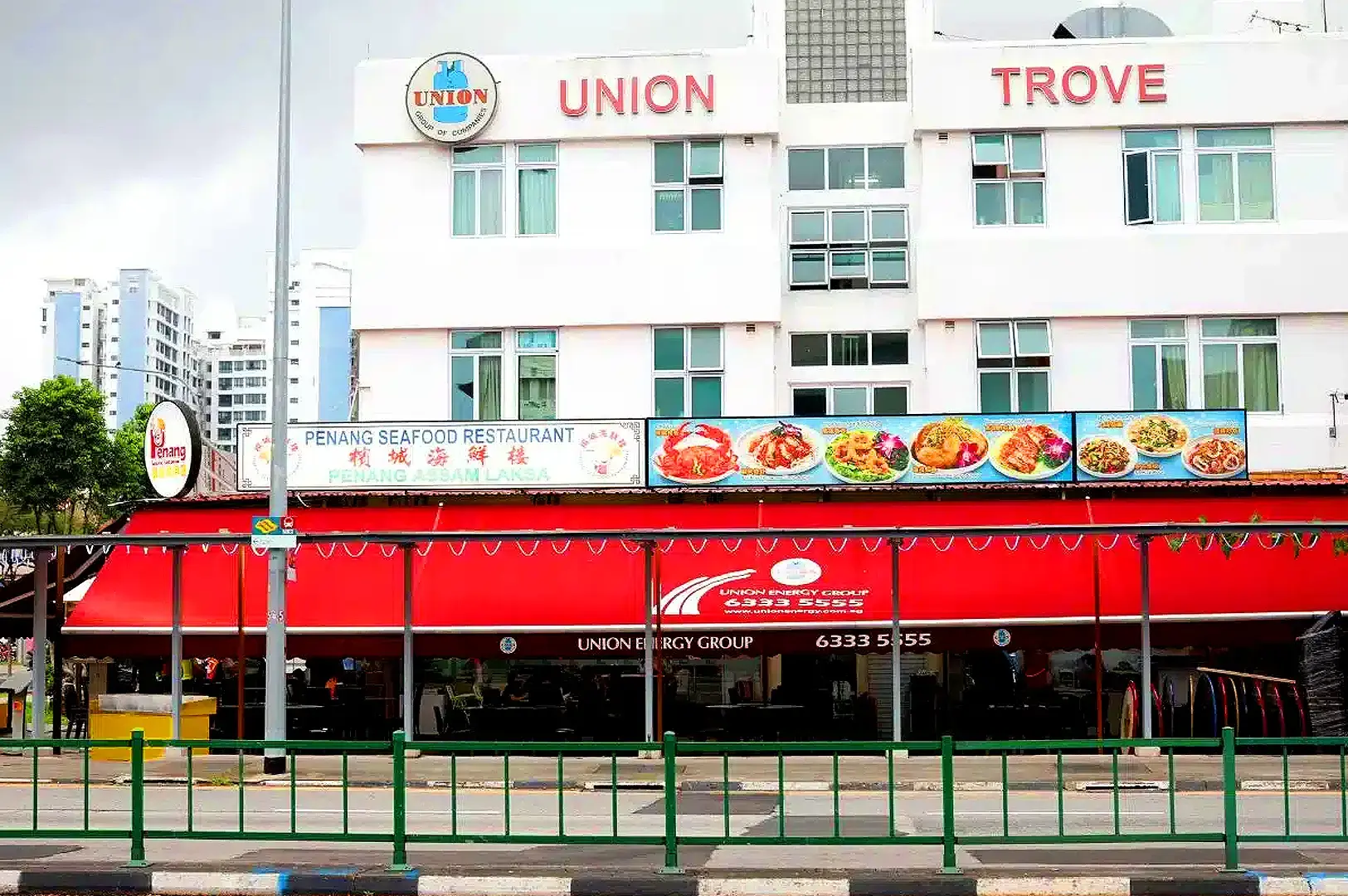
Not the polite sizzle of a quiet stall, but a hard metallic scrape, then a roar of flame, then another scrape. It carried out to the five-foot way along Aljunied Road, past waiting families, parked bikes, and the small knot of people checking whether their table was ready.
That is Penang Seafood Restaurant before you even sit down. It is loud, practical, and built for sharing. The food does not arrive with much ceremony, but when the right dishes land, they speak in crunch, gravy, steam, and the soft click of lala shells against a plate.
This is not a narrow Penang restaurant in the purist sense. It feels more like a Singapore zi char restaurant with Penang dishes, seafood plates, and crowd-friendly portions sitting together on one large menu. That is not a criticism. It simply tells you how to order.
What I kept noticing at Island Penang Kitchen was how much of the meal came down to texture, the same thread that runs through all Malaysian Chinese food as highlighted by Eat Drink Asia.
Loud, Fast, and Very Much Alive
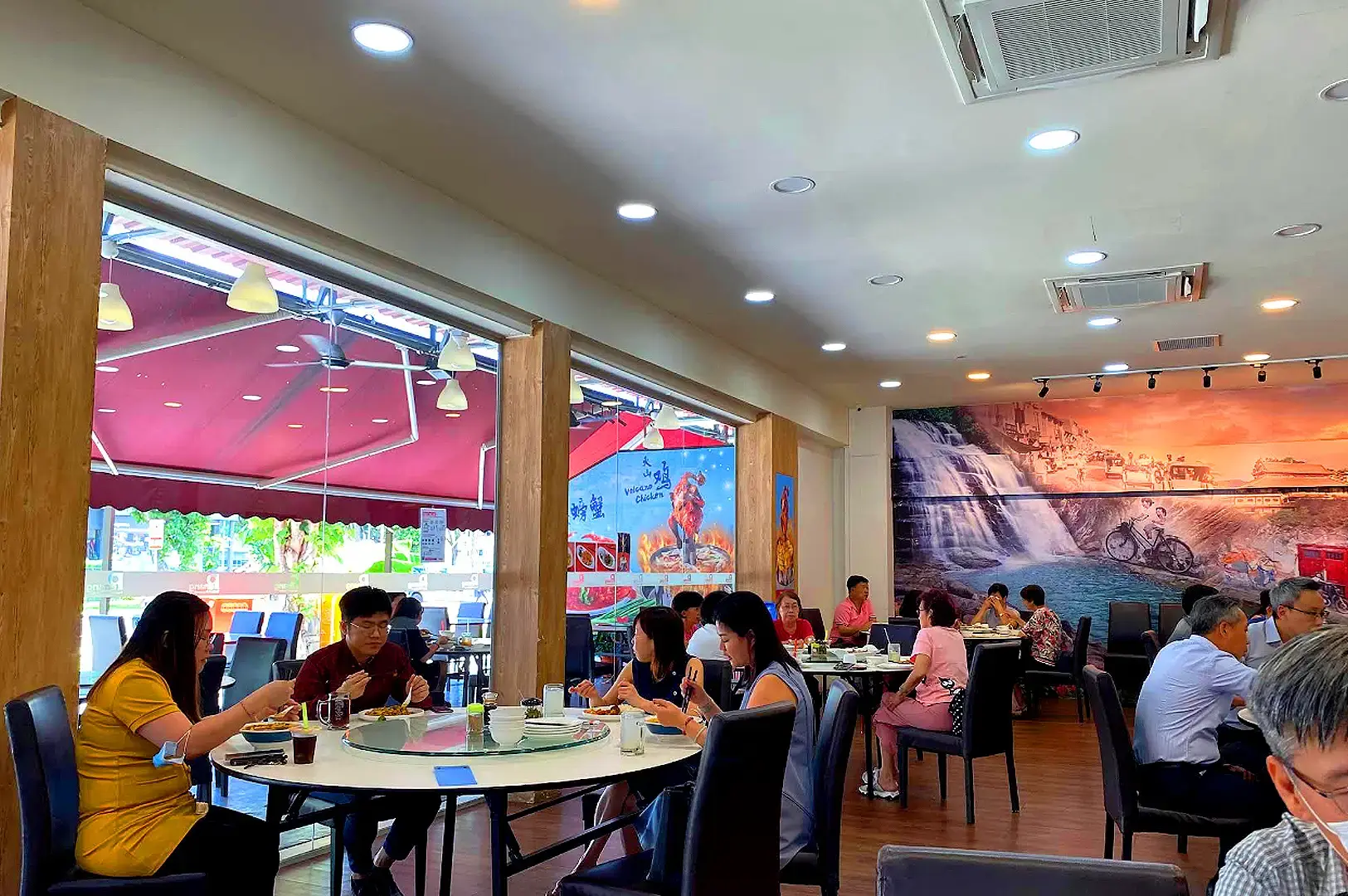
The dining room is large and plain, with air-conditioned indoor seating and outdoor tables along the front. There are Penang-style murals on the walls, but few people seemed to look at them for long. Most eyes were on the next plate coming out of the kitchen.
This is not the place for a quiet date or a slow two-person dinner where every sentence needs soft lighting. Chairs scrape, glasses clink, children ask for steamed rice, and servers move quickly between tables. Smaller groups may find themselves sitting close to larger parties when the restaurant is crowded.
The Best Way To Sit
If you want to hear your friends, ask for an outdoor table. It is still not silent, especially with Aljunied Road nearby, but it feels less compressed than the indoor room when peak dinner hits.
What I liked was how familiar the whole thing felt. Grandparents, office groups, families, teenagers sharing noodles, and tables ordering more rice before the first dish was finished. Penang Seafood Restaurant works best when you come with people who are happy to share.
Fried Sotong with Salted Egg: The Dish To Eat First
We started with the Fried Sotong with Salted Egg, the dish I had seen mentioned often enough in reviews to feel almost compulsory. Burpple’s listing also points to Fried Sotong with Salted Egg and Lala Hokkien Mee as commonly discussed signature orders here.
It arrived piled high on an oval plate, squid rings coated in a pale yellow salted egg sauce. Curry leaves sat on top, fried dark and glassy, with a few slivers of red chilli cutting through the richness. The smell reached first: buttery, salty, faintly spicy, like the warm backbeat of a busy kopitiam kitchen.
Texture Check
The first piece passed the test. I pressed it lightly with my chopsticks and the coating held. That matters because creamy salted egg sauce can soften batter fast, especially when it is rich and heavy.
The bite gave a small crackle before reaching the squid, which had a gentle bounce rather than a rubbery pull. The sauce clung instead of pooling, with a buttery salted egg richness, mild heat from the chilli, and curry leaves adding a sharp herbal lift.
Lala Hokkien Mee: Comfort More Than Smoke
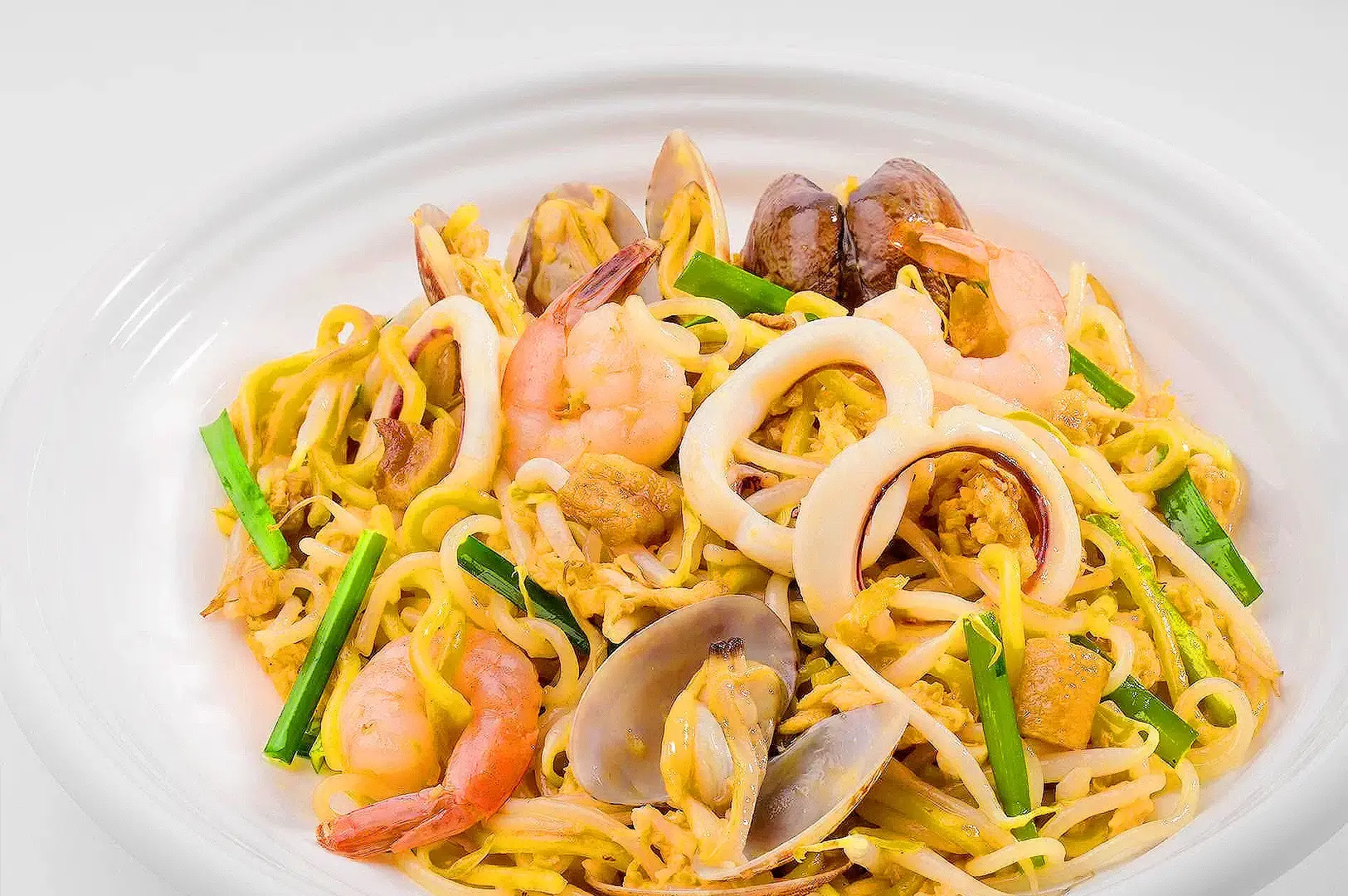
The Lala Hokkien Mee was the dish I came for.
It arrived wide and glossy, yellow noodles tangled with bee hoon under a light brown gravy. Lala clams sat open across the top, still steaming in their shells. There were prawns, squid, cabbage, and a saucer of sambal on the side, which I would not treat as optional.
Where It Falls Short
What I missed was stronger wok hei. There was a faint charred edge somewhere in the background, but the gravy smoothed most of it away. If you want a smoky, dry, intensely wok-fired Hokkien mee, this may not be the version in your head.
Still, I would order it again. The dish works because it is comforting, generous, and seafood-forward. Add the sambal early. It wakes the plate up and gives the gravy a sharper, spicier finish.
Fermented Pork Belly: Crunch, Fat, and Restraint
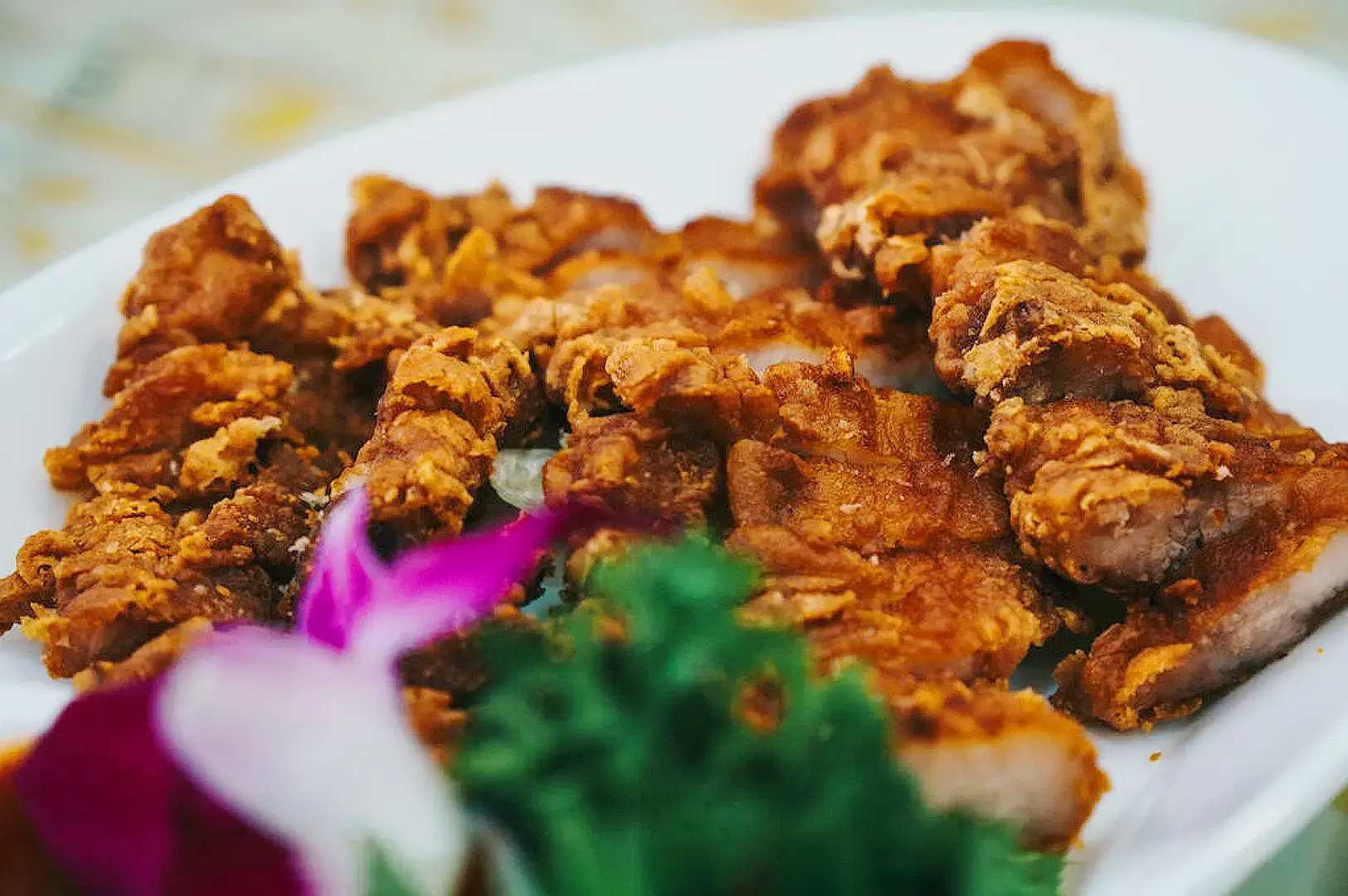
The Fermented Pork Belly changed the mood at the table.
The pieces came thick and deep golden, with darker mahogany edges that made them look almost dry from a distance. They were not. The first bite cracked through a thin crust, then gave way to soft fat and tender meat.
What Worked
The fat had rendered enough to feel silky rather than greasy. That was the surprise. Pork belly can easily become heavy, especially in a meal already carrying salted egg and seafood gravy, but this still had lift because of the crust.
The fermented bean curd flavour was present, salty and faintly funky, though gentler than I expected. I wanted a slightly sharper edge, that almost cheesy fermented note that lingers. One friend preferred it exactly as it was, more savoury than aggressive.
Penang Laksa: The Sour Reset
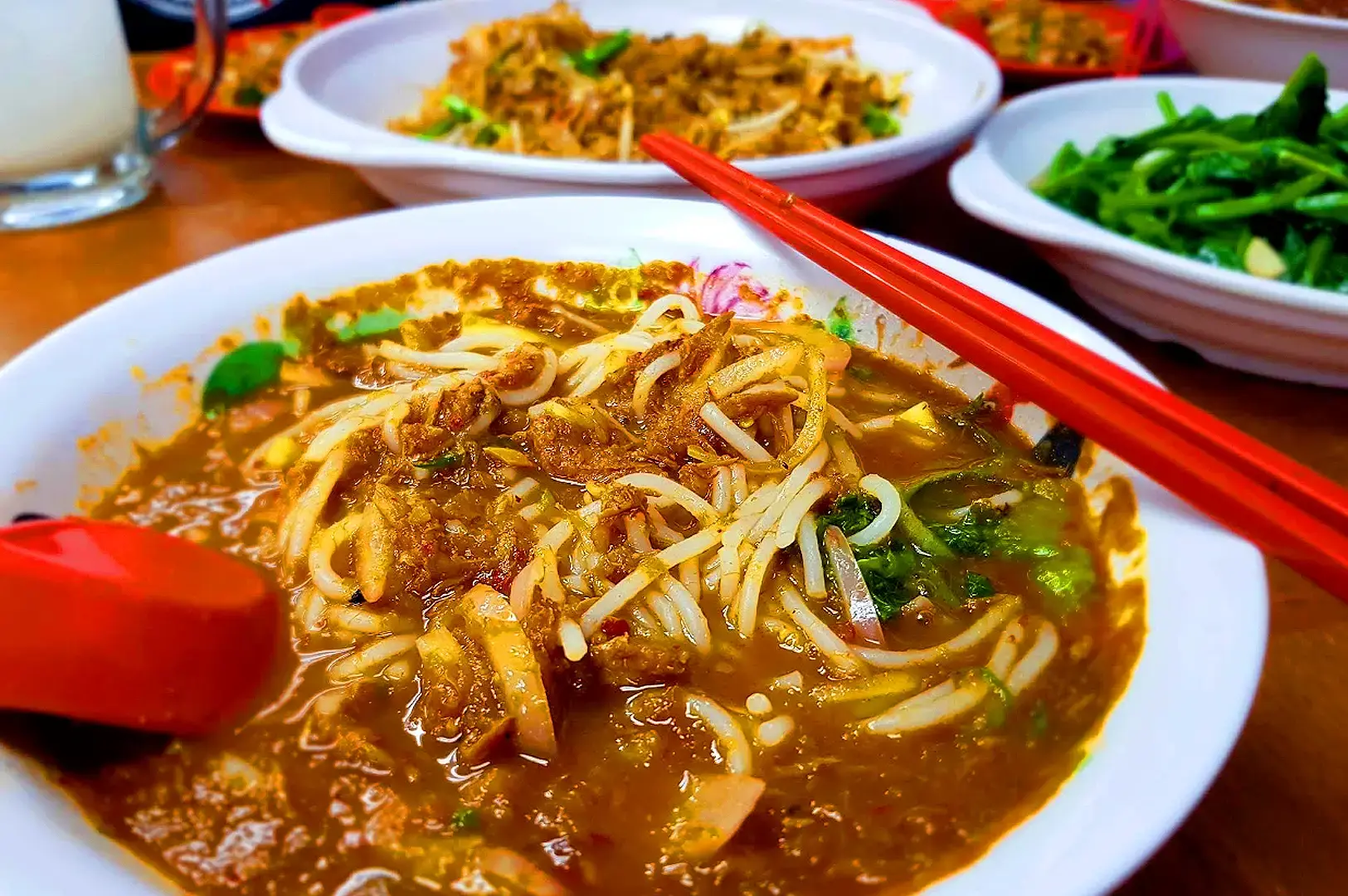
By the time the Penang Laksa arrived, we needed something to cut through the richness.
The bowl looked murky in the right way, with a grey-brown broth, fish flakes, cucumber, onion, pineapple, mint, and a dark spoonful of prawn paste waiting to be stirred in. It was not the prettiest dish on the table, but it had the clearest personality.
The Broth
The first sip was properly sour. Tamarind pulled at the back of the jaw, followed by fish, heat, and the deeper sweetness of prawn paste. After salted egg sotong and pork belly, it felt like opening a window in a hot room.
The fresh vegetables gave the bowl its rhythm. Cucumber and onion stayed crisp, pineapple brought quick sweetness, and the noodles slipped through the tangy broth without making it feel heavy.
Penang Char Kway Teow, Cereal Prawns, and Other Orders I Would Consider Next
I would be curious about the Penang Char Kway Teow on another visit, especially if I were craving a drier kway teow dish with more wok hei. A good Penang fried kway teow should have smoke, eggs, prawns, bean sprouts, and that slick, savoury finish that makes one more mouthful feel reasonable even when you are full.
The Cereal Prawns also make sense for a family table, especially if you want something sweet, crispy, and easy to share. I would consider Sambal Petai only if the group enjoys bold, spicy, slightly funky flavours. Petai is not a neutral vegetable, and that is exactly why people either love it or avoid it.
That smoky edge comes from the same high-heat wok work behind some of the best Chinese restaurants in Singapore, only here it lands on a Penang-style plate.
Fast Hands, Few Words
Our order was taken within minutes, and the dishes arrived steadily. Plates were cleared without fuss. Nobody lingered to explain the food, and honestly, that is not the kind of seafood restaurant this is.
The Premium Seafood Push
When I hesitated over the menu, our server pointed us toward crab and whole fish. That is not unusual for a seafood restaurant, but it is worth knowing before you sit down. If you came for noodles, fried sotong, pork belly, and laksa, say so clearly.
I declined the larger seafood items, and the server moved on without making it awkward. The practical rule is simple: decide your budget before ordering, especially if chilli crab, prawns, or whole fish enter the conversation.
Before You Go to Penang Seafood Restaurant
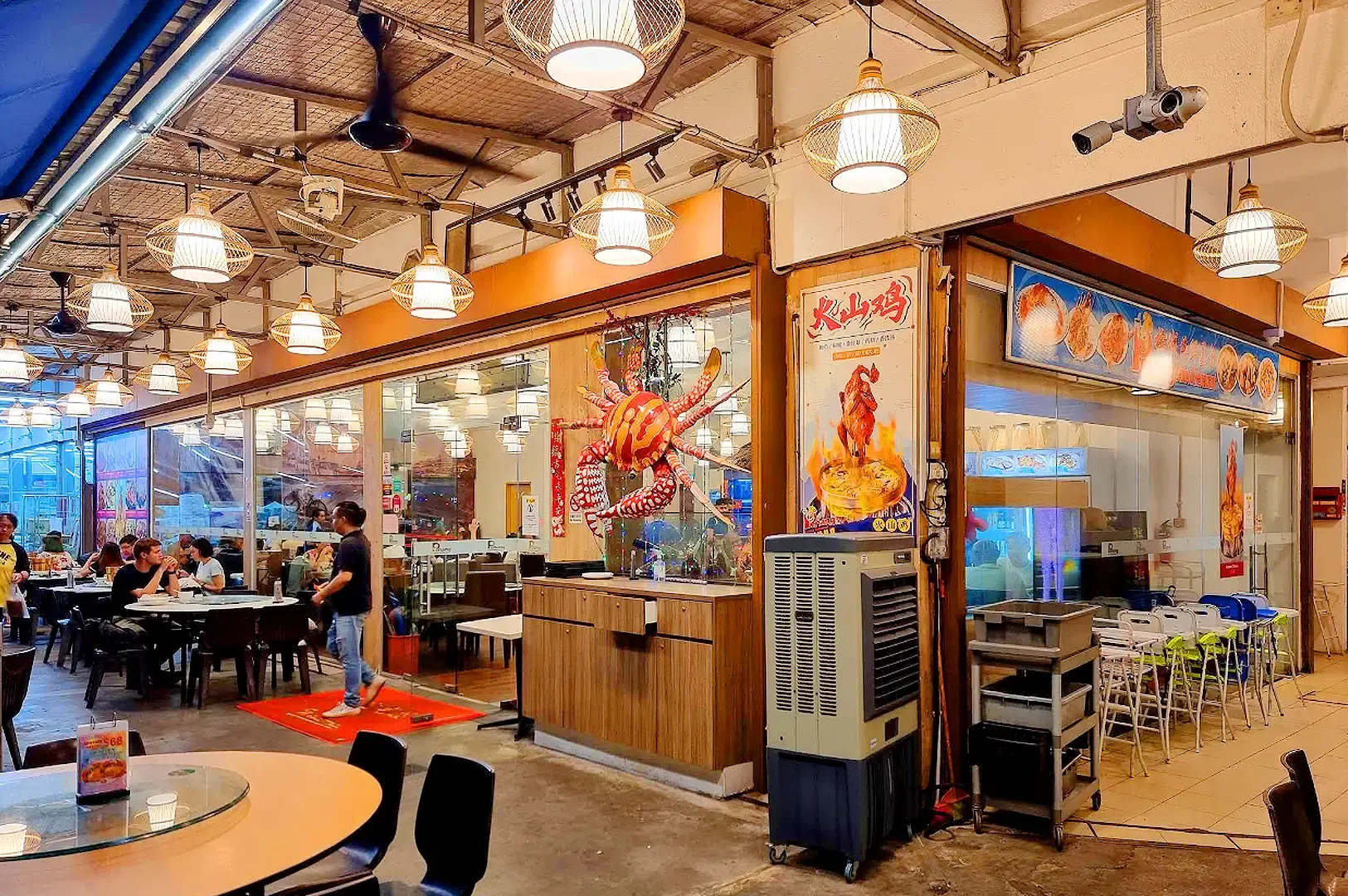
Address: 32 Aljunied Road, Union Trove, Singapore 389817
Phone: +65 6841 3002
Nearest MRT: Aljunied MRT, about a 3 to 5 minute short walk
Opening Hours: Daily, around 11am to 11:30pm based on current delivery platform listing. Some listings show service until midnight, so check before a late visit.
Estimated Spend: Around S$20 to S$35 per person for noodles and shared zi char dishes, more if you add crab, whole fish, chilli crab, or premium fresh seafood
EDA Says
- Reserve for weekend dinners and larger groups.
- Go before 12pm for lunch or before 6:30pm for dinner if you dislike waiting.
- Take the train if you can, since parking around Aljunied and Geylang can be limited.
- Ask about portion sizes before ordering medium or large dishes.
- Eat the fried sotong first, before the salted egg coating softens.
- Bring family or friends, because this place works best when several dishes can be shared.
A Loud Penang Seafood Restaurant Worth Ordering Carefully
Penang Seafood Restaurant is not trying to be quiet, polished, or pure. If you want a calm date night, a small tasting menu, or a focused Penang-only restaurant, this is probably not your table.
But if you are bringing family, colleagues, or a group of friends who like sharing, it makes a lot of sense. The best dishes are not subtle, but they are memorable: the crackle of salted egg batter, the soft click of lala shells, the crunch of pork belly, and the sour pull of Penang laksa.
Still, I left understanding why people return. The restaurant has energy. The kitchen knows texture. And when we stepped back onto 32 Aljunied Rd, Singapore night air heavy around us, the queue outside had grown longer while the wok inside was still roaring.

Japan and Food: Culinary Harmony – The Deep Connection Between Japanese Food and Culture
Eat Drink Asia Team | January 11, 2026
When it comes to Japan and food, the two are intertwined in ways that captivate taste buds and awaken the senses. Japanese cuisine stands as one of the world’s most revered traditions—more than nourishing meals, it is an art reflecting centuries of philosophy and a window into Japanese culture itself. Every bowl of miso soup,…
-
The Verdant Cup: A Celebration of Green Tea in Japan
Eda Wong | January 10, 2026
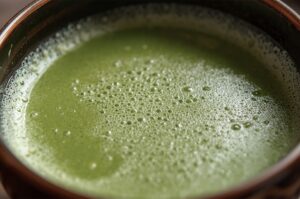
In Japan, green tea is much more than a beverage. It marks a moment of pause, hospitality, and tradition. The story of green tea in Japan weaves through centuries of culture, artistry, and daily life—bridging ancient rituals like the Japanese tea ceremony to everyday meals enjoyed at home. The origins and beginning of Japanese tea…
-
Japanese Green Tea from Japan: The Story of Matcha
Dio Asahi | January 8, 2026
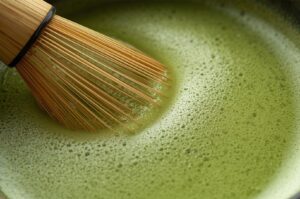
On a misty April morning in Kyoto, I knelt on tatami in a small tea room outside Uji, Japan. The host, dressed in kimono, moved with quiet skill as she scooped matcha powder into a ceramic bowl. The air was filled with the aroma of aged wood mixed with the grassy scent of high quality…
-
Takoyaki: The Sizzling Heart of Japan Food Culture
Dio Asahi | January 3, 2026
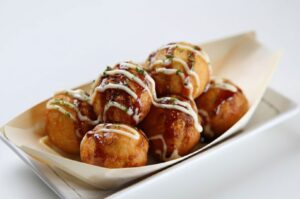
What is Takoyaki and Why Does it Matter in Japanese Food Culture? In the bright heart of Osaka, the sizzle of takoyaki batter signals one of Japan food culture’s most beloved street foods. Lines form at street stalls drawn by the delicious food aromas of sweet-savory sauce and bonito flakes dancing on golden spheres. Takoyaki,…
-
Everything You Need for a Flawless Bubble Tea Cake
Eda Wong | January 1, 2026
The global bubble tea phenomenon has evolved beyond drinks into the world of baking, creating one of the most exciting dessert trends of recent years. Bubble tea cake combines the beloved flavors of milk tea with the satisfying chew of boba pearls, all wrapped up in an adorable bubble tea cake that’s perfect for any…
-
Pad Thai Dish: Everything You Need to Know About the Rice Noodles That Make It Authentic
Eat Drink Asia Team | December 30, 2025
Pad Thai is more than just a staple of Thai Food; it’s a Global Phenomenon. From bustling street carts in Bangkok to high-end Thai Restaurants in New York, this iconic Pad Thai Dish has captured the hearts and palates of food lovers everywhere. The best Pad Thai rivals what you would find in a typical…
-
Thailand Food Pad Thai: Thailand’s Iconic Stir-Fried Noodle Dish
Eda Wong | December 27, 2025
Few dishes capture the essence of Thailand food culture like authentic Pad Thai. This beloved stir fried noodle dish is more than a meal-it’s a symbol of Thai identity, a perfect balance of sweet, savoury, and sour flavors, and a window into the soul of Thai cuisine. Whether you want to eat Pad Thai from…
-
Why Fish Curry is a Special Indian Cuisine
Dio Asahi | December 25, 2025
Along India’s vast and vibrant coastline, stretching over 7,500 kilometers, the sea offers its generous bounty to a cuisine renowned for its regional variations. Nowhere is the diversity of the Indian subcontinent more deliciously expressed than in a humble bowl of fish curry. Through this article, we’ll journey across India’s coasts and kitchens, exploring the…
-
Tikka Masala: The Story Behind One of the Most Iconic Dishes in India’s Food Cuisine
Eat Drink Asia Team | December 23, 2025
Ask anyone to name a famous Indian dish, and chances are “Tikka Masala” will be one of the first things they say. This creamy, vibrant, and aromatic curry has become a global symbol for the food cuisine in India, celebrated from street food stalls in Delhi to upscale Indian restaurants around the world. Its rich…
-
Cuisines in India: A Journey Through the Diverse Regional Food Traditions of the Subcontinent
Dio Asahi | December 20, 2025
Indian cuisine is celebrated for its spectacular diversity, bursting with flavors, regional traditions, and culinary innovations. From the spice-laden gravies of Northern Indian cuisine and tandoor-fresh breads, to coconut-laced Southern Indian cuisine, fragrant rice dishes in the East, and the robust, spicy curries and street food of the West, the foods of India reflect not…