The first time I made aloo curry on my own, I burned the cumin. I remember standing in my tiny HDB kitchen, watching those little seeds go from golden to black in what felt like one breath, and thinking: this is harder than it looks. But here’s what that bitter, smoky disaster taught me, the difference between a curry that sings and one that falls flat lives entirely in those first thirty seconds, when your spices hit hot oil and wake up.
I want to share this dish with you because potato curry is, in my experience, the most forgiving teacher you’ll ever cook with. Potatoes are cheap, they don’t spoil if you fumble the timing, and they soak up flavor like nothing else. More importantly, this humble dish carries one of Indian cooking’s foundational techniques, a skill that, once it lives in your hands, unlocks hundreds of other dishes. Let me show you why it matters, and how not to lose it.
Before we begin, a small but important note: there is no single “correct” aloo curry. It changes from region to region, kitchen to kitchen, grandmother to grandmother. What I’m teaching you here is a beginner-friendly version, a doorway, not a final destination.
What “Spices Wake Up” Actually Means in Indian Food
In Indian kitchens, this technique is known by many names, tadka, tempering, chhonk, or vaghar, but they all capture the same magical moment: blooming whole or ground spices in hot oil to release their aromatic oils and deepen flavor.
The Sensory Science Behind Blooming Spices
Many of the compounds that give spices their vibrant flavor are fat-soluble, not water-soluble. When you drop cumin seeds into shimmering hot oil, they sizzle and begin to dance, releasing a warm, nutty aroma that fills the kitchen with the smoky breath of awakening spices. This fragrant breath signals the transformation from raw, dusty powders into a rich, complex base for your potato curry.
Cooks and food scientists alike confirm that spices bloomed in oil deliver a noticeably richer flavor than those simply stirred into water or broth. This technique is the heartbeat of countless Indian recipes, from simple aloo curry to elaborate North Indian curries.
Before You Cook: Setting Yourself Up to Win with an Easy Potato Curry Recipe
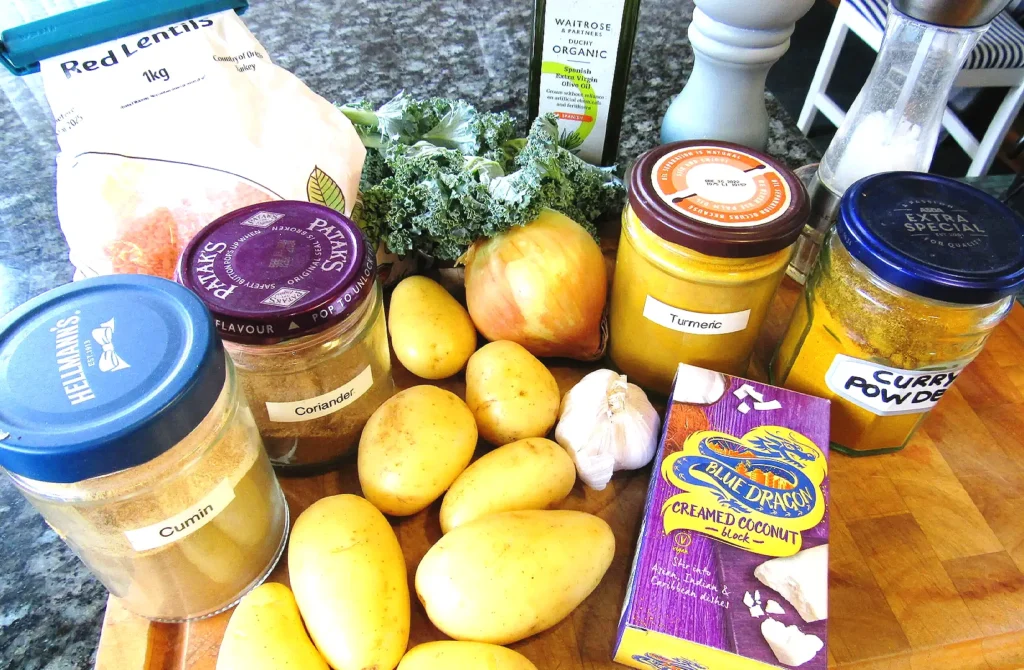
If you’re diving into easy cooking recipes for beginners Indian style, preparation is key. Measure all your ground spices; turmeric, coriander powder, chili powder, garam masala, and cumin seeds, before turning on the stove. The blooming window is fleeting, and fumbling with jars risks burning your spices and losing that signature aroma.
Asiatics tip: Arrange your measured ground spices in a small bowl in the order you’ll add them. This mise en place habit keeps your cooking calm and efficient.
Your Equipment and Ingredients
- A heavy-bottomed pan or wok (a kadai is traditional but any sturdy pan works)
- Wooden spoon and knife for chopping
- 800g–1kg potatoes (russet potatoes or parboiled potatoes hold shape well)
- 1 large onion and fresh tomatoes (or canned diced tomatoes if fresh aren’t available)
- Ginger, garlic, and green chillies
- Whole cumin seeds and ground spices (turmeric, coriander powder, chili powder, garam masala)
- Cooking oil with low saturated fat and good monounsaturated fat or polyunsaturated fat content (such as peanut or sunflower oil)
- Fresh coriander leaves for garnish
Sourcing Ingredients in Singapore
For cost-effective shopping, head to Little India’s provision shops near Tekka Market for fresh, fragrant spices and ingredients. Mustafa Centre offers 24-hour convenience, while supermarkets like FairPrice, Sheng Siong, and Cold Storage cover the rest.
The Recipe: Step-by-Step Instant Pot Potato Curry (One-Pot Recipe)
If you prefer an instant pot potato curry, this method speeds up cooking without sacrificing flavor, perfect for a hearty weeknight dinner.
1. Prep Ingredients
Peel and dice potatoes into bite-sized cubes. Finely chop onions and fresh tomatoes or use canned diced tomatoes. Mince ginger and garlic, slit green chillies.
2. Heat Oil and Bloom Spices
Heat 2–3 tablespoons of oil over medium heat until shimmering. Add 1 teaspoon cumin seeds; they should sizzle gently and darken slightly, releasing a warm aroma. Immediately add chopped onions and sauté until they soften and turn golden, about 5 minutes.
3. Add Aromatics and Ground Spices
Stir in minced ginger, garlic, and chillies for a minute until fragrant. Lower heat to medium-low and add ½ teaspoon ground turmeric, 1 teaspoon coriander powder, and ½–1 teaspoon red chili powder or curry powder. Stir constantly for 30 seconds to bloom the ground spices without burning.
4. Cook Onion Tomato Masala
Add chopped fresh tomatoes or canned diced tomatoes. Cook until they break down and the oil begins to separate from the onion tomato masala, about 5 minutes, this oily sheen signals a well-cooked base.
5. Add Potatoes and Liquid
Add diced potatoes and stir to coat in the masala. Pour in about 1 cup water or coconut milk for a creamy vegan curry recipe. Season with add salt and stir.
6. Pressure Cook
Seal the Instant Pot and pressure cook on high for 5 minutes. Quick-release the pressure and check if the potatoes cook to tender perfection.
7. Finish and Garnish
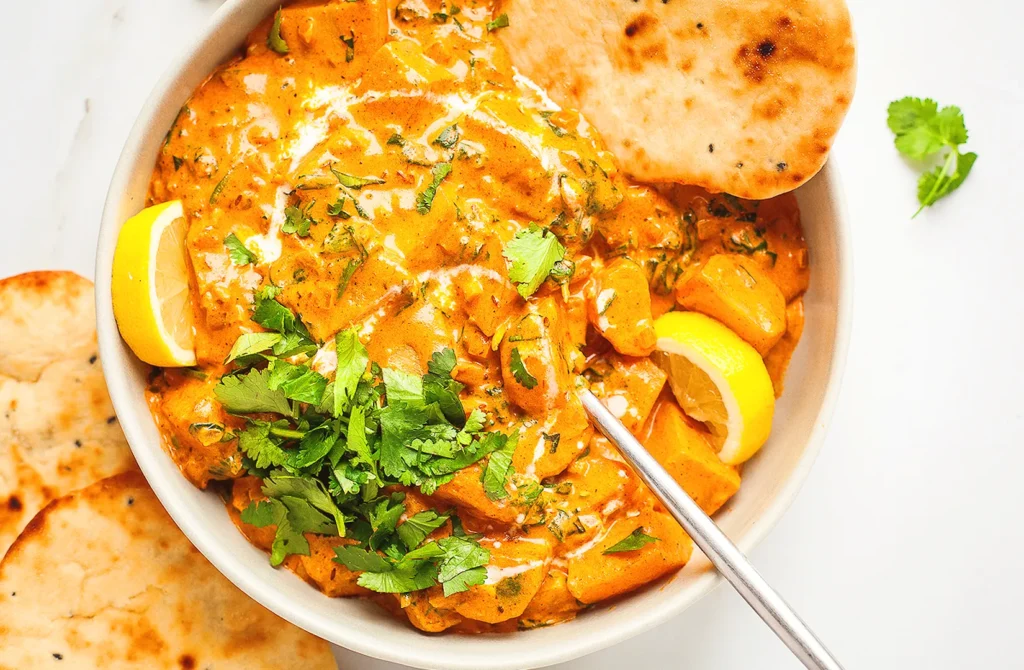
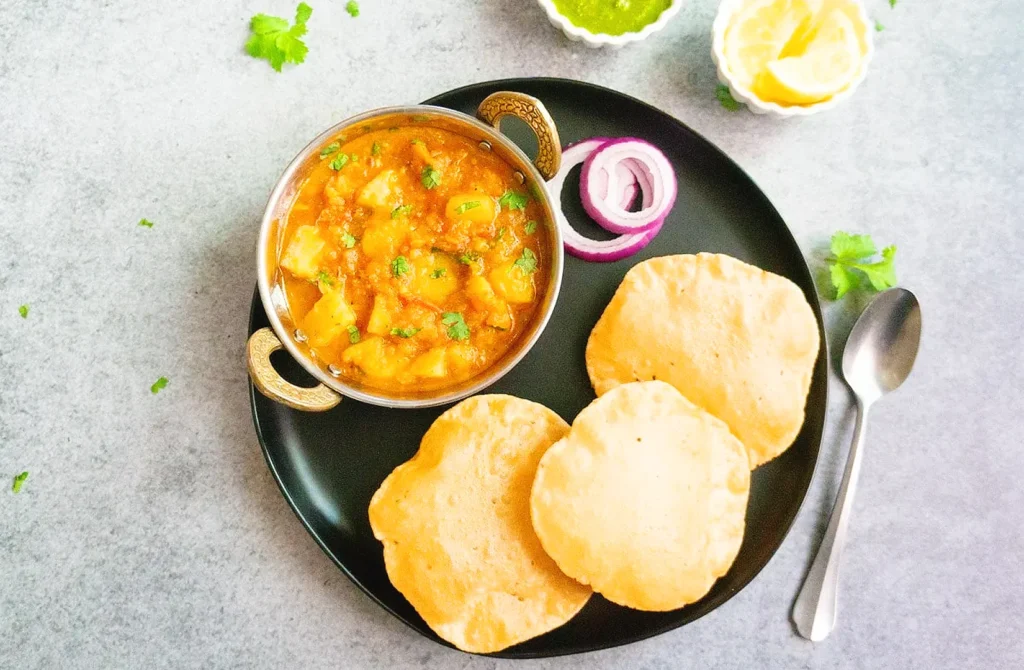
Sprinkle ½ teaspoon garam masala and chopped coriander leaves. Serve your hearty aloo curry with steamed rice or plain paratha for a comforting meal.
Spice Up, Not Burn Out: Mistakes to Dodge in Your Curry Journey
- Cold oil: Spices won’t bloom properly if the oil isn’t hot enough. Wait for that shimmer.
- Burning cumin seeds: They go from fragrant to bitter in seconds; stay attentive.
- Adding garam masala too early: It’s a finishing spice; add it at the end to preserve delicate aromas.
- Undercooked tomato curry base: Oil separation is your visual cue; if it’s missing, cook longer.
Why This Easy Potato Curry Recipe Works for Beginners
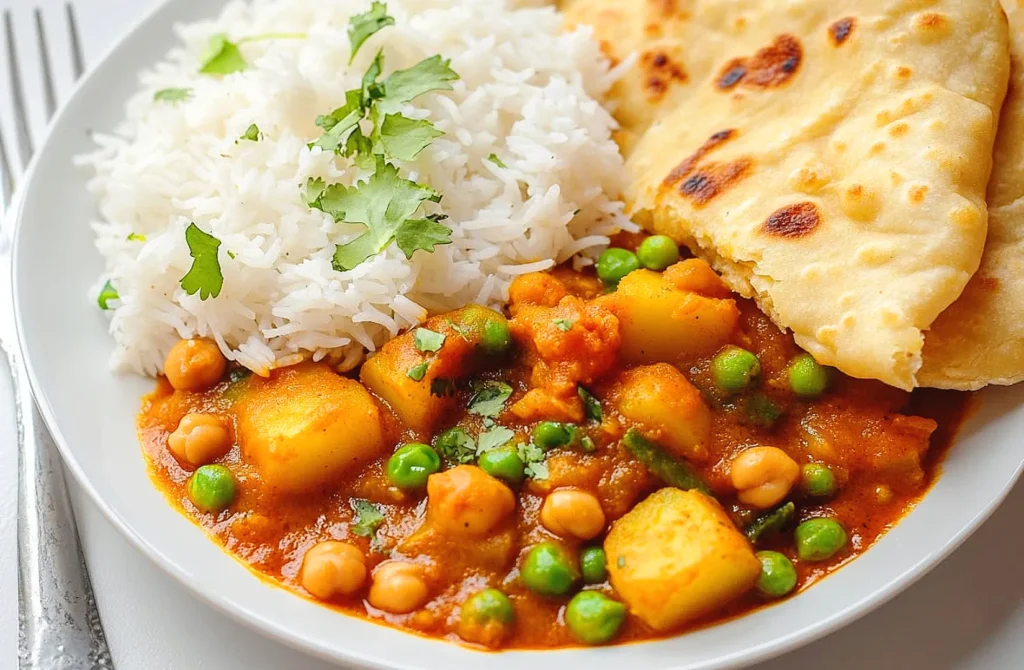
This aloo curry recipe is a perfect introduction to Indian food because it balances approachable ingredients with essential techniques like blooming ground spices and making onion tomato masala. It’s naturally gluten free and vegetarian recipes, and swapping water for coconut milk creates a luscious, dairy-free vegan curry option.
Potatoes cook to tender, flavorful bites, soaking up the spicy sauce enriched by fresh tomatoes and aromatic spices. Adding green peas or fresh peas can enhance texture and nutrition, turning this into a wholesome, one-pot meal. For those looking to expand their Indian cuisine journey, a one-pan chicken recipe featured on Eat Drink Asia could be a great next step.
Expanding Your Indian Recipes: Beyond Potato Curry
Once you master this easy potato curry, you can explore other Indian curry recipes that use similar techniques:
- Spicy vegan potato curry with coconut yoghurt for added creaminess
- North Indian curries like aloo jeera or aloo gobi, combining potatoes with cumin seeds or cauliflower
- Instant pot instructions for dishes like chana masala or rajma, building on your pressure cooking skills
- Serving suggestions such as pairing with jeera rice or plain paratha for authentic flavors
- Adding bell peppers or frozen spinach to diversify the hearty meal and add color and nutrition
- Using mustard seeds and coriander seeds as whole spices to deepen flavor
- Experimenting with curry paste or fresh lemon juice to brighten the dish
For those looking to expand their culinary experience beyond Indian recipes, indulging in the best omakase Singapore offers can provide a refined journey into Japanese fine dining.
You Can Do This
If you take one thing from this lesson, let it be this: respect the first thirty seconds. Once you understand how spices wake up in hot oil, the sizzle, the fragrance, the precise moment to move on, you don’t just have a potato curry recipe. You have a key that opens an entire cuisine.
So measure your spices, turn on that range hood, and don’t be discouraged if you burn your first batch of cumin. I did, and I turned out fine. Every cook before you learned exactly this way, at exactly this stove, watching exactly these seeds. That’s the tradition you’re stepping into, and it’s worth keeping alive, one pan at a time.

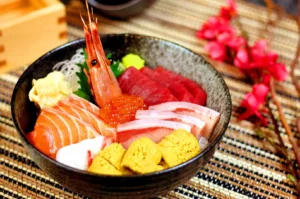
Chirashi Don Best Picks When Bowls Between the Sushi Counter and Lunch Are the Current Mood
Eat Drink Asia Team | August 18, 2026
There’s a specific kind of hunger that a chirashi don answers. It’s not the hunger for a full sushi omakase, with its slow ceremony and its quiet counter watching. And it’s not the hunger for something thrown together and forgotten by three o’clock. It sits somewhere in between — fish and rice in one bowl,…
-
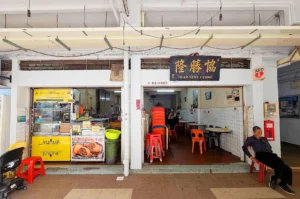
Kopi Through the Cloth: Why the Strain Matters
Eda Wong | August 17, 2026
By Eda Wong for Eat Drink Asia. It is not yet seven, and the uncle at Heap Seng Leong has the pot going. He works the sock strainer over the tin cup with both hands, dipping and lifting, dipping and lifting, coaxing the coffee through the worn cloth. Steam rises between his fingers. The smell…
-
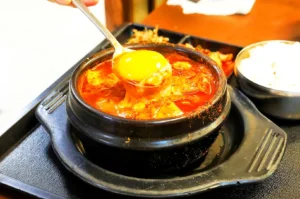
SBCD Korean Tofu House and the Comfort Logic of Bubbling Soondubu
Eda Wong | August 15, 2026
It was raining the afternoon I went. Not the polite kind, the sort that drums against the glass of Guoco Tower and makes you glad you’re already underground. I hadn’t planned on soondubu. I’d planned on something quick, something I could eat between the errands piling up in my head. But the rain does something…
-
The Knife Work at Hanashizuku Japanese Cuisine, Three Floors Above the Noise
Eda Wong | August 14, 2026
By Eda Wong for Eat Drink Asia. The lift doors open on a floor of Cuppage Plaza that has seen better decades. Peeling signage. A corridor that smells faintly of old carpet and cigarette smoke drifting from somewhere. Then a door slides shut behind me, and the noise falls away. Inside Hanashizuku Japanese Cuisine, the…
-
Todamgol Restaurant and the Comfort Logic Behind Famous Korean Foods
Dio Asahi | August 13, 2026
It was close to nine on a Friday when I finally found the door. Tanjong Pagar was doing its usual thing, full tables spilling onto five-foot ways, soju bottles catching the light, someone laughing too loudly two doors down. I almost walked past Todamgol. Then the smell reached me. Fermented, smoky, a little sharp. The…
-
The Same Grill, Three Decades On, at Kazu Sumiyaki Restaurant
Dio Asahi | August 12, 2026
By Dio Asahi for Eat Drink Asia. The lift opens on the fourth floor of Cuppage Plaza and the smoke finds me before the door does. Charcoal, dark and earthy, threaded through with something richer — fat meeting fire. I follow it down a narrow corridor, past shuttered shops and flickering signage, until I reach…
-
Popular Korean Cuisine Has a Memory: Why Famous Korean Food Feels So Complete
Eat Drink Asia Team | August 11, 2026
The first time I ordered kimchi jjigae in Singapore, I made a small mistake. It came bubbling in a stone pot, and I ate it like soup, spoonful after spoonful, straight down, until my mouth was on fire and the bowl was half gone. The auntie across the counter watched me for a moment, then…
-
Raffles Place Food Has the Restaurants That Understand the CBD Lunch Rush
Eda Wong | August 8, 2026
I used to think lunch in the CBD was a lost cause. You get an hour, maybe less. The lift takes ten minutes just to reach the ground floor. By the time you’ve queued, ordered, and found a corner to eat in, you’re already checking the clock. For a while, I gave up and just…
-
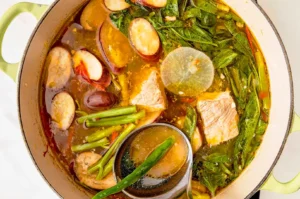
The Tamarind Sourness Inside a Filipino Sinigang Pot
Eda Wong | August 7, 2026
By Eda Wong for Eat Drink Asia. The pot has been going for a while now, and the whole kitchen knows it. Steam curls up from the surface, carrying that sharp-sour smell that reaches you before anything else. It’s not a gentle aroma. It pricks at the back of your throat a little, makes your…
-
Vegetarian Asian Dishes at The Boneless Kitchen: A Korean Meal Built on Kimchi, Rice, and Restraint
Dio Asahi | August 6, 2026
I didn’t expect to find Korean comfort food in an office building near Tai Seng. But there I was, on a Wednesday a little past 7pm, standing outside The Commerze @ Irving wondering if I’d read the address wrong. This isn’t the part of Singapore you go to for dinner. It’s the part you leave…