By Eda Wong for Eat Drink Asia.
The wok station is already hot when the cook lowers the flame. In the narrow back of a Singapore zi char kitchen, the air smells of butter, curry leaves, and the faint mineral edge of salted duck egg. A metal spatula presses cooked yolks through oil until they loosen into a grainy paste. Then comes the sound I wait for: a soft foaming hiss, not a sizzle, as the yolk meets fat and begins to bloom. The sauce turns the colour of marigold dust. It looks rich before it tastes rich, clinging to the curve of the wok in slow, glossy streaks.
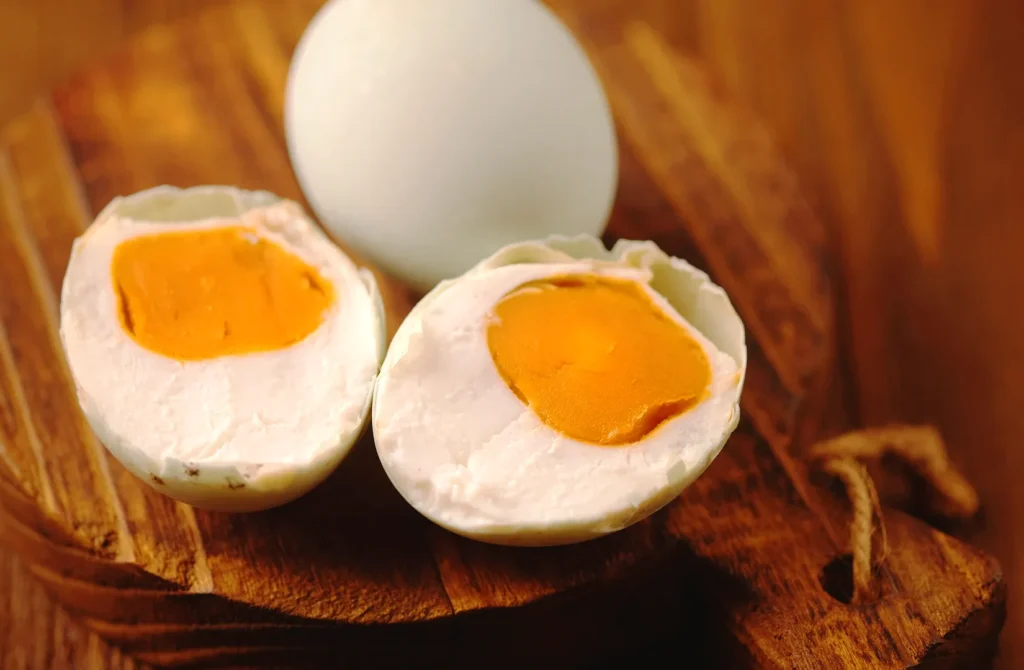
Salted egg, or 咸蛋, often said as haam daan in Cantonese, is usually a duck egg cured in salt until the white becomes sharp and the yolk turns dense, oily, and almost sandy; a quiet reminder that, in East Asian cusine, umami is its own kind of masterclass. In many kitchens, the yolk is the part that matters most for sauce. It is cooked, mashed, and coaxed into butter or oil with aromatics such as curry leaves and chilli, and sometimes a little milk to soften its edges. Properly handled, it becomes an emulsion: not just melted fat, not just crumbled yolk, but a sauce that holds together. The heat must stay low enough to keep it from splitting, yet high enough to wake the yolk’s deep savoury aroma. When it works, the texture is plush but not heavy, salty but not blunt.
At the table, salted egg sauce carries a particular kind of appetite. It belongs easily to shared plates, to family meals where someone reaches first for the prawn, someone else for the tofu, and the last streaks of sauce are dragged across rice without ceremony. It signals generosity, but also judgement. Too much sauce can bury the ingredient underneath; too little makes the plate feel unfinished. I have watched people pause before taking the final piece, measuring politeness against desire. That small hesitation is part of the meal. Salted egg is not quiet in flavour, but it still asks for balance: the bitterness of curry leaf, the heat of chilli, the sweetness of shellfish or pumpkin, the plainness of rice.
What feels worth recognising now is how easily salted egg has become shorthand for indulgence. It appears as powder, coating, drizzle, dust; a flavour that can be applied quickly to anything crisp. There is pleasure in that too, but it can flatten the ingredient into a trend instead of a technique. The older craft is slower and more fragile. It depends on mashed yolks, controlled heat, and the cook’s eye for the moment when the sauce stops looking broken and starts looking alive. A good salted egg sauce does not shout through excess. It holds richness in place.
By the time the plate reaches the table, the sauce has settled into every ridge and corner. It leaves a warm, salted trace on the fingers and a faint curry-leaf perfume in the air. I think of it less as luxury than care: an ordinary egg, preserved, broken down, and brought back together with patience.

The Soul of the Table: An Educational Guide to the Role of Food in Malaysian Culture
Eat Drink Asia Team | March 17, 2026
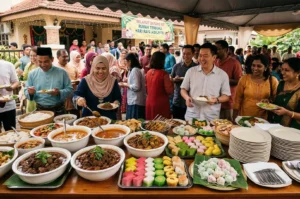
We still remember our first collective Rumah Terbuka (Open House) experience in Kuala Lumpur.Standing at the doorway of a home during Hari Raya, we were utterly paralyzed by the sheer volume of people and the aroma of Malaysian cooking. There were aunties ladling beef rendang and tables groaning under the weight of colourful kuih. “Do…
-
Asian Food Comfort Trends: Why Broths and Bowls are Dominating Globally
Eda Wong | March 14, 2026
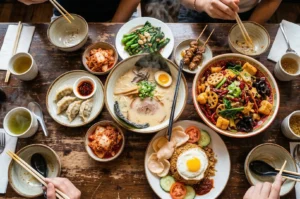
I still remember the first time I faced a “build-your-own” Mala Xiang Guo counter. I stood there, plastic tongs in hand, completely paralyzed by the mountain of choices. Lotus root? Kelp knots? three different types of tofu skin? My anxiety spiked. I panicked, grabbed way too much luncheon meat, and ended up with a $28…
-
The Fifth Element: A Masterclass on Umami in East Asian Cuisine
Dio Asahi | March 12, 2026
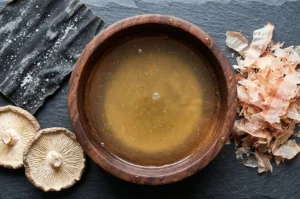
I’ll never forget the first time I made miso soup from scratch. Not the instant kind, but the “proper” way. I boiled water, dissolved miso paste, added tofu, and waited. It tasted flat, salty and cloudy but missing the deep, satisfying flavor I loved in Japanese restaurants. I thought maybe I needed better miso. Years…
-
Why My Quest Ended at Yummy Western (409 AMK)
Dio Asahi | March 10, 2026
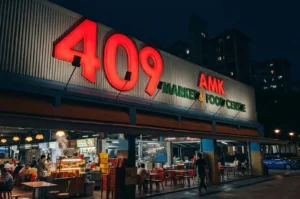
There’s a specific magic to a late-night supper hunt in Singapore. It’s the ritual of chasing a craving through the humidity to find that one stall that hits the spot. For me, that meant a pilgrimage to Ang Mo Kio Avenue 10. I arrived at 10 PM on a Friday, just as the ‘supper soul’…
-
A Taste of Time: My Dinner at Guan Hoe Soon
Eda Wong | March 7, 2026
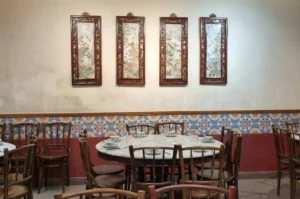
There’s something special about visiting a place that has seen decades of Singapore’s history unfold. Guan Hoe Soon, tucked away on Joo Chiat Road, holds the title of Singapore’s oldest Nyonya restaurant, and you can feel that heritage the moment you step inside. I’d heard about it for years, a place where recipes aren’t just…
-
The 6 Best Halal Restaurant in Singapore for Authentic Nasi Padang
Eda Wong | March 5, 2026
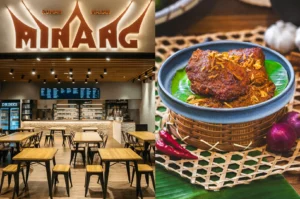
There are few meals as satisfying as Nasi Padang, a colourful feast where you choose from a variety of dishes to create your perfect plate. Over the years, I’ve explored Singapore’s Nasi Padang scene, especially in Kampong Glam, sampling everything from humble hawker stalls to renowned spots. This list highlights the best halal Nasi Padang…
-
The Global Soup Bowl: How Indonesian Soto Shapes the Future of Asiatic Food Traditions
Dio Asahi | March 3, 2026
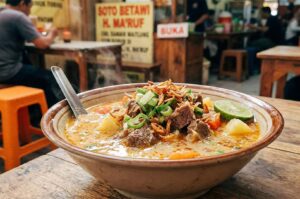
I still remember my first “real” bowl of Indonesian soto. Sitting on a low plastic stool in a cramped warung, I ordered Soto Betawi, expecting it to be like the clear Soto Ayam from Singaporean weddings. I was wrong. The rich, milky broth was intense, creamy, and boldly spiced. That first spoonful rewired my idea…
-
Shun: Japan’s Seasonal Treasures – A Deep Dive Into the Ingredients Behind True Omakase
Eat Drink Asia Team | February 28, 2026
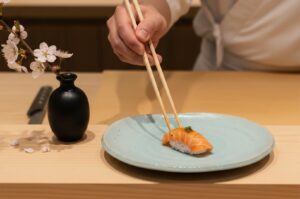
In the world of Asian food, few dining experiences capture the soul of traditional Japanese food culture like omakase. At a premier omakase restaurant, diners entrust their meal entirely to the chef, whose artistry is guided not just by mastery, but by shun—the appreciation of seasonal and fresh ingredients at the absolute peak of their…

My Trip to Bánh Mì Saigon and How It Compares to Best Food in Singapore
Eda Wong | February 26, 2026
Located in the bustling neighborhood of Ang Mo Kio, Bánh Mì Saigon offers a taste of Vietnam right here in Singapore. From traditional bánh mì sandwiches to hearty pho bowls and refreshing Vietnamese iced coffee, this restaurant has it all. I arrived at Bánh Mì Saigon on a busy Saturday evening and was immediately drawn…
-
Tea Room by Ki-setsu: A Curated Journey Through Chinese Tea in the Heart of Singapore
Dio Asahi | February 25, 2026
Most people arrive at Chinese tea the way they arrive at any beverage: thirsty, curious, maybe looking for something sweet or soothing. But traditional chinese tea isn’t built like a single drink. It’s a network: leaf origin, processing choices, vessel physics, water, pacing, and the quiet social technology of sitting down long enough for a…