By Eda Wong for Eat Drink Asia.
The wok station is already hot when the cook lowers the flame. In the narrow back of a Singapore zi char kitchen, the air smells of butter, curry leaves, and the faint mineral edge of salted duck egg. A metal spatula presses cooked yolks through oil until they loosen into a grainy paste. Then comes the sound I wait for: a soft foaming hiss, not a sizzle, as the yolk meets fat and begins to bloom. The sauce turns the colour of marigold dust. It looks rich before it tastes rich, clinging to the curve of the wok in slow, glossy streaks.
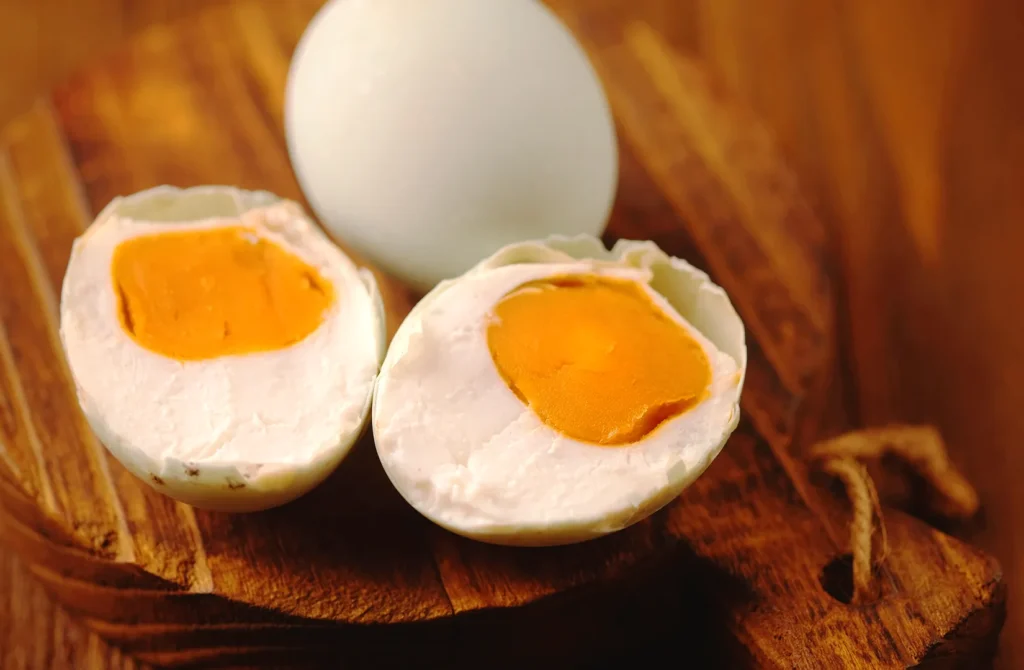
Salted egg, or 咸蛋, often said as haam daan in Cantonese, is usually a duck egg cured in salt until the white becomes sharp and the yolk turns dense, oily, and almost sandy; a quiet reminder that, in East Asian cusine, umami is its own kind of masterclass. In many kitchens, the yolk is the part that matters most for sauce. It is cooked, mashed, and coaxed into butter or oil with aromatics such as curry leaves and chilli, and sometimes a little milk to soften its edges. Properly handled, it becomes an emulsion: not just melted fat, not just crumbled yolk, but a sauce that holds together. The heat must stay low enough to keep it from splitting, yet high enough to wake the yolk’s deep savoury aroma. When it works, the texture is plush but not heavy, salty but not blunt.
At the table, salted egg sauce carries a particular kind of appetite. It belongs easily to shared plates, to family meals where someone reaches first for the prawn, someone else for the tofu, and the last streaks of sauce are dragged across rice without ceremony. It signals generosity, but also judgement. Too much sauce can bury the ingredient underneath; too little makes the plate feel unfinished. I have watched people pause before taking the final piece, measuring politeness against desire. That small hesitation is part of the meal. Salted egg is not quiet in flavour, but it still asks for balance: the bitterness of curry leaf, the heat of chilli, the sweetness of shellfish or pumpkin, the plainness of rice.
What feels worth recognising now is how easily salted egg has become shorthand for indulgence. It appears as powder, coating, drizzle, dust; a flavour that can be applied quickly to anything crisp. There is pleasure in that too, but it can flatten the ingredient into a trend instead of a technique. The older craft is slower and more fragile. It depends on mashed yolks, controlled heat, and the cook’s eye for the moment when the sauce stops looking broken and starts looking alive. A good salted egg sauce does not shout through excess. It holds richness in place.
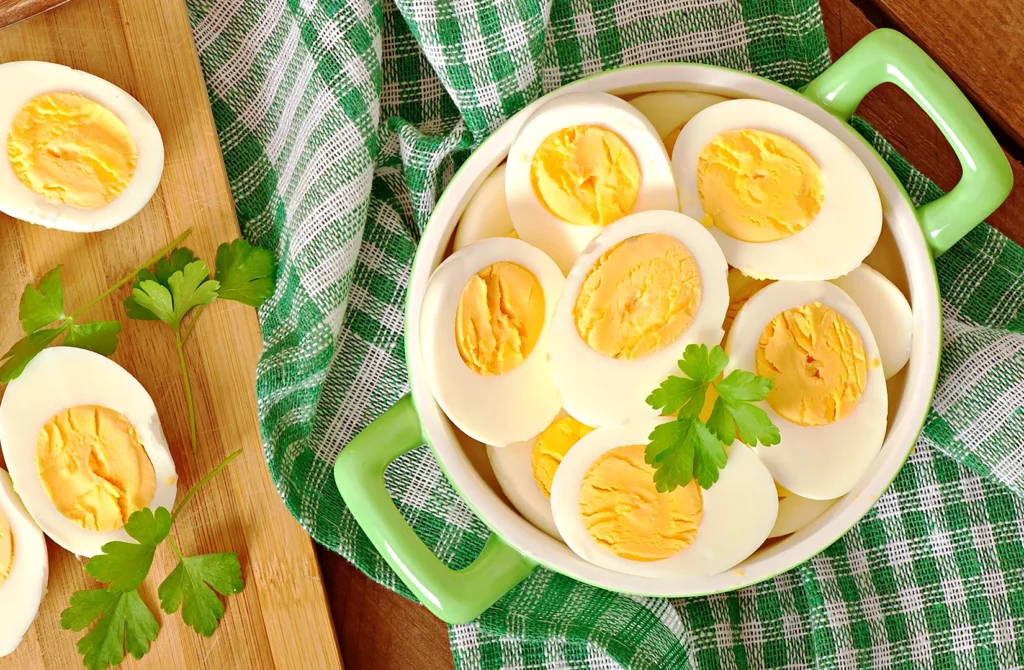
By the time the plate reaches the table, the sauce has settled into every ridge and corner. It leaves a warm, salted trace on the fingers and a faint curry-leaf perfume in the air. I think of it less as luxury than care: an ordinary egg, preserved, broken down, and brought back together with patience.

A Symphony of Senses: Why Southeast Asian Food is the World’s Greatest Culinary Journey
Dio Asahi | February 12, 2026
If you were to stand at a busy intersection in Bangkok, Ho Chi Minh City, or Jakarta and close your eyes, your nose would tell you a story before your eyes ever could. There is a specific, intoxicating perfume that defines Southeast Asian food: the sharp tang of lime juice hitting a hot wok, the…
-
The Alchemy of the Wok: The Story of Singapore-Style Bee Hoon
Eda Wong | February 10, 2026
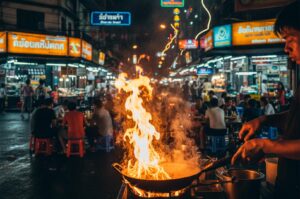
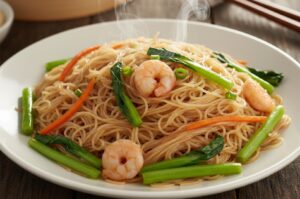
Across the humid evening air of Singapore, a rhythmic clatter echoes from hawker stalls to high-rise kitchens—the sound of a metal spatula against a seasoned wok. Within that intense heat, rice vermicelli noodles undergoes a profound transformation, absorbing the golden hues of curry powder, the savory depths of soy sauce, and the smoky “breath” of…
-
The Sizzle of the Wok: An Exploration of Fried Bee Hoon Across Southeast Asia
Eat Drink Asia Team | February 7, 2026
Across Southeast Asia, from bustling hawker centers to family kitchens, the sizzle of rice vermicelli noodles hitting a hot wok is a universal comfort. Few dishes capture the spirit of Asian noodle culture as well as fried bee hoon. This stir fry, made with thin rice noodles, delivers a tasty meal any time of the…
-
The Silk of the East: A Deep Dive into Bee Hoon and the Art of Rice Vermicelli
Eda Wong | February 5, 2026
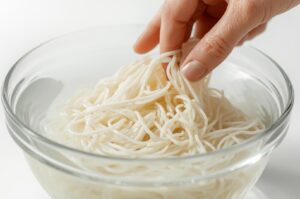
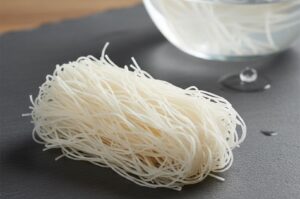
Across the bustling kitchens of Southeast Asia, one humble ingredient has woven itself into the fabric of countless beloved dishes. Bee hoon, the delicate rice vermicelli that transforms from brittle strands into silky noodles, represents centuries of culinary tradition and innovation. Whether you’ve savored Singapore noodles in a hawker center or encountered fried bee hoon…
-
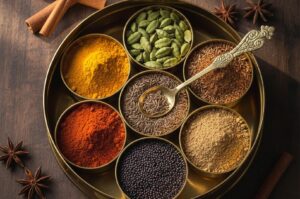
The Eternal Hearth: A Journey Through the Soul of Indian Foods Vegetarian Traditions
Dio Asahi | February 3, 2026
In the vibrant tapestry of global gastronomy, few cultures have elevated the plant-based plate to an art form quite like India. While much of the world has recently turned toward meat alternatives for health or environmental reasons, Indian cuisine has been centered on the vegetable for millennia. This isn’t merely a dietary choice; it is…
-
The Essence of Jeju Citron Tea: A Distinctive Profile of Yuja Tea in Korea
Dio Asahi | January 31, 2026
Imagine sitting in a quiet, sun-drenched teahouse overlooking the dramatic volcanic coastline of Jeju Island. The steam rising from your cup carries an aroma that is at once familiar and yet entirely new—a version of Korean citron tea, or yuja cha, that tastes of sea salt, volcanic soil, and generations of island tradition. As you…
-
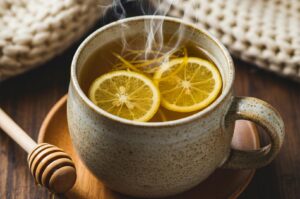
Korean Citron Tea: Health Benefits and Wellness Secrets
Eat Drink Asia Team | January 29, 2026
As the seasons change and a chill enters the air, many of us seek out comforting rituals to support our well-being. Imagine wrapping your hands around a steaming cup of Korean citron tea—also known as yuja-cha—its bright, citrus aroma soothing and revitalizing with every sip. More than just a winter treat, Korean citron tea is…
-
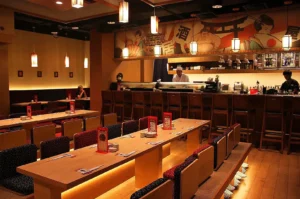
When the Izakaya Becomes the Plan: Izakaya Singapore Top Picks for After-Work Reset
Dio Asahi | January 28, 2026
January 28, 2026 | Dio Asahi Last updated: September 14, 2026 As you step behind the humble noren curtain, you’re greeted by glowing lanterns, sizzling charcoal-grilled skewers, and warm welcomes. This is izakaya, Japan’s casual pub, a vibrant part of Singapore’s dining scene. More than just yakitori and sake, izakayas offer a lively setting for social…
-
Yuja Tea: Korea’s Traditional Citron Tea
Dio Asahi | January 27, 2026
The golden, aromatic steam rising from a cup of yuja tea carries centuries of Korean tradition and wellness wisdom. This caffeine-free citrus beverage has warmed Korean hearts through countless winters, offering both comfort and powerful health benefits in every sip. Made from the Korean citron known as yuja fruit, this simple Korean tea represents one…
-
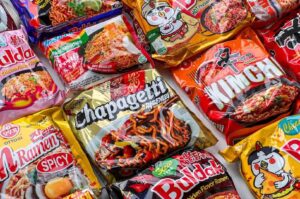
The Global Phenomenon of Korean Instant Noodle: A Cultural and Culinary Journey
Eda Wong | January 24, 2026
In the high-octane streets of South Korea, where the “pali-pali” (hurry-hurry) culture defines the pace of life, one dish stands as the ultimate equalizer of speed and satisfaction: Korean ramyeon. While the world often uses the terms ramen and ramyeon interchangeably, the Korean version is a distinct entity. It is not merely a quick snack…