By Eda Wong for Eat Drink Asia.
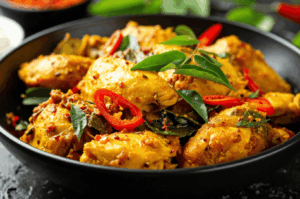
The wok station is already hot when the cook lowers the flame. In the narrow back of a Singapore zi char kitchen, the air smells of butter, curry leaves, and the faint mineral edge of salted duck egg. A metal spatula presses cooked yolks through oil until they loosen into a grainy paste. Then comes the sound I wait for: a soft foaming hiss, not a sizzle, as the yolk meets fat and begins to bloom. The sauce turns the colour of marigold dust. It looks rich before it tastes rich, clinging to the curve of the wok in slow, glossy streaks.
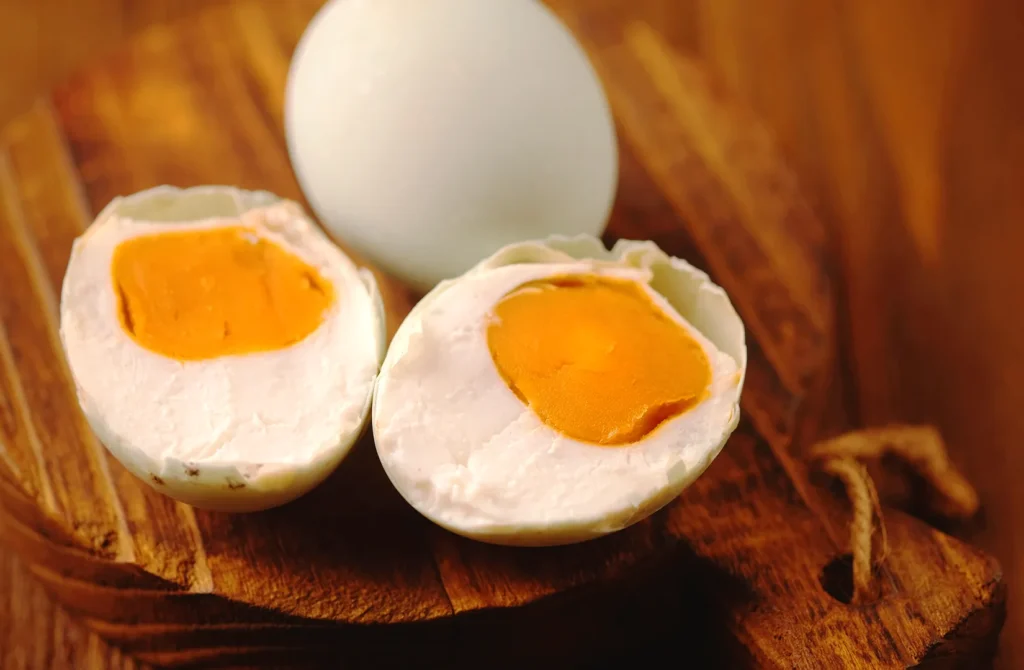
Salted egg, or 咸蛋, often said as haam daan in Cantonese, is usually a duck egg cured in salt until the white becomes sharp and the yolk turns dense, oily, and almost sandy; a quiet reminder that, in East Asian cusine, umami is its own kind of masterclass. In many kitchens, the yolk is the part that matters most for sauce. It is cooked, mashed, and coaxed into butter or oil with aromatics such as curry leaves and chilli, and sometimes a little milk to soften its edges. Properly handled, it becomes an emulsion: not just melted fat, not just crumbled yolk, but a sauce that holds together. The heat must stay low enough to keep it from splitting, yet high enough to wake the yolk’s deep savoury aroma. When it works, the texture is plush but not heavy, salty but not blunt.
At the table, salted egg sauce carries a particular kind of appetite. It belongs easily to shared plates, to family meals where someone reaches first for the prawn, someone else for the tofu, and the last streaks of sauce are dragged across rice without ceremony. It signals generosity, but also judgement. Too much sauce can bury the ingredient underneath; too little makes the plate feel unfinished. I have watched people pause before taking the final piece, measuring politeness against desire. That small hesitation is part of the meal. Salted egg is not quiet in flavour, but it still asks for balance: the bitterness of curry leaf, the heat of chilli, the sweetness of shellfish or pumpkin, the plainness of rice.
What feels worth recognising now is how easily salted egg has become shorthand for indulgence. It appears as powder, coating, drizzle, dust; a flavour that can be applied quickly to anything crisp. There is pleasure in that too, but it can flatten the ingredient into a trend instead of a technique. The older craft is slower and more fragile. It depends on mashed yolks, controlled heat, and the cook’s eye for the moment when the sauce stops looking broken and starts looking alive. A good salted egg sauce does not shout through excess. It holds richness in place.
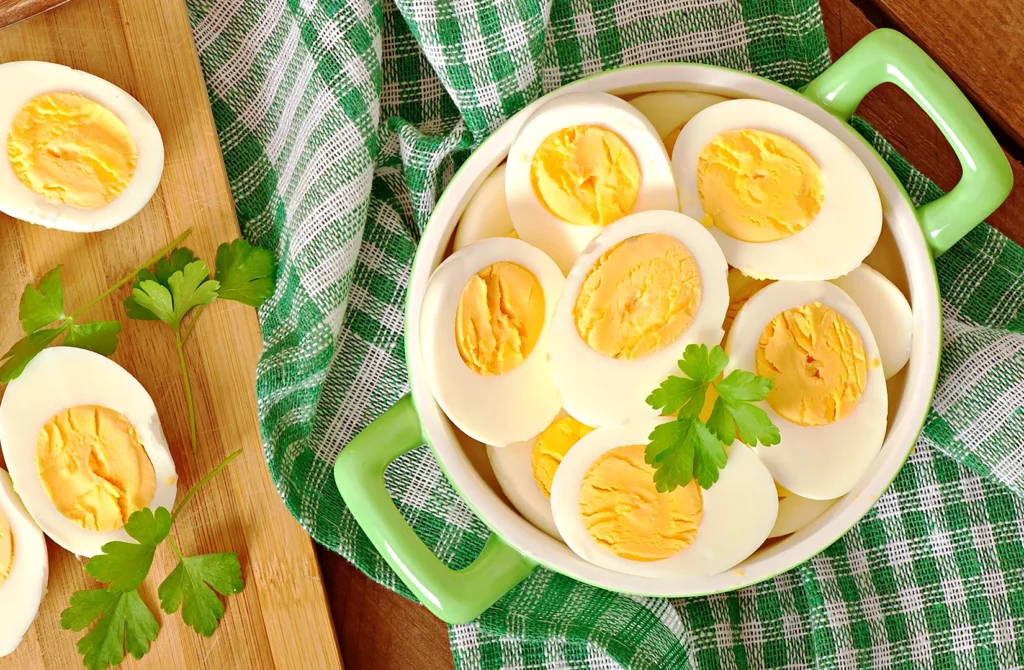
By the time the plate reaches the table, the sauce has settled into every ridge and corner. It leaves a warm, salted trace on the fingers and a faint curry-leaf perfume in the air. I think of it less as luxury than care: an ordinary egg, preserved, broken down, and brought back together with patience.

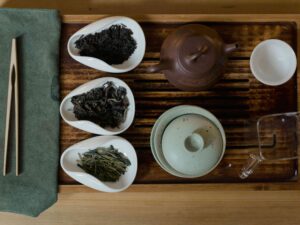
The Art of Asian Tea Ceremony Traditions: Ancient Rituals and Cultural Values Across Asia
Dio Asahi | November 15, 2025
A cup of tea, in many parts of Asia, represents far more than a beverage-it is a conduit to ancestral tradition, intellectual pursuit, and the cultivation of mindfulness. Asian tea ceremony traditions turn the act of drinking tea into a sophisticated art form, layered with symbolism, philosophy, and socio-cultural values. Each gesture, from scooping powdered…

The Art of Slow-Cooked Curry Recipes: Time’s Magic in South Asian Cuisine
Eda Wong | November 13, 2025
Step into a South Asian kitchen, and the senses are instantly enveloped by the inviting aroma of food slowly simmering in a sturdy clay pot or heavy vessel. The allure is undeniable: in this space, slow-cooked curry recipes are a celebration of patient tradition, spices, and the richness of South Asian cuisine. Here, time and…
-
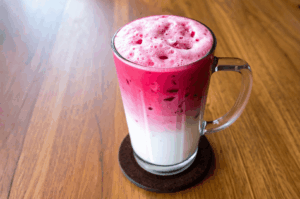
Bandung Drink Recipe: A Singaporean Rose Syrup Drink Tradition
Eat Drink Asia Team | November 11, 2025
Step into any night market or hawker centre in Singapore, and you’ll spot a vibrant, glowing glass filled with a cold, beautiful drink-Bandung. Known for its iconic blush-pink hue and refreshing taste, this rose syrup drink is an integral part of Singapore’s beverages scene and a cherished tradition in Southeast Asian gatherings. More than just…
-
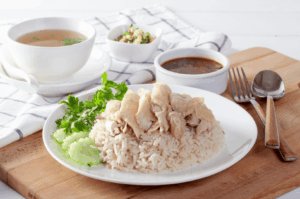
The Ultimate Hainanese Chicken Rice Recipe: A Deep Dive
Eda Wong | November 8, 2025
To wander through Singapore’s bustling hawker centres on a humid evening is to experience a symphony of sights, sounds, and smells. Among the many other dishes sizzling away, one plate stands out for its elegant simplicity: Hainanese Chicken Rice. It arrives without fanfare-gleaming slices of poached chicken over fragrant rice, flanked by a trio of…
-
Bubble Tea Origins: How Taiwan Created a Global Beverage Phenomenon
Dio Asahi | November 6, 2025
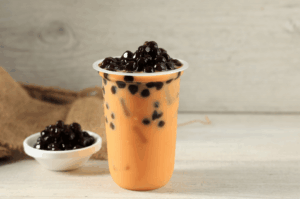
From Taipei to New York, a single drink has captured the world’s taste buds: bubble tea. This beverage, known as pearl milk tea or boba tea, and also known as boba in many regions, is celebrated for its delightful combination of sweet, creamy tea and signature chewy tapioca pearls. What began as a novel creation…
-
A Food Lover’s Guide to the Taiwanese Oyster Omelet
Eat Drink Asia Team | November 4, 2025
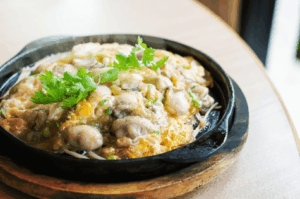
As twilight descends upon Taipei City, a vibrant energy pulses through its streets. This is the hour of the night markets, bustling hubs of community, commerce, and some of the world’s most incredible street food. Amidst the steam from soup dumplings and the sizzle of Taiwanese fried chicken, one iconic dish reigns supreme: the Taiwanese…
-
Jamu: Indonesian Herbal Medicine for Modern Well-Being
Dio Asahi | November 1, 2025
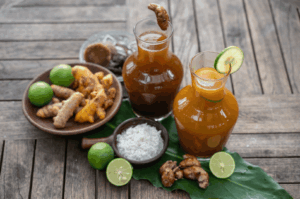
Across the Indonesian archipelago, a vibrant tradition of herbal healing has flourished for centuries. This is jamu, a cornerstone of Indonesian cultural heritage and a sophisticated system of traditional herbal medicine. Far more than just a refreshing drink, jamu represents a philosophy of balance, a deep connection to nature, and a form of indigenous medicine…
-
Padang Beef Rendang: The Complex Process Behind Indonesia’s Most Famous Dish
Eda Wong | October 30, 2025
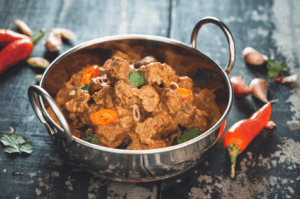
This post may contain affiliate links. For full transparency, this article may contain affiliate links. To call Padang beef rendang simply a dish is to miss the soul of Indonesian cuisine. This legendary slow-cooked dry curry, a centerpiece of both festive tables and humble meals, has earned its fame as one of the world’s most…
-
Teh Tarik Malaysia: The Art and Science Behind Iconic Pulled Tea
Eat Drink Asia Team | October 28, 2025
In Malaysia, ordering a cup of teh tarik is about so much more than just enjoying a hot drink. Teh tarik, literally translated as “pulled tea,” is Malaysia’s national beverage, famous for its sweet, creamy taste, frothy top, and the spectacular pulling technique seen in bustling mamak stalls and coffee shops across the country. A…
-
The Legendary Penang Char Kway Teow: A Culinary Journey
Dio Asahi | October 25, 2025
The air in Penang is thick with anticipation, carrying the sounds and smells of Malaysian street food being crafted with expert care. Your attention is captured by one of the many street vendors, a master standing before a seasoned wok glowing over an intense fire. The rhythmic clanging of metal on metal is the soundtrack…