By Eda Wong for Eat Drink Asia.
The wok station is already hot when the cook lowers the flame. In the narrow back of a Singapore zi char kitchen, the air smells of butter, curry leaves, and the faint mineral edge of salted duck egg. A metal spatula presses cooked yolks through oil until they loosen into a grainy paste. Then comes the sound I wait for: a soft foaming hiss, not a sizzle, as the yolk meets fat and begins to bloom. The sauce turns the colour of marigold dust. It looks rich before it tastes rich, clinging to the curve of the wok in slow, glossy streaks.
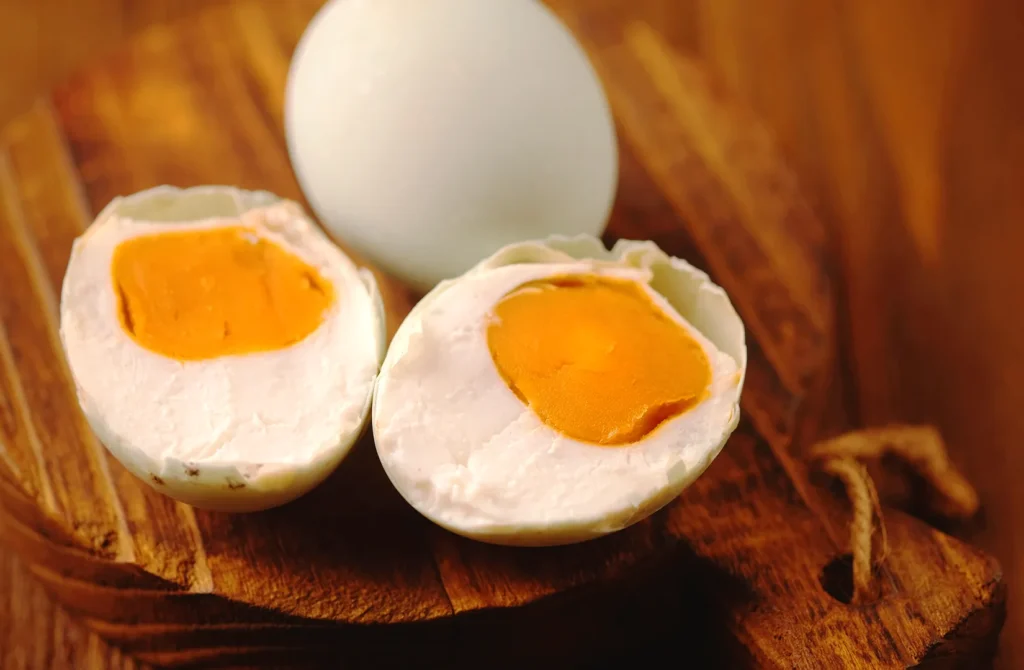
Salted egg, or 咸蛋, often said as haam daan in Cantonese, is usually a duck egg cured in salt until the white becomes sharp and the yolk turns dense, oily, and almost sandy; a quiet reminder that, in East Asian cusine, umami is its own kind of masterclass. In many kitchens, the yolk is the part that matters most for sauce. It is cooked, mashed, and coaxed into butter or oil with aromatics such as curry leaves and chilli, and sometimes a little milk to soften its edges. Properly handled, it becomes an emulsion: not just melted fat, not just crumbled yolk, but a sauce that holds together. The heat must stay low enough to keep it from splitting, yet high enough to wake the yolk’s deep savoury aroma. When it works, the texture is plush but not heavy, salty but not blunt.
At the table, salted egg sauce carries a particular kind of appetite. It belongs easily to shared plates, to family meals where someone reaches first for the prawn, someone else for the tofu, and the last streaks of sauce are dragged across rice without ceremony. It signals generosity, but also judgement. Too much sauce can bury the ingredient underneath; too little makes the plate feel unfinished. I have watched people pause before taking the final piece, measuring politeness against desire. That small hesitation is part of the meal. Salted egg is not quiet in flavour, but it still asks for balance: the bitterness of curry leaf, the heat of chilli, the sweetness of shellfish or pumpkin, the plainness of rice.
What feels worth recognising now is how easily salted egg has become shorthand for indulgence. It appears as powder, coating, drizzle, dust; a flavour that can be applied quickly to anything crisp. There is pleasure in that too, but it can flatten the ingredient into a trend instead of a technique. The older craft is slower and more fragile. It depends on mashed yolks, controlled heat, and the cook’s eye for the moment when the sauce stops looking broken and starts looking alive. A good salted egg sauce does not shout through excess. It holds richness in place.
By the time the plate reaches the table, the sauce has settled into every ridge and corner. It leaves a warm, salted trace on the fingers and a faint curry-leaf perfume in the air. I think of it less as luxury than care: an ordinary egg, preserved, broken down, and brought back together with patience.

The First Squeeze of Calamansi in a Noodle Stall Bowl
Dio Asahi | July 22, 2026
The bowl lands in front of me, broth still trembling from the walk across the stall. Steam rises and fogs the edge of my glasses. To the side sits a small dish of calamansi halves, cut and waiting, their skins slick under the fluorescent light. I pick one up. It gives slightly between my fingers,…
-
Isshin Machi East Coast: Where Comfort Food Turns Addictive
Dio Asahi | July 21, 2026
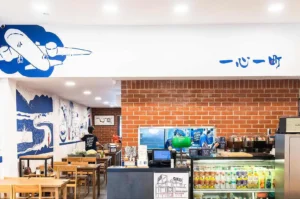
Let me clear up the first puzzle right away. The name “Isshin Machi” sounds unmistakably Japanese, and I’ll admit I walked in half-expecting ramen and gyoza. What I found instead was a Taiwanese kitchen, plates of lu rou fan, braised beef noodles, and golden fried chicken that trace straight back to the island’s home cooking….

Best Cafe Singapore: A Map of Brunch Plates, Quiet Corners, and Dangerous Pastries
Dio Asahi | July 18, 2026
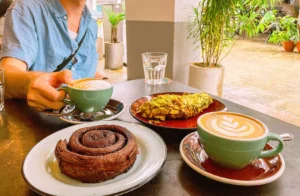
I didn’t set out to make a list. I made a habit. Over the years, cafes became the places I went to think, to wait out the rain, to sit with a coffee I didn’t have to rush. Some I returned to for the food. Others, I returned to for the feeling — the way…
-
Pickled Mustard Greens: The Sour Note in Clear Broth
Eda Wong | July 17, 2026
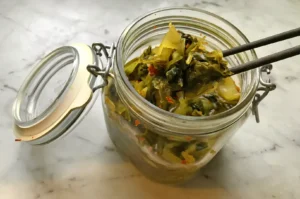
Steam lifts from a bowl of clear pork broth, and a spoonful of chopped pickled greens slides in. The broth shifts at once, its richness suddenly cut by a sharp, clean sourness that sits high and bright on the tongue. The greens have softened in the heat but keep a faint, springy crunch. Someone leans…
-
The Potato Curry That Teaches You How Spices Wake Up: A Beginner’s Indian Cooking Lesson
Eda Wong | July 16, 2026
The first time I made aloo curry on my own, I burned the cumin. I remember standing in my tiny HDB kitchen, watching those little seeds go from golden to black in what felt like one breath, and thinking: this is harder than it looks. But here’s what that bitter, smoky disaster taught me, the…
-
Bamboo Skewers and Smoke: Street Grills in Chiang Mai
Dio Asahi | July 15, 2026
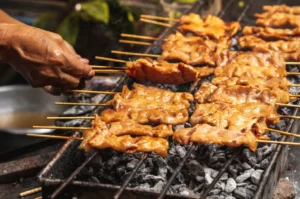
The cart glows at the edge of the lane just as the heat of the day finally loosens. A woman fans the coals with a flattened piece of cardboard, and the embers brighten orange under a row of skewers. Fat slides off the pork, hits the charcoal, and hisses upward in a thin curl of…
-
Chana Masala With Warm Roti, Built for Weeknights: Quick Vegetarian Dinner Recipes Indian
Dio Asahi | July 14, 2026
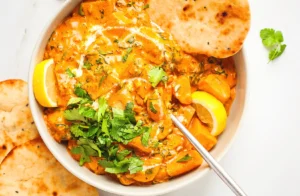
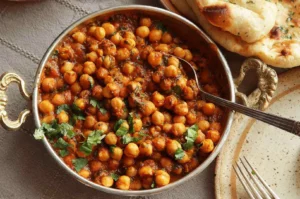
The first time I made chana masala, I started with dried chickpeas at 7:30 on a weeknight, soaking and boiling like the recipe said. By the time the curry was actually done, it was nearly ten and I’d already eaten half a loaf of bread out of sheer hunger. That night taught me something I…
-
One-Pan Chicken Curry With Jeera Rice and Cucumber Raita: Food for Dinner Indian, Made Practical
Eat Drink Asia Team | July 11, 2026
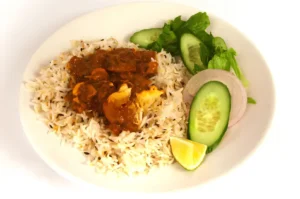
The first time we cooked a full Indian dinner on a weeknight, the curry, rice, and raita felt like three separate tasks—three pans, three timers, and a kitchen full of wonderful smells but chaos. The curry was good, the rice sticky, and the raita watery from being made too early. That night taught us a…
-
Banana Leaf Steam: Why Some Rice Smells Like Home
Eda Wong | July 10, 2026
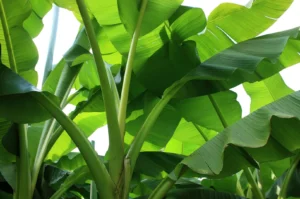
Steam rises from the pot, and a woman lifts a banana leaf over the open flame, turning it once, twice, until its stiff green softens and the surface goes glossy and pliant. She wipes it down with a damp cloth, then spoons hot rice into its center while the grains still steam. The leaf releases…
-
Tambuah Mas Paragon, Delivered: Unique Food Delivery Singapore With Old-School Comfort
Eda Wong | July 9, 2026
I ordered from Tambuah Mas on a rainy Sunday at around 6:15pm, mostly because I wasn’t in the mood to dress up and head into town, but I still wanted a proper meal. Not a sad one-bowl lunch. A real spread. That’s the thing about Tambuah Mas. It’s been around since 1981, serving Indonesian home-style…